
Eyjafjallajökull 2010: More Than Just a Volcano, a Global Air Travel Earthquake

Welcome to Volcano Explorers!
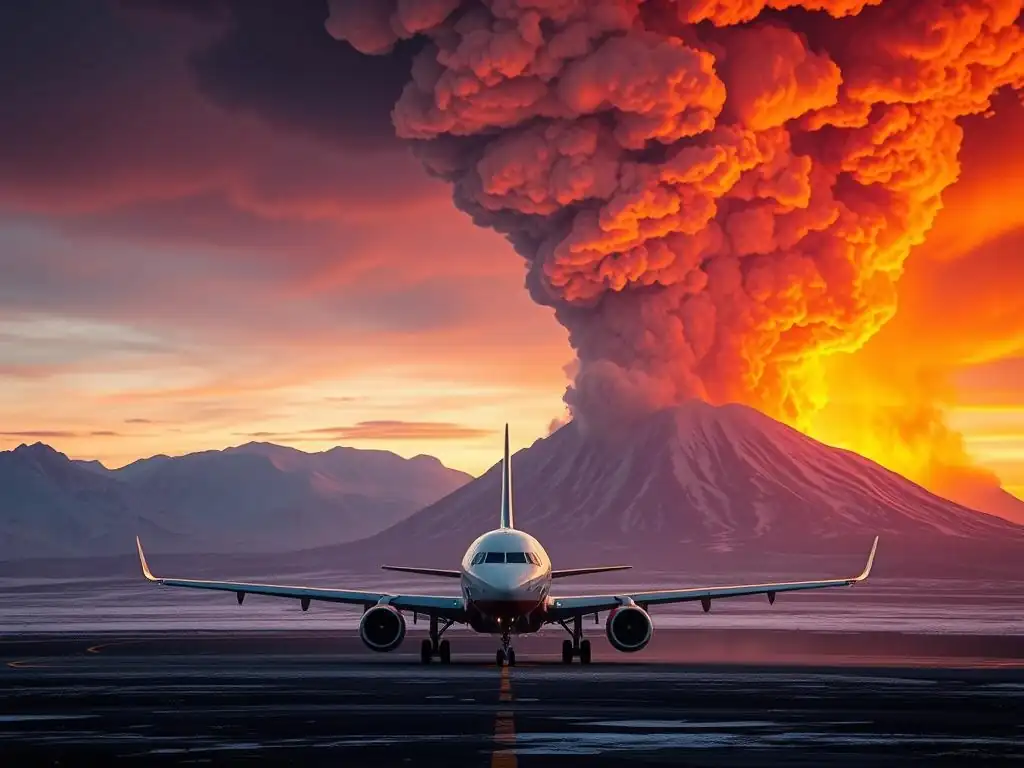
Prepare to be captivated by the raw power and unpredictable nature of volcanoes. But the story of Eyjafjallajökull isn't just about molten rock and ash. Discover how this single eruption, a name now etched in history, triggered a domino effect that brought global air travel to its knees. Are you ready to uncover the full story of its impact?
- Introduction: The Eyjafjallajökull Eruption and its Global Reach
-
Frequently Asked Questions
- What was the main impact of the Eyjafjallajökull eruption of 2010?
- Why did the Eyjafjallajökull eruption cause so much air travel disruption?
- How did the Eyjafjallajökull eruption affect the tourism industry in Iceland?
- What lessons were learned from the Eyjafjallajökull eruption regarding volcanic ash monitoring?
- What safety measures are now in place for air travel near active volcanoes?
- Final Reflection: The Enduring Echo of Eyjafjallajökull
- Reignite Your Wanderlust: Plan Your Next Volcanic Adventure!
Introduction: The Eyjafjallajökull Eruption and its Global Reach
Setting the Stage: Iceland's Volcanic Landscape and Eyjafjallajökull
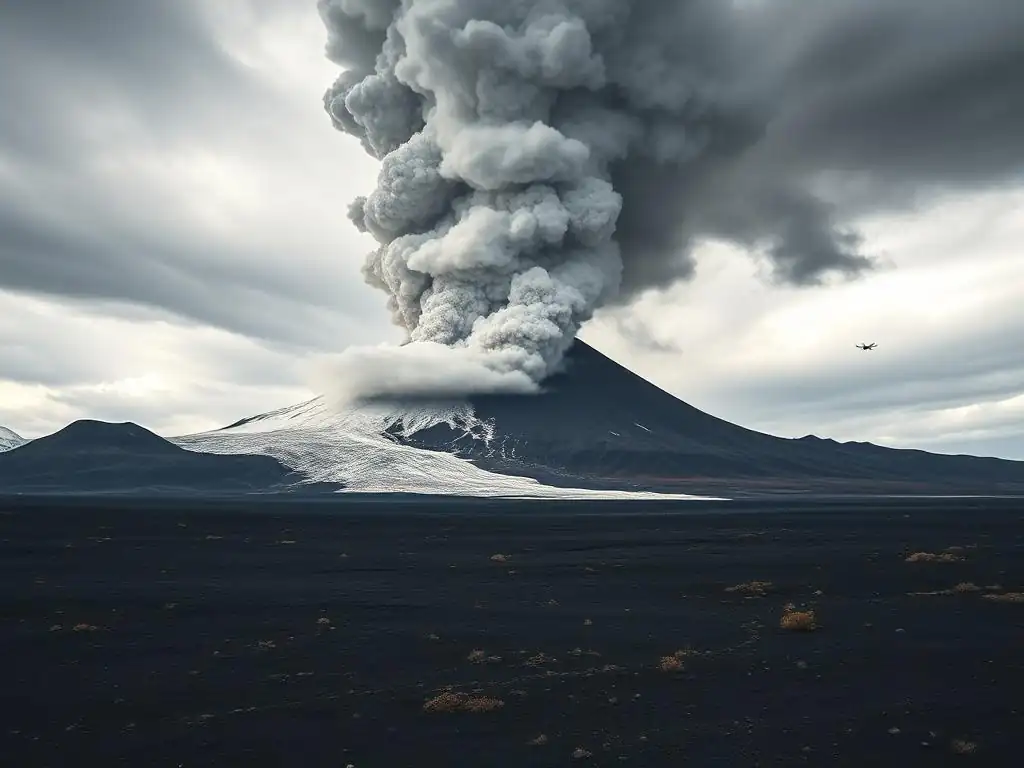
Iceland, aptly nicknamed the "Land of Fire and Ice," owes its dramatic landscapes to its unique geological position astride the Mid-Atlantic Ridge. This divergent plate boundary, where the North American and Eurasian plates are pulling apart, fuels intense volcanism and geothermal activity. The island boasts over 30 active volcanic systems, a testament to the powerful forces shaping its terrain. These systems range from submarine vents to towering ice-capped stratovolcanoes, each contributing to Iceland's dynamic and often volatile environment.
Eyjafjallajökull, nestled in southern Iceland, is a moderately sized ice-capped stratovolcano, whose name, quite a challenge for non-Icelandic speakers, translates to "Island Mountain Glacier." While not as colossal as some of Iceland's more notorious volcanic giants like Katla or Hekla, Eyjafjallajökull possesses its own significance.
Historically, it has erupted several times, often in close succession with its larger, more menacing neighbor, Katla, located beneath the expansive Mýrdalsjökull ice cap to the east. However, the 2010 eruption of Eyjafjallajökull distinguished itself not by sheer magnitude, but by the unprecedented and widespread disruption it inflicted upon global air travel, demonstrating the far-reaching consequences of even a mid-sized volcanic event in our interconnected world.
The Eruption of Eyjafjallajökull: A Timeline of Events (April-May 2010)
The 2010 Eyjafjallajökull eruption was not a singular event but rather a sequence of phases that unfolded over weeks, beginning with precursory seismic activity. For months leading up to the eruption, instruments detected increasing tremors beneath Eyjafjallajökull, indicating magma movement and a build-up of pressure within the volcanic system.
The eruption officially commenced on March 20, 2010, with a relatively modest effusive eruption from the Fimmvörðuháls pass, located on the eastern flank of the volcano. This initial phase, characterized by lava flows, attracted local onlookers and hikers, but did not trigger widespread alarm or significant disruptions beyond the immediate vicinity.
The situation intensified dramatically on April 14, 2010, marking a critical turning point. A more powerful explosive eruption phase initiated from the summit caldera, directly beneath the ice cap. This phase was characterized by the forceful ejection of vast plumes of volcanic ash into the atmosphere.
The interaction between the hot magma and the glacial ice capping the volcano led to phreatomagmatic explosions. These types of eruptions are particularly efficient at fragmenting magma into fine ash particles, due to the rapid heating and expansion of water. This ash plume, propelled high into the atmosphere by the eruptive forces and then carried by prevailing winds, became the primary catalyst for the subsequent air travel chaos that paralyzed European airspace and reverberated globally throughout April and May 2010.
Ash Plume Composition and Altitude: Factors Affecting Air Travel
The composition of the volcanic ash emitted during the Eyjafjallajökull eruption played a pivotal role in its severe impact on air travel. Volcanic ash is not the soft, fluffy residue one finds in a fireplace; rather, it is composed of microscopic, jagged shards of volcanic glass and pulverized rock. These particles are incredibly abrasive and hard, capable of inflicting significant damage on aircraft components, most critically, jet engines. Analyses of the Eyjafjallajökull ash revealed a high silica content, which further enhanced its hardness and potential for abrasion, making it particularly hazardous to aircraft.
The altitude attained by the ash plume was another critical factor determining the scale of the air travel disruption. The explosive eruption propelled ash high into the jet stream, reaching altitudes of up to 9 kilometers (30,000 feet) and in some instances even exceeding 11 kilometers (35,000 feet). This placed the ash plume squarely within the typical cruising altitudes of commercial airliners.
Prevailing westerly winds then transported the ash cloud eastward across Europe, effectively blanketing vast swathes of airspace with an invisible but very real hazard. The combination of the plume's abrasive composition and its high altitude, coupled with its extensive geographical spread, transformed the Eyjafjallajökull ash cloud into a unique and potent threat that necessitated unprecedented air travel restrictions.
Frequently Asked Questions
What was the main impact of the Eyjafjallajökull eruption of 2010?
The primary impact was a massive disruption to global air travel. Ash clouds forced the cancellation of thousands of flights, stranding millions of passengers worldwide. The eruption also highlighted the vulnerability of modern transportation systems to natural disasters.
Why did the Eyjafjallajökull eruption cause so much air travel disruption?
The volcanic ash contained microscopic particles of glass and rock, which could damage jet engines. Authorities feared engine failure and shut down airspace as a precaution. This widespread airspace closure impacted air travel significantly.
How did the Eyjafjallajökull eruption affect the tourism industry in Iceland?
Initially, tourism suffered due to flight cancellations. However, the eruption unexpectedly boosted Iceland's long-term tourism as people became fascinated with the volcano. This led to increased interest in visiting Iceland and other volcanic regions.
What lessons were learned from the Eyjafjallajökull eruption regarding volcanic ash monitoring?
The eruption revealed the need for improved volcanic ash monitoring and prediction capabilities. Scientists and aviation authorities worked to develop better models for tracking ash plumes. This included investment in technology to detect ash in the atmosphere.
What safety measures are now in place for air travel near active volcanoes?
There are now enhanced monitoring systems, improved ash cloud detection technology, and stricter regulations regarding flight paths near active volcanoes. There are also better communication protocols between volcanologists and aviation authorities.
Final Reflection: The Enduring Echo of Eyjafjallajökull
The eruption of Eyjafjallajökull in 2010, initially perceived as a localized Icelandic event, revealed itself to be a global air travel earthquake, the aftershocks of which continue to resonate in our interconnected world. The lessons learned about vulnerability, preparedness, and the delicate balance between nature and technology remain profoundly relevant as we navigate an increasingly complex and unpredictable future.
The disruption caused by the eruption served as a stark reminder of our dependence on global systems and the fragility of modern infrastructure. The experience forced a collective pause, prompting a re-evaluation of risk management and the importance of contingency planning. The greatest glory in living lies not in never falling, but in rising every time we fall.
- Nelson Mandela. This quote encapsulates the spirit of resilience and adaptation that emerged in the wake of the Eyjafjallajökull eruption, influencing how we approach global challenges today.
As you reflect on the Eyjafjallajökull eruption and its far-reaching travel impact, consider the lessons it offers for your own life. How can you better prepare for unexpected disruptions? How can you contribute to building more resilient and sustainable systems? Let the memory of this volcanic event serve as a catalyst for proactive planning and a deeper appreciation for the interconnectedness of our world.
Reignite Your Wanderlust: Plan Your Next Volcanic Adventure!
Thanks for delving into the fascinating story of Eyjafjallajökull and its impact on global air travel. Now that you've seen the power of nature up close, it's time to channel that inspiration into action.
Here's how you can keep the spirit of exploration alive:
- Boldly research and plan a trip to visit an active or dormant volcano – experience the raw beauty and geological forces firsthand (always prioritize safety and follow local guidelines! ).
- Share this article with fellow travel enthusiasts or aspiring geologists to spark their interest in volcanic phenomena and their global impact.
- Dive deeper! Research the geological history of your own region – you might be surprised to uncover fascinating volcanic pasts closer than you think.
What's the most awe-inspiring volcanic feature you've always dreamed of witnessing in person? Share your dream destination in the comments below!