
Future Volcanic Research in the East African Rift System

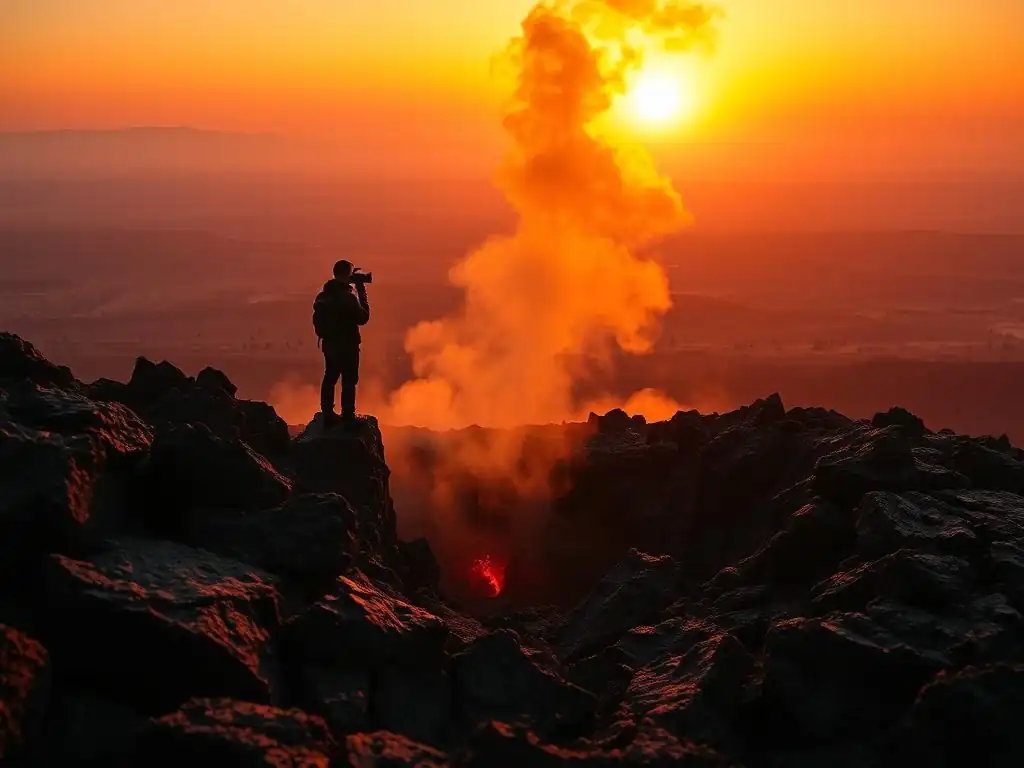
Welcome to Volcano Explorers, where the Earth's fiery secrets are revealed.
Imagine witnessing the raw power of creation, the very forces that shape our planet. Our latest exploration plunges into the heart of the East African Rift volcano research, a region brimming with geological drama and untold discoveries. What new insights are bubbling to the surface? Prepare to be amazed as we uncover the future of volcanic research in this breathtaking, yet volatile, landscape.
- Introduction: Unveiling the Secrets of East African Rift Volcanoes
- Current Understanding of Volcanic Activity in the East African Rift System
- Key Research Priorities for East African Rift Volcanoes
- Advanced Technologies for Future East African Rift Volcano Research
- Collaborative Research Initiatives in the East African Rift
- Specific Research Projects and Potential Discoveries
- Mitigating Volcanic Hazards Through Improved Research
- The Future of East African Rift Volcano Research: Challenges and Opportunities
- Conclusion: Advancing Our Knowledge of East African Rift Volcanoes
-
Frequently Asked Questions
- What are some of the key areas of future East African Rift volcano research?
- Why is the East African Rift System so volcanically active?
- How does research in the East African Rift System contribute to our overall understanding of volcanoes?
- What are the biggest challenges facing volcanologists studying East African Rift volcanoes?
- How can I stay informed about the latest East African Rift volcano research?
- Final Reflection: Igniting Future Understanding of Rift Volcanoes
- Ignite Your Inner Volcanologist!
Introduction: Unveiling the Secrets of East African Rift Volcanoes
Exploring the Dynamic Volcanic Landscape of the East African Rift
The East African Rift System (EARS) is a colossal geological marvel, stretching thousands of kilometers across eastern Africa. This vast rift valley is not only a testament to the Earth's dynamic tectonic forces but also a region teeming with active volcanoes, offering a unique natural laboratory for volcanologists. The landscape is incredibly diverse, featuring towering stratovolcanoes like Mount Kilimanjaro and Mount Kenya, alongside broad shield volcanoes, and explosive caldera systems such as Longonot and Menengai.
The region's volcanic features are a direct result of the continental rifting process, where the Earth's crust is being pulled apart, leading to magma generation and ascent. This geological setting creates a complex and fascinating array of volcanic phenomena, making East African Rift volcano research crucial for understanding fundamental volcanic processes.
The varied volcanic expressions within the East African Rift are not just visually stunning; they represent a wide spectrum of volcanic activity styles and magma compositions. From the effusive lava flows of shield volcanoes to the violent eruptions of stratovolcanoes and the unique carbonatite lavas of Oldoinyo Lengai, the EARS provides an unparalleled opportunity to study the full range of volcanic processes in a single, geographically coherent region.
Understanding the interplay of these different volcanic styles and their underlying magmatic systems is a key focus of ongoing and future East African Rift volcano research, promising to unlock deeper insights into the Earth's inner workings and the hazards associated with volcanism.
Why East African Rift Volcano Research Matters
Research into East African Rift volcanoes is not merely an academic pursuit; it has profound scientific and societal implications. From a scientific perspective, the EARS is a natural laboratory for studying the fundamental processes of continental rifting, magma generation, and volcano evolution. The insights gained from East African Rift volcano research can be extrapolated to understand similar volcanic regions around the world and improve our general understanding of how planets evolve. Furthermore, the diverse range of volcanic products and eruption styles observed in the EARS provide valuable data for refining models of volcanic behavior and forecasting eruptions globally.
Beyond the purely scientific benefits, East African Rift volcano research is critically important for the safety and well-being of the millions of people who live in close proximity to these active volcanic systems. The region is densely populated, and volcanic eruptions pose significant hazards, including lava flows, ashfall, pyroclastic flows, and volcanic gases.
Improving our understanding of the volcanic hazards in the East African Rift is essential for developing effective monitoring systems, hazard assessments, and mitigation strategies. Moreover, volcanic regions are often associated with geothermal resources, and East African Rift volcano research can contribute to the sustainable development of geothermal energy, offering a clean energy source for the region.
Current Understanding of Volcanic Activity in the East African Rift System
Existing Geological and Geophysical Data
Our current understanding of volcanic activity in the East African Rift System is built upon decades of geological and geophysical investigations. Extensive geological mapping has delineated the major volcanic centers and their eruptive histories. Geophysical surveys, including seismic studies, gravity measurements, and magnetotelluric soundings, have provided insights into the crustal structure and the distribution of magma beneath the rift.
For example, seismic tomography studies have revealed low-velocity zones in the upper mantle, indicating regions of partial melt that feed the volcanoes. Furthermore, analysis of volcanic rocks from past eruptions has provided valuable information on magma compositions, eruption styles, and the timescales of magmatic processes.
Continuous GPS measurements across the rift valley are crucial for monitoring crustal deformation, which can indicate magma movement and pre-eruptive inflation of volcanoes. Satellite-based monitoring techniques, such as InSAR (Interferometric Synthetic Aperture Radar), complement ground-based GPS by providing a broader spatial view of deformation patterns. These datasets, combined with historical records of eruptions and ongoing monitoring efforts, form the foundation of our current knowledge of East African Rift volcano research and provide a baseline for future investigations. However, despite these advancements, significant gaps remain in our understanding of the complex volcanic systems within the EARS.
Limitations of Current East African Rift Volcano Research
Despite the progress made in East African Rift volcano research, significant limitations hinder a comprehensive understanding of these complex systems. One major challenge is the sheer scale and remoteness of many volcanic areas within the rift. Access can be difficult, and establishing dense monitoring networks across such vast and rugged terrain is logistically demanding and expensive. Furthermore, volcanic activity in the EARS is often episodic and punctuated by long periods of quiescence, making it challenging to capture the full spectrum of volcanic behavior within typical research project timelines.
Another critical limitation is the scarcity of long-term, continuous monitoring data for many volcanoes in the region. While some volcanoes are relatively well-monitored, particularly those near populated areas or with recent activity, many others lack comprehensive instrumentation. This lack of continuous, high-resolution data makes it difficult to detect subtle pre-eruptive signals and to fully characterize the dynamics of magmatic systems. Moreover, the complex interplay between tectonics and volcanism in the rift valley is not fully understood, and further research is needed to disentangle these interacting processes and improve our predictive capabilities for East African Rift volcanoes.
Key Research Priorities for East African Rift Volcanoes
Understanding Magma Genesis and Ascent in the Rift Valley
A fundamental priority for future East African Rift volcano research is to gain a deeper understanding of magma genesis and ascent processes within the rift valley. The tectonic setting of the EARS, characterized by continental rifting, leads to complex magma generation mechanisms in the mantle. Researchers are working to determine the precise sources of magma, the depths at which it is generated, and the pathways it takes as it ascends towards the surface. This involves using a combination of geochemical analyses of volcanic rocks, geophysical imaging of the mantle and crust, and numerical modeling of magma flow.
Understanding magma ascent pathways is crucial for forecasting eruption locations and styles. Fault systems associated with the rift play a significant role in guiding magma towards the surface, but the detailed architecture of these pathways and how they influence magma evolution remains poorly constrained.
Future East African Rift volcano research will focus on using advanced geophysical techniques, such as seismic reflection and refraction surveys, to image the subsurface structure and identify magma conduits. Furthermore, integrating geochemical data with geophysical observations will provide a more holistic picture of magma genesis and ascent, leading to improved models of volcanic systems in the EARS.
Investigating the Role of Tectonics in Volcanic Eruptions
The East African Rift System is a tectonically active region, and the interplay between tectonic stresses and volcanic eruptions is a critical area for future research. Rifting processes create faults and fractures that can act as pathways for magma ascent, but tectonic stresses can also influence the timing, location, and style of volcanic eruptions. Understanding how tectonic forces modulate volcanic activity is essential for improving hazard assessments and eruption forecasting in the EARS. Researchers are investigating the relationship between regional and local stress fields, fault activity, and volcanic eruption patterns.
Studies are focusing on the spatial and temporal correlations between earthquakes and volcanic eruptions in the rift. Earthquakes can trigger volcanic eruptions by fracturing the crust and facilitating magma ascent, or conversely, magmatic processes can induce seismicity.
Detailed analysis of earthquake sequences in volcanic areas, combined with geodetic measurements of crustal deformation, can help to unravel these complex interactions. Furthermore, numerical models that incorporate both tectonic and magmatic processes are being developed to simulate the coupled evolution of rifting and volcanism in the East African Rift, enhancing our understanding of East African Rift volcano research in the broader geological context.
Assessing Volcanic Hazards and Risks in East Africa
A paramount research priority for East African Rift volcanoes is to improve the assessment of volcanic hazards and risks. Many communities in the region live in close proximity to active volcanoes and are vulnerable to a range of volcanic hazards, including lava flows, pyroclastic flows, ashfall, volcanic gases, and lahars (volcanic mudflows).
Comprehensive hazard assessments are needed to identify areas at greatest risk, to quantify the potential impacts of future eruptions, and to inform land-use planning and emergency preparedness efforts. This requires detailed mapping of volcanic deposits from past eruptions, modeling of potential eruption scenarios, and assessing the vulnerability of communities and infrastructure.
Risk assessment goes beyond hazard mapping and requires understanding the societal vulnerability to volcanic hazards. This includes assessing population density, infrastructure distribution, and the capacity of communities to prepare for and respond to volcanic crises. Future East African Rift volcano research will emphasize interdisciplinary approaches that integrate volcanology, social sciences, and disaster risk reduction. Community-based vulnerability assessments, coupled with improved hazard communication and education, are crucial for building resilience and mitigating the risks associated with living near active volcanoes in the East African Rift.
Advanced Technologies for Future East African Rift Volcano Research

The Use of Satellite Remote Sensing for Volcanic Monitoring
Advanced technologies, particularly satellite remote sensing, are revolutionizing East African Rift volcano research and monitoring. Satellites provide a cost-effective and spatially comprehensive way to monitor volcanic activity across vast and often inaccessible regions. Techniques like InSAR can detect subtle ground deformation associated with magma accumulation or movement, providing early warning signs of potential eruptions. Thermal infrared imagery can detect changes in heat output from volcanoes, indicating increased volcanic activity or lava flow emplacement. Satellite-based measurements of volcanic gas emissions, such as sulfur dioxide (SO2), provide valuable insights into magmatic degassing and eruption dynamics.
The increasing availability of high-resolution satellite imagery and advanced processing techniques is enhancing our ability to monitor volcanic activity in near real-time. Data from multiple satellite missions can be integrated to provide a multi-parameter view of volcanic processes, improving the detection and characterization of pre-eruptive unrest. Future East African Rift volcano research will increasingly rely on satellite remote sensing data to complement ground-based monitoring networks, particularly in remote and sparsely instrumented volcanic areas. This will lead to more effective and comprehensive volcanic monitoring capabilities across the EARS.
Deploying Advanced Seismic Networks for Earthquake and Magma Detection
Deploying advanced seismic networks is crucial for enhancing our understanding of earthquake activity and magma movement beneath East African Rift volcanoes. Dense seismic networks, consisting of numerous seismometers strategically located around volcanoes, can detect even small earthquakes associated with magmatic processes. Analyzing the location, depth, and characteristics of these earthquakes provides valuable information about the subsurface structure, fault systems, and magma pathways. Furthermore, seismic data can be used to image the velocity structure of the crust and upper mantle, revealing regions of partial melt and magma reservoirs.
Recent advances in seismic instrumentation and data processing techniques are enabling researchers to deploy more sophisticated seismic networks in volcanic regions. Broadband seismometers with high sensitivity can record a wider range of seismic signals, while distributed acoustic sensing (DAS) technology, using fiber optic cables as seismic sensors, offers unprecedented spatial coverage. Future East African Rift volcano research will benefit significantly from the deployment of such advanced seismic networks, providing higher resolution images of subsurface magmatic systems and improved capabilities for detecting pre-eruptive seismic unrest. This enhanced seismic monitoring is vital for East African Rift volcano research and hazard mitigation.
Utilizing Geochemical Analysis to Understand Magmatic Processes
Geochemical analysis of volcanic rocks, gases, and fluids is a powerful tool for understanding magmatic processes and the evolution of East African Rift volcanoes. Analyzing the major and trace element composition of volcanic rocks provides insights into the source regions of magmas in the mantle, the degree of partial melting, and the processes of magma differentiation during ascent.
Isotopic analyses, including radiogenic and stable isotopes, can further constrain magma sources and track magma mixing and crustal contamination processes. Analyzing volcanic gases emitted from fumaroles and eruptive plumes provides real-time information about magmatic degassing and the composition of magmas at depth.
Advances in analytical techniques, such as high-resolution mass spectrometry and micro-analysis methods, are enabling more detailed and precise geochemical studies. Analyzing melt inclusions, tiny pockets of magma trapped within crystals, provides direct samples of magmas at different stages of their evolution.
Future East African Rift volcano research will increasingly utilize these advanced geochemical techniques to unravel the complex magmatic histories of individual volcanoes and to compare magmatic processes across the diverse volcanic systems of the EARS. Integrating geochemical data with geophysical and remote sensing observations will provide a more comprehensive understanding of the inner workings of East African Rift volcanoes.
Collaborative Research Initiatives in the East African Rift
International Partnerships for Volcanic Research
Addressing the complex challenges of East African Rift volcano research requires strong international partnerships. Volcanology is inherently a global science, and collaborative efforts bring together expertise, resources, and infrastructure from different countries to tackle large-scale research questions. International collaborations can facilitate the deployment of advanced monitoring equipment, the sharing of data and knowledge, and the training of local scientists. Partnering with institutions and researchers from around the world enhances the scientific rigor and impact of East African Rift volcano research.
Several international initiatives are already underway in the EARS, involving researchers from African countries, Europe, North America, and Japan. These collaborations focus on a range of topics, including volcano monitoring, hazard assessment, geothermal energy exploration, and capacity building. Future East African Rift volcano research should further strengthen and expand these international partnerships, fostering long-term collaborations and mutual benefit. Joint research projects, data sharing agreements, and researcher exchange programs are essential for maximizing the scientific output and societal impact of East African Rift volcano research.
Capacity Building and Training for Local Scientists
A crucial aspect of sustainable East African Rift volcano research is capacity building and training for local scientists. Building local expertise in volcanology and related disciplines is essential for ensuring long-term monitoring, research, and hazard mitigation capabilities within the region. This involves providing training opportunities for African scientists and students in volcanology, geophysics, geochemistry, and disaster risk reduction. Capacity building initiatives should include formal education programs, hands-on training workshops, and mentorship opportunities.
International collaborations play a vital role in capacity building by providing access to advanced training and research facilities. Joint research projects can be designed to incorporate training components, allowing local scientists to gain experience working alongside international experts. Supporting the development of strong volcanology departments and research institutions within East African universities is crucial for creating a sustainable scientific community dedicated to East African Rift volcano research. Investing in local scientific capacity ensures that research efforts are relevant to local needs and that the benefits of volcanic research are sustained within the region for generations to come.
Specific Research Projects and Potential Discoveries
Deep Carbon Cycling Project: Investigating the Natron-Engai Carbonatite System
One exciting area of future East African Rift volcano research is the investigation of deep carbon cycling, particularly focusing on the unique carbonatite volcanoes of the region, such as Oldoinyo Lengai and the Natron volcanic field. Carbonatites are rare volcanic rocks composed primarily of carbonate minerals, and their eruption provides a direct window into the deep Earth's carbon cycle. Studying the Natron-Engai carbonatite system offers a unique opportunity to understand the origin and evolution of carbonatite magmas, their relationship to mantle carbon reservoirs, and their role in global carbon fluxes.
A dedicated "Deep Carbon Cycling Project" in the Natron-Engai region could involve a multidisciplinary approach, combining geological mapping, geochemical analyses, geophysical surveys, and numerical modeling. Researchers could investigate the mantle source of carbonatite magmas, the processes of carbonatite melt generation and ascent, and the fluxes of carbon dioxide (CO2) and other volatiles released during carbonatite eruptions. This research could provide fundamental insights into the deep Earth carbon cycle and the role of volcanism in regulating atmospheric CO2 levels over geological timescales, contributing significantly to East African Rift volcano research and global climate studies.
Potential for Discovering New Volcanic Systems
Despite decades of research, the East African Rift System is still not fully explored, and there is potential for discovering new volcanic systems and features. Remote areas, particularly in less accessible parts of the rift valley, may harbor undiscovered volcanoes or previously unrecognized volcanic activity. Advancements in remote sensing technologies, such as high-resolution satellite imagery and airborne geophysical surveys, are enhancing our ability to explore these remote regions and identify subtle volcanic features that may have been overlooked in the past.
Systematic surveys using these advanced technologies, combined with field investigations in less-explored areas, could reveal new volcanic centers, lava flows, or hydrothermal systems. Discovering new volcanic systems would expand our understanding of the spatial distribution of volcanism within the EARS and provide new targets for detailed research. Furthermore, identifying previously unknown active volcanic features could have important implications for hazard assessments and monitoring efforts, ensuring a more comprehensive understanding of East African Rift volcano research and its regional impact.
Understanding the Link Between Volcanism and Geothermal Resources
The East African Rift System is not only a volcanically active region but also a zone with significant geothermal potential. Volcanic activity is the primary heat source driving geothermal systems, and understanding the link between volcanism and geothermal resources is crucial for sustainable energy development in East Africa. Future East African Rift volcano research should focus on characterizing the geothermal potential of different volcanic regions within the EARS, identifying the most promising areas for geothermal energy exploitation, and assessing the sustainability of these resources.
Research efforts could involve integrated geological, geophysical, and geochemical studies to map geothermal reservoirs, estimate their temperatures and capacities, and assess the risks associated with geothermal development in volcanic areas. Understanding the relationship between magmatic systems and geothermal systems is essential for optimizing geothermal energy extraction and minimizing environmental impacts.
Furthermore, exploring the potential for enhanced geothermal systems (EGS) in volcanic regions, where engineered reservoirs are created to extract heat from hot but dry rocks, could open up new opportunities for clean energy production in the East African Rift. This intersection of volcanology and geothermal energy is a promising avenue for future East African Rift volcano research and sustainable development.
Mitigating Volcanic Hazards Through Improved Research
Developing Enhanced Volcanic Early Warning Systems
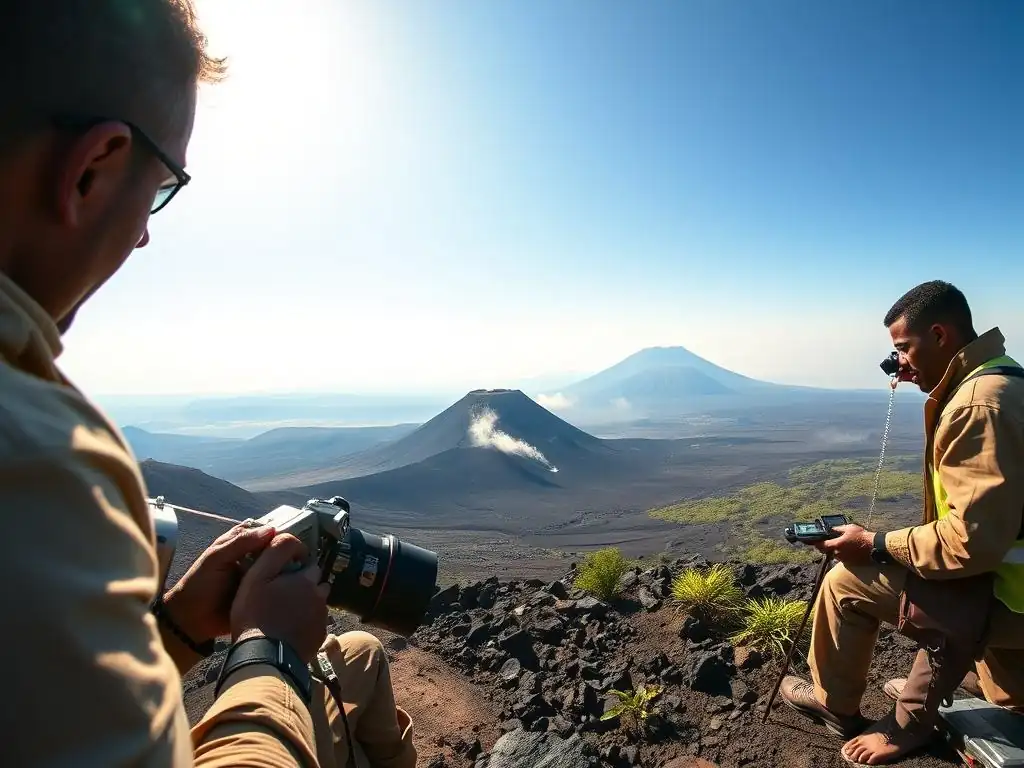
Improved East African Rift volcano research is directly linked to the development of enhanced volcanic early warning systems. Effective early warning systems are crucial for reducing the risks associated with volcanic eruptions, allowing for timely evacuations and mitigation measures to protect lives and livelihoods. Future research should focus on improving the accuracy and timeliness of volcanic eruption forecasts by integrating diverse monitoring data streams, developing sophisticated eruption forecasting models, and refining communication protocols for disseminating warnings to communities at risk.
Enhanced early warning systems require robust monitoring networks, capable of detecting pre-eruptive unrest signals such as ground deformation, seismic activity, gas emissions, and changes in thermal output. Real-time data analysis and automated alert systems are essential for rapidly identifying potential eruption precursors and issuing timely warnings. Furthermore, early warning systems must be tailored to the specific hazards and vulnerabilities of different volcanic regions and communities, taking into account local communication infrastructure and cultural contexts. East African Rift volcano research plays a critical role in providing the scientific foundation for developing and improving these life-saving early warning systems.
Community Engagement and Education on Volcanic Risks
Mitigating volcanic hazards effectively requires not only scientific research and monitoring but also strong community engagement and public education. Communities living near volcanoes are the first line of defense in a volcanic crisis, and their understanding of volcanic hazards, preparedness measures, and early warning signals is crucial for reducing risks. Future East African Rift volcano research should prioritize community-based participatory approaches, involving local communities in hazard assessments, risk communication, and preparedness planning.
Educational programs, workshops, and outreach activities are needed to raise public awareness about volcanic hazards, to promote preparedness measures at the household and community levels, and to build trust between scientists, emergency responders, and local populations. Effective risk communication strategies should utilize culturally appropriate channels and languages to ensure that warnings and information are accessible and understandable to all community members. Community engagement and education are integral components of a holistic approach to volcanic hazard mitigation, complementing the scientific advancements in East African Rift volcano research.
Implementing Lahar Flow Diversion Structures
Lahar flows, or volcanic mudflows, are a significant hazard in many volcanic regions of the East African Rift, particularly during periods of heavy rainfall or glacial melt. Lahars are fast-moving and destructive flows of water, rock debris, and volcanic ash that can inundate valleys and cause widespread damage.
Implementing lahar flow diversion structures, such as channels, berms, and check dams, can be an effective mitigation measure to redirect lahar flows away from populated areas and critical infrastructure. Future East African Rift volcano research should investigate the effectiveness of different lahar mitigation strategies and guide the design and implementation of appropriate diversion structures in vulnerable areas.
Research efforts could involve mapping lahar hazard zones, modeling lahar flow paths and velocities, and assessing the potential impact of lahar flows on communities and infrastructure. Engineering studies are needed to design robust and cost-effective lahar diversion structures that can withstand the forces of these powerful flows. Community involvement is also crucial in the planning and implementation of lahar mitigation measures, ensuring that structures are appropriately located and effectively protect vulnerable areas. Investing in lahar mitigation infrastructure, informed by East African Rift volcano research, can significantly reduce the risks associated with this hazardous volcanic phenomenon.
The Future of East African Rift Volcano Research: Challenges and Opportunities
Overcoming Logistical and Funding Challenges
The future of East African Rift volcano research faces logistical and funding challenges that need to be addressed to ensure continued progress. Conducting research in remote and rugged volcanic regions can be logistically complex and expensive. Accessing volcanic sites, deploying and maintaining monitoring equipment, and transporting personnel and supplies can be challenging. Securing adequate and sustained funding for long-term research projects is also a critical challenge. Volcanic research often requires significant upfront investment in infrastructure and ongoing operational costs.
Overcoming these challenges requires innovative solutions and strategic partnerships. Leveraging advancements in remote sensing and autonomous monitoring technologies can reduce the need for extensive fieldwork and lower logistical costs. Developing collaborative research proposals that pool resources from multiple national and international funding agencies can help secure the necessary financial support. Building strong partnerships with local governments, NGOs, and private sector organizations can also provide access to logistical support and in-kind contributions. Addressing these logistical and funding challenges is essential for sustaining and expanding East African Rift volcano research in the long term.
Leveraging Data Sharing and Open Science Principles
The future of East African Rift volcano research will be significantly enhanced by embracing data sharing and open science principles. Making volcanic monitoring data, research datasets, and scientific publications openly accessible promotes transparency, accelerates scientific progress, and maximizes the societal benefits of research. Open data sharing facilitates data integration, collaborative research, and the development of improved volcanic hazard assessments and early warning systems. Open access to scientific publications ensures that research findings are widely disseminated and accessible to researchers, policymakers, and the public.
Implementing open science principles requires developing data management infrastructure, establishing data sharing protocols, and promoting a culture of data sharing within the volcanological community. International data repositories and platforms can facilitate the storage and sharing of volcanic data from the East African Rift and other regions. Funding agencies and research institutions should incentivize and support open science practices, recognizing the significant benefits of data sharing for advancing scientific knowledge and addressing societal challenges. Embracing open science is crucial for maximizing the impact and efficiency of East African Rift volcano research.
Training the Next Generation of Volcanologists
Investing in training the next generation of volcanologists is essential for ensuring the long-term sustainability and success of East African Rift volcano research. The field of volcanology requires a multidisciplinary skillset, encompassing geology, geophysics, geochemistry, remote sensing, and hazard assessment. Training programs should provide students with a strong foundation in these core disciplines, as well as specialized knowledge in volcanic processes and monitoring techniques. Hands-on field experience, laboratory training, and exposure to real-world volcanic hazards are crucial components of effective volcanology education.
Universities and research institutions in East Africa and internationally should strengthen their volcanology programs, offering undergraduate and graduate degrees, as well as short courses and professional development opportunities. Mentorship programs, research internships, and exchange programs can provide valuable training experiences for aspiring volcanologists. Supporting diversity and inclusion in volcanology education is also important, encouraging participation from underrepresented groups and fostering a diverse and inclusive volcanological community. Training the next generation of volcanologists is a critical investment in the future of East African Rift volcano research and volcanic hazard mitigation globally.
Conclusion: Advancing Our Knowledge of East African Rift Volcanoes
The Importance of Continued Volcanic Research
Continued and enhanced East African Rift volcano research is of paramount importance for both scientific advancement and societal well-being. Scientifically, the EARS provides a unique natural laboratory for studying fundamental volcanic processes, continental rifting, and the Earth's deep carbon cycle. The insights gained from East African Rift volcano research contribute to our global understanding of volcanism and planetary evolution. Societally, this research is crucial for mitigating volcanic hazards, protecting vulnerable communities, and promoting sustainable development in the region.
Sustained investment in East African Rift volcano research is essential for addressing the complex challenges posed by active volcanism in this densely populated region. Improved monitoring, hazard assessments, and early warning systems, informed by cutting-edge research, are vital for reducing volcanic risks and building resilience. Furthermore, research into the geothermal potential of volcanic regions can contribute to clean energy development and economic growth in East Africa. Recognizing the scientific and societal importance of East African Rift volcano research is crucial for securing the necessary resources and support for future endeavors.
Contributing to Volcanic Hazard Reduction and Sustainable Development in East Africa
Ultimately, the future of East African Rift volcano research is intrinsically linked to contributing to volcanic hazard reduction and sustainable development in East Africa. The knowledge and tools developed through research are directly applicable to improving volcanic hazard assessments, enhancing early warning systems, and informing land-use planning and emergency preparedness. By working closely with local communities, governments, and disaster risk reduction agencies, researchers can ensure that their findings are translated into practical actions that save lives and protect livelihoods.
Furthermore, research into the geothermal resources associated with East African Rift volcanoes can contribute to sustainable energy development, providing clean and renewable energy sources for the region. Volcanic regions, while posing hazards, also offer opportunities for economic development through geothermal energy, tourism, and other resource-based industries. East African Rift volcano research, therefore, plays a vital role not only in understanding these powerful natural phenomena but also in harnessing their benefits while mitigating their risks, contributing to a safer and more sustainable future for the people of East Africa.
Frequently Asked Questions
What are some of the key areas of future East African Rift volcano research?
Future research focuses on improving our understanding of the magma systems beneath these volcanoes, enhancing monitoring capabilities, and assessing long-term volcanic hazards to better protect local communities.
Why is the East African Rift System so volcanically active?
The East African Rift System is a zone of continental rifting, where the Earth's crust is pulling apart. This thinning allows magma to rise more easily, leading to frequent volcanic activity.
How does research in the East African Rift System contribute to our overall understanding of volcanoes?
Studying volcanoes in this unique setting provides valuable insights into rift volcanism, which helps us understand similar processes happening globally and the evolution of continents.
What are the biggest challenges facing volcanologists studying East African Rift volcanoes?
The challenges include the remote locations of many volcanoes, the complexity of the geology, and the need for long-term monitoring programs to track subtle changes over time.
How can I stay informed about the latest East African Rift volcano research?
You can follow websites like VolcanoExplorers.org, subscribe to scientific journals on volcanology, and monitor official geological surveys for updates on volcanic activity in the region.
Final Reflection: Igniting Future Understanding of Rift Volcanoes
The preceding exploration of future volcanic research in the East African Rift System underscores a crucial point: understanding these dynamic geological processes is paramount to mitigating risk and fostering sustainable development in the region. The Rift's volcanoes are not just geological curiosities; they are active forces shaping the lives and livelihoods of millions. Ignoring the potential hazards, while simultaneously failing to harness the geothermal energy potential, would be a profound disservice to the communities living alongside these majestic, yet potentially dangerous, giants.
The East African Rift's volcanic activity has profoundly shaped the cultural and social landscape for millennia, influencing everything from agricultural practices to spiritual beliefs. My own fascination with this region stems from the sheer power and beauty of these landscapes, a constant reminder of the Earth's raw energy. The Earth is always speaking, but we are often too busy to listen.
This quote, often attributed to various indigenous cultures, perfectly encapsulates the need for deeper, more attentive research into the Rift's volcanic systems. We must learn to listen to the Earth's whispers before they become deafening roars.
As we conclude this exploration of future research directions, I urge you, the reader, to consider your own role in fostering a more informed and resilient future for the East African Rift System. Whether you are a scientist, a policymaker, or simply a concerned global citizen, your awareness and support for continued research are vital. Let us work together to unlock the secrets of these volcanoes, not only to understand their potential hazards but also to harness their immense potential for sustainable energy and a brighter future for the people of East Africa.
Ignite Your Inner Volcanologist!
Thank you for exploring the exciting future of volcanic research in the East African Rift System. We hope you gained new insights and a deeper appreciation for the powerful forces shaping our planet. Now, let's turn that knowledge into action!
Here's how you can get involved and continue your volcanic exploration:
- Become a Volcano Explorer Member: Join our community at volcanoexplorers.org to access exclusive content, research updates, and connect with fellow enthusiasts and researchers.
- Explore our interactive map on the website and discover lesser-known volcanic features in the East African Rift System.
- Share this article and help spark a global conversation about the importance of understanding and monitoring volcanic activity.
What research question about the East African Rift System are you most eager to see answered in the coming years? Share your thoughts in the comments below!