
Volcanic Plumbing Under Pressure: Stress and Strain in Magmatic Systems

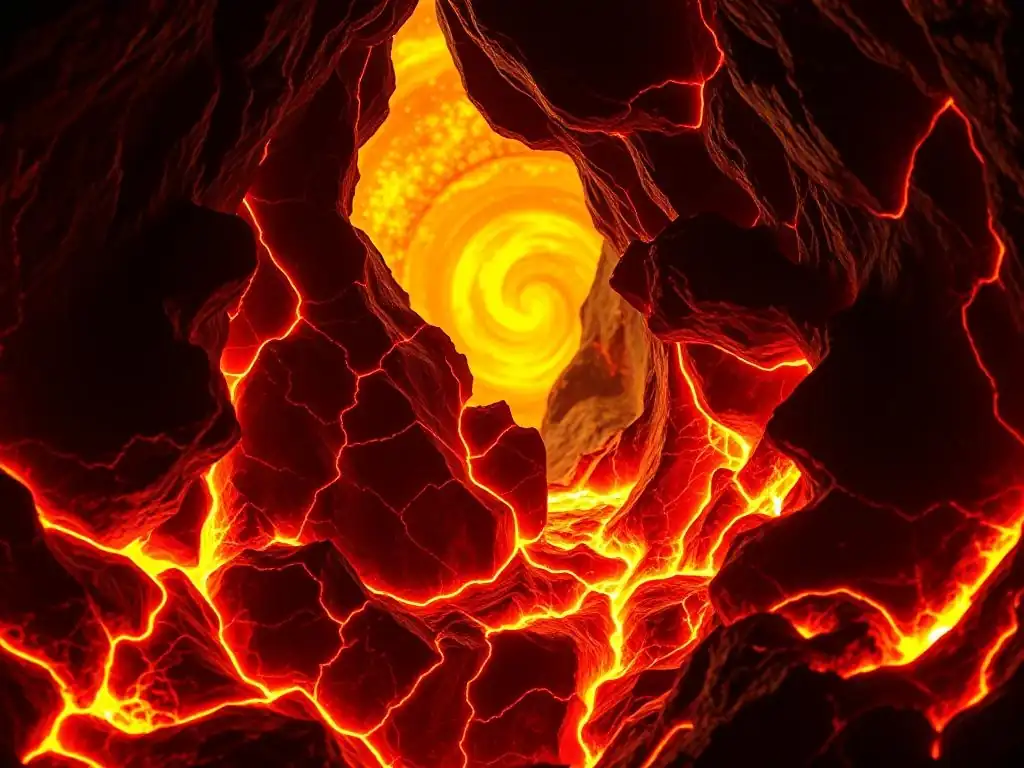
Welcome to Volcano Explorers, where the Earth breathes fire! Ever wondered what really goes on beneath the surface before a volcano erupts? Our latest deep dive plunges into the unseen pressures shaping these fiery giants. Uncover the fascinating role of stress in magmatic systems and how it influences everything from eruption style to volcano stability. Ready to explore the hidden forces at play within volcanic plumbing? Let's begin...
- Introduction to Magmatic Systems and Volcanic Plumbing
-
Frequently Asked Questions
- What is the relationship between stress and strain in magmatic systems?
- How does stress within a magmatic system influence volcanic eruptions?
- What methods do volcanologists use to measure stress in magmatic systems?
- How does the composition of magma affect the amount of stress it can withstand?
- What are some common sources of stress that can impact magmatic systems?
- Final Reflection: The Unseen Forces Beneath Our Feet
- Ignite Your Inner Volcanologist!
Introduction to Magmatic Systems and Volcanic Plumbing
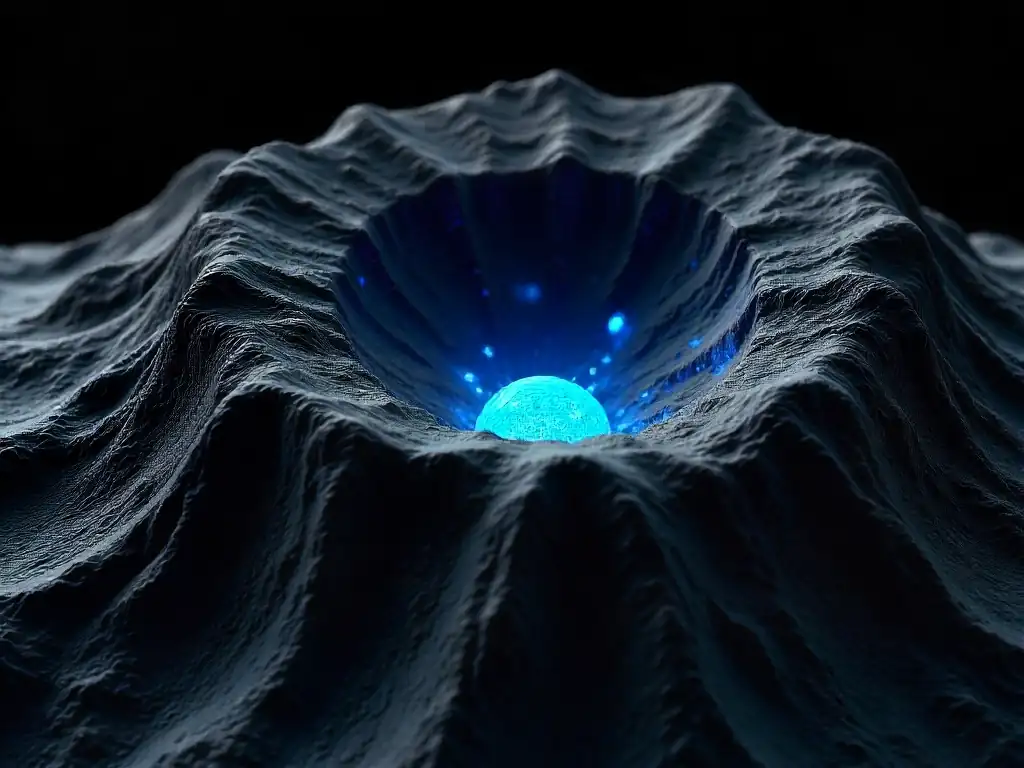
Understanding the Complex Network of Volcanic Conduits
Volcanic conduits are the pathways through which magma ascends from its source region in the Earth's mantle or crust to the surface. This intricate network, often likened to plumbing systems, is far from simple pipes. It's a dynamic and complex zone within the Earth's lithosphere, composed of a series of interconnected fractures, cracks, and magma-filled pathways. These conduits are not static; they evolve over time, influenced by tectonic stresses, magmatic pressure, and the surrounding rock properties. Understanding the architecture of these volcanic plumbing systems is crucial for deciphering the behavior of volcanoes and predicting eruptions.
The geometry and connectivity of volcanic conduits significantly impact magma ascent rates and eruption styles. For instance, a highly fractured and permeable conduit system might facilitate relatively passive degassing and effusive eruptions, like those observed at Kilauea in Hawaii. Conversely, a more constricted or less permeable system can lead to pressure build-up, potentially resulting in explosive eruptions, similar to the catastrophic 1980 eruption of Mount St. Helens. Seismic studies, gravity surveys, and deformation monitoring are key techniques used by volcanologists to remotely image and characterize these hidden plumbing systems beneath volcanoes, providing insights into their structure and dynamics.
The Role of Magma Chambers in Volcanic Activity
Magma chambers are reservoirs within the Earth's crust where molten rock accumulates and is stored before eruption. These chambers are not simply empty cavities, but rather complex zones of partially molten rock, crystals, and dissolved gases. They act as critical staging areas in the volcanic plumbing system, influencing the composition, temperature, and pressure of magma before it reaches the surface. The size, depth, and shape of magma chambers vary considerably among different volcanoes, and these characteristics play a significant role in determining the volcano's eruptive behavior.
The processes within magma chambers are fundamental to volcanic activity. Magma differentiation, where the composition of the melt changes through crystal fractionation and assimilation of surrounding rocks, occurs within these chambers. Gas accumulation and exsolution, driven by decreasing pressure as magma rises, are also key processes preparing magma for eruption.
Studies of erupted rocks and geophysical imaging techniques, like seismic reflection and magnetotellurics, help scientists to infer the properties of magma chambers, including their size, depth, and the state of the magma they contain. For example, the Long Valley Caldera in California is known to host a large, active magma chamber beneath it, influencing the region's geothermal activity and potential for future eruptions.
Why Study Stress and Strain in Volcanic Systems?
Studying stress and strain within volcanic systems is paramount for understanding the fundamental mechanisms driving volcanic activity and for improving our ability to forecast eruptions. Stress, the force per unit area acting on the rocks, and strain, the deformation resulting from that stress, are the key factors controlling magma movement, conduit evolution, and ultimately, eruption triggering. Volcanoes are dynamic systems constantly subjected to various stresses, from regional tectonic forces to the internal pressure of magma itself. Understanding how these stresses are distributed and how the volcanic system responds (strain) is crucial for deciphering volcanic behavior.
The analysis of stress and strain in magmatic systems provides insights into a range of critical volcanic processes. It helps to explain how magma migrates through the Earth's crust, how fractures propagate within volcanic conduits, and what triggers eruptions. By monitoring deformation at volcanoes – a direct manifestation of strain – and by modeling the stresses acting within the system, volcanologists can gain a better understanding of the state of a volcano and its potential for eruption.
For instance, ground deformation measurements at volcanoes like Mount Etna in Italy provide valuable real-time data on magma accumulation and movement, contributing significantly to eruption forecasting efforts. Therefore, the study of stress and strain is not just an academic exercise; it is fundamental to mitigating volcanic hazards and ensuring the safety of communities living near active volcanoes.
Frequently Asked Questions
What is the relationship between stress and strain in magmatic systems?
Stress is the force acting on the magma and surrounding rocks, while strain is the deformation that results from that force. Understanding this relationship helps predict how magma will move and potential eruption styles.
How does stress within a magmatic system influence volcanic eruptions?
Stress accumulation can lead to fracturing and faulting, creating pathways for magma to ascend more easily. High stress levels can also trigger explosive eruptions if the magma is gas-rich.
What methods do volcanologists use to measure stress in magmatic systems?
Volcanologists employ techniques like seismic monitoring to detect changes in stress patterns within the Earth. They also analyze ground deformation using GPS and satellite data.
How does the composition of magma affect the amount of stress it can withstand?
Magmas with higher silica content tend to be more viscous and resistant to flow, leading to a greater buildup of stress. Less viscous, mafic magmas generally experience less stress accumulation.
What are some common sources of stress that can impact magmatic systems?
Tectonic forces, such as plate movement and collisions, are a major source of stress. Additionally, the weight of overlying rocks and the pressure from gases within the magma itself contribute to stress.
Okay, here's a final reflection you can use for your article, "Volcanic Plumbing Under Pressure: Stress and Strain in Magmatic Systems," optimized for the keyword "stress in magmatic systems" and following the structure you provided:
Final Reflection: The Unseen Forces Beneath Our Feet
The intricate dance of stress in magmatic systems is far more than a geological curiosity; it's a fundamental force shaping our planet and influencing the lives of millions who live in volcanic regions. Understanding these subterranean pressures, as we've explored, is crucial for predicting eruptions and mitigating their devastating consequences. The ongoing research into these systems is not just about understanding rocks and magma, but about safeguarding communities and advancing our knowledge of Earth's dynamic processes.
The study of stress in magmatic systems has profoundly shaped our understanding of volcanic behavior, moving us from reactive responses to proactive risk assessment. This deeper understanding resonates with me because it highlights the interconnectedness of scientific inquiry and human well-being. The Earth is a dynamic system, and volcanoes are its pressure valves. Understanding the stress within these systems is key to understanding the heartbeat of our planet.
This quote encapsulates the ongoing influence of this field, reminding us that the Earth's internal forces are constantly at play, shaping our world in profound ways.
As you consider the complexities of stress in magmatic systems, I invite you to reflect on the power of scientific inquiry to unravel the mysteries of our planet. Let the knowledge gained from this exploration inspire you to appreciate the delicate balance of forces at play beneath our feet, and to support the continued research that helps us understand and prepare for the challenges posed by volcanic activity. Consider how you can contribute to a more informed and resilient future, one where we live in harmony with the dynamic forces that shape our world.
Okay, I'm ready to write a Call to Action (CTA) for the end of a web article titled "Volcanic Plumbing Under Pressure: Stress and Strain in Magmatic Systems" for the website "Volcano Explorers" with the domain "volcanoexplorers.org." Here's my attempt:
Ignite Your Inner Volcanologist!
Thank you for diving into the fascinating world of magmatic systems with us! We hope you now have a deeper understanding of the stress and strain that shape our planet's fiery giants. Now, let's put that knowledge into action!
Here are a few ways to continue your volcanic exploration:
- Become a Volcano Explorer! Share one thing you learned about the forces at play in volcanoes with a friend, family member, or on social media. Help spread awareness of the incredible science happening beneath our feet.
- Dive deeper:Research a specific volcano mentioned in the article and uncover more details about its unique plumbing system and past eruptions. Discover the intricate stories each volcano holds.
- Join the community: Leave a comment below sharing what geological forces you find most fascinating about how magma moves through the Earth! We'd love to hear your thoughts!
What hidden volcanic wonder are you most eager to explore next?