
Into the Caldera's Eye: Photographing the Heart of American Volcanoes

Welcome to Volcano Explorers!
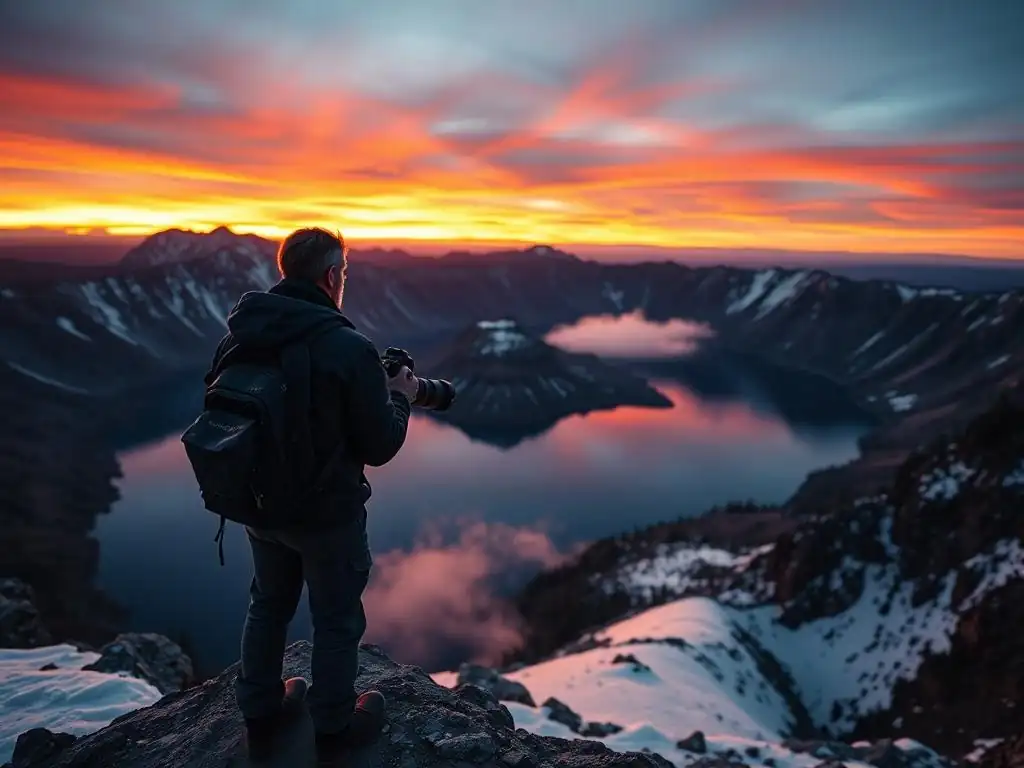
Prepare to be captivated by the raw power and breathtaking beauty hidden within the heart of Earth's fiery giants. Ever wondered what it takes to capture the soul of a sleeping, or not-so-sleeping, volcano? Dive into "Into the Caldera's Eye: Photographing the Heart of American Volcanoes" to unlock the secrets of photographing American volcano calderas and discover the otherworldly landscapes that await. What mysteries lie within these colossal craters? Let's explore...
- Introduction: Unveiling the Beauty of American Volcano Calderas Through Photography
- Understanding Volcano Calderas: A Photographer's Primer
- Top American Volcano Calderas for Photographers
- Essential Photography Gear for Volcano Caldera Exploration
- Tips for Photographing Volcano Calderas Safely and Effectively
- Post-Processing Techniques for Enhancing Volcano Caldera Photos
- Conclusion: Preserving the Volcanic Beauty of America Through Photography
-
Frequently Asked Questions
- What exactly is a caldera, and why are they so fascinating to photograph?
- What makes photographing American volcano calderas particularly challenging?
- What are some must-have pieces of equipment for photographing volcano calderas?
- Where are some of the best American volcano calderas to photograph, and why?
- What safety precautions should photographers take when exploring and photographing volcano calderas?
- Final Reflection: Capturing Earth's Fiery Soul
- Unleash Your Inner Volcanic Photographer!
Introduction: Unveiling the Beauty of American Volcano Calderas Through Photography
Volcano Explorers: Your Guide to Capturing Volcanic Majesty
Volcano Explorers invites you to embark on a photographic journey to the heart of America's most awe-inspiring volcanic landscapes: the calderas. These colossal volcanic depressions, formed by cataclysmic eruptions, offer a unique and dramatic subject for photographers. From the geothermal wonders of Yellowstone to the sapphire depths of Crater Lake, American calderas showcase nature's raw power and breathtaking beauty. Volcano Explorers is dedicated to guiding you through the process of capturing these majestic sites, providing insights into the geological forces that shaped them, and offering practical advice for photographers of all levels.
Our mission at Volcano Explorers is to inspire and educate, fostering a deeper appreciation for volcanic environments and the art of volcano photography. We aim to equip you with the knowledge and inspiration to not only take stunning photographs of American volcano calderas but also to understand and respect these powerful natural wonders. Whether you are a seasoned professional photographer or an enthusiastic amateur, join us as we delve into the caldera's eye and explore the photographic possibilities that await within these volcanic giants.
Why Photograph American Volcano Calderas? A Unique Landscape
Photographing American volcano calderas offers a unique and compelling opportunity to capture landscapes unlike any other on Earth. These vast depressions, often miles across, present photographers with sweeping vistas, dramatic geological formations, and diverse ecosystems thriving within volcanic terrain. The sheer scale of a caldera, often invisible from ground level, becomes powerfully apparent when captured in a photograph, offering viewers a perspective of geological time and immense forces at play. The interplay of light and shadow across caldera walls, the vibrant colors of geothermal features, and the serene beauty of caldera lakes all contribute to incredibly photogenic scenes.
Beyond the visual grandeur, photographing American volcano calderas allows for the documentation of dynamic natural processes. From the steaming fumaroles and erupting geysers of active calderas to the tranquil lakes reflecting ancient volcanic peaks, each photograph becomes a record of a constantly evolving landscape.
Moreover, these images can serve as powerful tools for education and conservation, highlighting the beauty and fragility of these unique environments and inspiring a greater appreciation for the natural world. The act of photographing American volcano calderas is thus not just about capturing a pretty picture, but about telling a story of Earth's powerful forces and the delicate balance of life within volcanic landscapes.
Understanding Volcano Calderas: A Photographer's Primer
What is a Caldera? Formation and Characteristics
A caldera is a large, basin-like depression formed after the evacuation of a magma chamber during a volcanic eruption. Unlike craters, which are typically formed by explosions or the collapse of a volcanic cone's summit, calderas are significantly larger and result from the ground collapsing into the emptied magma chamber beneath. Imagine a balloon deflating rapidly; the surface above it would sag inwards – this is a simplified analogy for caldera formation. These dramatic geological features are characterized by their size, often spanning many kilometers in diameter, and their steep, inward-facing walls, remnants of the collapsed landscape.
The formation process usually begins with a massive explosive eruption that expels vast quantities of magma and volcanic gases. As the magma chamber empties, the overlying rock loses support and collapses downwards along ring faults, creating the caldera. Calderas can sometimes fill with water, forming caldera lakes, or become sites of renewed volcanic activity, creating new cones or geothermal features within their boundaries. Understanding the immense forces and geological timescales involved in caldera formation adds a profound dimension to the photographic experience, allowing photographers to capture not just a landscape, but a moment in Earth's ongoing geological story.
Types of Calderas: From Crater Lakes to Sunken Landscapes
Calderas are not monolithic features; they exhibit diverse forms and characteristics depending on their formation processes and subsequent geological activity. One prominent type is the crater lake caldera, exemplified by Crater Lake in Oregon. These calderas are formed when a large eruption is followed by the caldera basin filling with precipitation and snowmelt, creating deep and often incredibly clear lakes. The steep caldera walls surrounding the lake provide dramatic framing and reflections, offering stunning photographic opportunities.
Another type is the shield volcano caldera, commonly found on shield volcanoes like those in Hawaii. These calderas form through a more gradual process of summit collapse due to magma withdrawal, often resulting in less dramatic but still significant depressions. Then there are resurgent calderas, characterized by a central uplift or dome within the caldera floor, caused by the re-accumulation of magma beneath the surface.
Yellowstone Caldera is a prime example of a resurgent caldera, with its uplifted areas showcasing intense geothermal activity. Finally, compound calderas are formed by overlapping or nested caldera collapses, creating complex and intricate volcanic landscapes like the Long Valley Caldera in California. Understanding these different types allows photographers to anticipate the unique visual characteristics and photographic challenges of each caldera.
Geological Significance: Appreciating the Power of Caldera Formation
The geological significance of volcano calderas is immense, representing some of Earth's most powerful and transformative geological events. Caldera-forming eruptions are among the largest and most explosive volcanic events in history, capable of ejecting hundreds or even thousands of cubic kilometers of volcanic material. To put this into perspective, the eruption that formed Crater Lake, approximately 7,700 years ago, ejected an estimated 50 cubic kilometers of material, while the Yellowstone super-eruption about 640,000 years ago ejected over 1,000 cubic kilometers. These eruptions profoundly impact global climate, atmosphere, and landscapes, leaving behind lasting geological imprints.
Studying calderas provides crucial insights into the Earth's internal processes, magma generation, and the dynamics of large-scale volcanic systems. They are windows into the deep Earth, allowing volcanologists to understand the plumbing systems of volcanoes and assess future volcanic hazards. The geological formations within and around calderas, such as lava flows, ash deposits, and hydrothermal systems, offer valuable records of past volcanic activity and environmental change.
For photographers, appreciating this geological significance adds depth to their work. Capturing the scale and beauty of a caldera is not just about aesthetics; it's about documenting a powerful geological force that has shaped our planet and continues to influence it today.
Top American Volcano Calderas for Photographers
Yellowstone Caldera: Capturing Geothermal Wonders
Yellowstone Caldera, located primarily in Wyoming, USA, is a supervolcano and one of the largest active caldera systems in the world. Its vast expanse, measuring approximately 45 by 85 kilometers (28 by 53 miles), encompasses not only stunning landscapes but also the planet's most diverse and concentrated collection of geothermal features.
Photographing Yellowstone Caldera is an immersion into a world of steaming geysers, vibrant hot springs, and bubbling mud pots, all set against a backdrop of forests, mountains, and the immense scale of the caldera itself. The park's unique combination of volcanic activity and diverse ecosystems makes it an unparalleled destination for volcano photography.
The caldera's geothermal activity is fueled by the immense heat source beneath the surface, driving a system of over 10,000 hydrothermal features. This activity is not merely a geological spectacle but also a vital part of the Yellowstone ecosystem, supporting unique microbial life and influencing the park's hydrology and landscape. For photographers, this geothermal heart provides endless opportunities to capture dramatic steam plumes, colorful mineral deposits, and the dynamic interplay of water and heat. Yellowstone Caldera offers a visual feast that is both scientifically fascinating and aesthetically captivating.
Photographing Yellowstone's Geysers and Hot Springs
Yellowstone's geysers and hot springs are among its most iconic and photographed features. Old Faithful, perhaps the most famous geyser in the world, erupts predictably every 90 minutes, shooting thousands of gallons of boiling water high into the air. Capturing Old Faithful requires patience and planning, but the reward is a classic image of geothermal power.
Beyond Old Faithful, Yellowstone boasts hundreds of other geysers, each with its own eruption pattern and character, offering diverse photographic opportunities. Consider using a telephoto lens to isolate the geyser plume against the sky and experiment with different shutter speeds to capture the motion of the water.
Hot springs, like the Grand Prismatic Spring, are equally captivating, showcasing vibrant colors created by thermophilic bacteria thriving in the hot mineral-rich water. The Grand Prismatic Spring, one of the largest hot springs in the world, is a kaleidoscope of blues, greens, yellows, and oranges. To photograph hot springs effectively, aim for clear, sunny days when the colors are most vibrant.
Early morning light often provides the best conditions, minimizing steam and enhancing the colors. Consider using a polarizing filter to reduce glare on the water surface and enhance color saturation. Elevated viewpoints, where available, can provide a better perspective of the entire hot spring and its colorful rings.
Landscape Photography in Yellowstone: Grand Prismatic Spring and Beyond
Beyond the geothermal features, Yellowstone Caldera offers breathtaking landscapes. The vast Hayden Valley, bisected by the Yellowstone River, provides panoramic vistas of the caldera floor, often teeming with wildlife. The Grand Canyon of the Yellowstone, carved by volcanic activity and erosion, presents dramatic waterfalls and colorful canyon walls. Grand Prismatic Spring Overlook, accessible via a short trail, provides an elevated perspective of the spring and the surrounding landscape, ideal for capturing the scale of the caldera and the interplay of colors.
For landscape photography in Yellowstone, consider using wide-angle lenses to capture the expansive vistas. Golden hour, the hour after sunrise and before sunset, is particularly magical in Yellowstone, casting warm light across the landscapes and enhancing the colors of both geothermal features and the surrounding environment. Look for compositions that incorporate foreground elements, like trees or rocks, to add depth and scale to your images. The interplay of steam, water, and light within the caldera creates constantly changing atmospheric conditions, offering unique photographic opportunities throughout the day.
Wildlife Photography Opportunities within Yellowstone Caldera
Yellowstone Caldera is not just a geological wonderland; it is also a haven for wildlife. The park is home to iconic American species like bison, elk, grizzly bears, wolves, and pronghorn. The geothermal areas, while potentially dangerous, also attract wildlife, particularly in winter when the warmer ground provides refuge from snow and cold. Photographing wildlife within the caldera adds another dimension to volcano photography, capturing the interaction between life and volcanic landscapes.
For wildlife photography in Yellowstone, a telephoto lens is essential, allowing you to capture animals from a safe distance. Early morning and late afternoon are typically the best times for wildlife viewing, as animals are more active during these cooler periods. Patience is key in wildlife photography; spend time observing animal behavior and anticipating their movements. Always maintain a safe distance from wildlife and follow park regulations to protect both yourself and the animals. Ethical wildlife photography prioritizes the well-being of the animals and their environment.
Crater Lake Caldera: The Deepest Lake in the USA
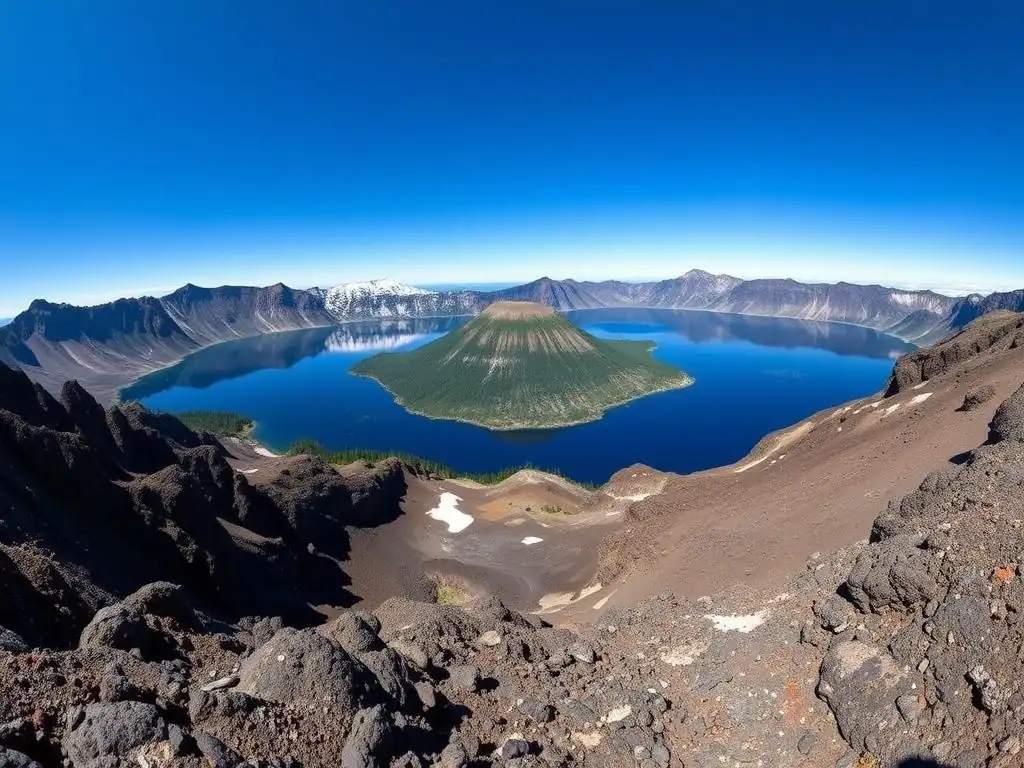
Crater Lake Caldera, located in Oregon, USA, is famed for its stunningly deep blue waters and dramatic caldera rim. Formed approximately 7,700 years ago by the collapse of Mount Mazama following a massive eruption, Crater Lake is the deepest lake in the United States and one of the deepest in the world, reaching a depth of 594 meters (1,949 feet). Photographing Crater Lake is an exercise in capturing serenity and pristine beauty, with the intensely blue water reflecting the sky and surrounding caldera walls, creating a mesmerizing visual experience.
The lake's remarkable clarity and deep blue color are attributed to its purity – it is fed almost entirely by snow and rain, with no inlets or outlets. The steep caldera walls, rising up to 610 meters (2,000 feet) above the lake surface, provide a dramatic frame for photographs, enhancing the sense of isolation and grandeur.
Within the caldera, Wizard Island, a volcanic cinder cone that emerged after the caldera-forming eruption, adds a unique focal point and geological interest to the landscape. Crater Lake Caldera is a testament to the power of volcanic forces creating places of profound beauty and tranquility.
Photographing Crater Lake's Intense Blue Waters
Capturing the intense blue waters of Crater Lake is a primary goal for photographers visiting the caldera. The deep blue hue is most vibrant on clear, sunny days when sunlight penetrates the water and is scattered back, creating the characteristic sapphire color. Polarizing filters are particularly effective at enhancing the blue tones and reducing surface reflections, allowing you to see deeper into the lake. Experiment with different times of day to observe how the light interacts with the water; midday sun often yields the most intense blues, while sunrise and sunset can create softer, more atmospheric lighting.
To truly capture the depth and clarity of Crater Lake, consider incorporating elements that provide scale and perspective. The caldera walls, Wizard Island, or even small boats on the lake can help viewers appreciate the vastness and depth of the water. Reflections play a crucial role in Crater Lake photography; look for opportunities to capture the mirrored images of the caldera rim and sky on the lake's surface, creating symmetrical and visually striking compositions. The stillness of the lake, especially on calm mornings, often provides perfect conditions for capturing these reflections.
Capturing Wizard Island: A Volcanic Cone Rising from the Depths
Wizard Island, a volcanic cinder cone rising 764 feet above the surface of Crater Lake, is a distinctive and photogenic feature within the caldera. It represents a later stage of volcanic activity within the caldera, forming after the main caldera-forming eruption. Photographing Wizard Island provides a focal point within the vast expanse of the lake and adds a layer of geological history to your images. The island's conical shape and forested slopes contrast beautifully with the smooth blue surface of the lake, creating visually interesting compositions.
To capture Wizard Island effectively, consider different vantage points around the caldera rim. Discovery Point and Watchman Overlook offer classic views of Wizard Island and the lake. Telephoto lenses can be used to isolate Wizard Island and emphasize its volcanic cone shape, while wide-angle lenses can incorporate it into broader landscape shots showcasing the entire caldera.
Boat tours to Wizard Island offer unique perspectives from lake level, allowing you to photograph the island from its base and explore its volcanic features up close. The island's presence within the caldera serves as a powerful reminder of the volcanic forces that shaped this landscape.
Best Vantage Points for Crater Lake Photography
Crater Lake National Park offers numerous viewpoints along the caldera rim, each providing unique perspectives for photography. Rim Village, located on the southwest rim, is easily accessible and provides iconic views of Wizard Island and Phantom Ship, another small island in the lake. Discovery Point, a short walk from Rim Village, offers slightly different angles and is known for its panoramic vistas. Watchman Overlook, accessible by a short trail, provides elevated views and is particularly popular for sunrise and sunset photography.
For more adventurous photographers, the Cleetwood Cove Trail leads down to the lake shore, the only access point to the water's edge within the caldera. From Cleetwood Cove, boat tours depart to Wizard Island, offering unique perspectives from the lake itself. Plaikni Falls Trail, located outside the immediate caldera rim but within the park, leads to a beautiful waterfall and provides a different perspective of the surrounding volcanic landscape. Exploring different vantage points throughout the day and in varying weather conditions will allow you to capture the diverse beauty of Crater Lake Caldera from all angles.
Valles Caldera, New Mexico: A Serene Volcanic Valley
Valles Caldera, located in New Mexico, USA, presents a different kind of volcanic landscape compared to Yellowstone or Crater Lake. It is a large, resurgent caldera, approximately 22 kilometers (14 miles) in diameter, characterized by its broad, grassy valleys surrounded by forested volcanic domes. Formed about 1.25 million years ago, Valles Caldera is now a National Preserve, managed for both conservation and public enjoyment. Photographing Valles Caldera is about capturing the subtle beauty of a volcanic landscape that has transformed into a serene and ecologically rich valley.
Unlike the dramatic geothermal activity of Yellowstone or the deep blue waters of Crater Lake, Valles Caldera offers a more understated beauty. Its expansive grasslands, known as valles, are framed by forested volcanic domes, creating a sense of peacefulness and vastness. The caldera's elevation, averaging around 8,500 feet (2,600 meters), contributes to its cool, mountain climate and diverse ecosystems. Valles Caldera is a place where volcanic history meets ecological richness, offering photographers a chance to capture a unique blend of geological and natural beauty.
Photographing the Valles Caldera's Grasslands and Mountains
The vast grasslands of Valles Caldera, interspersed with meandering streams and surrounded by forested volcanic domes, are the defining features of this landscape. Photographing these valles requires a different approach than capturing geothermal features or lakes. Wide-angle lenses are ideal for conveying the scale of the grasslands and the surrounding mountains. Pay attention to the light and how it illuminates the valleys and casts shadows across the volcanic domes. Golden hour light can be particularly beautiful, painting the grasslands in warm hues and highlighting the textures of the grasses and mountains.
Look for compositions that incorporate foreground elements, such as wildflowers, streams, or fences, to add depth and interest to your grassland photographs. The changing seasons dramatically alter the appearance of the valles, from lush greens in summer to golden browns in fall and snow-covered expanses in winter. Each season offers unique photographic opportunities. Consider using panoramic techniques to capture the sweeping vistas of the caldera floor and the surrounding volcanic peaks.
Capturing the Caldera's Unique Ecosystem
Valles Caldera is not just a geological feature; it is also a thriving ecosystem. The caldera's diverse habitats support a wide range of wildlife, including elk, black bears, coyotes, and various bird species. The grasslands provide grazing for elk and other herbivores, while the forested areas offer habitat for predators and smaller mammals. Photographing the caldera's ecosystem involves capturing the interplay between the volcanic landscape and the life it supports.
Wildlife photography in Valles Caldera requires patience and respect for the animals and their environment. Elk are particularly abundant and visible, especially during the fall rutting season. Bird photography can be rewarding, with opportunities to capture raptors soaring above the caldera and songbirds in the forests and grasslands. Macro photography can reveal the details of the caldera's plant life, from wildflowers to grasses and mosses. Documenting the caldera's ecosystem adds a layer of biological richness to your volcano photography.
The Best Times of Year to Photograph Valles Caldera
The best time to photograph Valles Caldera depends on your photographic interests and the specific aspects of the caldera you wish to capture. Summer (June-August) offers lush green grasslands, wildflowers in bloom, and pleasant temperatures, ideal for landscape and wildlife photography. However, summer is also the busiest season. Fall (September-October) brings vibrant fall colors to the aspen forests surrounding the caldera, creating stunning autumn landscapes. The elk rutting season in fall also provides excellent wildlife photography opportunities.
Winter (November-March) transforms Valles Caldera into a snow-covered wonderland, offering dramatic winter landscapes and opportunities for snow photography. However, access can be limited due to snow, and conditions can be challenging. Spring (April-May) is a transitional season, with melting snow, returning greenery, and the emergence of spring wildflowers. Spring can be a less crowded time to visit and photograph the caldera. Each season in Valles Caldera offers unique photographic possibilities, so consider your preferences and plan your visit accordingly.
Long Valley Caldera, California: Ancient Volcano, Modern Beauty
Long Valley Caldera, located in eastern California, USA, is a large and complex volcanic depression with a rich geological history and ongoing geothermal activity. Formed approximately 760,000 years ago by a massive eruption, Long Valley Caldera is about 32 kilometers (20 miles) long and 17 kilometers (11 miles) wide. Photographing Long Valley Caldera is an exploration of diverse landscapes, from towering volcanic peaks to vast sagebrush flats, geothermal areas, and the iconic Mono Lake, all within the boundaries of this ancient volcanic feature.
Long Valley Caldera's diverse topography is a result of its complex volcanic history and tectonic setting. The caldera floor is relatively flat, surrounded by the steep walls of the caldera rim, with prominent volcanic features like Mammoth Mountain and the Mono-Inyo Craters located within and around the caldera. Ongoing volcanic and geothermal activity is evident in hot springs, fumaroles, and earthquake swarms, reminding visitors of the caldera's active nature. Long Valley Caldera offers a dynamic and varied landscape for volcano photographers, blending ancient volcanic features with modern geological processes.
Photographing the Long Valley Caldera's Diverse Landscapes
The diverse landscapes within and around Long Valley Caldera provide a wide range of photographic subjects. Mono Lake, with its otherworldly tufa towers and abundant birdlife, is a must-photograph location. The Mono-Inyo Craters, a chain of volcanic domes and craters extending south of Mono Lake, offer dramatic volcanic scenery. Hot Creek, a geothermal area with steaming hot springs and turquoise pools, provides colorful and dynamic photographic opportunities. The vast sagebrush flats of the caldera floor, framed by the Sierra Nevada mountains to the west, create expansive and classic western landscapes.
For landscape photography in Long Valley Caldera, explore different locations throughout the day to capture varying light and shadow conditions. Sunrise and sunset at Mono Lake are particularly magical, with the warm light illuminating the tufa towers and reflecting on the lake surface. The Mono-Inyo Craters offer dramatic silhouettes against the sky, especially during golden hour. Hot Creek is best photographed on cool mornings when the steam plumes are most visible and atmospheric. The diverse landscapes of Long Valley Caldera offer endless possibilities for creative volcano photography.
Capturing the Caldera's Geothermal Features
Long Valley Caldera is geothermally active, with numerous hot springs, fumaroles, and mud pots scattered throughout the area. Hot Creek Geological Site is a prime location for photographing geothermal features, with its easily accessible hot springs and pools. The Casa Diablo Hot Springs area also offers geothermal activity, although access may be restricted in some areas. These geothermal features provide opportunities to capture steam plumes, colorful mineral deposits, and the dynamic interplay of water and heat, reminiscent of Yellowstone but on a smaller scale.
When photographing geothermal features in Long Valley Caldera, prioritize safety and stay on designated trails and viewing platforms. The ground around hot springs can be unstable and dangerously hot. Use caution and respect the natural environment. Early morning light often provides the best conditions for photographing geothermal features, as the cooler air enhances the visibility of steam plumes. Experiment with different shutter speeds to capture the motion of steam and boiling water. Polarizing filters can help reduce glare on water surfaces and enhance color saturation.
Unique Photographic Opportunities within Long Valley
Long Valley Caldera offers unique photographic opportunities beyond its typical volcanic and geothermal features. Crowley Lake Columns, located on the shore of Crowley Lake within the caldera, are unusual geological formations resembling columns or pillars, created by erosion of volcanic tuff. These columns provide a unique and intriguing subject for photography. The Earthquake Fault, a dramatic fissure in the earth's surface created by a past earthquake, showcases the tectonic forces at play in the caldera region.
The night sky above Long Valley Caldera, far from urban light pollution, is exceptionally dark, offering excellent opportunities for astrophotography. Capture the Milky Way arching over the caldera landscape or photograph star trails above Mono Lake or the Mono-Inyo Craters. The high elevation and dry climate of the Eastern Sierra Nevada region contribute to clear skies and ideal conditions for night photography. Exploring these unique features and venturing beyond the typical volcanic subjects will enrich your photographic portfolio from Long Valley Caldera.
Essential Photography Gear for Volcano Caldera Exploration
Choosing the Right Camera for Volcano Photography
Choosing the right camera for photographing volcano calderas depends on your photographic style and budget. DSLR and mirrorless cameras offer the versatility and image quality preferred by many professional and serious amateur photographers. They provide interchangeable lenses, allowing you to adapt to various shooting situations, and typically offer robust features and performance in challenging outdoor environments. Consider cameras with good weather sealing for protection against dust, moisture, and volcanic ash, especially when photographing in active volcanic areas.
For landscape-focused volcano photography, cameras with high resolution sensors (24 megapixels or more) are beneficial for capturing fine details and allowing for large prints or crops. If wildlife photography within calderas is a priority, cameras with fast autofocus systems and high burst shooting rates are advantageous for capturing action shots. Full-frame sensors generally offer better low-light performance and wider dynamic range, which can be beneficial in varied lighting conditions often encountered in volcanic landscapes. However, APS-C sensor cameras are more compact and often more affordable, while still providing excellent image quality for most volcano photography needs.
Lenses for Landscape and Detail Shots within Calderas
A versatile lens kit is essential for capturing the diverse scenes within volcano calderas. For expansive landscape shots, a wide-angle lens (e.g., 16-35mm or wider on full-frame, 10-24mm on APS-C) is crucial for capturing the vastness of calderas and their surrounding environments. These lenses allow you to include foreground elements and convey a sense of scale. A standard zoom lens (e.g., 24-70mm or 24-105mm on full-frame, 18-55mm on APS-C) is a versatile workhorse, suitable for a wide range of subjects, from landscapes to closer details.
For capturing distant volcanic features, wildlife, or details within geothermal areas, a telephoto zoom lens (e.g., 70-200mm, 100-400mm, or longer) is necessary. Telephoto lenses allow you to isolate subjects, compress perspective, and bring distant details closer. A macro lens can be useful for capturing close-up details of volcanic rocks, mineral formations, or small plants and insects within the caldera ecosystem. Consider carrying a range of lenses to be prepared for various photographic opportunities within the caldera environment.
Tripods and Stabilization: Essential for Sharp Images
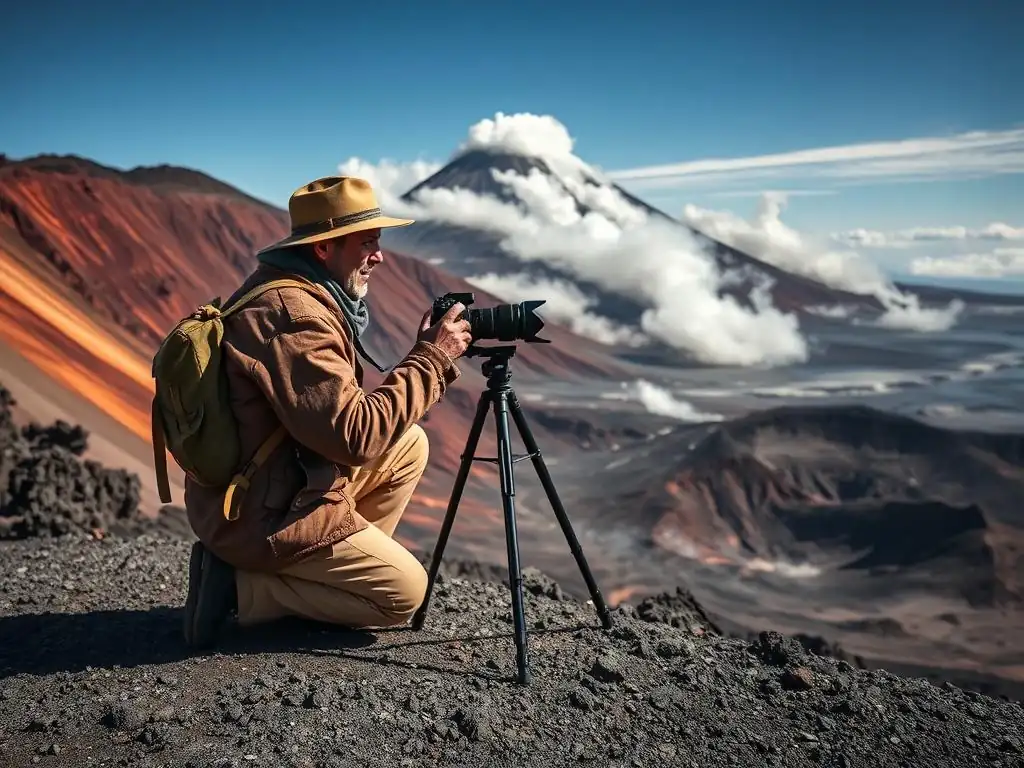
A sturdy tripod is an indispensable tool for volcano caldera photography, particularly for landscape shots, long exposures, and telephoto work. Tripods provide stability, allowing you to shoot at slower shutter speeds in low light conditions or to use smaller apertures for greater depth of field. They are essential for capturing sharp images, especially when using telephoto lenses or shooting in windy conditions, which can be common at higher elevations and in open caldera landscapes.
Choose a tripod that is lightweight enough to carry comfortably on hikes but sturdy enough to support your camera and lens setup. Carbon fiber tripods offer a good balance of weight and stability, although they are generally more expensive than aluminum tripods. Consider a tripod with independently adjustable leg angles for uneven terrain and a ball head for smooth and versatile camera positioning.
For situations where a full-sized tripod is impractical, a travel tripod or even a monopod can provide some level of stabilization. Image stabilization in your camera or lenses can also help reduce camera shake, but it is not a substitute for a tripod in many situations.
Filters: Polarizing and Neutral Density for Optimal Results
Polarizing filters and neutral density (ND) filters are valuable tools for volcano caldera photography, enhancing your images and allowing for creative effects. Polarizing filters reduce glare and reflections, particularly on water surfaces and wet rocks, enhancing color saturation and clarity. They are especially useful for photographing caldera lakes and geothermal hot springs, revealing the colors and details beneath the surface. Polarizing filters also enhance blue skies and reduce atmospheric haze, improving overall image contrast and clarity.
Neutral density (ND) filters reduce the amount of light entering the camera, allowing you to use slower shutter speeds in bright conditions. This is useful for creating motion blur effects, such as smoothing out water in waterfalls or streams within the caldera, or for using wider apertures in bright sunlight to achieve shallow depth of field. Graduated ND filters are particularly useful for balancing exposure between bright skies and darker foregrounds in landscape photography, common in caldera environments with expansive skies. Consider carrying both polarizing and ND filters in your camera bag for volcano caldera explorations.
Tips for Photographing Volcano Calderas Safely and Effectively
Respecting the Environment: Leave No Trace Principles
When photographing volcano calderas, it is crucial to practice Leave No Trace principles to minimize your impact on these fragile and unique environments. Stay on designated trails and avoid venturing off-trail, as this can damage vegetation, disturb wildlife, and increase erosion. Pack out everything you pack in, including trash, food wrappers, and any other waste. Leave natural objects, such as rocks, plants, and artifacts, undisturbed for others to enjoy.
Minimize campfire impacts by using established fire rings or camp stoves, and be sure to extinguish fires completely. Respect wildlife by observing animals from a distance and never feeding them. Feeding wildlife can alter their natural behaviors and make them dependent on humans. Be considerate of other visitors and avoid loud noises or disruptive behaviors that can detract from the natural experience for others. By following Leave No Trace principles, you can help preserve the beauty and integrity of volcano calderas for future generations of photographers and nature enthusiasts.
Weather Considerations: Preparing for Varied Conditions
Weather in volcano caldera regions can be unpredictable and change rapidly, especially at higher elevations. Be prepared for varied conditions, including sunshine, clouds, rain, snow, and wind, even within a single day. Check the weather forecast before heading out and be aware of potential hazards, such as thunderstorms, fog, and sudden temperature drops. Dress in layers to adapt to changing temperatures and conditions. Carry waterproof and windproof outer layers to protect yourself and your gear from rain and wind.
Protect your camera equipment from rain, snow, and dust. Use rain covers for your cameras and lenses, and consider carrying a waterproof bag or backpack to store your gear when not in use. Be aware of lightning risks, especially at higher elevations and during thunderstorms. Seek shelter indoors or in a vehicle if lightning is present.
Wind can be strong in caldera environments, making it challenging to keep your camera steady. Use a sturdy tripod and consider weighting it down for added stability in windy conditions. Be prepared for all types of weather to maximize your photographic opportunities and ensure your safety in volcano caldera environments.
Altitude Acclimatization: Staying Safe at High Elevations
Many volcano calderas are located at high elevations, ranging from several thousand to over ten thousand feet above sea level. Altitude can affect people differently, and altitude sickness can be a serious concern. Symptoms of altitude sickness can include headache, nausea, fatigue, dizziness, and shortness of breath. To minimize the risk of altitude sickness, ascend gradually to higher elevations, allowing your body time to acclimatize. If possible, spend a night or two at a moderate elevation before venturing into higher caldera areas.
Stay hydrated by drinking plenty of water, even before you feel thirsty. Avoid alcohol and caffeine, as these can dehydrate you and worsen altitude sickness symptoms. Eat light, easily digestible meals and avoid overexertion, especially on your first day at altitude. Listen to your body and descend to a lower elevation if you experience symptoms of altitude sickness. Acclimatization is a gradual process, and it is important to be patient and aware of your body's response to high altitude conditions when photographing volcano calderas.
Photographing Volcanic Features: Composition and Techniques
Photographing volcanic features within calderas, such as geysers, hot springs, lava flows, and volcanic cones, requires thoughtful composition and appropriate photographic techniques. For geysers, anticipate eruption times and position yourself to capture the plume against a clear sky or interesting background. Use fast shutter speeds to freeze the motion of the water or slower shutter speeds to create motion blur effects. For hot springs, emphasize the vibrant colors and patterns created by thermophilic bacteria. Use polarizing filters to reduce glare and enhance color saturation.
For lava flows and volcanic cones, consider using wide-angle lenses to capture the scale of these geological features within the broader caldera landscape. Look for interesting textures, patterns, and leading lines to guide the viewer's eye through the image. Incorporate foreground elements, such as rocks, vegetation, or water, to add depth and scale to your compositions. Pay attention to light and shadow, as these can dramatically enhance the three-dimensional quality of volcanic features. Experiment with different perspectives and viewpoints to find the most compelling compositions that capture the essence and beauty of volcano calderas.
Post-Processing Techniques for Enhancing Volcano Caldera Photos
Basic Adjustments: Exposure, Contrast, and White Balance
Post-processing is an essential step in enhancing your volcano caldera photographs and bringing out their full potential. Start with basic adjustments in software like Adobe Lightroom, Capture One, or similar programs. Exposure adjustment corrects for images that are too dark or too bright. Aim for a balanced exposure that preserves details in both highlights and shadows. Contrast adjustment increases or decreases the difference between the darkest and brightest areas of the image, adding punch and visual impact. Adjust contrast to enhance the textures and forms of volcanic landscapes.
White balance correction ensures that colors are accurately rendered and appear natural. Adjust white balance to neutralize any color casts and achieve a pleasing color temperature. For volcanic landscapes, slightly warmer white balance settings can enhance the golden tones of sunrise and sunset, while cooler settings can emphasize the blue hues of caldera lakes or snowy scenes. These basic adjustments form the foundation of your post-processing workflow and are crucial for optimizing the overall image quality of your volcano caldera photos.
Enhancing Colors and Details: Bringing Out the Volcanic Landscape
Beyond basic adjustments, further post-processing techniques can enhance the colors and details of your volcano caldera photos, bringing out the unique characteristics of these landscapes. Color saturation adjustment can intensify the vibrant colors of geothermal features, caldera lakes, and volcanic rocks. However, use saturation judiciously to avoid over-saturation, which can make images look unnatural. Clarity or texture adjustments can enhance fine details and textures in volcanic rocks, grasses, and water surfaces, adding sharpness and visual interest.
Sharpening is a crucial step for bringing out details and ensuring image sharpness. Apply sharpening selectively, focusing on areas that benefit most from increased sharpness, such as rocks, vegetation, and distant volcanic peaks. Noise reduction may be necessary, especially for images shot at higher ISO settings or in low light. Apply noise reduction to minimize graininess while preserving image details. Experiment with these techniques to enhance the colors, details, and overall visual impact of your volcano caldera photographs, bringing out the unique beauty of these volcanic landscapes.
Removing Distractions: Cleaning Up Your Images
The final stage of post-processing often involves removing distractions and cleaning up your images to create a polished and professional final product. Cropping can be used to refine composition, remove unwanted elements from the edges of the frame, and focus attention on the main subject. Spot removal or healing tools can be used to eliminate dust spots on the sensor, small blemishes, or other minor distractions in the image.
Content-aware fill or cloning tools can be used to remove larger distractions, such as unwanted objects or people in the scene. However, use these tools sparingly and ethically, ensuring that your edits remain true to the scene and do not misrepresent the reality of the volcanic landscape. The goal of removing distractions is to create a clean, visually appealing image that effectively communicates your vision and highlights the beauty of volcano calderas without unnecessary clutter or distractions.
Conclusion: Preserving the Volcanic Beauty of America Through Photography
Inspiring Others Through Your Volcano Caldera Photography
Your photographs of American volcano calderas have the power to inspire and educate others, fostering a greater appreciation for these remarkable landscapes and the volcanic forces that shaped them. By sharing your images, you can introduce viewers to the beauty and drama of calderas, sparking their curiosity about geology, volcanism, and the natural world. Your photographs can serve as visual ambassadors for these unique environments, highlighting their ecological and geological significance and promoting their conservation.
Consider sharing your volcano caldera photography through online platforms, social media, exhibitions, or publications. Accompany your images with informative captions or descriptions that provide context and insights into the volcanic features and landscapes you have captured. Engage with viewers and answer their questions, sharing your knowledge and passion for volcano photography. By inspiring others through your work, you contribute to a wider understanding and appreciation of volcano calderas and the importance of preserving these natural wonders.
Continued Exploration and Learning: Further Resources for Volcano Enthusiasts
The world of volcano calderas is vast and fascinating, offering endless opportunities for continued exploration and learning. To deepen your understanding of these volcanic landscapes and enhance your photography skills, seek out further resources and educational materials. Explore websites and books dedicated to volcanology, geology, and volcano photography. National Park Service websites for Yellowstone, Crater Lake, Valles Caldera, and Long Valley Caldera provide valuable information about these specific locations, including geological history, hiking trails, and visitor information.
Consider joining photography workshops or tours focused on volcano photography, where you can learn from experienced photographers and explore caldera landscapes in a guided setting. Attend lectures or presentations by volcanologists or geologists to gain deeper insights into the science behind caldera formation and volcanic processes. Engage with online communities and forums dedicated to volcano photography or volcanology, sharing your experiences, asking questions, and learning from others. Continued exploration and learning will enrich your understanding of volcano calderas and enhance your photographic journey in these awe-inspiring landscapes.
(This is a placeholder for a Call to Action. In the actual article, a specific call to action relevant to the website should be inserted here, encouraging user engagement, such as sharing photos on a specific platform or using a website hashtag.)
Frequently Asked Questions
What exactly is a caldera, and why are they so fascinating to photograph?
A caldera is a large volcanic crater, typically formed by the collapse of a volcano after a major eruption. Their sheer size and unique geology make them visually stunning subjects for photography.
What makes photographing American volcano calderas particularly challenging?
Challenges include remote locations, unpredictable weather, and the sheer scale of the landscape, requiring specialized equipment and planning for successful photography.
What are some must-have pieces of equipment for photographing volcano calderas?
Essential equipment includes a high-quality camera, a variety of lenses (wide-angle and telephoto), sturdy tripod, and protective gear for harsh environments, like wind and dust.
Where are some of the best American volcano calderas to photograph, and why?
Yellowstone Caldera is famous for its geothermal features, Crater Lake Caldera offers stunning blue waters, and Newberry National Volcanic Monument provides diverse volcanic landscapes, all offering unique photographic opportunities.
What safety precautions should photographers take when exploring and photographing volcano calderas?
Always check current volcanic activity levels, be aware of wildlife, stay on marked trails, and carry emergency communication devices and supplies.
Final Reflection: Capturing Earth's Fiery Soul
The journey into the heart of American volcano calderas, as explored within this article, reveals more than just geological formations; it unveils the raw, untamed power of our planet. The act of photographing these landscapes transcends mere documentation; it's an attempt to capture the very essence of creation and destruction intertwined. These images serve as a potent reminder of the dynamic forces shaping our world, forces that demand respect and inspire awe.
The enduring allure of volcanoes, particularly their calderas, lies in their ability to evoke a sense of primal wonder. My own fascination with these landscapes stems from a deep-seated appreciation for the Earth's capacity for both immense beauty and formidable power. The act of photographing them becomes a personal pilgrimage, a quest to understand and connect with something far greater than myself. The mountains are calling and I must go.
- John Muir. This quote perfectly encapsulates the irresistible pull these volcanic landscapes exert, beckoning us to explore their depths and capture their stories.
Now, as you reflect on the images and insights shared, consider how you can cultivate a deeper appreciation for the natural world around you. Let the fiery heart of the caldera remind you of the power within yourself to overcome challenges and embrace change. Seek out opportunities to connect with nature, whether through photography, hiking, or simply observing the world with a renewed sense of wonder. Let the lessons learned from photographing American volcano calderas inspire you to live a life filled with curiosity, respect, and a profound connection to the Earth.
Unleash Your Inner Volcanic Photographer!
Thanks for diving deep into the fiery heart of American volcanoes with us! We hope you've found inspiration to capture the raw beauty and power of these geological wonders. Now, let's turn that inspiration into action!
- Plan your own volcanic photography expedition! Use our interactive map on volcanoexplorers.org to discover less-traveled routes and hidden gems.
- Share your favorite volcanic shot with the hashtag #VolcanoExplorers and tag us @VolcanoExplorersOrg – let's build a community of volcanic artistry!
- Research and identify one native plant or animal species found in a volcanic environment near you – connect your photography with deeper ecological understanding.
Which volcanic landscape is calling to your camera first? Let us know in the comments below!