
Iceland's Volcanic Shields: A Land Sculpted by Fire and Ice

Welcome to Volcano Explorers!
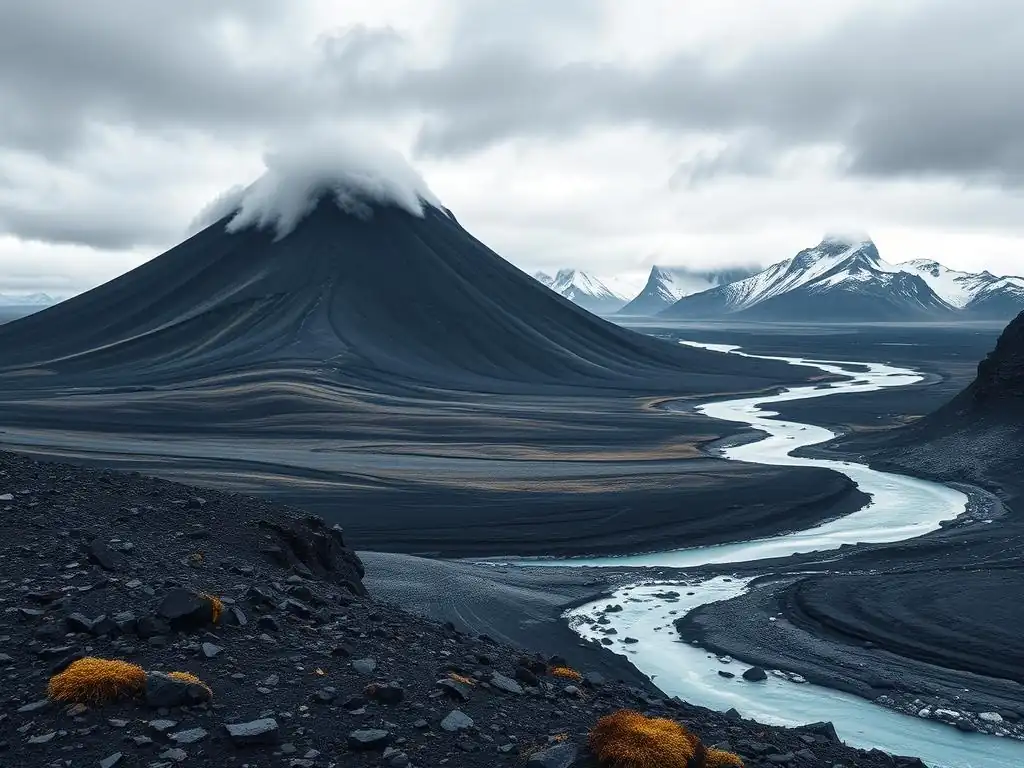
Prepare to journey into a realm forged by fire and ice, where the Earth's raw power is on full display. Are you ready to uncover the secrets hidden within Iceland's breathtaking landscapes? This time we're diving deep into Iceland's volcanic shield formations, exploring how these unique geological structures came to be and what they reveal about the dynamic forces shaping our planet. But what makes these shields so different, and what can they teach us about the future? Let's begin!
- Introduction: Exploring Iceland's Unique Volcanic Landscapes
- What are Iceland Volcanic Shield Formations? Understanding Shield Volcanoes
- The Geology of Iceland: A Hotspot Under a Rift Zone
- Examples of Prominent Iceland Volcanic Shield Formations
- Impact of Iceland Volcanic Shield Formations on the Landscape and Ecosystem
- Iceland Volcanic Shield Formations: A Tourist Destination
- Conclusion: The Enduring Legacy of Fire and Ice in Iceland
-
Frequently Asked Questions
- What makes Iceland a prime location for observing volcanic shield formations?
- How do Icelandic shield volcanoes differ from other types of volcanoes?
- What are some prominent examples of shield volcanoes in Iceland?
- What role does glacial ice play in shaping Iceland's volcanic shield formations?
- What are the potential hazards associated with living near Icelandic shield volcanoes?
- Final Reflection: Embracing Iceland's Fiery Legacy
- Unearth Iceland's Fiery Heartbeat!
Introduction: Exploring Iceland's Unique Volcanic Landscapes
Iceland, a land forged by fire and ice, presents a dramatic tapestry of volcanic features, among which shield volcanoes stand out as monumental testaments to the island's dynamic geological processes. These broad, gently sloping giants dominate vast stretches of the Icelandic highlands and coastal regions, painting an unforgettable picture of nature's raw power and artistic finesse.
From the vast lava fields stretching to the horizon to the serene, crater-studded summits, Iceland's shield volcanoes offer a unique window into the Earth's inner workings. This article delves into the fascinating world of Iceland volcanic shield formations, exploring their characteristics, formation, geological context, and the profound impact they have on the landscape and ecosystem of this extraordinary island.
What are Iceland Volcanic Shield Formations? Understanding Shield Volcanoes
Iceland volcanic shield formations are a specific type of volcano characterized by their broad, gently sloping profile, resembling a warrior's shield laid flat on the ground. Unlike stratovolcanoes known for their steep, conical shapes and explosive eruptions, shield volcanoes are built up over time by the accumulation of highly fluid basaltic lava flows. This type of lava, low in silica and gas content, flows easily over long distances, creating wide, expansive structures rather than towering peaks.
In Iceland, the prevalence of shield volcanoes is intrinsically linked to the island's unique geological setting, where the interplay of a mantle plume and a mid-ocean ridge provides a continuous supply of magma. Understanding the formation and characteristics of these shield volcanoes is crucial to grasping the volcanic history and landscape of Iceland.
Basaltic Lava Flows: The Building Blocks of Icelandic Shields
The foundation of Iceland volcanic shield formations lies in the nature of basaltic lava flows. Basalt, an extrusive igneous rock, is the most common volcanic rock type on Earth and is particularly abundant in Iceland.
Its low viscosity, meaning it flows easily, is due to its relatively low silica content (around 45-52% SiO2) and high temperature upon eruption, typically ranging from 1000 to 1200°C. When basaltic lava erupts from fissures or vents, it spreads out across the landscape, cooling and solidifying into extensive lava fields.
These flows, often described as either 'pahoehoe' with smooth, ropy surfaces or 'a'a' with rough, jagged textures, layer upon layer, slowly construct the characteristic shield shape over countless eruptions. For instance, the vast lava fields of the Icelandic Highlands, such as those surrounding Vatnajökull glacier, are primarily composed of basalt from shield volcano eruptions, showcasing the scale and impact of these lava flows in shaping the island.
The Geology of Iceland: A Hotspot Under a Rift Zone
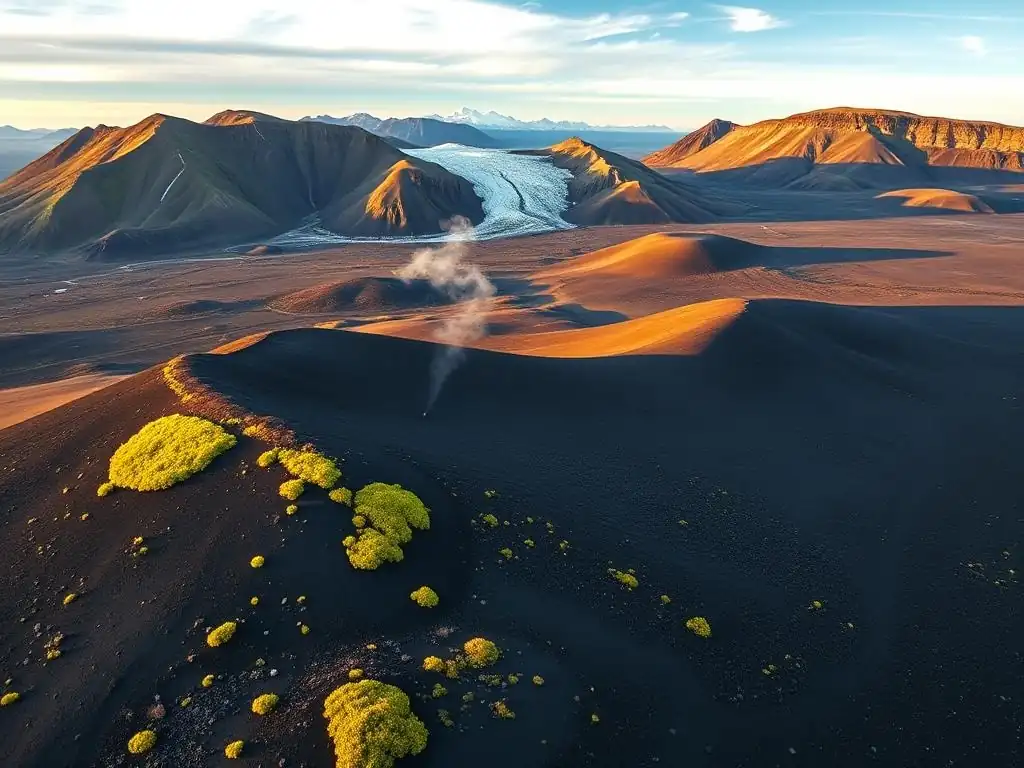
Iceland's remarkable volcanic activity, including the prevalence of shield volcanoes, stems from its unique geological location at the intersection of two major geological phenomena: the Mid-Atlantic Ridge and the Iceland Plume. The Mid-Atlantic Ridge is a divergent plate boundary where the North American and Eurasian plates are moving apart. This rifting process creates fractures in the Earth's crust, allowing magma from the mantle to rise to the surface.
Simultaneously, Iceland sits atop a mantle plume, a column of unusually hot rock rising from deep within the Earth's mantle. This plume provides an additional source of magma, significantly increasing the volume of volcanic material erupted in Iceland compared to other parts of the Mid-Atlantic Ridge. The combination of these factors results in a highly volcanically active region where shield volcanoes, fed by the abundant and fluid basaltic magma, can readily form and grow.
Glacial Influence on Volcanic Activity: Shaping Iceland's Shields
The glacial history of Iceland has profoundly influenced the morphology and eruptive patterns of its volcanic shield formations. During glacial periods, thick ice sheets covered much of Iceland, exerting immense pressure on the Earth's crust. This pressure affected magma generation and pathways, and also altered the landscape upon which volcanoes erupted.
Subglacial eruptions, occurring beneath ice sheets, are common in Iceland and often result in unique volcanic landforms like table mountains (Tuyas) and hyaloclastite ridges. When glaciers retreat, they expose previously ice-covered volcanic landscapes, revealing the sculpted forms of shield volcanoes that have been shaped by both volcanic and glacial processes.
Furthermore, the unloading of the crust after glacial retreat can lead to increased volcanic activity due to changes in stress regimes within the Earth's lithosphere. Therefore, the interplay between volcanism and glaciation is a defining characteristic in the development and appearance of Iceland's shield volcanoes, adding another layer of complexity to their formation.
Examples of Prominent Iceland Volcanic Shield Formations
Iceland boasts numerous impressive examples of volcanic shield formations, each with its own unique characteristics and history. These shield volcanoes not only contribute to the island's dramatic scenery but also offer valuable insights into the processes that shape volcanic landscapes. Two particularly notable examples are Skjaldbreiður and Trölladyngja, each representing distinct aspects of Icelandic shield volcanism. Exploring these specific cases provides a deeper understanding of the variety and scale of Iceland volcanic shield formations.
Skjaldbreiður: A Classic Example of an Icelandic Shield Volcano
Skjaldbreiður, meaning "broad shield" in Icelandic, perfectly embodies the archetypal shield volcano form. Located in the Icelandic Highlands, northeast of Þingvellir National Park, Skjaldbreiður stands as a remarkably symmetrical and gently sloping shield volcano. Its immense size and classic shield shape make it a textbook example for volcanology students and enthusiasts alike. Formed during the early Holocene epoch, approximately 9,000 years ago, Skjaldbreiður is composed almost entirely of basaltic lava flows erupted from a central vent.
Its summit crater is relatively small and shallow, reflecting the effusive nature of its eruptions. The volume of Skjaldbreiður is estimated to be around 200 cubic kilometers, making it one of the largest shield volcanoes in Iceland. Its pristine shield morphology is largely due to its single eruptive episode and subsequent lack of significant erosion or later volcanic activity, preserving a clear and impressive example of Iceland volcanic shield formations.
Trölladyngja: Another Notable Icelandic Shield Volcano
Trölladyngja, located within the vast Ódáðahraun lava field in the central highlands of Iceland, represents another significant Icelandic shield volcano. While perhaps less perfectly symmetrical than Skjaldbreiður, Trölladyngja is notable for its sheer size and the extensive lava flows associated with it. Its name translates to "troll's shield dome," hinting at its imposing presence in the landscape.
Trölladyngja is part of a larger volcanic system and has been active during various periods, contributing significantly to the Ódáðahraun desert, one of the largest lava fields in the world. The lava flows from Trölladyngja and its surrounding fissures have spread across a vast area, creating a rugged and otherworldly landscape.
Unlike Skjaldbreiður’s single eruption history, Trölladyngja has likely experienced multiple eruptive phases over a longer period, resulting in a more complex internal structure and a broader, less defined shield shape. Studying Trölladyngja provides insights into the long-term evolution and impact of Iceland volcanic shield formations on the surrounding environment.
Impact of Iceland Volcanic Shield Formations on the Landscape and Ecosystem
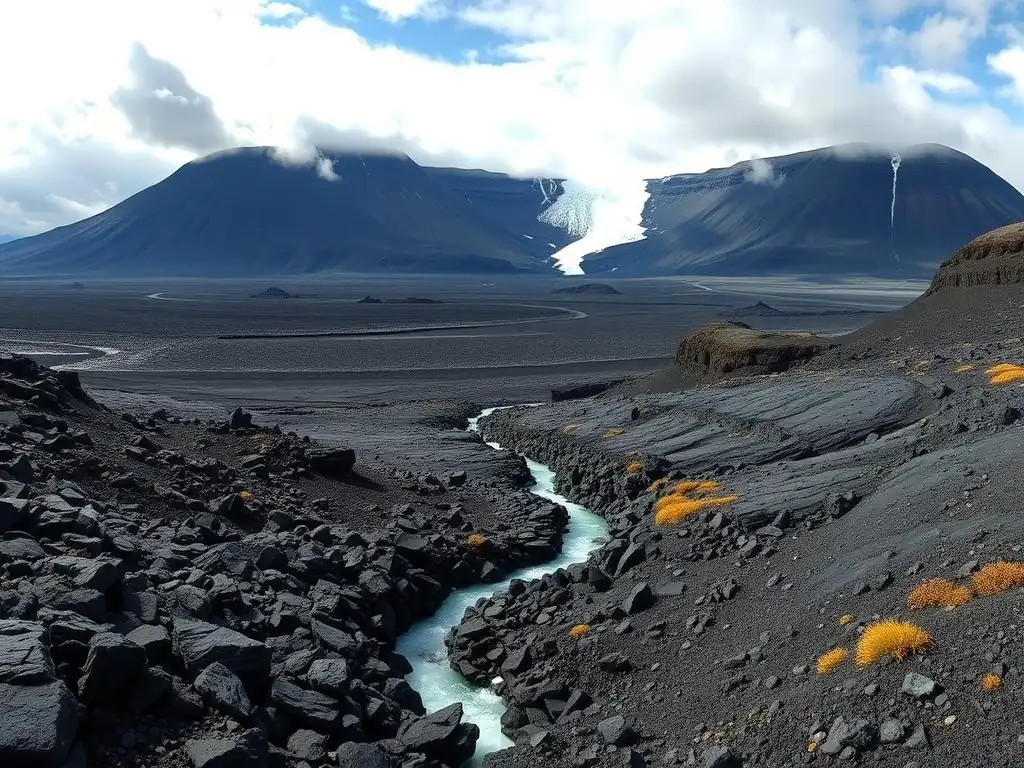
Iceland volcanic shield formations have profoundly shaped the island's landscape and influenced its unique ecosystem. The extensive lava fields created by shield volcano eruptions have sculpted vast tracts of land, creating diverse habitats and impacting drainage patterns. Furthermore, the volcanic activity associated with shield volcanoes is intrinsically linked to Iceland's abundant geothermal resources, which in turn support unique biological communities and provide a source of renewable energy. The influence of these volcanic formations extends beyond the purely geological, playing a vital role in the ecological and even societal aspects of Iceland.
Geothermal Activity and its Connection to Shield Volcanoes
Geothermal activity in Iceland is directly and intimately linked to the island's volcanic nature, and shield volcanoes play a crucial role in this connection. The same magmatic processes that create shield volcanoes also drive geothermal systems. As magma rises from the mantle, it not only erupts to form volcanoes but also heats the surrounding groundwater.
This heated water, under pressure from overlying rocks, can rise to the surface through fissures and permeable layers, creating hot springs, fumaroles, and geysers. Areas around and within shield volcano systems often exhibit significant geothermal activity.
For example, the geothermal areas of Hveravellir and Landmannalaugar, popular for their hot springs and colorful landscapes, are situated within or near volcanic systems that include shield volcanoes. This geothermal energy, a direct byproduct of Iceland's volcanic activity, is not only a spectacular natural phenomenon but also a crucial resource for the country, providing heating and electricity through geothermal power plants and contributing significantly to Iceland's renewable energy profile.
Iceland Volcanic Shield Formations: A Tourist Destination
Iceland volcanic shield formations are increasingly becoming a significant draw for tourists eager to experience the island's unique geological wonders. The vast landscapes sculpted by these volcanoes offer breathtaking scenery and opportunities for exploration and adventure.
Areas like the Icelandic Highlands, dominated by shield volcanoes such as Skjaldbreiður and Trölladyngja, attract hikers, photographers, and nature enthusiasts seeking to witness the raw beauty of volcanic terrain. The accessibility of some shield volcano regions, combined with the dramatic visual impact of their vast lava fields and unique volcanic features, makes them compelling destinations.
Furthermore, the geothermal areas often associated with shield volcanoes, like the Blue Lagoon and numerous hot spring locations, add another layer of attraction, offering both relaxation and a tangible connection to Iceland's volcanic heart. As tourism in Iceland continues to grow, the appeal of Iceland volcanic shield formations as a key element of the island's natural heritage is set to increase further.
Conclusion: The Enduring Legacy of Fire and Ice in Iceland
Iceland volcanic shield formations stand as monumental reminders of the powerful forces that have shaped and continue to shape this dynamic island. Born from the interplay of fire and ice, these broad, gently sloping volcanoes are not just geological features but integral components of Iceland's identity, landscape, and ecosystem.
From the vast basaltic lava fields that stretch across the highlands to the geothermal areas that provide warmth and energy, the legacy of shield volcanism is deeply interwoven into the fabric of Icelandic life. As both a natural wonder and a source of resources, Iceland's volcanic shields offer a unique and enduring testament to the Earth's geological processes and the captivating beauty that can arise from the planet's fiery heart.
Frequently Asked Questions
What makes Iceland a prime location for observing volcanic shield formations?
Iceland's unique geological setting, situated on the Mid-Atlantic Ridge and a hotspot, leads to frequent volcanic activity, creating ideal conditions for shield volcano formation. The interaction of fire and ice, due to glaciers, further shapes these landforms.
How do Icelandic shield volcanoes differ from other types of volcanoes?
Icelandic shield volcanoes are characterized by their broad, gently sloping profiles, built from highly fluid basaltic lava flows. Unlike stratovolcanoes, they are typically formed by effusive eruptions rather than explosive ones.
What are some prominent examples of shield volcanoes in Iceland?
While many volcanoes contribute to Iceland's landscape, well-defined shield volcanoes include Skjaldbreiður and parts of the Þórsmörk region. These showcase the classic shield volcano shape.
What role does glacial ice play in shaping Iceland's volcanic shield formations?
Glacial ice can significantly impact the shape and structure of shield volcanoes through subglacial eruptions, creating jökulhlaups (glacial outburst floods) and modifying lava flows. This interaction with ice is a key differentiator.
What are the potential hazards associated with living near Icelandic shield volcanoes?
While generally less explosive than other volcano types, Icelandic shield volcanoes can still pose hazards through lava flows, gas emissions, and glacial floods (jökulhlaups). Monitoring and preparedness are crucial for nearby communities.
Final Reflection: Embracing Iceland's Fiery Legacy
The preceding exploration of Iceland's volcanic shield formations reveals more than just geological wonders; it underscores the dynamic interplay between destruction and creation that defines our planet. From the gentle slopes of Skjaldbreiður to the complex systems of Þórsmörk, these formations stand as testaments to the raw power that shapes our world, a power that continues to resonate in Iceland's ongoing geological activity and its impact on the global climate.
The enduring fascination with Iceland's volcanic landscapes stems from their ability to evoke a sense of awe and humility. Witnessing these formations firsthand, or even through the lens of scientific inquiry, fosters a deeper appreciation for the Earth's processes and our place within them. The mountains are calling and I must go,
John Muir famously wrote, and in Iceland, the call of the volcanic shields is a call to understand the very foundations upon which we stand.
As we conclude this journey through Iceland's volcanic shield formations, let us carry with us a renewed sense of wonder and responsibility. Consider how the forces that sculpted this land continue to shape our world, and reflect on the importance of understanding and respecting the delicate balance between fire and ice. Let the resilience and beauty of Iceland's volcanic shields inspire you to embrace the challenges and opportunities that lie ahead, knowing that even from the most destructive forces, new life and breathtaking landscapes can emerge.
Unearth Iceland's Fiery Heartbeat!
Thank you for delving into the fascinating world of Iceland's volcanic shields and their icy embrace. We hope you've gained a newfound appreciation for the powerful forces that shaped this breathtaking landscape. Ready to take your exploration further?
Here's how you can keep the volcanic wonder alive:
- Plan your own Iceland adventure! Research guided tours that explore these unique volcanic landscapes, from the shield volcanoes to the glaciers that rest upon them. This is your chance to witness the raw beauty firsthand.
- Share your favorite volcanic fact from this article with a friend and spark their curiosity about Iceland's geology. You might inspire their next travel destination!
- Explore the Volcano Explorers' online forum and share your own thoughts, images, or experiences related to Iceland's volcanic landscape.
What fascinating volcanic feature most captivated you and are you eager to discover more about it?