
The Art of Minimalism: Finding Inspiration in Volcanic Barren Landscapes

Welcome to Volcano Explorers!
Dare to uncover the raw beauty hidden within the fiery heart of our planet. Beyond the eruptions and molten rock, a stark and breathtaking artistry awaits. Intrigued by the power of less? Then prepare to be captivated as we delve into the world of minimalist photography of volcanoes, revealing the profound inspiration found in these seemingly barren landscapes. What secrets do these volcanic vistas hold? Let's explore...
- The Art of Minimalism: Finding Inspiration in Icelandic Volcanic Landscapes
- Introduction: The Allure of Volcanic Minimalism
- Understanding Minimalist Photography of Volcanoes
- Finding Beauty in Barrenness: Icelandic Volcanic Deserts as Muses
- Essential Techniques for Minimalist Volcano Photography
- Gear and Equipment for Volcanic Minimalist Photography
- Case Studies: Minimalist Volcano Photographers and Their Work
- Ethical Considerations in Volcanic Photography
- Post-Processing for Minimalist Volcanic Images
- Finding Your Own Minimalist Voice in Volcanic Photography
-
Frequently Asked Questions
- How can the barren landscapes around volcanoes inspire minimalist photography?
- What are some key elements to consider when composing a minimalist photo of a volcano?
- What types of weather conditions are best for minimalist photography of volcanoes?
- What camera settings are recommended for capturing minimalist volcanic landscapes?
- How can post-processing enhance the minimalist aesthetic in volcanic landscape photos?
- Final Reflection: Embracing Simplicity's Power
- Embrace Simplicity: Ignite Your Minimalist Journey!
The Art of Minimalism: Finding Inspiration in Icelandic Volcanic Landscapes
Introduction: The Allure of Volcanic Minimalism
Exploring the Intersection of Icelandic Volcanic Landscapes and Minimalist Art
Iceland, a land forged by fire and ice, presents a dramatic canvas for minimalist art. Its volcanic landscapes, characterized by vast stretches of black sand, stark lava fields, and imposing glaciers, naturally lend themselves to minimalist aesthetics. Minimalism, as an art form, thrives on simplicity and essential elements, often stripping away the unnecessary to reveal the core essence of a subject.
The raw, untamed beauty of Icelandic volcanic regions perfectly mirrors this philosophy. Think of the expansive Sólheimasandur black sand beach or the desolate highlands of Landmannalaugar; these locations inherently possess a minimalist quality, defined by strong lines, muted color palettes, and a sense of profound solitude. This intersection provides a unique opportunity for photographers to capture the powerful silence and inherent drama of volcanic landscapes through a minimalist lens.
The allure of minimalism in the context of volcanic landscapes extends beyond mere visual appeal. It’s about capturing the profound sense of scale and geological time that these environments evoke. Volcanoes are forces of nature that operate on timescales far beyond human comprehension. Minimalist photography, with its emphasis on vastness and emptiness, can effectively communicate this immensity.
Consider the iconic image of a lone figure standing against the backdrop of a sprawling lava field. This simple composition, devoid of clutter and distractions, powerfully conveys the insignificance of human presence in the face of geological power. Iceland's volcanic terrains, with their stark beauty and elemental forces, become not just a subject, but a partner in creating minimalist art that resonates with deeper meanings about nature, time, and existence.
Why Icelandic Black Sand Beaches Inspire Minimalist Photography
Iceland's black sand beaches, such as Reynisfjara and Djúpalónssandur, are quintessential locations for minimalist photography. Formed from basalt lava eroded over millennia, these beaches present a monochrome world of dark sand meeting the often-turbulent Atlantic Ocean. The limited color palette—dominated by blacks, greys, and whites—immediately simplifies the visual field, a cornerstone of minimalist aesthetics.
The dramatic interplay between the dark sand, the white foam of the waves, and the often-overcast skies creates natural high-contrast scenes that are ideal for minimalist compositions. Furthermore, the iconic basalt columns and sea stacks found on beaches like Reynisfjara offer strong vertical lines against the horizontal expanse of the beach and ocean, creating compelling minimalist subjects.
The textural contrast on these black sand beaches also contributes significantly to their minimalist appeal. The smooth, fine sand contrasts sharply with the rough, jagged basalt rocks and the fluid, ever-changing surface of the sea. This interplay of textures, within a limited tonal range, provides visual interest without overwhelming the viewer with complexity.
Imagine a photograph of tire tracks imprinted on the vast expanse of black sand at Sólheimasandur beach. The simple lines of the tracks against the smooth, uniform background, coupled with the muted color palette, perfectly embodies the minimalist aesthetic. The starkness and elemental nature of these beaches allow photographers to focus on form, line, and texture, stripping away distractions to capture the raw essence of the volcanic landscape.
Understanding Minimalist Photography of Volcanoes
The Core Principles of Minimalist Volcanic Photography
Minimalist photography of volcanoes, like minimalism in general, is about reduction and simplification. The core principle is to distill the scene down to its most essential elements, removing anything that distracts from the main subject or message. This often involves focusing on strong lines, shapes, textures, and tonal contrasts, while minimizing color and detail.
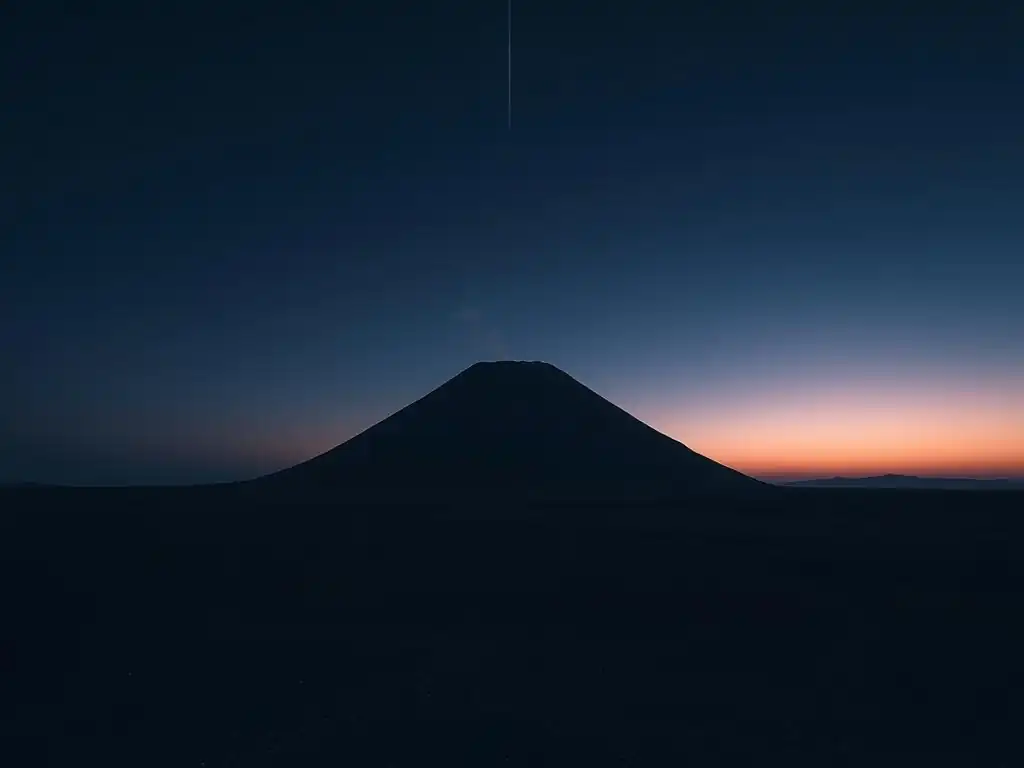
In the context of volcanic landscapes, this might mean isolating a single volcanic cone against a vast sky, emphasizing the textures of lava rock formations, or capturing the stark contrast between black sand and white glacial ice. The goal is to create images that are both visually striking and conceptually powerful through their simplicity.
Another key principle is the use of negative space. Negative space, the area surrounding the main subject, becomes just as important as the subject itself in minimalist compositions. In volcanic photography, vast expanses of sky, black sand, or snow can serve as negative space, emphasizing the isolation and grandeur of volcanic features.
For example, a photograph of Mount Kirkjufell in Iceland, framed by a large expanse of sky and ocean, utilizes negative space to enhance the mountain's imposing presence and create a sense of serene isolation. Minimalist photography of volcanoes is not just about what you include in the frame, but equally about what you deliberately exclude, fostering a sense of quiet contemplation and highlighting the fundamental forms of the landscape.
Capturing the Essence of Volcanic Landscapes with Simplicity
Simplicity is not just about aesthetics in minimalist volcanic photography; it's about capturing the essence of these powerful landscapes. Volcanoes are inherently dramatic and imposing, but their grandeur can be lost in cluttered or overly detailed photographs. Minimalism provides a framework to strip away visual noise and focus on the fundamental qualities that make volcanic landscapes so compelling: their raw power, geological age, and stark beauty. By simplifying the composition, photographers can emphasize the essential forms and textures that define these environments, allowing viewers to connect with the landscape on a more primal and emotional level.
Consider the act of photographing a steam vent in a geothermal area like Hverir in Iceland. A minimalist approach might involve focusing solely on the plume of steam against a clear sky, removing any distracting foreground elements. This simplification isolates the steam vent, emphasizing its ethereal quality and connection to the volcanic forces beneath the surface.
Similarly, photographing a field of moss-covered lava rocks in Iceland's highlands can be transformed into minimalist art by focusing on the repeating patterns and textures of the moss, minimizing the sky and horizon. By embracing simplicity, minimalist photography allows us to move beyond the surface appearance of volcanic landscapes and delve into their underlying essence – the raw, untamed power of nature sculpted over eons.
Finding Beauty in Barrenness: Icelandic Volcanic Deserts as Muses
The Textures and Forms of Volcanic Rock: A Minimalist's Playground in Iceland
Iceland's volcanic deserts, vast expanses of lava fields, ash plains, and pumice landscapes, are a minimalist photographer's dream. These barren terrains, often seemingly devoid of life at first glance, are rich in intricate textures and forms. The surfaces of lava rocks, for instance, can range from smooth, glassy obsidian to rough, vesicular basalt, each with its unique tactile and visual qualities.
These textures become particularly compelling when photographed in minimalist style, highlighting the intricate details and patterns that might be overlooked in a more conventional landscape photograph. The starkness of the volcanic desert forces the eye to focus on these subtle variations, revealing a hidden beauty in the seemingly desolate landscape.
The forms of volcanic rock formations in Iceland are equally inspiring for minimalist photography. From the undulating waves of pahoehoe lava to the jagged, fractured surfaces of 'a'ā lava, these geological sculptures provide endless opportunities for minimalist compositions. Consider the Eldhraun lava field in South Iceland, the largest of its kind in the world.
Its vast expanse of moss-covered lava rocks, stretching as far as the eye can see, presents a mesmerizing landscape of repeating forms and textures. A minimalist photograph focusing on a small section of this lava field, emphasizing the interplay of light and shadow on the moss-covered rocks, can capture the essence of this otherworldly environment without needing to include any grand vistas or sweeping panoramas. The beauty lies in the details, the textures, and the forms, all amplified by the minimalist approach.
Color Palettes of Icelandic Volcanic Deserts: From Ash Grey to Glacial Blue
The color palettes of Icelandic volcanic deserts, while often muted, are surprisingly diverse and offer a rich source of inspiration for minimalist photography. While grey and black tones dominate, derived from volcanic ash and basalt rock, subtle variations and contrasting colors emerge to create visually compelling scenes. Ash grey, in its various shades, forms the foundation of many volcanic desert landscapes, providing a neutral backdrop that emphasizes form and texture. However, interspersed within these grey landscapes are often streaks of ochre and rust, resulting from mineral deposits and oxidation processes, adding subtle warmth and contrast to the monochrome palette.
Furthermore, the presence of glacial meltwater in many Icelandic volcanic regions introduces cool blue and turquoise hues into the landscape. Glacial rivers and lagoons, often fed by meltwater from ice caps like Vatnajökull, cut through the black sand plains, creating striking contrasts in color and texture. Imagine a minimalist photograph of the Jökulsárlón glacier lagoon, focusing on the blue icebergs floating on the black sand beach, against a backdrop of grey sky.
The limited color palette – black, white, grey, and blue – perfectly embodies the minimalist aesthetic, while the contrast between the warm black sand and the cool blue ice creates a visually arresting image. Even in their apparent barrenness, Icelandic volcanic deserts offer a nuanced and beautiful color palette that minimalist photographers can expertly utilize to create impactful and evocative images.
Essential Techniques for Minimalist Volcano Photography
Composition in Minimalist Volcanic Landscapes: Negative Space and Leading Lines
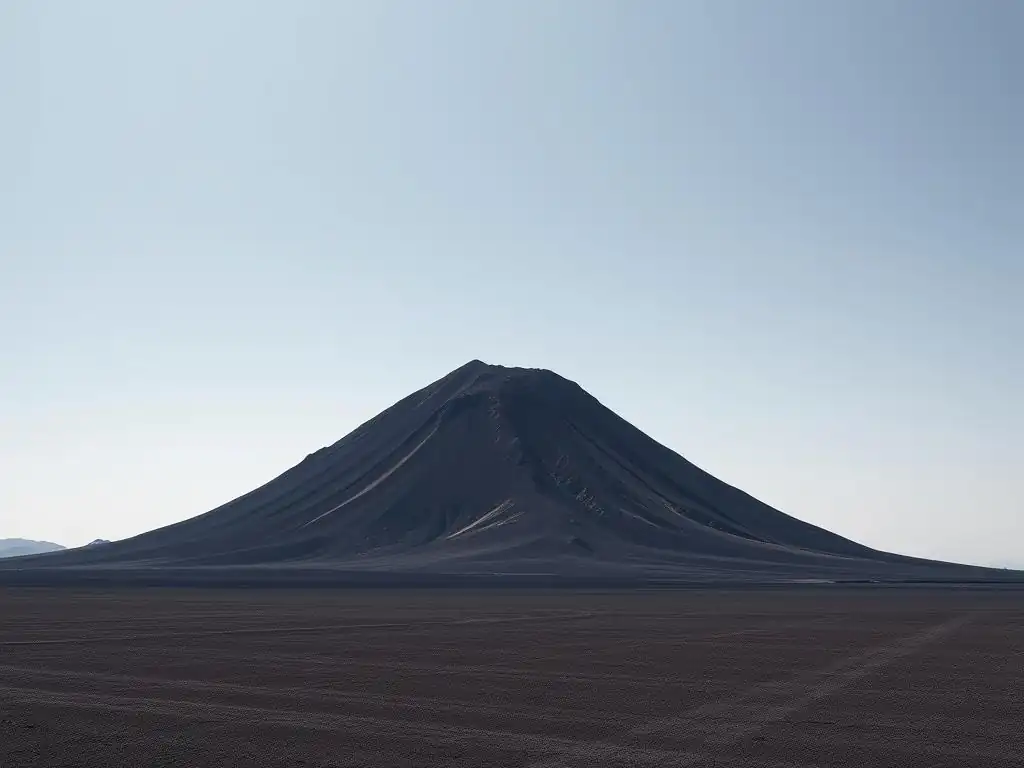
Composition is paramount in minimalist photography, and volcanic landscapes demand a thoughtful approach. Two key compositional techniques particularly effective in these environments are the use of negative space and leading lines. Negative space, as discussed earlier, allows the main subject to breathe and emphasizes its isolation or grandeur.
In volcanic landscapes, vast skies, plains of black sand, or stretches of glacial ice can serve as powerful negative space, drawing attention to a lone volcanic peak, a solitary rock formation, or a winding river. Mastering negative space involves consciously framing the subject within its surroundings, allowing the emptiness to become an integral part of the image's narrative.
Leading lines, on the other hand, are visual pathways that guide the viewer's eye through the photograph and towards the main subject. In volcanic landscapes, natural features like riverbeds, lava flows, coastlines, or even tire tracks in the sand can act as leading lines. These lines can create a sense of depth and perspective, drawing the viewer into the scene and towards a focal point, such as a distant volcano or a dramatic rock formation.
For instance, the winding road through the black sand desert of Iceland's south coast, leading towards distant mountains, provides a strong leading line that can be effectively used in minimalist compositions. By consciously employing negative space and leading lines, photographers can create minimalist volcanic images that are both visually balanced and narratively compelling, guiding the viewer's eye and emphasizing the key elements of the scene.
Mastering Light and Shadow in Icelandic Volcanic Environments
Light and shadow are crucial elements in all photography, but they take on particular significance in minimalist volcanic photography, especially in Iceland. Iceland's weather is notoriously unpredictable, often shifting rapidly from bright sunshine to heavy overcast in a matter of minutes. This dynamic lighting creates dramatic variations in mood and texture, offering diverse opportunities for minimalist photography. Overcast skies, prevalent in Iceland, can diffuse light and create a soft, even illumination that emphasizes textures and reduces harsh shadows, ideal for highlighting the subtle details of lava rock formations or black sand beaches.
Conversely, when sunlight breaks through the clouds, it can create dramatic contrasts and long shadows, accentuating the forms and shapes of volcanic features. Golden hour and blue hour, the periods shortly after sunrise and before sunset, are particularly magical times in Iceland. During these times, the low-angled light rakes across the landscape, revealing textures and casting long shadows that enhance the three-dimensionality of the volcanic terrain.
For minimalist volcanic photography, understanding how to utilize both soft, diffused light and dramatic, directional light is essential. Learning to anticipate and respond to Iceland's ever-changing weather conditions is key to capturing the essence of these landscapes through the interplay of light and shadow, creating images that are both visually striking and emotionally resonant.
Using Long Exposure to Enhance Minimalist Volcanic Images
Long exposure photography is a powerful technique that can significantly enhance minimalist volcanic images, particularly in Iceland's dynamic environments. By using slow shutter speeds, typically ranging from several seconds to several minutes, photographers can blur motion and create a sense of ethereal stillness, even in scenes with movement.
This technique is particularly effective for photographing water, such as the ocean waves crashing on black sand beaches or waterfalls cascading down volcanic cliffs. Long exposure smooths out the water's surface, transforming it into a silky, ethereal texture that contrasts beautifully with the static elements of the volcanic landscape, like rocks and landforms.
In minimalist volcanic photography, long exposure can be used to simplify the scene further by removing distractions caused by moving elements. For example, photographing the basalt columns at Reynisfjara beach with a long exposure can blur the crashing waves, creating a smooth, white mist at the base of the columns, emphasizing their stark, geometric forms against the blurred ocean. Similarly, long exposure can be used to capture cloud movement in the Icelandic sky, transforming clouds into soft streaks that add a sense of dynamism to otherwise static volcanic landscapes.
To effectively utilize long exposure, a sturdy tripod and neutral density (ND) filters are essential, allowing photographers to achieve slow shutter speeds even in bright daylight. Mastering long exposure techniques opens up new creative possibilities for minimalist volcanic photography, allowing for the capture of images that are both visually striking and imbued with a sense of tranquility and timelessness.
Gear and Equipment for Volcanic Minimalist Photography
Choosing the Right Camera and Lenses for Icelandic Volcanic Photography
Selecting the right camera and lenses is crucial for successful minimalist volcanic photography, especially in the challenging conditions of Iceland. While camera choice is often personal preference, certain features are particularly beneficial for landscape photography. A full-frame camera offers superior image quality, especially in low light, and a wider dynamic range, essential for capturing the tonal variations in volcanic landscapes.
However, crop-sensor cameras can also produce excellent results and are often more compact and lightweight, which can be advantageous for hiking and travel in Iceland. Ultimately, the most important factor is to choose a camera you are comfortable with and that you understand well.
Lens selection is equally critical. For minimalist volcanic photography, a range of lenses is useful to capture different perspectives and compositions. Wide-angle lenses, such as 16-35mm or 14-24mm, are excellent for capturing expansive vistas and emphasizing the vastness of volcanic landscapes. Standard zoom lenses, like 24-70mm, offer versatility for a range of subjects, from wider scenes to tighter compositions.
Telephoto lenses, such as 70-200mm or longer, can be invaluable for isolating distant volcanic features or compressing perspective to emphasize minimalist forms. For minimalist photography, prime lenses (fixed focal length lenses) are also worth considering. Prime lenses often offer superior image quality and wider apertures, and their fixed focal length encourages photographers to think more deliberately about composition. A combination of wide-angle, standard zoom, and potentially a telephoto or prime lens, provides a versatile kit for tackling the diverse photographic opportunities in Icelandic volcanic landscapes.
The Importance of Filters in Icelandic Landscape Photography
Filters are not merely accessories but essential tools for landscape photography, and their importance is amplified in the context of Icelandic volcanic landscapes. Neutral density (ND) filters, as mentioned earlier, are crucial for long exposure photography, allowing for the blurring of motion in water and clouds, even in bright daylight. Graduated neutral density (GND) filters are equally important for balancing exposure in scenes with a bright sky and a darker foreground, a common scenario in landscape photography. Iceland's dramatic skies often require GND filters to prevent the sky from being overexposed while maintaining detail in the foreground volcanic terrain.
Polarizing filters are another invaluable tool for Icelandic landscape photography. They reduce glare and reflections, particularly from water surfaces and wet rocks, enhancing color saturation and clarity. In volcanic landscapes, polarizing filters can deepen the blue of glacial meltwater and reduce reflections on wet black sand, resulting in more vibrant and contrast-rich images.
UV filters, while primarily designed to protect the front element of your lens, can also cut through atmospheric haze, which can be beneficial in Iceland's often-misty conditions. Investing in high-quality filters is a worthwhile investment for any serious landscape photographer, and they are particularly essential for capturing the full potential of Icelandic volcanic landscapes in minimalist style.
Tripods and Stability in Harsh Icelandic Environments
A sturdy tripod is non-negotiable for minimalist volcanic photography, especially in Iceland's often-harsh and windy environments. Minimalist photography often relies on precise compositions and sharp focus, and a tripod is essential for achieving both, particularly when using long exposure techniques or shooting in low light. Icelandic weather can be unpredictable, with strong winds being a common occurrence, especially in coastal and highland areas. A robust tripod is necessary to ensure stability and prevent camera shake, which can ruin otherwise perfect minimalist compositions.
When choosing a tripod for Icelandic volcanic photography, consider factors like weight, stability, and portability. Carbon fiber tripods are lighter than aluminum tripods, making them easier to carry on hikes, but aluminum tripods can be more stable in strong winds. Look for a tripod with sturdy legs and a reliable locking mechanism to ensure it can withstand wind gusts and uneven terrain.
A tripod head that allows for smooth and precise adjustments is also crucial for fine-tuning compositions. In addition to a sturdy tripod, consider carrying sandbags or weights to further stabilize your tripod in extremely windy conditions. Investing in a reliable tripod is an investment in image quality and is an indispensable piece of gear for any photographer venturing into Iceland's volcanic landscapes seeking to capture minimalist masterpieces.
Case Studies: Minimalist Volcano Photographers and Their Work
Chris Burkard: Capturing the Stark Beauty of Iceland's Highlands
Chris Burkard is a renowned adventure and landscape photographer known for his breathtaking images from remote and challenging locations, including Iceland. His minimalist approach to Icelandic landscapes is evident in his photographs of the highlands, often characterized by stark, windswept terrain and dramatic weather conditions. Burkard's minimalist style in Iceland often focuses on vast, empty spaces, emphasizing the scale of the landscape and the solitude of the environment. He frequently utilizes negative space, allowing the sky or foreground to dominate the frame, drawing attention to a lone mountain peak or a winding river cutting through the barren landscape.
Burkard's work often features muted color palettes, reflecting the often-overcast skies and desaturated tones of the Icelandic highlands. He masterfully captures the textures of volcanic rock, glacial ice, and black sand, highlighting the raw, elemental beauty of these environments. His minimalist compositions are often characterized by strong lines and simple shapes, creating images that are both visually striking and emotionally evocative.
Burkard's Iceland photographs often convey a sense of awe and wonder at the power of nature, while also emphasizing the quiet beauty found in the starkness and simplicity of the volcanic landscape. His work serves as a powerful example of how minimalist photography can effectively capture the essence of Iceland's highlands.
Michael Kenna: Finding Minimalist Compositions in Iceland's Volcanic Coastline
Michael Kenna is a highly acclaimed British photographer known for his black and white landscape photography, often characterized by minimalist compositions and long exposure techniques. While Kenna's work spans various locations globally, his series from Iceland showcases his minimalist approach applied to the volcanic coastline. Kenna's Icelandic photographs often feature the dramatic interplay between the dark volcanic rock formations and the churning Atlantic Ocean. His minimalist style is evident in his use of long exposures to smooth out the water, creating a sense of tranquility and timelessness in his images.
Kenna's compositions are typically very simple, often focusing on a few key elements, such as sea stacks, basalt columns, or lone structures against the vast expanse of the ocean and sky. His black and white tonality further enhances the minimalist aesthetic, stripping away color distractions and emphasizing form, texture, and light.
Kenna's Iceland series often conveys a sense of quiet contemplation and solitude, inviting viewers to appreciate the subtle beauty and inherent drama of the volcanic coastline. His work demonstrates how minimalist photography, particularly in black and white, can effectively capture the essence of Iceland's coastal landscapes, highlighting their stark beauty and elemental power.
Analyzing the Techniques and Styles of Leading Icelandic Volcanic Minimalist Photographers
Analyzing the work of photographers like Chris Burkard and Michael Kenna reveals several common techniques and stylistic choices that define minimalist volcanic photography in Iceland. Both photographers demonstrate a strong emphasis on composition, utilizing negative space and leading lines to create visually balanced and narratively compelling images. They both favor muted color palettes, often leaning towards monochrome or desaturated tones, which aligns with the minimalist aesthetic and emphasizes form and texture over vibrant color. Long exposure techniques are also frequently employed, particularly by Kenna, to smooth out water and clouds, creating a sense of stillness and tranquility.
Furthermore, both photographers showcase a keen eye for detail and texture, highlighting the intricate surfaces of volcanic rock, glacial ice, and black sand. Their minimalist approach is not about simply stripping away elements, but rather about carefully selecting and emphasizing the most essential components of the scene to convey a specific mood or message.
They both demonstrate an ability to find beauty in barrenness, revealing the inherent drama and subtle beauty of Icelandic volcanic landscapes through their minimalist lens. By studying the techniques and styles of these leading photographers, aspiring minimalist volcanic photographers can gain valuable insights and inspiration for developing their own unique vision and approach to capturing the stark beauty of Iceland.
Ethical Considerations in Volcanic Photography
Respecting the Environment and Minimizing Impact
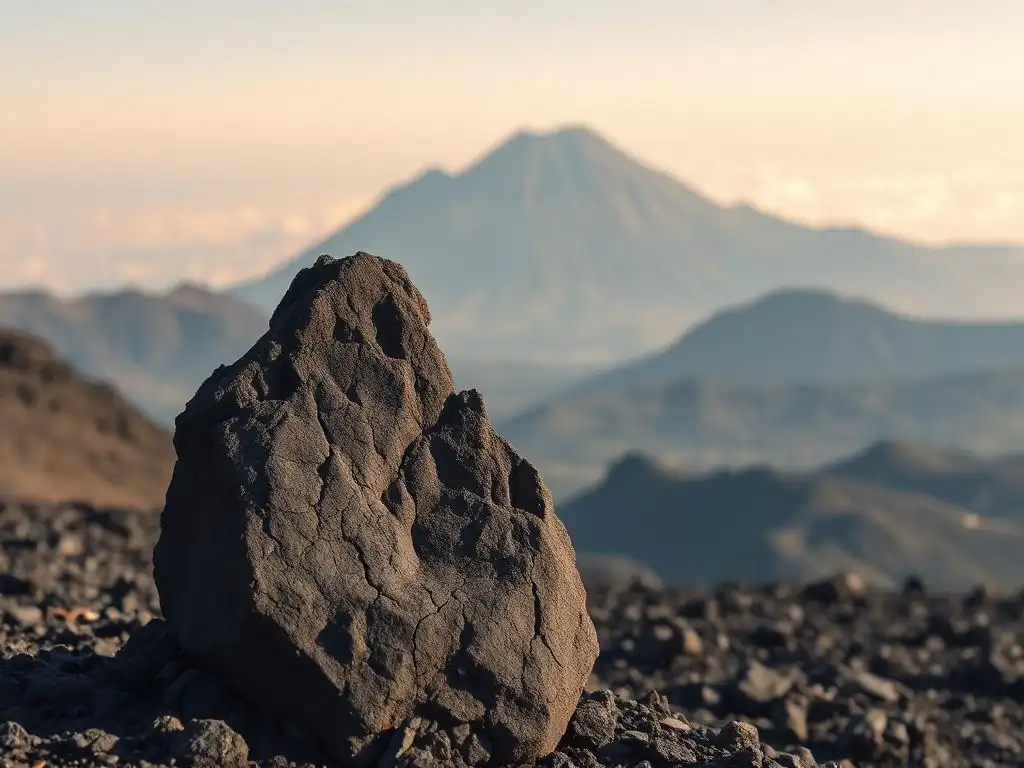
Ethical considerations are paramount in volcanic photography, particularly in fragile environments like Iceland. Respecting the environment and minimizing your impact is crucial to ensure the preservation of these landscapes for future generations. This starts with adhering to Leave No Trace principles. Stay on marked trails and designated paths to avoid trampling delicate vegetation, moss, and fragile geological formations. Volcanic landscapes, while seemingly barren, often support unique ecosystems that are easily disturbed. Avoid moving or removing any natural objects, including rocks, plants, or volcanic debris. These elements are part of the natural ecosystem and should be left undisturbed.
Dispose of waste responsibly. Pack out everything you pack in, including food wrappers, water bottles, and any other trash. Never leave any litter behind, even biodegradable items, as they can still have a negative impact on the environment. Be mindful of wildlife.
While large animals are less common in volcanic deserts, birds and smaller creatures may inhabit these areas. Observe wildlife from a distance and avoid disturbing their habitat. Do not feed animals, as this can alter their natural behavior and dependence. By practicing responsible and ethical photography, we can minimize our impact on these fragile volcanic environments and ensure their continued beauty and preservation.
Staying Safe in Volcanic Areas: Hazards and Precautions in Iceland
Safety is a primary concern when photographing volcanoes, especially in active volcanic regions like Iceland. Volcanic areas can present a range of hazards, including geothermal areas with boiling mud pools and steam vents, unstable lava fields, and the potential for volcanic eruptions. Always be aware of your surroundings and heed warning signs and closures. Geothermal areas are particularly dangerous. Stay on marked paths and boardwalks in geothermal areas like Geysir and Hverir. Boiling mud pools and steam vents can cause severe burns, and the ground around these areas can be unstable and fragile.
Lava fields, while visually stunning, can be treacherous to navigate. 'A'ā lava fields, with their jagged and uneven surfaces, are particularly difficult and dangerous to walk on. Wear sturdy hiking boots with ankle support and be cautious when traversing lava fields. Be aware of volcanic gases, especially in geothermal areas and near active volcanoes.
Volcanic gases can be toxic and odorless. Avoid lingering in areas with strong sulfur smells or visible gas emissions. Check volcanic activity reports and weather forecasts before venturing into volcanic areas. Icelandic weather can change rapidly, and volcanic activity can increase without warning.
Inform someone of your plans and expected return time, especially when exploring remote areas. Carrying a GPS device or map and compass is advisable, as is having appropriate clothing and gear for changing weather conditions. Prioritizing safety is essential when photographing volcanoes, ensuring a safe and enjoyable experience in these powerful and potentially hazardous environments.
Obtaining Permits and Following Regulations for Icelandic Volcanic Photography
Obtaining necessary permits and adhering to local regulations is an important ethical and practical consideration for volcanic photography in Iceland. While many natural areas in Iceland are freely accessible, certain locations, particularly within national parks or protected areas, may require permits for commercial photography or filming. Check the regulations of specific locations before your shoot, especially if you are planning to use drones or conduct any commercial activities. Vatnajökull National Park, for instance, Iceland's largest national park encompassing several active volcanoes and glacial areas, has specific regulations regarding commercial activities and drone usage.
Respect private property and land ownership. Much of Iceland's land is privately owned, even in seemingly remote areas. Obtain permission from landowners before accessing private land, especially if you plan to photograph on their property or cross through it. Be aware of restricted areas and closures.
Some volcanic areas may be temporarily closed due to volcanic activity, weather conditions, or environmental concerns. Respect closures and do not trespass into restricted areas for your safety and the protection of the environment. Following regulations and obtaining necessary permits demonstrates respect for the local environment, landowners, and authorities, ensuring responsible and ethical volcanic photography in Iceland.
Post-Processing for Minimalist Volcanic Images
Enhancing Contrast and Tonality in Volcanic Photography
Post-processing plays a crucial role in achieving the minimalist aesthetic in volcanic photography. Enhancing contrast and tonality is often a key step in post-processing minimalist images, particularly those captured in Iceland's often-flat and overcast lighting conditions. Increasing contrast can help to emphasize the forms and textures of volcanic landscapes, creating a more dramatic and visually striking image. Adjusting tonal range, by manipulating highlights, shadows, and midtones, can further enhance the minimalist feel by simplifying the image and drawing attention to specific areas.
In black and white minimalist volcanic photography, careful control of contrast and tonality is even more critical. Converting color images to black and white removes color distractions and emphasizes the underlying forms and textures. By selectively adjusting contrast and tonality in black and white conversions, photographers can create images with strong graphic qualities and a timeless, minimalist aesthetic.
For example, increasing contrast in a black and white image of a black sand beach can emphasize the starkness of the scene and the texture of the sand, while darkening shadows can create a sense of mood and drama. Mastering contrast and tonality adjustments in post-processing is essential for refining minimalist volcanic images and achieving a polished and impactful final result.
Removing Distractions and Maintaining Simplicity
Removing distractions is a core principle of minimalist photography, and post-processing provides tools to further refine simplicity in volcanic images. Identify and eliminate any elements that detract from the main subject or minimalist aesthetic. This might include removing small, distracting objects in the foreground, cloning out unwanted elements in the sky, or cropping the image to simplify the composition. Be mindful of maintaining a natural look while removing distractions; the goal is to enhance simplicity, not to create an artificial or overly processed image.
Dust spots and sensor imperfections are common distractions that should be removed in post-processing. Use spot removal tools to clean up any blemishes and ensure a clean and uncluttered final image. Straightening horizons and correcting perspective distortions can also contribute to a more minimalist and visually balanced image. Subtle adjustments to sharpness and noise reduction can further refine the image and enhance its overall clarity. The key to effective post-processing for minimalist volcanic photography is to be subtle and intentional. Focus on removing distractions and enhancing the core elements of the image, while maintaining a natural and authentic feel.
Achieving a Minimalist Aesthetic in Post-Production
Achieving a minimalist aesthetic in post-production is not just about technical adjustments but also about artistic vision. Post-processing should be used to enhance the minimalist qualities already present in the original photograph, not to force a minimalist look onto an image that is inherently complex. Consider using selective adjustments to draw attention to the main subject and minimize distractions in less important areas. Dodging and burning techniques can be used to subtly guide the viewer's eye and emphasize key elements in the composition.
Color grading can also play a role in achieving a minimalist aesthetic, even in color images. Desaturating colors or shifting the color palette towards muted tones can enhance the minimalist feel and create a more cohesive visual style. However, be mindful that minimalism is not always about monochrome or desaturated colors; sometimes, subtle color can enhance the minimalist message.
Experiment with different post-processing techniques to find what works best for your individual style and vision. The ultimate goal of post-processing for minimalist volcanic photography is to refine the image, enhance its simplicity, and effectively communicate your artistic intent, creating images that are both visually striking and conceptually meaningful.
Finding Your Own Minimalist Voice in Volcanic Photography
Experimenting with Different Perspectives and Compositions
Finding your own minimalist voice in volcanic photography is a journey of exploration and experimentation. Start by experimenting with different perspectives and compositions when photographing volcanic landscapes. Try shooting from low angles to emphasize the grandeur of volcanic features against the sky, or from high vantage points to capture the vastness of lava fields and black sand plains. Explore different focal lengths to see how they affect the perspective and minimalist feel of your images. Wide-angle lenses can emphasize space and scale, while telephoto lenses can isolate distant subjects and compress perspective.
Don't be afraid to break compositional rules and experiment with unconventional framing. Minimalism often thrives on unexpected perspectives and compositions that challenge conventional landscape photography norms. Try focusing on small details and textures, rather than grand vistas. Close-up shots of lava rock textures, moss patterns, or glacial ice formations can be incredibly compelling minimalist subjects.
Experiment with different times of day and weather conditions to see how they affect the mood and minimalist aesthetic of your images. Overcast skies, golden hour light, and even fog or mist can create unique and atmospheric conditions for minimalist volcanic photography. Embrace experimentation and allow yourself to explore different creative approaches to find what resonates with your personal vision.
Developing a Unique Style in Icelandic Landscape Minimalism
Developing a unique style in Icelandic landscape minimalism is an ongoing process that evolves over time. Start by identifying photographers whose minimalist work you admire and analyze their techniques and stylistic choices. However, avoid simply copying their style. Instead, use their work as inspiration to develop your own unique approach. Consider what aspects of minimalist photography resonate most with you. Are you drawn to stark black and white images, or do you prefer subtle color palettes? Do you favor long exposure techniques, or do you prefer capturing moments with fast shutter speeds?
Experiment with different post-processing techniques to find a style that reflects your personal vision. Develop a consistent approach to post-processing that helps to unify your work and create a recognizable style. Pay attention to the mood and emotions you want to evoke in your images.
Minimalist photography can be used to convey a wide range of emotions, from serenity and solitude to awe and wonder. Let your emotions guide your creative choices and strive to create images that are not only visually striking but also emotionally resonant. Developing a unique style takes time and practice, but by consistently experimenting, refining your techniques, and staying true to your personal vision, you can carve out your own distinct voice in Icelandic landscape minimalism.
Sharing your minimalist volcanic photography with the world is an important step in your photographic journey. Sharing your work allows you to connect with other photographers, receive feedback, and inspire others with your vision. Consider creating an online portfolio to showcase your best minimalist volcanic images. Platforms like personal websites, online portfolios, and social media platforms dedicated to photography are excellent venues for sharing your work. Curate your portfolio carefully, selecting only your strongest and most representative images. Present your work in a cohesive and visually appealing manner, ensuring that your online presence reflects your minimalist aesthetic.
Engage with online photography communities and forums to share your work and receive constructive criticism. Participating in online discussions and critiques can help you to grow as a photographer and gain valuable insights into your own work. Consider submitting your minimalist volcanic photographs to photography contests and exhibitions.
Entering competitions can provide recognition for your work and expose it to a wider audience. Ultimately, sharing your minimalist volcanic photography is about connecting with others and contributing to the broader photographic conversation. By sharing your unique vision and perspective, you can inspire others and further enrich the world of minimalist art.
Frequently Asked Questions
How can the barren landscapes around volcanoes inspire minimalist photography?
Volcanic landscapes offer inherently minimalist scenes due to their sparse vegetation and stark geological features. Photographers can focus on simple shapes, textures, and the vastness of the environment.
What are some key elements to consider when composing a minimalist photo of a volcano?
Key elements include negative space, leading lines (lava flows, ridges), and a single, dominant subject like the volcano's cone or a unique rock formation.
What types of weather conditions are best for minimalist photography of volcanoes?
Clear, sunny days with strong shadows can create dramatic contrast and define shapes. Overcast conditions can also be useful for capturing subtle tones and textures in the volcanic rock.
What camera settings are recommended for capturing minimalist volcanic landscapes?
A narrow aperture (e.g., f/8 or higher) will ensure sharp focus throughout the scene. Use a low ISO to minimize noise and adjust shutter speed to achieve proper exposure.
How can post-processing enhance the minimalist aesthetic in volcanic landscape photos?
Post-processing can be used to reduce distractions, enhance contrast, and refine the tones. Careful cropping can also help to simplify the composition and emphasize the key elements.
Final Reflection: Embracing Simplicity's Power
The stark beauty of volcanic landscapes, as explored through minimalist photography, isn't just an aesthetic preference; it's a powerful reminder of the essential elements that define our world and our experiences. By stripping away the superfluous, we reveal the raw, unyielding forces that shape our planet and, by extension, ourselves. This pursuit of simplicity, captured in the lens, offers a potent antidote to the overwhelming complexity of modern life.
The impact of minimalist art, especially when focused on such dramatic subjects as volcanoes, resonates deeply because it taps into a primal understanding of power and resilience. It reminds us that strength often lies not in abundance, but in the focused expression of core elements. Simplicity is the ultimate sophistication.
- Leonardo da Vinci. This quote encapsulates the essence of minimalist photography, highlighting how the most profound statements can be made with the fewest elements.
Now, consider how you can apply this principle of minimalism to your own life. What distractions can you shed? What complexities can you simplify? Embrace the power of focused intention, and discover the profound beauty that lies within the essential elements of your own existence. Let the stark, inspiring landscapes of volcanic minimalism guide you towards a more meaningful and purposeful life.
Embrace Simplicity: Ignite Your Minimalist Journey!
Thanks for exploring the art of minimalism with us and discovering how the stark beauty of volcanic landscapes can inspire a simpler life. Now it's time to translate that inspiration into action and cultivate a more intentional and fulfilling existence.
Here's how you can begin:
- Declutter one area of your home, visualizing the clean lines of a volcanic horizon. Challenge yourself to remove items that no longer serve a purpose or bring you joy.
- Share your minimalist journey inspired by volcanic landscapes on social media using #VolcanoExplorersMinimalism and connect with fellow enthusiasts.
- Practice 15 minutes of daily mindfulness, mirroring the quiet stillness of volcanic landscapes. Notice how it calms your mind and fosters clarity.
What one item will you let go of today, and how will this reflect the powerful simplicity of nature?