
Pompeii's Public Baths: Rituals of Cleanliness and Social Life Interrupted

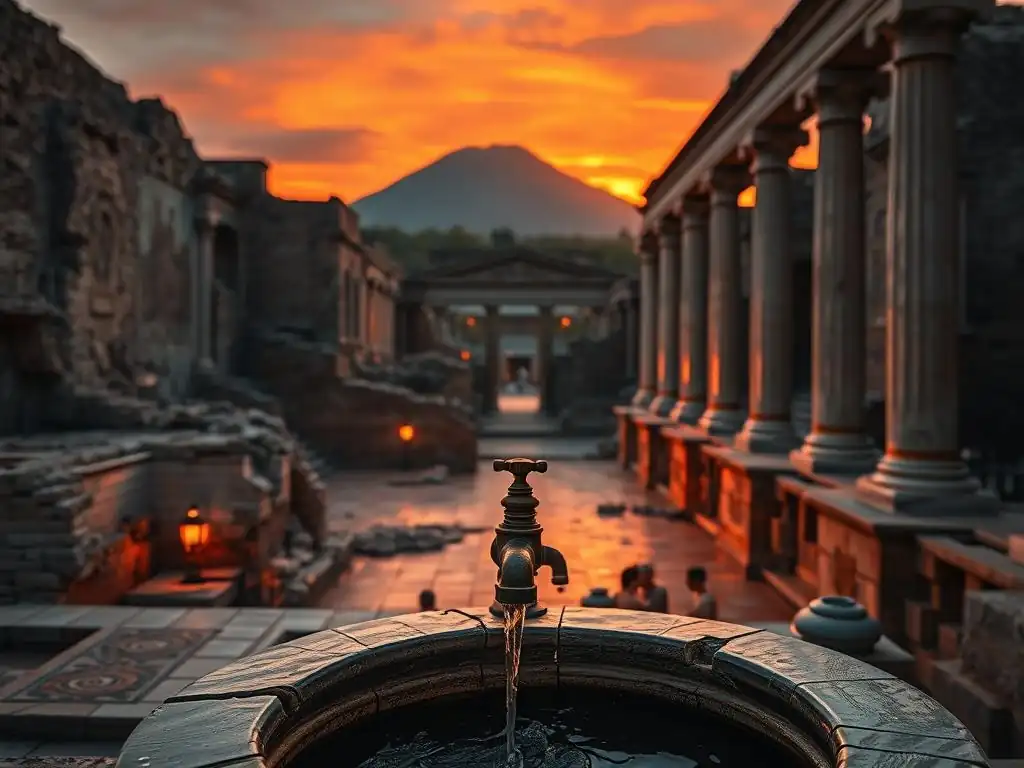
Welcome to Volcano Explorers, where the Earth's fiery secrets are revealed. Ever wondered what life was really like in the shadow of Vesuvius? Dive in to uncover the fascinating history hidden within the ruins of Pompeii, starting with a glimpse into the daily rituals surrounding cleanliness and social life in Pompeii's Public Baths. What secrets did these ancient spaces hold before the eruption that changed everything?
- Introduction: Unveiling the Pompeii Public Baths
- The Importance of Public Baths in Ancient Roman Culture
- A Detailed Look at Pompeii's Public Bath Complexes
- Pompeii Public Baths History: Architecture and Layout
- Rituals and Practices within the Pompeii Public Baths
- The Vesuvius Eruption and the Preservation of the Baths
- Pompeii Public Baths: Evidence of Daily Life
- Comparing Pompeii's Baths to Other Roman Bath Complexes
- Lessons from Pompeii's Public Baths: What We Learn About Roman Society
- Preserving and Protecting Pompeii's Public Baths for Future Generations
- Conclusion: The Enduring Legacy of Pompeii's Public Baths
-
Frequently Asked Questions
- What role did public baths play in the daily life of Pompeii residents?
- How did the eruption of Mount Vesuvius impact the public baths of Pompeii?
- What can archaeological discoveries at Pompeii's public baths reveal about Roman society?
- Were Pompeii's public baths only for hygiene purposes, or did they serve other functions?
- What specific features or areas typically comprised a Roman public bath complex like those in Pompeii?
- Final Reflection: Echoes of Pompeii's Social Cleansing
- Rediscover Ancient Roman Life: Recreate the Ritual at Home!
Introduction: Unveiling the Pompeii Public Baths
The ancient city of Pompeii, frozen in time by the catastrophic eruption of Mount Vesuvius in 79 AD, offers an unparalleled window into Roman daily life. Among its remarkably preserved structures, the public baths stand out as significant centers of social interaction and hygiene. These were not merely places for washing; they were vibrant hubs where citizens from all walks of life congregated to socialize, conduct business, and partake in various leisure activities.
Exploring the Pompeii public baths history reveals a sophisticated understanding of urban planning and a deep-seated cultural emphasis on communal well-being, abruptly halted by the volcanic disaster. Today, the ruins of these bath complexes provide invaluable insights into the rituals of cleanliness and the social fabric of a Roman city on the cusp of a transformative historical event.
The Importance of Public Baths in Ancient Roman Culture
Public baths, or thermae, were an integral part of ancient Roman society, far exceeding their primary function of personal hygiene. They were monumental architectural achievements, often lavishly decorated with mosaics, sculptures, and marble, reflecting the Roman Empire's wealth and engineering prowess. More than just places to get clean, the baths were essential social institutions, akin to modern-day community centers. They played a crucial role in the daily lives of Romans, shaping social interactions, political discussions, and even economic activities. Understanding the importance of public baths is key to grasping the social dynamics and cultural values of Roman civilization.
Roman public baths were bustling social environments where people from different social strata mingled. Literary accounts and archaeological evidence suggest that these spaces facilitated a wide range of social interactions. Citizens would meet friends, discuss politics, conduct business negotiations, and engage in leisurely pursuits.
The baths often featured gardens, exercise areas ( palaestrae), libraries, and even shops, extending their function beyond bathing alone. For instance, Martial, a Roman poet of the 1st century AD, frequently mentions the baths not just as places for hygiene, but as locations for social gatherings and relaxation after work. The sheer scale and grandeur of bath complexes, like the Baths of Caracalla in Rome which could accommodate thousands of people, underscore their centrality to Roman social life.
Hygiene and Health: The Roman Perspective on Cleanliness
While the social aspect of Roman baths is widely recognized, their importance in promoting hygiene and health should not be underestimated. In an era before modern plumbing and sanitation, public baths provided a crucial service. Romans understood the importance of cleanliness for preventing disease, albeit through a different lens than modern germ theory.
Bathing was considered essential for maintaining physical well-being and was frequently recommended by Roman physicians like Galen. The elaborate bathing process, involving hot, warm, and cold baths, along with massage and oiling, was believed to cleanse the body both physically and spiritually. The provision of clean water, sophisticated heating systems, and designated areas for exercise and relaxation within the bath complexes demonstrate a societal commitment to public health within the limitations of their time.
A Detailed Look at Pompeii's Public Bath Complexes
Pompeii, despite being a relatively smaller Roman city compared to Rome itself, boasted several well-equipped public bath complexes. Archaeological excavations have revealed three principal bathhouses: the Stabian Baths, the Forum Baths, and the Central Baths. Each of these complexes offers unique insights into the evolution of Roman bathing practices and the diverse needs of Pompeii's population. Their varying sizes, locations, and architectural features reflect different periods of Pompeii public baths history and the changing social dynamics of the city.
Stabian Baths: The Oldest and Largest Bath Complex in Pompeii
The Stabian Baths are the oldest and largest bath complex discovered in Pompeii, with origins dating back to the 2nd century BC. This sprawling complex underwent several renovations and expansions over centuries, showcasing the evolving Roman bath architecture. The Stabian Baths are characterized by their separate sections for men and women, each featuring a complete bathing sequence: apodyterium, tepidarium, caldarium, and frigidarium.
Additionally, they included a large palaestra or exercise ground, a swimming pool, and various service areas. The architectural sophistication of the Stabian Baths, with their well-preserved frescoes, stucco decorations, and remnants of the hypocaust heating system, provides a comprehensive picture of early Roman bathing establishments and their gradual development.
Forum Baths: A More Intimate Bathing Experience
Located near the Forum, the political and commercial center of Pompeii, the Forum Baths were a smaller, more intimate bath complex. Built later than the Stabian Baths, likely in the 1st century BC, they represent a more compact and efficient design. Despite their smaller size, the Forum Baths were still well-appointed, featuring separate sections for men and women, albeit on a reduced scale compared to the Stabian Baths.
Their strategic location near the Forum suggests they catered to the city's elite and those engaged in civic and commercial activities. The Forum Baths highlight the adaptability of Roman bath design to different urban contexts and the continuous demand for bathing facilities even in densely populated areas.
Central Baths: An Unfinished Project of Grandeur
The Central Baths represent an ambitious, yet ultimately unfinished, project in Pompeii. Construction began after the earthquake of 62 AD, which caused significant damage to the city. Designed to be larger and more modern than the existing Stabian and Forum Baths, the Central Baths were intended to cater to the growing population and evolving bathing preferences.
However, the eruption of Mount Vesuvius in 79 AD halted construction, leaving the complex incomplete. Despite being unfinished, the Central Baths offer valuable insights into the late Roman bath design principles and the scale of public works undertaken in Pompeii before its destruction. The unfinished state allows archaeologists to study the construction techniques and planned layout in detail, revealing the grand vision for this final addition to Pompeii's public baths history.
Pompeii Public Baths History: Architecture and Layout
The architecture and layout of the Pompeii public baths are remarkably consistent with typical Roman bathhouse designs found throughout the empire. These complexes were carefully planned to facilitate a specific bathing ritual, guiding bathers through a series of rooms with varying temperatures. This standardized layout, evident across different bath complexes in Pompeii, reflects a sophisticated understanding of thermal bathing principles and a culture-wide adoption of these practices. Understanding the function of each room is crucial for appreciating the intended bathing experience and the engineering ingenuity behind these ancient spas.
The apodyterium served as the entrance and undressing room in Roman bath complexes. This spacious hall was not merely a changing area; it also functioned as a social gathering space. Bathers would leave their clothes in niches or on benches lining the walls.
The apodyterium in Pompeii's baths, particularly in the Stabian Baths, were often large and decorated, indicating their importance as the first impression of the bathing experience. Evidence suggests that this room was also a place for informal conversations and perhaps even business dealings. The apodyterium was more than just a functional space; it was an integral part of the social atmosphere of the Pompeii public baths history.
Tepidarium: The Warm Room for Acclimation
The tepidarium, or warm room, was designed as a transitional space between the apodyterium and the hotter rooms. Heated to a moderate temperature, often through underfloor heating from the hypocaust system, the tepidarium prepared bathers' bodies for the heat of the caldarium. It was a place for gentle warming, light exercise, and socializing. Unlike the hotter and colder rooms focused on specific bathing actions, the tepidarium was often decorated and furnished as a comfortable lounge area. In Pompeii's baths, the tepidaria sometimes featured benches for resting and frescoes depicting pleasant scenes, enhancing the relaxing atmosphere.
Caldarium: The Hot Bath for Cleansing and Relaxation
The caldarium, or hot room, was the centerpiece of the Roman bath complex. This was where bathers would experience intense heat, often through hot air and steam, inducing sweating and cleansing. The caldarium typically contained a hot water pool or alveus, and sometimes a laconicum, a dry sweating room similar to a sauna.
Heating in the caldarium was most intense, requiring a sophisticated hypocaust system beneath the floor and sometimes within the walls. Pompeii's caldaria often featured large windows to allow in natural light and were decorated with marble and mosaics, creating a luxurious and therapeutic environment for deep cleansing and relaxation.
Frigidarium: The Cold Plunge for Invigoration
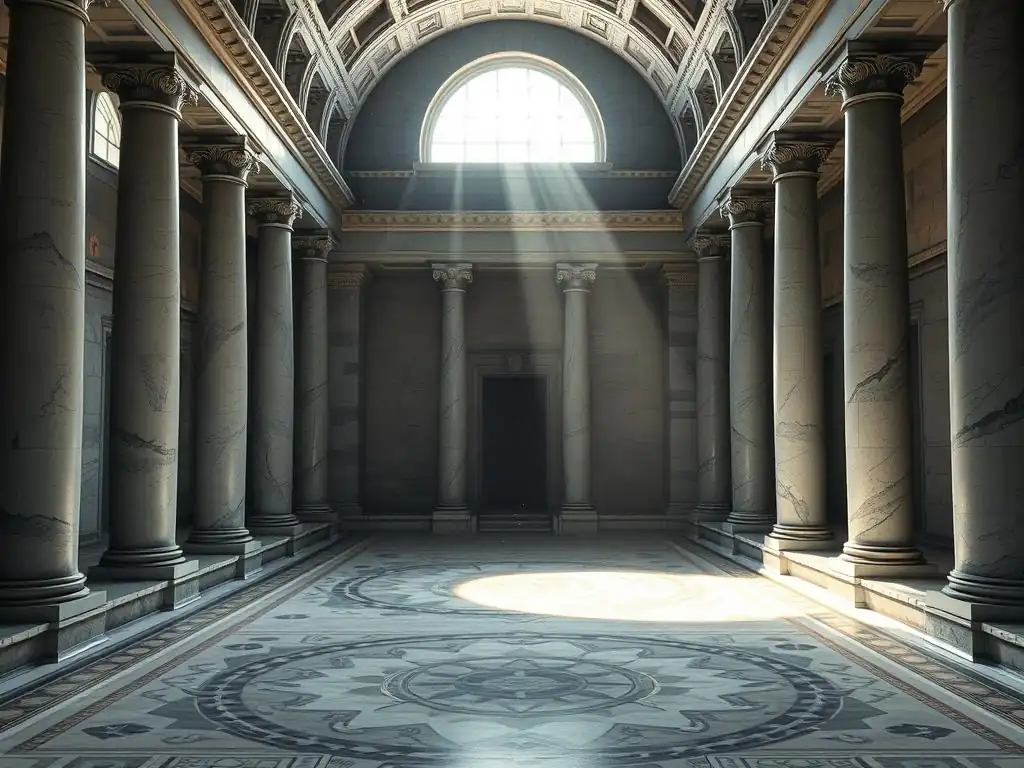
The frigidarium, or cold room, provided a stark contrast to the caldarium. It was designed for a cold plunge bath, typically in a large pool of unheated water. The frigidarium served to close the pores after the heat exposure of the caldarium and was believed to be invigorating and beneficial for health.
This room was usually the largest and most elaborately decorated in terms of cold bathing spaces, emphasizing the importance of the cold plunge in the Roman bathing ritual. Pompeii's frigidaria often featured impressive pools and were adorned with marble and sculptures, creating a visually stunning and refreshing end to the bathing sequence.
The Hypocaust System: Engineering Marvel for Heating
The hypocaust system was a revolutionary Roman invention that provided underfloor heating for the baths. This ingenious system involved raising the floor on pillars, creating a space beneath where hot air from a furnace could circulate. The hot air would then heat the floor above, warming the rooms and the water in the baths.
The hypocaust was crucial for maintaining the different temperature zones within the bath complex, particularly in the tepidarium and caldarium. Pompeii's bath complexes, including the Stabian and Forum Baths, showcase well-preserved examples of hypocaust systems, demonstrating the advanced engineering skills of the Romans and their commitment to creating comfortable and functional bathing environments. The effectiveness of the hypocaust system was a cornerstone of Pompeii public baths history and Roman bathing culture in general.
Rituals and Practices within the Pompeii Public Baths
Bathing in Pompeii's public baths was not a hurried affair but a ritualistic process governed by specific customs and social norms. These practices extended beyond personal hygiene, encompassing social etiquette, entertainment, and even business opportunities. The baths were carefully regulated spaces, reflecting the structured nature of Roman society and the importance of communal harmony. Understanding these rituals and practices provides a deeper appreciation for the social significance of the baths in Pompeii and Roman culture.
Specific bathing etiquette was observed within the Pompeii public baths. While rules may have varied slightly over time and between different bath complexes, certain customs were generally followed. Bathers were expected to behave respectfully and avoid disruptive behavior.
Literary sources suggest that loud noises, excessive splashing, and inappropriate conduct were frowned upon. Although there were separate sections for men and women in most Pompeii public baths history examples, some periods or smaller baths might have had mixed bathing at certain times, potentially with specific regulations in place. Proper attire or lack thereof within the baths was also likely governed by social norms and perhaps specific bathhouse rules, though direct evidence on this is limited.
Services and Entertainment: Barber Shops, Massage, and Food Vendors
Pompeii's public baths were more than just bathing facilities; they offered a range of services and entertainment options. Barber shops were commonly located within or near bath complexes, providing haircuts, shaves, and other grooming services. Massage was a popular service, often performed by skilled slaves, offering relaxation and therapeutic benefits after bathing. Food and drink vendors were also present, selling snacks and refreshments, further enhancing the social and leisurely atmosphere. The presence of these services and entertainment options transformed the baths into multi-functional centers for social interaction and personal care, extending their appeal beyond mere hygiene.
Gender Segregation and Bathing Schedules
Gender segregation was a common feature of Roman public baths, including those in Pompeii. Larger complexes like the Stabian Baths had dedicated sections for men and women, ensuring privacy and social propriety. In some cases, smaller baths or during certain periods, mixed bathing might have occurred, but generally, separation was the norm.
Bathing schedules may have also varied, with specific hours designated for men and women, or different days allocated to each gender. This segregation reflected Roman social norms regarding modesty and gender roles, highlighting the structured and regulated nature of public life even in spaces designed for relaxation and leisure. The careful planning for gender separation underscores the importance of social order within the Pompeii public baths history.
The Vesuvius Eruption and the Preservation of the Baths
The catastrophic eruption of Mount Vesuvius in 79 AD, while devastating to Pompeii, paradoxically played a crucial role in preserving the city's public baths. The thick layers of volcanic ash and pumice that buried Pompeii effectively sealed and protected many structures, including the bath complexes, from the ravages of time and the elements. This preservation has allowed archaeologists to unearth remarkably intact bathhouses, providing an unparalleled glimpse into Roman bathing culture and urban life.
The Impact of the Eruption on Pompeii's Bathing Culture
The eruption of Vesuvius abruptly ended the vibrant bathing culture of Pompeii. The bath complexes, which were centers of daily life and social interaction, were instantly silenced and buried. The event froze Pompeii in time, capturing a snapshot of Roman society at a specific moment.
While the eruption destroyed the physical city and its population, it inadvertently preserved the material culture of Pompeii, including the public baths, offering future generations a unique opportunity to study and understand Roman life as it was lived in the 1st century AD. The tragedy of Vesuvius became the key to unlocking Pompeii public baths history for modern understanding.
Archaeological Discoveries: Unearthing the Secrets of the Baths
Archaeological excavations in Pompeii, beginning in the 18th century and continuing to the present day, have systematically unearthed the city's public bath complexes. The excavation process has revealed not only the architectural layout and structural details of the baths but also a wealth of artifacts and evidence of daily life within these spaces. Discoveries include well-preserved frescoes, mosaics, sculptures, bathing equipment, and even human remains, providing invaluable insights into the function, use, and social significance of the Pompeii public baths history. These archaeological finds have transformed our understanding of Roman bathing culture and the daily lives of Pompeii's citizens.
Pompeii Public Baths: Evidence of Daily Life
The Pompeii public baths are not just ruins of ancient structures; they are rich repositories of evidence about daily life in Roman Pompeii. Graffiti, inscriptions, and artifacts discovered within the bath complexes offer intimate glimpses into the thoughts, activities, and material possessions of the people who frequented these spaces. These remnants of daily life bring the Pompeii public baths history to life, allowing us to connect with the individuals who once used these facilities.
Graffiti and Inscriptions: Glimpses into Roman Thoughts
Graffiti scratched onto the walls of Pompeii's public baths provides direct, unfiltered access to the thoughts and expressions of ordinary Romans. These informal inscriptions range from simple names and dates to more elaborate messages, including jokes, declarations of love, and even business announcements. Graffiti found in the apodyteria and other areas of the baths reveals aspects of Roman humor, social interactions, and personal concerns.
Inscriptions, often more formal and deliberate, might include dedications, notices, or official regulations related to the bath complex. Both graffiti and inscriptions offer invaluable primary source material for understanding the social dynamics and everyday concerns of people in Pompeii public baths history.
Artifacts Found in the Baths: Strigils, Unguentaria, and Tesserae
The artifacts unearthed within the Pompeii public baths provide tangible evidence of the bathing rituals and activities that took place there. Strigils, curved metal scrapers used to remove oil and dirt from the skin, are commonly found, illustrating the Roman practice of oiling and scraping the body. Unguentaria, small glass or ceramic bottles used to hold oils and perfumes, indicate the importance of personal grooming and hygiene.
Tesserae, small tokens or tickets, were likely used as admission passes to the baths, suggesting a system of payment or membership. These artifacts, along with other finds like coins, jewelry, and personal items, paint a detailed picture of the material culture associated with bathing in Pompeii and contribute significantly to our understanding of Pompeii public baths history.
Comparing Pompeii's Baths to Other Roman Bath Complexes
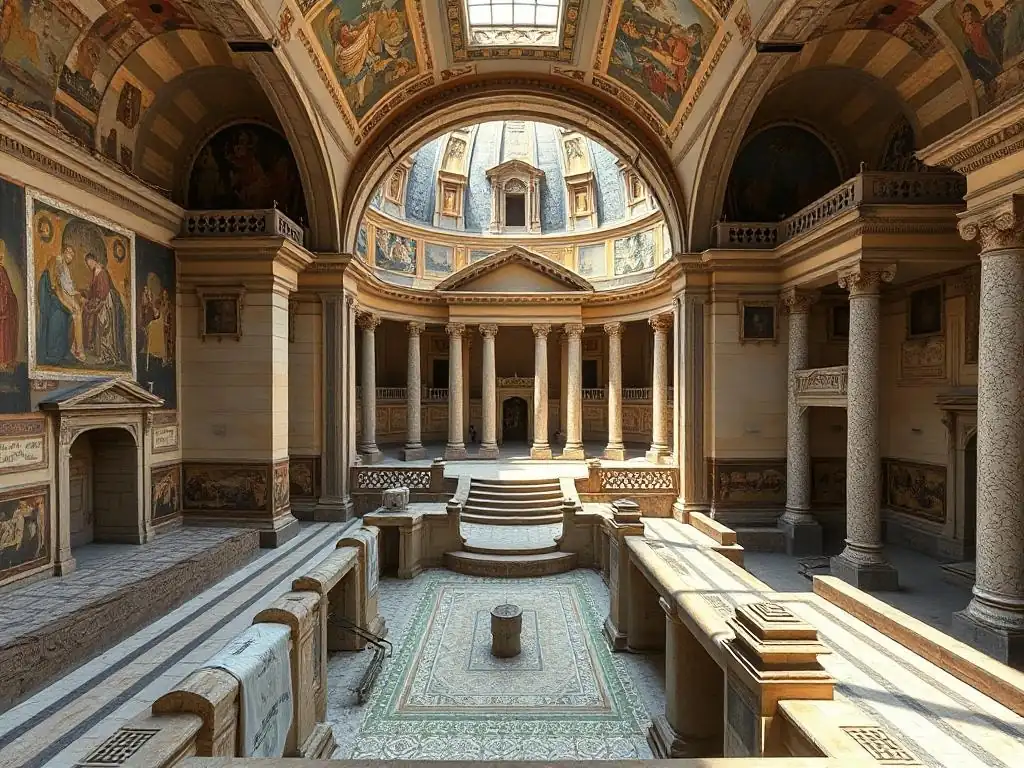
While Pompeii's public baths are exceptionally well-preserved, they are not unique in the Roman world. Comparing them to other Roman bath complexes across the empire reveals both commonalities and differences in design, functionality, and social significance. This comparative perspective helps to contextualize Pompeii's baths within the broader history of Roman bathing culture and urban development.
Differences in Design and Functionality
While sharing a common Roman bathhouse blueprint, Pompeii's bath complexes exhibit differences in design and functionality compared to larger imperial baths in Rome or provincial capitals. Pompeii's baths, particularly the Forum Baths and Central Baths, are smaller and more modestly decorated than grand imperial thermae like the Baths of Caracalla or Diocletian in Rome. Imperial baths were often colossal structures, incorporating vast gardens, libraries, lecture halls, and even stadiums, functioning as more comprehensive leisure and cultural centers.
Pompeii's baths, while still important social hubs, were primarily focused on bathing and related services, reflecting the scale and urban context of a smaller Roman city. These differences in scale and functionality highlight the adaptability of Roman bath design to varying urban needs and resources.
Despite differences in size and grandeur, Pompeii's public baths shared fundamental similarities in social significance with bath complexes throughout the Roman Empire. Across the empire, baths served as crucial social spaces, promoting hygiene, community interaction, and Roman cultural identity.
Whether in Rome, Pompeii, or a distant province, public baths were places where Romans from different social backgrounds could converge, socialize, and participate in shared cultural practices. The emphasis on cleanliness, communal bathing rituals, and the incorporation of leisure and entertainment elements were consistent features of Roman bath culture, demonstrating the unifying role of these institutions across the vast Roman world and throughout Pompeii public baths history.
Lessons from Pompeii's Public Baths: What We Learn About Roman Society
The remarkably preserved Pompeii public baths offer profound lessons about Roman society, revealing insights into social stratification, urban life, and cultural values. These bath complexes are not just archaeological sites; they are historical documents that illuminate the complexities of Roman society and the daily lives of its citizens. Studying Pompeii public baths history provides a valuable lens through which to understand broader Roman social structures and urban dynamics.
While public baths were open to a wide range of Roman citizens, access and experiences were likely shaped by social stratification. Although theoretically open to all free citizens, the costs associated with bathing, however minimal, might have excluded the poorest segments of society. Furthermore, within the baths themselves, there may have been subtle forms of social differentiation, perhaps reflected in the quality of services or the timing of visits.
While archaeological evidence does not definitively reveal social class distinctions within Pompeii's baths, it is reasonable to assume that social status played a role in shaping the bathing experience, as it did in most aspects of Roman society. The Pompeii public baths history, therefore, can also hint at the social hierarchies present in the city.
The Role of Public Spaces in Roman Urban Life
Pompeii's public baths exemplify the crucial role of public spaces in Roman urban life. These bath complexes, along with forums, theaters, and amphitheaters, were essential components of Roman cities, fostering social cohesion, civic engagement, and cultural expression. Public spaces like the baths were not merely functional facilities; they were vital arenas for social interaction, political discourse, and the performance of Roman identity.
They contributed to the vibrancy and dynamism of Roman urban centers, shaping the daily lives of citizens and reinforcing communal bonds. The Pompeii public baths history underscores the importance of public spaces in creating a sense of community and shared urban experience in the Roman world.
Preserving and Protecting Pompeii's Public Baths for Future Generations
The preservation and protection of Pompeii's public baths are crucial for ensuring that these invaluable historical sites are available for future generations to study and appreciate. Ongoing conservation efforts and continued archaeological research are essential for safeguarding these fragile ruins and maximizing the knowledge we can gain from them. The Pompeii public baths history is a living history that requires constant care and attention.
Ongoing Conservation Efforts
Conservation efforts at Pompeii are continuously underway, focusing on preserving the structural integrity and artistic details of the public baths. These efforts involve stabilizing walls, repairing mosaics and frescoes, and implementing protective measures to mitigate the effects of weathering and visitor traffic. Modern conservation techniques are employed to ensure the long-term survival of these ancient structures, balancing preservation with accessibility for research and tourism. The ongoing conservation work is vital for maintaining the physical legacy of Pompeii public baths history.
The Importance of Archaeological Research
Archaeological research remains essential for further unraveling the secrets of Pompeii's public baths. Continued excavation, analysis of artifacts, and application of new technologies can provide deeper insights into the function, social dynamics, and historical context of these bath complexes. Research not only enhances our understanding of Pompeii public baths history but also contributes to broader knowledge of Roman civilization and urban life. Ongoing archaeological investigation is crucial for enriching our appreciation of these remarkable historical sites and ensuring that their stories continue to be told.
Conclusion: The Enduring Legacy of Pompeii's Public Baths
The Pompeii public baths stand as enduring testaments to Roman ingenuity, social values, and urban planning. Frozen in time by the eruption of Mount Vesuvius, these bath complexes offer an unparalleled window into the daily lives of Romans and the importance of public spaces in ancient society. Their ruins continue to fascinate and educate, reminding us of the sophisticated culture that thrived in Pompeii and the sudden, dramatic event that brought it to an end.
The legacy of Pompeii's public baths underscores the enduring importance of cleanliness and socialization in human societies. The Romans recognized the value of hygiene for health and well-being, and they created elaborate systems to promote public cleanliness. Equally importantly, they understood the vital role of social interaction in community life, designing public spaces like baths to facilitate gathering and communication. The Pompeii public baths history serves as a powerful reminder of these fundamental human needs and the enduring quest for both physical and social well-being, values that resonate even in contemporary society.
Frequently Asked Questions
What role did public baths play in the daily life of Pompeii residents?
Public baths were essential social hubs in Pompeii. They provided a space for relaxation, hygiene, and social interaction for all citizens, regardless of social status.
How did the eruption of Mount Vesuvius impact the public baths of Pompeii?
The eruption of Mount Vesuvius in 79 AD completely buried the public baths under ash and pumice. This catastrophic event preserved the baths but also ended their use abruptly.
What can archaeological discoveries at Pompeii's public baths reveal about Roman society?
Excavations at the baths offer insights into Roman engineering, hygiene practices, and social customs. Artifacts and architecture reveal details about daily life and cultural values of the Pompeians.
Were Pompeii's public baths only for hygiene purposes, or did they serve other functions?
Beyond hygiene, the baths were social centers offering exercise areas, reading rooms, and snack bars. They represented a key aspect of Roman culture and community life.
What specific features or areas typically comprised a Roman public bath complex like those in Pompeii?
Typically, they included caldarium (hot bath), tepidarium (warm bath), frigidarium (cold bath), and apodyterium (changing room). These spaces facilitated a ritualistic bathing experience and social interaction.
The rediscovery and continued study of Pompeii's public baths offer more than just a glimpse into ancient hygiene; they provide a profound window into the daily lives and social structures of a vibrant, bustling city frozen in time. The meticulous preservation of these spaces allows us to connect with the past in a tangible way, understanding not just what people did, but how they lived, interacted, and found community. This understanding is crucial today, as we grapple with our own social structures and the importance of shared spaces in fostering connection.
The influence of Pompeii's public baths extends beyond historical curiosity; they serve as a powerful reminder of the fragility of life and the enduring human need for community and ritual. The echoes of laughter, conversation, and shared experiences within those tiled walls resonate even now, urging us to appreciate the present and the connections we forge. The past is never dead. It's not even past.
- William Faulkner. This quote encapsulates the feeling of walking through Pompeii, where the past feels incredibly present, a constant reminder of the human experience that transcends time.
As we reflect on the history of Pompeii's public baths, let us consider the importance of the spaces we create and the rituals we embrace in our own lives. What connections are we fostering? What communities are we building? Let the story of Pompeii inspire you to appreciate the present moment, to cherish the bonds you share, and to create spaces that foster connection and well-being for generations to come.
Rediscover Ancient Roman Life: Recreate the Ritual at Home!
Thank you for exploring the fascinating world of Pompeii's public baths with us! We hope you enjoyed learning about the daily routines and social interactions preserved by Vesuvius's eruption. Now, let's connect with this history in a more personal way.
Here are some ideas to continue your exploration:
- Indulge in a Roman-inspired bath ritual at home: Create a relaxing atmosphere with essential oils, warm water, and soft lighting. Imagine the lively conversations and sense of community that filled Pompeii's bathhouses.
- Explore the architecture and design of ancient bathhouses around the globe. Research how different cultures throughout history approached hygiene and social interaction. Consider how you might design a modern bathhouse incorporating elements from the past.
- Reflect on the importance of shared spaces in today's world. What can Pompeii's public baths teach us about community and well-being?
What simple daily ritual fosters a sense of community and connection for you? Share your thoughts in the comments below!