
Shelter from the Skyfall: Protecting Yourself from Falling Volcanic Debris

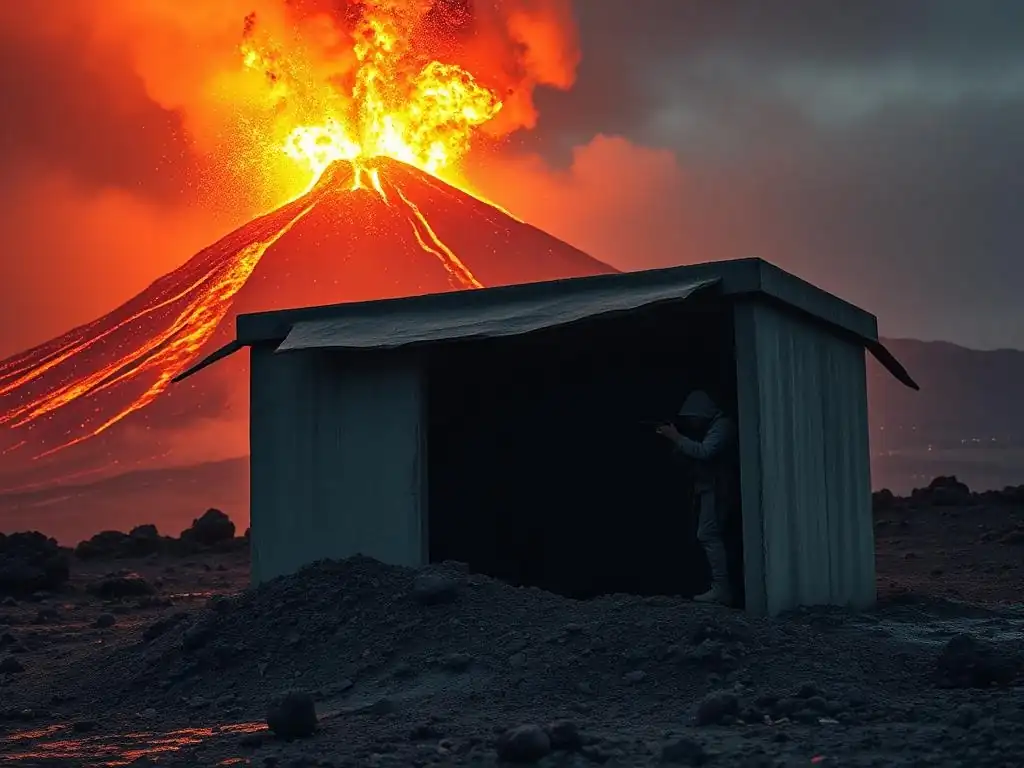
Welcome to Volcano Explorers, where the Earth's fiery heart beats!
Ever felt the primal fear, yet undeniable fascination, that volcanoes evoke? Here, we don't just observe; we immerse ourselves in the science and spectacle of these geological giants. But understanding their power is only half the battle. Are you truly prepared for the unthinkable? Our latest article, " How to Stay Safe from Volcanic Eruptions," dives deep into the practical steps you can take to protect yourself from the immediate dangers of an eruption, especially the deadly skyfall. What you don't know can hurt you. Prepare to learn more...
Volcanic Ashfall: Impacts and Mitigation Strategies
Volcanic ash, despite its name, is not the fluffy byproduct of combustion you might find in a fireplace. Instead, it's composed of tiny fragments of pulverized rock, minerals, and volcanic glass created during explosive eruptions. These particles, often smaller than grains of sand, can be carried high into the atmosphere and travel vast distances, impacting areas hundreds or even thousands of kilometers downwind from the erupting volcano.
The immediate effects of ashfall can be disruptive, causing reduced visibility, grounding air travel, and contaminating water supplies. For example, during the 2010 eruption of Eyjafjallajökull in Iceland, ashfall caused widespread flight cancellations across Europe, affecting millions of travelers and costing the airline industry billions of dollars.
Beyond immediate disruptions, volcanic ash poses significant health risks and can damage infrastructure. The fine particles are abrasive and can irritate the respiratory system, eyes, and skin. Prolonged exposure, especially for individuals with pre-existing respiratory conditions like asthma, can lead to serious health complications.
Furthermore, ash accumulation can collapse roofs, damage electronics, and disrupt communication networks. In agricultural regions, ashfall can blanket crops and pastures, leading to crop failure and livestock losses. Mitigation strategies are crucial, focusing on sheltering indoors, sealing buildings to prevent ash entry, wearing respiratory protection like N95 masks, and carefully removing ash from roofs to prevent structural damage.
Pyroclastic Flows vs. Lahars: Understanding the Differences
Two of the most dangerous and destructive volcanic hazards are pyroclastic flows and lahars. While both are associated with explosive eruptions and can cause widespread devastation, they are distinctly different phenomena requiring different safety responses. Pyroclastic flows are fast-moving currents of hot gas and volcanic debris, including ash, pumice, and rock fragments, that travel down the flanks of a volcano at incredibly high speeds, often exceeding 80 kilometers per hour and reaching temperatures of hundreds of degrees Celsius.
These flows are typically generated during the collapse of eruption columns or lava domes and are virtually impossible to outrun, making them one of the deadliest volcanic hazards. The 1902 eruption of Mount Pelée on the Caribbean island of Martinique, which produced a devastating pyroclastic flow, tragically killed approximately 30,000 people in the city of Saint-Pierre, highlighting the lethal nature of these events.
Lahars, on the other hand, are volcanic mudflows or debris flows composed of a mixture of water, volcanic ash, rock fragments, and other debris. They are often triggered by heavy rainfall or the melting of snow and ice during or after an eruption, which mobilizes loose volcanic material on the slopes of a volcano. Lahars can travel for tens of kilometers down river valleys and drainage systems, destroying everything in their path.
While generally slower than pyroclastic flows, lahars are still incredibly powerful and destructive, capable of carrying massive boulders and burying entire towns. The 1985 eruption of Nevado del Ruiz in Colombia generated a lahar that tragically engulfed the town of Armero, resulting in over 25,000 fatalities, demonstrating the far-reaching and devastating impact of these flows. Understanding the distinct characteristics of pyroclastic flows and lahars is critical for effective hazard assessment and evacuation planning in volcanically active regions.
- Volcanic Ashfall: Impacts and Mitigation Strategies
- Pyroclastic Flows vs. Lahars: Understanding the Differences
- How can I find out if a volcano near me is about to erupt?
- What is the most important thing to do during a volcanic eruption if I'm outdoors?
- What kind of shelter provides the best protection from falling volcanic debris?
- What supplies should I have in my emergency kit if I live near a volcano?
- How can I protect my respiratory system during and after a volcanic eruption?
Frequently Asked Questions
How can I find out if a volcano near me is about to erupt?
VolcanoExplorers.org provides real-time updates on volcanic activity worldwide. Also, pay attention to alerts from local authorities and emergency management agencies for the most up-to-date information.
What is the most important thing to do during a volcanic eruption if I'm outdoors?
Seek immediate shelter indoors to protect yourself from falling ash and debris. If no shelter is available, cover your mouth and nose with a mask or cloth and protect your head.
What kind of shelter provides the best protection from falling volcanic debris?
A sturdy building with a strong roof is the best option. Avoid lightweight structures that could collapse under the weight of ash or debris. Basements are also a good option.
What supplies should I have in my emergency kit if I live near a volcano?
Include dust masks, goggles, a first-aid kit, food, water, a battery-powered radio, and a flashlight. These supplies will help you cope with the immediate aftermath of an eruption.
How can I protect my respiratory system during and after a volcanic eruption?
Wear a properly fitted dust mask or respirator to filter out ash particles. Stay indoors as much as possible and avoid strenuous activity that could increase your breathing rate.
Final Reflection: Embracing Preparedness in the Face of Uncertainty
The information presented throughout this article underscores a crucial truth: preparedness is paramount when confronting the unpredictable power of volcanic eruptions. While the raw force of nature can seem overwhelming, understanding the specific dangers of falling volcanic debris and implementing proactive safety measures can significantly mitigate risk and empower individuals to protect themselves and their loved ones. Ignoring these potential threats is not an option; informed action is the only path to resilience.
The threat of volcanic eruptions, and specifically the dangers of falling ash and debris, has profoundly shaped communities living near active volcanoes. This article serves as a reminder that our relationship with nature is not always benign, and that respecting its power through informed preparation is essential for survival. Chance favors the prepared mind.
- Louis Pasteur. This quote encapsulates the spirit of this article, highlighting the importance of proactive planning and knowledge in navigating unpredictable events.
As you reflect on the information shared within these pages, consider how you can apply these lessons to your own life and community. What steps can you take today to enhance your preparedness for volcanic events, or any other natural disaster? Let this knowledge not be merely theoretical, but a catalyst for action, empowering you to become a beacon of safety and resilience in the face of uncertainty.
Prepare for Volcanic Ashfall: Take Action Today!
Thank you for learning about vital safety measures to protect yourself and your community from the dangers of volcanic ashfall. You now possess crucial knowledge to stay safe during this hazardous natural event. Let's put that knowledge to work!
Here's how you can prepare:
- Assemble an emergency kit: Include an N95 respirator or equivalent mask, eye protection (goggles), a well-stocked first-aid kit, bottled water, and non-perishable food supplies. This is your first line of defense.
- Share this article with friends, family, and neighbors in volcanic hazard zones. Help them prepare and stay safe.
- Familiarize yourself with local volcanic hazard maps and evacuation routes by checking your local government's website. Understanding your risk is crucial.
What steps will you take this week to protect yourself and your family from potential ashfall? Share your preparedness plan in the comments below!