
Caribbean Caldrons: Volcanic Activity in the West Indies in the 1800s

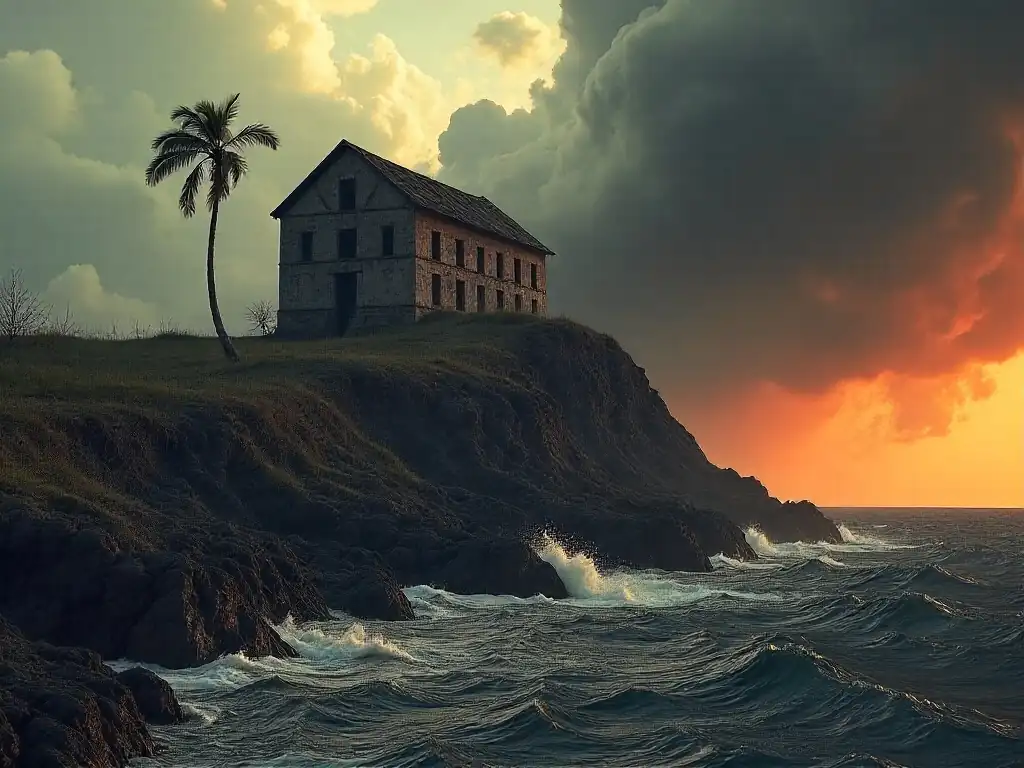
Welcome to Volcano Explorers, where the Earth's fiery heart beats loud!
Imagine witnessing the raw power of a Caribbean volcano in the 1800s, a time when our understanding of these forces was still shrouded in mystery. But what exactly was it like to live amidst the Caribbean Caldrons of the 19th century? Prepare to uncover the dramatic details of West Indies volcanic activity history and discover the untold stories of resilience and devastation within these historical eruptions. The earth holds secrets, and we're here to unearth them. Will you join us?
- Introduction: A Century of Volcanic Unrest in the West Indies
-
Frequently Asked Questions
- What time period does this article primarily focus on regarding West Indies volcanic activity?
- Which aspects of West Indies volcanic activity history are covered?
- Why is understanding the history of volcanic activity in the West Indies important?
- Where can I find more information about current volcanic activity in the West Indies?
- What are some of the potential dangers discussed in relation to West Indies volcanic history?
- Final Reflection: Echoes of Fire and Resilience
- Ignite Your Inner Volcanologist!
Introduction: A Century of Volcanic Unrest in the West Indies
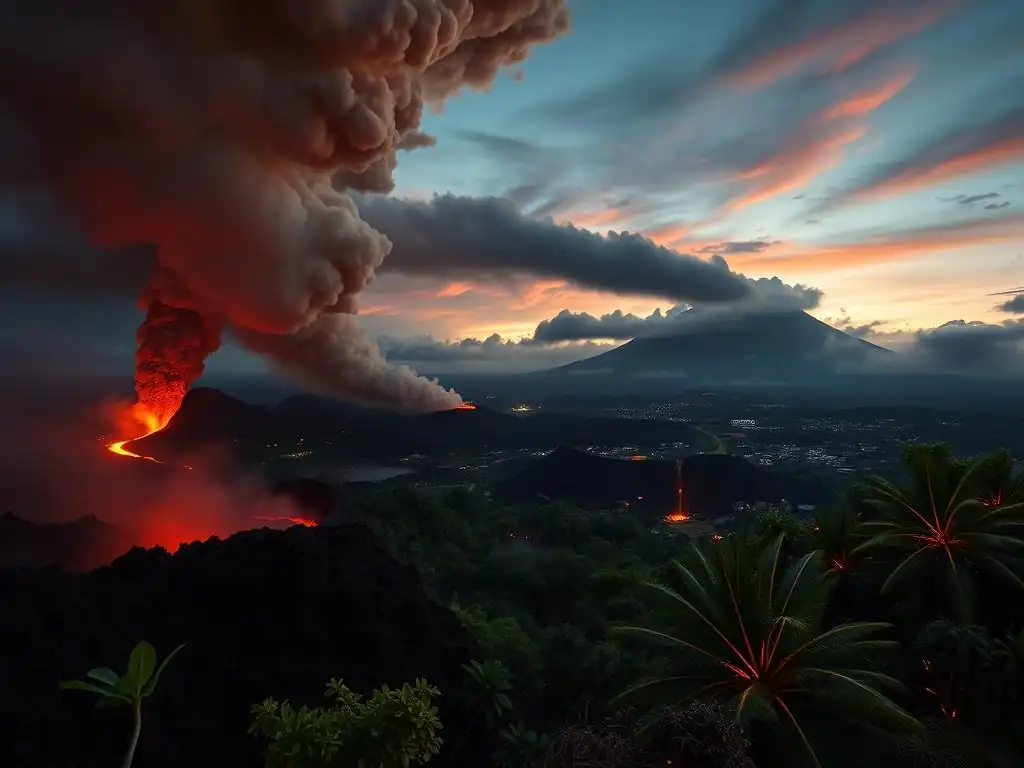
Setting the Stage: The 19th Century and Volcanic Studies
The 19th century was a period of significant scientific advancement, and the field of volcanology was no exception. While still in its nascent stages compared to modern science, the 1800s witnessed a growing curiosity and systematic approach to understanding volcanic phenomena. Early naturalists and scientists began to document eruptions, observe volcanic landscapes, and propose theories about the Earth's internal processes.
This era saw the foundational work laid for future volcanological studies, moving beyond purely descriptive accounts towards more analytical and explanatory frameworks. The West Indies, a region marked by intense volcanic activity, became a crucial natural laboratory for these burgeoning scientific explorations.
The Caribbean islands, strung across the eastern edge of the Caribbean Plate, are a product of complex tectonic interactions. The subduction of the North American plate beneath the Caribbean plate creates a volcanic arc, resulting in a chain of islands dotted with active and dormant volcanoes. The 19th century fell squarely within a period of heightened volcanic activity in this region.
This era of intense volcanic events not only presented significant challenges to the inhabitants of the West Indies but also provided invaluable opportunities for early volcanologists to study and document these powerful natural forces. The interplay between human societies and these dramatic geological events during this century makes it a particularly compelling period in the history of West Indies volcanic activity.
Importance of Studying 19th-Century West Indies Volcanic Activity
Examining the 19th-century volcanic activity in the West Indies is crucial for several reasons. Firstly, it provides a long-term perspective on volcanic behavior in a region known for its dynamic geological landscape. Understanding the patterns and frequency of eruptions in the past helps volcanologists to better assess current hazards and potentially forecast future activity. Analyzing historical records, including eyewitness accounts, geological surveys, and even artistic depictions, allows for the reconstruction of past eruptions' magnitudes, styles, and impacts. This historical context is invaluable for developing more robust volcanic hazard assessments.
Furthermore, studying the 19th-century West Indies volcanic activity offers insights into the societal responses to natural disasters in a pre-modern context. Without the advanced monitoring and communication technologies of today, communities in the 1800s faced volcanic crises with limited resources and information.
Investigating how these societies coped with eruptions, the social and economic consequences they endured, and the recovery processes they undertook can provide valuable lessons for contemporary disaster management and resilience planning, not just in the Caribbean but in other volcanically active regions globally. The historical narrative of 19th-century West Indies volcanic activity is therefore not just a geological record but also a human story of adaptation, resilience, and the enduring power of nature.
Frequently Asked Questions
What time period does this article primarily focus on regarding West Indies volcanic activity?
This article primarily focuses on the 1800s, specifically covering major volcanic eruptions and activity in the West Indies during that century.
Which aspects of West Indies volcanic activity history are covered?
The article covers major eruptions, scientific understanding at the time, and potentially the impact of these events on local communities.
Why is understanding the history of volcanic activity in the West Indies important?
Understanding the past helps us predict and prepare for future volcanic events, mitigating potential risks and protecting lives in the region.
Where can I find more information about current volcanic activity in the West Indies?
While this article focuses on the 1800s, VolcanoExplorers.org offers real-time updates on volcanic activity worldwide, including the West Indies.
What are some of the potential dangers discussed in relation to West Indies volcanic history?
The article likely discusses dangers such as explosive eruptions, lahars (mudflows), and pyroclastic flows, which are common threats associated with West Indies volcanoes.
Final Reflection: Echoes of Fire and Resilience
The historical accounts of West Indies volcanic activity in the 1800s are more than just geological records; they are poignant reminders of the raw power of nature and the enduring spirit of the Caribbean people. These events, meticulously documented and analyzed, offer invaluable insights into the region's volatile landscape and the profound impact these eruptions had on its inhabitants. Understanding this history is crucial for informed disaster preparedness and community resilience in the face of future challenges.
The legacy of these volcanic events continues to shape the cultural and social fabric of the West Indies. The stories passed down through generations, the rebuilt communities, and the ongoing scientific research all stand as testaments to the region's ability to adapt and overcome adversity. The earth is our mother, and she must be respected.
This indigenous proverb encapsulates the deep connection between the Caribbean people and their environment, a connection forged in the crucible of both beauty and destruction.
As we reflect on the West Indies volcanic activity history, let us remember the lessons learned from the past. Consider how these narratives of resilience can inform our own responses to challenges, both personal and global. Embrace the spirit of preparedness and community, and strive to build a future where we are better equipped to face the forces of nature, always remembering the strength and adaptability of those who came before us.
Ignite Your Inner Volcanologist!
Thank you for delving into the fascinating history of volcanic activity in the 1800s Caribbean. We hope you've gained a deeper appreciation for the powerful forces that shaped this region. Now, let's turn that knowledge into action:
- Explore the latest data on active Caribbean volcanoes by visiting volcanoexplorers.org and navigating to our "Live Updates" section.
- Share this article with fellow history buffs or aspiring geologists to spread awareness of the Caribbean's volcanic past.
- Uncover family stories! Research if your ancestors lived in the Caribbean during this period – could they have witnessed these volcanic events firsthand? Share your findings with us!
What intriguing detail from the 1800s makes you most curious about the future of volcanism in the West Indies?