
Krakatoa's Warning: Lessons from a Volcanic Catastrophe for Modern Civilizations

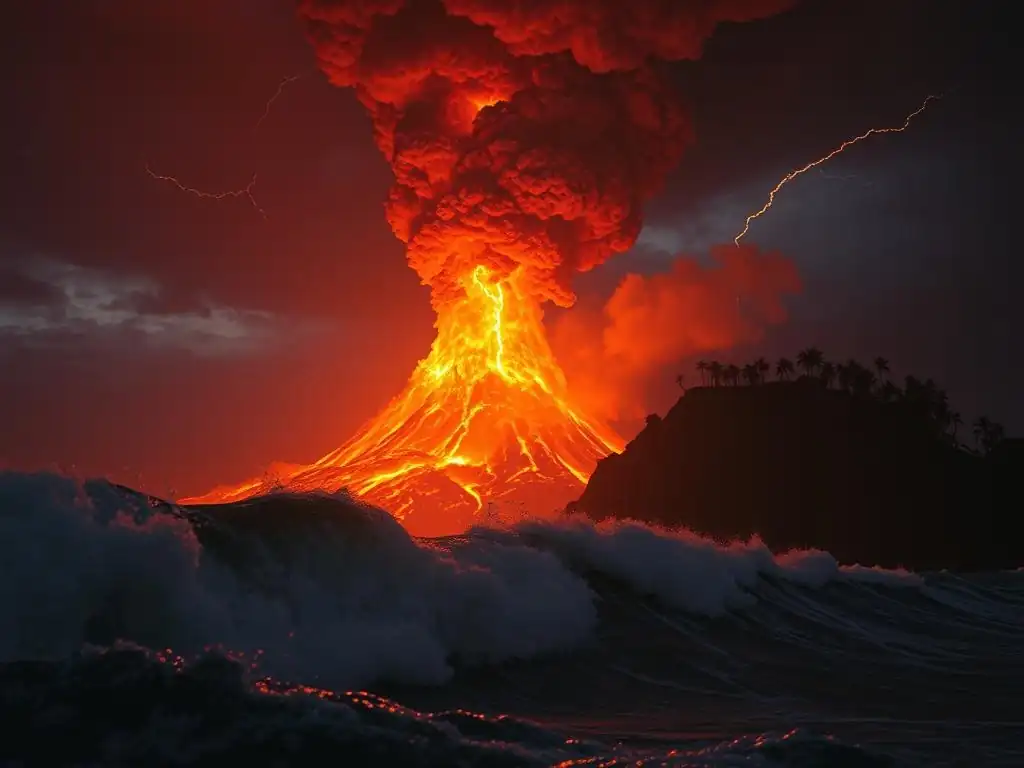
Welcome to Volcano Explorers, where the Earth's fiery heart beats loud and clear. Imagine a world reshaped in an instant by the raw power of a volcano. Are you ready to unravel the secrets buried beneath the ash? Our journey begins with a crucial examination of a past cataclysm: Lessons from the Krakatoa eruption. What did we learn, and more importantly, are we truly prepared for the next time nature unleashes its fury? Dive in and discover the chilling truths and vital insights hidden within this pivotal moment in volcanic history.
- Introduction: The 1883 Krakatoa Eruption and its Global Impact
-
Frequently Asked Questions
- What were some of the immediate consequences of the Krakatoa eruption of 1883?
- What type of volcano was Krakatoa, and how did that contribute to the scale of the disaster?
- What are some key lessons learned from the Krakatoa eruption regarding early warning systems?
- How did the Krakatoa eruption affect the global climate, and what does this tell us about modern volcanic activity?
- What safety measures can communities near volcanoes implement based on the lessons from Krakatoa?
- Final Reflection: Echoes of Krakatoa
- Unleash Your Inner Volcanologist: Take Action Now!
Introduction: The 1883 Krakatoa Eruption and its Global Impact
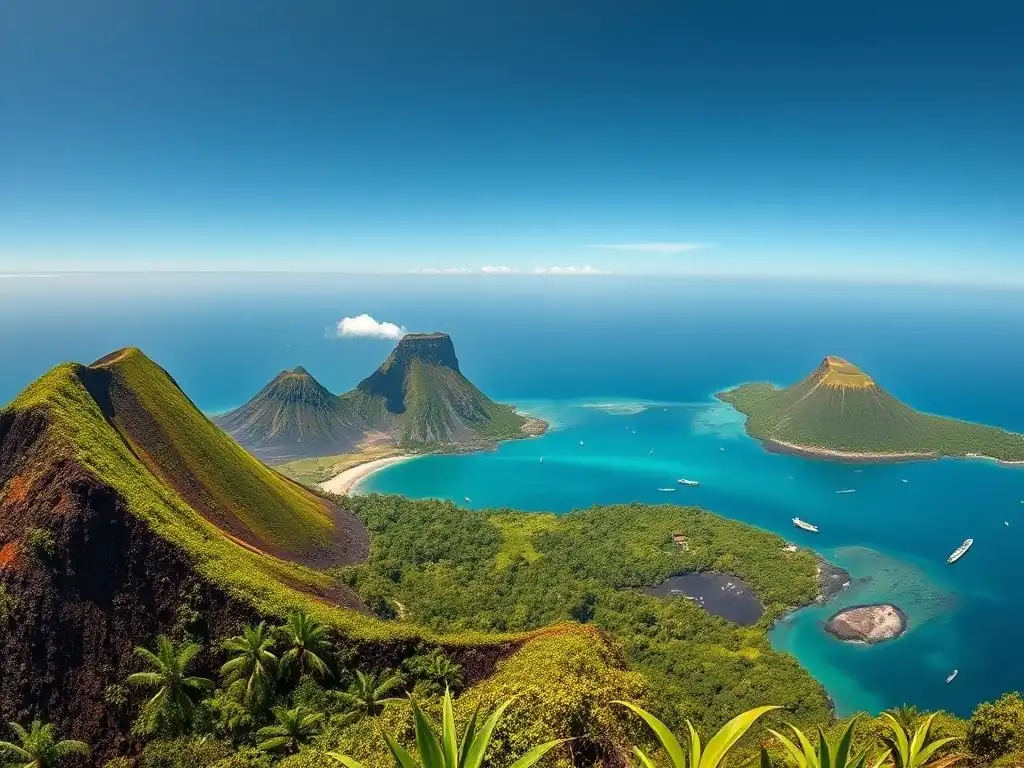
Krakatoa: A Case Study in Volcanic Disaster and its Relevance Today
The eruption of Krakatoa in 1883 stands as a pivotal event in modern history, not just for its staggering scale of destruction, but also for the crucial lessons it offers to contemporary society. Often cited as one of the loudest sounds ever recorded in human history, the eruption of Krakatoa serves as a stark reminder of the immense power held within our planet.
Its impact transcended geographical boundaries, affecting global weather patterns, prompting advancements in scientific understanding, and shaping disaster preparedness strategies that are still relevant today. Studying the lessons from the Krakatoa eruption is not merely an exercise in historical volcanology; it is an essential endeavor for understanding the profound and multifaceted risks posed by volcanoes in our interconnected world.
Krakatoa's 1883 event was a watershed moment that shifted perceptions of volcanic hazards from localized incidents to global phenomena. Before Krakatoa, the potential for a single volcanic eruption to have worldwide consequences was not fully appreciated. The eruption demonstrated the capacity of volcanoes to influence global climate, disrupt communication, and cause widespread tsunamis that could devastate distant coastlines.
By examining the specific lessons from Krakatoa eruption, we gain invaluable insights into volcanic processes, the far-reaching consequences of large eruptions, and the critical need for robust monitoring and early warning systems to mitigate future disasters. This historical catastrophe remains a critical case study for volcanologists, disaster management experts, and policymakers alike, urging us to remain vigilant and prepared in the face of nature's formidable power.
Understanding the Scale of Volcanic Destruction
The sheer magnitude of the Krakatoa eruption defies easy comprehension. Estimated to be a Volcanic Explosivity Index (VEI) 6, this colossal event unleashed energy equivalent to approximately 200 megatons of TNT, more than 13,000 times the power of the atomic bomb dropped on Hiroshima.
The cataclysmic explosion, heard thousands of kilometers away, obliterated the volcanic island, sending ash plumes soaring to a height of over 80 kilometers into the atmosphere. The eruption ejected an estimated 25 cubic kilometers of rock, ash, and pumice, a volume so immense it darkened skies globally and triggered a noticeable drop in global temperatures for several years.
To grasp the scale of destruction caused by Krakatoa, consider the immediate impact zone and its broader reach. The island itself was almost entirely destroyed, with only remnants remaining after the eruption. Pyroclastic flows and surges swept across the surrounding waters, devastating nearby coastlines.
The ensuing tsunami, generated by the massive displacement of water, reached heights of over 40 meters in some areas, engulfing coastal towns and villages in Java and Sumatra. This tsunami alone was responsible for the vast majority of the estimated 36,000 fatalities directly attributed to the eruption. Beyond the immediate vicinity, the atmospheric effects of the Krakatoa eruption lessons were felt worldwide, highlighting the truly global scale of volcanic destruction.
The Legacy of Krakatoa: A Reminder of Nature's Power
The legacy of Krakatoa extends far beyond the immediate devastation. It serves as a powerful and enduring reminder of the Earth’s dynamic forces and the potential for natural disasters to reshape both landscapes and human societies. The eruption spurred significant advancements in the field of volcanology, prompting scientists to develop new monitoring techniques and deepen their understanding of volcanic processes. The global distribution of Krakatoa's ash cloud provided unprecedented data for studying atmospheric circulation patterns and the impact of volcanic aerosols on climate.
Furthermore, the lessons from the Krakatoa eruption profoundly influenced disaster preparedness strategies worldwide. The tragedy underscored the critical importance of early warning systems, particularly for tsunamis, and emphasized the need for effective communication and evacuation plans for coastal communities living near volcanic regions. Even today, as we face increasing threats from climate change and other natural hazards, Krakatoa's story remains relevant.
It is a testament to the raw power of nature and a constant call for vigilance, preparedness, and a deeper respect for the forces that shape our planet. The rebirth of Anak Krakatau, a new volcanic island emerging from the remnants of the 1883 caldera, further underscores the dynamic and ever-changing nature of volcanic landscapes and the enduring legacy of Krakatoa.
Frequently Asked Questions
What were some of the immediate consequences of the Krakatoa eruption of 1883?
The immediate consequences included a massive tsunami that devastated coastal regions, widespread atmospheric disturbances that affected global weather patterns, and a significant loss of life due to the explosive eruption itself.
What type of volcano was Krakatoa, and how did that contribute to the scale of the disaster?
Krakatoa was a stratovolcano (also known as a composite volcano), known for its explosive eruptions. The volcano's composition and location contributed to the violent nature of the eruption.
What are some key lessons learned from the Krakatoa eruption regarding early warning systems?
The eruption highlighted the critical need for effective early warning systems and tsunami detection networks. Understanding the precursors to eruptions is essential for saving lives.
How did the Krakatoa eruption affect the global climate, and what does this tell us about modern volcanic activity?
The eruption released vast amounts of ash and sulfur dioxide into the atmosphere, leading to a temporary global cooling. This demonstrates the potential for volcanic eruptions to impact global climate patterns.
What safety measures can communities near volcanoes implement based on the lessons from Krakatoa?
Communities should develop and practice evacuation plans, establish monitoring systems to detect volcanic unrest, and educate the public about volcanic hazards and how to respond.
Final Reflection: Echoes of Krakatoa
The lessons gleaned from the catastrophic eruption of Krakatoa in 1883 remain profoundly relevant today, perhaps even more so given our increasingly interconnected and vulnerable world. Understanding the cascading effects of such a natural disaster, from tsunamis to global climate shifts, is crucial for mitigating future risks and building more resilient societies. The eruption serves as a stark reminder of the immense power of nature and the potential for devastation when preparedness is lacking.
The enduring impact of Krakatoa extends beyond scientific understanding; it has seeped into our collective consciousness, shaping our perception of natural disasters and the fragility of human existence. The event underscores the importance of respecting the forces of nature and investing in early warning systems and disaster preparedness. As the saying goes, Those who cannot remember the past are condemned to repeat it.
Krakatoa serves as a potent historical lesson that we must heed.
Let us not forget the lessons learned from Krakatoa's fiery warning. Consider how you can contribute to a more prepared and resilient future, whether through supporting scientific research, advocating for better disaster preparedness policies, or simply educating yourself and your community. The echoes of Krakatoa remind us that vigilance and proactive measures are essential for safeguarding our world and future generations.
Unleash Your Inner Volcanologist: Take Action Now!
Thank you for exploring the powerful lessons Krakatoa offers. You've gained valuable insights into how we can better prepare for future volcanic events. Now, it's time to translate that knowledge into action and contribute to a safer world.
Here are a few ways you can get involved:
- Be a Prepared Citizen: Review your local area's volcano risk assessment and create a personal emergency plan based on the potential hazards. This is the single most impactful step you can take to protect yourself and your loved ones.
- Share This Knowledge: Spread awareness by sharing this article with your friends, family, and colleagues. Help them understand the importance of volcanic preparedness.
- Join the Conversation: Participate in discussions on our forum, Volcano Explorers, sharing your experiences and ideas for community resilience.
What immediate step will you take to strengthen your understanding of, or preparedness for, potential volcanic risks in your community?