
Is Your Home at Risk? Mapping Volcanic Acid Rain Zones

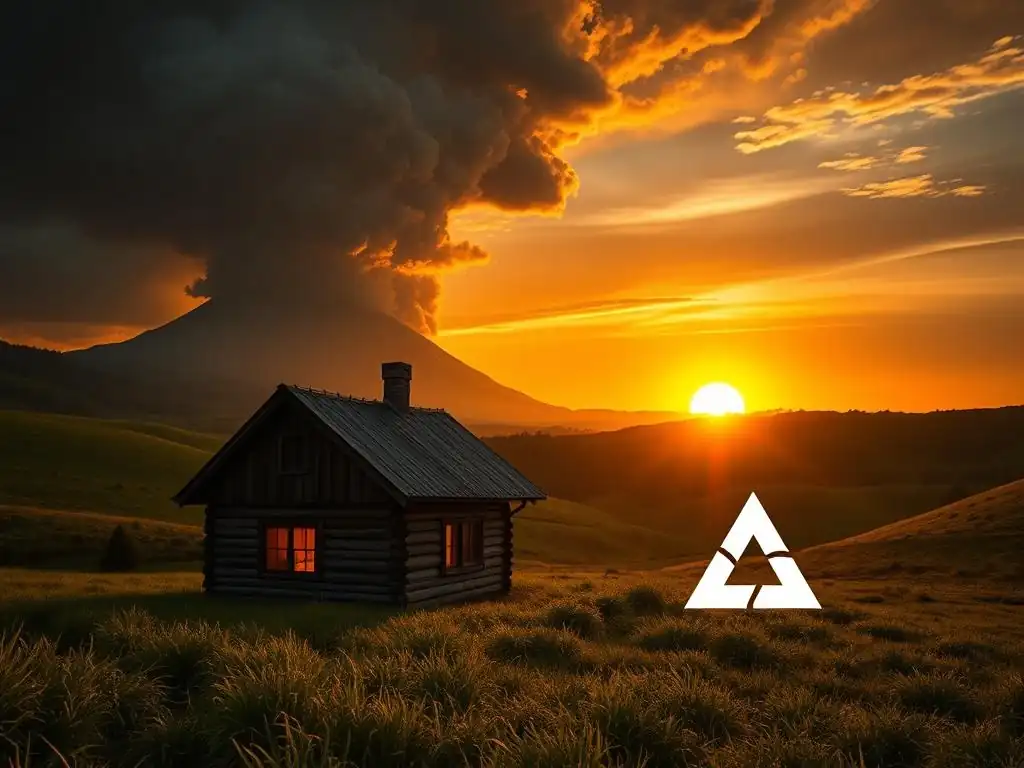
Welcome to Volcano Explorers, where the Earth breathes fire! Ever wondered about the unseen dangers lurking after a volcanic eruption? This isn't just about lava flows; it's about the silent, corrosive threat that falls from the sky. Dive into our latest article: Is Your Home at Risk? Mapping Volcanic Acid Rain Zones, and discover crucial Volcanic Acid Rain Safety Tips that could protect you and your property. What are the long-term effects, and are you in the danger zone? Keep reading to find out...
- Is Your Home at Risk? Mapping Volcanic Acid Rain Zones in the Pacific Northwest
- Understanding Volcanic Acid Rain: A Threat to Homes and Infrastructure in the Pacific Northwest
-
Frequently Asked Questions
- What is volcanic acid rain and how is it formed?
- How does volcanic acid rain differ from regular acid rain?
- What are the primary risks associated with volcanic acid rain?
- What factors determine the area affected by volcanic acid rain?
- What safety measures can I take to protect myself and my property from volcanic acid rain?
- Final Reflection: Embracing Preparedness in the Shadow of Volcanoes
- Protect Your Home: Discover Your Risk Zone!
Is Your Home at Risk? Mapping Volcanic Acid Rain Zones in the Pacific Northwest
Understanding Volcanic Acid Rain: A Threat to Homes and Infrastructure in the Pacific Northwest
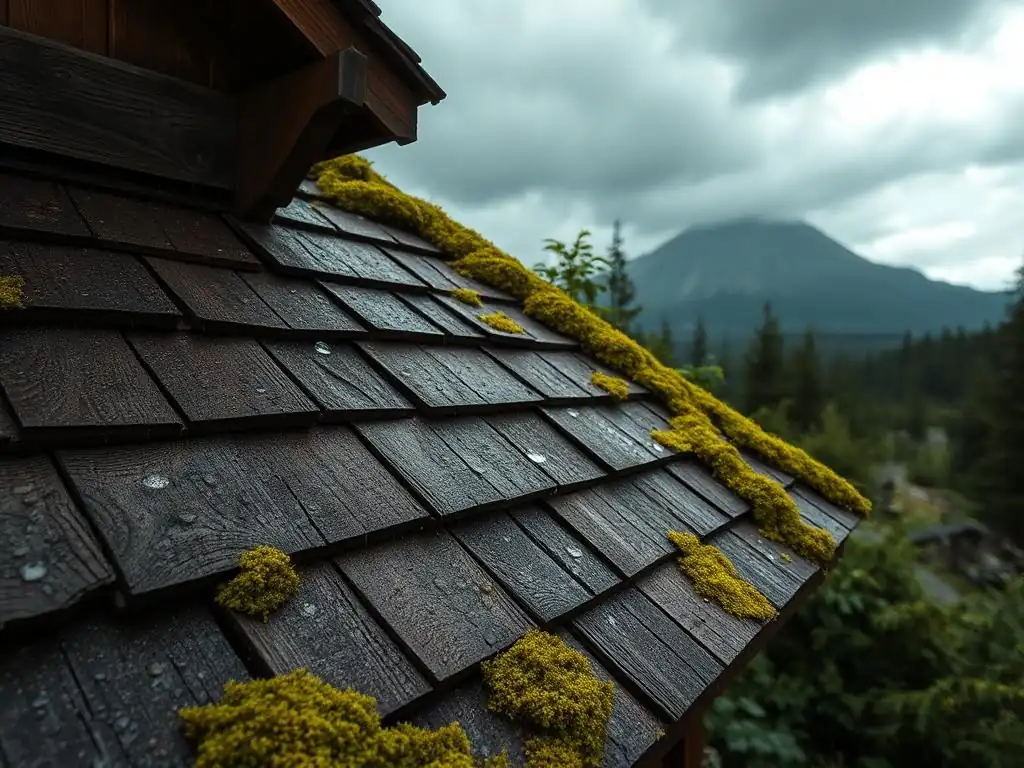
What is Volcanic Acid Rain and How is it Formed During Eruptions?
Volcanic acid rain is a form of precipitation that is made acidic by volcanic emissions, primarily sulfur dioxide (SO2) and hydrogen sulfide (H2S). During volcanic eruptions, these gases are released into the atmosphere alongside ash and steam. When these gases react with water vapor, they form sulfuric acid (H2SO4) and sulfurous acid (H2SO3).
This process is similar to how industrial acid rain forms from pollutants, but in the case of volcanic acid rain, the source is natural volcanic activity. The Pacific Northwest, with its chain of Cascade volcanoes, is particularly susceptible to this phenomenon during periods of volcanic unrest or eruption.
The formation process begins high in the atmosphere where volcanic plumes reach. The emitted sulfur dioxide undergoes oxidation, a chemical reaction with oxygen and other atmospheric components, often accelerated by sunlight. This oxidation converts sulfur dioxide into sulfur trioxide (SO3), which then readily combines with water molecules in the air to produce sulfuric acid.
Hydrogen sulfide can also contribute to acid rain, although its atmospheric lifetime is shorter compared to sulfur dioxide. The resulting acidic compounds are then incorporated into cloud droplets and eventually fall to the ground as acid rain, snow, fog, or even dry deposition, impacting the environment and infrastructure in the surrounding regions.
Key Chemical Components of Volcanic Acid Rain from Cascade Volcanoes
The chemical composition of volcanic acid rain from Cascade volcanoes is dominated by sulfuric acid (H2SO4), derived from sulfur dioxide emissions. Sulfur dioxide is typically the most abundant volcanic gas released during eruptions in this region, known for its stratovolcanoes which are often rich in sulfur-bearing magmas. Analysis of volcanic plumes and rainwater samples collected after eruptions in the Cascade range, such as Mount St. Helens, have shown significant concentrations of sulfate ions (SO4^2-), the hallmark of sulfuric acid.
Beyond sulfuric acid, volcanic acid rain can also contain other acidic components, though in lesser amounts. Hydrochloric acid (HCl) and hydrofluoric acid (HF) are also emitted during volcanic eruptions, but they tend to be scrubbed out of the plume closer to the volcano due to their higher reactivity and solubility. However, in areas very close to the volcanic vent, these acids can contribute to highly acidic conditions.
Trace amounts of nitric acid (HNO3) may also be present, formed from nitrogen oxides produced during lightning in volcanic plumes or through atmospheric reactions. The specific mix of these components can vary depending on the type of eruption, the magma composition, and atmospheric conditions at the time.
Distinguishing Volcanic Acid Rain from Industrial Acid Rain in the Pacific Northwest
While both volcanic and industrial acid rain share the common characteristic of increased acidity due to atmospheric pollutants, their origins, chemical compositions, and spatial impacts differ significantly, especially in the Pacific Northwest. Industrial acid rain, prevalent in many industrialized regions globally, is primarily caused by emissions from burning fossil fuels, particularly coal and oil, and industrial processes. These sources release sulfur dioxide and nitrogen oxides, leading to the formation of sulfuric and nitric acid rain. In contrast, volcanic acid rain originates from natural volcanic emissions, predominantly sulfur dioxide from erupting volcanoes.
Chemically, both types of acid rain contain sulfuric acid, but industrial acid rain often has a more significant contribution from nitric acid due to nitrogen oxide emissions from combustion processes and vehicles. Volcanic acid rain is typically more dominated by sulfuric acid. Spatially, industrial acid rain tends to be a more widespread, chronic problem affecting large areas downwind of industrial centers. Volcanic acid rain, while potentially intense, is more episodic and geographically localized to areas surrounding active volcanoes, like those in the Cascade Range. Furthermore, volcanic eruptions can release a much larger amount of sulfur dioxide in a short period compared to industrial sources, leading to acutely acidic events, though these events are less frequent and predictable than the continuous pollution from industrial sources. In the Pacific Northwest, both sources can contribute to acid rain, but understanding their distinct characteristics is crucial for effective monitoring, mitigation, and public safety strategies.
Frequently Asked Questions
What is volcanic acid rain and how is it formed?
Volcanic acid rain is a type of acid rain formed when volcanic emissions, like sulfur dioxide and other gases, react with water in the atmosphere. This creates sulfuric acid and other acidic compounds which fall to the ground as rain.
How does volcanic acid rain differ from regular acid rain?
While both are acidic precipitation, volcanic acid rain is primarily caused by volcanic gases, whereas regular acid rain is often linked to industrial pollution. The chemical composition and intensity can also differ significantly.
What are the primary risks associated with volcanic acid rain?
The main risks include damage to infrastructure and vegetation, contamination of water sources, and potential harm to human health through skin and respiratory irritation.
What factors determine the area affected by volcanic acid rain?
The affected area depends on factors like the volume and composition of volcanic emissions, wind direction and speed, and local weather conditions. These factors influence how far the acidic compounds travel.
What safety measures can I take to protect myself and my property from volcanic acid rain?
Stay informed about volcanic activity updates and heed evacuation warnings. If acid rain is occurring, shelter indoors, cover sensitive skin, and protect outdoor equipment and plants with coverings.
Final Reflection: Embracing Preparedness in the Shadow of Volcanoes
The science is clear: volcanic acid rain poses a tangible threat to homes and communities near active volcanoes. Understanding and mitigating this risk is no longer a theoretical exercise, but a practical necessity for safeguarding our lives and property. The information presented in this article, from mapping potential impact zones to outlining crucial safety tips, serves as a vital resource in a world increasingly aware of the power and unpredictability of nature.
This threat, though geographically specific, underscores a broader need for proactive environmental awareness and preparedness. The potential for volcanic acid rain to damage infrastructure, contaminate water sources, and impact human health highlights the delicate balance between human activity and the natural world. The best preparation for tomorrow is doing your best today.
- H. Jackson Brown, Jr. This quote resonates deeply when considering the long-term implications of volcanic activity and the importance of taking preventative measures now.
Ultimately, the responsibility for ensuring safety lies with each of us. Consider the information shared in this article not just as a set of guidelines, but as a call to action. Research the volcanic risks in your area, implement the suggested safety tips, and share this knowledge with your community. By embracing preparedness and fostering a culture of awareness, we can collectively mitigate the potential impact of volcanic acid rain and build more resilient communities for the future.
Protect Your Home: Discover Your Risk Zone!
Thank you for learning about volcanic acid rain and its potential impact. Now that you understand the risks, let's take action to protect your home and community.
Here's how you can get started:
- First, use our interactive map to determine your property's risk level. This is crucial for making informed decisions.
- Explore practical solutions to protect your property, such as researching acid-resistant building materials or installing rainwater harvesting systems.
- Share this information with your neighbors and community to raise awareness and build resilience.
Knowing your risk is the first step. What will you do this week to prepare your home for potential volcanic acid rain? Let us know in the comments!