
Can Calderas Erupt Again? Understanding Reawakening Supervolcanoes

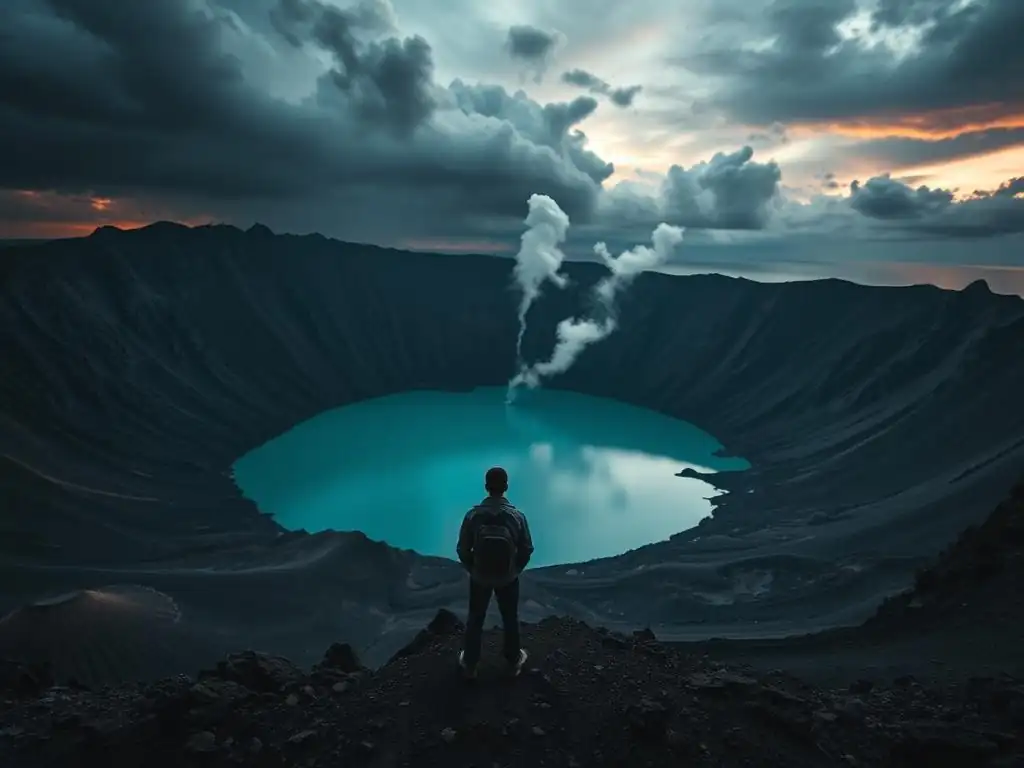
Welcome to Volcano Explorers, where the Earth's fiery heart comes to life. Ever wondered if the slumbering giants beneath our feet might awaken? We're diving deep into the mysteries of supervolcanoes, exploring the burning question: can calderas erupt again? Prepare to journey through the science, the risks, and the sheer power of these geological titans. The answers might surprise you...
- Introduction: The Potential for Future Supervolcano Eruptions
- What are Calderas and Supervolcanoes?
- The Science Behind Supervolcano Reawakening
- Can Supervolcanoes Erupt Again? Assessing the Risks
- The Impact of a Supervolcano Eruption
- Supervolcano Monitoring and Mitigation Strategies
- Living Near Supervolcanoes: Preparedness and Safety
- Debunking Supervolcano Myths and Misconceptions
- Conclusion: The Future of Supervolcano Research and Risk Assessment
- Frequently Asked Questions
- Final Reflection: The Unfolding Threat of Caldera Reawakening
- Unleash Your Inner Volcanologist: Dive Deeper!
Introduction: The Potential for Future Supervolcano Eruptions
Supervolcanoes, geological giants capable of eruptions on scales dwarfing any witnessed in recorded history, represent a profound threat and a source of intense scientific curiosity. The question of whether these colossal volcanic systems can erupt again is not merely academic; it carries significant implications for global populations, climate stability, and long-term planetary health. Understanding the mechanisms behind supervolcano eruptions and the potential for reawakening is crucial for informed risk assessment and preparedness.
This article delves into the nature of calderas and supervolcanoes, explores the science of their reawakening, assesses the probability of future eruptions, and examines the potential global impacts. We aim to provide a comprehensive overview of these formidable geological phenomena and address the critical question: can supervolcanoes erupt again?
What are Calderas and Supervolcanoes?
Defining Calderas: Collapsed Giants
Calderas are vast, basin-shaped volcanic depressions formed by the emptying of a magma chamber beneath a volcano during a massive eruption. Unlike the cone-shaped profiles of stratovolcanoes, calderas are characterized by their expansive, often circular or oval outlines, sometimes spanning dozens of kilometers in diameter. The formation process begins with the accumulation of a large volume of magma beneath the Earth's surface, creating immense pressure.
When this pressure overcomes the strength of the overlying crust, a catastrophic eruption ensues, ejecting enormous quantities of ash, gas, and pyroclastic flows. As the magma chamber empties, the roof of the chamber, no longer supported, collapses inward, creating the caldera.
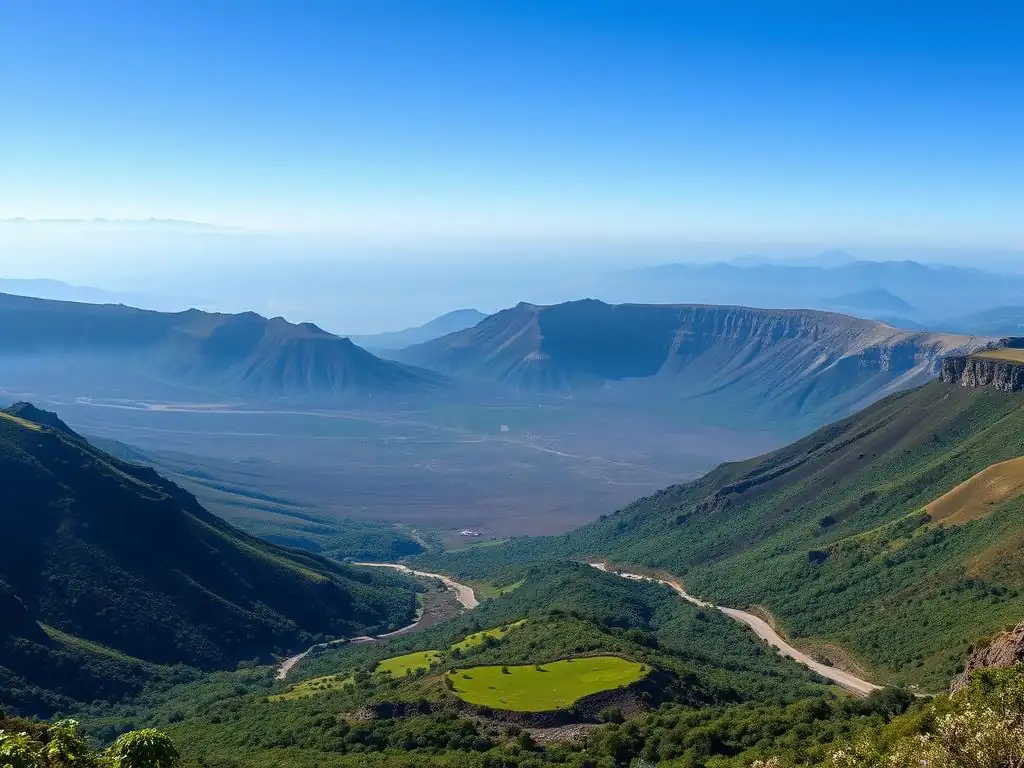
The resulting caldera landscape is often dramatic, featuring steep walls surrounding a relatively flat floor. Over time, calderas can become sites of renewed volcanic activity. Resurgent domes, lakes, and hydrothermal features like hot springs and geysers can develop within the caldera, indicating ongoing subsurface processes.
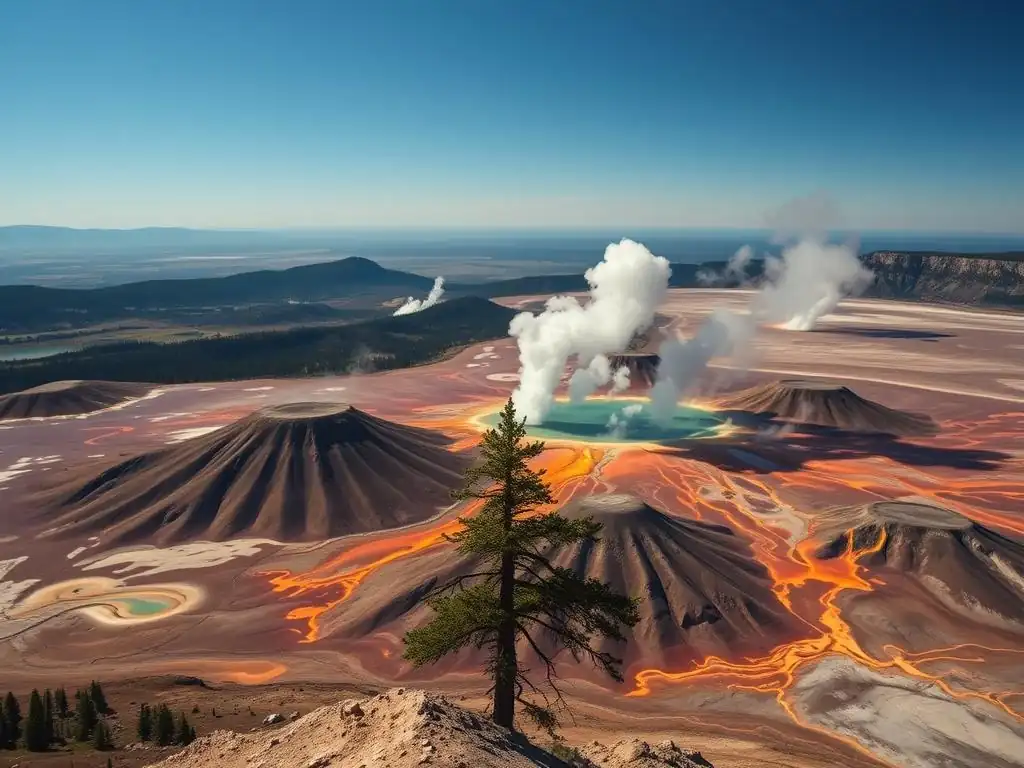
For instance, the Yellowstone Caldera in the United States, a prime example, showcases all these features, with its vast size, active hydrothermal systems, and evidence of past resurgent doming. Calderas are not simply extinct craters; they are dynamic geological structures that can hold the potential for future volcanic events, ranging from smaller eruptions to another super-eruption.
Understanding Supervolcanoes: Scale and Impact
The term "supervolcano" is not a formally defined geological term but is widely used to describe volcanoes capable of producing eruptions of magnitude 8 on the Volcanic Explosivity Index (VEI). This scale, ranging from 0 to 8, quantifies the explosivity of volcanic eruptions. A VEI 8 eruption is defined by ejecting more than 1,000 cubic kilometers (240 cubic miles) of volcanic material.
To put this into perspective, the 1980 eruption of Mount St. Helens, a significant event, was estimated at VEI 5, ejecting around 1 cubic kilometer of material. Supervolcano eruptions are therefore thousands of times larger and more impactful.
Supervolcanoes are typically associated with calderas, as the immense eruptions that form calderas are often super-eruptions. These events are not frequent, occurring on geological timescales of tens of thousands to hundreds of thousands of years. However, their potential impact is global and catastrophic.
Past super-eruptions have dramatically altered global climates, leading to volcanic winters, widespread ashfall, and long-term environmental changes. For example, the Toba super-eruption in Indonesia approximately 74,000 years ago is theorized to have caused a global volcanic winter that may have significantly impacted human populations and evolution. Understanding supervolcanoes is not just about studying volcanoes; it's about comprehending events that can reshape the planet and significantly alter the course of life on Earth.
The Science Behind Supervolcano Reawakening
Magma Chamber Dynamics: The Fuel for Future Eruptions
The reawakening of a supervolcano hinges on the dynamics within its magma chamber, a vast reservoir of molten rock located deep beneath the surface. These chambers are not static pools; they are complex systems where magma is constantly being generated, stored, and modified. The accumulation of magma in the chamber is driven by the slow, continuous process of partial melting of the Earth's mantle or crust due to heat and pressure. As magma rises through the crust, it can become trapped in these chambers, growing in volume over time.
The composition and properties of the magma within the chamber are crucial factors in determining the potential for future eruptions. Silica-rich magmas, characteristic of supervolcanoes, are highly viscous and gas-rich. This combination makes them prone to explosive eruptions.
The pressure build-up within the chamber, driven by the influx of new magma and the exsolution of dissolved gases, is the primary force behind an eruption. Reawakening occurs when this pressure overcomes the strength of the surrounding rocks, initiating magma ascent and ultimately, potentially, a significant eruption. Scientific models and studies, like those conducted at Yellowstone, use seismic data and ground deformation measurements to infer the size, shape, and pressure dynamics of these deep magma chambers, providing insights into the potential for future activity.
Monitoring Supervolcanoes: Detecting Signs of Activity
Given the potential for catastrophic eruptions, monitoring supervolcanoes is of paramount importance. Volcanologists employ a suite of sophisticated techniques to detect subtle changes that might indicate reawakening. These methods include seismic monitoring, ground deformation measurements, gas emission analysis, and thermal imaging. Seismic networks, consisting of numerous seismometers strategically placed around a caldera, continuously record ground vibrations. Changes in seismicity, such as increased frequency or intensity of earthquakes, can signal magma movement beneath the surface.
Ground deformation is monitored using instruments like GPS stations and satellite-based InSAR (Interferometric Synthetic Aperture Radar). These tools can detect even millimeter-scale changes in ground elevation, which may indicate magma inflation or deflation of the magma chamber. Gas monitoring, particularly the measurement of sulfur dioxide (SO2) and carbon dioxide (CO2) emissions, can provide information about magma degassing and activity levels.
Changes in the composition or flux of these gases can be precursors to eruptions. Thermal imaging, using infrared cameras and satellite data, detects changes in surface heat flow, which can also be related to magmatic activity. Combined, these monitoring techniques provide a comprehensive picture of a supervolcano's state and help to identify potential signs of reawakening.
Seismic Activity and Ground Deformation: Early Warning Signs
Seismic activity and ground deformation are considered key early warning signs of potential volcanic unrest at supervolcanoes. While these phenomena are common in active volcanic regions and do not always lead to eruptions, significant changes or trends can indicate magma movement and increasing pressure within the volcanic system. An increase in the frequency and intensity of earthquakes, particularly swarms of earthquakes, can signal magma migration through the crust and towards the surface. These earthquakes are often caused by the fracturing of rocks as magma forces its way upwards.
Ground deformation, specifically uplift or inflation of the caldera floor, is another critical indicator. This uplift is typically caused by the accumulation of magma in the shallow magma chamber, increasing pressure and pushing the ground surface upwards. Conversely, deflation can occur if magma is withdrawn from the chamber.
Scientists carefully analyze patterns of seismicity and ground deformation, looking for accelerating rates of change or unusual characteristics that deviate from background levels. For example, periods of rapid uplift accompanied by intense earthquake swarms at calderas like Yellowstone or Campi Flegrei would raise significant concern and trigger heightened monitoring and assessment. It's crucial to remember that while these are early warning signs, they do not provide precise eruption predictions, but rather indicate increased potential for volcanic activity.
Can Supervolcanoes Erupt Again? Assessing the Risks
Probability of Future Supervolcanic Activity
Assessing the probability of future supervolcanic activity is a complex undertaking. Super-eruptions are rare events, occurring on geological timescales. However, given the immense potential impact, even a low probability event warrants serious consideration. Based on geological records, super-eruptions have occurred approximately every 17,000 years on average globally. However, this is a very rough average and individual supervolcanoes have their own eruption histories and recurrence intervals.
For specific calderas like Yellowstone, studies suggest a recurrence interval for super-eruptions on the order of hundreds of thousands to millions of years. The last super-eruption at Yellowstone occurred approximately 630,000 years ago. While this might seem to suggest that Yellowstone is "overdue," volcanic systems do not operate on predictable schedules.
Probability estimates are based on statistical analysis of past eruptions and current monitoring data. Currently, the probability of a super-eruption at Yellowstone or any other known supervolcano in any given year is considered very low, estimated to be in the range of 1 in 100,000 to 1 in a million. However, it's crucial to understand that "low probability" does not mean "no probability," and the consequences of such an event are so significant that continuous monitoring and research are essential.
Factors Influencing Supervolcano Re-eruption
Several factors influence the likelihood of a supervolcano re-eruption. The rate of magma accumulation in the magma chamber is a primary control. A faster rate of magma supply will lead to a more rapid pressure build-up and potentially a shorter recurrence interval between eruptions. The composition and physical properties of the magma, particularly its viscosity and gas content, also play a significant role. Magmas rich in silica and dissolved gases are more prone to explosive eruptions.
Tectonic setting and stress regimes in the Earth's crust surrounding the magma chamber can influence the pathways of magma ascent and the style of eruption. External triggers, although less understood, could potentially play a role in initiating an eruption. These triggers might include large earthquakes in the vicinity of the caldera, which could destabilize the magma chamber or fracture the overlying crust.
Changes in regional stress patterns due to plate tectonics can also gradually influence the state of the volcanic system. The interplay of these internal and external factors determines the timing and nature of volcanic activity, making supervolcanoes complex and challenging to predict.
Yellowstone Caldera: A Case Study
Yellowstone Caldera, located in Wyoming, USA, is one of the best-studied supervolcanoes in the world. It has experienced three massive caldera-forming eruptions in the past 2.1 million years: the Huckleberry Ridge eruption (2.1 million years ago), the Mesa Falls eruption (1.3 million years ago), and the Lava Creek eruption (approximately 630,000 years ago). These eruptions ejected vast volumes of volcanic material and dramatically reshaped the landscape. The Yellowstone National Park, situated within the caldera, is a testament to the ongoing geothermal activity, with thousands of geysers, hot springs, and fumaroles.
Continuous monitoring at Yellowstone, conducted by the Yellowstone Volcano Observatory (YVO), reveals ongoing seismic activity and ground deformation. Earthquake swarms are common, and the caldera floor periodically experiences periods of uplift and subsidence. For instance, from 2004 to 2009, the caldera floor uplifted at a rate of up to 7 centimeters (2.8 inches) per year in some areas.
While this activity is notable, scientists emphasize that it is within the normal range for Yellowstone and does not necessarily indicate an imminent super-eruption. The YVO continuously assesses the data and provides public updates, highlighting that while Yellowstone is an active volcanic system, the probability of a super-eruption in the near future remains low.
Campi Flegrei: A Case Study
Campi Flegrei, located near Naples, Italy, is another highly concerning caldera system. Unlike Yellowstone's remote location, Campi Flegrei is densely populated, with millions of people living within and around the caldera. It has a history of significant eruptions, including the Campanian Ignimbrite eruption around 40,000 years ago and the Neapolitan Yellow Tuff eruption around 15,000 years ago. More recently, Campi Flegrei has experienced periods of unrest, characterized by ground uplift, earthquake swarms, and increased gas emissions.
Since 2005, Campi Flegrei has been in a state of unrest, with periods of accelerated uplift. From 2012 onwards, the rate of uplift increased further, accompanied by increased seismicity. In 2023, scientists reported that parts of the caldera crust were nearing a "breaking point," based on rock fracturing experiments mimicking the conditions within the caldera.
While this research does not predict an imminent super-eruption, it highlights the potential for increased volcanic activity and the need for enhanced monitoring and preparedness. The Italian National Institute of Geophysics and Volcanology (INGV) closely monitors Campi Flegrei, providing regular updates and working with civil protection authorities to develop emergency plans for the densely populated region.
The Impact of a Supervolcano Eruption
Global Climate Effects: Volcanic Winter
A supervolcano eruption can trigger significant global climate effects, most notably a "volcanic winter." This phenomenon is caused by the injection of massive amounts of sulfur dioxide (SO2) gas into the stratosphere. Once in the stratosphere, SO2 reacts with water vapor to form sulfate aerosols, which are tiny particles that reflect incoming sunlight back into space. This reduces the amount of solar radiation reaching the Earth's surface, leading to a global cooling effect.
The scale of cooling depends on the amount of SO2 injected and the duration of the eruption. A VEI 8 super-eruption could inject hundreds to thousands of times more SO2 into the stratosphere than a large stratovolcano eruption like Pinatubo in 1991, which caused a global cooling of about 0.5°C (0.9°F) for a couple of years. A supervolcano eruption could potentially cause a global temperature drop of several degrees Celsius, lasting for years or even decades.
This volcanic winter would have profound impacts on global weather patterns, agriculture, and ecosystems. Reduced sunlight and cooler temperatures could lead to crop failures, widespread famine, and disruptions to global food supplies.
Ecosystem Disruption and Biodiversity Loss
Supervolcano eruptions would cause widespread and severe ecosystem disruption and biodiversity loss on a global scale. The immediate impacts in the vicinity of the eruption would be devastating, with pyroclastic flows, ashfall, and lahars destroying entire landscapes and ecosystems. Ashfall, even at distances hundreds or thousands of kilometers from the eruption, can blanket vegetation, contaminate water sources, and disrupt food chains. The weight of ash accumulation can collapse buildings and infrastructure, and fine ash particles can cause respiratory problems in animals and humans.
The long-term climate changes induced by a volcanic winter would further stress ecosystems. Rapid cooling and reduced sunlight can lead to widespread plant die-offs, disrupting food webs and causing cascading effects throughout ecosystems. Species adapted to specific temperature and light conditions may struggle to survive, potentially leading to extinctions. Ocean acidification, caused by increased atmospheric CO2 from volcanic degassing over longer timescales (although less significant in the immediate aftermath of a super-eruption compared to SO2 effects), can also harm marine ecosystems. The cumulative effects of these disruptions could lead to significant biodiversity loss and long-lasting alterations to global ecosystems.
Societal and Economic Consequences
The societal and economic consequences of a supervolcano eruption would be catastrophic and far-reaching. Beyond the immediate devastation in the eruption zone, global impacts would include widespread infrastructure damage, economic recession, and social upheaval. Ashfall could disrupt air travel globally, grounding planes and impacting supply chains. Agriculture would be severely affected by volcanic winter conditions and ash deposition, leading to food shortages and price spikes. Water supplies could be contaminated by ash and volcanic gases.
Global trade and commerce would be significantly disrupted, leading to a global economic recession. The cost of recovery and rebuilding infrastructure would be astronomical. Mass displacement of populations from affected areas could lead to humanitarian crises and social instability. The psychological impact of a global catastrophe of this scale would also be significant. Preparedness efforts, including developing robust infrastructure, diversified food systems, and international cooperation mechanisms, are crucial to mitigate the potential societal and economic consequences of a supervolcano eruption.
Supervolcano Monitoring and Mitigation Strategies
Current Monitoring Techniques and Technologies
Effective monitoring of supervolcanoes is the cornerstone of any mitigation strategy. Current monitoring techniques and technologies are constantly being refined to improve our ability to detect subtle changes and assess volcanic unrest. Seismic networks are becoming denser and more sensitive, providing increasingly detailed information about subsurface processes. Improvements in GPS and InSAR technologies allow for more precise and continuous measurements of ground deformation. Satellite-based remote sensing is playing an increasingly important role, providing a broad-scale view of volcanic activity, including gas emissions and thermal anomalies.
Advanced analytical techniques, including machine learning and artificial intelligence, are being applied to the vast datasets generated by monitoring networks. These tools can help to identify subtle patterns and anomalies that might be missed by traditional analysis methods, potentially improving early warning capabilities. Real-time data processing and rapid dissemination of information are also crucial for effective monitoring. Volcano observatories around the world are investing in advanced communication systems to ensure timely delivery of monitoring data and alerts to relevant authorities and the public.
Developing Early Warning Systems for Supervolcanoes
Developing robust early warning systems for supervolcanoes is a major focus of volcanological research. The goal is to improve our ability to forecast potential eruptions with sufficient lead time to allow for effective evacuation and mitigation measures. Early warning systems rely on the integration of data from multiple monitoring techniques to identify precursory signals. These signals might include changes in seismicity, ground deformation, gas emissions, and other parameters.
Statistical models and eruption forecasting models are being developed to assess the probability of eruption based on monitoring data. These models are constantly being improved as our understanding of supervolcano behavior advances. Effective early warning systems also require clear communication protocols and public education. Warnings must be disseminated rapidly and effectively to at-risk communities, and the public needs to be educated about volcanic hazards and appropriate responses. International collaboration and data sharing are essential for developing and implementing effective early warning systems for supervolcanoes, as these are global threats that require a coordinated international response.
The Role of International Collaboration in Supervolcano Research
International collaboration is paramount in supervolcano research and risk mitigation. Supervolcanoes are globally distributed, and the potential impacts of their eruptions are international in scope. No single nation can effectively address the challenges posed by these geological giants alone. International collaboration facilitates the sharing of data, expertise, and resources, accelerating scientific progress and improving monitoring capabilities worldwide.
Joint research projects involving scientists from different countries are crucial for advancing our understanding of supervolcano processes. Data sharing from monitoring networks around the globe allows for a more comprehensive assessment of global volcanic activity and improves our ability to detect subtle signals of unrest. International workshops and conferences provide platforms for scientists to exchange ideas and collaborate on research initiatives.
Sharing best practices in monitoring, hazard assessment, and risk communication is essential for improving preparedness globally. International organizations, such as the Volcanic Ashfall Impacts Working Group (VAIWG) and the International Association of Volcanology and Chemistry of the Earth's Interior (IAVCEI), play a vital role in coordinating international efforts and promoting collaboration in supervolcano research and risk mitigation.
Living Near Supervolcanoes: Preparedness and Safety
Understanding Volcanic Hazards in Caldera Regions
Living near supervolcanoes, or within caldera regions, necessitates a thorough understanding of the specific volcanic hazards present. While the probability of a super-eruption is low, caldera regions can experience a range of volcanic and related hazards, even during periods of unrest. These hazards include smaller volcanic eruptions, hydrothermal explosions, earthquakes, ground deformation, and gas emissions. Smaller eruptions within a caldera can still produce significant ashfall, pyroclastic flows, and lahars in localized areas.
Hydrothermal explosions, caused by the rapid heating and flashing of groundwater, can occur suddenly and explosively, even without a magmatic eruption. Earthquakes are common in active caldera regions and can cause structural damage and landslides. Ground deformation, including uplift and subsidence, can impact infrastructure and trigger landslides. Gas emissions, such as sulfur dioxide and carbon dioxide, can pose health risks in certain concentrations. Understanding the specific hazards and their potential impacts in a given caldera region is crucial for effective preparedness and safety planning. Local communities and authorities need to be informed about these hazards and the appropriate responses.
Evacuation Plans and Emergency Preparedness
Effective evacuation plans and emergency preparedness are essential for communities living near supervolcanoes. While a super-eruption is a low-probability event, preparedness for smaller volcanic events and related hazards is crucial. Evacuation plans need to be tailored to the specific hazards and geographic characteristics of each caldera region. These plans should include clear evacuation routes, designated safe zones, and communication protocols to alert and guide the population. Regular drills and exercises are essential to ensure that evacuation plans are effective and that communities are familiar with procedures.
Emergency preparedness also involves stockpiling essential supplies, such as food, water, medication, and protective gear, including masks to protect against ash inhalation. Public education campaigns are vital to raise awareness about volcanic hazards, evacuation procedures, and emergency preparedness measures. Collaboration between scientists, emergency management agencies, and local communities is crucial for developing and implementing effective evacuation plans and emergency preparedness strategies. Investing in resilient infrastructure and communication systems is also essential to enhance community safety in caldera regions.
Enhancing Community Resilience and Public Education
Enhancing community resilience and public education are vital components of long-term safety strategies in regions near supervolcanoes. Resilience involves building the capacity of communities to withstand and recover from volcanic events and related hazards. This includes strengthening infrastructure, diversifying local economies, and fostering social networks and community support systems. Public education plays a critical role in raising awareness about volcanic hazards, promoting preparedness, and fostering a culture of safety.
Educational programs in schools and communities can teach people about volcanic processes, hazards, and appropriate responses. Clear and accessible communication from scientists and authorities is essential to keep the public informed about volcanic activity and potential risks. Community engagement in hazard planning and preparedness efforts is crucial to ensure that strategies are effective and tailored to local needs. Building trust between scientists, authorities, and the public is essential for effective risk communication and community resilience in supervolcano regions.
Debunking Supervolcano Myths and Misconceptions
Myth: Supervolcanoes Erupt Frequently
A common myth surrounding supervolcanoes is that they erupt frequently. This misconception is often fueled by sensationalized media portrayals and a lack of understanding of geological timescales. In reality, super-eruptions are extremely rare events. As mentioned earlier, globally, super-eruptions occur on average every 17,000 years, but for individual supervolcanoes, the recurrence intervals are typically much longer, ranging from tens of thousands to hundreds of thousands or even millions of years.
For instance, Yellowstone has experienced only three super-eruptions in the past 2.1 million years, with an average interval of hundreds of thousands of years between each event. The long periods between super-eruptions at individual calderas mean that the probability of a super-eruption occurring in any human lifetime is very low. While smaller eruptions and volcanic unrest are possible at supervolcanoes, the notion of frequent super-eruptions is a myth.
Reality: Eruptions are Rare, but Impacts are Significant
While supervolcano eruptions are indeed rare, the reality is that their potential impacts are extraordinarily significant. The rarity of these events should not lead to complacency, but rather underscore the importance of preparedness and mitigation efforts. Even though the probability of a super-eruption in any given year is low, the potential global consequences are so catastrophic that they cannot be ignored. As discussed earlier, the impacts can range from global climate change and ecosystem disruption to widespread societal and economic collapse.
The scale of these impacts far outweighs those of more frequent but smaller volcanic eruptions or other natural disasters. Therefore, the focus should be on understanding the potential impacts and developing strategies to mitigate risks, even for low-probability, high-consequence events like super-eruptions. The rarity of these events makes them less likely to be part of our everyday experience, but it also means that when they do occur, their effects will be unprecedented in human history.
Myth: Supervolcano Eruptions are Unpredictable
Another misconception is that supervolcano eruptions are entirely unpredictable, striking without any warning. While predicting the precise timing and magnitude of a super-eruption remains a scientific challenge, it is not accurate to say that these events are completely unpredictable. Modern volcano monitoring techniques provide valuable insights into the state of volcanic systems and can detect signs of unrest that may precede an eruption.
As discussed previously, monitoring methods like seismicity measurements, ground deformation monitoring, and gas emission analysis can detect changes in volcanic activity. While these methods cannot provide precise eruption predictions, they can identify periods of increased volcanic unrest and potentially provide early warning of heightened eruption probability. Continued research and advancements in monitoring technologies are constantly improving our ability to understand supervolcano behavior and potentially forecast future activity with greater accuracy. Therefore, while precise prediction remains elusive, monitoring provides valuable insights and is crucial for risk assessment and mitigation.
Conclusion: The Future of Supervolcano Research and Risk Assessment
The Ongoing Quest to Understand Supervolcano Behavior
The quest to fully understand supervolcano behavior is an ongoing scientific endeavor. Despite significant advancements in volcanology, many aspects of supervolcano systems remain enigmatic. Further research is crucial to improve our understanding of magma chamber dynamics, eruption triggers, and the long-term evolution of calderas. This includes advanced geophysical studies to image magma chambers in greater detail, geochemical analyses of volcanic rocks to understand magma composition and processes, and numerical modeling to simulate volcanic processes and eruption scenarios.
International collaboration and data sharing are essential to accelerate progress in supervolcano research. Long-term monitoring of supervolcanoes worldwide is crucial to gather continuous data and detect subtle changes in volcanic activity. Developing new monitoring technologies and analytical techniques is also a priority. The ongoing quest to understand supervolcano behavior is not just an academic pursuit; it is essential for improving our ability to assess risks, develop effective mitigation strategies, and protect communities living near these geological giants.
Balancing Risk and Preparedness in Supervolcano Regions
Balancing risk and preparedness in supervolcano regions requires a multifaceted approach. While the probability of a super-eruption is low, the potential consequences are immense, necessitating a proactive and informed approach to risk management. This involves continuous monitoring of supervolcanoes, ongoing research to improve our understanding of these systems, and the development of robust early warning systems. Public education and community engagement are crucial to raise awareness about volcanic hazards and promote preparedness.
Emergency preparedness plans, including evacuation strategies and resource stockpiling, are essential for mitigating potential impacts. Investing in resilient infrastructure and diversified economies can enhance community resilience. Risk communication needs to be clear, accurate, and accessible to the public, avoiding both alarmism and complacency.
The goal is to foster a culture of preparedness and resilience in supervolcano regions, ensuring that communities are informed, prepared, and able to respond effectively to volcanic events, both large and small. By balancing scientific understanding, risk assessment, and preparedness measures, we can better manage the risks associated with living near these awe-inspiring, yet potentially hazardous, geological wonders.
Frequently Asked Questions
Can supervolcanoes erupt again?
Yes, calderas, or supervolcanoes, can erupt again. While eruptions are infrequent, geological evidence confirms past activity and suggests the possibility of future reawakenings.
What signs might indicate a supervolcano is about to erupt?
Warning signs include increased seismic activity, changes in ground deformation (swelling or sinking), and alterations in the composition of gases released from vents. These are closely monitored by volcanologists.
How do scientists monitor supervolcanoes for potential eruptions?
Scientists employ a variety of methods, including satellite imagery, GPS measurements, and seismic monitoring networks. These tools help detect subtle changes that could indicate increasing volcanic unrest.
What are the potential impacts of a supervolcano eruption?
A supervolcanic eruption could have devastating global consequences, including widespread ashfall, climate change, and disruptions to air travel and infrastructure. The scale of impact is significantly larger than typical volcanic eruptions.
What can people do to prepare for a potential supervolcano eruption?
Preparing involves understanding local evacuation plans, creating a disaster preparedness kit, and staying informed about official alerts and advisories from relevant authorities. Early warning and preparedness are crucial.
Final Reflection: The Unfolding Threat of Caldera Reawakening
The exploration of caldera reawakening, as we've seen, is not merely an academic exercise; it's a crucial undertaking in understanding and mitigating potential global catastrophes. The question of whether supervolcanoes can erupt again is not a hypothetical one, but a pressing concern that demands our immediate attention and continued research. The evidence suggests that these geological giants are not dormant, but rather, are capable of reawakening, posing a significant threat to our planet and its inhabitants.
The sheer scale of potential devastation from a supervolcanic eruption is difficult to comprehend, yet understanding the subtle signs of unrest and the complex processes within these calderas is paramount to our survival. It compels us to consider our place within the vast and powerful forces of nature. The only constant is change,
Heraclitus famously said, and this holds true for our planet's dynamic geology. We must embrace this understanding and prepare for the inevitable shifts that lie ahead.
As we conclude this exploration of caldera reawakening, I urge you to consider the implications of what you've learned. Let the knowledge of these potential threats not instill fear, but rather, inspire a sense of responsibility. What role can you play in supporting scientific research, promoting informed decision-making, and fostering a global community prepared to face the challenges posed by these geological giants? The future depends on our collective awareness and proactive engagement.
Unleash Your Inner Volcanologist: Dive Deeper!
Thanks for exploring the fascinating world of caldera reawakening with us! We hope this article has ignited your curiosity about these geological giants. Ready to learn more?
Here's how you can continue your exploration:
- Stay informed: Sign up for our weekly Volcano Explorers newsletter for exclusive updates, research breakthroughs, and stunning imagery. Be the first to know about the latest volcanic discoveries!
- Explore our interactive world map: Discover the locations and current status of major calderas worldwide. Filter by activity level and explore areas of interest.
- Share this article: Help spread awareness and inspire others to learn about the power and potential risks of these fascinating geological formations.
What new insights did you gain from this article, and what questions do you have about the future of supervolcano research? Share your thoughts in the comments below!