
Sulfur Dioxide Spikes: Are They Always a Sign of Eruption?

Welcome!
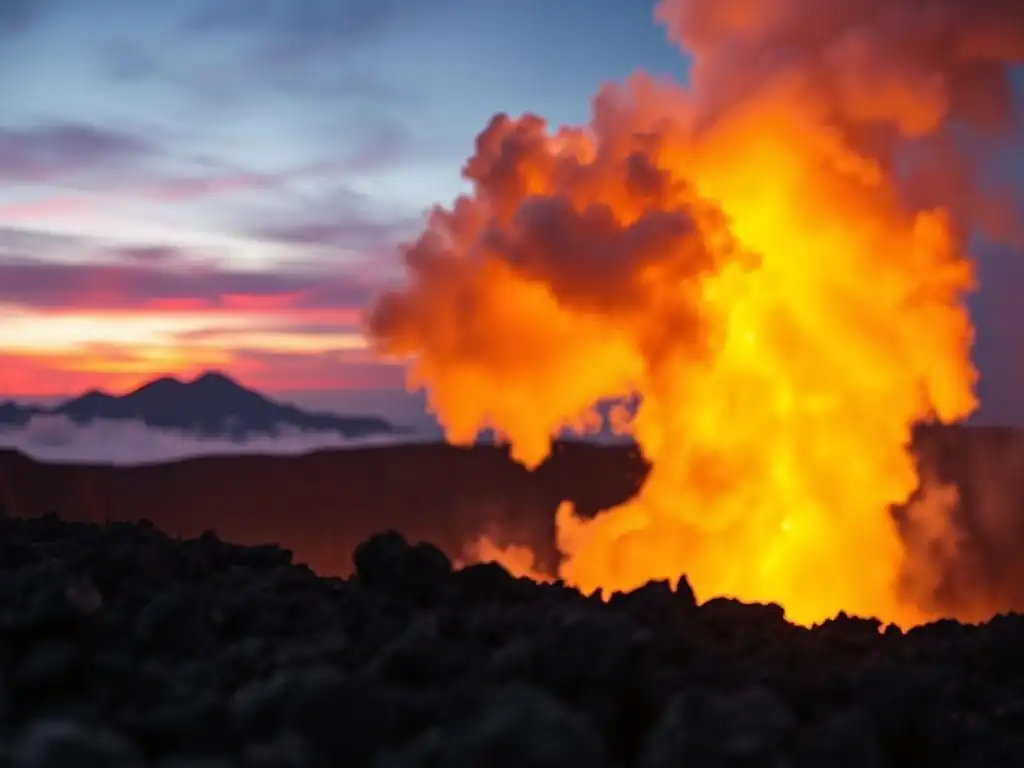
Dive into the fiery heart of volcanic mysteries with Volcano Explorers. Ever wondered if a sudden surge in sulfur dioxide always signals an impending eruption? Think again. Explore the complex science behind these atmospheric spikes and uncover the surprising truths hidden within the plumes in this deep dive into Sulfur Dioxide Eruption Indicators. The answers might just ignite your curiosity...
- Understanding Sulfur Dioxide (SO2) in Volcanic Monitoring
- Sulfur Dioxide Eruption Indicators: A Closer Look
- When SO2 Spikes Don't Mean Eruption: Alternative Explanations
- Distinguishing Eruption-Related SO2 Spikes from Other Sources
- Case Studies: SO2 Spikes and Volcanic Activity
- The Future of SO2 Monitoring in Volcano Exploration
- Staying Informed: Real-Time SO2 Monitoring Resources
-
Frequently Asked Questions
- What exactly is Sulfur Dioxide (SO2) and why is it monitored around volcanoes?
- How does the release of Sulfur Dioxide relate to volcanic eruptions?
- Is a spike in Sulfur Dioxide levels always a reliable indicator of an imminent volcanic eruption?
- What other factors do volcanologists consider besides Sulfur Dioxide when assessing eruption risk?
- Where can I find reliable, real-time updates on Sulfur Dioxide levels and volcanic activity around the world?
- Final Reflection: Unveiling the Secrets of Sulfur Dioxide
- Dive Deeper: Unravel the Secrets of Volcanic Gases!
Understanding Sulfur Dioxide (SO2) in Volcanic Monitoring
The Role of SO2 Gas in Volcano Assessment
Sulfur dioxide (SO2) is a key volcanic gas that plays a crucial role in assessing the state of a volcano. It is one of the most abundant gases released during volcanic activity, second only to water vapor, and its behavior can offer invaluable insights into subsurface magmatic processes. Specifically, changes in SO2 emission rates are often indicative of magma movement towards the surface.
As magma ascends, the pressure decreases, causing dissolved gases like SO2 to be released. Monitoring these gas emissions is a cornerstone of modern volcanology, helping scientists understand if a volcano is becoming more restless or if its activity is remaining stable. The continuous measurement of SO2 provides a window into the otherwise hidden dynamics occurring beneath the Earth's surface.
Volcanic SO2 emissions are not just important for eruption forecasting; they also have significant environmental impacts. When large quantities of SO2 are released into the atmosphere, they can react with water vapor to form sulfuric acid aerosols. These aerosols can contribute to acid rain, impacting vegetation, water bodies, and infrastructure downwind of volcanoes.
Furthermore, in major eruptions, SO2 can reach the stratosphere, where it can have a cooling effect on global climate by reflecting sunlight back into space. Therefore, understanding and quantifying volcanic SO2 is critical not only for hazard assessment but also for comprehending the broader environmental consequences of volcanic activity on regional and global scales.
How Volcano Observatories Use SO2 Data
Volcano observatories around the world rely heavily on SO2 data as a crucial parameter in their monitoring programs. Sophisticated instruments, both ground-based and satellite-borne, are employed to measure SO2 concentrations and emission rates. Ground-based instruments like spectrometers, such as the Differential Optical Absorption Spectroscopy (DOAS) system, are often deployed near volcanoes to provide continuous, high-resolution measurements of SO2 flux directly from volcanic plumes. These systems analyze the absorption of ultraviolet and visible light by SO2 gas to determine its concentration.
Satellite instruments, such as the Ozone Monitoring Instrument (OMI) and the Tropospheric Monitoring Instrument (TROPOMI), offer a broader perspective, capable of measuring SO2 emissions from volcanoes globally, even in remote locations. Satellites provide daily or even more frequent coverage, allowing for the detection of changes in SO2 emissions over large areas. Observatories integrate data from these diverse sources to build a comprehensive picture of a volcano's degassing behavior.
By tracking changes in SO2 emissions over time, volcanologists can identify trends, detect anomalies, and better assess the likelihood of volcanic unrest escalating into an eruption. This multi-faceted approach to SO2 monitoring is essential for providing timely warnings and mitigating volcanic risks.
Sulfur Dioxide Eruption Indicators: A Closer Look
Defining "Spikes" in SO2 Concentrations
In the context of volcanic monitoring, "spikes" in SO2 concentrations refer to a sudden and significant increase in the amount of sulfur dioxide gas being released from a volcano. These spikes are not just minor fluctuations; they represent a noticeable departure from the baseline levels of SO2 emission that are typically observed during periods of quiescence or background activity. Defining what constitutes a "significant" spike is often volcano-specific and depends on the typical degassing behavior of that particular volcanic system.
For a volcano that usually emits very low levels of SO2, even a small increase might be considered a spike. Conversely, for a volcano with consistently high degassing rates, a spike would need to be a more substantial and abrupt change to be considered noteworthy.
The duration and magnitude of an SO2 spike are also important factors in its interpretation. A short-lived, sharp increase followed by a rapid return to baseline levels might have a different significance compared to a sustained, gradual increase in SO2 emissions.
Volcanologists often use statistical methods and compare current SO2 data to historical records to determine if an observed increase is truly anomalous and warrants further investigation. The context is key, and understanding the typical behavior of a specific volcano, including its past SO2 emission patterns, is essential for accurately interpreting SO2 spikes as potential indicators of changes in volcanic activity.
Why Sulfur Dioxide Emissions Matter for Eruption Prediction
Sulfur dioxide emissions are crucial for eruption prediction because they are directly linked to the movement of magma and the processes occurring within a volcano's plumbing system. As magma rises towards the surface, the reduction in pressure causes dissolved gases, including SO2, to exsolve or come out of solution.
An increase in SO2 emissions can indicate that fresh magma is ascending, bringing with it a higher concentration of dissolved gases that are then released at the surface. This process is often associated with pre-eruptive unrest, as the influx of new magma can increase pressure within the volcanic system and potentially lead to an eruption.
Furthermore, changes in the rate of SO2 emission can be particularly informative. A rapidly increasing SO2 flux suggests a faster rate of magma ascent and degassing, which might indicate a more imminent eruption threat. Conversely, a gradual increase in SO2 might signal a slower, less urgent process.
However, it is crucial to remember that SO2 is just one piece of the puzzle. While elevated SO2 levels can be an early warning sign, eruption prediction is rarely based on a single parameter. Volcanologists integrate SO2 data with other monitoring techniques, such as seismicity, ground deformation, and thermal measurements, to develop a more comprehensive and reliable assessment of volcanic activity and eruption potential.
When SO2 Spikes Don't Mean Eruption: Alternative Explanations
Magma Degassing Without Explosive Activity
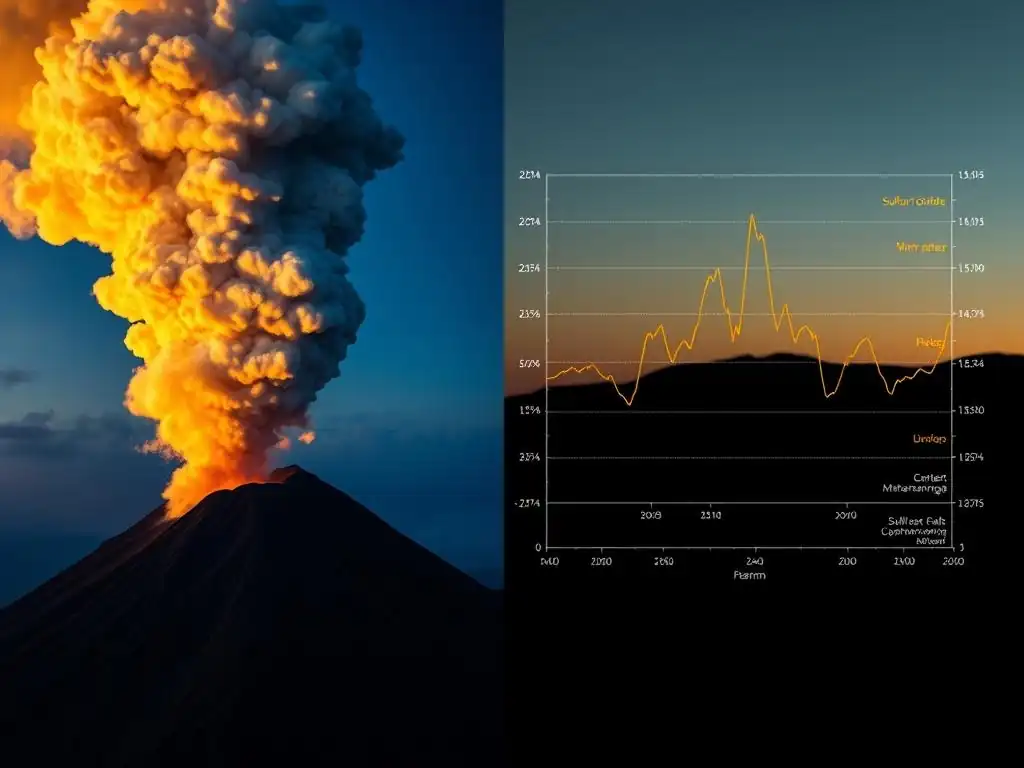
It is important to recognize that spikes in SO2 emissions do not always culminate in explosive eruptions. Volcanoes can degas magma without leading to major eruptive events. This can occur through several mechanisms.
For instance, magma might stall at depth, where it continues to release gases, including SO2, but the pressure buildup is not sufficient to trigger an eruption. This "passive degassing" can result in elevated SO2 levels without any accompanying explosive activity. Volcanoes like Kilauea in Hawaii, for example, are known for their persistent degassing and lava lake activity, which release significant amounts of SO2, but not always in association with large eruptions.
Another scenario is when magma degasses through fumaroles, which are vents or openings in the Earth's surface that emit steam and volcanic gases. Increased fumarolic activity can lead to spikes in SO2 detection in the vicinity of these vents.
This might reflect changes in the permeability of the volcanic edifice or an increase in the flux of gases from deeper magma reservoirs, but it doesn't necessarily indicate an imminent eruption. Distinguishing between SO2 spikes that are related to pre-eruptive magma ascent and those caused by passive degassing or fumarolic activity is a key challenge in volcano monitoring and requires careful analysis of the broader volcanic context.
Influence of Atmospheric Conditions on SO2 Detection
Atmospheric conditions can significantly influence the detection and measurement of SO2, potentially leading to apparent spikes that are not directly related to changes in volcanic degassing rates. Factors such as wind direction, wind speed, and atmospheric stability can affect how volcanic plumes are dispersed and how SO2 concentrations are measured. For example, if the wind shifts and carries a volcanic plume directly over a ground-based SO2 sensor, it could register a temporary spike in concentration, even if the actual SO2 emission rate from the volcano has remained constant.
Similarly, rainfall and humidity can affect the lifetime and dispersion of SO2 in the atmosphere. SO2 can react with water vapor to form sulfuric acid aerosols, which are removed from the atmosphere more readily than SO2 gas itself. Changes in humidity or rainfall patterns could therefore influence the amount of SO2 detected by sensors, leading to fluctuations that are driven by meteorological factors rather than changes in volcanic activity.
Furthermore, atmospheric turbulence can cause variations in plume dispersion, leading to "noisy" SO2 signals that might appear as short-term spikes. Volcano observatories must consider and account for these atmospheric influences when interpreting SO2 data to avoid misinterpreting meteorological effects as genuine changes in volcanic degassing.
External Factors Affecting SO2 Levels Near Volcanoes
Besides volcanic degassing and atmospheric conditions, external factors unrelated to the volcano itself can sometimes contribute to elevated SO2 levels detected in the vicinity of volcanic areas. Industrial activities, such as power plants, refineries, and smelters, are significant sources of anthropogenic SO2 emissions. If these sources are located near volcanoes, their emissions could be mistakenly attributed to volcanic activity, especially if monitoring instruments are not carefully positioned or if data analysis does not adequately account for potential non-volcanic sources.
Another potential external factor is biomass burning, including forest fires and agricultural fires. These fires can release substantial amounts of SO2 and other pollutants into the atmosphere. In regions prone to wildfires, smoke plumes carrying SO2 could drift over volcanic areas and be detected by monitoring stations.
It is crucial for volcano observatories to be aware of potential external SO2 sources in their monitoring regions and to employ techniques to differentiate between volcanic and non-volcanic SO2 signals. This might involve analyzing the spatial distribution of SO2 concentrations, examining wind patterns to trace the origin of plumes, and using chemical fingerprinting techniques to distinguish between different SO2 sources.
Analyzing SO2 Flux: Volume and Rate of Emission
To effectively distinguish eruption-related SO2 spikes from other sources, analyzing the SO2 flux, which is the volume and rate of emission, is crucial. Simply measuring SO2 concentration is often insufficient, as concentration can be affected by plume dispersion and atmospheric conditions. SO2 flux, on the other hand, represents the total amount of SO2 gas being released by the volcano per unit time and is a more robust indicator of degassing activity. Calculating SO2 flux typically involves measuring SO2 concentration within the volcanic plume and then combining this with measurements of plume velocity and plume cross-sectional area.
By tracking changes in SO2 flux over time, volcanologists can gain a clearer picture of whether an SO2 spike is due to a genuine increase in volcanic degassing. A sustained and significant increase in SO2 flux is more likely to be associated with magma ascent and potential eruption than a short-lived concentration spike that might be caused by atmospheric variability. Furthermore, analyzing the rate of change in SO2 flux can be informative.
A rapidly increasing SO2 flux might suggest a more urgent scenario than a slowly increasing flux. Sophisticated data analysis techniques, including time series analysis and statistical modeling, are used to identify significant changes in SO2 flux and to separate volcanic signals from background noise and atmospheric influences.
Correlating SO2 Data with Other Volcanic Monitoring Techniques
To improve the accuracy of eruption forecasting and to differentiate eruption-related SO2 spikes from other phenomena, it is essential to correlate SO2 data with other volcanic monitoring techniques. Volcano observatories employ a multi-parameter approach, integrating data from seismology, ground deformation measurements, thermal monitoring, and other gas monitoring systems alongside SO2 data. This holistic approach provides a more comprehensive understanding of the state of a volcano and reduces the risk of misinterpreting SO2 spikes in isolation.
Seismic Activity and SO2 Release
Seismic activity is often a precursor to volcanic eruptions and is closely linked to magma movement and degassing processes. An increase in seismicity, particularly volcanic tremor or volcano-tectonic earthquakes, occurring in conjunction with an SO2 spike, strengthens the interpretation that the SO2 increase is eruption-related. Magma ascent can fracture surrounding rocks, generating earthquakes, and it can also drive increased degassing.
Therefore, a simultaneous increase in both seismicity and SO2 emission is a strong indicator of heightened volcanic unrest and a potentially increased eruption probability. Conversely, an SO2 spike that is not accompanied by significant changes in seismicity might be less indicative of an imminent eruption and could be attributed to other factors, such as passive degassing or atmospheric effects.
Ground Deformation and SO2 Emission Patterns
Ground deformation, which refers to changes in the shape of the volcano's surface, is another crucial parameter to correlate with SO2 emission patterns. Magma intrusion into the volcanic edifice can cause inflation or swelling of the ground, which can be measured using techniques like GPS and satellite interferometry (InSAR). If an SO2 spike is observed concurrently with ground deformation indicating inflation, it further supports the interpretation that magma is moving beneath the surface and driving both degassing and ground uplift.
The spatial pattern of ground deformation can also provide valuable information. For instance, localized deformation near the summit vent might be more directly related to eruption potential than broader, regional deformation. Combining ground deformation data with SO2 emission data allows for a more robust assessment of the volcanic system's state and the processes driving observed changes.
Thermal Anomalies and SO2 Gas Measurements
Thermal anomalies, or changes in the heat output from a volcano, can also be indicative of volcanic unrest and are valuable to correlate with SO2 gas measurements. Increased magma ascent and degassing often lead to an increase in surface temperatures, which can be detected using thermal infrared cameras and satellite-based thermal sensors.
If an SO2 spike is accompanied by a thermal anomaly, it strengthens the evidence that the SO2 increase is related to magmatic processes. For example, an increase in fumarole temperatures or the development of new hot spots on the volcano flank, coinciding with an SO2 spike, would be a concerning sign.
Conversely, an SO2 spike without a corresponding thermal anomaly might suggest a different origin, such as a change in fumarole distribution or atmospheric effects. Integrating thermal monitoring data with SO2 measurements provides a more comprehensive picture of the volcano's thermal and degassing behavior, aiding in the differentiation of eruption-related SO2 spikes from other sources.
Case Studies: SO2 Spikes and Volcanic Activity
Case Study 1: Mount St. Helens - Eruption Preceded by SO2 Surge
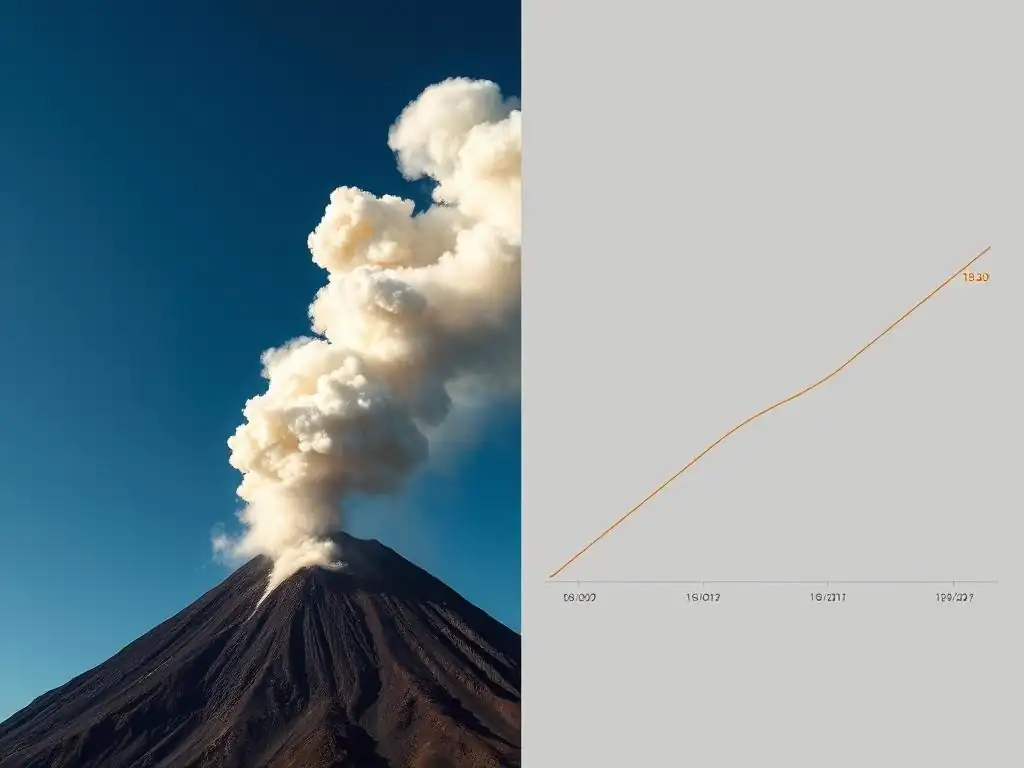
The 1980 eruption of Mount St. Helens provides a compelling case study where a surge in SO2 emissions played a role in the pre-eruption unrest. In the months leading up to the catastrophic eruption on May 18, 1980, scientists at the USGS Vancouver Volcano Observatory were closely monitoring the volcano. While seismicity and ground deformation were the most prominent precursors, changes in gas emissions, including SO2, were also observed.
Specifically, in late April and early May 1980, there was a noticeable increase in the SO2 flux emanating from Mount St. Helens. This surge in SO2 was interpreted as a sign of increased degassing from the magma system beneath the volcano.
Although the SO2 increase was not as dramatic or long-lasting as the seismic and deformation signals, it contributed to the growing evidence that Mount St. Helens was heading towards a major eruption. The SO2 data, combined with the intensifying earthquake activity and the rapidly growing bulge on the north flank of the volcano, painted a picture of a highly unstable volcanic system.
The subsequent lateral blast and Plinian eruption on May 18th validated the interpretation of these precursory signals, including the SO2 surge, as indicators of escalating volcanic unrest. This case highlights the value of SO2 monitoring as part of a multi-parameter approach to eruption forecasting, even when SO2 signals are not the most dominant precursors.
Case Study 2: Popocatépetl - SO2 Increase Without Subsequent Eruption
Popocatépetl volcano in Mexico, one of the most active volcanoes in North America, offers an example where SO2 spikes have been observed without leading to a major eruption. Popocatépetl is known for its frequent episodes of degassing, dome growth, and small to moderate explosions. Over the years, the volcano has exhibited numerous increases in SO2 emissions, often associated with periods of heightened activity.
However, not all SO2 spikes at Popocatépetl have been followed by significant eruptions. In many instances, increases in SO2 have been related to changes in degassing rates, adjustments in the conduit system, or minor magma intrusions that did not reach the surface explosively.
For example, during periods of increased fumarolic activity or episodes of dome growth within the summit crater, Popocatépetl often shows elevated SO2 levels. These increases can be substantial and may even trigger heightened alert levels at the volcano. However, in many cases, the activity remains at a moderate level, with degassing and minor explosions continuing, but without escalating into a large-scale eruption.
This demonstrates that while SO2 spikes at Popocatépetl often reflect changes in volcanic processes, they are not always a reliable predictor of a major eruption. The context is crucial, and volcanologists must consider the overall monitoring data, including seismicity, deformation, and other gas species, to properly interpret SO2 spikes and assess the eruption potential at Popocatépetl and similar persistently active volcanoes.
The Future of SO2 Monitoring in Volcano Exploration
Advancements in SO2 Detection Technology
The future of SO2 monitoring in volcano exploration is bright, with ongoing advancements in detection technology promising to improve our ability to measure and interpret volcanic gas emissions. One key area of development is in miniaturization and portability of SO2 sensors. Smaller, lighter, and more energy-efficient instruments are being developed, allowing for deployment in more remote and challenging volcanic environments. These advancements facilitate the establishment of denser monitoring networks on volcanoes, providing more spatially and temporally detailed SO2 data.
Another exciting area is the development of new spectroscopic techniques for SO2 detection. Improved spectrometers with higher sensitivity and selectivity are being designed to enhance the accuracy and precision of SO2 measurements, even in complex volcanic plumes containing other gases and aerosols. Furthermore, research is being conducted on novel sensor technologies, such as electrochemical sensors and laser-based sensors, which could offer advantages in terms of cost, robustness, and real-time monitoring capabilities. These technological advancements will contribute to more comprehensive and reliable SO2 monitoring, ultimately improving our understanding of volcanic processes and eruption forecasting.
Improving Eruption Forecasting with Enhanced SO2 Data Analysis
Enhanced SO2 data analysis techniques are crucial for translating improved monitoring data into more accurate eruption forecasts. Sophisticated statistical methods and machine learning algorithms are increasingly being applied to volcanic gas data to identify subtle patterns and anomalies that might be indicative of pre-eruptive unrest. Time series analysis techniques, such as autoregressive models and wavelet analysis, can be used to detect changes in SO2 emission trends and to distinguish between background variations and significant deviations.
Machine learning approaches, including neural networks and support vector machines, are being explored to develop predictive models that integrate SO2 data with other monitoring parameters. These models can learn complex relationships between different datasets and potentially identify precursors to eruptions that might not be apparent through traditional analysis methods.
Furthermore, advancements in data visualization and data sharing platforms are facilitating the integration of SO2 data into real-time volcano monitoring systems. These improvements in data analysis and integration will enable volcanologists to extract more meaningful information from SO2 monitoring data, leading to more timely and accurate eruption warnings and improved volcanic hazard mitigation.
Staying Informed: Real-Time SO2 Monitoring Resources
Accessing Live SO2 Data Feeds
Staying informed about real-time SO2 monitoring is increasingly accessible thanks to online resources provided by volcano observatories and global monitoring networks. Many volcano observatories, such as the USGS Volcano Hazards Program in the United States, the Instituto Geofísico del Perú (IGP), and the Instituto Nacional de Vulcanología y Seismología (INSIVUMEH) in Guatemala, publish near-real-time data and updates on volcanic activity, including SO2 measurements, on their websites. These websites often feature interactive maps, data plots, and reports that provide insights into current volcanic conditions.
Global initiatives like the System for Observation of Volcanic Clouds (NOVAC) and the Support to Aviation Control Service (SACS) also provide valuable resources for accessing SO2 data. NOVAC, for example, operates a network of ground-based spectrometers across multiple volcanic regions, providing near-real-time SO2 flux measurements for numerous volcanoes worldwide. SACS focuses on satellite-based monitoring of volcanic SO2 and ash clouds, providing information relevant to aviation safety. By utilizing these online resources, individuals, researchers, and civil authorities can access up-to-date information on volcanic SO2 emissions and stay informed about potential volcanic hazards.
Interpreting SO2 Emission Charts and Graphs
Understanding how to interpret SO2 emission charts and graphs is essential for utilizing real-time monitoring data effectively. SO2 data is typically presented as time series plots, showing SO2 concentration or flux over time. These plots often include baseline levels, representing the typical background degassing rate of the volcano, and alert thresholds, indicating levels of concern.
When examining SO2 charts, look for trends, such as gradual increases, sudden spikes, or sustained elevated levels. Pay attention to the scale of the y-axis (SO2 concentration or flux units) and the time scale on the x-axis to understand the magnitude and duration of any changes.
Compare current SO2 levels to historical data and to the volcano's typical behavior. Are the observed levels significantly above the baseline? Is the rate of increase rapid or gradual? Consider the context of other monitoring data, such as seismicity and deformation, when interpreting SO2 charts. A spike in SO2 accompanied by other signs of unrest is more concerning than an isolated SO2 increase. Volcano observatory websites often provide explanatory materials and guides on how to interpret their monitoring data, including SO2 charts, which can be valuable resources for improving data literacy.
Understanding Volcano Alert Levels and SO2 Indicators
Volcano alert levels are often used to communicate the current state of a volcano and the potential for eruption to the public and authorities. While alert level systems vary between countries and observatories, they generally incorporate multiple monitoring parameters, including SO2 emissions, seismicity, ground deformation, and other indicators of volcanic unrest. SO2 levels are typically considered as one factor among several in determining alert levels. An increase in SO2 emissions, particularly if it is significant and sustained, can contribute to raising the alert level for a volcano.
However, it is important to understand that alert levels are not solely based on SO2 data. Volcano observatories use a holistic assessment, considering all available monitoring information to determine the appropriate alert level. The specific criteria for each alert level, and the role of SO2 indicators within those criteria, are usually outlined in volcano observatory publications and websites.
Familiarizing yourself with the alert level system for a specific volcano and understanding how SO2 emissions factor into that system can help you interpret volcano status updates and warnings more effectively. Remember to always consult official sources, such as volcano observatory websites and government agencies, for the most accurate and up-to-date information on volcano alert levels and volcanic hazards.
Frequently Asked Questions
What exactly is Sulfur Dioxide (SO2) and why is it monitored around volcanoes?
Sulfur Dioxide (SO2) is a volcanic gas released during volcanic activity. Monitoring SO2 levels helps scientists understand the state of the magma and predict potential eruptions.
How does the release of Sulfur Dioxide relate to volcanic eruptions?
Increased SO2 emissions can indicate that magma is rising closer to the surface, releasing dissolved gases. This process can precede a volcanic eruption, but not always.
Is a spike in Sulfur Dioxide levels always a reliable indicator of an imminent volcanic eruption?
No, elevated SO2 doesn't guarantee an eruption. It can also result from changes in magma composition or increased degassing without leading to an eruption.
What other factors do volcanologists consider besides Sulfur Dioxide when assessing eruption risk?
Volcanologists also monitor ground deformation, seismic activity, and changes in other gas emissions like carbon dioxide, combining these data points for a comprehensive risk assessment.
Where can I find reliable, real-time updates on Sulfur Dioxide levels and volcanic activity around the world?
VolcanoExplorers.org provides real-time updates on volcanic activity, including SO2 levels, based on data from satellites and ground-based sensors. You can also consult official government sources.
Final Reflection: Unveiling the Secrets of Sulfur Dioxide
The insights we've explored regarding sulfur dioxide spikes are not merely academic; they are critical for understanding and mitigating the potential hazards associated with volcanic activity. In a world increasingly vulnerable to natural disasters, accurately interpreting these atmospheric signals is paramount for safeguarding communities and infrastructure. The ability to differentiate between eruptive and non-eruptive sources of sulfur dioxide is no longer a scientific curiosity, but a pressing necessity.
The complexities surrounding sulfur dioxide detection and interpretation highlight the ongoing dance between scientific understanding and the unpredictable nature of our planet. This exploration has reinforced the importance of continuous monitoring and interdisciplinary collaboration in volcanology. The only way to do great work is to love what you do.
- Steve Jobs. This quote resonates deeply, as the dedication of scientists worldwide to unraveling these mysteries is driven by a profound respect for the Earth and a commitment to protecting its inhabitants.
As we conclude this exploration, I invite you to consider the broader implications of our findings. How can we, as individuals and as a society, support the ongoing research and monitoring efforts that are vital for understanding and predicting volcanic activity? Let us embrace a spirit of curiosity and vigilance, recognizing that a deeper understanding of our planet is the key to a safer and more resilient future.
Okay, I'm ready to craft a compelling Call to Action (CTA) for a web article titled "Sulfur Dioxide Spikes: Are They Always a Sign of Eruption?" on the website Volcano Explorers (volcanoexplorers.org). Here it is:
Dive Deeper: Unravel the Secrets of Volcanic Gases!
Thanks for exploring the fascinating world of sulfur dioxide with us! We hope you now have a clearer understanding of its role in volcanic activity and the nuances behind those telltale spikes. Ready to put your knowledge to the test?
Here are a few ways to continue your exploration:
- Start tracking SO2 emissions yourself! Use readily available satellite data (links can be found online) and compare it to historical eruption data to identify potential anomalies in your region.
- Share this article with fellow volcano enthusiasts and spark a discussion on different interpretations of SO2 data.
- Consider joining the Volcano Explorers community forum to contribute your insights and learn from others actively monitoring volcanic activity.
What intriguing SO2 patterns have you noticed lately, and what mysteries do they hold? Share your thoughts in the comments below!