
Radioactive Rocks? Unveiling the Geothermal Secrets Within Volcanic Formations

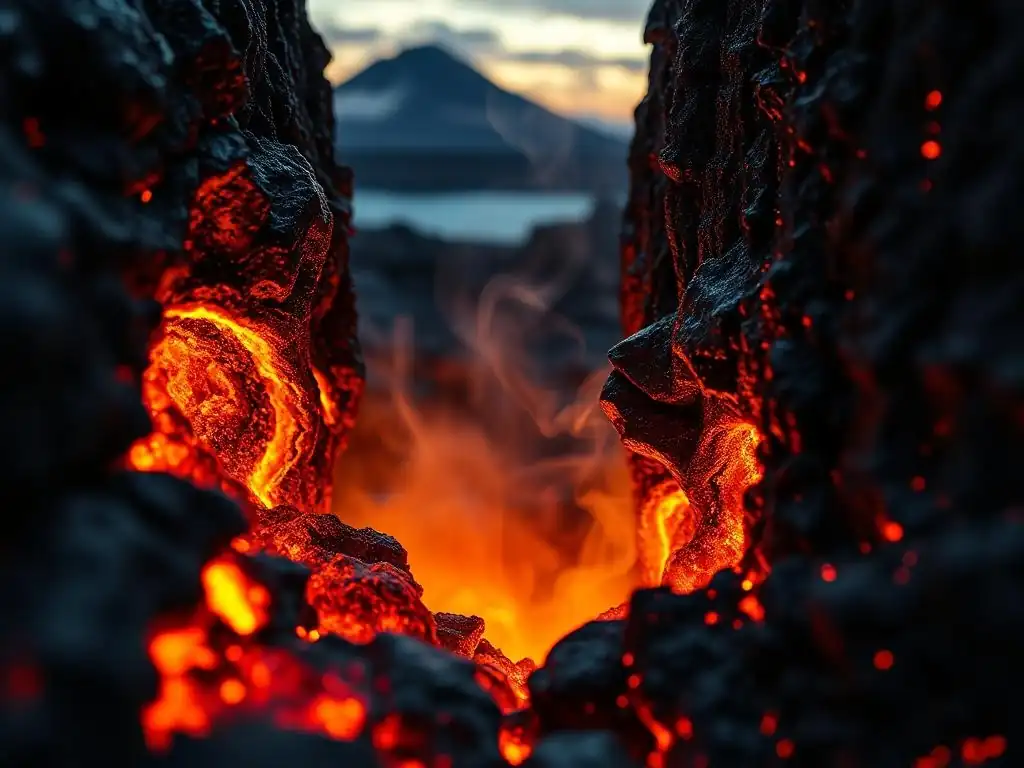
Welcome to Volcano Explorers, where the Earth's fiery heart beats loud! Ever wondered if the ground beneath a volcano could power our cities? Dive into the sizzling science of geothermal energy from volcanic rocks and prepare to have your perceptions of these formidable giants completely transformed. What secrets lie dormant within these radioactive formations, and how can we harness their immense power? The answers, and a world of volcanic wonder, await you...
- Geothermal Energy from Volcanic Formations: A Sustainable Resource
- Introduction: Harnessing Earth's Internal Heat
- Understanding Geothermal Heat Generation in Volcanic Regions
- Exploration and Assessment of Geothermal Resources in Volcanic Rocks
- Geothermal Energy Extraction and Utilization Technologies
- Environmental Impact and Sustainability of Geothermal Development
- Case Studies: Successful Geothermal Projects in Volcanic Regions
- The Role of Geoscientists and Engineers in Geothermal Energy
- Conclusion: The Future of Geothermal Energy from Volcanic Rocks
- Further Resources: Organizations, Publications, and Data Repositories
-
Frequently Asked Questions
- What is geothermal energy, and how is it related to volcanic rocks?
- How do volcanic rocks contribute to geothermal energy production?
- Are all volcanic rocks suitable for geothermal energy extraction?
- What are some of the environmental benefits of using geothermal energy from volcanic formations?
- What are the potential risks or challenges associated with geothermal energy extraction from volcanic areas?
- Final Reflection: Harnessing Earth's Fiery Heart
- Ignite Your Inner Explorer: Tap into Geothermal Power!
Geothermal Energy from Volcanic Formations: A Sustainable Resource
Introduction: Harnessing Earth's Internal Heat
The Potential of Geothermal Energy: A Renewable Alternative
Geothermal energy, derived from the Earth's internal heat, stands as a potent and largely untapped renewable energy source. Unlike solar or wind power, geothermal energy provides a consistent and reliable energy supply, unaffected by weather conditions or time of day. This inherent stability makes it an attractive alternative to fossil fuels, which are finite and contribute significantly to greenhouse gas emissions. As global energy demands increase and concerns about climate change escalate, the potential of geothermal energy to provide clean, baseload power becomes increasingly critical in the transition to a sustainable energy future.
The accessibility and viability of geothermal energy are geographically dependent, with volcanically active regions presenting particularly favorable conditions. These areas, characterized by elevated heat flow and permeable subsurface formations, offer readily available geothermal resources that can be harnessed for both electricity generation and direct heat applications. The development of geothermal energy in these regions not only promises energy independence but also aligns with environmental sustainability goals, offering a cleaner pathway to meet growing energy needs compared to conventional energy sources.
Volcanic Rocks as a Geothermal Reservoir: An Overview
Volcanic rocks, formed from the cooling and solidification of magma or lava, play a crucial role in geothermal energy systems. Their geological properties, including porosity and permeability, can act as natural reservoirs for geothermal fluids. Fractured volcanic rocks, in particular, are highly effective in storing and transmitting heat due to their interconnected network of fissures and pores. This allows for the accumulation of heated water and steam, which can then be extracted and utilized for energy production.
The geothermal potential of volcanic rocks is further enhanced by their proximity to heat sources. Volcanic regions are often associated with active or recently active magmatic systems, which provide a continuous supply of heat to the surrounding rocks and fluids. This combination of readily available heat and suitable reservoir characteristics makes volcanic formations prime targets for geothermal energy exploration and development. Understanding the specific geological and thermal properties of different volcanic rock types is essential for optimizing geothermal energy extraction and ensuring the long-term sustainability of these resources.
Understanding Geothermal Heat Generation in Volcanic Regions
Magmatic Heat: The Primary Source of Geothermal Energy
Magmatic heat constitutes the primary and most significant source of geothermal energy in volcanic regions. Deep within the Earth's crust and upper mantle, molten rock, known as magma, is generated through processes like radioactive decay and residual heat from Earth's formation. This magma, at temperatures ranging from 700°C to 1300°C, ascends towards the surface, transferring immense amounts of thermal energy to the surrounding rocks. The closer the magma body is to the surface, the higher the geothermal gradient, leading to significantly elevated temperatures at relatively shallow depths.
The heat from magma is transferred to the surrounding geological formations through conduction and convection. Conduction involves the direct transfer of heat through solid materials, while convection occurs through the movement of heated fluids, primarily water and steam, within permeable rock formations. In volcanic regions, both processes are highly efficient due to the presence of fractured rocks and hydrothermal systems.
The continuous replenishment of heat from the magmatic source ensures a sustained geothermal resource, making it a reliable and long-term energy option. For example, the intense geothermal activity around the Pacific Ring of Fire is directly linked to the active volcanism and underlying magmatic heat sources in these regions.
Radiogenic Heat: The Contribution of Radioactive Decay
While magmatic heat dominates in volcanic areas, radiogenic heat also plays a significant, albeit secondary, role in the overall geothermal energy budget. Naturally occurring radioactive isotopes within the Earth's crust, such as uranium (U), thorium (Th), and potassium (K), undergo radioactive decay, releasing energy in the form of heat. These radioactive elements are distributed throughout various rock types, including volcanic rocks, and their decay contributes to the Earth's overall heat flow.
The contribution of radiogenic heat, while less concentrated than magmatic heat, is distributed across a much larger volume of the Earth's crust and is a continuous process over geological timescales. In regions away from active volcanic centers, radiogenic heat can be the primary source of geothermal energy. Even in volcanic areas, it adds to the background heat flow, enhancing the overall geothermal potential. Studies estimate that radiogenic heat contributes approximately 50% of the Earth's total heat flow, highlighting its importance as a long-term geothermal heat source.
Uranium, Thorium, and Potassium: Key Heat-Producing Elements
Uranium-238, Thorium-232, and Potassium-40 are the primary radioactive isotopes responsible for radiogenic heat production within the Earth. Uranium and thorium, belonging to the actinide series, undergo long decay chains, releasing a significant amount of energy over billions of years. Potassium-40, though less abundant, also contributes substantially to radiogenic heat production due to its relatively high decay energy and shorter half-life compared to uranium and thorium.
The concentration of these heat-producing elements varies depending on rock type and geological setting. Granitic rocks, for instance, tend to have higher concentrations of uranium and thorium compared to basaltic rocks. Volcanic rocks, while generally lower in these elements than granites, still contain sufficient amounts to contribute to radiogenic heat flow, especially in areas with thicker crustal sections or enriched in specific minerals. The decay of these elements within volcanic rocks contributes to the overall geothermal gradient and enhances the subsurface temperature regime, making these formations even more attractive for geothermal energy exploitation.
Heat Flow in Volcanic Systems: Conduction and Convection
Heat transfer in volcanic geothermal systems occurs through two primary mechanisms: conduction and convection. Conduction is the process of heat transfer through direct contact, where thermal energy moves from hotter to colder regions within a solid material. In volcanic rocks, conduction is significant, especially in the deeper, less permeable zones. However, it is a relatively slow process compared to convection.
Convection, on the other hand, is the transfer of heat through the movement of fluids. In geothermal systems, this fluid is typically water, which, when heated by magmatic or radiogenic sources, becomes less dense and rises. This upward movement of hot water is replaced by cooler water sinking down, creating a convective circulation pattern.
Convection is a much more efficient heat transfer mechanism than conduction, particularly in fractured and permeable volcanic rocks. This process facilitates the rapid transport of heat from deep sources to shallower depths, concentrating geothermal energy in accessible reservoirs. The interplay of conduction and convection determines the overall heat flow and temperature distribution within volcanic geothermal systems, influencing the efficiency and sustainability of geothermal energy extraction.
Exploration and Assessment of Geothermal Resources in Volcanic Rocks
Geological and Geophysical Surveys: Identifying Potential Sites
The exploration for geothermal resources in volcanic rocks commences with comprehensive geological and geophysical surveys. Geological surveys involve detailed mapping of surface geology, identifying volcanic rock formations, fault lines, and hydrothermal alteration zones. These surface features can provide crucial clues about subsurface geological structures and potential geothermal reservoirs. For example, the presence of hot springs, fumaroles, and geysers on the surface are strong indicators of underlying geothermal activity and permeable pathways for geothermal fluids.
Geophysical surveys employ a range of techniques to probe the subsurface and characterize geothermal resources. These methods include seismic surveys, which use sound waves to map subsurface geological structures and identify potential reservoirs; electrical resistivity surveys, which measure the electrical conductivity of rocks and can delineate areas saturated with conductive hot water; and gravity and magnetic surveys, which help identify subsurface density and magnetic variations related to geological structures and alteration zones associated with geothermal systems.
The integration of geological and geophysical data is crucial for building a comprehensive understanding of the subsurface and identifying promising locations for geothermal exploration drilling.
Remote Sensing Techniques: Mapping Thermal Anomalies
Remote sensing technologies provide a powerful tool for the initial assessment and mapping of geothermal resources in volcanic regions, particularly in large and inaccessible areas. Satellite and airborne thermal infrared (TIR) sensors detect variations in surface temperature, allowing for the identification of thermal anomalies that may indicate subsurface geothermal activity. These anomalies can represent areas of enhanced heat flow, geothermal surface manifestations like hot springs, or even areas of shallow, hot ground related to volcanic activity.
Analysis of TIR data can help delineate geothermal areas and prioritize regions for more detailed ground-based exploration. For instance, satellite imagery from missions like Landsat and ASTER has been used to identify geothermal anomalies in volcanic regions around the world. Furthermore, advanced techniques like hyperspectral imaging can provide information about the mineralogy of surface rocks and alteration zones, which can be indicative of past or present hydrothermal activity. Remote sensing provides a cost-effective and efficient method for reconnaissance-level geothermal exploration and complements traditional geological and geophysical surveys.
Gravity and Magnetic Surveys: Delineating Subsurface Structures
Gravity and magnetic surveys are valuable geophysical methods for delineating subsurface geological structures that are critical for geothermal resource assessment in volcanic terrains. Gravity surveys measure variations in the Earth's gravitational field, which are influenced by density contrasts in subsurface rocks. In volcanic regions, gravity surveys can help identify denser intrusive bodies, buried volcanic structures, and fault systems that may act as conduits for geothermal fluids. For instance, gravity lows may indicate less dense altered rocks or geothermal reservoirs, while gravity highs could represent denser volcanic plugs or intrusive bodies.
Magnetic surveys measure variations in the Earth's magnetic field caused by the magnetic properties of subsurface rocks. Volcanic rocks often contain magnetic minerals, and magnetic surveys can help map the distribution of different volcanic units, identify buried volcanic structures, and delineate fault zones. Changes in magnetic susceptibility can also indicate hydrothermal alteration, as alteration processes can destroy or create magnetic minerals. Combined gravity and magnetic data provide complementary information about subsurface geological architecture and can significantly improve the understanding of geothermal reservoir settings in volcanic regions.
Temperature Gradient Measurements: Determining Heat Flow
Temperature gradient measurements are a direct method for assessing geothermal heat flow and identifying areas with enhanced geothermal potential. These measurements involve drilling shallow boreholes, typically tens to hundreds of meters deep, and recording the temperature at different depths. The temperature gradient, expressed in °C/km, is calculated by dividing the temperature difference by the depth interval. A higher temperature gradient indicates a greater rate of heat flow from the Earth's interior.
In volcanic regions, temperature gradient measurements are crucial for delineating areas with anomalous heat flow associated with magmatic systems or deep-seated faults. Regions with significantly elevated temperature gradients are prime targets for further geothermal exploration and development. While shallow temperature gradient measurements provide valuable initial information, deeper temperature logs obtained from exploration wells are necessary for a more accurate assessment of the geothermal resource at depth and for designing efficient geothermal energy extraction systems. Combining temperature gradient data with other geological and geophysical information provides a robust basis for evaluating geothermal potential.
Geothermal Energy Extraction and Utilization Technologies
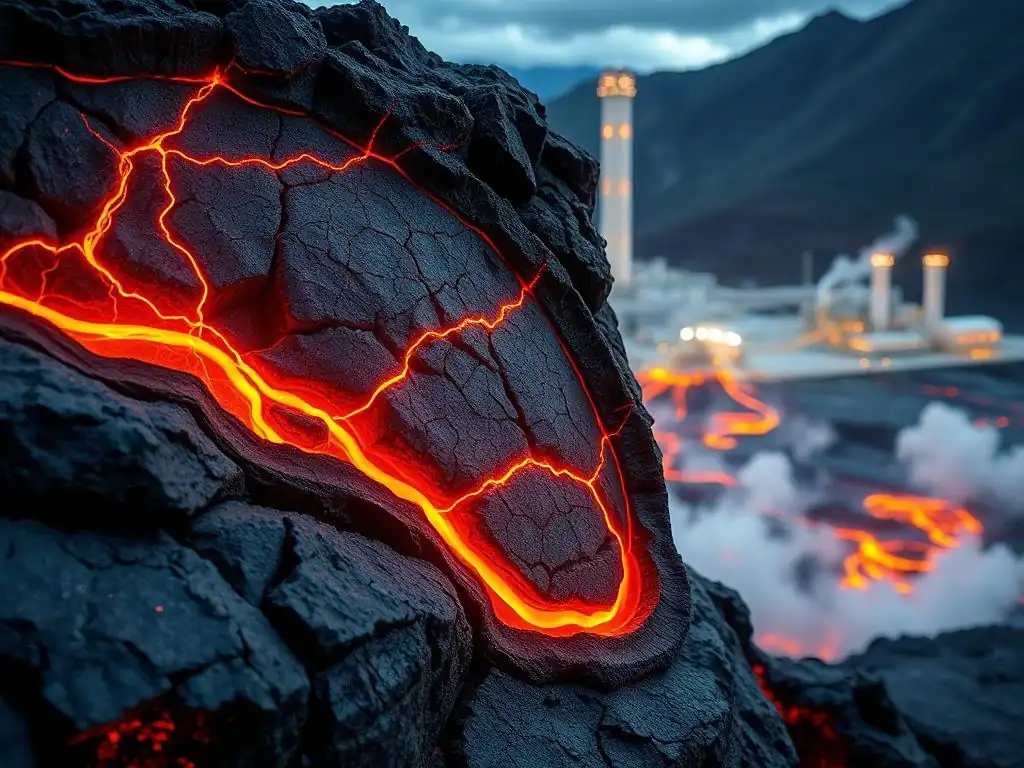
Enhanced Geothermal Systems (EGS): Accessing Deep Geothermal Resources
Enhanced Geothermal Systems (EGS) represent a cutting-edge technology that significantly expands the accessibility of geothermal energy, particularly in regions where naturally occurring hydrothermal resources are limited or inaccessible. EGS involves creating artificial geothermal reservoirs in hot, dry rocks that lack sufficient natural permeability and fluid saturation. This is achieved through hydraulic fracturing, a process where high-pressure fluid is injected into the subsurface to create fractures in the hot rocks, enhancing their permeability.
Once fractures are created, water is circulated through the engineered reservoir, heated by the hot rocks, and then brought to the surface to generate electricity or for direct heat applications. EGS technology opens up vast geothermal resources that were previously considered uneconomical, as it decouples geothermal energy development from the requirement of pre-existing hydrothermal systems.
Ongoing research and development in EGS are focused on improving fracturing techniques, enhancing heat exchange efficiency, and optimizing reservoir management to make EGS a more widely deployable and cost-competitive renewable energy technology. The potential of EGS is particularly relevant in volcanic regions where hot, dry rocks are often found at depth, even in areas without active hydrothermal systems.
Direct Use Applications: Heating, Agriculture, and Industrial Processes
Beyond electricity generation, geothermal energy offers a wide range of direct use applications, particularly advantageous in volcanic regions with accessible low-to-moderate temperature geothermal resources. Direct use applications involve utilizing geothermal heat directly without converting it to electricity, resulting in higher energy efficiency and reduced costs. District heating is a prominent direct use application, where geothermal hot water is piped to homes and buildings for space heating and hot water supply. Cities like Reykjavik, Iceland, famously utilize geothermal district heating systems, demonstrating its feasibility and effectiveness in volcanic areas.
In agriculture, geothermal heat can be used for greenhouse heating, soil warming, and aquaculture, extending growing seasons and increasing crop yields. Industrial processes also benefit from direct geothermal heat, including food processing, pulp and paper production, and mineral drying. Geothermal heat pumps, which utilize the stable temperature of the shallow subsurface, are another direct use technology for heating and cooling buildings, applicable even in areas with moderate geothermal gradients. Direct use applications of geothermal energy offer versatile and sustainable solutions for heating, industrial, and agricultural needs, particularly in volcanic regions where geothermal resources are readily available.
Geothermal Power Plants: Converting Heat into Electricity
Geothermal power plants are the technology used to convert geothermal heat into electricity, providing a clean and reliable baseload power source. Several types of geothermal power plants exist, each suited to different geothermal resource characteristics, primarily temperature and steam quality. Dry steam power plants utilize high-temperature steam directly from geothermal reservoirs to drive turbines and generate electricity.
Flash steam power plants are the most common type, using high-pressure hot water that is flashed into steam in a low-pressure tank to drive turbines. Binary cycle power plants are employed for moderate-temperature geothermal resources, using a secondary working fluid with a lower boiling point than water, which is heated by the geothermal water to drive turbines.
The choice of power plant technology depends on the specific characteristics of the geothermal resource. Volcanic regions often host high-temperature geothermal resources suitable for dry steam or flash steam power plants, which are highly efficient in converting geothermal heat into electricity. Advancements in geothermal power plant technology are focused on increasing efficiency, reducing costs, and improving operational flexibility to enhance the competitiveness of geothermal electricity generation. Geothermal power plants represent a proven and scalable technology for harnessing the Earth's internal heat to provide clean and sustainable electricity.
Environmental Impact and Sustainability of Geothermal Development
Minimizing Greenhouse Gas Emissions: A Clean Energy Source
Geothermal energy stands out as a significantly cleaner energy source compared to fossil fuels, with minimal greenhouse gas emissions. Geothermal power plants emit very low levels of greenhouse gases, typically less than 5% of the emissions from coal-fired power plants per unit of electricity generated. These emissions primarily consist of carbon dioxide (CO2) and hydrogen sulfide (H2S) naturally present in geothermal steam, but in modern geothermal plants, these emissions are often captured and mitigated using advanced technologies.
The life cycle greenhouse gas emissions of geothermal energy, including construction, operation, and decommissioning of power plants, are also substantially lower than fossil fuel energy sources. By displacing fossil fuel-based electricity generation, geothermal energy plays a crucial role in mitigating climate change and reducing air pollution. Furthermore, geothermal direct use applications, such as district heating, further reduce greenhouse gas emissions by replacing fossil fuel-based heating systems. Geothermal energy's low carbon footprint makes it a vital component of a transition to a sustainable and decarbonized energy future.
Water Management: Protecting Groundwater Resources
Sustainable geothermal development necessitates careful water management practices to protect groundwater resources. Geothermal power plants typically utilize water or steam extracted from geothermal reservoirs. In closed-loop systems, such as binary cycle plants, the geothermal fluid is reinjected back into the reservoir after heat extraction, minimizing water consumption and ensuring reservoir sustainability. However, in flash steam and dry steam plants, some water loss may occur due to steam release and blowdown.
To minimize water consumption and potential impacts on groundwater resources, geothermal operators implement water conservation measures, including condensate recovery, wastewater treatment, and efficient reinjection strategies. Careful monitoring of groundwater levels and water quality is essential to detect and mitigate any potential impacts from geothermal operations. Sustainable water management practices are crucial for ensuring the long-term viability and environmental compatibility of geothermal energy development, particularly in water-scarce regions. Responsible geothermal development prioritizes the protection of water resources through efficient utilization and careful management.
Land Use Considerations: Balancing Development and Conservation
Land use is an important consideration in geothermal energy development, requiring a balance between energy production and environmental conservation. Geothermal power plants and well pads occupy land, and associated infrastructure, such as pipelines and transmission lines, also require land area. However, the land footprint of geothermal power plants is relatively small compared to other energy sources, especially when considering the energy output per unit area. Moreover, geothermal facilities can be designed to minimize land disturbance and integrate with surrounding land uses.
In volcanic regions, geothermal development may occur in areas with unique ecosystems or cultural significance. Careful environmental impact assessments are crucial to identify potential impacts on biodiversity, sensitive habitats, and cultural heritage sites. Mitigation measures, such as habitat restoration, noise reduction, and visual screening, can minimize environmental impacts and ensure responsible geothermal development. Balancing energy needs with environmental and social considerations is essential for achieving sustainable and harmonious geothermal development in volcanic landscapes.
Case Studies: Successful Geothermal Projects in Volcanic Regions
The Geysers, California: A Vapor-Dominated System
The Geysers geothermal field in California stands as the world's largest geothermal complex, showcasing the immense potential of vapor-dominated geothermal systems in volcanic regions. Located in the Mayacamas Mountains north of San Francisco, The Geysers exploits a high-temperature, steam-dominated reservoir associated with volcanic activity. The geothermal field has been producing electricity since 1960, and currently, it has a generating capacity of over 725 megawatts, providing enough electricity to power a city the size of San Francisco.
The Geysers is characterized by exceptionally high temperatures, exceeding 240°C at depths of around 2 kilometers, and produces primarily dry steam, which is ideal for direct use in power plants. The success of The Geysers demonstrates the long-term viability and large-scale potential of geothermal energy in volcanic regions. Despite decades of production, The Geysers continues to be a significant contributor to California's renewable energy portfolio, highlighting the sustainability of well-managed geothermal resources. Ongoing research and advanced drilling techniques are further extending the lifespan and productivity of this iconic geothermal field.
Larderello, Italy: Pioneering Geothermal Power Generation
Larderello, Italy, holds the distinction of being the birthplace of geothermal electricity generation, marking the beginning of the geothermal power industry. Located in the volcanic region of Tuscany, Larderello's geothermal history dates back to the late 18th century when geothermal steam was first used for industrial purposes. In 1904, the world's first experimental geothermal power generator was tested in Larderello, and commercial geothermal power generation commenced in 1913.
Larderello exploits a high-temperature hydrothermal system associated with volcanic activity in the region. The geothermal field produces both steam and hot water, which are utilized in flash steam and binary cycle power plants. Today, Larderello continues to be a significant geothermal power producer in Italy, demonstrating the longevity and reliability of geothermal energy over more than a century. Larderello's pioneering history and continued operation serve as a testament to the enduring potential of geothermal resources in volcanic regions and inspire ongoing geothermal development worldwide.
The Role of Geoscientists and Engineers in Geothermal Energy
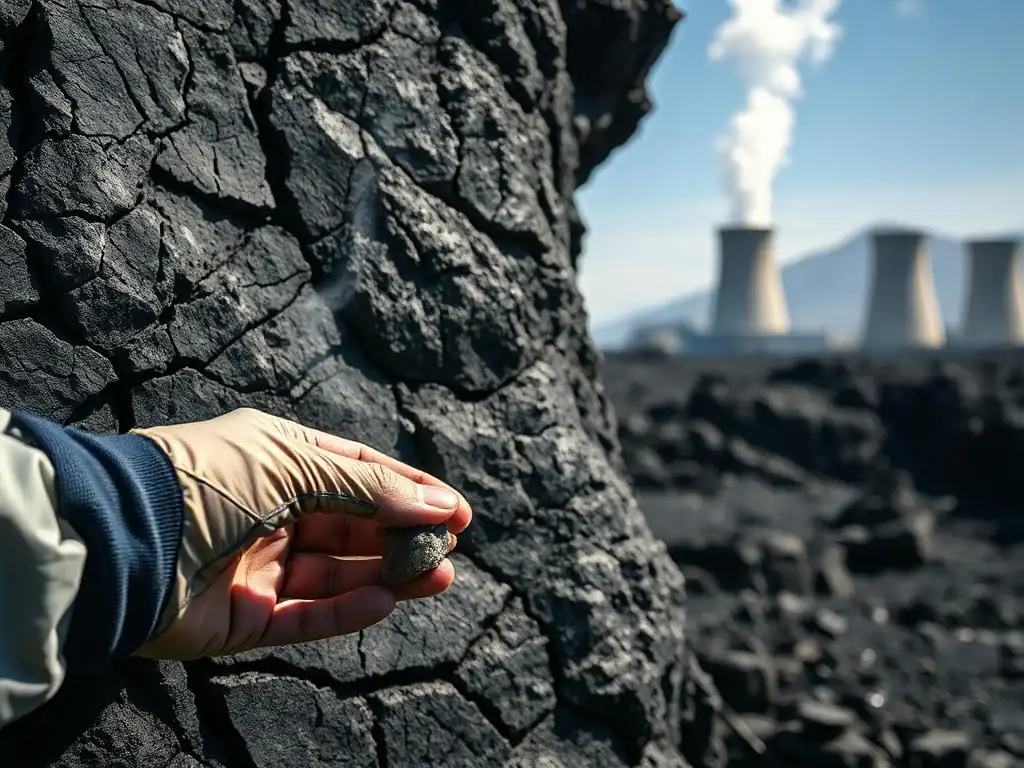
Resource Assessment and Modeling: Optimizing Energy Production
Geoscientists and engineers play a crucial role in all stages of geothermal energy development, from initial exploration to long-term reservoir management and optimization. Resource assessment is a critical initial step, involving geologists, geophysicists, and reservoir engineers working together to characterize geothermal reservoirs. This includes delineating the extent of the geothermal resource, estimating its temperature and pressure, assessing its permeability and fluid flow characteristics, and evaluating its sustainable energy production potential.
Geothermal reservoir modeling is a key tool used in resource assessment and management. Numerical models, developed by reservoir engineers, simulate the complex processes of heat and fluid flow within geothermal reservoirs. These models are used to predict reservoir performance under different production scenarios, optimize well placement and production rates, and assess the long-term sustainability of geothermal energy extraction. Accurate resource assessment and robust reservoir modeling are essential for maximizing energy production, minimizing risks, and ensuring the economic viability of geothermal projects.
Drilling and Well Completion: Accessing Geothermal Reservoirs
Drilling and well completion are critical engineering operations for accessing geothermal reservoirs and extracting geothermal fluids. Geothermal drilling faces unique challenges due to high temperatures, corrosive fluids, and hard, fractured rock formations often encountered in volcanic regions. Specialized drilling techniques, materials, and equipment are required to withstand these harsh conditions and ensure efficient and safe drilling operations.
Well completion involves preparing the drilled well for production or injection of geothermal fluids. This includes installing casing and cementing to stabilize the wellbore, perforating the casing to allow fluid flow into the well, and installing downhole pumps if needed. Advanced drilling and well completion technologies, such as directional drilling and multilateral wells, are increasingly used to enhance well productivity and access larger volumes of the geothermal reservoir. Continuous innovation in drilling and well completion technologies is crucial for reducing drilling costs, improving well performance, and expanding the economic viability of geothermal energy development.
Conclusion: The Future of Geothermal Energy from Volcanic Rocks
Geothermal Energy as a Key Component of a Sustainable Energy Mix
Geothermal energy from volcanic rocks represents a significant and largely untapped resource that can play a pivotal role in a sustainable energy future. Its inherent characteristics as a baseload, renewable, and low-emission energy source make it an increasingly attractive alternative to fossil fuels. In volcanic regions, with their abundant geothermal resources, geothermal energy offers a pathway to energy independence, economic development, and environmental sustainability.
As global energy demand continues to grow and the urgency of climate change mitigation intensifies, geothermal energy's contribution to a diversified and decarbonized energy mix will become increasingly crucial. Combining geothermal energy with other renewable energy sources, such as solar and wind, can create a resilient and reliable energy system that meets the world's growing energy needs while minimizing environmental impacts. Geothermal energy's unique advantages position it as a cornerstone of a sustainable and secure energy future.
Research and Development: Advancing Geothermal Technologies
Continued research and development (R&D) are essential to unlock the full potential of geothermal energy from volcanic rocks and further enhance its competitiveness and sustainability. Key areas of R&D include advancing Enhanced Geothermal Systems (EGS) technology to access vast resources in hot, dry rocks, improving drilling and well completion techniques to reduce costs and increase efficiency, and developing more efficient and cost-effective geothermal power plant technologies.
Further research is also needed to better understand and characterize geothermal reservoirs, improve reservoir modeling capabilities, and optimize reservoir management strategies for long-term sustainability. Exploration technologies, such as advanced geophysical methods and remote sensing techniques, can be further refined to improve the success rate and reduce the cost of geothermal exploration. Increased investment in geothermal R&D is crucial for accelerating the deployment of geothermal energy and realizing its full potential as a clean and sustainable energy source for the future.
Further Resources: Organizations, Publications, and Data Repositories
[Data Repository Placeholder: Insert information about relevant geothermal data repositories here, e.g., National Geothermal Data System (NGDS)]
[Organizations Placeholder: Insert information about relevant geothermal organizations here, e.g., Geothermal Resources Council (GRC), International Geothermal Association (IGA)]
[Publications Placeholder: Insert information about relevant geothermal publications here, e.g., Geothermics Journal, GRC Transactions]
Frequently Asked Questions
Geothermal energy is heat derived from the Earth's interior. Volcanic rocks, being formed from molten rock, often contain significant heat that can be harnessed for electricity generation or direct use heating.
How do volcanic rocks contribute to geothermal energy production?
Volcanic rocks, particularly those near active or dormant volcanoes, can act as natural heat reservoirs. Water circulating through these rocks is heated and can be extracted as steam or hot water to power turbines or provide heat directly.
Are all volcanic rocks suitable for geothermal energy extraction?
No, not all volcanic rocks are suitable. The permeability and porosity of the rock are crucial for water circulation. Also, the temperature at depth needs to be high enough to make energy extraction economically viable.
What are some of the environmental benefits of using geothermal energy from volcanic formations?
Geothermal energy is a renewable and sustainable energy source. Compared to fossil fuels, it produces significantly lower greenhouse gas emissions and reduces reliance on imported energy sources.
What are the potential risks or challenges associated with geothermal energy extraction from volcanic areas?
Potential risks include induced seismicity, land subsidence, and the release of trace amounts of greenhouse gases (like carbon dioxide and hydrogen sulfide) that are naturally present in geothermal reservoirs. Careful monitoring and management are essential.
Final Reflection: Harnessing Earth's Fiery Heart
The exploration of geothermal energy from volcanic rocks, as we've seen, is not just a scientific endeavor; it's a crucial step towards a sustainable future. The untapped potential of these radioactive rocks represents a significant opportunity to revolutionize our energy landscape, offering a cleaner and more reliable alternative to traditional fossil fuels. The insights gained from understanding these formations are directly applicable to addressing the urgent need for renewable energy sources in a world grappling with climate change.
This exploration into geothermal potential has profoundly impacted our understanding of Earth's internal processes and its capacity to provide clean energy. It reminds us that the solutions to our greatest challenges often lie hidden within the very planet we inhabit. Look deep into nature, and then you will understand everything better.
- Albert Einstein. This quote encapsulates the essence of our journey, highlighting the importance of delving into the Earth's secrets to unlock sustainable solutions. The ongoing research and development in this field are shaping a future where geothermal energy plays a central role in powering our world.
Now, consider the implications of this knowledge for your own life. How can you support the development and implementation of geothermal energy solutions? Perhaps it's through advocating for policies that incentivize renewable energy, investing in companies that are pioneering geothermal technologies, or simply educating yourself and others about the benefits of this clean energy source. Embrace the potential of geothermal energy from volcanic rocks and become a part of the movement towards a more sustainable and environmentally conscious future.
Ignite Your Inner Explorer: Tap into Geothermal Power!
Thank you for exploring the potential of geothermal energy with us! Now that you've learned about harnessing the power of the Earth's heat, it's time to take the next step.
Here's how you can continue your journey:
- Visit a local geothermal power plant or museum. Witness the impressive scale and sustainable power of geothermal energy firsthand.
- Learn more: Research the innovative technologies and sustainable practices used in geothermal energy production worldwide. Discover how this renewable resource is shaping a cleaner energy future.
- Share your knowledge: Discuss the benefits and challenges of geothermal energy with your friends, family, and community to raise awareness of this powerful and sustainable resource.
Ready to share your thoughts on how communities can benefit from this clean energy source?