
Organizational Oasis: Backpack Features That Streamline Volcano Gear Access

Welcome to Volcano Explorers!
Ever wondered how the pros manage the chaos of volcano exploration? This isn't just about braving the heat and ash; it's about having the right gear and knowing how to access it in a heartbeat. Dive in as we uncover the secrets to efficient packing with our guide to backpacking gear for volcano exploration, revealing the critical features that transform a chaotic mess into an organizational oasis. Are you ready to streamline your adventure?
- Introduction: Conquer Volcanoes with Organized Backpacking Gear
- Why Organization Matters: The Core of Volcano Hiking Gear
-
Key Features for Organized Volcano Backpacking Gear
- External Attachment Points: Maximizing Gear Capacity and Accessibility
- Multiple Compartments: Segmenting Your Volcano Hiking Equipment
- Dedicated Hydration Reservoir Sleeve: Easy Access to Water on the Go
- Quick-Access Pockets: Storing Essential Items Within Reach
- Internal Organization: Dividers and Mesh Pockets for Secure Storage
- Top Backpacking Gear Recommendations for Volcano Explorers
- Maximizing Your Volcano Backpacking Gear Organization: Tips and Tricks
- Conclusion: Finding Your Perfect Organizational Oasis for Volcano Exploration
-
Frequently Asked Questions
- What kind of backpack volume is typically recommended for multi-day volcano exploration trips?
- Are there specific backpack features that make accessing gear while on a volcano easier and faster?
- How important is a comfortable and adjustable suspension system in a backpack designed for volcano exploration?
- Should I prioritize waterproofing or water resistance in a backpack for volcano exploration?
- What kind of materials should I look for in a durable backpack for volcano exploration?
- Final Reflection: Embracing Efficiency in the Face of the Extreme
- Unleash Your Volcanic Potential!
Introduction: Conquer Volcanoes with Organized Backpacking Gear
Embarking on a volcano exploration adventure demands meticulous planning and the right equipment. Among the most crucial pieces of gear is your backpack – your organizational oasis amidst rugged terrains. A well-organized backpack isn't just about neatly packed items; it's about efficiency, safety, and ensuring you have immediate access to essential backpacking gear for volcano exploration when you need it most. This article delves into the critical features of a backpack designed to streamline gear access, transforming it from a mere carrier into a strategic command center for your volcanic expeditions.
Why Organization Matters: The Core of Volcano Hiking Gear
The Perils of Disorganization in Volcanic Terrain
Volcanic environments present unique challenges that amplify the consequences of disorganization. Imagine needing your headlamp as dusk descends on a caldera rim, only to find it buried beneath layers of clothing and snacks. Searching blindly through a disorganized pack wastes precious time and energy, resources that are especially critical at higher altitudes and in unpredictable weather conditions common in volcanic regions.
Disorganization can lead to frustration, delays, and, in more serious scenarios, compromise your safety. For example, fumbling for a first-aid kit after a minor slip on loose volcanic rock becomes significantly more stressful and potentially dangerous if the kit is inaccessible and you are exposed to the elements. A chaotic backpack can transform a manageable situation into a precarious one, especially when navigating uneven terrain or rapidly changing volcanic weather patterns.
Prioritizing Accessibility: Essential Volcano Exploration Backpack Features
When selecting backpacking gear for volcano exploration, accessibility becomes paramount. The ability to quickly retrieve specific items without unpacking everything is not merely a convenience; it's a necessity. Consider the need to access a map and compass for navigation in areas with limited visibility due to volcanic fog or ash clouds. Or picture needing to quickly deploy a rain jacket as sudden showers roll across a volcanic landscape.
Backpack features that prioritize accessibility, such as strategically placed external pockets, multiple compartments, and well-designed internal organization, become indispensable. These features allow for a systematic approach to packing, ensuring that frequently needed items are readily available, minimizing downtime and maximizing efficiency during your volcano exploration. This focus on accessibility translates directly to a smoother, safer, and more enjoyable experience amidst the dramatic scenery of volcanic landscapes.
Key Features for Organized Volcano Backpacking Gear
External Attachment Points: Maximizing Gear Capacity and Accessibility
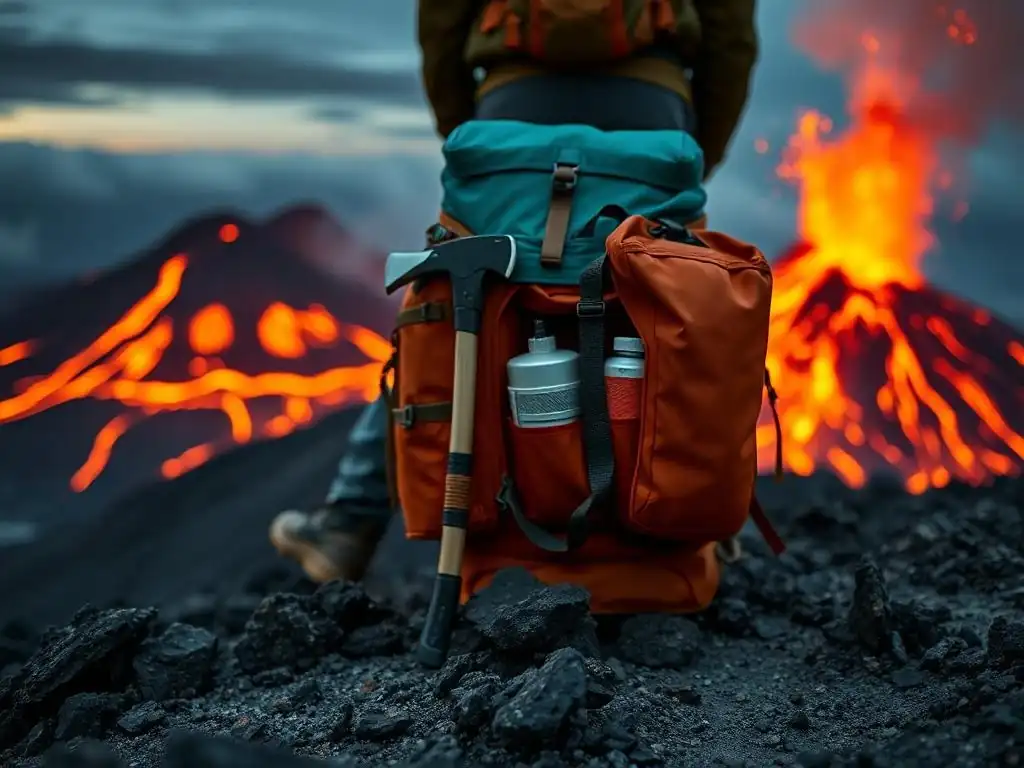
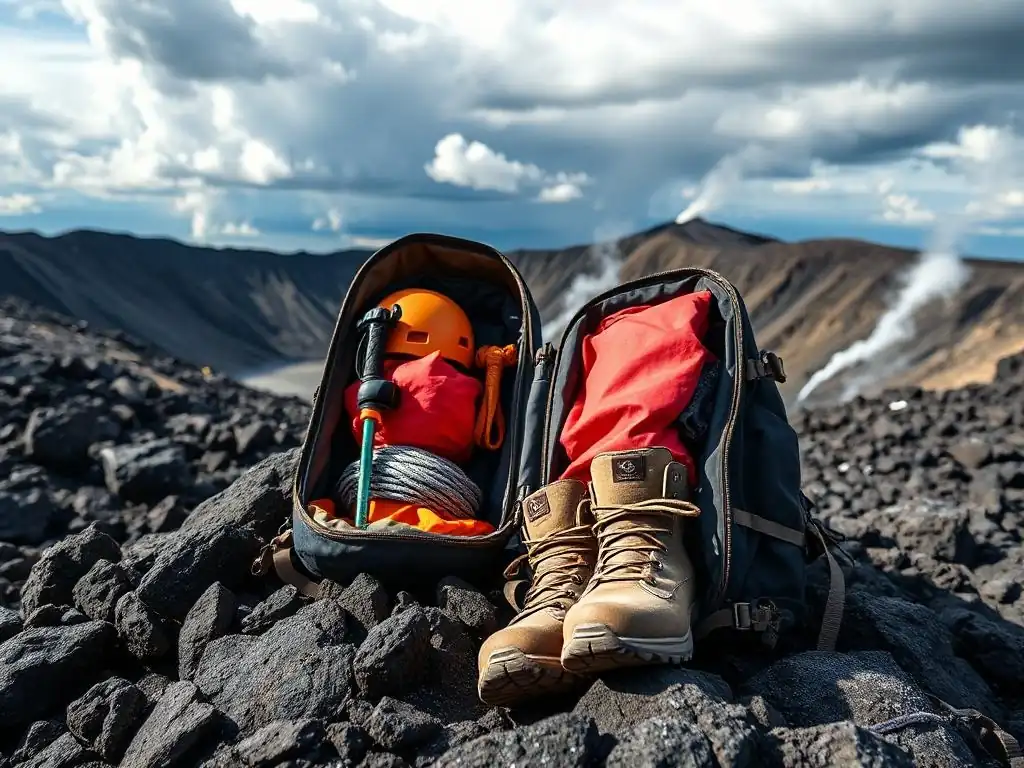
External attachment points on a backpack, such as daisy chains, straps, and loops, are crucial for expanding carrying capacity and keeping frequently used items readily accessible during volcano hikes. These points allow you to lash bulky or wet gear outside the main compartment, preventing contamination of dry items inside and freeing up internal space. For instance, trekking poles, ice axes (if venturing onto glaciated volcanoes), or even a wet rain jacket can be securely attached to the exterior.
Consider the practicality of quickly grabbing your water bottles or a camera stored in side pockets accessible without taking off the pack. These external attachments are not just about carrying more; they're about strategic placement, ensuring that essential backpacking gear for volcano exploration is within immediate reach when needed, especially in dynamic volcanic environments.
Multiple Compartments: Segmenting Your Volcano Hiking Equipment
Backpacks with multiple compartments are organizational game-changers for volcano exploration gear. They allow you to segment your equipment logically, preventing items from becoming a jumbled mess. A separate sleeping bag compartment at the bottom keeps your bedding compressed and isolated, while a main compartment can house clothing and bulkier items. Smaller zippered pockets on the lid or front panel are perfect for organizing smaller essentials like snacks, sunscreen, or a headlamp.
Imagine having a dedicated compartment for your cooking gear, another for clothing, and a separate one for navigation and safety equipment. This compartmentalization not only makes it easier to find what you need quickly but also helps distribute weight more evenly, improving comfort and balance during long volcano hikes. This feature is particularly valuable when dealing with the varied gear requirements of volcano exploration, from specialized clothing layers to scientific instruments.
Dedicated Hydration Reservoir Sleeve: Easy Access to Water on the Go
Staying hydrated is paramount during strenuous volcano hikes, and a dedicated hydration reservoir sleeve in your backpack streamlines water access significantly. This internal sleeve keeps your water reservoir separate from your other gear, preventing leaks from soaking your belongings and ensuring quick refills at water sources. The central placement of the reservoir within the pack also aids in weight distribution, keeping the heaviest item close to your center of gravity for better balance.
Imagine being able to take sips of water through the drinking tube without stopping or removing your pack – a crucial advantage when navigating challenging volcanic terrain or exposed ridges. A hydration reservoir sleeve is more than just a convenience; it's an essential feature for maintaining hydration levels and optimizing efficiency during demanding volcano exploration activities. Many reservoirs hold between 2 and 3 liters of water, sufficient for several hours of hiking depending on the conditions.
Quick-Access Pockets: Storing Essential Items Within Reach
Quick-access pockets are strategically placed on backpacks to store essential items that you need to retrieve frequently and rapidly during volcano hikes. These pockets are typically located on the hip belt, shoulder straps, front panel, or top lid of the backpack. Hip belt pockets are ideal for storing snacks, a compass, a small GPS device, or a multi-tool – items you might need to access while on the move without taking off your pack.
Shoulder strap pockets can hold smaller items like a phone or energy gels. A top lid pocket is often used for maps, a headlamp, or a first-aid kit, providing relatively quick access when you stop for a short break. The key advantage of quick-access pockets is their ability to keep essential backpacking gear for volcano exploration readily available, saving time and effort and enhancing overall efficiency and safety during your volcanic adventures.
Internal Organization: Dividers and Mesh Pockets for Secure Storage
Beyond compartments, internal organization features like dividers and mesh pockets within the main compartment further enhance backpack efficiency. Dividers can help separate clothing layers from heavier items, preventing shifting and maintaining a more balanced load. Mesh pockets, often zippered, are ideal for securing smaller items like toiletries, electronics accessories, or repair kits, preventing them from getting lost in the main compartment.
Imagine having dedicated mesh pockets for your charging cables, batteries, and personal hygiene items, keeping them organized and easily locatable. Internal organization features contribute to a more structured and efficient packing system, maximizing space utilization and ensuring that even smaller items are securely stored and readily accessible within your volcano exploration backpack. This level of internal detail significantly improves the overall user experience, especially on extended volcano expeditions.
Top Backpacking Gear Recommendations for Volcano Explorers
Option 1: Osprey Aether/Ariel AG Series - The Versatile Workhorse
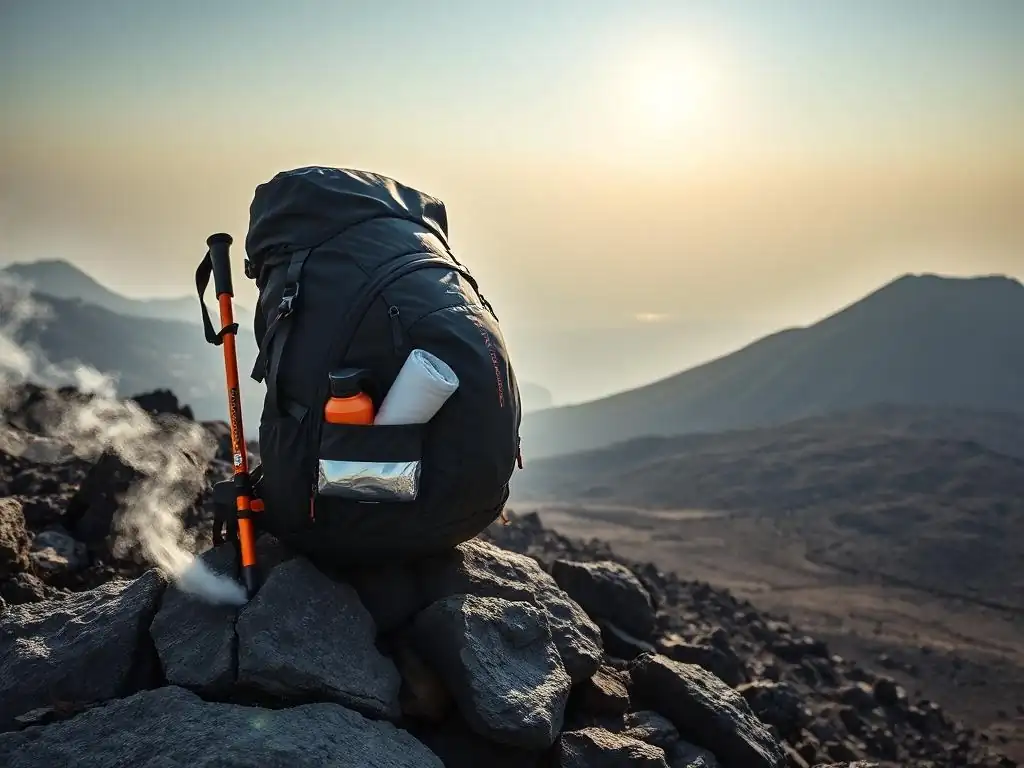
The Osprey Aether (men's) and Ariel (women's) AG series are renowned for their Anti-Gravity suspension system, providing exceptional comfort and ventilation, crucial for demanding volcano hikes. These packs feature multiple compartments, including a sleeping bag compartment and a removable top lid that converts into a daypack – useful for summit pushes or side excursions. They offer ample external attachment points and well-placed pockets, including stretch-mesh side pockets and zippered hip belt pockets.
The internal organization is also well-thought-out, making it a versatile workhorse for various volcano exploration adventures, from multi-day treks to basecamp setups. The robust construction and comfortable carry make them a reliable choice for carrying a substantial amount of backpacking gear for volcano exploration in challenging conditions.
Option 2: Gregory Baltoro/Deva Series - The Organized Explorer's Choice
The Gregory Baltoro (men's) and Deva (women's) series are specifically designed for organized packers who prioritize accessibility. These packs feature Gregory's Response AFS suspension for comfortable load carrying and ventilation. A standout feature is the SideWinder bottle holster, allowing for one-handed water bottle access on the go, and the included SideTrack ultralight daypack hidden in the top lid.
The Baltoro/Deva series excels in organization, offering numerous zippered pockets, internal dividers, and external attachment points. The front zippered access to the main compartment, in addition to the top access, is particularly useful for quickly retrieving items without unpacking everything. For volcano explorers who value meticulous organization and easy access to their backpacking gear for volcano exploration, the Baltoro/Deva series is an excellent choice.
Option 3: Arcteryx Bora AR - The Durable and Streamlined Option
The Arcteryx Bora AR series is known for its durability and streamlined design, ideal for volcano explorers who prioritize robustness and a close-to-body carry. Featuring Arcteryx's RotoGlide hipbelt, the Bora AR moves with your body, enhancing comfort and stability on uneven volcanic terrain. While perhaps not as feature-laden with external pockets as some other options, the Bora AR offers a well-organized main compartment with internal dividers and a top lid pocket.
Its focus is on bombproof construction using durable materials and weather-resistant fabrics, making it suitable for harsh volcanic environments. For volcano exploration where durability and a streamlined profile are paramount, and you prefer a more minimalist approach to external organization, the Arcteryx Bora AR is a top-tier option for carrying backpacking gear for volcano exploration.
Option 4: [Budget-Friendly Option]: A Solid Entry-Level Backpack
For volcano explorers seeking a budget-friendly option, several reputable brands offer solid entry-level backpacks with essential organizational features. Look for backpacks in the 60-70 liter range made from durable nylon fabrics (e.g., 600D polyester or similar). Prioritize backpacks with multiple compartments – a main compartment, a sleeping bag compartment, and a top lid pocket are essential.
Check for external attachment points like daisy chains and compression straps to lash gear externally. Ensure the backpack has a hydration reservoir sleeve and some quick-access pockets, ideally on the hip belt. While entry-level packs might not have the advanced suspension systems or intricate organization of higher-end models, they can still provide adequate support and organization for volcano exploration, especially for shorter trips or those new to backpacking gear for volcano exploration who are testing the waters.
Maximizing Your Volcano Backpacking Gear Organization: Tips and Tricks
Packing Strategies for Efficient Gear Access
Efficient packing is key to maximizing the benefits of an organized backpack for volcano exploration. Start by laying out all your gear and categorizing it by frequency of use. Items you'll need frequently during the day, like snacks, water, maps, and rain gear, should be placed in quick-access pockets or easily accessible compartments. Heavier items, such as water reservoirs, food, and cookware, should be placed closer to your back and centered in the pack for optimal weight distribution.
Lighter items, like clothing and sleeping bags, can be placed further away from your back. Utilize the sleeping bag compartment for its intended purpose and pack items you won't need until camp at the bottom. Think vertically, filling in gaps and maximizing space utilization. Consider using stuff sacks of different colors to further categorize and quickly identify gear within compartments, enhancing the overall organization of your backpacking gear for volcano exploration.
Utilizing Packing Cubes and Compression Sacks
Packing cubes and compression sacks are invaluable tools for further enhancing backpack organization and space efficiency during volcano exploration. Packing cubes are zippered fabric containers that help compartmentalize clothing, toiletries, or electronics within your backpack. They keep items neatly separated and prevent them from shifting around. Compression sacks are designed to compress bulky items like sleeping bags or puffy jackets, significantly reducing their volume and freeing up space.
Using different colored packing cubes can further aid in quick identification of gear categories. Imagine having separate packing cubes for shirts, pants, and undergarments, making it easy to locate specific clothing items without rummaging through your entire pack. Compression sacks are particularly useful for minimizing the bulk of insulating layers, essential for fluctuating temperatures often encountered in volcanic regions. These accessories are lightweight and make a significant difference in optimizing the organization of your backpacking gear for volcano exploration.
Regular Gear Maintenance and Inspection
Maintaining your backpack and backpacking gear for volcano exploration is crucial for its longevity and performance. After each volcano trip, empty your backpack completely and clean it inside and out. Remove dirt, dust, and volcanic ash with a soft brush or damp cloth. Inspect for any signs of wear and tear, such as rips, tears, or damaged zippers. Pay particular attention to stress points like seams, straps, and buckles.
Wash your backpack periodically according to the manufacturer's instructions, using mild soap and water. Ensure it is completely dry before storing it in a cool, dry place away from direct sunlight. Regularly inspect and maintain other backpacking gear as well, such as water reservoirs, trekking poles, and cooking equipment. Proper maintenance not only extends the lifespan of your gear but also ensures its reliability and performance during future volcano explorations, contributing to safety and enjoyment on the trail.
Conclusion: Finding Your Perfect Organizational Oasis for Volcano Exploration
Choosing a backpack with thoughtful organizational features is an investment in efficiency, safety, and enjoyment for any volcano explorer. From external attachment points to internal dividers, these features transform your backpack from a simple container into a strategic organizational oasis.
By prioritizing accessibility and implementing smart packing strategies, you can ensure that your backpacking gear for volcano exploration is always readily available when you need it most, allowing you to focus on the awe-inspiring beauty and challenging adventures that volcanic landscapes offer. Finding the perfect backpack that aligns with your needs and preferences is a crucial step in preparing for successful and memorable volcano expeditions.
Frequently Asked Questions
What kind of backpack volume is typically recommended for multi-day volcano exploration trips?
A backpack with a volume of 50-70 liters is usually recommended. This provides enough space for essential gear, including camping equipment and safety tools, without being excessively bulky.
Are there specific backpack features that make accessing gear while on a volcano easier and faster?
Yes, features like multiple access points (top, front, side) and well-organized compartments are crucial. These allow for quick retrieval of items like maps, water, or first-aid supplies without unpacking everything.
How important is a comfortable and adjustable suspension system in a backpack designed for volcano exploration?
Extremely important. A well-fitted suspension system that distributes weight evenly is vital. This helps prevent fatigue and injury during long hikes over challenging volcanic terrain.
Should I prioritize waterproofing or water resistance in a backpack for volcano exploration?
Water resistance is generally sufficient for most conditions. However, using a rain cover in addition to a water-resistant pack is advised. This provides an extra layer of protection against unpredictable weather.
What kind of materials should I look for in a durable backpack for volcano exploration?
Look for backpacks made from ripstop nylon or Cordura. These materials offer a good balance of weight, durability, and resistance to abrasion from rocks and volcanic ash.
Final Reflection: Embracing Efficiency in the Face of the Extreme
The journey of volcano exploration, much like life itself, demands preparedness and adaptability. The efficiency of accessing essential gear, as highlighted in this exploration of specialized backpacks, is not merely a convenience, but a crucial element for safety and success in the face of unpredictable volcanic landscapes. It underscores the importance of thoughtful design and organization, principles that extend far beyond the realm of extreme adventure.
This focus on optimized gear access resonates deeply because it speaks to a fundamental human desire: to conquer challenges with grace and preparedness. The ability to quickly and effectively respond to changing conditions, whether on a volcanic slope or in the daily grind, is a skill worth cultivating. By failing to prepare, you are preparing to fail.
- Benjamin Franklin. This quote encapsulates the essence of why meticulous organization, as demonstrated through these specialized backpacks, is so vital.
Now, consider how you can apply these principles of streamlined access and efficient organization to your own life. What "volcanoes" are you facing? What tools do you need readily available to navigate those challenges? Take a moment to reflect on the areas where you can optimize your systems, ensuring that you are always prepared to embrace the adventure, whatever form it may take.
Unleash Your Volcanic Potential!
Thank you for exploring efficient gear organization for volcano expeditions! We hope you've gained valuable insights into optimizing your backpack for safer and more enjoyable adventures. Now, it's time to put this knowledge into practice.
Here's what you can do:
- Re-evaluate your current backpack setup and identify three areas for immediate improvement. Prioritize quick access to essential safety equipment, such as your gas mask and first-aid kit.
- Share this article with fellow volcano enthusiasts! Help them streamline their gear and enhance safety on their next adventure.
- Join the discussion on our forum at volcanoexplorers.org and share your innovative backpack organization tips – let's learn from each other!
What organizational strategy will you implement to make your next volcano expedition smoother and safer? Share your plans in the comments below!