
More Than Just Empty Tunnels: Unveiling the Hidden Treasures of Lava Tubes

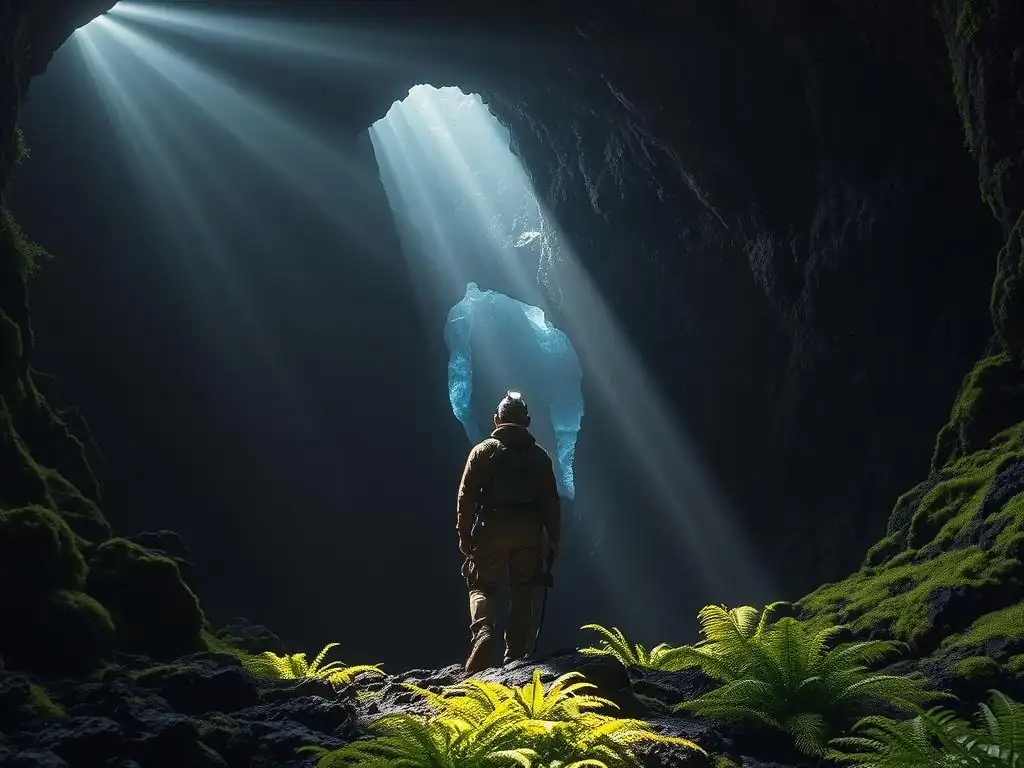
Welcome to Volcano Explorers, where the Earth breathes fire! Ever wondered what secrets lie beneath the hardened crust of a volcano? Prepare to be amazed as we journey into the mesmerizing depths of lava tubes. They are more than just empty tunnels – they are subterranean cathedrals carved by molten rock, and our featured article, Exploring Lava Tube Attractions, will unveil their hidden treasures. What wonders await within these volcanic veins? The answer, and much more, awaits your discovery below…
- Introduction to Lava Tubes: Natural Wonders of Volcanic Landscapes
- Global Destinations for Lava Tube Exploration: A World of Volcanic Caves
- Unveiling the Geological Significance of Lava Tubes
- Safety Tips for Exploring Lava Tube Attractions: A Responsible Explorer's Guide
- The Future of Lava Tube Exploration: Research and Conservation Efforts
-
Frequently Asked Questions
- What exactly are lava tubes and how are they formed?
- Why are lava tubes considered "attractions" worth exploring?
- What are some of the key dangers associated with exploring lava tubes?
- Are there any specific safety precautions I should take when exploring a lava tube?
- Where can I find the best lava tubes to explore and what permits might I need?
- Final Reflection: Echoes of the Earth's Breath
- Ignite Your Inner Explorer: Dive Deeper into Lava Tube Secrets!
Introduction to Lava Tubes: Natural Wonders of Volcanic Landscapes
What are Lava Tubes and How are They Formed?
Lava tubes are remarkable natural conduits formed during volcanic eruptions, acting as pipelines for molten lava flowing beneath the solidified surface. Imagine rivers of fire coursing through the earth, but instead of open channels, these fiery streams carve their paths within tunnels. This fascinating geological process begins when the surface of a lava flow cools and solidifies, creating a crust.
Beneath this hardening crust, the molten lava continues to flow, insulated by the solidified outer layer. As the eruption subsides and the lava source diminishes, the molten material drains away, leaving behind a hollow tunnel – the lava tube. These subterranean voids can range dramatically in size, from just a few meters in diameter to vast caverns stretching for kilometers, showcasing the immense power and scale of volcanic activity.
The formation of lava tubes is heavily influenced by the type of lava and the terrain it traverses. Basaltic lava, which is less viscous and flows more readily than other types, is particularly conducive to lava tube formation. Its fluidity allows it to travel long distances, and its relatively slow cooling rate provides ample time for a crust to develop while the interior remains molten.
The slope of the land also plays a crucial role; gently sloping terrains encourage sheet flows, where lava spreads out broadly, increasing the likelihood of surface cooling and subsequent tube development. Conversely, steeper slopes might lead to faster, more channelized flows that are less likely to form extensive tube systems. The intricate interplay of lava properties and landscape characteristics results in the diverse and captivating lava tube formations we find across volcanic regions worldwide.
The Allure of Exploring Lava Tubes: A Volcano Explorer's Paradise
Exploring lava tube attractions presents a unique and thrilling experience for any volcano enthusiast. These subterranean pathways offer a tangible connection to the raw power of volcanic forces, allowing you to literally walk through the solidified remnants of ancient lava flows. The allure of discovery is palpable as you venture into these dark, cool caverns, each step revealing the intricate textures and formations sculpted by molten rock.
Beyond the sheer adventure, exploring lava tubes provides an unparalleled opportunity to witness geological processes frozen in time. The walls of these tubes often display fascinating features like lava benches, where the lava level paused during drainage, and flow marks, indicating the direction and dynamics of the molten river that once surged through.
Moreover, lava tubes frequently harbor unique ecosystems and mineral deposits, adding layers of scientific intrigue to the exploration. The stable, dark, and humid environment within lava tubes can support specialized communities of organisms, adapted to these extreme conditions. Cave-adapted invertebrates, such as spiders and insects, may be found, and in some instances, even microbial life forms thrive in these subterranean realms.
Geologically, the cooling process within lava tubes can lead to the precipitation of secondary minerals on the tube walls, creating stunning displays of crystals and mineral formations. For those interested in geology, biology, or simply seeking an extraordinary adventure, exploring lava tube attractions offers a captivating journey into the hidden wonders of volcanic landscapes.
Global Destinations for Lava Tube Exploration: A World of Volcanic Caves
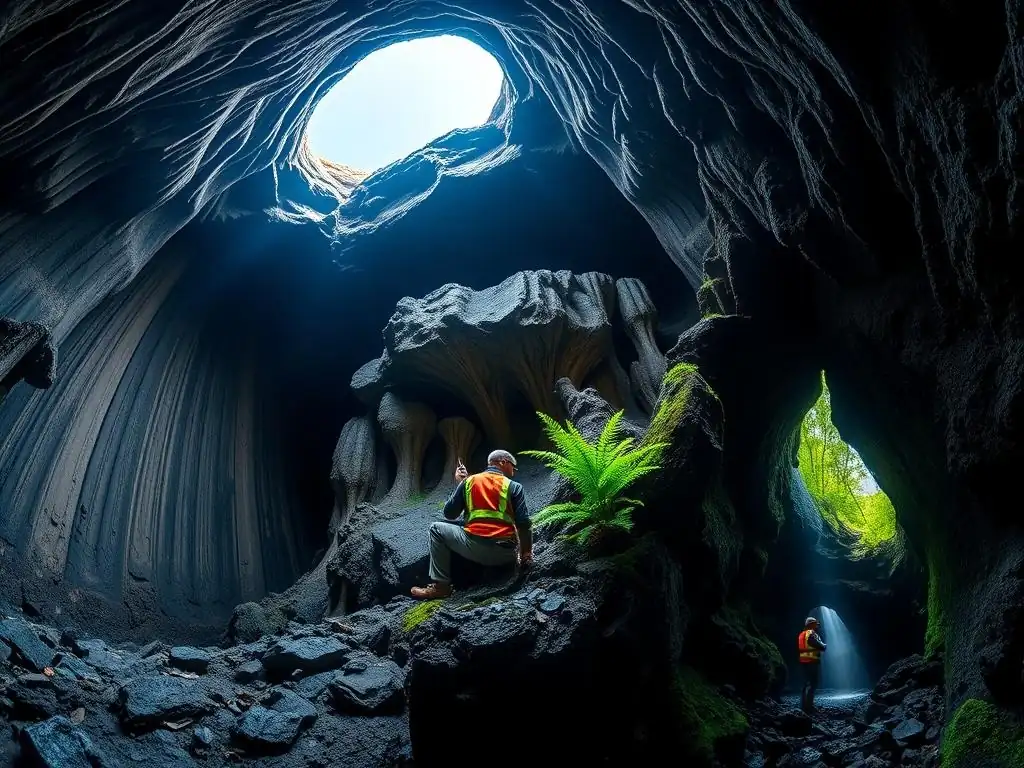
Discovering Lava Tubes in Hawaii: A Geologic Hotspot
Hawaii, a volcanic archipelago sculpted by persistent eruptions, stands as a premier global destination for discovering and exploring lava tube attractions. The islands' young geological age and ongoing volcanic activity, primarily from shield volcanoes like Kīlauea and Mauna Loa, have resulted in an abundance of lava tubes of varying sizes and complexities.
The free-flowing basaltic lava characteristic of Hawaiian volcanoes is ideally suited for tube formation, creating extensive networks beneath the surface. Exploring these Hawaiian lava tubes offers a firsthand encounter with the geological forces that have shaped these iconic islands, providing a glimpse into the dynamic volcanic processes that continue to mold the landscape today.
The Big Island of Hawaii, in particular, is renowned for its accessible and impressive lava tubes. Many of these caves are located within national parks and state parks, making them readily available for guided tours and self-guided exploration. Exploring lava tube attractions in Hawaii ranges from easily accessible tubes suitable for families to more challenging and extensive cave systems for experienced adventurers. The warm climate and lush volcanic landscapes surrounding these subterranean wonders further enhance the overall experience, making Hawaii an unforgettable destination for volcano enthusiasts and cave explorers alike.
Exploring the Kazumura Cave in Hawaii: A Detailed Look
Kazumura Cave, located on the slopes of Kīlauea volcano on the Big Island of Hawaii, holds the distinction of being the longest and deepest lava tube in the world. Extending for over 65 kilometers (40.4 miles) in length and reaching a depth of 1,101 meters (3,612 feet), Kazumura Cave is a colossal subterranean system that dwarfs many other lava tubes globally.
Its immense size and intricate network of passages make it a prime destination for serious cave explorers and researchers interested in studying lava tube formation and subterranean ecosystems. Exploring Kazumura Cave is not for the casual visitor; it requires specialized caving equipment, expertise, and often guided tours due to its complexity and potential hazards.
Within Kazumura Cave, explorers encounter a diverse array of geological features that illustrate the dynamic history of its formation. Multiple levels of passages reveal different phases of lava flow and drainage, creating a complex three-dimensional maze underground. Cave formations such as lava stalactites, stalagmites, and benches adorn the walls, showcasing the intricate details of lava cooling and solidification.
The cave also hosts unique microbial communities adapted to the dark, nutrient-poor environment, making it a subject of ongoing scientific study. While exploring Kazumura Cave presents significant challenges, the rewards are immense, offering an unparalleled journey into one of the most remarkable lava tube attractions on Earth.
Thurston Lava Tube: A Short but Stunning Experience
In stark contrast to the vastness of Kazumura Cave, Thurston Lava Tube, also located within Hawaiʻi Volcanoes National Park on the Big Island, offers a more accessible and family-friendly experience of exploring lava tube attractions. Known as Nāhuku in Hawaiian, Thurston Lava Tube is a relatively short but visually stunning segment of a larger lava tube system. Illuminated pathways and ample headroom make it easily navigable for visitors of all ages and abilities, providing a fantastic introduction to the world of lava tubes without requiring specialized gear or caving expertise.
Despite its shorter length, Thurston Lava Tube showcases many of the key features characteristic of lava tubes. Its smooth, sculpted walls bear witness to the molten river that once flowed through, and the vibrant green ferns that thrive at the entrance create a striking contrast with the dark, volcanic rock.
The tube is estimated to be around 500 years old, a relatively young age in geological terms, and its formation is linked to eruptions from Kīlauea volcano. Exploring Thurston Lava Tube offers a quick but immersive glimpse into the subterranean volcanic world, making it a must-see attraction for anyone visiting Hawaiʻi Volcanoes National Park and seeking an accessible and captivating lava tube experience.
Lava Tubes of Iceland: Ice Caves and Volcanic Beauty
Iceland, the "Land of Fire and Ice," presents a uniquely contrasting landscape where volcanic activity and glacial forces intertwine. This dramatic interplay extends to its lava tubes, which often feature stunning ice formations, creating a captivating blend of volcanic and glacial beauty. While Hawaiian lava tubes are typically warm and humid, Icelandic lava caves can be significantly colder, especially during winter months, and may contain impressive ice stalactites, stalagmites, and ice floors. Exploring lava tube attractions in Iceland offers a distinctive experience, combining the geological intrigue of volcanic caves with the ethereal beauty of ice formations.
The formation of lava tubes in Iceland is similar to that in Hawaii, with basaltic lava flows creating subterranean conduits. However, Iceland's colder climate and glacial history introduce the element of ice. Water seeping into lava tubes can freeze during colder periods, forming intricate ice structures that persist for much of the year, particularly in deeper sections of the caves.
The juxtaposition of dark volcanic rock and shimmering blue ice creates a visually striking environment that is unlike any other cave system on Earth. Icelandic lava tubes provide a fascinating opportunity to witness the dynamic interaction between volcanic and glacial processes, making them a sought-after destination for adventurous travelers and those interested in unique geological phenomena.
Venturing into the Leiðarendi Cave: Ice Formations and Volcanic History
Leiðarendi Cave, located in the Bláfjöll Mountains near Reykjavik, is one of Iceland's most accessible and popular lava tubes, renowned for its impressive size and diverse geological features, including notable ice formations. Its name, meaning "the end of the journey," hints at its substantial length, stretching for approximately 900 meters (2,953 feet).
Exploring Leiðarendi Cave offers a relatively easy introduction to Icelandic lava tubes, with guided tours available for visitors of varying experience levels. While not always guaranteed, ice formations can often be observed within Leiðarendi, particularly during colder months or in deeper sections of the cave where temperatures remain consistently low.
Beyond the ice, Leiðarendi Cave showcases a rich tapestry of volcanic geology. Colorful mineral deposits stain the cave walls, creating vibrant patterns and textures. Lava columns, shelves, and various flow structures provide insights into the complex processes of lava flow and cooling. The cave is relatively spacious in many sections, allowing for comfortable exploration, though some areas require scrambling over rocks and navigating narrower passages. Exploring Leiðarendi Cave provides a comprehensive experience of Icelandic lava tube attractions, combining geological wonder with the potential for icy beauty, all within easy reach of Iceland's capital city.
The Unique Characteristics of Icelandic Lava Caves
Icelandic lava caves possess several unique characteristics that distinguish them from lava tubes found in warmer climates like Hawaii. The presence of ice is perhaps the most striking difference, adding a layer of ephemeral beauty and seasonal variation to the cave environment. Ice formations in Icelandic lava tubes can range from delicate frost crystals to substantial ice stalactites and stalagmites, depending on temperature fluctuations and water seepage. These ice features are dynamic, changing with the seasons and sometimes melting completely during warmer periods, only to reform again in winter.
Another distinctive aspect of Icelandic lava caves is their geological context within a glacial landscape. The caves have been shaped not only by volcanic processes but also by glacial erosion and meltwater flows over millennia. This interaction has resulted in unique cave morphologies and sediment deposits within the tubes.
Furthermore, the colder temperatures in Icelandic lava caves influence the types of microbial communities and cave fauna that can thrive in these environments, often differing from those found in warmer lava tubes. Exploring lava tube attractions in Iceland therefore offers a distinct perspective on volcanic cave systems, highlighting the interplay between fire and ice in shaping these remarkable subterranean landscapes.
Australia's Lava Caves: Ancient Volcanic Landscapes
Australia, while not as volcanically active as Hawaii or Iceland in recent times, boasts ancient volcanic landscapes that hold a treasure trove of lava tubes. These Australian lava caves, primarily located in states like Queensland and Victoria, offer a glimpse into volcanic activity that occurred millions of years ago.
Exploring lava tube attractions in Australia provides a journey through geological time, revealing the remnants of ancient eruptions and the unique ecosystems that have adapted to these subterranean environments over vast stretches of time. Unlike the relatively young lava tubes of Hawaii and Iceland, Australian lava caves represent a more mature stage in the geological lifecycle of volcanic landscapes.
The lava tubes of Australia are often found within basaltic lava flows associated with shield volcanoes and volcanic plains that were active during the Tertiary and Quaternary periods. While some tubes are relatively small and isolated, others form extensive systems that have persisted for millions of years, becoming integrated into the broader landscape.
The weathering and erosion processes over such long timescales have modified the entrances and interiors of many Australian lava caves, sometimes leading to collapses and the formation of skylights that allow sunlight to penetrate into sections of the tubes. Despite their age, these caves continue to hold geological and ecological significance, offering valuable insights into Australia's volcanic past and present biodiversity.
Undara Lava Tubes: A Wildlife Haven within a Volcanic Cave
The Undara Lava Tubes, located in Queensland, Australia, represent one of the most extensive and accessible lava tube systems on the continent. Formed approximately 190,000 years ago from a massive basaltic lava flow originating from the Undara Volcano, these tubes stretch for over 164 kilometers (102 miles) in total length, though not all sections are continuously connected or easily explorable.
What makes Undara particularly unique is not just the geological significance of its lava tubes, but also the rich wildlife that has found refuge and adapted to the cave environment. Exploring Undara Lava Tubes offers a dual experience: delving into ancient volcanic geology while also encountering a surprising array of Australian fauna.
Undara Lava Tubes are renowned for their "savannah woodland" ecosystem that has developed within and around the collapsed sections of the tubes, forming fertile trenches in the otherwise dry landscape. These trenches, known as "lava tube oases," provide a haven for a diverse range of wildlife, including wallabies, kangaroos, bats, snakes, and various bird species.
Guided tours of Undara often incorporate wildlife spotting opportunities alongside geological interpretation, highlighting the interconnectedness of the volcanic landscape and its ecological inhabitants. Exploring lava tube attractions like Undara showcases how these subterranean formations can become integral parts of the broader ecosystem, supporting life in unexpected and fascinating ways.
Unveiling the Geological Significance of Lava Tubes
Studying Lava Tube Formations: Insights into Volcanic Processes
Lava tubes are more than just visually captivating caves; they are invaluable geological archives that provide significant insights into volcanic processes. Studying the morphology, dimensions, and internal features of lava tubes allows volcanologists to reconstruct the dynamics of past lava flows, understand the conditions under which tubes form, and even estimate eruption rates and durations.
The shape and size of a lava tube, for example, can reflect the viscosity and volume of the lava that once flowed through it. Exploring lava tube attractions, therefore, contributes directly to our understanding of how volcanoes work and the forces that shape volcanic landscapes.
The internal features of lava tubes, such as lava benches, flow marks, and mineral deposits, offer further clues about the flow history and cooling processes. Lava benches, for instance, indicate pauses or changes in the lava level during drainage, while flow marks reveal the direction and velocity of the molten rock.
Mineral deposits within lava tubes can provide information about the chemical composition of the lava and the post-eruption alteration processes that occur over time. By meticulously mapping and analyzing these features, geologists can piece together a detailed picture of the volcanic events that led to the formation of a particular lava tube system, gaining a deeper understanding of volcanic eruptions and their impact on the Earth's surface.
Mineral Deposits and Unique Ecosystems within Lava Tubes
Lava tubes are not just conduits for molten rock; they also serve as unique environments for mineral deposition and the development of specialized ecosystems. The cooling process within lava tubes, combined with groundwater seepage and chemical reactions, can lead to the precipitation of a variety of secondary minerals on the tube walls. These mineral deposits can include carbonates, sulfates, oxides, and even rare minerals, often forming stunning crystalline formations that enhance the visual appeal of lava tubes. Exploring lava tube attractions often reveals these unexpected geological treasures, adding another layer of fascination to the subterranean experience.
Beyond mineralogy, lava tubes can host surprisingly diverse ecosystems. The stable, dark, and humid environment within lava tubes provides refuge for organisms adapted to cave conditions, known as troglobites. These cave-adapted species may include invertebrates like spiders, insects, and crustaceans, often exhibiting unique adaptations such as blindness and lack of pigmentation. In some lava tubes, microbial communities thrive, utilizing chemosynthesis to obtain energy in the absence of sunlight. Studying these lava tube ecosystems provides insights into the limits of life and the remarkable adaptability of organisms to extreme environments, making lava tubes valuable sites for biological research.
Lava Tubes as Time Capsules: Preserving Geological History
Lava tubes act as natural time capsules, preserving geological history within their subterranean confines. Once formed, lava tubes are relatively stable environments, shielded from the erosive forces that act on the surface. This protection allows lava tubes to preserve evidence of past volcanic activity, including lava flow textures, mineral deposits, and even trapped sediments, for extended periods. Exploring lava tube attractions is akin to stepping back in time, witnessing geological events frozen in a subterranean archive.
The sediments that accumulate within lava tubes can contain valuable information about past environmental conditions and even human history. Pollen grains, volcanic ash layers, and animal bones preserved in lava tube sediments can provide insights into past climates, vegetation changes, and faunal evolution.
In some cases, evidence of human occupation, such as artifacts or cave paintings, has been found within lava tubes, offering glimpses into past human interactions with these volcanic landscapes. The stable and protective environment of lava tubes makes them ideal locations for preserving and studying geological and archaeological records, contributing to our understanding of Earth's history and the history of human civilization.
Safety Tips for Exploring Lava Tube Attractions: A Responsible Explorer's Guide
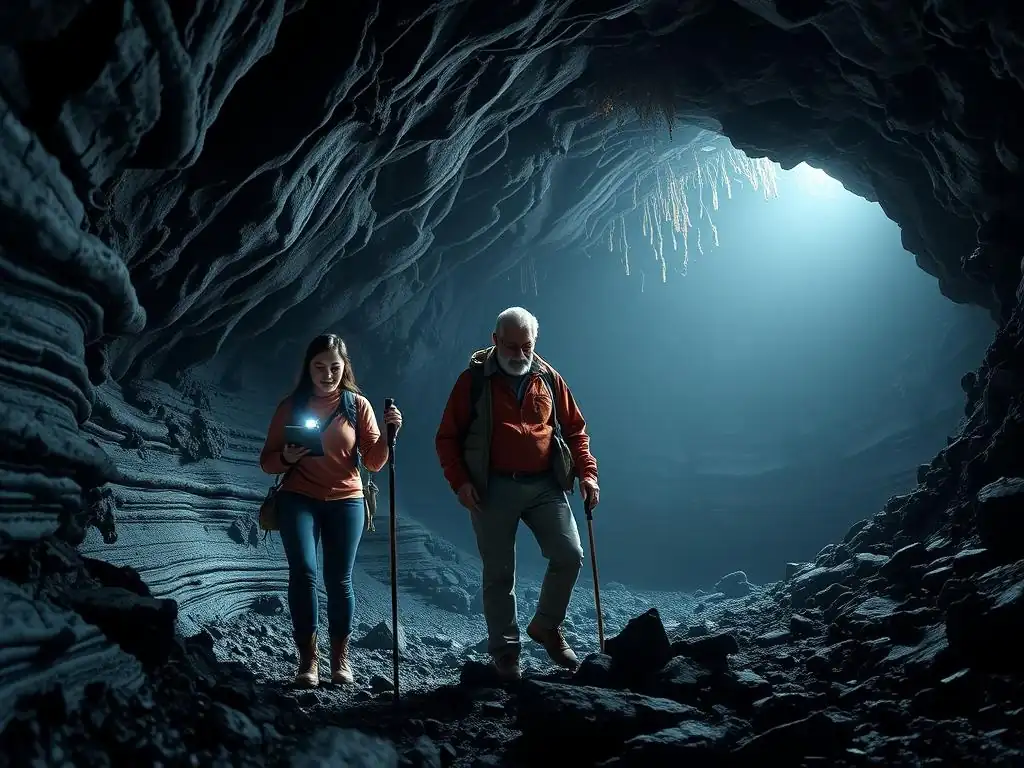
Essential Gear for Lava Tube Exploration: Ensuring a Safe and Comfortable Journey
Exploring lava tube attractions can be an exhilarating adventure, but safety should always be paramount. Proper preparation and the right gear are essential for a safe and comfortable journey into these subterranean volcanic environments. At a minimum, every explorer should be equipped with a reliable light source, such as a headlamp or flashlight, to navigate the darkness of the lava tube and illuminate the path ahead. Sturdy footwear, like hiking boots or closed-toe shoes with good traction, is crucial for traversing uneven and potentially slippery surfaces within the tube.
A helmet is highly recommended, especially in less developed lava tubes, to protect against head injuries from low ceilings or loose rocks. Gloves can also be beneficial for hand protection when navigating rocky passages. Wearing layers of clothing is advisable, as temperatures inside lava tubes can be significantly cooler than the surface environment, and humidity levels may vary.
Bringing water and snacks is important, especially for longer explorations, to stay hydrated and maintain energy levels. For more extensive or challenging lava tube explorations, additional gear such as ropes, harnesses, and caving experience may be necessary, emphasizing the importance of assessing the difficulty of the cave and preparing accordingly.
Navigating lava tubes requires caution and awareness to avoid potential hazards and ensure a safe exploration. Staying on marked trails or designated pathways, where available, is crucial to minimize environmental impact and reduce the risk of getting lost or encountering unstable areas. It's important to watch your footing carefully, as lava tube floors can be uneven, slippery, and strewn with loose rocks. Low ceilings and narrow passages are common in many lava tubes, so being mindful of head height and potential obstacles is essential to prevent bumps and scrapes.
It's advisable to explore lava tubes in groups, or at least inform someone of your plans and expected return time. Carrying a map or guidebook of the lava tube, if available, can aid in navigation and orientation. Being aware of potential hazards such as unstable rock formations, steep drops, and confined spaces is important, and avoiding these areas is crucial for safety.
In case of emergencies, having a communication device, such as a whistle or personal locator beacon, can be beneficial. Respecting any posted warnings or closures and following the guidance of park rangers or tour operators are essential aspects of responsible lava tube exploration.
Respecting the Environment: Protecting the Delicate Ecosystems within Lava Tubes
Lava tubes are delicate environments that require responsible exploration to protect their geological features and unique ecosystems. It's crucial to practice Leave No Trace principles when exploring lava tube attractions, minimizing your impact on the cave environment. Avoid touching or removing any geological formations, such as mineral deposits, lava stalactites, or cave walls. These formations are fragile and can be easily damaged or contaminated by human contact. Refrain from littering or leaving any trash within the lava tube; pack out everything you pack in.
Be mindful of any cave fauna you encounter, such as bats or cave-adapted invertebrates. Avoid disturbing wildlife or their habitats, and maintain a respectful distance. Using artificial light sparingly and avoiding shining lights directly on cave animals can minimize disturbance.
Stay on designated trails to protect fragile cave floors and vegetation at cave entrances. If exploring lava tubes in areas with sensitive ecosystems, consider participating in guided tours, which often incorporate conservation messages and responsible exploration practices. By respecting the environment and following responsible exploration guidelines, we can help preserve these remarkable volcanic caves for future generations to appreciate and explore.
The Future of Lava Tube Exploration: Research and Conservation Efforts
Ongoing Research in Lava Tubes: Uncovering New Discoveries
Lava tubes continue to be active sites of scientific research, offering opportunities for new discoveries in various fields, from geology and biology to astrobiology and planetary science. Geologists are still studying lava tube formation processes, seeking to better understand the factors that control tube morphology and the dynamics of lava flow. Ongoing research involves mapping and surveying lava tube systems using advanced technologies like LiDAR and 3D modeling to create detailed representations of these subterranean environments. Exploring lava tube attractions is not just recreational; it also contributes to the collective knowledge that fuels ongoing scientific inquiry.
Biologists are exploring the unique ecosystems within lava tubes, investigating the adaptations of cave-dwelling organisms and the microbial communities that thrive in these extreme environments. Research into lava tube ecosystems can provide insights into the limits of life and the potential for life in other extreme environments, both on Earth and potentially on other planets.
Astrobiologists are particularly interested in lava tubes as potential analogs for subterranean habitats on Mars and the Moon, where similar geological formations may exist and could potentially harbor microbial life. The ongoing exploration and research in lava tubes promise to yield further scientific breakthroughs and deepen our understanding of these fascinating geological and biological wonders.
Conservation Efforts: Protecting These Unique Volcanic Environments
The unique geological features and ecosystems within lava tubes are increasingly recognized as valuable natural resources that require conservation and protection. Conservation efforts for lava tube attractions range from designating protected areas, such as national parks and nature reserves, to implementing responsible tourism management practices. Many lava tubes are located within protected areas, where access is regulated, and conservation measures are in place to minimize human impact. Responsible tourism initiatives focus on educating visitors about the fragility of lava tube environments and promoting sustainable exploration practices.
Community involvement and public awareness are crucial aspects of lava tube conservation. Engaging local communities in conservation efforts and raising public awareness about the importance of lava tube protection can foster a sense of stewardship and encourage responsible behavior. Monitoring lava tube environments for signs of degradation, such as vandalism, pollution, or disturbance to wildlife, is essential for effective conservation management. Collaborative efforts between scientists, conservationists, park managers, and local communities are vital to ensure the long-term preservation of these remarkable volcanic caves and the treasures they hold.
Lava Tubes and Astrobiology: Simulating Conditions for Extraterrestrial Life
Lava tubes are gaining increasing attention in the field of astrobiology as potential analogs for subterranean habitats on other planets and moons, particularly Mars and the Moon. The stable, shielded environment within lava tubes, protected from harsh surface conditions like radiation and extreme temperature fluctuations, may offer refuge for life beyond Earth, if it exists. Exploring lava tube attractions on Earth provides valuable insights into the potential habitability of similar formations on other celestial bodies.
The conditions within lava tubes, such as darkness, humidity, and stable temperatures, are considered analogous to potential subsurface environments on Mars and the Moon. Scientists are studying terrestrial lava tube ecosystems to understand the types of organisms that can thrive in such conditions and the biosignatures they might produce.
These studies inform the search for life beyond Earth and the development of strategies for exploring and characterizing potential subterranean habitats on other planets. Lava tubes, therefore, are not just geological wonders on Earth; they also serve as crucial testing grounds and inspiration for the quest to understand the potential for life elsewhere in the universe, making exploring lava tube attractions relevant to the grander questions of astrobiology.
Frequently Asked Questions
What exactly are lava tubes and how are they formed?
Lava tubes are natural conduits formed by flowing lava. The outer surface cools and hardens, creating a crust, while molten lava continues to flow beneath, eventually leaving behind a hollow tunnel.
Why are lava tubes considered "attractions" worth exploring?
Lava tubes offer a unique geological experience, showcasing remarkable formations like lava stalactites and benches. They can also harbor unique ecosystems and offer insights into volcanic processes.
What are some of the key dangers associated with exploring lava tubes?
Dangers include poor air quality, unstable ceilings, and difficult terrain. Proper equipment, experience, and sometimes a guide are crucial for safe exploration.
Are there any specific safety precautions I should take when exploring a lava tube?
Always wear a helmet and sturdy shoes. Carry multiple light sources, inform someone of your plans, and be aware of the potential for hazardous gases.
Where can I find the best lava tubes to explore and what permits might I need?
Popular locations include Hawaii Volcanoes National Park and Lava Beds National Monument. Check with local authorities or park services regarding any required permits or guided tours.
Final Reflection: Echoes of the Earth's Breath
The exploration of lava tubes, as we've seen, is far more than just a spelunking adventure; it's a journey into the Earth's fiery past, a tangible connection to the planet's raw power. These subterranean wonders, once conduits of molten rock, now stand as silent witnesses to geological history, offering unique ecosystems and breathtaking formations that deserve our attention and protection. Their relevance extends beyond scientific curiosity; they are fragile environments, increasingly threatened by human activity, demanding a conscious effort to preserve their integrity.
The allure of lava tubes lies not only in their scientific significance but also in their profound impact on our imagination. They remind us that even beneath the surface, hidden from plain sight, lies a world of untold beauty and complexity, a testament to the Earth's enduring creativity. This understanding fosters a deeper appreciation for the interconnectedness of our planet and the importance of responsible stewardship. Look deep into nature, and then you will understand everything better.
- Albert Einstein. This quote resonates deeply when considering the hidden worlds within lava tubes, urging us to seek understanding and connection with the natural world.
As we conclude this exploration of lava tube attractions, let us carry with us a renewed sense of wonder and responsibility. Consider how you can contribute to the preservation of these remarkable geological formations, whether through supporting conservation efforts, practicing responsible tourism, or simply spreading awareness about their significance. Let the echoes of the Earth's breath inspire you to become a guardian of these hidden treasures, ensuring that future generations can marvel at the beauty and mystery that lies beneath our feet.
Ignite Your Inner Explorer: Dive Deeper into Lava Tube Secrets!
Thank you for joining us on this journey into the fascinating world of lava tubes! We hope you've enjoyed uncovering the geological wonders and potential secrets hidden beneath our feet. Now, it's time to take that newfound knowledge and transform it into action!
- Start planning your own lava tube adventure! Research accessible caves in your area or dream about exploring renowned destinations like those in Hawaii or Iceland. Remember to prioritize safety and responsible cave exploration practices!
- Share your favorite fact from this article with a friend – spark their curiosity about these incredible underground formations!
- Contribute to citizen science! Many organizations are tracking lava tube ecosystems. Look for ways to submit observations or photos from your own explorations (safely, of course! ).
What will you discover on your journey into the Earth's volcanic veins?