
Abstract Lava Flows: Capturing Molten Movement in Art Form

Welcome to Volcano Explorers!
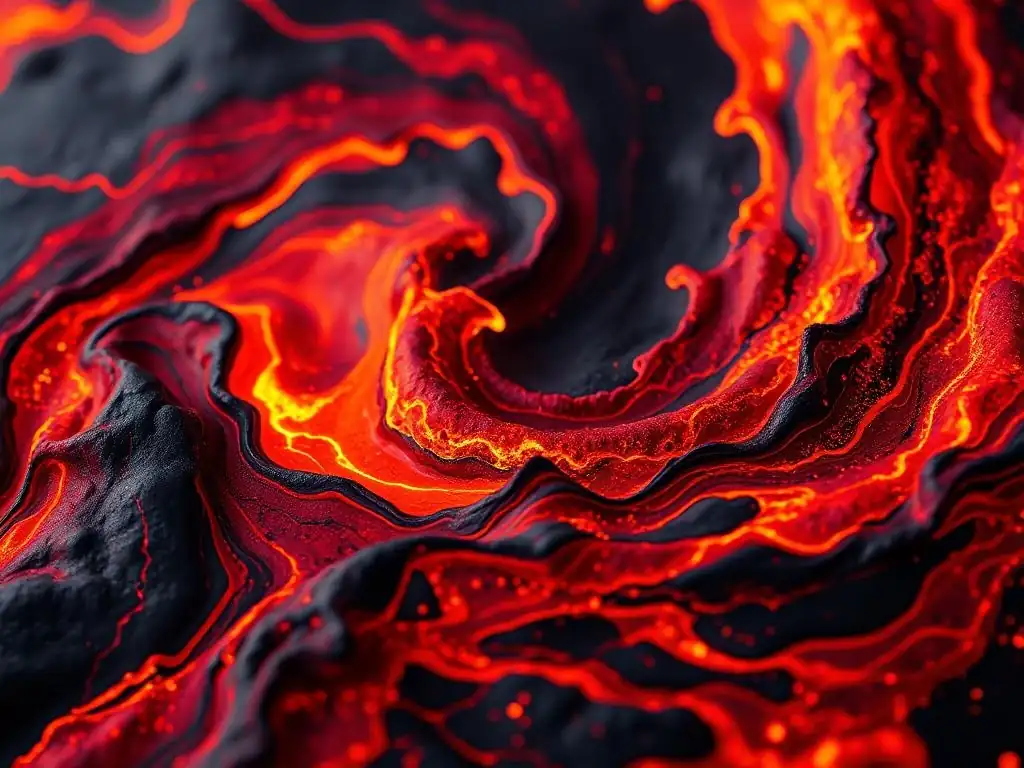
Prepare to be mesmerized. Ever wondered how the raw power and chaotic beauty of molten rock can be translated into art? This journey begins with Abstract Lava Flows: Capturing Molten Movement in Art Form. Dive into a world where fiery eruptions inspire vibrant creations, and discover how artists are channeling the earth's energy onto canvas. Are you ready to witness the explosive intersection of nature and creativity?
- Section 1: Understanding the Raw Materials: Emulating Lava's Texture and Color
-
Frequently Asked Questions
- How does the concept of "abstract art" relate to lava flows?
- What artistic techniques can be used to represent the movement of lava in an abstract way?
- Can abstract art inspired by lava help us understand volcanic activity better?
- What are some examples of colors and textures commonly used in abstract art depicting lava?
- Where can I find more information about abstract art inspired by lava and volcanic phenomena?
- Final Reflection: The Enduring Dance of Creation and Destruction
- Unveil Your Inner Volcanic Artist!
Section 1: Understanding the Raw Materials: Emulating Lava's Texture and Color
Working with Molten Glass: A Direct Approach to Lava-Inspired Art
Working directly with molten glass offers perhaps the most visceral and authentic approach to creating abstract art inspired by lava. The process itself mirrors the volcanic creation of obsidian and basalt, transforming raw materials under intense heat into fluid forms that solidify into striking shapes.
Glass artists who choose this path often employ techniques like glassblowing, casting, or fusing, manipulating the molten glass at temperatures exceeding 2000°F (1100°C). This high-temperature manipulation allows for the creation of flowing, organic shapes reminiscent of pahoehoe and ʻaʻā lava flows, capturing the dynamic energy of volcanic eruptions in a static, yet visually arresting form.
For artists venturing into molten glass work, specialized equipment is essential, most importantly a kiln capable of reaching and maintaining the necessary temperatures for glass melting and annealing. Annealing is a crucial step where the glass is slowly cooled to relieve internal stresses, preventing cracking and ensuring the longevity of the artwork.
Beyond the kiln, glassblowing studios often feature furnaces for continuous melting, glory holes for reheating glass during shaping, and various hand tools like pipes, punties, and jacks to manipulate the molten material. The process demands precision, skill, and a deep understanding of glass properties under extreme heat, but the results can be breathtakingly close to the natural textures and colors of volcanic glass.
Achieving Realistic Lava Textures with Glass Powders and Frits
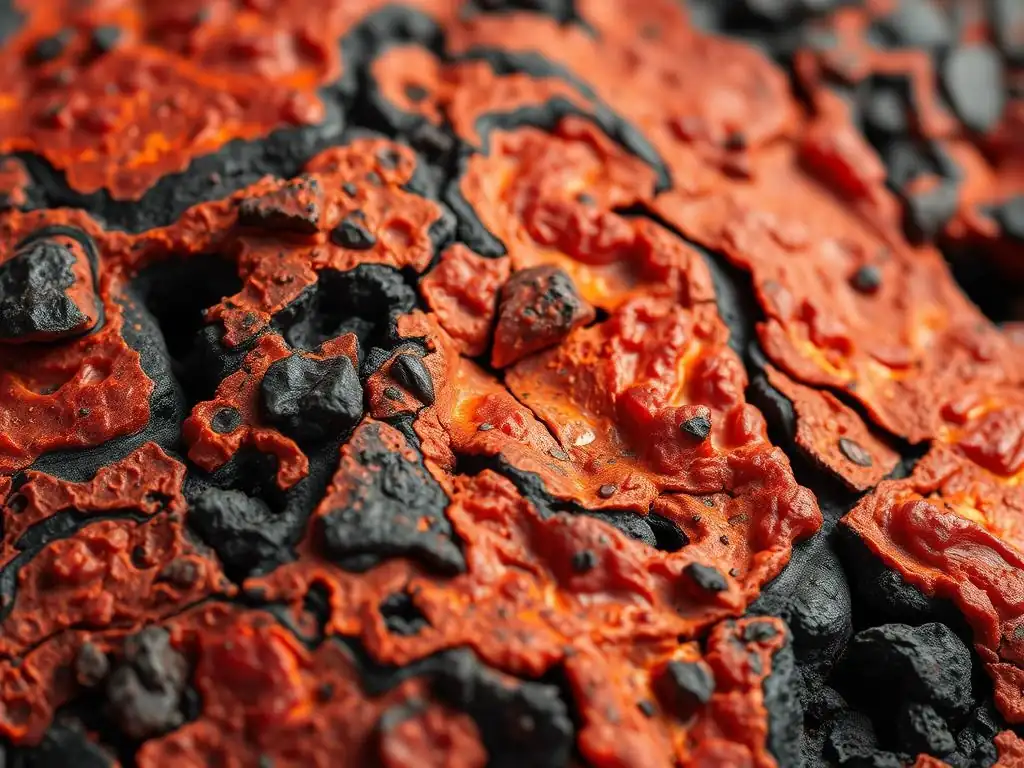
To further enhance the lava-like appearance in glass art, artists frequently incorporate glass powders and frits. Frits are essentially crushed glass that comes in various sizes, from coarse granules to fine powders. These materials can be strategically applied to molten glass surfaces to build texture and depth, mimicking the rough, vesicular surfaces of ʻaʻā lava or the smoother, ropy textures of pahoehoe. For instance, coarse black or dark red frits can be sprinkled onto a molten glass piece and then reheated, causing them to partially melt and fuse to the surface, creating a rugged, scoriaceous effect.
Glass powders offer even finer control over texture and color. By layering different colored powders, artists can achieve subtle gradations and complex color blends that echo the variations seen in natural lava flows, from the bright oranges and yellows of fresh lava to the deep reds and blacks of cooled volcanic rock.
Furthermore, reactive glass powders can be used to create interesting chemical reactions during the melting process, resulting in unique textures and color shifts that add an element of unpredictability and organic beauty to the artwork. The careful application and manipulation of glass powders and frits are key to achieving truly realistic and captivating abstract lava textures in glass art.
Recreating Lava's Flow with Resin Art: A Versatile Medium
Resin art presents a more accessible and versatile alternative for artists seeking to capture the essence of lava flows, without the extreme temperatures and specialized equipment required for glasswork. Epoxy resin, a two-part liquid that hardens to a durable, glass-like finish, allows for a wide range of techniques to mimic the fluidity, texture, and color of molten rock. Its self-leveling properties are particularly advantageous for creating smooth, glossy surfaces reminiscent of solidified lava pools, while various additives and techniques can be employed to introduce texture and dynamic flow effects.
The beauty of resin lies in its adaptability. Artists can manipulate its viscosity, curing time, and color with relative ease, making it ideal for experimenting with abstract lava-inspired forms. Pigments, dyes, and even powdered materials can be mixed into the resin to achieve a vast spectrum of lava colors, from fiery oranges and reds to deep blacks and metallic shimmers. Moreover, resin can be poured, layered, dripped, and swirled to create dynamic patterns that evoke the movement and energy of flowing lava, allowing for intricate and captivating abstract compositions.
Pigments and Dyes for Authentic Lava Colors: Jacquard Pearl Ex Pigments - Affiliate Link
Achieving authentic and vibrant lava colors in resin art is crucial for capturing the visual impact of molten rock. Jacquard Pearl Ex Pigments are a popular choice among resin artists for their intense colors, pearlescent sheen, and ease of use. These powdered pigments can be directly mixed into resin to create a wide range of effects, from shimmering metallic lava flows to deep, saturated volcanic hues. Their fine particle size ensures smooth dispersion within the resin, resulting in consistent and vibrant color throughout the artwork.
For lava-inspired pieces, colors like Pearl Ex Red, Orange, Gold, and Copper are particularly effective for mimicking the fiery glow of molten lava. Black Diamond Pigments also offer a range of deep reds, blacks, and browns that can be used to create the darker, cooled lava rock tones.
By strategically blending and layering these pigments, artists can create complex color gradients and depth within their resin creations, capturing the dynamic interplay of light and color seen in real lava flows. Furthermore, Pearl Ex pigments are lightfast and non-toxic, making them a safe and reliable option for creating long-lasting and visually stunning lava-inspired resin art.
Frequently Asked Questions
How does the concept of "abstract art" relate to lava flows?
Abstract art focuses on form, color, and composition rather than realistic representation. Lava flows, with their unpredictable patterns and vibrant colors, offer a natural subject for abstract interpretation.
What artistic techniques can be used to represent the movement of lava in an abstract way?
Artists might use fluid painting techniques, like pouring or dripping, to mimic lava's flow. Texturing with materials like sand or pumice can also emulate the lava's rough surface.
Can abstract art inspired by lava help us understand volcanic activity better?
Indirectly, yes. By focusing on the visual impact and dynamism of lava flows, art can spark curiosity and encourage viewers to learn more about the science behind volcanic eruptions.
What are some examples of colors and textures commonly used in abstract art depicting lava?
Common colors include fiery reds, oranges, and yellows, often contrasted with blacks and grays to represent cooled lava. Textures range from smooth and glossy to rough and jagged, depending on the artist's interpretation.
Where can I find more information about abstract art inspired by lava and volcanic phenomena?
Besides VolcanoExplorers.org, art galleries, online art marketplaces, and museums with collections of contemporary and abstract art may feature relevant works. Search specifically for artists inspired by geological phenomena.
Final Reflection: The Enduring Dance of Creation and Destruction
The exploration of abstract art inspired by lava, as we've seen, is more than just a visual exercise; it's a profound engagement with the primal forces that shape our world. The raw energy and unpredictable beauty of molten rock, translated onto canvas, resonate deeply in a world grappling with change and transformation. This artistic interpretation offers a unique lens through which to understand the dynamic interplay between creation and destruction, a theme that remains eternally relevant.
The influence of lava's chaotic beauty on abstract art continues to ripple through the cultural landscape, inspiring artists to push boundaries and explore new forms of expression. This connection to the earth's core, this visceral representation of power, reminds us of our own inherent creativity and the potential for transformation within ourselves. Art washes away from the soul the dust of everyday life.
- Pablo Picasso. This quote perfectly encapsulates the power of abstract art, particularly when inspired by such a potent force as lava, to cleanse our perceptions and reveal new perspectives.
As we conclude this journey through the fiery heart of artistic inspiration, I invite you to consider the lessons learned from the lava's dance. How can you embrace the unpredictable, the chaotic, and the transformative in your own life? How can you channel the raw energy of creation to forge something new and beautiful from the ashes of the old? Let the enduring power of abstract art inspired by lava ignite your own creative spirit and shape a future as vibrant and dynamic as the molten earth itself.
Unveil Your Inner Volcanic Artist!
Thank you for delving into the mesmerizing world of abstract lava flow art! Now that you've explored the captivating beauty and raw power of molten movement, it's time to channel that inspiration into action.
- Create Your First Lava-Inspired Masterpiece: Experiment with fluid acrylics or mixed media to capture the essence of molten flow on canvas. Don't be afraid to embrace imperfections – that's where the true art lies!
- Share your artwork with the community using the hashtag #VolcanoExplorersArt on social media to inspire others.
- Delve deeper into the science behind lava viscosity and how it affects artistic representation for a more informed creative process.
Ready to ignite your artistic passion and share your volcanic vision with the world? What captivating element of lava flow art will you explore first?