
Decoding Durability: Choosing Gear That Withstands Volcanic Harshness

Welcome to Volcano Explorers!
Prepare to be captivated by the raw power and breathtaking beauty of volcanoes. Ever wondered how to venture into these fiery landscapes safely? Our latest exploration, "Decoding Durability: Choosing Gear That Withstands Volcanic Harshness," unveils the secrets to selecting essential gear for volcanic conditions—ensuring you're ready for anything Mother Nature throws your way. But that's just the beginning... what critical element are most explorers overlooking? Delve deeper to find out!
- Decoding Durability: Choosing the Best Gear for Volcanic Conditions
- Understanding the Harsh Realities of Volcanic Environments: Gear's Toughest Test
- Essential Gear Breakdown: Building Your Volcano Exploration Kit
- Budget Considerations: Investing Wisely in Durable Gear
- Real-World Examples: Gear That Has Withstood Volcanic Eruptions
- Conclusion
-
Frequently Asked Questions
- What are the most important qualities to look for in gear for volcanic conditions?
- What kind of clothing is recommended when exploring volcanic areas?
- What type of respiratory protection is necessary in volcanic environments?
- What kind of footwear is best suited for traversing volcanic terrain?
- Are there any specific materials to avoid when selecting gear for volcanic conditions?
- Final Reflection: Embracing Resilience in the Face of Fire
- Ignite Your Volcanic Adventures: Gear Up and Explore!
Decoding Durability: Choosing the Best Gear for Volcanic Conditions
Introduction: Why Specialized Gear Matters for Volcano Exploration
Venturing into volcanic terrains demands more than just adventurous spirit; it necessitates careful preparation, especially when it comes to gear. Unlike typical hiking or camping environments, volcanic landscapes present a unique combination of hazards that can severely test the limits of both explorers and their equipment.
The intense heat emanating from volcanic vents, abrasive ash that permeates every crevice, and corrosive gases that can damage skin and lungs, all underscore the critical need for specialized gear designed to withstand these extreme conditions. Choosing the right gear for volcanic conditions is not merely about comfort; it’s about ensuring safety, enhancing performance, and ultimately, making your exploration both successful and memorable.
Standard outdoor equipment, while suitable for moderate conditions, often falls short in the face of volcanic harshness. Imagine hiking boots melting underfoot from geothermal heat or clothing disintegrating due to acidic volcanic gases. Such scenarios are not just hypothetical; they are real risks that emphasize why investing in gear specifically engineered for volcanic environments is paramount. This article will serve as a comprehensive guide to navigating the selection process, focusing on durability, protection, and the essential features to look for when choosing gear that can truly withstand the rigors of volcanic exploration.
Understanding the Harsh Realities of Volcanic Environments: Gear's Toughest Test
Extreme Heat: Selecting Heat-Resistant Clothing and Equipment
Volcanic environments are characterized by intense heat, not just from the ambient air, but also radiating directly from the volcanic ground and vents. Ground temperatures near active volcanic areas can reach scorching levels, often exceeding 140°F (60°C), and in some geothermal areas, even boiling temperatures are possible. This extreme heat poses a significant threat to both explorers and their gear. Standard fabrics and materials can degrade or even melt under such intense thermal stress. Therefore, selecting heat-resistant clothing and equipment is crucial for protection and longevity in these environments.
When choosing gear for volcanic conditions focusing on heat resistance, materials like Nomex or Kevlar, often used in firefighter suits, come to mind for their exceptional thermal properties. While full suits of such materials might be overkill for most volcano explorations, understanding their heat-resistant capabilities informs the selection of appropriate alternatives. Look for clothing made from tightly woven, synthetic fabrics that offer some degree of heat resistance and are less prone to melting than natural fibers like cotton.
For equipment like backpacks and tents, consider materials with high melting points and treatments that enhance heat reflectivity. Even the soles of hiking boots should be chosen carefully, prioritizing those made from durable rubber compounds designed to withstand high temperatures without degrading or losing traction.
Abrasive Ash and Dust: Protecting Yourself and Your Equipment
Volcanic ash, far from being soft like fireplace ash, is composed of tiny fragments of rock, mineral, and volcanic glass. These particles are incredibly abrasive and can infiltrate every piece of gear, causing significant wear and tear. The abrasive nature of volcanic ash can quickly degrade fabrics, scratch lenses, and damage sensitive equipment like cameras and electronics. Furthermore, inhaling volcanic ash is a health hazard, leading to respiratory irritation and potential long-term lung problems. Therefore, protection from abrasive ash and dust is a paramount consideration when selecting gear for volcanic conditions.
To combat the abrasive nature of volcanic ash, gear should be chosen with tightly woven fabrics and sealed seams to minimize particle penetration. For clothing, consider outer layers made from durable, abrasion-resistant materials like tightly woven nylon or polyester. Backpacks and bags should also be constructed from similar robust fabrics and feature dustproof zippers and closures to protect contents. For electronics and sensitive equipment, waterproof and dustproof cases are essential.
Eye protection, such as goggles or wraparound glasses, is critical to shield eyes from ash particles, preventing scratches and irritation. Respiratory protection, like N95 or P100 masks, is equally vital to filter out fine ash particles and protect the respiratory system. Regularly cleaning gear during and after exploration is also crucial to remove accumulated ash and prevent long-term damage.
Corrosive Gases: Shielding Your Skin and Lungs
Volcanic gases, such as sulfur dioxide (SO2), hydrogen sulfide (H2S), and hydrochloric acid (HCl), are potent and corrosive. These gases can irritate the skin, eyes, and respiratory system, and in higher concentrations, can be toxic or even fatal. Furthermore, these gases can corrode metallic components of gear and degrade certain materials over time. Exposure to corrosive volcanic gases is a significant hazard that demands careful consideration when choosing gear for volcanic conditions.
Gear designed for volcanic environments must offer protection against corrosive gases. For respiratory protection, specialized respirators with filters designed to neutralize acidic gases are necessary, especially in areas with high gas concentrations. Simple dust masks are insufficient for protecting against volcanic gases.
Clothing should be made from materials that are resistant to acid degradation. While no fabric is completely impervious to prolonged exposure to strong acids, synthetic fabrics like certain types of polyester and nylon tend to hold up better than natural fibers like cotton or wool in acidic environments. Consider layering clothing to create a barrier between the skin and the gases.
Skin protection is also important; wearing long sleeves, pants, and gloves can minimize direct skin exposure to corrosive gases. Additionally, applying barrier creams to exposed skin areas can offer an extra layer of protection. For metallic gear components, choosing materials like stainless steel or titanium, which are more resistant to corrosion than standard steel or aluminum, can enhance longevity.
Essential Gear Breakdown: Building Your Volcano Exploration Kit
Footwear: Boots Built for Volcanic Terrain
Navigating volcanic terrain demands robust and reliable footwear. The ground can be uneven, unstable, and scorching hot in places. Standard hiking boots might not suffice. Boots built for volcanic conditions need to prioritize heat resistance, ankle support, and exceptional traction on loose volcanic rock and ash.
Look for boots with thick, durable rubber soles made from heat-resistant compounds. These soles should be able to withstand the radiant heat from the ground without melting or losing grip. Ankle support is crucial for navigating uneven terrain and preventing injuries from twisting ankles on loose rocks. High-cut boots that provide ample ankle support are recommended.
The construction material of the boot is also critical. Leather boots, while durable, can be heavy and may not dry quickly if they get wet. Synthetic boots, particularly those made with materials like Cordura nylon, offer a good balance of durability, breathability, and lighter weight. Consider boots with reinforced toe and heel areas for added protection against sharp volcanic rocks.
The tread pattern of the sole should be aggressive and designed for traction on loose surfaces like scree and ash. Deep lugs and a wide footprint will provide better grip and stability. Some specialized volcanic hiking boots even incorporate heat-reflective layers in the sole construction to further minimize heat transfer from the ground to the foot.
Clothing: Layering for Versatility and Protection
Clothing for volcano exploration should be approached with a layering system in mind, allowing for adaptability to changing temperatures and conditions. The base layer should wick away moisture to keep the skin dry and comfortable, especially during strenuous activity. Materials like merino wool or synthetic moisture-wicking fabrics are ideal for base layers. The mid-layer provides insulation and warmth. Fleece or synthetic insulated jackets are good choices, offering warmth without excessive bulk and retaining insulating properties even when damp. The outer layer is the shield against the elements – wind, rain, ash, and to some extent, heat.
The outer shell jacket and pants should be made from durable, water-resistant, and windproof materials. Tightly woven nylon or polyester fabrics with a durable water repellent (DWR) finish are suitable. Look for features like adjustable cuffs, hoods, and ventilation zippers to customize protection and airflow. Consider the color of your clothing.
Lighter colors reflect more heat and are generally preferable in hot environments, while darker colors absorb more heat, which might be beneficial in cooler conditions, but less so near volcanic heat sources. Long sleeves and pants are essential for protecting skin from UV radiation, abrasive ash, and potential contact with hot surfaces or corrosive gases. Gloves are also crucial for hand protection, especially when handling equipment or navigating rocky terrain.
Eye Protection: Safeguarding Your Vision from Ash and UV Rays
Eye protection is non-negotiable in volcanic environments. Volcanic ash is highly abrasive and can cause corneal scratches and irritation. Furthermore, high altitudes and reflective surfaces like snow or ice (often found on volcanoes) can intensify UV radiation. Proper eye protection shields against both physical hazards like ash and environmental hazards like UV rays, ensuring clear vision and preventing eye damage. Sunglasses or goggles are essential. For ash protection, goggles offer superior protection compared to sunglasses, as they create a seal around the eyes, preventing ash particles from entering.
Choose sunglasses or goggles that offer 100% UV protection to shield your eyes from harmful ultraviolet radiation. For ash protection, look for goggles with a close fit and ventilation to prevent fogging. Polycarbonate lenses are a good choice as they are impact-resistant and provide excellent UV protection. Consider tinted lenses to reduce glare, especially in bright, sunny conditions or when surrounded by snow or ice.
Carry extra eye protection in case of damage or loss. Regularly clean your eye protection to remove accumulated ash and maintain clear vision. For those who wear prescription glasses, consider prescription goggles or contact lenses with goggles worn over them for optimal protection and vision correction.
Safety Equipment: Prioritizing Your Well-being
Beyond basic gear, specific safety equipment is paramount for volcano exploration, directly addressing the inherent risks of these dynamic environments. A helmet is crucial for protecting the head from falling rocks or debris, especially in areas prone to rockfalls or during seismic activity. Choose a climbing helmet or a sturdy hiking helmet that meets safety standards. A reliable communication device, such as a satellite communication device or a personal locator beacon (PLB), is essential, especially when exploring remote volcanic areas where cell phone service is unreliable or non-existent. These devices allow for emergency communication and location tracking.
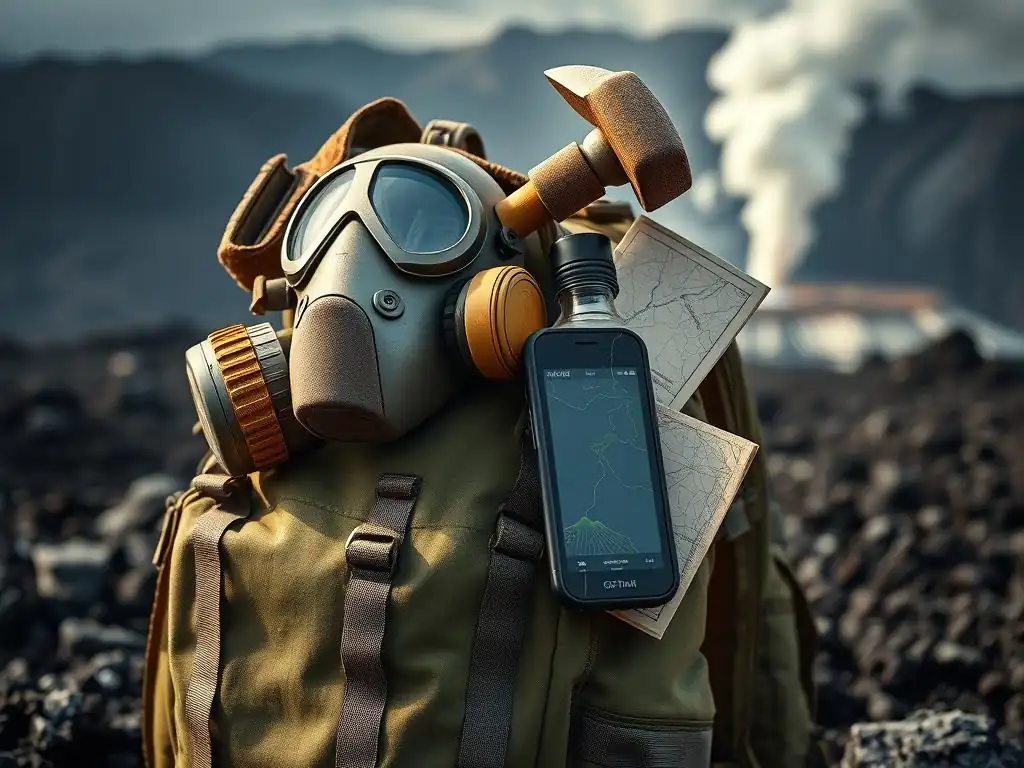
A first-aid kit tailored for volcanic environments should be more comprehensive than a standard kit. Include supplies for treating burns, respiratory irritation, eye injuries from ash, and potential injuries from falls on uneven terrain. Consider adding items like saline solution for eye irrigation, burn cream, and extra bandages. A gas mask or respirator with appropriate filters for volcanic gases is a critical piece of safety equipment, particularly for areas with known gas emissions.
Ensure you know how to properly use the respirator and that the filters are appropriate for the expected gas types and concentrations. Carrying sufficient water and food is also a crucial safety measure, as volcanic environments can be dehydrating and exploration can be physically demanding. Always inform someone of your itinerary and expected return time before venturing into volcanic areas.
Budget Considerations: Investing Wisely in Durable Gear
Investing in gear for volcanic conditions is not just an expense; it's an investment in safety and the longevity of your exploration pursuits. While it might be tempting to opt for cheaper, less specialized gear, the harsh realities of volcanic environments often expose the limitations of substandard equipment quickly. Prioritizing quality and durability over cost-cutting in critical gear items like boots, respirators, and eye protection is a wise decision that can prevent equipment failure and potential injuries. Think of durable gear as an insurance policy for your safety and enjoyment.
However, budget-conscious volcano explorers can still make smart choices. Focus on investing in high-quality versions of essential safety gear first, such as boots, respirators, eye protection, and a helmet. For clothing, while specialized volcanic gear might be ideal, durable outdoor clothing designed for hiking and mountaineering can often suffice, especially for less extreme volcanic explorations. Look for sales, discounts, and reputable brands that offer durable gear at reasonable prices.
Consider renting specialized equipment, like gas masks or satellite communication devices, if you don't plan to explore volcanic areas frequently. Properly maintaining and caring for your gear will also extend its lifespan, maximizing your investment. Washing ash off clothing and equipment after each use, storing gear properly, and performing regular inspections and repairs can significantly increase the longevity of your gear.
Real-World Examples: Gear That Has Withstood Volcanic Eruptions
Instances of gear enduring volcanic eruptions are often seen in the equipment used by volcanologists and emergency responders working in hazardous volcanic zones. For example, during the 2010 eruption of Eyjafjallajökull in Iceland, researchers and journalists relied on specialized outerwear designed to be waterproof, windproof, and ash-resistant to operate effectively amidst the volcanic ash plume and harsh weather conditions. These garments, often made from advanced synthetic fabrics, proved crucial for maintaining comfort and protection during prolonged exposure to the volcanic environment.
Footwear durability is constantly tested in volcanic landscapes. Volcanologists working on Kilauea in Hawaii have historically used heavy-duty, heat-resistant work boots with thick soles to traverse lava fields and geothermal areas. These boots are designed to withstand high temperatures and abrasive surfaces, providing essential protection against burns and injuries.
Furthermore, during eruptions like Mount St. Helens in 1980, protective eyewear, including goggles and respirators, became indispensable for scientists and rescue teams navigating ash-filled environments. These real-world scenarios highlight the critical role of robust, specialized gear in enabling safe and effective operations in volcanic environments, underscoring the importance of choosing gear that is up to the challenge.
Conclusion
Choosing the right gear for volcanic conditions is a critical aspect of safe and successful volcano exploration. Understanding the unique hazards – extreme heat, abrasive ash, and corrosive gases – is the first step in making informed gear selections. Prioritizing durable footwear, versatile layered clothing, robust eye protection, and essential safety equipment forms the foundation of a well-prepared volcano exploration kit.
While budget considerations are important, investing wisely in quality gear, particularly safety-related items, is paramount. Learning from real-world examples where gear has been tested in volcanic eruptions reinforces the significance of choosing equipment designed to withstand these demanding environments. By carefully selecting gear that prioritizes durability and protection, volcano explorers can confidently and safely delve into the awe-inspiring world of volcanoes, equipped to face the challenges and appreciate the raw power of nature.
Frequently Asked Questions
What are the most important qualities to look for in gear for volcanic conditions?
The most important qualities are heat resistance, chemical resistance (especially against acidic gases), and durability. Gear should also offer protection from particulate matter, like ash and pumice.
What kind of clothing is recommended when exploring volcanic areas?
Multiple layers of heat-resistant and fire-retardant clothing are ideal. Natural fibers like wool are preferable. Avoid synthetic materials that can melt onto the skin.
What type of respiratory protection is necessary in volcanic environments?
A high-quality respirator with filters capable of blocking fine particulate matter and acidic gases is essential. Ensure it's properly fitted to create a secure seal against the face.
What kind of footwear is best suited for traversing volcanic terrain?
Sturdy hiking boots with thick soles that provide good traction and protection from heat and sharp rocks are recommended. Consider adding gaiters to prevent ash and debris from entering the boots.
Are there any specific materials to avoid when selecting gear for volcanic conditions?
Avoid materials that are highly flammable or that melt easily at high temperatures, such as many synthetic fabrics. Also, be cautious of materials easily corroded by acidic gases, such as certain metals.
Final Reflection: Embracing Resilience in the Face of Fire
The exploration of gear designed for volcanic conditions, as we've seen, is not merely about selecting equipment; it's about understanding the limits of human endurance and pushing them safely. The unforgiving nature of volcanic environments demands respect, and the right gear is the bridge between ambition and survival.
This pursuit of durability and resilience extends far beyond the slopes of active volcanoes. It speaks to our inherent desire to overcome challenges, to explore the unknown, and to find strength in the face of adversity. As the world faces increasing environmental uncertainties, the lessons learned in volcanic environments become increasingly relevant. The ultimate measure of a man is not where he stands in moments of comfort and convenience, but where he stands at times of challenge and controversy.
- Martin Luther King, Jr. This quote reminds us that true character, and indeed true quality, is revealed under pressure.
Now, consider the principles we've discussed. How can you apply the lessons of durability and resilience to your own life? What "volcanic conditions" do you face, and what "gear" – be it physical, mental, or emotional – do you need to navigate them successfully? Let this exploration of gear for volcanic conditions inspire you to choose wisely, prepare diligently, and embrace the challenges that lie ahead, knowing that with the right tools and mindset, you can withstand any storm.
Ignite Your Volcanic Adventures: Gear Up and Explore!
Thank you for exploring the crucial aspects of durable gear for volcanic environments! We hope this guide has equipped you with the knowledge to confidently prepare for your next expedition. Now, it's time to put that knowledge into action.
Here are a few steps to enhance your volcanic explorations:
- Prioritize your safety by reviewing and updating your gear checklist. Ensure you have everything needed for a secure and rewarding experience.
- Explore detailed gear reviews in our 'Gear Lab' section, where experienced explorers share their firsthand experiences with various brands and models.
- Share your own experiences! Post images of your favorite volcanic gear and share your tips on social media using #VolcanoGear – let's build a community knowledge base!
Ready to brave the elements and embark on your next unforgettable volcano adventure? Which piece of gear are you most excited to test on your next expedition, and why?