
Are We Overconfident? Questioning the Limits of VolcanoProofing Technology

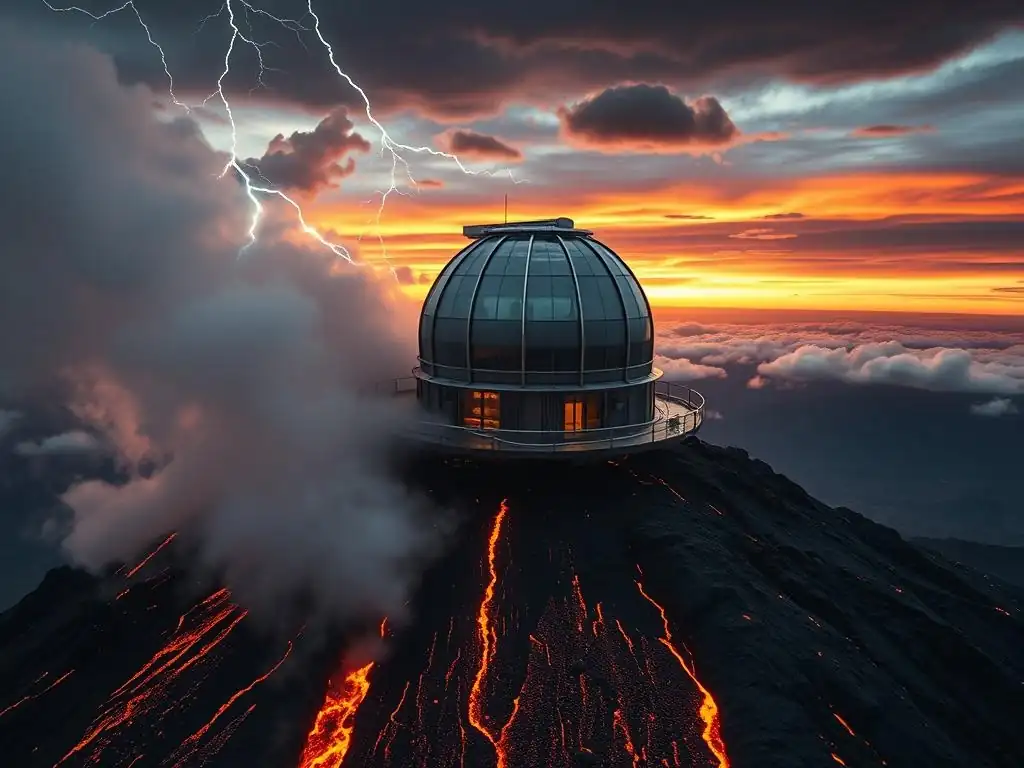
Welcome to Volcano Explorers, where the Earth breathes fire and molten rock reshapes our world. But are we truly masters of this fiery domain? Before diving into our latest exploration of volcano proofing technology limits, prepare to question the boundaries of our ingenuity. Is our confidence in these advancements justified, or are we teetering on the edge of a dangerous complacency? The answers, like the magma beneath our feet, are complex and ever-shifting. Let's explore…
- Introduction: Assessing the Reality of Volcano-Resistant Infrastructure
- Understanding Volcano Proofing Technologies: A Critical Overview
- The Limits of Current Volcano Proofing Technology: Where Do We Fall Short?
- Case Studies: Examining Failures and Near-Misses in Volcano-Prone Areas
- The Human Factor: Overconfidence and Complacency in Volcanic Zones
- Improving Volcano Preparedness: A Holistic Approach
- The Future of Volcano-Resistant Infrastructure: Research and Innovation
- Conclusion: Balancing Confidence and Caution in the Face of Volcanic Hazards
-
Frequently Asked Questions
- What exactly is "volcano proofing technology," and what is its main goal?
- How effective are current volcano proofing technologies in preventing damage from major eruptions?
- What are some examples of current volcano proofing technologies being used near active volcanoes?
- What are the limitations of volcano proofing technologies, particularly in terms of cost and feasibility?
- How does the reliance on volcano proofing technology potentially affect our preparedness for volcanic eruptions?
- Final Reflection: Navigating the Illusion of Control
- Unearth Your Inner Volcano Expert!
Introduction: Assessing the Reality of Volcano-Resistant Infrastructure
The Promise of Volcano Proofing: A Double-Edged Sword?
The term "volcano proofing" conjures images of impenetrable structures, fortresses capable of withstanding the raw power of volcanic eruptions. This concept promises safety and security in regions historically defined by volcanic risk. Advancements in material science and engineering have indeed led to the development of technologies aimed at mitigating the impact of volcanic hazards, from ashfall to lava flows. This progress is undeniably valuable, offering a degree of protection previously unimaginable.
However, the very notion of "volcano proofing" can be misleading. It risks fostering a sense of invulnerability that may not be entirely justified. While technology can significantly reduce vulnerability, it's crucial to recognize that volcanoes are forces of nature operating on a scale that often dwarfs human engineering capabilities. The question then becomes: are we placing too much faith in technology, potentially overlooking the inherent limitations and fostering a dangerous overconfidence in our ability to completely neutralize volcanic threats?
Why Questioning Volcano Proofing Technology is Crucial for Volcano Safety
A critical evaluation of volcano proofing technology is not about dismissing its value. Instead, it’s about fostering a more realistic and nuanced understanding of its capabilities and limitations. Blind faith in technological solutions can lead to complacency in other crucial areas of volcano safety, such as emergency preparedness, evacuation planning, and community education. If people believe they are living in "volcano-proof" zones, they might be less inclined to heed warnings or participate in preparedness drills, potentially increasing their vulnerability when technology reaches its limits.
Furthermore, focusing solely on technological solutions can divert resources and attention from equally important strategies for mitigating volcanic risk. Effective volcano safety relies on a multi-faceted approach that integrates technology with robust monitoring systems, land-use planning, and community-based resilience initiatives. By questioning the absolute effectiveness of volcano proofing technology, we encourage a more balanced and comprehensive approach to volcano safety, ensuring that communities are truly prepared for the inevitable challenges posed by these powerful natural phenomena.
Understanding Volcano Proofing Technologies: A Critical Overview
What Does "Volcano Proof" Really Mean? Defining Resistance Levels
The term "volcano proof" is often used loosely, creating a potentially false sense of security. In reality, no structure can be absolutely impervious to all volcanic hazards under all circumstances. Instead, it's more accurate to speak of "volcano-resistant" infrastructure, designed to withstand specific types and intensities of volcanic events. Defining resistance levels is crucial for effective planning and communication. For example, a building might be designed to be "ashfall-resistant," capable of withstanding a certain thickness of volcanic ash accumulation without structural collapse.
Similarly, infrastructure might be designed to be "lava-resistant" to a degree, perhaps capable of withstanding the heat and impact of slow-moving lava flows for a limited time, or diverting flows away from critical assets. These resistance levels are determined by a range of factors, including the specific volcanic hazards in a region, the intensity of potential eruptions, and the available technology and resources. It is essential to move away from the misleading term "volcano proof" and adopt more precise language that accurately reflects the actual capabilities and limitations of mitigation technologies.
Types of Volcano Mitigation Strategies and Technologies Employed
Volcano mitigation strategies encompass a wide range of approaches, from large-scale engineering projects to localized building techniques. These technologies aim to protect communities and infrastructure from various volcanic hazards, including ashfall, lava flows, pyroclastic flows, lahars (volcanic mudflows), and volcanic gases. The selection of appropriate strategies depends heavily on the specific volcanic risk profile of a region and the resources available for implementation.
Engineering Structures for Ashfall Protection
Volcanic ash, though seemingly benign, can be incredibly disruptive and damaging. Heavy ashfall can cause roofs to collapse, disrupt transportation and communication networks, and contaminate water supplies. Engineering structures for ashfall protection often involve designing buildings with steeply pitched roofs to minimize ash accumulation, strengthening roof structures to withstand ash loads, and implementing air filtration systems to protect indoor environments.
For critical infrastructure like airports and power plants, specialized ash removal equipment and operational procedures are crucial to maintain functionality during and after ashfall events. For instance, some airports in Iceland and Japan have invested in specialized sweepers and vacuum trucks designed to quickly clear runways of volcanic ash, allowing for a faster resumption of air traffic.
Lava Diversion Techniques: Successes and Limitations
Lava flows pose a direct and devastating threat, capable of burying entire communities and infrastructure. Lava diversion techniques aim to redirect lava flows away from populated areas and valuable assets. These techniques include constructing barriers, such as earthen walls or rock berms, and digging channels to guide lava flows along less destructive paths. One notable example is the successful diversion of lava flows during the 1973 eruption on Heimaey Island, Iceland, where massive pumping efforts and strategically placed barriers saved the town's harbor.
However, lava diversion is not always feasible or successful. The effectiveness of these techniques depends on factors such as the volume and viscosity of the lava, the topography of the terrain, and the time available for construction. Large-volume eruptions or highly fluid lava flows can overwhelm diversion structures, highlighting the limitations of this approach.
Building Design Considerations for Volcanic Zones
Building design in volcanic zones plays a crucial role in enhancing resilience. This includes incorporating specific architectural features and construction materials to withstand volcanic hazards. For example, buildings in ashfall-prone areas can be designed with reinforced roofs and minimal horizontal surfaces where ash can accumulate. In areas susceptible to volcanic gases, buildings can be constructed with airtight seals and ventilation systems to minimize indoor gas concentrations.
Furthermore, the location and orientation of buildings within volcanic zones are critical considerations. Avoiding construction in known lahar paths or areas prone to pyroclastic flows is paramount. Land-use planning regulations and building codes in volcanic regions often incorporate these considerations to minimize vulnerability and promote safer development.
The Limits of Current Volcano Proofing Technology: Where Do We Fall Short?
Material Science Challenges in Extreme Volcanic Environments
Volcanic environments present extreme conditions that push the limits of material science. Materials used in volcano proofing infrastructure must withstand not only intense heat from lava and pyroclastic flows, but also corrosive volcanic gases, abrasive ash, and the dynamic forces of earthquakes and ground deformation often associated with volcanic activity. While advancements have been made in developing heat-resistant concrete and specialized alloys, these materials often come with significant cost implications and may still degrade over time under prolonged exposure to harsh volcanic conditions.
For instance, while reinforced concrete can offer some protection against lava flows, prolonged exposure to extreme heat can lead to spalling and structural weakening. Similarly, while certain polymers and coatings can offer some resistance to volcanic gases, their long-term durability in highly corrosive environments is still a subject of ongoing research. The challenge lies in developing cost-effective materials that can reliably maintain their structural integrity and protective properties over extended periods in the face of diverse and extreme volcanic stresses.
Cost-Effectiveness and Scalability of Volcano-Resistant Construction
Implementing volcano proofing technologies, especially on a large scale, can be incredibly expensive. Lava diversion projects, for example, require significant investments in earthmoving equipment, materials, and labor. Similarly, constructing buildings with enhanced ashfall resistance or gas protection adds to construction costs. For many communities in volcano-prone regions, particularly in developing countries, the financial burden of implementing comprehensive volcano proofing measures can be prohibitive.
Furthermore, the scalability of certain technologies is limited. While localized protection measures for individual buildings or critical infrastructure may be feasible, protecting entire cities or regions from large-scale volcanic events using current volcano proofing technologies is often impractical and economically unsustainable. The cost-benefit analysis of volcano proofing must be carefully considered, weighing the potential protection against the economic resources required, and exploring alternative or complementary risk reduction strategies.
The Unpredictability of Volcanic Eruptions: A Constant Threat
Perhaps the most fundamental limitation of volcano proofing technology lies in the inherent unpredictability of volcanic eruptions. While volcanologists have made significant progress in monitoring and forecasting volcanic activity, eruptions are complex natural phenomena that can still defy precise prediction. The timing, magnitude, and style of volcanic eruptions can vary greatly, even from the same volcano. An eruption might be larger or more explosive than anticipated, exceeding the design parameters of existing volcano proofing infrastructure.
For example, a lava diversion system designed for a moderate-volume lava flow might be overwhelmed by a larger eruption. Similarly, buildings designed to withstand a certain level of ashfall might still suffer damage if an eruption produces an unexpectedly thick ash cloud. This inherent uncertainty underscores the fact that volcano proofing technology can only reduce, but not eliminate, volcanic risk. It is crucial to acknowledge this limitation and maintain a state of preparedness for unforeseen volcanic events, regardless of the level of technological protection in place.
Case Studies: Examining Failures and Near-Misses in Volcano-Prone Areas
Lessons Learned from Past Volcanic Disasters: Mount Unzen Mudflows (1991-1995)
The Mount Unzen eruptions in Japan during the early 1990s, characterized by pyroclastic flows and subsequent devastating mudflows (lahars), serve as a stark reminder of the limits of even advanced engineering solutions. Despite Japan's extensive experience with volcanic hazards and its technological prowess, the scale and intensity of the lahars overwhelmed existing mitigation infrastructure. Sedimentation basins and diversion channels, designed to contain and redirect mudflows, proved insufficient to handle the sheer volume of material mobilized by heavy rainfall following pyroclastic flow events.
The disaster resulted in significant loss of life and widespread damage, highlighting the challenge of predicting and mitigating the complex and cascading effects of volcanic eruptions. The Mount Unzen case underscores the importance of not only building robust infrastructure but also implementing comprehensive early warning systems, evacuation plans, and land-use regulations that account for the potential for extreme and unpredictable volcanic events. It also revealed the crucial role of real-time monitoring and adaptive management strategies in responding to evolving volcanic crises.
Analysis of Infrastructure Performance During Recent Eruptions: Kilauea Eruption and Infrastructure Damage (2018)
The 2018 Kilauea eruption in Hawaii provides a more recent example of volcanic hazards impacting infrastructure, even in a region with established volcano monitoring and preparedness measures. While Hawaii has a sophisticated volcano observatory and well-defined hazard zones, the eruption's scale and unexpected shift in eruptive style led to significant infrastructure damage. Lava flows from the Lower East Rift Zone fissures inundated residential areas, roads, and power lines, demonstrating the destructive power of even relatively slow-moving lava when it impacts populated areas.
While some infrastructure, particularly newer buildings constructed with lava-resistant foundations, fared better than older structures, the eruption ultimately overwhelmed many existing mitigation efforts. The Kilauea eruption highlighted the challenges of protecting infrastructure from prolonged lava inundation and the limitations of relying solely on structural hardening. It reinforced the need for proactive land-use planning that discourages development in high-hazard zones and emphasizes community relocation and resilience strategies as key components of volcano risk reduction.
The Human Factor: Overconfidence and Complacency in Volcanic Zones
The Psychological Impact of "Volcano Proof" Claims on Community Preparedness
The rhetoric surrounding "volcano proofing" can have unintended negative psychological impacts on communities living in volcanic zones. Overly optimistic claims about technological solutions can foster a false sense of security, leading to reduced vigilance and preparedness. If residents believe their homes and communities are effectively "volcano proof," they may become less likely to engage in preparedness activities, such as participating in evacuation drills, maintaining emergency supplies, or heeding volcanic warnings.
This complacency can be particularly dangerous when volcanic activity escalates or when an eruption exceeds the capabilities of existing mitigation measures. A sudden shift from perceived safety to actual danger can lead to panic and delayed responses, increasing vulnerability and potentially resulting in higher casualties. It is crucial to communicate the limitations of volcano proofing technologies clearly and consistently, emphasizing that preparedness remains a shared responsibility, regardless of technological advancements.
Risk Perception and Evacuation Behavior in Light of Perceived Safety
Risk perception plays a critical role in shaping evacuation behavior during volcanic crises. If people perceive their environment as "volcano proof," their risk perception may be significantly lowered, leading to reluctance to evacuate even when advised to do so. This phenomenon is often observed in disaster situations, where individuals underestimate their personal risk and overestimate the effectiveness of protective measures, including technological solutions.
In volcanic contexts, this can manifest as residents choosing to stay in their homes despite evacuation orders, believing that their "volcano-proof" buildings will protect them. This delayed or non-existent evacuation can have dire consequences, particularly in the face of fast-moving volcanic hazards like pyroclastic flows or lahars. Effective risk communication strategies must address this potential for overconfidence, emphasizing the residual risks even in "volcano-resistant" areas and promoting a culture of proactive evacuation in response to volcanic warnings.
Improving Volcano Preparedness: A Holistic Approach

Integrating Volcano Proofing with Comprehensive Evacuation Plans
Volcano proofing technology should be viewed as one component of a broader, holistic approach to volcano preparedness, not as a standalone solution. Effective risk reduction requires integrating technological measures with robust evacuation plans, early warning systems, and community education initiatives. Even in areas with advanced volcano-resistant infrastructure, comprehensive evacuation plans are essential to ensure the safety of residents in the event of a major eruption or when technological defenses are overwhelmed.
Evacuation plans should be regularly reviewed and updated, taking into account the specific volcanic hazards in the region, the limitations of existing infrastructure, and the evolving scientific understanding of volcanic activity. Drills and exercises should be conducted to familiarize communities with evacuation routes and procedures, reinforcing the importance of preparedness even in areas perceived as relatively safe due to volcano proofing measures.
Enhancing Volcanic Hazard Monitoring and Early Warning Systems
Investing in and enhancing volcanic hazard monitoring and early warning systems is paramount for effective volcano preparedness. Advanced monitoring networks, utilizing seismometers, GPS stations, gas sensors, and remote sensing technologies, provide crucial data for tracking volcanic activity and detecting signs of impending eruptions. Timely and accurate early warnings are essential to trigger evacuation plans and allow communities to take protective measures.
Improvements in monitoring technologies, data analysis techniques, and communication systems are continuously enhancing the effectiveness of early warning systems. However, challenges remain in predicting the precise timing and magnitude of eruptions, particularly for volcanoes with long periods of dormancy. Continued research and development in volcano monitoring and forecasting are crucial to further improve early warning capabilities and reduce volcanic risk.
Community Education and Engagement: Fostering a Culture of Resilience
Ultimately, building resilience to volcanic hazards requires fostering a culture of preparedness and risk awareness within communities living in volcanic zones. Community education and engagement programs play a vital role in promoting understanding of volcanic risks, preparedness measures, and evacuation procedures. These programs should be tailored to the specific needs and cultural context of each community, utilizing accessible and culturally relevant communication channels.
Engaging local communities in the planning and implementation of volcano preparedness strategies is essential to build trust, ownership, and long-term resilience. Empowering communities with knowledge and skills to prepare for and respond to volcanic eruptions is a crucial complement to technological mitigation efforts, ensuring that individuals and communities are active participants in their own safety and well-being.
The Future of Volcano-Resistant Infrastructure: Research and Innovation
Emerging Technologies in Volcano Mitigation and Construction
Research and innovation are continuously driving advancements in volcano mitigation and construction technologies. Emerging technologies hold promise for enhancing the effectiveness and affordability of volcano-resistant infrastructure. For example, research into novel materials, such as advanced composites and geopolymer concretes, is exploring options for creating more heat-resistant and durable building materials. Developments in robotics and automation are also being explored for constructing and maintaining volcano mitigation infrastructure in hazardous environments.
Furthermore, innovative approaches to lava diversion, such as air-cooling techniques and the use of drones for rapid barrier construction, are being investigated. These emerging technologies offer potential pathways to overcome some of the current limitations of volcano proofing and enhance the resilience of communities living in volcanic zones. Continued investment in research and development is crucial to unlock the full potential of these innovations.
The Role of Predictive Modeling in Designing Safer Structures
Predictive modeling is increasingly playing a vital role in designing safer structures in volcanic regions. Sophisticated computer models can simulate volcanic processes, such as ashfall dispersal, lava flow paths, and lahar inundation zones, with increasing accuracy. These models can be used to assess volcanic hazards at specific locations, inform land-use planning decisions, and optimize the design of volcano-resistant infrastructure.
By integrating predictive modeling into the design process, engineers can create structures that are better tailored to the specific volcanic risks in a given area, enhancing their effectiveness and cost-efficiency. As predictive models become more refined and incorporate more detailed data, their role in designing safer and more resilient infrastructure in volcanic zones will continue to grow.
Sustainable Development in Volcanic Regions: Balancing Growth and Safety
Sustainable development in volcanic regions requires a careful balancing act between economic growth and ensuring community safety. While volcano proofing technologies can contribute to reducing volcanic risk, they should not be seen as a license for unchecked development in high-hazard zones. Sustainable development strategies must integrate volcano risk considerations into land-use planning, building codes, and infrastructure development.
This includes avoiding or limiting development in areas at highest risk from volcanic hazards, promoting resilient building practices, and investing in community-based preparedness initiatives. Sustainable development in volcanic regions should prioritize the long-term safety and well-being of communities, recognizing that living with volcanoes requires a continuous commitment to risk management and adaptation.
Conclusion: Balancing Confidence and Caution in the Face of Volcanic Hazards
A Call for Realistic Expectations Regarding Volcano Proofing Technology Limits
While volcano proofing technology offers valuable tools for mitigating volcanic risk, it is crucial to maintain realistic expectations regarding its limitations. No technology can completely eliminate the threat posed by volcanoes, and the term "volcano proof" itself can be misleading and create a false sense of security. Volcanic eruptions are powerful and unpredictable natural phenomena that can exceed the design parameters of even the most advanced mitigation measures.
It is essential to communicate the capabilities and limitations of volcano proofing technologies transparently and accurately to communities living in volcanic zones. Overly optimistic claims can undermine preparedness efforts and increase vulnerability. A balanced approach that acknowledges the value of technology while emphasizing the importance of comprehensive preparedness, evacuation planning, and community resilience is crucial for effective volcano risk reduction.
Promoting Responsible Development and Risk Management in Volcanic Zones
Ultimately, living safely in volcanic zones requires a commitment to responsible development and proactive risk management. This includes integrating volcano risk considerations into all aspects of planning and development, from land-use zoning to building codes and infrastructure design. Investing in volcano monitoring and early warning systems, promoting community education and engagement, and maintaining robust evacuation plans are essential components of a comprehensive risk management strategy.
Volcano proofing technologies can play a valuable role in reducing vulnerability, but they should be viewed as part of a broader, integrated approach. By fostering a culture of preparedness, risk awareness, and realistic expectations, communities can build resilience and thrive in the shadow of these powerful and awe-inspiring natural forces.
Frequently Asked Questions
What exactly is "volcano proofing technology," and what is its main goal?
Volcano proofing technology encompasses various methods aimed at mitigating the effects of volcanic eruptions. The primary goal is to protect lives and property in areas vulnerable to volcanic hazards.
How effective are current volcano proofing technologies in preventing damage from major eruptions?
Current technology offers some protection, but it's not foolproof. While techniques like reinforced buildings and diversion barriers can help, they have limitations against the most powerful eruptions.
What are some examples of current volcano proofing technologies being used near active volcanoes?
Examples include lahar barriers to redirect mudflows, ashfall-resistant building designs, and early warning systems with monitoring equipment. These are deployed in various locations worldwide, often in conjunction with evacuation plans.
What are the limitations of volcano proofing technologies, particularly in terms of cost and feasibility?
Many volcano proofing technologies are expensive to implement and maintain. Feasibility can also be an issue in remote or difficult-to-access areas near active volcanoes.
How does the reliance on volcano proofing technology potentially affect our preparedness for volcanic eruptions?
Over-reliance on technology can lead to complacency and reduce emphasis on evacuation planning and community education. A balanced approach is crucial, combining technological solutions with robust emergency response strategies.
The preceding exploration of volcano-proofing technology reveals a crucial truth: while innovation offers powerful tools, it can also foster a dangerous sense of security. The pursuit of absolute safety, particularly in the face of unpredictable natural forces, can blind us to the inherent limitations of our interventions. We must acknowledge that even the most advanced technology cannot eliminate risk entirely, and overconfidence can lead to inadequate preparedness and devastating consequences.
This illusion of control has profoundly shaped our relationship with the natural world. It's tempting to believe we can engineer our way out of any crisis, but history teaches us that nature often has the final say. The only thing constant is change
- Heraclitus. This ancient wisdom reminds us that embracing uncertainty and fostering resilience are far more effective strategies than striving for unattainable perfection. Our focus should shift from solely trying to control nature to learning to coexist with it.
As you reflect on the potential and the pitfalls of volcano-proofing technology, consider how this applies to other aspects of your life. Are you placing too much faith in technological solutions, neglecting the importance of adaptability and community preparedness? Let this be a call to cultivate a more balanced perspective, one that embraces innovation while remaining grounded in humility and respect for the power of the natural world.
Okay, I'm ready to craft a Call to Action for an article titled "Are We Overconfident? Questioning the Limits of VolcanoProofing Technology" on the Volcano Explorers website (volcanoexplorers.org). Here's the CTA:
Unearth Your Inner Volcano Expert!
Thank you for diving deep into the complex world of volcano-proofing! We hope this article has given you a fresh perspective on the challenges and limitations of even the most advanced technologies. Now, let's put that newfound knowledge into action.
Here are a few things you can do to further your exploration:
- Reflect on a time you witnessed technology fail and share how it impacted you. Were there any lessons learned from that moment?
- Dig Deeper: Research alternative volcano hazard mitigation strategies being explored around the world. You might be surprised at the ingenuity!
- Share this article with a friend or colleague who is passionate about volcanology or disaster preparedness. Spark a conversation!
What's the single most important step you believe we should be taking to balance technological solutions with community preparedness when facing volcanic threats? We want to hear your thoughts below!