
The Psychology of VolcanoSafe Design: Building for Peace of Mind

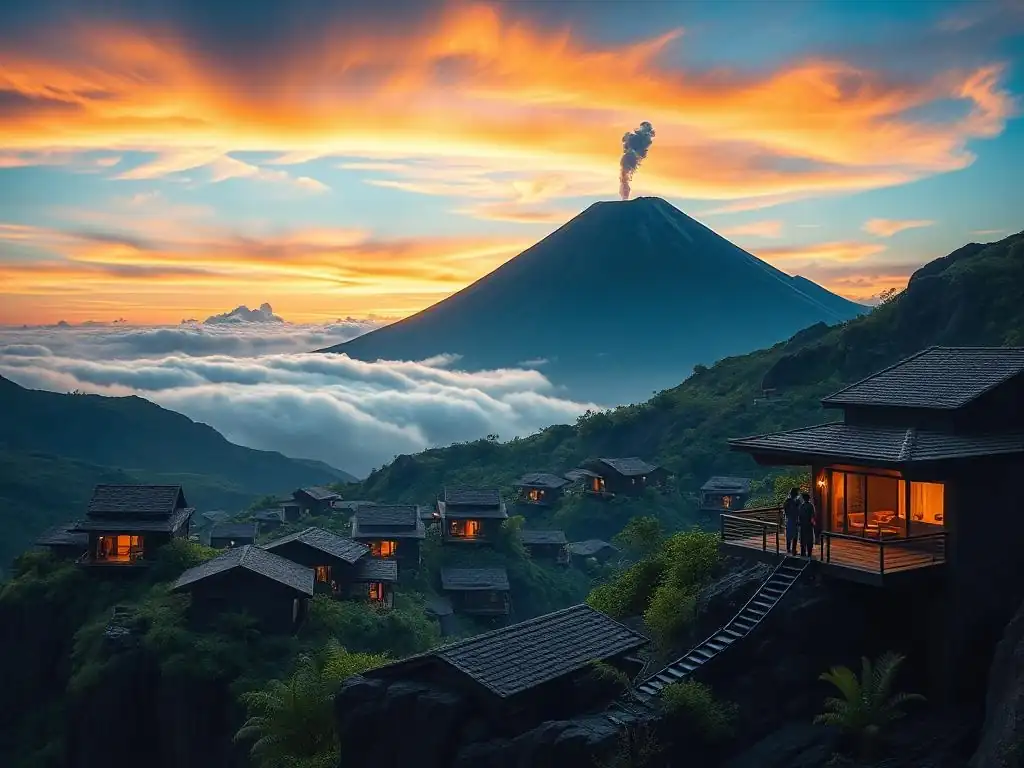
Welcome to Volcano Explorers!
Ever wondered how buildings near active volcanoes can offer genuine peace of mind? We're about to unravel the fascinating psychology behind Volcano safety design principles. Prepare to explore the innovative engineering and thoughtful planning that go into creating structures that not only withstand volcanic forces, but also foster a sense of security in the face of nature's raw power. Intrigued? Let's delve deeper...
- Understanding the Psychological Impact of Volcanic Hazards
- Volcano Safety Design Principles: A Psychological Perspective
- Key Elements of VolcanoSafe Design for Psychological Comfort
- Integrating Human Factors into Volcano-Resistant Architecture
- The Role of Communication in VolcanoSafe Design
- Case Studies: Psychological Benefits of VolcanoSafe Design
- Future Trends in VolcanoSafe Design and Mental Health
- Conclusion: Building a Future of Resilience and Peace of Mind in Volcanic Regions
-
Frequently Asked Questions
- What are the core volcano safety design principles discussed in the article?
- How does the "Psychology of VolcanoSafe Design" differ from traditional engineering approaches to volcano safety?
- Why is community involvement considered important in designing volcano-safe infrastructure?
- What are some examples of design elements that can improve evacuation efficiency and reduce panic during a volcanic eruption?
- How can technology, such as real-time volcanic activity updates, be integrated into volcano-safe design to enhance the psychological well-being of residents?
- Final Reflection: Embracing Resilience in the Shadow of Giants
- Embrace Peace of Mind: Design a Safer Future!
Understanding the Psychological Impact of Volcanic Hazards
The Anxiety and Fear Associated with Living Near Volcanoes
Living in proximity to an active volcano is a unique experience, characterized by the constant awareness of nature's immense power. This awareness can, for many, translate into a pervasive sense of anxiety and fear. Unlike other natural disasters that may be seasonal or geographically limited, volcanic activity can be unpredictable and long-lasting, casting a shadow of potential disruption over daily life.
Consider the residents near Mount Vesuvius in Italy, overlooking the densely populated Bay of Naples. They live in the shadow of a volcano that has erupted explosively in the past and is statistically overdue for another significant eruption.
This historical knowledge, coupled with the potential for pyroclastic flows and ashfall, understandably fuels anxiety within the communities residing in the red zone – the area at highest risk. This isn't just a theoretical concern; studies in volcanic regions have shown elevated levels of stress and anxiety among residents compared to populations in non-volcanic areas, directly linked to the perceived threat of volcanic hazards.
The psychological impact extends beyond the immediate threat of eruption. The uncertainty surrounding volcanic activity also plays a significant role. Volcanoes can exhibit periods of quiescence followed by sudden escalations in activity. This unpredictability makes long-term planning and even day-to-day life challenging.
For example, communities near Popocatépetl in Mexico frequently experience ashfall events, disrupting daily routines, impacting agriculture, and causing respiratory problems. The constant need to monitor volcanic bulletins, prepare for potential evacuations, and adjust life around volcanic activity can lead to chronic stress and a feeling of living in a state of perpetual alert. This constant low-level anxiety, even during periods of volcanic calm, can erode peace of mind and impact overall well-being, highlighting the profound psychological burden of living with volcanic risk.
How VolcanoSafe Design Can Mitigate Stress and Promote Well-being
VolcanoSafe design, when thoughtfully implemented, offers a powerful tool to mitigate the stress and anxiety associated with living in volcanic zones. By focusing on creating environments that are physically safer and psychologically reassuring, these design principles directly address the root causes of volcanic-related stress. For instance, robust building codes that mandate reinforced structures capable of withstanding ashfall and seismic activity can instill a sense of security.
Knowing that homes and community buildings are designed to protect against volcanic hazards can significantly reduce the fear of structural collapse during an eruption or related events. This tangible aspect of safety translates directly into psychological comfort.
Beyond structural integrity, volcano-safe design also encompasses elements that enhance preparedness and control, both crucial for psychological well-being. Clear evacuation routes, well-marked emergency shelters, and easily accessible information systems are not just practical necessities; they are also powerful tools for reducing uncertainty and fostering a sense of agency. Imagine a community where evacuation routes are clearly signposted, and regular drills are conducted in purpose-built shelters.
This visible preparedness communicates a message of proactive safety and empowers residents with the knowledge and confidence to respond effectively in an emergency. This sense of control, derived from well-designed infrastructure and preparedness measures, can significantly alleviate the feelings of helplessness and anxiety often associated with living under volcanic threat. Volcano-safe design, therefore, is not merely about physical protection; it's about building environments that foster psychological resilience and peace of mind.
Volcano Safety Design Principles: A Psychological Perspective
Prioritizing Safety and Security in Volcanic Zones
In volcanic zones, the concept of "safety" transcends basic structural integrity; it becomes a fundamental psychological need. Design principles in these regions must prioritize safety and security not just as engineering objectives, but as cornerstones for community well-being and resilience. Consider the design of critical infrastructure like hospitals and schools in areas prone to volcanic hazards.
These buildings need to be more than just structurally sound; they must be perceived as havens of safety. This involves not only robust construction to withstand ash loads, pyroclastic flows (depending on location and risk assessment), and seismic activity but also incorporating redundant systems for power and water, ensuring operational continuity even during and after volcanic events. The psychological impact of knowing that essential services will remain functional, even under duress, is immense, fostering a sense of security within the community.
Furthermore, prioritizing safety from a psychological perspective means designing for accessibility and inclusivity. Evacuation plans and shelter designs must cater to the needs of all residents, including the elderly, disabled, and families with young children. For instance, evacuation routes need to be designed to accommodate wheelchair users, and shelters should have provisions for individuals with specific medical needs.
When safety design is inclusive and demonstrably caters to the diverse needs of the population, it reinforces the message that everyone's well-being is valued and protected. This inclusive approach to safety design builds trust and strengthens community cohesion, both vital components of psychological resilience in the face of volcanic hazards. Therefore, safety in volcano-prone areas must be approached holistically, considering both physical protection and the psychological sense of security it provides to the community.
Creating a Sense of Control Through Proactive Design
Living with the unpredictable nature of volcanoes can be psychologically taxing, often leading to feelings of helplessness and lack of control. Volcano-safe design, therefore, should actively aim to restore a sense of control to residents by incorporating proactive measures that empower them and enhance their ability to respond effectively to volcanic events. This proactive approach goes beyond simply reacting to hazards; it's about designing environments that anticipate potential disruptions and equip individuals to manage them.
For example, integrating real-time volcanic monitoring data into public spaces through easily understandable displays can empower residents with up-to-date information about the volcano's activity. This transparency and access to information can significantly reduce anxiety stemming from uncertainty and allow individuals to make informed decisions about their safety.
Another crucial aspect of proactive design is fostering community preparedness through readily accessible resources and infrastructure. Designated community centers equipped as emergency shelters, stocked with essential supplies, and staffed by trained personnel, offer tangible resources that empower residents to take proactive steps for their safety.
Regular drills and community-based preparedness programs, facilitated by these centers, further enhance this sense of control by equipping individuals with the knowledge and skills to respond effectively during an emergency. By designing environments that prioritize information access, community preparedness, and readily available resources, volcano-safe design can shift the psychological landscape from one of helplessness to one of empowerment and proactive control, fostering resilience and reducing the detrimental effects of volcanic anxiety.
Key Elements of VolcanoSafe Design for Psychological Comfort
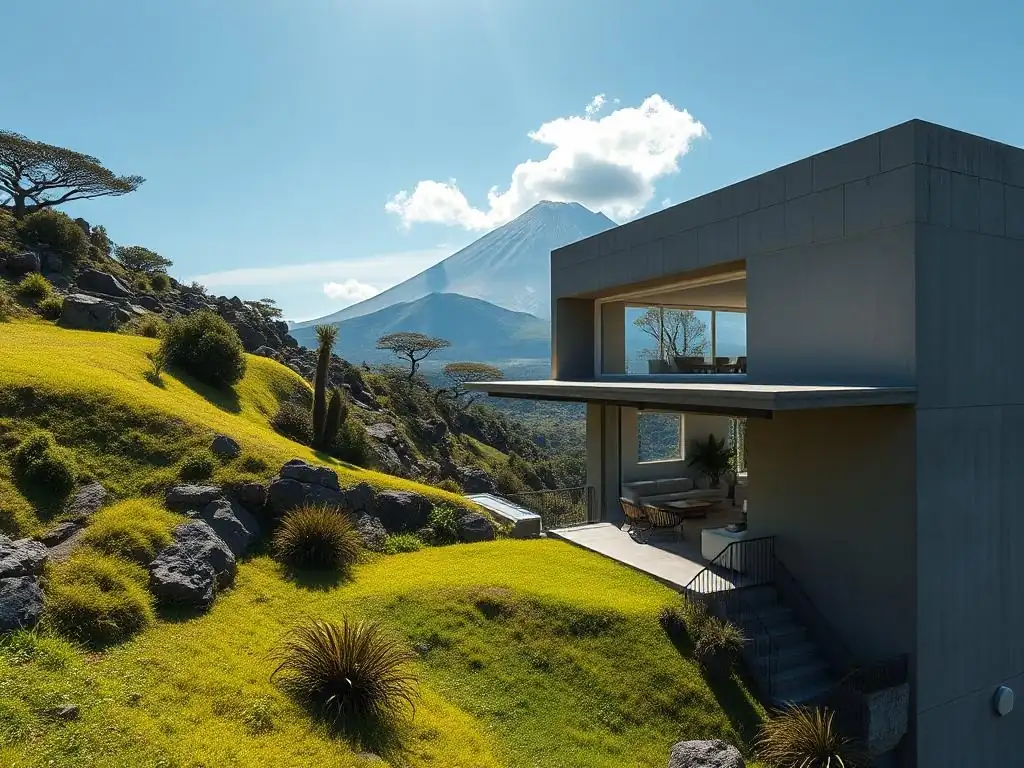
Robust Construction and Structural Integrity: Building Confidence
The cornerstone of VolcanoSafe design, from a psychological perspective, is robust construction and demonstrable structural integrity. Buildings that are visibly strong and built to withstand volcanic hazards instill a profound sense of confidence and security in residents. This is not just about meeting building codes; it's about creating structures that communicate resilience and protection.
For instance, the use of reinforced concrete or steel framing, designed to withstand significant ash loads – as seen in areas around Mount Rainier in the USA, where building codes specifically address volcanic ashfall – visibly conveys strength and durability. This visible robustness can be a powerful psychological reassurance, mitigating fears of structural collapse during ashfall events or minor seismic activity often associated with volcanoes.
Furthermore, the design should incorporate features that actively protect against specific volcanic hazards relevant to the location. In areas prone to pyroclastic flows, while construction in high-risk zones is generally avoided, critical infrastructure in buffer zones might incorporate deflection walls or reinforced basements for enhanced protection. In areas prone to lahar flows, building orientation and foundation design can be optimized to minimize impact and potential damage.
Communicating these design features to the community, through public information campaigns and visible construction practices, further reinforces the message of safety and preparedness. Knowing that their homes, schools, and workplaces are built with specific volcanic hazards in mind can significantly reduce anxiety and foster a sense of confidence in the built environment's ability to protect them. Robust construction, therefore, is not just a physical necessity, but a psychological imperative in volcano-safe design.
Clear Evacuation Routes and Emergency Preparedness Planning: Reducing Uncertainty
Uncertainty is a major driver of anxiety in volcanic crises. VolcanoSafe design addresses this by prioritizing clear evacuation routes and integrating comprehensive emergency preparedness planning into the built environment. Well-defined and clearly marked evacuation routes, using internationally recognized signage and symbols, are crucial for reducing confusion and panic during an evacuation.
These routes should be designed to be accessible to all residents, including those with mobility limitations, and regularly maintained to ensure they are free from obstructions. Consider the evacuation routes designed around Sakurajima volcano in Japan, which are frequently used during drills and real eruptions. The familiarity and clarity of these routes contribute significantly to the community's ability to evacuate calmly and efficiently, reducing the psychological stress associated with emergency situations.
Beyond physical routes, emergency preparedness planning must be seamlessly integrated into the design of communities. This includes designated assembly points, clearly identified emergency shelters with adequate capacity and supplies, and readily accessible information systems for disseminating evacuation orders and updates. Furthermore, community centers and public buildings can be designed to double as emergency shelters, incorporating features like backup power, water storage, and communication equipment.
Regular evacuation drills, conducted in these designed spaces, familiarize residents with procedures and build confidence in their ability to respond effectively. By proactively addressing uncertainty through clear evacuation infrastructure and comprehensive preparedness planning, volcano-safe design significantly reduces anxiety and promotes a sense of order and control during volcanic emergencies.
Visible Safety Features and Early Warning Systems: Enhancing Awareness
Psychological comfort in volcanic zones is significantly enhanced by visible safety features and readily accessible early warning systems. These elements serve as constant reminders of preparedness and proactive risk management, fostering a sense of security and awareness within the community. Visible safety features can range from simple elements like strategically placed signage indicating evacuation routes and assembly points to more sophisticated installations like public displays showing real-time volcanic monitoring data.
For example, in areas around Mount Etna in Italy, visible signage clearly marks designated safe zones and evacuation routes, providing constant reassurance to residents and visitors alike. This visual reinforcement of safety measures contributes to a heightened sense of awareness and preparedness.
Early warning systems, when effectively integrated into the community, are particularly powerful in mitigating anxiety related to volcanic eruptions. These systems, ranging from siren networks to mobile alert applications, provide timely warnings of escalating volcanic activity, allowing residents to take appropriate protective measures. The effectiveness of these systems is not just in their technical capability but also in their accessibility and clarity.
Warnings must be easily understood by all members of the community, regardless of language or technological literacy. Furthermore, regular testing and public education campaigns about the early warning system build trust and familiarity, ensuring that residents know how to respond when an alert is issued. By making safety features visible and early warning systems accessible and understandable, volcano-safe design fosters a culture of awareness and proactive preparedness, significantly enhancing psychological comfort and resilience.
Integrating Human Factors into Volcano-Resistant Architecture
Optimizing Visibility and Orientation for Enhanced Situational Awareness
Integrating human factors into volcano-resistant architecture is crucial for maximizing psychological comfort and safety. Optimizing visibility and orientation within buildings and communities directly enhances situational awareness, reducing anxiety and improving response capabilities during volcanic events. Design principles that prioritize clear lines of sight, both within buildings and across the landscape, are paramount.
For instance, in public buildings or emergency shelters, open floor plans and strategically placed windows can maximize visibility, allowing occupants to quickly assess their surroundings and potential hazards. Similarly, urban planning in volcanic zones should consider sightlines towards the volcano itself, where feasible and safe, allowing residents to visually monitor volcanic activity and feel more connected to their environment while remaining informed.
Orientation within the built environment is equally important for situational awareness. Clear and intuitive wayfinding systems, using consistent signage, landmarks, and spatial layouts, are essential, particularly during emergencies when stress levels are elevated. Buildings and public spaces should be designed to be easily navigable, minimizing confusion and disorientation, especially during evacuations.
Consider the design of emergency shelters in volcanic areas; they should be oriented to allow for easy access and egress, with clearly marked entrances and exits visible even under low-visibility conditions like ashfall. By prioritizing visibility and intuitive orientation, volcano-resistant architecture can significantly enhance situational awareness, empowering individuals to navigate their surroundings effectively and respond confidently during volcanic events, thereby reducing anxiety and promoting psychological well-being.
In the stressful context of a volcanic emergency, intuitive navigation within the built environment becomes critically important for safety and psychological well-being. Volcano-resistant architecture must prioritize design elements that facilitate easy and instinctive movement, especially during evacuations or when seeking shelter. This involves simplifying spatial layouts, using clear and consistent signage, and incorporating universally understood symbols. Complex building designs or confusing street layouts can become significant impediments during emergencies, increasing stress and potentially hindering evacuation efforts. Therefore, simplicity and clarity are key principles in designing for intuitive navigation in volcanic zones.
Consider the use of color-coding and distinct architectural cues to differentiate evacuation routes and safe zones. For example, clearly marked pathways using bright, contrasting colors and universally recognized symbols leading to designated shelters can significantly improve navigation speed and reduce confusion. Furthermore, the design of public spaces and emergency shelters should prioritize ease of movement, minimizing obstacles and potential hazards.
Wide corridors, uncluttered pathways, and clearly marked exits are essential features. By focusing on intuitive design principles that prioritize simplicity, clarity, and universal understanding, volcano-resistant architecture can significantly enhance navigation during emergencies, reducing stress, promoting efficient evacuations, and ultimately contributing to psychological resilience and safety.
Community centers in volcano-prone areas play a crucial role not only as physical shelters but also as vital hubs for social support, which is paramount for psychological well-being during and after volcanic events. Volcano-resistant design should prioritize the creation of community centers that function as true "safe havens," offering not just physical protection but also fostering a sense of community and collective resilience.
These centers should be designed to be easily accessible, centrally located, and capable of accommodating a significant portion of the community. Robust construction, backup power and water supplies, and communication equipment are essential features to ensure their functionality during and after volcanic events.
Beyond physical infrastructure, the design of community centers should also promote social interaction and support. Spacious common areas, comfortable seating, and facilities for communal activities can encourage social cohesion and mutual assistance. During emergencies, these centers become crucial spaces for information dissemination, resource distribution, and psychological first aid.
The presence of trained personnel and support staff within these centers further enhances their role as safe havens, providing both practical assistance and emotional support. By designing community centers that are not just shelters but also vibrant hubs for social interaction and support, volcano-resistant architecture can significantly bolster community resilience and promote psychological well-being in the face of volcanic hazards.
The Role of Communication in VolcanoSafe Design
Effective Signage and Information Dissemination Strategies
Communication is an integral component of VolcanoSafe design, playing a critical role in ensuring community preparedness, reducing anxiety, and facilitating effective responses during volcanic events. Effective signage and information dissemination strategies are not just add-ons; they are essential design elements that contribute significantly to psychological comfort and safety. Signage within volcanic zones should be clear, concise, and universally understandable, using internationally recognized symbols and multiple languages where necessary. Evacuation routes, assembly points, shelter locations, and hazard zones should be prominently and consistently marked, ensuring that information is readily accessible to everyone, including visitors unfamiliar with the area.
Beyond static signage, dynamic information dissemination strategies are crucial for providing timely updates and guidance during volcanic crises. This includes utilizing multiple channels such as public address systems, radio broadcasts, mobile alerts, and online platforms to disseminate warnings, evacuation instructions, and real-time information about volcanic activity. Information should be presented in a clear, concise, and easily digestible format, avoiding technical jargon and focusing on actionable instructions.
Regular public education campaigns and drills are also essential for familiarizing residents with communication protocols and ensuring that they know how to access and interpret information during an emergency. By prioritizing effective signage and comprehensive information dissemination strategies, volcano-safe design ensures that communication is a powerful tool for preparedness, anxiety reduction, and community resilience.
Building Trust Through Transparency and Community Engagement
Trust is a cornerstone of effective volcano risk management and a crucial element in the psychology of volcano-safe design. Building trust between authorities, scientists, and the community is essential for ensuring that safety measures are understood, accepted, and effectively implemented. Transparency in communication and genuine community engagement are key strategies for fostering this trust.
Public access to volcanic monitoring data, clear explanations of risk assessments, and open forums for dialogue are vital for demonstrating transparency and building confidence in the information being provided. When communities feel informed and understand the basis for safety recommendations, they are more likely to trust and comply with them.
Community engagement should go beyond simply informing residents; it should actively involve them in the design and implementation of volcano safety measures. Participatory planning processes, where community members are consulted and their local knowledge is valued, can lead to more effective and culturally appropriate safety solutions.
Incorporating community feedback into evacuation plans, shelter designs, and communication strategies not only improves their effectiveness but also fosters a sense of ownership and shared responsibility for safety. By prioritizing transparency and genuine community engagement, volcano-safe design builds trust, strengthens community cohesion, and creates a more resilient and psychologically prepared population in volcanic zones.
Using Augmented Reality for Evacuation Simulations: Enhancing Preparedness
Augmented Reality (AR) offers innovative opportunities to enhance preparedness and reduce anxiety in volcano-prone communities by creating immersive and interactive evacuation simulations. AR applications can overlay digital information onto the real world, allowing users to experience virtual volcanic scenarios within their actual environment. This technology can be used to create realistic evacuation simulations, guiding users through designated routes, highlighting safety features, and providing real-time feedback on their performance. For example, an AR app could guide residents through their neighborhood, simulating ashfall conditions and directing them to the nearest designated shelter, providing step-by-step instructions and visual cues.
These AR simulations offer a powerful tool for familiarizing residents with evacuation procedures, identifying potential bottlenecks or challenges in evacuation routes, and building confidence in their ability to respond effectively during an emergency. The interactive and gamified nature of AR can also make preparedness training more engaging and accessible, particularly for younger generations.
Furthermore, AR can be used to visualize potential volcanic hazards in a more tangible and understandable way, enhancing risk perception and motivating preparedness actions. By leveraging the immersive and interactive capabilities of Augmented Reality, volcano-safe design can significantly enhance preparedness, reduce anxiety, and empower communities to respond effectively to volcanic threats with greater confidence and peace of mind.
Case Studies: Psychological Benefits of VolcanoSafe Design
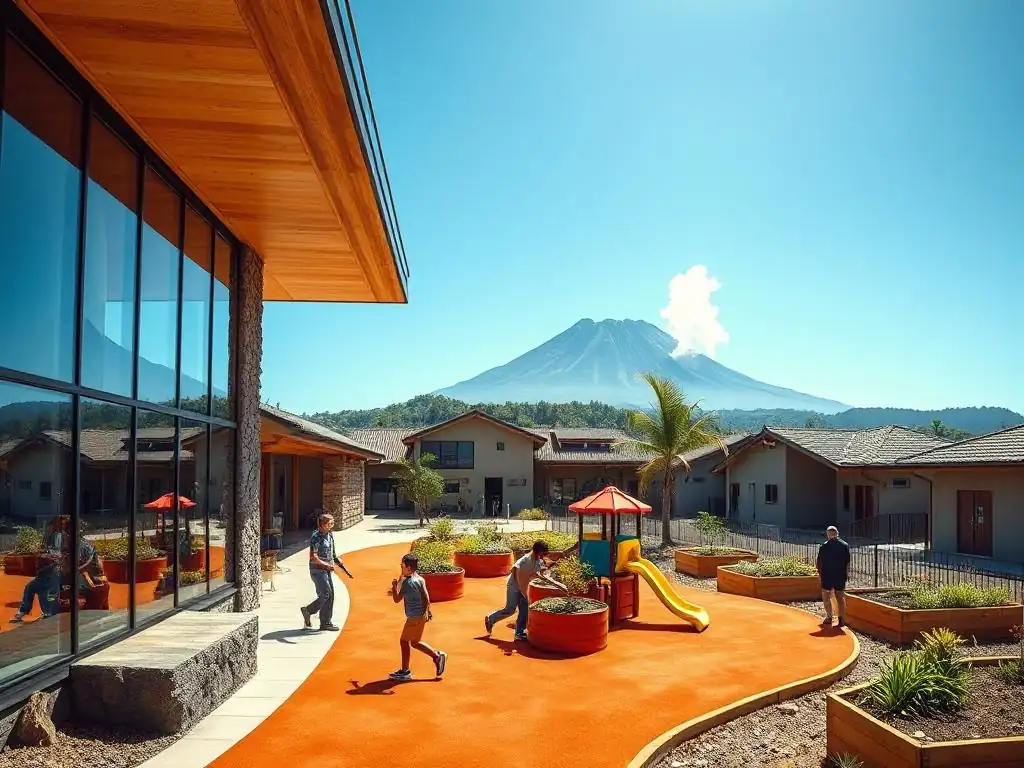
Analyzing the Impact of Specific Design Features on Resident Well-being
Analyzing the impact of specific volcano-safe design features on resident well-being requires a multi-faceted approach, combining quantitative data with qualitative insights. While direct, quantifiable measurements of "peace of mind" are challenging, researchers can employ a range of methodologies to assess the psychological benefits of design interventions. Surveys and questionnaires, administered before and after the implementation of specific design features (e.g., improved signage, enhanced structural reinforcement in public buildings), can measure changes in reported anxiety levels, perceived safety, and overall well-being. Scales measuring fear of volcanic hazards, perceived control, and community resilience can provide valuable quantitative data.
Qualitative research methods, such as focus groups and in-depth interviews with residents, offer deeper insights into the lived experiences and perceptions related to volcano-safe design. These methods can explore how specific design features are perceived by the community, how they influence feelings of safety and security, and how they impact daily life in volcanic zones.
Analyzing the narratives and experiences shared by residents can provide rich qualitative data that complements quantitative findings, offering a more holistic understanding of the psychological impact of volcano-safe design. Furthermore, comparative studies across different communities with varying levels of volcano-safe design implementation can help isolate the specific contributions of design features to resident well-being, providing evidence-based insights for future design strategies.
Case Study: Stromboli, Italy - Focus on Integrated Warning Systems and Community Education
Stromboli, a perpetually active volcano in Italy, provides a compelling case study for examining the psychological benefits of integrated warning systems and comprehensive community education programs in volcano-safe design. The island community of Stromboli lives in constant proximity to volcanic activity, experiencing frequent Strombolian eruptions and occasional more intense events.
To mitigate risk and foster psychological resilience, Stromboli has implemented a sophisticated early warning system that monitors volcanic activity in real-time and disseminates alerts through various channels, including sirens, mobile notifications, and public announcements. This system is coupled with a robust community education program that regularly conducts evacuation drills, provides information about volcanic hazards, and trains residents on emergency procedures.
The effectiveness of this integrated approach in Stromboli is evident in the community's relatively calm and organized response to volcanic events. Studies and anecdotal evidence suggest that the reliable early warning system and the community's familiarity with evacuation procedures contribute significantly to reducing anxiety and fostering a sense of preparedness. Residents report feeling more confident in their ability to respond effectively to volcanic alerts, knowing that they will receive timely warnings and understand the necessary actions to take.
The consistent community education efforts further reinforce this sense of preparedness and empower residents with the knowledge and skills to manage volcanic risks. Stromboli's case highlights the psychological benefits of prioritizing communication, early warning systems, and community education as key components of volcano-safe design, fostering resilience and peace of mind in a persistently volcanic environment.
Case Study: Montserrat - Focus on Relocation Planning and Mental Health Support
Montserrat, a Caribbean island devastated by volcanic eruptions from Soufrière Hills volcano in the 1990s, offers a poignant case study highlighting the importance of relocation planning and mental health support as crucial elements of volcano-safe design, particularly in the context of long-term volcanic crises. The eruptions rendered a significant portion of the island uninhabitable, leading to widespread displacement and profound psychological trauma within the Montserratian community.
The relocation process, involving both internal displacement and emigration, was deeply disruptive, requiring careful planning and sensitive implementation to minimize further psychological distress. The Montserrat government, with international support, implemented a comprehensive relocation program, focusing on providing safe housing in the less affected northern part of the island and offering financial assistance for those choosing to relocate overseas.
Crucially, the response in Montserrat recognized the immense psychological toll of the volcanic crisis and prioritized mental health support as an integral part of the recovery process. Mental health services, including counseling and therapy, were made readily available to residents, addressing trauma, anxiety, and grief associated with displacement, loss of homes, and community disruption.
This emphasis on mental health support, alongside relocation planning, was vital for fostering resilience and facilitating the long-term psychological recovery of the Montserratian community. Montserrat's experience underscores the critical need to integrate mental health considerations into volcano-safe design, particularly in situations involving displacement and long-term volcanic crises, recognizing that psychological well-being is as important as physical safety in building resilient communities.
Future Trends in VolcanoSafe Design and Mental Health
Incorporating Biophilic Design Principles for Stress Reduction
Future trends in volcano-safe design are increasingly focusing on incorporating biophilic design principles to actively promote stress reduction and enhance psychological well-being in volcanic zones. Biophilic design seeks to connect building occupants more closely with nature, recognizing the innate human affinity for the natural world.
In the context of volcanic environments, where the surrounding landscape can be both awe-inspiring and potentially threatening, biophilic design offers a powerful approach to mitigating stress and fostering a sense of calm and connection. This can involve incorporating natural materials like wood and stone into building construction, maximizing natural light and ventilation, and creating indoor and outdoor green spaces within communities.
Specifically, in volcano-prone areas, biophilic design can be strategically used in emergency shelters and community centers to create calming and restorative environments. Incorporating elements like indoor gardens, water features, and natural views can help reduce anxiety and promote a sense of peace and tranquility in these spaces, which are often associated with stress and uncertainty.
Furthermore, urban planning in volcanic zones can prioritize the preservation and integration of natural green spaces within communities, providing residents with accessible areas for recreation, relaxation, and connection with nature. By intentionally incorporating biophilic design principles, volcano-safe design can move beyond simply mitigating risks to actively promoting psychological well-being and creating more harmonious and resilient communities in volcanic environments.
Utilizing Virtual Reality for Pre-Disaster Training and Preparedness
Virtual Reality (VR) is emerging as a powerful tool for enhancing pre-disaster training and preparedness in volcano-prone communities, offering immersive and realistic simulations that go beyond traditional drills and exercises. VR technology allows users to experience virtual volcanic scenarios in a safe and controlled environment, providing a highly engaging and memorable learning experience.
VR simulations can recreate various volcanic hazards, such as ashfall, pyroclastic flows, and lahars, allowing residents to practice evacuation procedures, learn about safety protocols, and develop their decision-making skills in a realistic context. Unlike traditional drills, VR simulations can create more immersive and emotionally engaging scenarios, potentially leading to better retention of information and improved preparedness behaviors.
Furthermore, VR can be used to create personalized training scenarios tailored to specific communities and individual needs. For example, VR simulations can be customized to reflect the specific evacuation routes, shelter locations, and hazard risks of a particular volcanic area.
VR training can also be made accessible to a wider range of individuals, including those with mobility limitations or those who are unable to participate in physical drills. By leveraging the immersive and customizable capabilities of Virtual Reality, volcano-safe design can significantly enhance pre-disaster training and preparedness, fostering a more informed, confident, and resilient population capable of responding effectively to volcanic threats.
Research: Measuring the Psychological Impact of VolcanoSafe Design Interventions
Future research is crucial for rigorously measuring the psychological impact of volcano-safe design interventions and building an evidence-based understanding of what design strategies are most effective in promoting mental well-being in volcanic zones. While anecdotal evidence and qualitative studies provide valuable insights, more robust quantitative research is needed to systematically evaluate the psychological benefits of specific design features and interventions. This research should employ rigorous methodologies, including controlled studies, longitudinal assessments, and comparative analyses, to isolate the specific impact of design interventions on psychological outcomes.
Future research should focus on developing validated metrics and instruments for measuring psychological well-being in volcanic contexts, considering factors such as anxiety levels, perceived safety, sense of control, community resilience, and post-traumatic stress. Studies should also explore the long-term psychological effects of volcano-safe design interventions, assessing their impact on sustained well-being and community resilience over time.
Furthermore, research should investigate the cost-effectiveness of different volcano-safe design strategies, providing evidence-based guidance for policymakers and urban planners in volcanic regions. By prioritizing rigorous research and data-driven approaches, the field of volcano-safe design can advance towards creating more effective and psychologically supportive built environments for communities living with volcanic risk.
Conclusion: Building a Future of Resilience and Peace of Mind in Volcanic Regions
The Importance of a Holistic Approach to Volcano Safety
Building for peace of mind in volcanic regions necessitates a holistic approach to volcano safety design, one that transcends purely structural considerations and embraces the critical role of psychological well-being. Volcano-safe design is not merely about constructing buildings that can withstand volcanic hazards; it is about creating environments that foster a sense of security, control, and community resilience, directly addressing the psychological anxieties associated with living in volcanic zones. This holistic approach recognizes that physical safety and psychological comfort are inextricably linked and that effective volcano risk management requires integrated strategies that address both dimensions.
A truly holistic approach to volcano safety design encompasses a wide range of elements, from robust building codes and clear evacuation infrastructure to effective communication systems, community engagement initiatives, and mental health support services. It prioritizes human factors, ensuring that the built environment is not only physically safe but also intuitively navigable, visually reassuring, and psychologically supportive.
It recognizes the importance of fostering a sense of community ownership and shared responsibility for safety, empowering residents to be active participants in risk reduction efforts. By embracing this holistic perspective, volcano-safe design can move beyond simply mitigating physical risks to actively building resilient and thriving communities that can coexist peacefully and confidently with the dynamic forces of nature.
Empowering Communities Through Informed Design and Preparedness
Ultimately, the goal of volcano-safe design is to empower communities living in volcanic regions, equipping them with the knowledge, resources, and built environments necessary to thrive in the face of volcanic hazards. Informed design, grounded in scientific understanding of volcanic risks and human psychological needs, is the foundation for creating truly effective and supportive built environments. This requires ongoing research, interdisciplinary collaboration, and a commitment to evidence-based design practices that prioritize both physical and psychological well-being.
Preparedness, fostered through effective communication, community education, and accessible training programs, is equally crucial for empowering communities. When residents are well-informed about volcanic risks, understand evacuation procedures, and have access to reliable early warning systems and emergency resources, they are better equipped to respond effectively during volcanic events and experience a greater sense of control and agency.
By combining informed design with comprehensive preparedness initiatives, we can create a future where communities in volcanic regions are not just passively resilient but actively empowered to live with peace of mind, knowing that their built environment and community structures are designed to protect and support them in the face of nature's power.
Frequently Asked Questions
What are the core volcano safety design principles discussed in the article?
The article focuses on designs that consider the psychological impact on residents. These principles include creating a sense of security and control through clear communication and predictable evacuation routes.
How does the "Psychology of VolcanoSafe Design" differ from traditional engineering approaches to volcano safety?
Traditional engineering focuses on physical protection from volcanic hazards. Psychological design complements this by addressing the emotional and mental well-being of those at risk.
Why is community involvement considered important in designing volcano-safe infrastructure?
Involving the community fosters a sense of ownership and trust in safety measures. This ensures that designs are culturally appropriate and effective in practice.
What are some examples of design elements that can improve evacuation efficiency and reduce panic during a volcanic eruption?
Clear signage, well-maintained evacuation routes, and accessible shelters are crucial. Regular drills and simulations also build confidence and reduce panic.
How can technology, such as real-time volcanic activity updates, be integrated into volcano-safe design to enhance the psychological well-being of residents?
Real-time information empowers residents to make informed decisions. It reduces anxiety by providing a sense of control and preparedness in a crisis.
Final Reflection: Embracing Resilience in the Shadow of Giants
The principles of VolcanoSafe design, as explored throughout this article, are not merely academic exercises; they represent a critical investment in human resilience and peace of mind in the face of nature's most formidable power. The lessons learned from understanding the psychological impact of volcanic threats and translating that understanding into tangible design solutions are more relevant than ever, as populations continue to expand into volcanically active regions.
The enduring influence of these design principles extends beyond mere structural integrity. They touch upon the very fabric of community, fostering a sense of security and control in environments often perceived as inherently unpredictable. This connection between physical safety and psychological well-being is paramount, shaping not only how we build, but how we live and thrive near these majestic, yet volatile, landscapes. The built environment shapes our perceptions and behaviors. By designing with awareness of the psychological impact, we can empower communities to face challenges with greater confidence and resilience.
As we look to the future, let us not forget the profound responsibility we bear to those who call these volcanic landscapes home. Let us embrace the principles of VolcanoSafe design, not just as a set of technical guidelines, but as a commitment to fostering resilience, promoting peace of mind, and building a future where communities can coexist harmoniously with the power of nature. Consider how you can advocate for these principles in your own community, ensuring that future generations can live with confidence and security, even in the shadow of giants.
Embrace Peace of Mind: Design a Safer Future!
Thank you for exploring the fascinating world of safe building design in volcanic regions! We hope you've gained valuable insights into how thoughtful architecture can contribute to peace of mind. Now, let's put that knowledge into action.
Here's how you can take the next step:
- Start brainstorming! Sketch out your own design ideas, focusing on incorporating key safety features. Even a rough draft can spark innovation!
- Explore local building codes and regulations specific to volcanic hazard zones in your area. Understanding the existing framework is crucial for realistic planning.
- Share this article with friends, family, or colleagues interested in sustainable and resilient architecture. Let's spread awareness about the importance of safe building practices!
What safety feature excites you the most, and how would you adapt it to your own needs or community? Share your thoughts in the comments below!