
Life in Perpetual Night: Unveiling Lava Tube Cave Creatures

Welcome to Volcano Explorers!
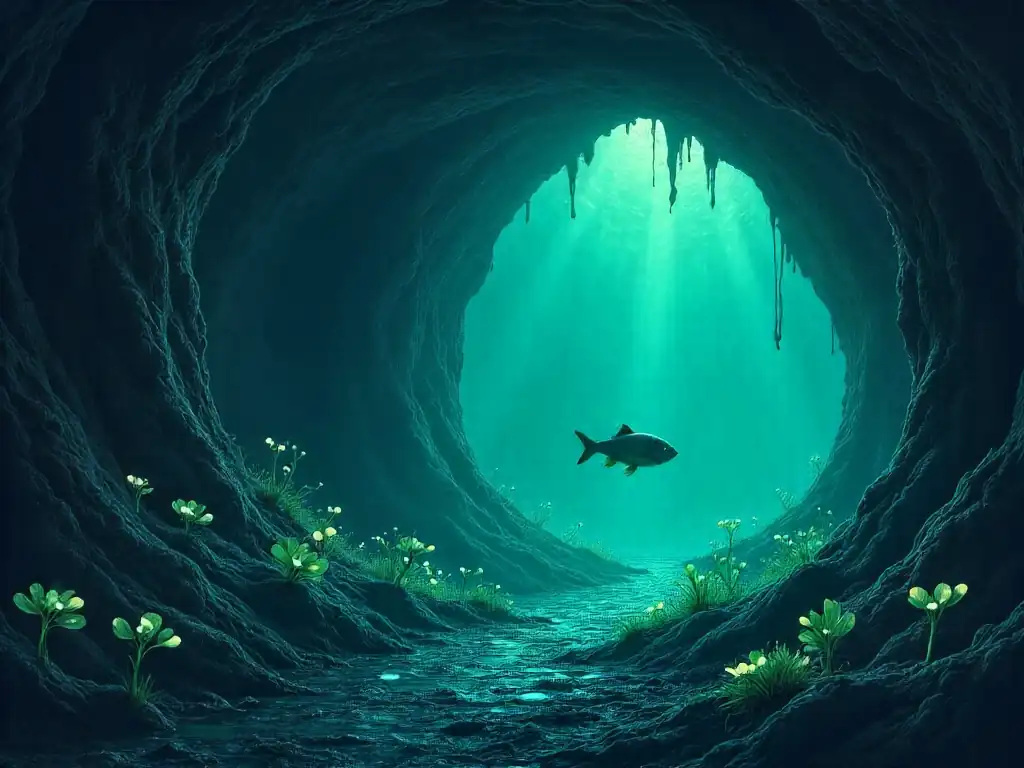
Prepare to descend into a world few have ever seen. What secrets lie hidden within the Earth's fiery veins, far from the sun's embrace? Our journey begins with a fascinating exploration of Lava Tube Cave Ecosystems, a world of perpetual night teeming with life adapted to the most extreme conditions. Dare to venture into the darkness and uncover the mysteries lurking beneath the surface...
Lava Tube Exploration: Journeying Beneath the Surface
Venturing into a lava tube is akin to stepping onto another planet, a subterranean realm sculpted by fire and time. These natural conduits, formed by flowing lava during volcanic eruptions, offer a unique window into Earth’s geological processes and harbor ecosystems unlike any other on the surface. Exploration of lava tubes is not for the faint of heart; it often involves navigating through dark, confined spaces, requiring specialized equipment and expertise. However, the reward is the unparalleled experience of witnessing geological artistry and uncovering the secrets of life adapted to perpetual darkness within the lava tube cave ecosystem.
The exploration of lava tubes has captivated scientists and adventurers alike for decades. Early explorations were often driven by geological curiosity, seeking to understand the volcanic processes that shaped these subterranean pathways. As exploration techniques advanced, particularly with the development of specialized caving gear and lighting, the focus expanded to include the biological wonders hidden within. Today, lava tube exploration is a multidisciplinary endeavor, combining geology, biology, and speleology to comprehensively study these fascinating underground environments and the unique lava tube cave ecosystem they support.
The Allure of Lava Tubes: More Than Just Empty Tunnels
Lava tubes, at first glance, might appear as mere empty tunnels left behind by volcanic activity. However, beneath this seemingly barren façade lies a complex and captivating world. They are not just geological curiosities; they are dynamic environments that host unique ecosystems, preserve geological history, and offer insights into the potential for life in extreme conditions, even beyond Earth.
The allure of lava tubes stems from their multifaceted nature, appealing to scientists, conservationists, and explorers alike. These subterranean pathways are far more than just empty tunnels; they are integral components of the planet's geological and biological heritage, representing a unique type of lava tube cave ecosystem.
Beyond their scientific significance, lava tubes possess an inherent aesthetic appeal. The sculpted walls, often adorned with mineral deposits and showcasing the textures of solidified lava flows, create a surreal and awe-inspiring landscape.
The play of light and shadow in these dark spaces, even with artificial illumination, enhances the dramatic atmosphere. For many, exploring lava tubes is a profound experience, a journey into the depths of the Earth that evokes a sense of wonder and discovery, connecting them to the powerful forces that shape our planet and the resilient life forms that thrive within this unique lava tube cave ecosystem.
- Lava Tube Exploration: Journeying Beneath the Surface
- The Allure of Lava Tubes: More Than Just Empty Tunnels
What are Lava Tubes and How Do They Form?
The Formation Process: From Molten River to Subterranean Cave
Lava tubes are natural underground tunnels formed by flowing lava during volcanic eruptions. Imagine a river of molten rock coursing across the landscape. As the surface of this lava flow cools and solidifies, it creates a crust. Beneath this hardened crust, the molten lava continues to flow, insulated by the solidified outer layer. This process is crucial for the formation of lava tubes, as it allows the lava to retain heat and flow over longer distances, creating extensive subterranean networks. The initial stage of lava tube formation is essentially the creation of a roof over a flowing lava channel.
Once the eruption subsides and the lava supply dwindles, the molten rock drains out of the tube, leaving behind a hollow tunnel. This empty space is the lava tube cave. The inner walls of the tube often display fascinating features, such as lava flow marks, benches indicating different lava levels, and mineral deposits precipitated from volcanic gases.
The size of lava tubes can vary dramatically, ranging from small, crawl-through passages to massive caverns large enough to house subway trains. The entire process, from molten river to subterranean cave, can occur relatively quickly during a volcanic eruption, shaping the unique geological features that define the lava tube cave ecosystem.
Volcanic Activity and Lava Tube Creation: A Detailed Look
The creation of lava tubes is directly linked to specific types of volcanic eruptions and lava flows. Basaltic lava, known for its low viscosity and high temperature (around 1000 to 1200 degrees Celsius), is most conducive to lava tube formation. This type of lava flows readily and for long distances, allowing for the development of extensive tube systems.
Shield volcanoes, such as those found in Hawaii and Iceland, are particularly associated with lava tube formation due to their effusive eruptions of basaltic lava. These eruptions are characterized by relatively gentle lava flows rather than explosive outbursts, facilitating the continuous flow necessary for tube development.
The rate of lava flow and the cooling process are critical factors in determining the characteristics of the resulting lava tube. Rapidly flowing lava is more likely to form long, continuous tubes, while slower flows may result in shorter, more fragmented systems.
The thickness of the solidified crust also plays a role; a thicker crust provides better insulation, allowing the molten lava to remain fluid for longer and travel further. Studies of active lava flows, like those in Hawaii, have provided valuable insights into the dynamic processes of lava tube formation, helping scientists understand the geological mechanisms that create these fascinating underground habitats for the lava tube cave ecosystem.
Types of Lava Tubes: Exploring Variations in Formation and Size
Lava tubes are not all uniform; they exhibit variations in their formation and size, leading to different types of lava tube structures. One key distinction is between primary and secondary lava tubes. Primary lava tubes form directly from the main lava flow, as described in the previous sections.
They are typically larger and more extensive, representing the main conduits of lava transport during an eruption. Secondary lava tubes, on the other hand, are smaller and often branch off from primary tubes. They can form from smaller flows diverging from the main channel or through more complex processes like inflation, where lava pressure within a solidified flow creates new cavities.
Another classification considers the morphology and size of lava tubes. Some are linear and relatively straight, following the path of the original lava flow. Others are more sinuous and meandering, reflecting variations in the terrain and lava flow dynamics.
The cross-sectional shape can also vary, from circular to elliptical or even irregular, depending on the specific flow conditions and cooling patterns. Giant lava tubes, like those found in Kazumura Cave in Hawaii, can reach widths and heights of over 10 meters, while smaller tubes might be just large enough to crawl through. These variations in types of lava tubes contribute to the diversity of habitats within the lava tube cave ecosystem.
The Unique Environment of Lava Tube Caves
Perpetual Darkness: Life Without Sunlight
One of the most defining characteristics of lava tube caves is the complete absence of sunlight. Once a lava tube roof solidifies, it effectively seals off the interior from the sun's rays, creating an environment of perpetual darkness. This lack of light has profound implications for the ecosystem within. Photosynthesis, the process that forms the base of most surface food webs, is impossible in these dark realms. Consequently, the lava tube cave ecosystem relies entirely on alternative sources of energy, such as chemosynthesis or the import of organic matter from the surface.
This constant darkness has driven remarkable adaptations in the cave-dwelling fauna. Many cave creatures, known as troglobites, have lost pigmentation as it serves no purpose in the absence of light. Eyesight is often reduced or completely absent, with animals relying on other senses like touch, smell, and vibration to navigate and find food. The perpetual darkness of lava tubes creates a unique selective pressure, shaping the evolution of specialized life forms adapted to thrive in a world devoid of sunlight and forming a distinct component of the lava tube cave ecosystem.
Constant Temperature and High Humidity: A Stable Microclimate
Lava tubes often exhibit remarkably stable microclimates, characterized by constant temperatures and high humidity. The thick rock ceiling and walls provide insulation from surface temperature fluctuations, maintaining a relatively consistent temperature year-round. In temperate climates, the cave temperature typically approximates the average annual surface temperature of the region. For example, lava tubes in Hawaii, located in a tropical climate, maintain a warm and consistent temperature around 20-25 degrees Celsius. This thermal stability is a significant factor influencing the biology of the lava tube cave ecosystem.
High humidity is another common feature of lava tubes. Water seeping through the overlying rock layers or condensing within the cave maintains a consistently humid environment. This high humidity is crucial for the survival of many cave organisms, reducing water loss in an environment where surface water sources may be scarce. The combination of constant temperature and high humidity creates a buffered and stable environment compared to the fluctuating conditions on the surface, contributing to the unique characteristics of the lava tube cave ecosystem and supporting specialized life forms.
Limited Resources: The Challenges of Survival in Lava Tubes
Life in lava tube caves faces significant challenges, primarily due to the scarcity of resources. As mentioned earlier, the absence of sunlight eliminates photosynthesis as a primary energy source within the cave. The lava tube cave ecosystem is therefore largely dependent on energy and nutrients imported from the surface. This import can occur through various pathways, such as rainwater carrying organic matter, bat guano deposits, or the accidental entry of surface organisms that become food sources.
The limited availability of food resources means that cave ecosystems are often characterized by low biomass and slow metabolic rates in their inhabitants. Troglobites have evolved adaptations to conserve energy, such as reduced activity levels and slow growth rates. Competition for resources can be intense, and food chains are typically simplified compared to surface ecosystems. The scarcity of resources is a fundamental constraint shaping the structure and function of the lava tube cave ecosystem, driving the evolution of remarkable adaptations for survival in this nutrient-poor environment.
The Astonishing Biodiversity of Lava Tube Cave Ecosystems
Troglobites: Creatures Adapted to Permanent Cave Life
Troglobites are the true cave specialists – creatures that are obligate cave dwellers, meaning they are adapted to live exclusively in cave environments and cannot survive outside of them. These animals exhibit a suite of remarkable adaptations to the unique conditions of caves, particularly the perpetual darkness and limited resources of the lava tube cave ecosystem. Classic troglobitic adaptations include the loss of pigmentation, resulting in a pale or translucent appearance, and the reduction or absence of eyes. The Hawaiian Cave Spider ( Adelocosa anops ) found in Kazumura Cave is a prime example, being eyeless and pale-bodied.
In contrast to reduced vision, troglobites often possess enhanced development of other sensory systems. They rely heavily on touch, smell, and vibration to navigate, locate food, and find mates in the dark. Many cave insects have elongated antennae and legs, equipped with sensitive receptors. Metabolic rates are typically slow, and lifespans can be extended compared to surface relatives, reflecting adaptations to conserve energy in a food-limited environment. Troglobites represent the pinnacle of adaptation to the lava tube cave ecosystem, showcasing the power of natural selection in shaping life in extreme environments.
Trogloxenes: Occasional Visitors to Lava Tube Ecosystems
Trogloxenes, meaning "cave guests," are animals that utilize caves, including lava tubes, but are not permanent residents. They may enter caves to seek shelter, find food, or reproduce, but they must return to the surface to complete their life cycle. Bats are a common example of trogloxenes in lava tubes.
Many bat species roost in caves during the day, finding refuge from predators and stable temperatures, but they forage for insects outside the cave at night. Undara Lava Tubes in Australia are known to support large colonies of bats, which play a significant role in nutrient cycling within the lava tube cave ecosystem through guano deposition.
Other examples of trogloxenes in lava tubes can include cave crickets, some species of spiders, and even larger animals like raccoons or rodents that may occasionally venture into cave entrances. Trogloxenes contribute to the biodiversity of the lava tube cave ecosystem by bringing in external energy and nutrients. Their presence can influence the food web, providing food for cave-adapted predators and depositing organic matter that supports other cave organisms. While not as specialized as troglobites, trogloxenes are an important component of the overall cave fauna.
Trophobites: Symbiotic Relationships in the Dark
Trophobites represent a fascinating category of cave organisms that engage in symbiotic relationships within the lava tube cave ecosystem, particularly with troglobites. The term "trophobite" often refers to animals that are preyed upon by troglobites but also serve as a food source in a different way. One common example involves cave-adapted springtails and other small invertebrates that feed on fungi or bacteria growing on bat guano or other organic matter within the cave. These trophobites, in turn, become prey for troglobitic predators like cave spiders or beetles.
This type of relationship creates a mini-food web within the cave, where trophobites act as intermediaries, converting less accessible food sources into a form that can be utilized by troglobites. The symbiotic aspect arises from the fact that the trophobites benefit from the sheltered cave environment and the food resources available there, while simultaneously supporting the troglobitic community. These complex interactions highlight the interconnectedness of the lava tube cave ecosystem and the diverse strategies that organisms employ to survive in resource-limited environments.
Examples of Lava Tube Cave Creatures Around the World
Kazumura Cave, Hawaii: Home to the Hawaiian Cave Spider (Adelocosa anops)
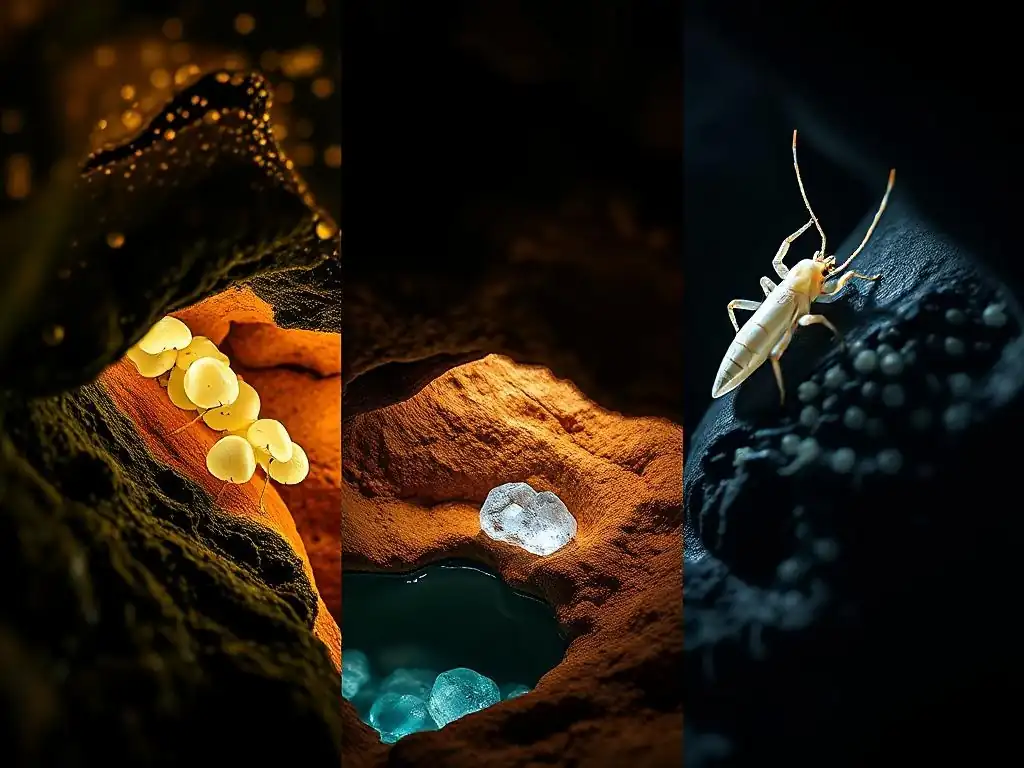
Kazumura Cave, located on the Big Island of Hawaii, is one of the longest and deepest lava tubes in the world, extending for over 65 kilometers. This extensive cave system is a biodiversity hotspot for cave-adapted fauna, most famously harboring the Hawaiian Cave Spider ( Adelocosa anops). This critically endangered spider is a prime example of a troglobite, exhibiting complete eyelessness and a pale, elongated body. It preys on other cave invertebrates, relying on vibrations and touch to locate its prey in the perpetual darkness of the lava tube cave ecosystem.
Studies in Kazumura Cave have revealed a complex food web supported by limited organic input from the surface. Nutrient sources include decaying plant matter washed in by rainwater and occasional bat guano deposits. The cave spider, at the top of this food web, plays a crucial role in regulating populations of other cave invertebrates. Conservation efforts are underway to protect Kazumura Cave and its unique inhabitants, recognizing the fragility of this specialized lava tube cave ecosystem and the threats posed by habitat disturbance and invasive species.
Lanzarote, Canary Islands: Habitat of the Blind Albino Crab (Munidopsis polymorpha)
The volcanic island of Lanzarote in the Canary Islands is home to a remarkable lava tube cave ecosystem, including the Jameos del Agua cave system. This cave is partially submerged in saltwater and is famous for hosting the Blind Albino Crab ( Munidopsis polymorpha), a unique species of squat lobster adapted to cave life. These tiny, white crabs, typically only a few centimeters long, are completely blind and lack pigmentation, perfectly adapted to the aphotic conditions of the lava tube cave ecosystem.
Munidopsis polymorpha feeds on bacteria and organic matter found in the cave's saltwater pools. The Jameos del Agua cave system is a popular tourist attraction, but efforts are made to balance tourism with the conservation of this delicate ecosystem. The presence of saltwater within the lava tube adds another layer of complexity to the habitat, creating a unique interface between terrestrial and marine cave environments and supporting a distinct lava tube cave ecosystem.
Undara Lava Tubes, Australia: Supporting Bat Colonies and Unique Invertebrates
The Undara Lava Tubes in Queensland, Australia, represent one of the longest lava tube systems on the continent, formed approximately 190,000 years ago. These tubes are notable for supporting large colonies of bats, particularly bent-wing bats, which roost in the caves during the day. The bat guano deposited in the caves provides a significant source of nutrients for the lava tube cave ecosystem, fueling a diverse community of invertebrates.
Studies in Undara Lava Tubes have identified a variety of cave-adapted insects, spiders, and other invertebrates, many of which are likely troglobites. The presence of bats as trogloxenes significantly influences the nutrient dynamics of the ecosystem, creating a more resource-rich environment compared to some other lava tube caves. The Undara Lava Tubes are protected as part of a national park, recognizing their geological and biological significance and the need to conserve this unique lava tube cave ecosystem.
Adaptations to Life in Lava Tube Caves: Survival Strategies in the Dark
Loss of Pigmentation: Adapting to the Absence of Light
One of the most visually striking adaptations of troglobites in lava tube cave ecosystems is the loss of pigmentation. In the absence of sunlight, melanin and other pigments that provide color to skin, fur, or exoskeletons are no longer necessary for protection from UV radiation or camouflage. Natural selection favors individuals that do not invest energy in producing pigments, as this energy can be redirected to other survival functions. As a result, many cave-adapted animals are pale white, translucent, or even colorless.
This lack of pigmentation is a convergent evolutionary trait, meaning it has evolved independently in different groups of cave animals around the world. Examples include the albino cave crayfish, the pale Hawaiian Cave Spider, and the white Blind Albino Crab of Lanzarote. While seemingly a simple adaptation, the loss of pigmentation is a clear indicator of the profound influence of the perpetually dark environment on the evolution of life in the lava tube cave ecosystem.
Enhanced Sensory Perception: Relying on Touch, Smell, and Vibration
In the dark world of lava tube caves, vision becomes largely irrelevant. Troglobites have evolved enhanced sensory perception in other modalities to compensate for the lack of light. Touch, smell, and vibration become crucial for navigating, finding food, and communicating in the lava tube cave ecosystem. Many cave insects have elongated antennae and legs densely covered with sensory receptors that detect tactile stimuli and chemical cues. These enhanced tactile and olfactory senses allow them to explore their surroundings and locate prey or mates in the absence of visual information.
Vibration sensitivity is also highly developed in many cave organisms. Cave spiders, for instance, can detect minute vibrations in the cave substrate, allowing them to pinpoint the location of prey moving nearby. Some cave fish have specialized lateral line systems that are extremely sensitive to water currents and vibrations, aiding in navigation and prey detection in the dark. The reliance on non-visual senses is a hallmark adaptation of cave life, demonstrating the remarkable plasticity of sensory systems in response to environmental pressures within the lava tube cave ecosystem.
Slow Metabolism and Extended Lifespans: Conserving Energy
The scarcity of resources in lava tube caves has driven the evolution of energy-conserving strategies in troglobites, including slow metabolism and extended lifespans. Metabolic rate, the rate at which an organism consumes energy, is typically lower in cave-adapted animals compared to their surface relatives. This reduced metabolic rate allows them to survive for longer periods on limited food resources, a crucial adaptation in the nutrient-poor lava tube cave ecosystem.
Slower growth rates and delayed maturation are often associated with reduced metabolism in cave animals. Troglobites may take longer to reach reproductive maturity, but they often have extended lifespans. This life history strategy is advantageous in a stable, but resource-limited environment like a lava tube cave. By conserving energy and living longer, troglobites maximize their reproductive opportunities over their lifespan, increasing their chances of survival and perpetuating their genes within the lava tube cave ecosystem.
The Importance of Studying Lava Tube Cave Ecosystems
Understanding Evolutionary Processes: A Window into Adaptation
Lava tube cave ecosystems provide invaluable natural laboratories for studying evolutionary processes, particularly adaptation. The unique and extreme conditions within caves, such as perpetual darkness, limited resources, and stable microclimates, have driven the evolution of remarkable adaptations in cave-dwelling organisms. By studying troglobites and their adaptations, scientists gain insights into the mechanisms of natural selection, convergent evolution, and the genetic basis of adaptation.
The relatively isolated nature of cave systems also makes them ideal for studying speciation, the process by which new species arise. Cave populations can become genetically isolated from surface populations, leading to divergent evolution and the formation of new cave-adapted species. Comparative studies of cave and surface relatives provide valuable data on the evolutionary pathways leading to cave adaptation. The lava tube cave ecosystem, therefore, serves as a crucial resource for understanding fundamental principles of evolutionary biology and the processes that shape biodiversity.
Conservation Efforts: Protecting Fragile Cave Habitats
Lava tube cave ecosystems are inherently fragile and vulnerable to disturbance. The specialized organisms that inhabit these caves are often highly adapted to their specific cave environment and are sensitive to changes in habitat conditions. Conservation efforts are essential to protect these unique ecosystems from various threats, including human impact, invasive species, and climate change.
Habitat destruction and disturbance from tourism, development, and vandalism are significant threats to cave ecosystems. Responsible cave management practices, including controlled access, visitor education, and protection of cave entrances, are crucial for minimizing human impact. Invasive species can also pose a serious threat, disrupting the delicate balance of the lava tube cave ecosystem and outcompeting native cave fauna. Climate change may have long-term effects on cave microclimates and water availability, potentially impacting cave organisms. Conservation efforts require a multidisciplinary approach, involving scientists, conservation managers, and the public, to ensure the long-term preservation of these valuable lava tube cave ecosystems.
Astrobiological Implications: Exploring Life in Extreme Environments
Lava tube caves are not only important for understanding terrestrial biology but also hold implications for astrobiology, the study of the origin, evolution, distribution, and future of life in the universe. Caves, including lava tubes, are considered analogous to potential habitats on other planets, such as Mars and the Moon. The stable, shielded environment of caves may offer refuge from harsh surface conditions, including radiation and extreme temperature fluctuations, making them potentially habitable environments for life beyond Earth.
Studying life in lava tube cave ecosystems on Earth can provide insights into the types of organisms that might be able to survive in similar subterranean environments on other planets. The adaptations of troglobites to darkness and limited resources may be relevant to understanding the potential for life in subsurface habitats elsewhere.
Furthermore, exploring lava tubes on Earth helps develop techniques and technologies for planetary cave exploration, which could be crucial for future astrobiological missions seeking evidence of life beyond our planet. The study of the lava tube cave ecosystem thus extends beyond terrestrial biology, contributing to the broader quest to understand the potential for life in the universe.
Threats to Lava Tube Cave Ecosystems
Human Impact: Tourism, Development, and Pollution
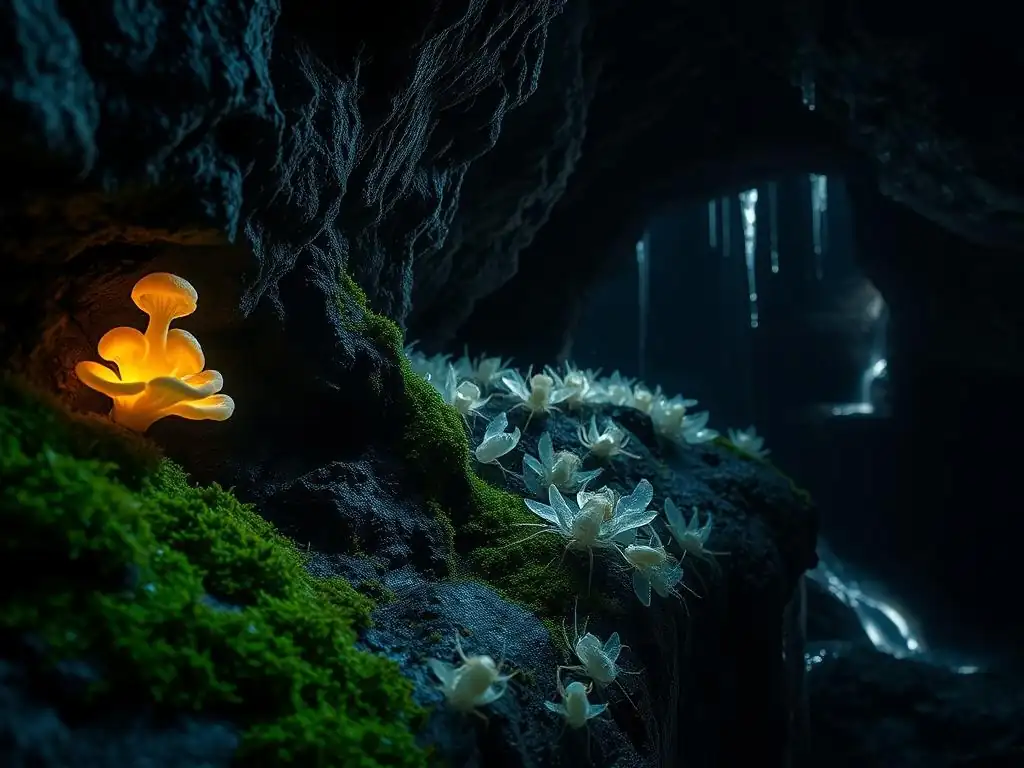
Human activities pose a significant threat to the delicate lava tube cave ecosystem. Uncontrolled tourism can lead to habitat disturbance, trampling of cave formations, and the introduction of pollutants. Even seemingly innocuous activities like touching cave walls can damage sensitive microbial communities or introduce contaminants. Development activities above or near lava tubes, such as construction and road building, can alter water flow patterns, disrupt cave entrances, and introduce pollutants into the cave environment.
Pollution, both chemical and organic, is a major concern. Surface runoff contaminated with pesticides, fertilizers, or industrial chemicals can seep into lava tubes, harming cave organisms. Organic pollution, such as sewage or agricultural waste, can alter nutrient levels and oxygen availability within the cave, disrupting the natural balance of the lava tube cave ecosystem. Responsible tourism practices, careful land management, and pollution control measures are essential to mitigate human impact and protect these fragile underground habitats.
Invasive Species: Disrupting the Delicate Balance
Invasive species represent a serious threat to the native fauna of lava tube cave ecosystems. Cave-adapted organisms have evolved in relative isolation and are often poorly equipped to compete with or defend themselves against introduced species. Invasive invertebrates, such as non-native snails, insects, or crustaceans, can outcompete native cave fauna for limited resources or prey upon them directly. The introduction of surface predators, such as rats or mice, into caves can also have devastating impacts on cave-dwelling invertebrates.
Invasive plants growing near cave entrances can alter microclimate conditions, affecting humidity and temperature within the cave. The introduction of pathogens or parasites by invasive species can also harm native cave organisms. Preventing the introduction of invasive species into lava tube cave ecosystems is crucial for conservation. This requires careful biosecurity measures, including cleaning gear used in cave exploration and preventing the intentional or accidental release of non-native organisms near cave entrances.
Climate Change: Potential Long-Term Effects
Climate change poses a potential long-term threat to lava tube cave ecosystems, although the specific impacts are still being studied. Changes in surface temperature and precipitation patterns can affect cave microclimates and water availability. Increased surface temperatures may lead to warming of cave environments, potentially exceeding the tolerance limits of some cave-adapted organisms. Changes in precipitation patterns can alter groundwater recharge rates, affecting humidity levels and water flow within lava tubes.
Extreme weather events, such as droughts or floods, associated with climate change, can also have detrimental effects on cave ecosystems. Droughts may reduce water availability, while floods can inundate caves, potentially drowning cave-dwelling organisms or altering cave habitats. The long-term consequences of climate change for lava tube cave ecosystems are complex and require further research to understand and mitigate potential impacts.
Exploring and Documenting Lava Tube Ecosystems: A Call to Action
Responsible Cave Exploration: Minimizing Environmental Impact
Exploring lava tube caves is a privilege that comes with responsibility. Responsible cave exploration is crucial to minimize environmental impact and protect these fragile ecosystems. This includes adhering to established caving ethics, such as "take nothing but pictures, leave nothing but footprints, kill nothing but time." Cavers should avoid touching cave formations, as even skin oils can damage delicate mineral deposits or microbial communities. Waste should be packed out, and care should be taken to avoid disturbing cave fauna.
Decontamination protocols are essential to prevent the spread of cave diseases and invasive species between different cave systems. Cleaning caving gear and clothing between cave visits can help minimize the risk of introducing harmful organisms. Respecting cave closures and restricted areas is also important for conservation. Responsible cave exploration ensures that these unique lava tube cave ecosystems are preserved for future generations to appreciate and study.
Citizen Science: Contributing to Research and Conservation
Citizen science initiatives offer valuable opportunities for the public to contribute to the research and conservation of lava tube cave ecosystems. Volunteer cavers and nature enthusiasts can assist scientists in various aspects of cave research, such as mapping cave systems, monitoring cave fauna populations, and collecting environmental data. Citizen science projects can expand the scope of scientific research and increase public awareness of cave conservation issues.
Participating in organized cave surveys, reporting cave observations to researchers, and contributing data to online databases are all ways that citizen scientists can make a meaningful contribution. Citizen science can also play a vital role in cave monitoring and stewardship, helping to identify threats to cave ecosystems and implement conservation actions. Engaging the public in cave research and conservation fosters a sense of ownership and responsibility for these unique natural resources, promoting the long-term protection of the lava tube cave ecosystem.
Future Directions: Unveiling More Secrets of the Underground World
The exploration and study of lava tube cave ecosystems are ongoing endeavors, with many secrets of the underground world yet to be unveiled. Future research directions include further exploration of unexplored cave systems, detailed biodiversity surveys to discover new cave species, and ecological studies to understand the complex interactions within cave food webs. Advancements in technology, such as remote sensing and cave robotics, are expanding our ability to explore and study caves in more detail and with less environmental impact.
Genetic studies are providing new insights into the evolutionary history and adaptations of cave organisms. Research into cave microbiology is revealing the diversity and functional roles of microbial communities in cave ecosystems. Continued exploration and research are essential to deepen our understanding of lava tube cave ecosystems, inform conservation efforts, and appreciate the remarkable biodiversity and geological wonders hidden beneath our feet. The lava tube cave ecosystem remains a frontier of discovery, promising exciting new insights into life in extreme environments and the interconnectedness of our planet.
Conclusion: Appreciating the Fragile Beauty of Lava Tube Cave Life
Lava tube caves are more than just geological formations; they are hidden realms teeming with life uniquely adapted to perpetual darkness and limited resources. The lava tube cave ecosystem, with its troglobites, trogloxenes, and trophobites, showcases the astonishing biodiversity that can thrive in even the most extreme environments. From the eyeless Hawaiian Cave Spider to the albino Blind Crab of Lanzarote, these creatures represent evolutionary marvels, highlighting the power of natural selection and adaptation.
However, this fragile beauty is under threat. Human impact, invasive species, and climate change all pose challenges to the long-term survival of lava tube cave ecosystems. Responsible exploration, conservation efforts, and continued research are crucial to protect these unique habitats and the remarkable life they harbor. By appreciating the value of these subterranean worlds and taking action to conserve them, we can ensure that future generations will also have the opportunity to marvel at the wonders of lava tube cave life and the intricate lava tube cave ecosystem it supports.
Frequently Asked Questions
What are lava tube caves, and how are they formed?
Lava tube caves are underground tunnels formed when the outer surface of a lava flow cools and hardens, while molten lava continues to flow beneath, eventually draining away. This leaves behind a hollow tube.
What makes lava tube cave ecosystems unique?
These ecosystems are unique due to their complete darkness, stable temperatures, and limited nutrient sources, creating a challenging environment for life.
What types of creatures can survive in lava tube caves?
Life in lava tube caves often includes troglobites (cave-adapted animals) such as cave crickets, spiders, and bacteria that have adapted to the perpetual darkness and scarce resources. Some creatures are highly specialized to the environment.
How do organisms obtain energy in the absence of sunlight?
Organisms in these caves often rely on chemosynthesis, obtaining energy from chemical reactions, or they may feed on organic matter that washes or falls into the cave.
Why is it important to study lava tube cave ecosystems?
Studying these ecosystems provides insights into life in extreme environments, the evolution of unique adaptations, and potentially even clues about the possibility of life on other planets with similar geological features.
Final Reflection: Echoes in the Dark
The exploration of lava tube cave ecosystems, as we've seen, reveals a world teeming with life adapted to the most extreme conditions. This hidden biodiversity underscores the fragility and interconnectedness of all ecosystems, even those seemingly isolated from the sunlit world. Understanding these unique environments is not just a scientific endeavor; it's a crucial step in appreciating the full spectrum of life on our planet and the importance of conservation efforts, even in the darkest corners.
The discovery of these specialized creatures, thriving in perpetual night, challenges our preconceived notions about survival and adaptation. It reminds us that life finds a way, even where we least expect it, and that there's still so much to learn about the intricate web of life on Earth. In the depth of winter, I finally learned that within me there lay an invincible summer.
- Albert Camus. This quote resonates profoundly when considering the resilience of these cave ecosystems, a testament to the enduring power of life against all odds.
Now, as you reflect on the secrets unveiled within these lava tubes, consider the broader implications for our understanding of life and our responsibility to protect it. What other hidden worlds await discovery, and what lessons can they teach us about resilience, adaptation, and the delicate balance of nature? Let us carry the echoes of these cave creatures into our daily lives, inspiring us to be more mindful stewards of our planet and to champion the preservation of all ecosystems, both known and unknown.
Okay, I understand. Here's a CTA designed for the end of an article titled "Life in Perpetual Night: Unveiling Lava Tube Cave Creatures" on the website "Volcano Explorers" (volcanoexplorers.org):
Ignite Your Inner Explorer!
Thank you for delving into the fascinating world of lava tube cave creatures. Hopefully, you've gained a new appreciation for the resilience of life in the most unexpected places. Ready to take the next step and fuel your curiosity even further?
- Delve Deeper: Become a Citizen Scientist!: Report any unusual cave observations to local geological societies or national park services. Even a simple photo and location can contribute valuable data.
- Expand your knowledge: Explore our archives for articles on subterranean biology, or delve into your local library's resources on speleology.
- Share the Wonder: Spread the wonder by sharing this article with someone you know who loves nature or science!
What's the most surprising thing you learned about lava tube cave creatures, and how will you use that knowledge to foster greater appreciation for life on Earth?