
When Paradise Trembles: Reconciling Beauty and Danger in Volcanic Regions

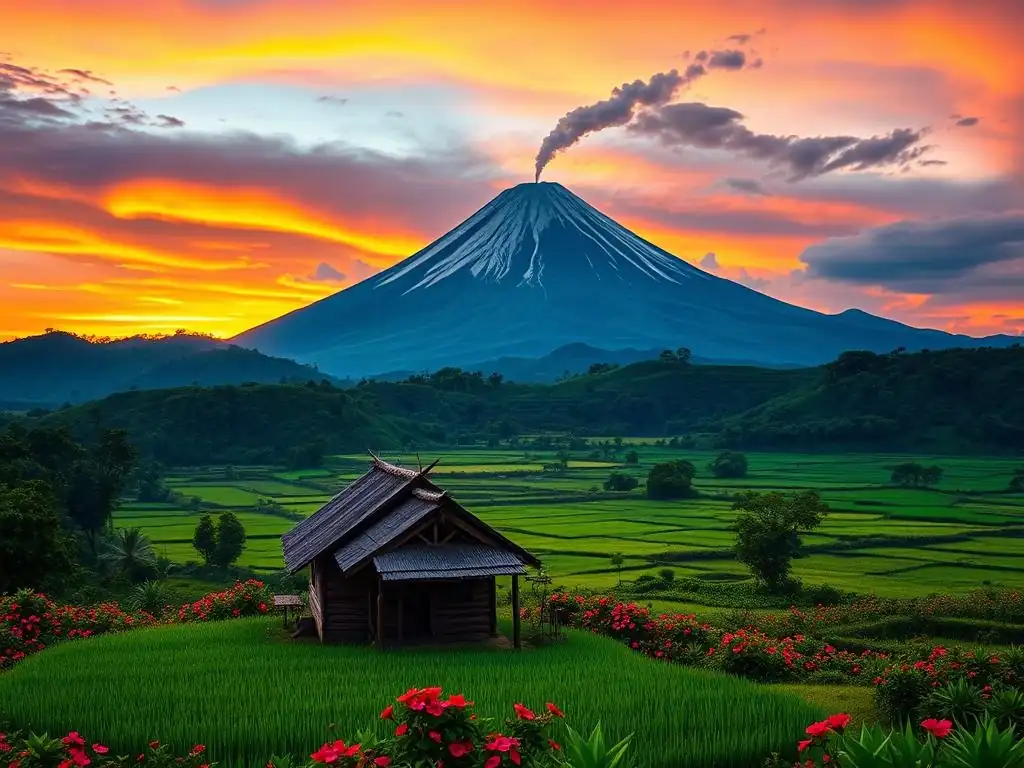
Welcome to Volcano Explorers!
Prepare to be mesmerized, and perhaps a little intimidated. When Paradise Trembles, you'll discover how the beauty and danger of volcanoes intertwine, creating breathtaking landscapes and demanding respect. But how can something so destructive be so captivating? Unravel the secrets, explore the science, and learn how communities coexist with these powerful forces of nature. Dive in – your journey into the heart of volcanic wonder begins now!
- Living with Volcanoes: Exploring the Duality of Volcanic Landscapes
- The Beauty and Danger of Volcanoes: A Delicate Balance
-
Frequently Asked Questions
- What makes volcanic regions both beautiful and dangerous?
- What kind of educational content can I find on VolcanoExplorers.org about volcanoes?
- How does VolcanoExplorers.org assist those living near active volcanoes?
- How do volcanologists study these powerful natural forces?
- What cultural significance do volcanoes hold across the globe?
- Final Reflection: Embracing the Volcanic Paradox
- Ignite Your Inner Explorer: Plan Your Volcanic Adventure!
Living with Volcanoes: Exploring the Duality of Volcanic Landscapes
The Allure of Volcanic Regions: Why People Choose to Live Near Active Volcanoes
The decision to reside in the shadow of a volcano, a place where the earth's raw power is palpable, might seem counterintuitive to some. However, volcanic regions exert a powerful draw, attracting communities for a multitude of compelling reasons. One of the primary factors is the exceptional soil fertility.
Volcanic ash, over time, breaks down into incredibly nutrient-rich soil, teeming with minerals essential for agriculture. This fertile ground supports bountiful harvests, making volcanic slopes ideal for farming. In regions like the slopes of Mount Etna in Sicily, Italy, or around Mount Vesuvius near Naples, agriculture thrives, producing renowned wines, fruits, and vegetables, sustaining livelihoods and local economies for generations.
Beyond agriculture, volcanic landscapes are often breathtakingly beautiful. The dramatic scenery, sculpted by eruptions over millennia, creates unique and stunning environments. Think of the caldera of Santorini in Greece, a volcanic island famed for its whitewashed villages perched on cliffs overlooking the Aegean Sea, or the lush rainforests that flourish on the flanks of volcanoes in Costa Rica.
This natural beauty attracts tourism, providing economic opportunities and fostering a sense of place and identity for the communities living there. The geothermal activity associated with volcanoes also offers valuable resources, including hot springs used for recreation and health, and geothermal energy, a clean and sustainable power source.
Understanding the Volcanic Threat: Assessing the Risks in Volcanic Areas
While the allure of volcanic regions is undeniable, it's crucial to acknowledge and understand the inherent risks associated with living near these geological powerhouses. Volcanic threats are diverse and can manifest in various forms, posing significant dangers to life and property. Assessing these risks requires a comprehensive understanding of the specific volcano, its eruption history, and the potential hazards it presents to surrounding communities. Volcanologists play a vital role in this assessment, studying a volcano's past activity, monitoring its current state, and using sophisticated models to predict potential future eruptions and their likely impacts.
The primary hazards associated with volcanoes include explosive eruptions producing pyroclastic flows – superheated currents of gas and rock fragments – and ashfall, which can blanket vast areas, collapsing roofs and disrupting infrastructure. Lahars, volcanic mudflows composed of water, ash, and rock, are another significant threat, capable of devastating valleys and low-lying areas.
Beyond these immediate eruption-related hazards, secondary risks include landslides triggered by volcanic activity, toxic gas emissions, and earthquakes, which can accompany volcanic unrest. For instance, communities living near Mount Rainier in Washington State, USA, face the threat of massive lahars that could reach densely populated areas within hours of an eruption, a risk actively studied and planned for by local authorities and the USGS Volcano Hazards Program.
The Beauty and Danger of Volcanoes: A Delicate Balance
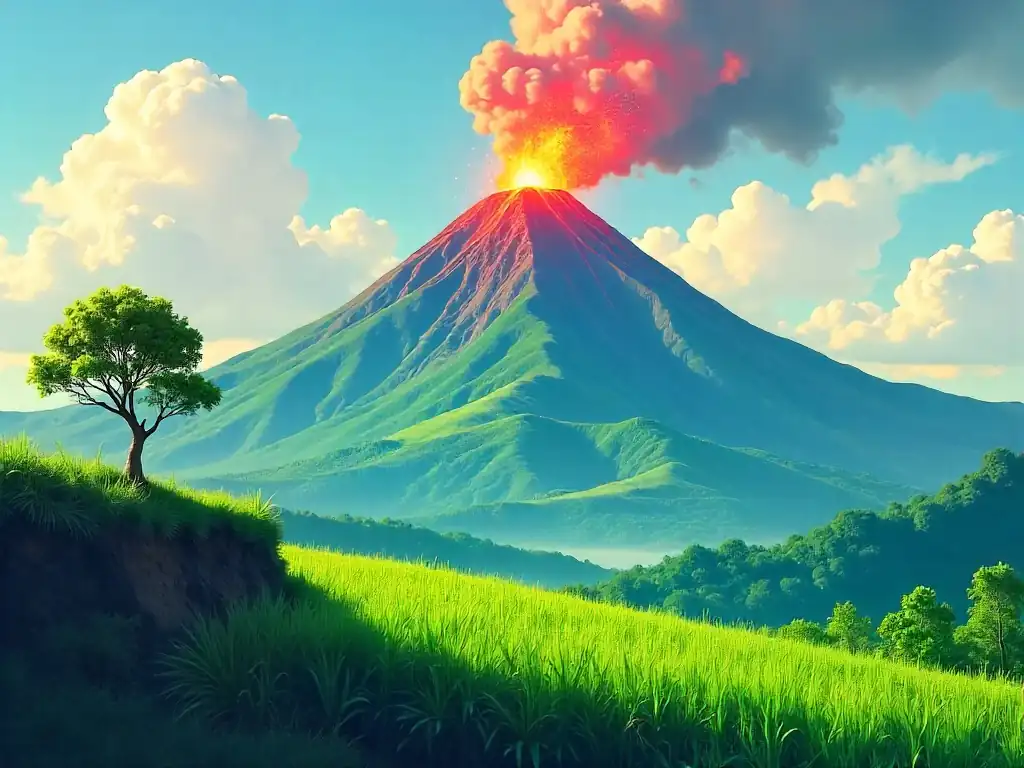
The juxtaposition of beauty and danger is perhaps the defining characteristic of volcanic regions. It is this very duality that shapes the lives of those who call these dynamic landscapes home. The fertile soils and spectacular scenery that draw people to volcanic areas are directly linked to the very forces that pose a threat.
The eruptions that create fertile ash and sculpt dramatic landscapes are also capable of unleashing destructive power. This inherent tension necessitates a delicate balance – a way of living that appreciates and benefits from the beauty and resources of volcanoes while simultaneously mitigating and preparing for the inherent dangers.
This balance is not merely about risk management; it's about fostering a sustainable relationship with a powerful natural force. It requires a deep understanding of volcanic processes, robust monitoring systems, effective early warning systems, and community preparedness. It also involves land-use planning that considers volcanic hazards, building codes that enhance resilience, and public education initiatives that empower communities to live safely and responsibly in volcanic environments. Ultimately, reconciling the beauty and danger of volcanoes is about embracing a lifestyle that respects the Earth's dynamic nature and prioritizes both human well-being and environmental stewardship in these captivating, yet challenging, regions.
Frequently Asked Questions
What makes volcanic regions both beautiful and dangerous?
Volcanic regions possess a unique beauty due to features like lava flows, geothermal areas, and _stunning landscapes. However, the constant threat of eruptions, lahars, and toxic gas emissions makes them inherently dangerous.
What kind of educational content can I find on VolcanoExplorers.org about volcanoes?
The site provides educational content on various aspects, including magma formation, different types of volcanoes, and the science behind volcanic eruptions. It also explores historical eruptions and how volcanologists study these phenomena.
How does VolcanoExplorers.org assist those living near active volcanoes?
We offer safety guides and evacuation tips tailored for residents in volcanic regions. Furthermore, we provide real-time updates on volcanic activity around the world to help them stay informed.
How do volcanologists study these powerful natural forces?
Volcanologists use various methods, including monitoring seismic activity, analyzing gas emissions, and studying lava flows. These techniques help them understand volcanic behavior and predict potential eruptions.
What cultural significance do volcanoes hold across the globe?
Volcanoes often play a significant role in mythology, religion, and local traditions around the world. They can be seen as sacred places, sources of both life and destruction, deeply ingrained in the cultural fabric.
Final Reflection: Embracing the Volcanic Paradox
The exploration of volcanic regions, as we've seen, is not merely a scientific endeavor, but a profound encounter with the raw power and exquisite artistry of nature. The enduring allure of volcanoes lies precisely in their paradoxical nature: they are simultaneously creators and destroyers, testaments to both the fragility and resilience of life. This duality resonates deeply in a world increasingly aware of the delicate balance between human existence and the forces that shape our planet.
The beauty and danger of volcanoes have always captivated the human imagination, influencing art, mythology, and our understanding of the Earth's dynamic processes. This fascination, for me, underscores the importance of respecting and understanding these powerful forces, not just fearing them. The mountains are fountains of men as well as of rivers, of glaciers, of fertile soil. The great poets, philosophers, prophets, able men whose thoughts and deeds have moved the world, have all come from the mountains.
- John Muir. This quote reminds us that even from places of perceived danger, immense beauty and inspiration can emerge.
As we conclude this journey through volcanic landscapes, I invite you to reflect on the lessons learned. How can we, as individuals and as a society, better reconcile the inherent beauty and danger that surrounds us? Let the awe-inspiring power of volcanoes serve as a constant reminder to appreciate the present moment, to act responsibly towards our planet, and to embrace the challenges and opportunities that arise from living in a world shaped by such extraordinary forces. Let us strive to understand, respect, and protect these magnificent, yet volatile, landscapes for generations to come.
Okay, here's a CTA tailored for your "When Paradise Trembles: Reconciling Beauty and Danger in Volcanic Regions" article on Volcano Explorers (volcanoexplorers.org):
Ignite Your Inner Explorer: Plan Your Volcanic Adventure!
Thank you for delving into the captivating duality of volcanic landscapes with us. We hope you now have a deeper appreciation for both their breathtaking beauty and inherent risks. It's time to turn that knowledge into action!
Here are a few ways to connect further with the world of volcanoes:
- Choose your dream volcanic destination and start researching! (Think Iceland, Hawaii, or even closer to home!). This is your primary mission!
- Share this article with fellow adventure seekers and ignite a conversation about responsible volcanic tourism. What safety measures are essential?
- Unleash your creativity:Draft a short story or poem inspired by the raw power and serene beauty of volcanoes. Share your creation on social media with the hashtag #VolcanoExplorers!
What's the first volcanic region you're researching for your future adventure? Share your destination in the comments below!