
The Power of Planning: Creating Sustainable VolcanoResilient Communities

Welcome to Volcano Explorers!
Beneath the surface of the Earth, fiery forces are constantly at work, shaping our world in dramatic and often unpredictable ways. Are you ready to uncover the secrets of volcanoes and the communities that thrive in their shadow? This article delves into the heart of sustainable volcanoresilient communities, revealing how careful planning and innovation can empower those living near these powerful giants. But what does it really take to build a future where humans and volcanoes can coexist? Explore with us and find out...
- Introduction: Building a Future for Volcano Communities
- Understanding Volcanic Hazards and Risks
- Planning for Resilience: Strategies for Volcanic Communities
- Sustainable Livelihoods in Volcano-Prone Areas
- Building Social Capital and Community Cohesion
- Case Studies: Examples of Sustainable Volcano-Resilient Communities
- The Role of Technology in Volcano Risk Management
- Policy and Governance for Sustainable Volcano Resilience
- Conclusion: Empowering Communities for a Resilient Future in Volcanic Regions
-
Frequently Asked Questions
- What does it mean for a community to be "volcano-resilient"?
- How can communities near volcanoes become more sustainable?
- What are some examples of effective emergency plans for volcanic eruptions?
- How do volcanologists contribute to building volcano-resilient communities?
- What role does community involvement play in creating volcano-resilient communities?
- Final Reflection: Embracing Resilience in the Shadow of Giants
- Reimagine Your Community's Future: Act Now for Volcano Resilience!
Introduction: Building a Future for Volcano Communities
Volcanoes, majestic forces of nature, have shaped landscapes and influenced civilizations for millennia. They are sources of fertile soils, geothermal energy, and unique ecosystems, yet they also pose significant risks to nearby populations. Living in the shadow of a volcano requires a proactive approach, one that moves beyond simply reacting to eruptions towards building long-term resilience.
This article explores the critical role of planning in creating sustainable volcano-resilient communities, focusing on strategies that empower populations to thrive alongside these dynamic geological features. By understanding volcanic hazards, implementing robust planning measures, and fostering community engagement, we can transform vulnerable areas into places where people and volcanoes coexist sustainably.
The concept of sustainable volcano-resilient communities is not merely about surviving eruptions; it’s about creating societies that can flourish despite the inherent risks. It involves a holistic approach encompassing hazard assessment, land-use planning, infrastructure development, economic diversification, and strong social structures. This integrated strategy aims to minimize the devastating impacts of volcanic events while maximizing the opportunities that volcanic regions can offer. Ultimately, building sustainable volcano-resilient communities is an investment in the future, ensuring the safety, prosperity, and well-being of those who call these dynamic landscapes home.
Understanding Volcanic Hazards and Risks
Volcanic hazards are the potentially destructive phenomena produced by a volcano. These can range from dramatic, explosive eruptions to slower, but equally impactful, events like lava flows. Understanding these hazards is the first crucial step in building sustainable volcano-resilient communities. Each volcano presents a unique set of hazards depending on its type, eruptive history, and surrounding environment. Common volcanic hazards include pyroclastic flows, lahars (volcanic mudflows), ashfall, lava flows, volcanic gases, and secondary hazards like landslides and tsunamis. Recognizing the specific threats posed by a particular volcano is paramount for effective risk management and community planning.
Volcanic risk, however, is not solely defined by the presence of hazards. Risk is the probability of harmful consequences, or expected losses (deaths, injuries, property, livelihoods, environment, etc.) resulting from interactions between natural hazards and vulnerable conditions.
Therefore, understanding volcanic risk requires considering both the likelihood and intensity of volcanic hazards and the vulnerability of the population and infrastructure exposed to these hazards. A high volcanic hazard in an uninhabited area poses minimal risk, while a smaller hazard in a densely populated region can translate into significant risk. Building sustainable volcano-resilient communities demands a comprehensive understanding of both the hazards and the vulnerabilities within a volcanic region.
Identifying and Assessing Volcanic Threats
Identifying and assessing volcanic threats is a complex scientific endeavor, relying on a combination of geological history, real-time monitoring, and predictive modeling. Volcanologists meticulously study a volcano's past eruptions by analyzing volcanic deposits, such as lava flows and ash layers, to reconstruct its eruptive history.
This historical record provides valuable insights into the types, frequency, and magnitude of past eruptions, helping to forecast potential future events. For example, studies of Mount Vesuvius's deposits have revealed a history of both Plinian eruptions, like the one that destroyed Pompeii, and smaller, more frequent eruptions, informing hazard assessments for the densely populated area around Naples, Italy.
Modern volcanology utilizes a suite of sophisticated monitoring techniques to detect subtle changes in a volcano's activity that may precede an eruption. Seismic monitoring, using networks of seismometers, tracks the frequency and intensity of earthquakes, which often increase as magma rises beneath the surface. Ground deformation monitoring, employing GPS and satellite-based InSAR (Interferometric Synthetic Aperture Radar), measures minute changes in the volcano's shape, indicating magma accumulation or movement.
Gas monitoring analyzes the composition and flux of volcanic gases released from vents and fumaroles, providing clues about magma degassing and potential eruptive activity. For instance, the continuous monitoring of carbon dioxide and sulfur dioxide emissions at volcanoes like Popocatépetl in Mexico provides crucial data for eruption forecasting and timely warnings for nearby communities. These combined approaches provide a robust scientific foundation for understanding and mitigating volcanic threats, essential for building sustainable volcano-resilient communities.
Vulnerability and Exposure in Volcanic Regions
Vulnerability in volcanic regions refers to the characteristics and circumstances of a community, system, or asset that make it susceptible to the damaging effects of volcanic hazards. This encompasses a wide range of factors, including physical infrastructure, economic activities, social structures, and governance systems. For example, communities with poorly constructed buildings, limited access to transportation, and high levels of poverty are inherently more vulnerable to volcanic hazards compared to communities with robust infrastructure, diversified economies, and strong social safety nets. Understanding these specific vulnerabilities is crucial for tailoring effective resilience-building strategies for sustainable volcano-resilient communities.
Exposure, on the other hand, refers to the degree to which people, property, systems, or other elements at risk are subjected to volcanic hazards. Population density in volcanic areas is a primary factor determining exposure. Regions with high population concentrations in close proximity to active volcanoes face greater exposure to hazards like pyroclastic flows, lahars, and ashfall.
Furthermore, critical infrastructure such as hospitals, power plants, transportation networks, and communication systems located within hazard zones are also highly exposed. For example, the city of Goma, Democratic Republic of Congo, located adjacent to the Nyiragongo volcano, is highly exposed to lava flow hazards, as demonstrated by the devastating eruptions in 2002 and 2021. Reducing vulnerability and managing exposure are key objectives in creating sustainable volcano-resilient communities.
Planning for Resilience: Strategies for Volcanic Communities
Planning for resilience in volcanic communities is a proactive and multifaceted process that aims to minimize the impacts of volcanic eruptions and ensure the long-term well-being of the population. It requires integrating volcanic hazard assessments into all aspects of community development, from land-use zoning to infrastructure design and emergency preparedness. Effective planning fosters sustainable volcano-resilient communities by reducing vulnerability, enhancing coping capacities, and promoting adaptation to living with volcanic risks. This proactive approach moves beyond reactive disaster management towards building a culture of resilience.
Resilience planning is not a one-size-fits-all approach and needs to be tailored to the specific context of each volcanic region. Factors such as the type of volcano, the nature of the hazards, the socio-economic conditions of the community, and the existing governance structures all influence the design and implementation of resilience strategies.
Community participation is paramount in this process, ensuring that local knowledge and needs are incorporated into the planning process and that resilience measures are culturally appropriate and socially acceptable. Building sustainable volcano-resilient communities is a collaborative effort requiring the engagement of scientists, planners, policymakers, and, most importantly, the communities themselves.
Land Use Planning and Zoning in Volcanic Areas
Land use planning and zoning are critical tools for mitigating volcanic risk and building sustainable volcano-resilient communities. By strategically regulating land use in areas prone to volcanic hazards, communities can reduce exposure and vulnerability. This involves identifying high-hazard zones based on volcanic hazard assessments and implementing zoning regulations that restrict or prohibit certain types of development in these areas. For example, areas at high risk from pyroclastic flows or lahars might be designated for open space, agriculture, or low-density development, while critical infrastructure and high-density residential areas are located in safer zones.
Effective land use planning in volcanic regions often involves a tiered zoning approach, with varying levels of restrictions based on the assessed hazard level. High-risk zones might be designated as "red zones" where development is strictly prohibited, while medium-risk "orange zones" might allow for certain types of development with specific building codes and mitigation measures. Lower-risk "yellow zones" might have fewer restrictions but still incorporate volcanic risk considerations into planning decisions.
The city of Randle, Washington, located near Mount Rainier, provides an example of proactive land-use planning, with zoning regulations that restrict development in lahar hazard zones and prioritize evacuation routes. Such zoning strategies are fundamental for creating sustainable volcano-resilient communities that can coexist with volcanic hazards.
Infrastructure Development for Volcano Resilience
Infrastructure development plays a crucial role in enhancing volcano resilience and creating sustainable volcano-resilient communities. Resilient infrastructure is designed and constructed to withstand volcanic hazards and minimize disruption during and after an eruption. This includes critical infrastructure such as transportation networks, communication systems, water and sanitation systems, and energy grids. Investing in resilient infrastructure not only protects these vital services but also facilitates evacuation, emergency response, and post-eruption recovery.
Building codes in volcanic areas should incorporate specific provisions to enhance the resilience of buildings to volcanic hazards such as ashfall, ground deformation, and volcanic projectiles. For example, buildings in ashfall-prone areas should have roofs designed to withstand heavy ash loads, and critical facilities should be designed to resist ground deformation associated with magma intrusion. Transportation infrastructure, such as roads and bridges, should be designed to withstand lahar flows and ashfall, and evacuation routes should be clearly identified and maintained.
The development of redundant communication systems, including satellite-based communication, is crucial for maintaining connectivity during volcanic crises. Investing in resilient infrastructure is a cornerstone of building sustainable volcano-resilient communities.
Emergency Preparedness and Response for Volcanic Eruptions
Emergency preparedness and response are essential components of building sustainable volcano-resilient communities. Effective preparedness involves developing comprehensive emergency plans, establishing early warning systems, conducting regular drills and simulations, and ensuring that communities are well-informed and prepared to respond to volcanic eruptions. A well-prepared community can significantly reduce casualties and minimize the impacts of volcanic events.
Early warning systems are critical for providing timely alerts to communities at risk, allowing for evacuation and other protective measures. These systems rely on real-time monitoring of volcanic activity and effective communication channels to disseminate warnings to the public. Community-based early warning systems, which involve local communities in monitoring and disseminating warnings, can be particularly effective in reaching vulnerable populations.
Regular drills and simulations are essential for testing emergency plans, identifying weaknesses, and ensuring that communities are familiar with evacuation procedures and emergency protocols. Public education and awareness campaigns are crucial for empowering communities to take proactive steps to prepare for volcanic eruptions. Effective emergency preparedness and response are vital for minimizing the human and economic costs of volcanic events and fostering sustainable volcano-resilient communities.
Sustainable Livelihoods in Volcano-Prone Areas
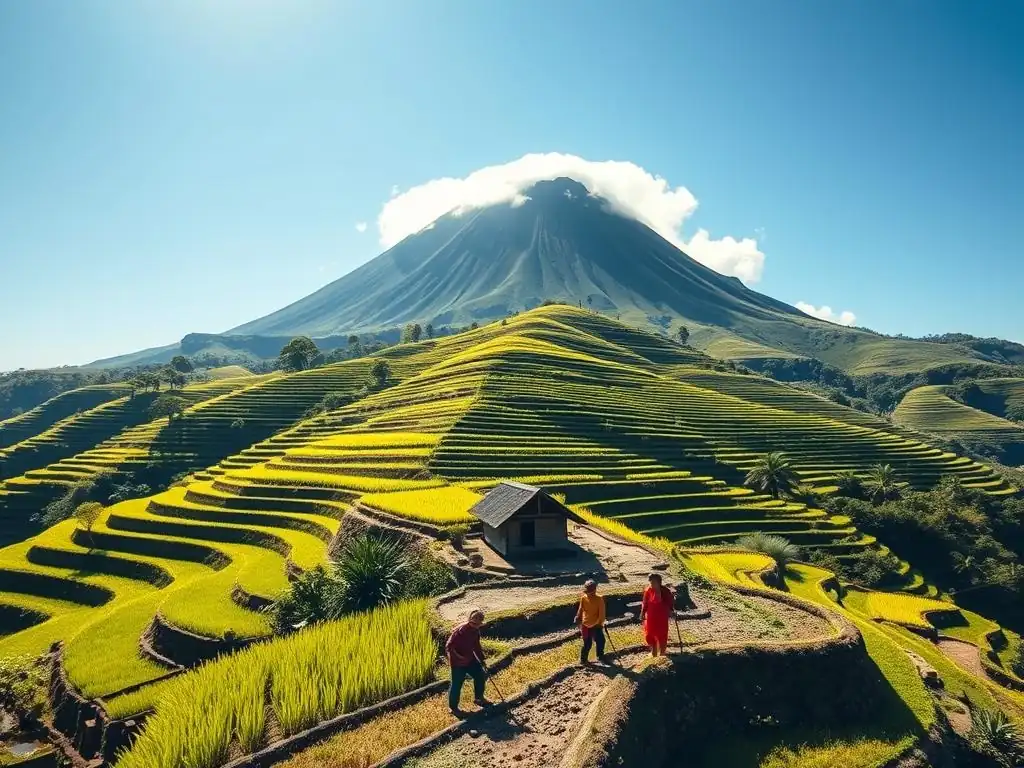
Building sustainable volcano-resilient communities also requires a focus on sustainable livelihoods. Communities living near volcanoes often rely on resources and economic activities that are directly or indirectly linked to the volcanic environment, such as agriculture in fertile volcanic soils, tourism attracted by volcanic landscapes, and geothermal energy. However, these livelihoods can be vulnerable to volcanic eruptions. Promoting sustainable livelihoods involves diversifying economic activities, strengthening local resource management, and enhancing economic resilience to volcanic hazards.
Diversification of livelihoods reduces dependence on volcano-sensitive sectors and provides alternative income sources in the event of volcanic disruptions. This can involve promoting new economic activities, such as ecotourism, artisanal crafts, or technology-based industries, or strengthening existing sectors that are less vulnerable to volcanic hazards. Sustainable resource management ensures that natural resources are used responsibly and that ecosystems are protected, contributing to long-term economic and environmental sustainability.
Investing in education and skills development can enhance livelihood opportunities and empower communities to adapt to changing economic conditions and volcanic risks. Building sustainable volcano-resilient communities requires a holistic approach that integrates economic, social, and environmental sustainability.
Diversifying Economic Activities for Volcano Communities
Diversifying economic activities is a key strategy for building sustainable volcano-resilient communities. Many communities in volcanic areas are heavily reliant on agriculture, which can be severely impacted by volcanic eruptions through ashfall, lava flows, and lahars. Over-reliance on a single sector increases vulnerability and limits economic opportunities. Diversification involves developing a broader range of economic activities that are less susceptible to volcanic hazards and create more resilient and robust local economies.
Tourism related to volcanic landscapes can be a significant economic driver in many volcanic regions. Volcanoes attract tourists interested in adventure tourism, geothermal spas, and unique natural environments. Developing sustainable tourism initiatives that benefit local communities and minimize environmental impacts can provide a valuable alternative income source.
Small-scale industries, such as artisanal crafts, food processing, and renewable energy production, can also contribute to economic diversification. Investing in education and training to develop new skills and promote entrepreneurship is essential for facilitating economic diversification. For example, in Iceland, geothermal energy powers a diverse economy that includes aluminum smelting, greenhouses, and tourism, illustrating the potential for volcanic resources to support sustainable volcano-resilient communities.
Community-Based Resource Management in Volcanic Regions
Community-based resource management (CBRM) is a crucial approach for building sustainable volcano-resilient communities. CBRM empowers local communities to manage and utilize natural resources sustainably, fostering both environmental protection and economic development. In volcanic regions, CBRM can be applied to the management of water resources, forests, agricultural lands, and geothermal resources. Engaging communities in resource management ensures that local knowledge and needs are incorporated into decision-making processes and that resource use is equitable and sustainable.
CBRM initiatives can enhance volcano resilience by promoting sustainable agricultural practices that reduce soil erosion and improve water management, which can mitigate the impacts of ashfall and drought. Community-managed forests can provide timber and fuelwood sustainably, while also protecting watersheds and reducing landslide risks. Sustainable management of geothermal resources can provide a reliable source of clean energy and support local livelihoods.
CBRM also strengthens community cohesion and social capital, which are essential for effective disaster preparedness and response. For example, in the Philippines, community-based forest management programs have helped to protect watersheds around volcanoes and reduce the risk of landslides and flooding, contributing to sustainable volcano-resilient communities.
Social capital and community cohesion are fundamental pillars of sustainable volcano-resilient communities. Social capital refers to the networks, relationships, and norms that enable people to cooperate effectively to achieve shared objectives. Community cohesion refers to the strength of social bonds and the sense of solidarity within a community. Strong social capital and community cohesion enhance a community's ability to prepare for, respond to, and recover from volcanic eruptions. These social factors are as important as physical infrastructure and economic resources in building resilience.
Communities with strong social networks are better able to share information, mobilize resources, and support each other during and after volcanic events. Trust, cooperation, and collective action are essential for effective evacuation, emergency response, and long-term recovery. Community-based organizations, local leadership, and social networks play a vital role in fostering social capital and community cohesion. Investing in social programs that strengthen community bonds, promote civic engagement, and build trust is crucial for enhancing volcano resilience. Building sustainable volcano-resilient communities requires not only physical and economic resilience but also strong social resilience.
Strengthening social networks is a vital strategy for building sustainable volcano-resilient communities. Strong social networks provide channels for information sharing, mutual support, and collective action, which are essential during volcanic crises. These networks can be formal, such as community organizations and neighborhood associations, or informal, such as family ties and friendship groups. Strengthening these networks involves fostering communication, collaboration, and trust within the community.
Community-based disaster preparedness programs can play a key role in strengthening social networks. These programs bring community members together to learn about volcanic hazards, develop emergency plans, and practice evacuation procedures. These activities build social connections, enhance communication, and foster a sense of collective responsibility.
Supporting local organizations and community leaders is also crucial for strengthening social networks. These individuals and groups often serve as important conduits for information and mobilization during emergencies. For instance, in communities around Mount Pinatubo in the Philippines, strong pre-existing social networks and community organizations played a crucial role in the successful evacuation and recovery efforts following the 1991 eruption, highlighting the importance of social capital for sustainable volcano-resilient communities.
Education and Awareness Programs for Volcanic Risks
Education and awareness programs are essential for empowering communities to live safely and sustainably with volcanoes and for building sustainable volcano-resilient communities. These programs aim to increase public understanding of volcanic hazards, risks, and preparedness measures. Effective education and awareness campaigns can change attitudes, behaviors, and practices, leading to increased resilience at the individual, household, and community levels.
Educational programs should be tailored to different audiences, including children, adults, community leaders, and specific vulnerable groups. Schools are important venues for educating children and youth about volcanic risks, integrating volcano science and disaster preparedness into the curriculum. Public awareness campaigns can utilize various media channels, such as radio, television, social media, and community meetings, to disseminate information about volcanic hazards, early warning systems, and evacuation procedures.
Participatory approaches, such as community workshops and simulations, can be particularly effective in engaging communities and promoting learning through experience. For example, the Volcano Hazards Program of the U.S. Geological Survey provides extensive educational resources and outreach programs to communities in volcanic areas of the United States, contributing to increased awareness and preparedness for sustainable volcano-resilient communities.
Case Studies: Examples of Sustainable Volcano-Resilient Communities
Examining case studies of communities that have successfully built resilience to volcanic hazards provides valuable lessons and insights for building sustainable volcano-resilient communities elsewhere. These case studies demonstrate diverse approaches to volcano risk management, highlighting the importance of context-specific strategies, community engagement, and long-term commitment. Analyzing both successes and challenges in different volcanic settings helps to identify best practices and inform future resilience-building efforts.
Case studies showcase the application of various resilience strategies, including early warning systems, land-use planning, infrastructure development, economic diversification, and community-based preparedness programs. They also illustrate the importance of strong governance, scientific expertise, and international collaboration in supporting local resilience efforts. By learning from the experiences of other communities, we can accelerate progress towards building sustainable volcano-resilient communities globally and reducing the risks associated with living near volcanoes.
Mount Rainier, USA: Community Alert Systems and Lahar Detection
Mount Rainier, a majestic stratovolcano in Washington State, USA, poses significant lahar risks to downstream communities, including the densely populated Puyallup River valley. Recognizing this threat, communities around Mount Rainier have invested heavily in developing sophisticated lahar detection and warning systems, a prime example of proactive measures for building sustainable volcano-resilient communities. The Mount Rainier lahar detection system utilizes a network of sensors along river valleys that can detect the seismic and acoustic signals generated by lahars.
When a lahar is detected, the system automatically triggers alarms and alerts downstream communities, providing crucial time for evacuation. These alerts are disseminated through various channels, including sirens, radio broadcasts, and emergency notification systems. Regular drills and community education programs ensure that residents are familiar with evacuation routes and procedures.
Pierce County, Washington, has been a leader in implementing land-use planning regulations that restrict development in lahar hazard zones and promote evacuation routes. The Mount Rainier example demonstrates the effectiveness of combining advanced technology with community preparedness and land-use planning to mitigate lahar risks and build sustainable volcano-resilient communities. Approximately 250,000 people live in areas potentially affected by Mount Rainier lahars, highlighting the scale of the risk and the importance of these resilience measures.
Montserrat: Lessons Learned from Long-Term Volcanic Activity
Montserrat, a Caribbean island, provides a stark but valuable case study in long-term volcanic crisis and resilience building, offering critical lessons for sustainable volcano-resilient communities. The Soufrière Hills volcano on Montserrat began erupting in 1995, leading to the abandonment of the capital city, Plymouth, and the displacement of a significant portion of the island's population. The eruption has been ongoing for decades, requiring the community to adapt to living with persistent volcanic hazards.
Montserrat's experience highlights the challenges of managing long-term volcanic crises, including prolonged displacement, economic disruption, and social stress. However, Montserrat also demonstrates remarkable resilience in the face of adversity. The government and international partners have worked to rebuild infrastructure, diversify the economy, and create new communities in safer areas of the island.
The Montserrat Volcano Observatory plays a crucial role in monitoring the volcano and providing scientific advice. The experience of Montserrat underscores the importance of long-term planning, community adaptation, and international support in building sustainable volcano-resilient communities facing prolonged volcanic activity. Despite the ongoing eruption, Montserrat has made significant strides in building a future for its remaining population, illustrating the potential for resilience even in the face of protracted crises.
The Role of Technology in Volcano Risk Management
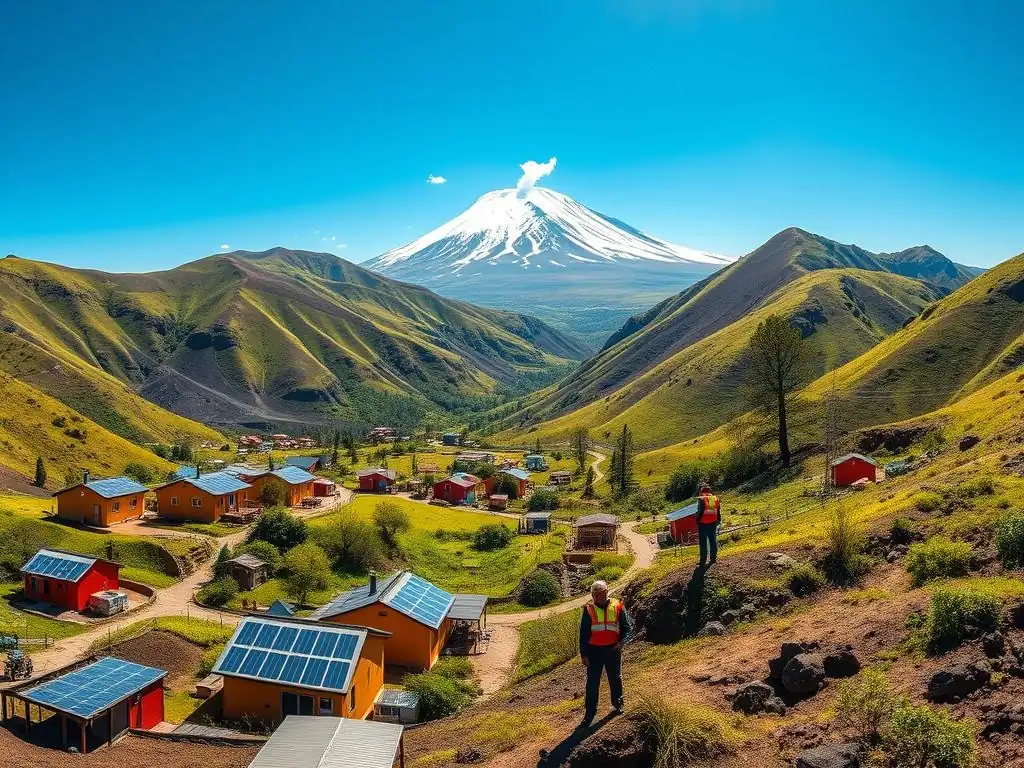
Technology plays an increasingly important role in volcano risk management and in building sustainable volcano-resilient communities. From advanced monitoring systems to communication technologies and data analysis tools, technology enhances our ability to understand volcanic processes, forecast eruptions, and mitigate volcanic risks. Technological advancements are transforming volcano monitoring, early warning systems, emergency response, and risk communication, contributing to safer and more resilient communities.
Remote sensing technologies, such as satellites and drones, provide valuable data on volcanic activity over large areas and in remote locations. Advanced sensor technologies enable real-time monitoring of volcanic parameters, such as seismic activity, ground deformation, gas emissions, and thermal changes. Communication technologies, including mobile phones and the internet, facilitate rapid dissemination of warnings and information during volcanic crises. Data analysis tools and modeling techniques improve our ability to interpret monitoring data and forecast volcanic eruptions. Investing in and utilizing appropriate technologies is crucial for enhancing volcano risk management and building sustainable volcano-resilient communities.
Utilizing Remote Sensing and Monitoring Technologies
Remote sensing and monitoring technologies are revolutionizing volcano risk management and are essential tools for building sustainable volcano-resilient communities. Satellite-based remote sensing provides a synoptic view of volcanoes, enabling the detection of thermal anomalies, ground deformation, and volcanic plumes over large areas, even in remote or inaccessible regions. This is particularly valuable for monitoring volcanoes in developing countries or those with limited ground-based monitoring infrastructure. For example, satellite thermal infrared imagery can detect changes in heat output from volcanoes, which may indicate increased volcanic activity.
Ground-based monitoring networks, equipped with seismometers, GPS stations, gas sensors, and deformation instruments, provide high-resolution data on volcanic activity. These networks are crucial for detecting subtle changes in volcanic behavior that may precede an eruption. Drones are increasingly used for volcano monitoring, allowing for close-up observation of volcanic vents, gas sampling, and mapping of volcanic deposits in hazardous areas.
Data from remote sensing and ground-based monitoring technologies are integrated and analyzed to provide a comprehensive picture of volcanic activity and inform eruption forecasts and early warnings. The combination of these technologies provides a powerful toolkit for enhancing volcano monitoring and building sustainable volcano-resilient communities.
Using Communication Technologies for Disaster Response
Communication technologies are indispensable for effective disaster response during volcanic eruptions and for building sustainable volcano-resilient communities. Rapid and reliable communication is critical for disseminating early warnings, coordinating emergency response efforts, and providing information to affected communities. Mobile phones, the internet, social media, and satellite communication systems play vital roles in volcanic disaster response.
Mobile phone technology enables the dissemination of text message alerts to communities at risk, providing timely warnings and evacuation instructions. The internet and social media platforms facilitate the sharing of real-time information, situation updates, and communication between emergency responders and affected populations. Satellite communication systems provide backup communication channels in areas where terrestrial networks are disrupted by volcanic eruptions.
Geographic Information Systems (GIS) and mapping technologies are used to visualize hazard zones, evacuation routes, and resource distribution during disaster response. Effective use of communication technologies is essential for minimizing casualties, coordinating relief efforts, and building sustainable volcano-resilient communities that are prepared for and can effectively respond to volcanic crises.
Policy and Governance for Sustainable Volcano Resilience
Policy and governance frameworks are crucial for creating an enabling environment for sustainable volcano-resilient communities. Effective policies and governance structures provide the legal, institutional, and financial mechanisms needed to implement volcano risk management strategies, coordinate actions across different sectors, and ensure long-term commitment to resilience building. Strong governance is essential for translating scientific knowledge and planning strategies into concrete actions that reduce volcanic risk and enhance community resilience.
Policy frameworks should integrate volcano risk management into national and local development plans, land-use regulations, building codes, and disaster management strategies. Institutional arrangements should clearly define roles and responsibilities for volcano risk management across different government agencies, scientific institutions, and community organizations. Financial mechanisms, such as dedicated funding for volcano monitoring, preparedness programs, and post-eruption recovery, are essential for ensuring the sustainability of resilience efforts. International collaboration and knowledge sharing can enhance national and local capacities for volcano risk management and contribute to building sustainable volcano-resilient communities globally.
Strengthening Regulatory Frameworks for Volcanic Risk Management
Strengthening regulatory frameworks is essential for effective volcanic risk management and for building sustainable volcano-resilient communities. Regulatory frameworks provide the legal basis for implementing land-use planning, building codes, and other risk mitigation measures. These frameworks should be based on sound scientific assessments of volcanic hazards and risks and should be regularly reviewed and updated as new information becomes available.
Land-use planning regulations should restrict development in high-hazard zones and guide development in lower-risk areas. Building codes should incorporate specific provisions for volcanic hazards, such as ashfall resistance, ground deformation resistance, and protection from volcanic projectiles. Environmental regulations should address the environmental impacts of volcanic eruptions and promote sustainable resource management in volcanic regions.
Disaster management legislation should define roles and responsibilities for emergency preparedness, response, and recovery, and should ensure adequate resources for these activities. Effective enforcement of regulatory frameworks is crucial for ensuring compliance and achieving the intended risk reduction outcomes. Robust regulatory frameworks are a cornerstone of building sustainable volcano-resilient communities.
International Collaboration and Knowledge Sharing
International collaboration and knowledge sharing are vital for advancing volcano risk management and building sustainable volcano-resilient communities worldwide. Volcanoes are global hazards, and many countries face similar challenges in managing volcanic risks. Sharing experiences, best practices, and scientific knowledge can accelerate progress and enhance the effectiveness of resilience-building efforts globally.
International organizations, such as the United Nations, UNESCO, and the World Bank, play a key role in promoting international collaboration on volcano risk management. Scientific networks and research collaborations facilitate the exchange of scientific knowledge and technical expertise. Capacity-building programs and technical assistance initiatives support developing countries in strengthening their volcano monitoring, preparedness, and risk management capacities.
Sharing data, methodologies, and lessons learned from volcanic crises helps to improve global understanding of volcanic processes and enhance preparedness for future eruptions. International collaboration and knowledge sharing are essential for building a global community of practice in volcano risk management and for fostering sustainable volcano-resilient communities around the world.
Conclusion: Empowering Communities for a Resilient Future in Volcanic Regions
Building sustainable volcano-resilient communities is a complex but achievable goal. It requires a holistic and integrated approach that encompasses hazard assessment, land-use planning, infrastructure development, economic diversification, social capital building, and robust governance. Empowering communities to understand and manage volcanic risks is at the heart of this endeavor. By investing in preparedness, fostering community engagement, and promoting sustainable development, we can create a future where communities not only survive but thrive in the shadow of volcanoes.
The journey towards sustainable volcano-resilient communities is a continuous process of learning, adaptation, and innovation. It demands ongoing commitment from governments, scientists, communities, and international partners. By working collaboratively and embracing a proactive approach, we can transform vulnerable volcanic regions into places where people and volcanoes coexist sustainably, ensuring a resilient and prosperous future for generations to come. The power of planning, combined with community empowerment and scientific understanding, holds the key to unlocking a resilient future for those who call volcanic landscapes home.
Frequently Asked Questions
What does it mean for a community to be "volcano-resilient"?
Being volcano-resilient means a community can withstand and recover from volcanic eruptions. This includes having effective emergency plans and infrastructure designed to minimize damage.
How can communities near volcanoes become more sustainable?
Sustainability involves integrating long-term environmental and economic considerations. This means using resources responsibly and building infrastructure that can adapt to future volcanic activity.
What are some examples of effective emergency plans for volcanic eruptions?
Effective plans include early warning systems, evacuation routes, and designated safe zones. Regular drills and public education are also crucial components.
How do volcanologists contribute to building volcano-resilient communities?
Volcanologists monitor volcanic activity and provide crucial data for risk assessment. They also help develop hazard maps and inform emergency management strategies.
What role does community involvement play in creating volcano-resilient communities?
Community involvement is essential for success. Residents need to understand the risks, participate in planning, and be prepared to act during an eruption.
Final Reflection: Embracing Resilience in the Shadow of Giants
The lessons learned in crafting sustainable volcanoresilient communities are not merely academic exercises; they are vital blueprints for a future where humanity coexists with the raw power of nature. The principles of proactive planning, community engagement, and resource diversification, as explored throughout this article, are increasingly relevant in a world facing escalating environmental challenges, from climate change to unpredictable natural disasters.
The enduring impact of volcanic activity on shaping landscapes and societies demands a shift in perspective, from reactive crisis management to proactive resilience building. Witnessing communities rise from the ashes, armed with knowledge and preparedness, is a testament to the human spirit's capacity for adaptation and innovation. The only constant is change,
Heraclitus wisely observed, and in the face of volcanic threats, embracing change through sustainable planning is not just prudent; it's essential for survival.
As you reflect on the strategies and insights presented here, consider how you can contribute to building a more resilient world, whether in your own community or on a global scale. Let the power of planning inspire you to advocate for proactive measures, support sustainable initiatives, and foster a culture of preparedness, ensuring that future generations can thrive, even in the shadow of giants.
Reimagine Your Community's Future: Act Now for Volcano Resilience!
Thank you for delving into the strategies for building volcano-resilient communities. You've gained valuable insights into planning and preparation that can safeguard lives and livelihoods. Now it's time to put that knowledge into action.
Here are a few ways you can contribute:
- Become a Volcano Preparedness Advocate: Share this article with your local community leaders and neighbors. Discuss the importance of proactive planning and encourage participation in local safety initiatives. This is your first step towards tangible change.
- Explore local resources: Research your region's volcano emergency plans and identify areas where you can contribute, whether through volunteering or advocacy.
- Start a conversation: Use our forum on volcanoexplorers.org to learn even more from peers.
What specific volcano resilience strategy will you champion in your community, and how can we help you get started?