
Communication Breakdown? Prevent Disaster with Expert Volcano Strategies

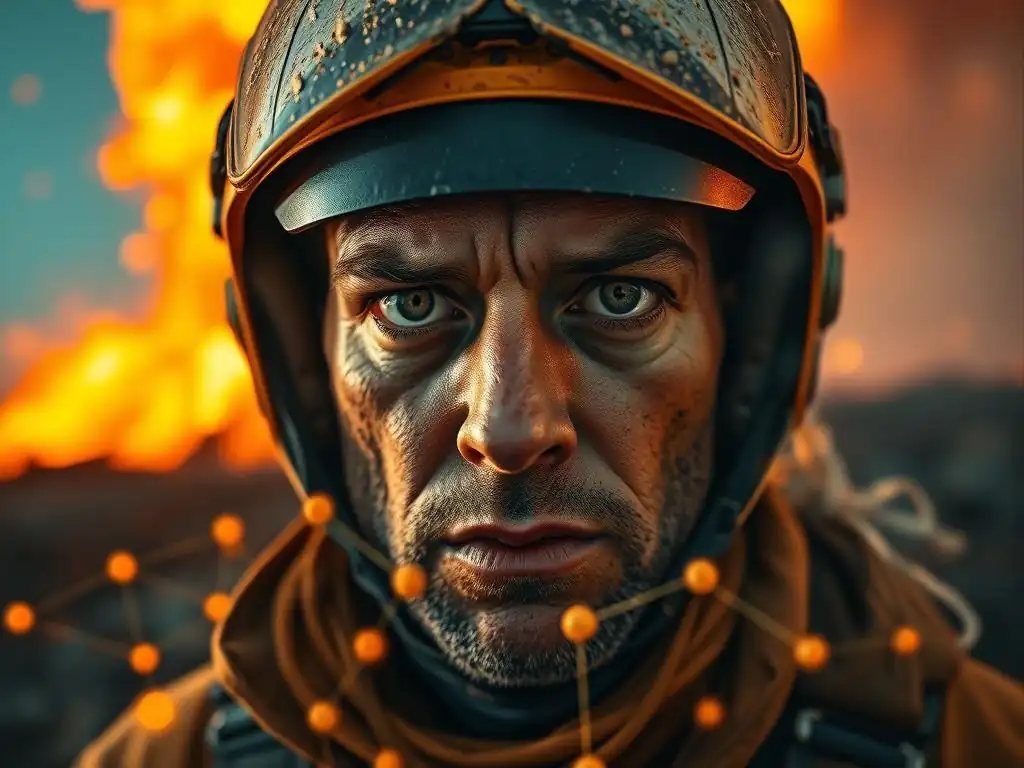
Welcome to Volcano Explorers, where the Earth's raw power meets human ingenuity. Ever wondered how we can better prepare for the unpredictable fury of a volcanic eruption? Dive into our latest analysis on volcano safety communication strategies and uncover crucial insights that could save lives. Are we truly ready to face the next big blast? The answers might surprise you...
- Volcano Safety: Communication Strategies for Expeditions
- Why Volcano Communication Strategies Are Crucial
- Essential Volcano Communication Tools & Technologies
-
Frequently Asked Questions
- How crucial is effective communication during a volcanic eruption?
- What are some key elements of a successful volcano safety communication strategy?
- How can VolcanoExplorers.org help improve my understanding of volcano safety communication strategies?
- What are some common communication breakdowns that can occur during a volcanic crisis?
- What role do local communities play in volcano safety communication strategies?
- Final Reflection: Embracing Clarity Amidst Volcanic Uncertainty
- Ignite Change: Become a Volcano Communication Hero!
Volcano Safety: Communication Strategies for Expeditions
Why Volcano Communication Strategies Are Crucial
Understanding Risks: Communication Failures in Volcanic Environments
Volcanic environments present a unique set of challenges that amplify the risks associated with communication failures. The very nature of volcanoes – often remote, with rugged terrain, and subject to unpredictable and rapid changes – makes reliable communication paramount. Consider the physical barriers: steep slopes, deep valleys, and dense volcanic rock can severely impede radio signal propagation. Furthermore, the atmospheric conditions around volcanoes are often volatile.
Ash clouds, steam plumes, and even heavy rainfall can interfere with radio waves and satellite signals, creating dead zones or unreliable connections when clear communication is most vital. The dynamic nature of volcanic activity itself adds another layer of complexity. Sudden eruptions, lahars, and gas emissions can quickly alter the landscape and disrupt pre-established communication pathways, making static communication plans instantly obsolete.
Beyond environmental factors, human elements contribute significantly to communication risks in volcanic expeditions. The stress and adrenaline of navigating a potentially hazardous environment can impair judgment and clear thinking, leading to miscommunications or overlooked messages. Teams operating in noisy environments, such as near fumaroles or during helicopter operations, may struggle to hear instructions or warnings effectively.
Language barriers within international teams, or even variations in terminology among experienced and less experienced members, can also lead to misunderstandings with potentially serious consequences. Therefore, a robust communication strategy must not only address technological challenges but also anticipate and mitigate human factors that can lead to communication breakdowns in these demanding environments.
The Cost of Poor Communication During Volcano Expeditions
The consequences of inadequate communication during volcano expeditions range from minor inconveniences to catastrophic outcomes. At the lower end, communication failures can lead to wasted time and resources. Imagine a scenario where a research team needs to collect samples from a specific location, but due to unclear instructions or lost communication, they end up at the wrong site.
This can result in delays, missed objectives, and increased logistical costs, especially in remote locations where time is a critical factor. Poor communication can also erode team morale, leading to frustration and decreased efficiency. Misunderstandings about tasks, schedules, or safety protocols can create tension and reduce overall team cohesion, which is vital for successful and safe expeditions.
More seriously, communication breakdowns can directly contribute to injuries and fatalities. In a volcanic eruption or lahar event, timely warnings and clear evacuation instructions are essential for survival. If communication systems fail or protocols are unclear, team members may not receive critical alerts, leading to delayed responses and increased exposure to hazards. Consider a scenario where a climbing team is ascending a volcano when activity increases unexpectedly.
Without reliable communication to relay warnings from base camp or monitoring stations, the team may be caught off guard and unable to descend quickly enough to safety. In search and rescue situations, poor communication can drastically reduce the chances of a successful outcome, delaying rescue efforts and potentially turning a recoverable situation into a tragedy. Investing in robust volcano safety communication strategies is not just about operational efficiency; it is a direct investment in the well-being and survival of expedition members.
Essential Volcano Communication Tools & Technologies
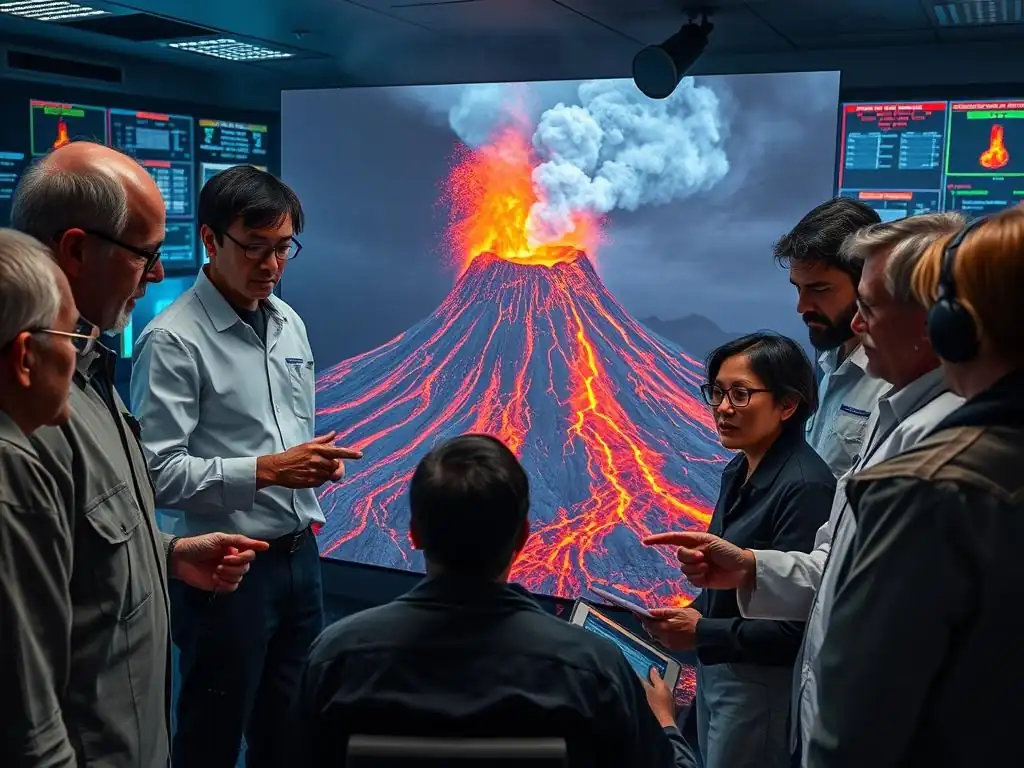
Two-Way Radios: The Backbone of Expedition Communication
Two-way radios remain the cornerstone of communication for volcano expeditions due to their reliability, ease of use, and relatively low cost. They offer direct, person-to-person communication without relying on cellular networks or satellite infrastructure, which is critical in remote volcanic regions where such services are often unavailable or unreliable.
For teams operating within a limited range, typically a few kilometers depending on terrain and radio type, two-way radios provide instant voice communication, allowing for real-time coordination, immediate alerts about hazards, and efficient information sharing among team members. Their simplicity and ruggedness make them particularly suitable for the harsh conditions often encountered on volcanoes, where delicate equipment may fail.
Within expedition teams, two-way radios facilitate various crucial communication needs. They are used for directing team movements across challenging terrain, coordinating sampling efforts or equipment deployment, and providing immediate feedback during scientific observations or climbing activities. In emergency situations, they serve as the primary means of alerting team members to danger, issuing evacuation orders, and coordinating rescue efforts.
The ability to establish multiple channels allows for segregated communication groups, such as separate channels for climbing teams, research teams, and base camp, ensuring focused and efficient communication without unnecessary cross-talk. For short-range, on-the-ground communication, two-way radios provide a dependable and essential tool for volcano safety.
Choosing the Right Two-Way Radio: Motorola CP200d vs. Icom IC-F5021
Selecting the appropriate two-way radio for a volcano expedition is crucial and depends on factors like expedition size, terrain, and communication range requirements. Two popular and reliable models often considered are the Motorola CP200d and the Icom IC-F5021. The Motorola CP200d is known for its robustness and simplicity, making it a user-friendly option for teams with varying levels of technical expertise.
It offers clear audio quality and is designed to withstand harsh conditions, including dust, rain, and impact, which are common in volcanic environments. Its straightforward interface minimizes complexity in stressful situations, allowing users to communicate effectively without fumbling with intricate controls. The CP200d is a solid choice for expeditions prioritizing ease of use and durability in basic voice communication.
On the other hand, the Icom IC-F5021 offers a wider range of features and greater customization options, making it suitable for more complex expeditions or teams with specific communication needs. While also rugged and reliable, the IC-F5021 often boasts enhanced audio clarity and potentially better range performance in certain terrains compared to the CP200d.
It typically offers more programmable channels and advanced features like voice scrambling or selective calling, which can be beneficial for larger teams or situations requiring secure communication. Choosing between these models, or similar options, involves weighing the balance between simplicity, advanced features, and specific performance characteristics against the anticipated demands of the volcano expedition and the budget available.
Key Features: Range, Durability, and Battery Life
When evaluating two-way radios for volcano expeditions, three features stand out as paramount: range, durability, and battery life. Range determines the communication distance achievable between radios. In volcanic terrain, line-of-sight is often obstructed by mountains and valleys, significantly reducing the effective range.
Higher power radios and those operating on lower frequencies generally offer better range, especially in challenging terrain. Understanding the expected communication distances within the expedition area and selecting radios with adequate range is crucial for maintaining contact across the team. Manufacturers often specify range under ideal, flat, open conditions, so real-world performance in volcanic environments will likely be less, necessitating careful consideration of terrain and potential signal obstructions.
Durability is non-negotiable in the harsh conditions of volcano expeditions. Radios must withstand dust, ash, moisture, temperature fluctuations, and physical impacts. Look for radios with robust construction, sealed against dust and water ingress (often indicated by IP ratings), and built to withstand drops and vibrations. Volcanic ash, in particular, is abrasive and can penetrate into equipment, causing damage.
Radios designed to military specifications (MIL-STD-810G or similar) generally offer a higher level of durability. Battery life is equally critical, especially for multi-day expeditions in remote locations where recharging is not readily available. Choose radios with long battery life and consider carrying spare batteries or portable charging solutions. Understanding the typical usage patterns and anticipated operating time of the expedition will help in selecting radios with sufficient battery capacity and planning for battery management strategies.
Satellite Phones: Staying Connected Beyond Radio Range
Satellite phones provide a critical communication lifeline when expeditions venture beyond the limited range of two-way radios. Unlike terrestrial cellular networks, satellite phones connect directly to satellites orbiting the Earth, enabling communication from virtually anywhere on the globe, including remote volcanic regions with no cell service.
This capability is essential for long-range communication, emergency calls in areas outside radio range, and for maintaining contact with base camps or external support teams located far from the expedition site. While generally more expensive to operate than two-way radios, satellite phones offer unparalleled reach and reliability in situations where terrestrial communication infrastructure is absent.
For volcano expeditions, satellite phones serve several vital purposes. They are used for reporting expedition progress and findings to external researchers or monitoring agencies, even from the summit of a volcano. In emergency situations requiring evacuation or external assistance, satellite phones provide the means to contact emergency services, mountain rescue teams, or medical personnel.
They are also used for logistical coordination, such as arranging supply drops or helicopter support in remote areas. While voice communication is the primary function, some satellite phones also offer SMS messaging and limited data capabilities, which can be useful for sending short text updates or basic location data. For expeditions operating far from civilization or requiring guaranteed communication regardless of location, satellite phones are an indispensable safety tool.
When to Use a Satellite Phone
Determining when to rely on a satellite phone versus other communication methods is a key aspect of volcano safety communication planning. Satellite phones are primarily deployed in situations where two-way radios or cellular networks are inadequate or unavailable. Beyond the range of two-way radios: when expedition teams are operating over distances exceeding the reliable range of their radios, satellite phones become essential for maintaining contact between dispersed groups or with base camp.
This is particularly relevant in large volcanic areas or expeditions covering significant distances. Lack of cellular coverage: in most volcanic regions, cellular network coverage is either non-existent or extremely patchy. If the expedition area is outside of reliable cellular service, satellite phones are necessary for any communication beyond local radio range.
Emergency situations: in any serious emergency, such as a medical incident, volcanic eruption, or team member lost or injured in a remote location, a satellite phone is crucial for contacting emergency services and coordinating rescue efforts. The ability to make a reliable call from virtually anywhere can be life-saving in these scenarios. Long-distance coordination: for expeditions requiring communication with support teams, research institutions, or family members located far away, satellite phones provide the necessary long-range connectivity.
This is important for logistical updates, reporting scientific findings, or simply keeping external parties informed of the expedition's progress and safety. While satellite phones are more expensive and may have limitations in voice quality or data speeds compared to terrestrial systems, their ability to provide communication in the most remote and challenging volcanic environments makes them an indispensable tool for safety and operational success.
Recommended Options: Iridium Extreme 9575 and Garmin inReach Messenger
When selecting a satellite phone for volcano expeditions, two prominent and highly regarded options are the Iridium Extreme 9575 and the Garmin inReach Messenger (when used for satellite communication). The Iridium Extreme 9575 is a dedicated satellite phone renowned for its robust build quality, global coverage, and reliable voice communication. Iridium's satellite network provides true pole-to-pole coverage, ensuring connectivity in even the most remote polar volcanic regions.
The 9575 is designed to withstand harsh environments, meeting military-grade standards for shock, water, and dust resistance. It offers clear voice calls and SMS messaging, and while data capabilities are limited, it is primarily valued for its dependable voice communication in extreme conditions. For expeditions prioritizing voice reliability and global coverage, the Iridium Extreme 9575 is a top choice.
The Garmin inReach Messenger, while primarily marketed as a satellite communicator, also offers satellite messaging and SOS capabilities, effectively functioning as a satellite communication device suitable for expedition use. Unlike the Iridium, the inReach Messenger utilizes the Iridium network for messaging and SOS, but it is designed for primarily text-based communication rather than voice calls (although voice communication is possible through a paired smartphone in some models and scenarios).
Its key advantage lies in its compact size, long battery life, and comprehensive messaging features, including two-way text messaging, location sharing, and interactive SOS. For expeditions where text-based communication is sufficient and size and battery life are critical factors, the Garmin inReach Messenger provides a valuable and versatile satellite communication solution.
Choosing between these options depends on the expedition's primary communication needs: voice calls and global coverage favor the Iridium, while text messaging, size, and battery life considerations may point towards the Garmin inReach Messenger.
GPS Trackers with Emergency Communication Features
GPS trackers with integrated emergency communication features offer a powerful combination of location awareness and safety for volcano expeditions. These devices not only track the real-time location of team members but also provide SOS buttons and messaging capabilities via satellite, enhancing safety and coordination, particularly in remote and hazardous volcanic terrain.
The ability to continuously monitor the location of expedition members allows for better team management, efficient search and rescue operations if needed, and the reassurance of knowing team positions in dynamic and potentially dangerous environments. These trackers bridge the gap between simple GPS navigation and more complex satellite communication systems, offering a valuable layer of safety and situational awareness.
Within volcano expeditions, GPS trackers serve multiple critical functions. Real-time location monitoring allows base camp or designated safety personnel to track the progress of teams in the field, ensuring they are adhering to planned routes and schedules, and identifying any deviations that might indicate problems. In case of an emergency, the SOS button on these devices instantly sends an alert to a global emergency response center, triggering search and rescue operations and providing critical location information to rescuers.
Two-way messaging capabilities, often via satellite networks, enable communication with base camp or emergency contacts, allowing for updates on team status, requests for assistance, or relaying vital information. For expeditions prioritizing safety, location awareness, and reliable emergency communication, GPS trackers are an indispensable component of their communication strategy.
Real-Time Location Tracking for Enhanced Safety
Real-time location tracking, enabled by GPS trackers, significantly enhances safety during volcano expeditions. The ability to monitor the precise location of team members in real-time provides a crucial layer of situational awareness, allowing for proactive safety management and rapid response in emergencies.
For base camp or designated safety officers, having a live view of team positions on a map provides reassurance and allows for early detection of potential problems. If a team deviates from their planned route, becomes stationary for an extended period in a hazardous area, or triggers an SOS alert, real-time tracking provides immediate context and facilitates a quicker and more effective response.
In complex volcanic terrain, where visibility can be limited and navigation challenging, real-time tracking helps ensure team cohesion and prevents members from becoming separated. For scientific expeditions, tracking allows for efficient coordination of sampling efforts and ensures that teams are operating within designated research areas. During search and rescue scenarios, real-time tracking of both the missing team members (if they are carrying trackers) and the rescue teams allows for optimized search patterns and improved coordination.
Furthermore, location data can be recorded and reviewed post-expedition for route analysis, performance evaluation, and future planning. The enhanced situational awareness provided by real-time GPS tracking contributes significantly to safer and more efficient volcano expeditions, enabling proactive risk management and faster emergency response when needed.
Garmin inReach Mini 2 vs. ZOLEO Satellite Communicator: A Comparison
When considering GPS trackers with emergency communication features for volcano expeditions, the Garmin inReach Mini 2 and the ZOLEO Satellite Communicator are two leading and highly regarded options. The Garmin inReach Mini 2 is renowned for its ultra-compact size, lightweight design, and robust feature set. It offers two-way text messaging via the Iridium satellite network, SOS capabilities, GPS tracking with location sharing, and a long battery life, all packed into a device small enough to easily carry in a pocket or on a pack strap.
Its rugged construction and user-friendly interface make it a popular choice for adventurers and expeditioners seeking a reliable and unobtrusive safety device. The inReach Mini 2 excels in providing comprehensive functionality in a minimal form factor, making it ideal for weight-conscious expeditions.
The ZOLEO Satellite Communicator differentiates itself with its focus on seamless integration with smartphones and its cost-effective messaging plans. While slightly larger than the inReach Mini 2, the ZOLEO offers a more smartphone-centric user experience, utilizing a dedicated app for messaging, SOS, and location sharing. It operates on the Iridium satellite network for global coverage and provides reliable two-way messaging and SOS capabilities.
ZOLEO's messaging plans are often considered more affordable than Garmin's, particularly for frequent users of satellite messaging. Choosing between the inReach Mini 2 and ZOLEO depends on individual priorities. The inReach Mini 2 prioritizes compactness and ruggedness, while ZOLEO focuses on smartphone integration and potentially more cost-effective messaging, both offering valuable GPS tracking and emergency communication features for volcano safety.
Utilizing Drones for Communication Relay
Drones are emerging as valuable tools for enhancing communication in challenging volcanic environments, particularly by acting as communication relays to extend radio range and establish temporary communication networks in areas with limited or no signal coverage. In remote volcanic regions, terrain and distance can severely limit the range of traditional two-way radios.
Drones equipped with radio repeaters can be deployed to act as airborne relay stations, effectively bridging communication gaps and extending the communication range between ground teams and base camp or between dispersed teams. This capability is especially useful in large volcanic calderas, mountainous regions, or areas with significant signal obstructions.
For volcano expeditions, drones offer several key communication advantages. Range extension: by positioning a drone at a high altitude, its radio repeater can overcome terrain obstacles and significantly increase the communication range of two-way radios. This allows teams operating in remote parts of a volcano to maintain reliable contact with base camp or other teams.
Rapid deployment: drones can be deployed quickly to establish temporary communication networks in response to changing conditions or emergencies. If an eruption disrupts ground-based communication or a team moves into an area with no radio coverage, a drone relay can be rapidly deployed to restore or establish communication.
Search and rescue support: in search and rescue operations, drones can be used to extend communication range for rescue teams operating in remote or inaccessible areas, improving coordination and increasing the chances of a successful rescue. While drone operation in volcanic environments requires skilled pilots and consideration of volcanic hazards, their potential to enhance communication reliability and safety is significant.
Extending Range in Remote Volcanic Regions
The primary advantage of utilizing drones for communication relay in volcano expeditions is their ability to extend the communication range in remote and challenging volcanic regions. Traditional two-way radios are limited by line-of-sight and terrain obstructions. In volcanic landscapes, characterized by steep slopes, deep valleys, and dense volcanic rock, radio signals can be easily blocked or attenuated, significantly reducing the effective communication range.
By deploying a drone equipped with a radio repeater at a higher altitude, it effectively creates a mobile, elevated antenna that can overcome terrain obstacles and extend the line-of-sight. The drone acts as an intermediary, receiving radio signals from ground teams and retransmitting them over a wider area, effectively bridging communication gaps.
This range extension capability is particularly valuable in several scenarios. Large volcanic areas: in expansive volcanic fields or calderas, where teams may be operating many kilometers apart, drones can maintain communication across the entire area, ensuring coordination and safety. Mountainous terrain: in volcanically active mountain ranges, where terrain significantly limits radio range, drones can be positioned to relay signals between teams on different sides of a mountain or in deep valleys.
Expeditions moving through remote areas: as expeditions progress through remote volcanic regions, drones can be redeployed as needed to maintain continuous communication coverage, adapting to changing terrain and team locations. The ability to dynamically extend communication range with drones enhances safety, coordination, and operational effectiveness in remote volcano expeditions, overcoming the limitations of terrain and distance.
Drone Communication Strategies for Search and Rescue
Drones play a crucial role in enhancing communication during search and rescue (SAR) operations in volcanic environments. In SAR scenarios, reliable communication is paramount for coordinating rescue teams, communicating with the person(s) in distress, and efficiently directing resources. Volcanic terrain often presents significant communication challenges for SAR operations due to remoteness, rugged terrain, and potential signal obstructions. Drones equipped with communication relay capabilities offer several strategic advantages for improving communication effectiveness during volcano SAR.
Extending communication range for rescue teams: drones can be deployed to extend the communication range of ground-based rescue teams, allowing them to maintain contact with each other, with base camp, and potentially with the person(s) in distress, even in remote or inaccessible areas. This improved communication facilitates better coordination of search efforts and faster response times.
Establishing communication with casualties: in situations where the person(s) in distress are equipped with radios or satellite communication devices but are out of range of ground-based teams, a drone relay can be used to establish a communication link, allowing rescuers to assess their condition, provide instructions, and coordinate extraction. Broadcasting emergency messages: drones equipped with loudspeakers can be used to broadcast emergency messages over wide areas, alerting lost or injured individuals to the presence of rescuers or providing evacuation instructions in disaster scenarios.
Visual communication: drones equipped with cameras can provide real-time visual information about the search area, helping rescuers to locate the person(s) in distress and assess the terrain and hazards, enhancing situational awareness and informing communication strategies. By strategically deploying drones for communication relay, SAR operations in volcanic environments can be significantly enhanced, improving the chances of a successful and timely rescue.
Frequently Asked Questions
How crucial is effective communication during a volcanic eruption?
Effective communication is absolutely critical during a volcanic eruption. It allows for timely warnings and organized evacuations, significantly reducing the risk of casualties and damage.
What are some key elements of a successful volcano safety communication strategy?
A successful strategy includes clear and concise messaging, multiple communication channels (radio, internet, sirens), and community involvement in planning and preparedness.
How can VolcanoExplorers.org help improve my understanding of volcano safety communication strategies?
VolcanoExplorers.org provides educational content on eruption warning systems, best practices for communication, and real-time updates that are essential for understanding volcano safety.
What are some common communication breakdowns that can occur during a volcanic crisis?
Common breakdowns include misinformation spreading, lack of trust in authorities, and inadequate access to information for vulnerable populations, hindering effective volcano safety strategies.
What role do local communities play in volcano safety communication strategies?
Local communities are essential partners in disseminating information, providing feedback, and participating in drills to ensure everyone understands the safety protocols and improves overall preparedness.
Final Reflection: Embracing Clarity Amidst Volcanic Uncertainty
The preceding exploration of volcano safety communication strategies underscores a critical truth: effective communication is the bedrock of resilience in the face of natural disasters. While we've focused on the specific challenges posed by volcanic eruptions, the principles of clear, timely, and accessible information dissemination resonate far beyond the realm of volcanology, impacting everything from public health crises to everyday community interactions.
The lessons learned from studying volcano communication extend into a broader understanding of how we, as a society, prepare for and respond to unforeseen events. The ability to convey complex information in a way that empowers individuals to make informed decisions is paramount, and this article serves as a reminder of the responsibility we all share in fostering a culture of preparedness. The single biggest problem in communication is the illusion that it has taken place.
- George Bernard Shaw. This quote highlights the importance of not just sending messages, but ensuring they are received, understood, and acted upon.
As we conclude, consider the power of clear communication in your own life. How can you improve the way you share information, ensuring that your message is not only heard but also understood and acted upon? Let the lessons of volcano safety communication strategies inspire you to be a more effective communicator, a more informed citizen, and a more resilient member of your community. The next time you face a challenge, remember the importance of clarity, accessibility, and empathy in bridging the gap between information and action.
Ignite Change: Become a Volcano Communication Hero!
Thank you for exploring the world of effective volcano communication! We hope you've gained valuable insights into preventing communication breakdowns during volcanic crises. Now, let's put that knowledge into action and help save lives.
Here's how you can make a difference:
- Master the Art: Enroll in our advanced Volcano Communication Certification course! Learn cutting-edge strategies and techniques from leading experts to communicate effectively under pressure. Visit volcanoexplorers.org to register.
- Share the Knowledge: Spread awareness by sharing this article with your network and encouraging them to learn more about the importance of volcano communication at volcanoexplorers.org.
- Join the Conversation: Share your experiences and ideas about effective communication strategies in the comments below.
What is one actionable step you will take this week to improve volcano communication in your community?