
Communication Protocols for Volcano Teams: Staying Connected and Safe

Welcome to Volcano Explorers!
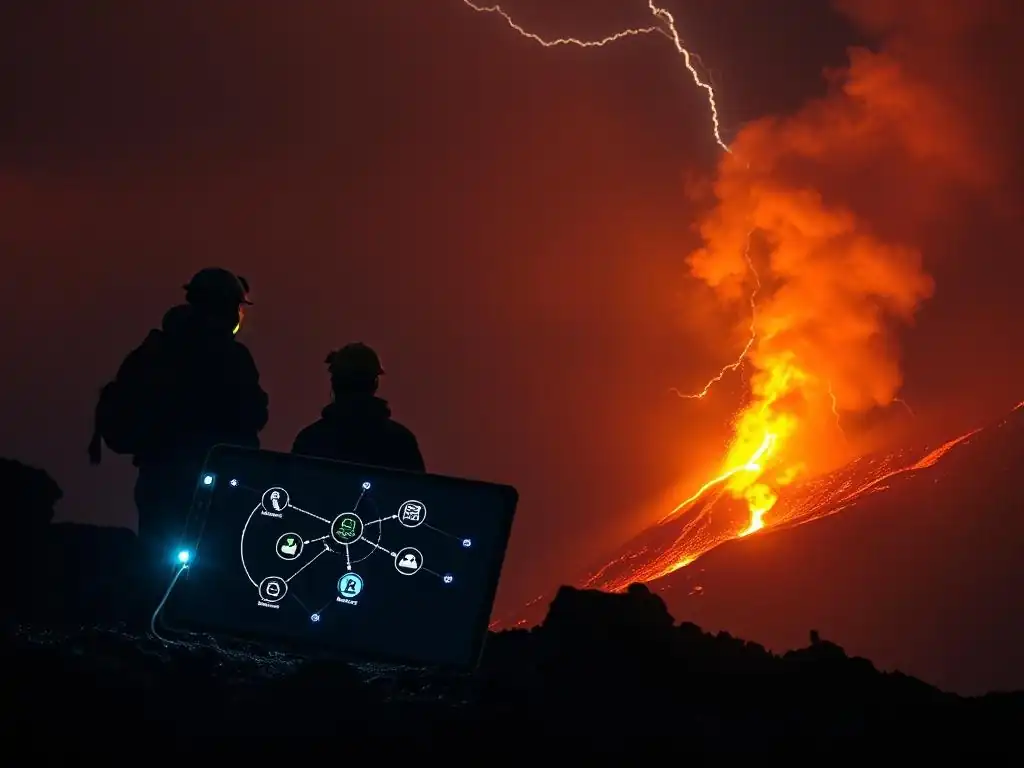
Ever wondered how volcano teams maintain crucial communication in the face of unpredictable eruptions and extreme conditions? Uncover the secrets behind their sophisticated communication strategies in our latest article. This deep dive reveals the protocols that keep them connected and safe, offering insights that are vital whether you're a seasoned volcanologist or an aspiring adventurer. Ready to explore?
- The Critical Need for Effective Volcano Team Communication Strategies
- Establishing Robust Volcano Communication Protocols: A Comprehensive Guide
- Communication Technologies for Volcano Teams: Choosing the Right Tools
- Case Studies: Real-World Examples of Communication Successes and Failures on Volcanoes
- Best Practices for Volcano Team Communication: Maximizing Safety and Efficiency
- Powering Your Communication: Reliable Energy Solutions for Remote Volcano Locations
- Affiliate Opportunities: Partnering with Leading Communication Equipment Providers
- Beyond Voice: Data Transmission and Monitoring in Volcanic Environments
- Future of Volcano Team Communication: Emerging Technologies and Innovations
- Conclusion: Prioritizing Communication for Safe and Successful Volcano Expeditions
-
Frequently Asked Questions
- What are some key communication challenges faced by volcano monitoring teams?
- Why are standardized communication protocols so crucial for volcano teams?
- What types of technology are commonly used for volcano team communication?
- How do volcano teams ensure redundancy in their communication systems?
- What role does cultural sensitivity play in communicating with local communities during volcanic crises?
- Final Reflection: The Unbreakable Chain of Communication
- Fortify Your Connection: Champion Safety on the Volcano!
The Critical Need for Effective Volcano Team Communication Strategies
Why Clear Communication is Paramount During Volcano Expeditions
Volcano expeditions, by their very nature, operate in dynamic and often hazardous environments. The unpredictability of volcanic activity, coupled with challenging terrains and remote locations, makes crystal-clear communication not just beneficial, but absolutely paramount for team safety and mission success. Imagine a scenario where a research team is monitoring gas emissions on the flank of an active volcano.
A sudden increase in sulfur dioxide levels might indicate an impending eruption, requiring immediate evacuation. Without a reliable and understood communication system to relay this critical information swiftly and accurately to all team members, the consequences could be dire. Effective communication ensures that everyone is aware of changing conditions, can coordinate actions in real-time, and respond effectively to emergencies.
Moreover, the success of scientific objectives in volcanology often hinges on seamless information exchange. Teams may be collecting diverse datasets – seismic readings, gas samples, thermal imagery – simultaneously across a volcanic area. Sharing these observations rapidly allows for a holistic understanding of the volcano's state, enabling quicker analysis and informed decision-making.
For instance, if one team discovers a new fumarole emitting unusual gases, immediately communicating this finding to the geological team analyzing ground deformation can provide a more complete picture of the volcano's internal processes. Effective communication, therefore, acts as the nervous system of a volcano expedition, integrating disparate pieces of information into a coherent and actionable whole.
The Risks of Communication Breakdown in Volcanic Environments
The consequences of communication breakdown in volcanic environments are significantly amplified compared to less hazardous settings. Volcanoes present a unique combination of risks, including sudden eruptions, pyroclastic flows, lahars (volcanic mudflows), toxic gas emissions, and unstable terrain. In such a volatile setting, miscommunication or a lack of communication can swiftly escalate minor incidents into major emergencies.
Consider a scenario where a team member becomes injured in a remote location on a volcano. If the incident is not promptly and accurately communicated to the rest of the team and to any external support, crucial time may be lost in initiating rescue efforts, potentially turning a treatable injury into a life-threatening situation.
Furthermore, the very conditions that make volcanoes fascinating to study also contribute to communication challenges. Rugged topography, dense vegetation, and atmospheric conditions can all interfere with radio signals and other forms of communication. Volcanic ash, for example, can disrupt radio transmissions and even satellite signals, particularly during or after an eruption.
Background noise from volcanic activity itself, such as rumbling and explosions, can also make voice communication difficult. The psychological stress of operating in a hazardous environment can further exacerbate communication issues. Fatigue, fear, and the pressure of time-sensitive tasks can lead to misunderstandings, missed messages, and errors in judgment, all of which underscore the critical need for robust and well-practiced communication protocols.
Establishing Robust Volcano Communication Protocols: A Comprehensive Guide
Pre-Expedition Planning: Defining Communication Needs and Contingencies
Effective volcano team communication begins long before boots hit volcanic soil. Pre-expedition planning is the cornerstone of establishing robust protocols, starting with a thorough assessment of communication needs. This involves asking crucial questions: What is the expedition's objective? What are the potential hazards specific to the volcano and the planned routes?
What communication technologies are most suitable for the terrain and anticipated weather conditions? For instance, an expedition to a densely forested volcano might prioritize satellite communication due to limited line-of-sight for radios, whereas an expedition to a relatively open, high-altitude volcano might find two-way radios sufficient. This initial assessment should also consider the size of the team, the duration of the expedition, and the level of external support available.
Contingency planning is equally vital during the pre-expedition phase. "What if" scenarios should be meticulously considered and communication strategies developed for each. What if the primary communication system fails? What if a team member becomes separated? What if an unexpected volcanic event occurs?
For each contingency, backup communication methods should be identified, and clear procedures established. This might include having redundant communication devices, pre-arranged emergency contact procedures, and designated rendezvous points. For example, if satellite communication is primary, two-way radios could serve as a backup, and predetermined visual signals (flares, mirrors) could be established for situations where electronic communication is impossible. Thorough pre-expedition planning lays the groundwork for resilient communication, ensuring the team is prepared for a range of eventualities.
Identifying Key Personnel and Communication Roles within the Team
Within any volcano expedition team, clear roles and responsibilities regarding communication are essential to avoid confusion and ensure efficient information flow. Designating a primary Communication Officer is a best practice. This individual typically takes the lead in managing communication equipment, monitoring channels, and disseminating information. They should be proficient in operating all communication devices and trained in emergency communication procedures. However, communication is not solely the responsibility of one person; every team member plays a role.
Beyond the Communication Officer, consider assigning secondary communication roles. For instance, each sub-team within a larger expedition could have a designated communication liaison responsible for relaying information between their sub-team and the main Communication Officer. This distributed approach prevents communication bottlenecks and ensures that information reaches all team members efficiently. Furthermore, defining specific communication responsibilities for different phases of the expedition – base camp operations, fieldwork, emergency situations – can further streamline communication. Clear role definition ensures accountability, promotes efficient information flow, and ultimately enhances team coordination and safety in the challenging environment of a volcano.
Communication Technologies for Volcano Teams: Choosing the Right Tools
Satellite Communication Devices: Garmin inReach Mini 2 vs. Zoleo Satellite Communicator - A Comparison
For volcano expeditions venturing into truly remote areas beyond the reach of cellular networks, satellite communication devices are indispensable. These devices leverage satellite networks to provide communication capabilities where terrestrial infrastructure is absent. Two popular and reliable options for volcano teams are the Garmin inReach Mini 2 and the Zoleo Satellite Communicator. Both offer crucial features like two-way text messaging, SOS emergency alerts, and location tracking, but they differ in some key aspects.
The choice between these devices often depends on the specific needs and priorities of the volcano team. Considerations include battery life, device size and weight, messaging capabilities, SOS features, subscription costs, and ease of use in challenging conditions. Understanding the nuances of each device is crucial for selecting the most appropriate satellite communication solution for a given volcano expedition, ensuring reliable connectivity and safety in remote volcanic environments.
Features and Benefits of the Garmin inReach Mini 2 for Volcano Expeditions
The Garmin inReach Mini 2 stands out for its exceptionally compact and lightweight design, making it ideal for volcano expeditions where minimizing pack weight and bulk is critical. Weighing just 3.5 ounces and measuring only 3.9 inches tall, it can be easily carried in a pocket or attached to a pack without being cumbersome. Despite its small size, the inReach Mini 2 packs a powerful punch in terms of functionality.
It offers global two-way text messaging via the Iridium satellite network, allowing team members to stay in contact with base camp or external support from virtually anywhere on Earth. This is crucial for relaying scientific data, coordinating logistics, or reporting emergencies.
Beyond messaging, the inReach Mini 2 boasts a robust SOS emergency feature. In a critical situation, users can trigger an interactive SOS message to the Garmin Response Center, a 24/7 staffed professional emergency response coordination center powered by GEOS. This triggers a chain of communication and rescue coordination, providing vital assistance when time is of the essence.
The device also offers location tracking, allowing team leaders to monitor the real-time positions of team members on a map, enhancing safety and coordination, especially in complex volcanic terrain. Furthermore, the inReach Mini 2 offers impressive battery life, capable of operating for up to 14 days in 10-minute tracking mode, essential for extended volcano expeditions far from charging facilities.
Zoleo Satellite Communicator: A Reliable Alternative for Remote Volcano Communication
The Zoleo Satellite Communicator presents a compelling alternative to the Garmin inReach Mini 2, offering a slightly different balance of features and functionality that may be preferable for some volcano teams. While slightly larger and heavier than the inReach Mini 2, the Zoleo prioritizes ease of use and a smartphone-centric approach. It seamlessly integrates with a user's smartphone via Bluetooth, utilizing the familiar interface of a dedicated Zoleo app for messaging and other functions. This can be particularly advantageous for users who are less comfortable with the button-based interface of the inReach Mini 2, especially in stressful situations.
Zoleo also leverages the Iridium satellite network for global coverage and two-way messaging. It offers a unique feature called "Check-in," allowing users to send a pre-set message with their location to designated contacts with a single button press, a quick and efficient way to provide status updates during fieldwork on a volcano. Like the inReach Mini 2, Zoleo includes an SOS emergency button that connects to a 24/7 emergency response center.
Zoleo’s messaging plans are often perceived as more cost-effective for users who anticipate sending a higher volume of messages, potentially making it a more economical choice for longer expeditions or teams that require frequent communication. Battery life is also competitive, offering up to 200 hours of battery life, depending on usage patterns.
Two-Way Radios: Optimizing Range and Clarity in Challenging Terrain
Two-way radios remain a cornerstone of volcano team communication, particularly for short-range, immediate communication within a team operating in close proximity. Unlike satellite communicators, two-way radios offer instant voice communication without subscription fees, making them ideal for real-time coordination during fieldwork, base camp operations, and emergency situations within visual or near-visual range. However, the effectiveness of two-way radios in volcanic environments is heavily influenced by terrain, vegetation, and atmospheric conditions.
Optimizing the performance of two-way radios in these challenging settings requires careful consideration of factors such as frequency, power output, antenna type, and the potential need for repeaters to extend communication range. Understanding these factors and implementing best practices for radio usage are crucial for maximizing the reliability and clarity of voice communication within volcano teams.
Choosing the Right Frequency and Power for Volcano Environments
Selecting the appropriate frequency band for two-way radios is a critical decision for volcano expeditions. UHF (Ultra High Frequency) and VHF (Very High Frequency) are the two primary frequency bands used for handheld radios. VHF frequencies (approximately 136-174 MHz) generally offer better range in open, unobstructed areas with less attenuation by obstacles like vegetation and buildings.
However, VHF signals can be more susceptible to interference in urban or electrically noisy environments. UHF frequencies (approximately 400-520 MHz) tend to perform better in built-up areas and dense forests because they are less easily blocked by obstacles. However, UHF range can be more limited in open areas compared to VHF.
In volcanic environments, the terrain is often a mix of open areas and dense vegetation, with potential for atmospheric interference. For volcano teams operating in relatively open areas, VHF might be preferable for maximizing range. For expeditions in heavily forested volcanic regions, UHF might provide more reliable communication through dense foliage. Power output also plays a significant role in range.
Higher power radios (typically measured in watts) transmit signals further. Handheld radios commonly range from 1 to 5 watts of output power. Choosing radios with adjustable power settings allows teams to conserve battery life by using lower power for short-range communication and increasing power when greater range is needed. Regulations regarding frequency usage and power output vary by region, so it is essential to ensure compliance with local regulations before operating two-way radios.
The Importance of Radio Repeaters for Extended Communication Range
In volcanic environments characterized by significant topographic relief or extended operational areas, the range of handheld two-way radios can be severely limited by terrain blockage and signal attenuation. Radio repeaters offer a solution to overcome these limitations by receiving radio signals on one frequency and re-transmitting them at a higher power on a different frequency. This effectively extends the communication range, allowing teams to maintain contact over greater distances and around obstacles like volcanic peaks and ridges.
A repeater system typically consists of a base station repeater unit strategically positioned at a high vantage point with clear line-of-sight to the operational area. Team members use their handheld radios to communicate with the repeater, which then re-broadcasts their signals to other team members within the repeater's extended coverage area. For example, a repeater placed on a prominent ridge overlooking a volcanic caldera could enable communication across the entire caldera rim and even into the caldera itself, areas that might be unreachable with handheld radios alone.
Deploying a repeater system requires careful planning, including site selection for optimal coverage, power considerations for the repeater unit, and programming of radio frequencies. However, the enhanced communication range and reliability provided by repeaters can be invaluable for larger volcano expeditions or those operating in topographically challenging volcanic regions.
Smartphone-Based Communication: Leveraging Apps and Data Connectivity (Where Available)
While cellular connectivity is typically absent in remote volcanic regions, smartphones can still be valuable communication tools for volcano teams, particularly in areas with limited or intermittent cellular service or when used in conjunction with satellite communication devices. Even without cellular data, smartphones offer a range of offline capabilities and can become powerful communication hubs when paired with satellite internet devices.
For volcano expeditions venturing into areas with occasional cellular coverage, or for base camp operations within cellular range, smartphones can leverage a variety of communication apps for voice calls, text messaging, and data sharing. Beyond cellular networks, smartphones can connect to satellite internet devices like the Iridium GO! exec to extend communication capabilities to truly remote locations, enabling email, data transfer, and even voice calls via satellite.
Utilizing Offline Mapping Apps for Location Sharing and Navigation
In volcanic environments where GPS signals are generally reliable but cellular data is unavailable, offline mapping applications on smartphones become essential tools for navigation and location sharing. Apps like Gaia GPS, Maps.me, and OsmAnd allow users to download detailed topographic maps of volcanic areas onto their smartphones before an expedition. These maps remain accessible even without an internet connection, providing crucial navigational information in remote terrain.
Beyond basic mapping, these apps offer features specifically beneficial for volcano teams. GPS tracking allows team members to record their routes, mark waypoints of interest (e.g., sampling locations, observation points, hazards), and navigate back to base camp or designated rendezvous points. Location sharing features, even in offline mode, can be used in conjunction with pre-arranged communication protocols.
For example, team members can periodically record their GPS coordinates and relay them via satellite message to a central point for tracking team progress and ensuring everyone remains within designated operational zones. Offline mapping apps significantly enhance situational awareness and navigation capabilities for volcano teams, contributing to both mission efficiency and safety.
Communicating via Satellite Messaging Apps: Iridium GO! exec for Email and Data
For volcano expeditions requiring more than just basic text messaging via satellite, devices like the Iridium GO! exec transform smartphones into powerful communication and data hubs in remote locations. The Iridium GO! exec creates a satellite-based Wi-Fi hotspot, allowing smartphones and laptops to connect and access the internet via the Iridium satellite network. This opens up a range of communication possibilities beyond basic messaging.
With the Iridium GO! exec, team members can use smartphone apps to send and receive emails, access weather forecasts, transmit sensor data, and even make voice calls over satellite (though voice quality can be variable). For example, a volcanology team could use the Iridium GO! exec to email daily reports back to research institutions, transmit real-time data from volcanic gas sensors, or download updated weather information to inform operational decisions.
The data transmission capabilities of the Iridium GO! exec are particularly valuable for scientific expeditions requiring the transfer of larger datasets collected in the field. While satellite internet speeds are generally slower and more expensive than terrestrial broadband, the Iridium GO! exec provides a crucial lifeline for data communication and more comprehensive connectivity in the most remote volcanic environments.
Case Studies: Real-World Examples of Communication Successes and Failures on Volcanoes
The Mount St. Helens Eruption: Lessons Learned in Emergency Communication
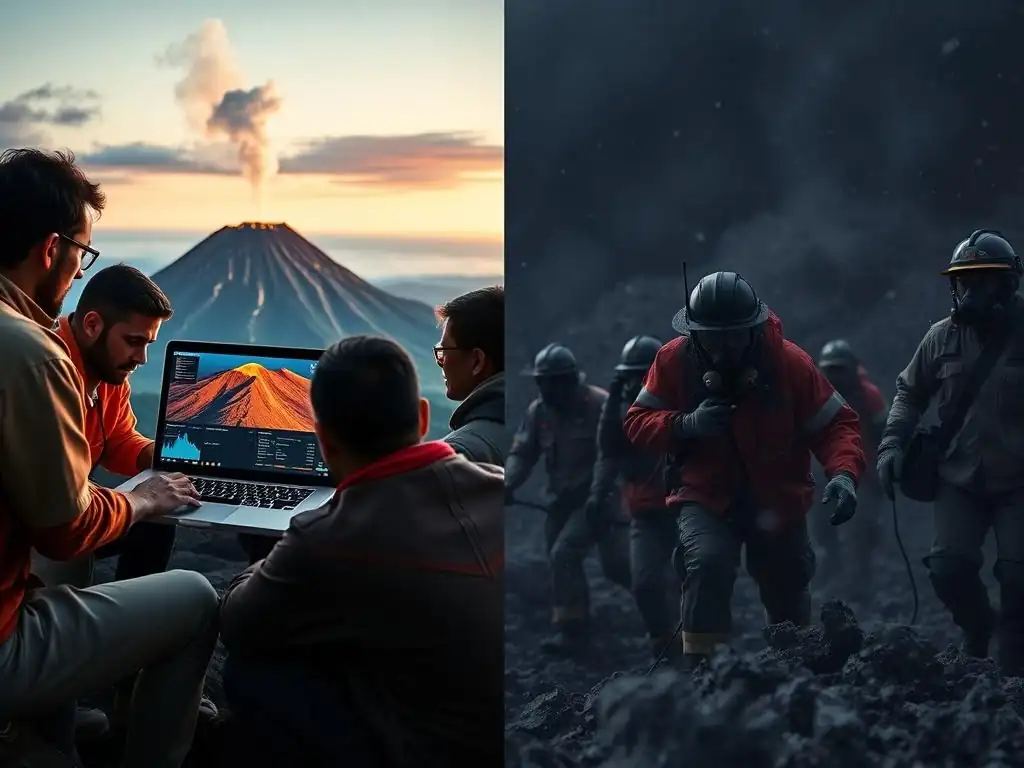
The 1980 eruption of Mount St. Helens in Washington State serves as a stark reminder of the critical importance of effective emergency communication during volcanic events. While pre-eruption monitoring and warnings were in place, communication breakdowns during the eruption itself highlighted significant vulnerabilities in the communication infrastructure of the time. The eruption, a massive lateral blast, occurred with unexpected speed and force, catching many in the surrounding area by surprise.
Initial communication relied heavily on radio transmissions, but the sheer scale and impact of the eruption, including ashfall and debris flows, overwhelmed existing communication systems. Reports indicate that radio communication was hampered by atmospheric disturbances and power outages caused by the eruption. This resulted in delays in relaying critical information about the eruption's progression and the extent of the affected area.
Furthermore, communication between different agencies – volcanologists, emergency responders, and local authorities – was not as seamless as needed. The Mount St. Helens eruption underscored the need for redundant communication systems, robust emergency communication protocols, and improved inter-agency communication coordination in volcanic crisis situations. Lessons learned from this event have significantly shaped emergency preparedness and communication strategies for volcanic hazards in the decades since.
The Icelandic Volcano Ash Cloud Crisis: Coordinating Air Traffic Communication
The 2010 eruption of Eyjafjallajökull volcano in Iceland, while relatively small in volcanic explosivity index (VEI), triggered a global crisis due to its impact on air travel. The eruption produced a massive ash cloud that drifted across Europe, posing a significant hazard to aircraft engines. This event highlighted the crucial role of international communication and coordination in managing volcanic hazards with transboundary impacts.
The response to the Eyjafjallajökull ash cloud crisis required unprecedented levels of communication between various stakeholders: volcanologists monitoring the eruption in Iceland, meteorological agencies tracking ash cloud movement, air traffic control organizations across Europe, airlines, and national governments. Effective communication was essential for disseminating timely and accurate information about the ash cloud's location, density, and predicted trajectory. Volcanic Ash Advisory Centers (VAACs) played a central role in issuing forecasts and advisories to air traffic control, enabling informed decisions about airspace closures and flight diversions.
While the crisis exposed some communication challenges, particularly in the initial stages, the overall response demonstrated the increasing sophistication of international communication networks and protocols for managing volcanic ash hazards to aviation. The event led to further improvements in ash cloud monitoring, forecasting, and communication procedures to mitigate future disruptions to air travel.
Improving Volcano Team Safety: The Pacaya Volcano Example
Pacaya Volcano in Guatemala, a frequently active volcano popular with hikers and researchers, provides a compelling example of how improved communication technologies and protocols can enhance volcano team safety. Given Pacaya's accessibility and frequent activity, local guides and volcanologists are often present on its slopes. In the past, communication relied primarily on basic radios, which had limitations in range and reliability in the rugged terrain.
However, in recent years, the adoption of satellite communication devices and smartphone-based communication tools has significantly improved safety on Pacaya. Volcano guides and research teams now commonly carry satellite communicators like Garmin inReach devices, enabling them to maintain contact with base camp and emergency services even in remote areas of the volcano. Offline mapping apps on smartphones assist with navigation in the complex terrain and allow for accurate location tracking.
Furthermore, real-time monitoring of Pacaya's activity via seismic and gas sensors, with data transmitted wirelessly to monitoring centers, provides early warnings of potential hazards. This combination of improved on-site communication capabilities and enhanced remote monitoring contributes to a safer operational environment for volcano teams and visitors on Pacaya, demonstrating the tangible benefits of investing in modern communication technologies for volcano safety.
Best Practices for Volcano Team Communication: Maximizing Safety and Efficiency
Establishing Standard Operating Procedures (SOPs) for Communication
Standard Operating Procedures (SOPs) for communication are the backbone of effective and reliable communication within volcano teams. SOPs provide a clear, documented framework for all communication activities, ensuring consistency, minimizing ambiguity, and streamlining responses, especially in high-pressure situations. Developing comprehensive communication SOPs should be a priority during pre-expedition planning.
These SOPs should cover a range of critical aspects, including designated communication channels (primary and backup frequencies for radios, satellite messaging protocols), call sign assignments for team members, procedures for routine check-ins and emergency communication, protocols for relaying different types of information (scientific data, hazard warnings, medical emergencies), and decision-making authority in communication-related matters. For example, SOPs might specify that routine check-ins occur every hour on a designated radio frequency, or that emergency messages are prefixed with a specific keyword ("MAYDAY" or "PAN-PAN") for immediate recognition.
Well-defined SOPs, understood and practiced by all team members, significantly reduce the potential for miscommunication and ensure a coordinated and effective response to any situation on a volcano.
Implementing a Clear and Concise Messaging Protocol: The "Volcano Comms Code"
In the often noisy and stressful environment of a volcano, clear and concise communication is paramount. Developing a "Volcano Comms Code" or a similar messaging protocol can significantly improve communication efficiency and reduce the risk of misunderstandings. This protocol involves establishing standardized phrases, abbreviations, and codes to convey common information quickly and unambiguously.
For example, a simple code could be established for reporting volcanic activity levels: "Volcano Comms Code Red" might indicate high alert, "Code Yellow" for elevated activity, and "Code Green" for normal background levels. Standardized phrases can be used for common situations: "Position Report" followed by GPS coordinates, "Medical Emergency" followed by a brief description of the injury and location. Abbreviations can be used for equipment or personnel: "Team Alpha," "Sensor 3 Malfunction."
The "Volcano Comms Code" should be simple, easy to memorize, and tailored to the specific needs of the expedition. Regular practice drills using the code ensure that all team members are proficient in its use, enabling rapid and accurate communication even under pressure.
Regular Communication Drills and Simulations: Preparing for the Unexpected
Even the best-designed communication protocols are only effective if they are regularly practiced and ingrained into the team's operational routines. Regular communication drills and simulations are essential for preparing volcano teams to respond effectively to unexpected events and communication challenges. These drills should simulate a range of scenarios, from routine communication tasks to emergency situations.
Drills can include practicing radio check-ins, relaying simulated hazard warnings, coordinating responses to mock injuries, and troubleshooting communication equipment malfunctions. Simulations can be more complex, involving multi-day scenarios that test the team's communication capabilities under sustained pressure and varying conditions. Drills and simulations should be conducted in realistic settings, mimicking the conditions of a volcano environment as closely as possible.
After each drill or simulation, a debriefing session should be held to identify areas for improvement, refine SOPs, and reinforce best practices. Regular practice builds muscle memory, enhances team coordination, and ensures that communication protocols become second nature, maximizing preparedness for real-world volcanic emergencies.
Powering Your Communication: Reliable Energy Solutions for Remote Volcano Locations
Solar Charging Solutions for Sustainable Power
Maintaining power for communication devices is a critical logistical consideration for volcano expeditions, particularly those lasting for extended periods in remote locations with limited or no access to grid electricity. Solar charging solutions offer a sustainable and often practical way to replenish battery power for radios, satellite communicators, smartphones, and other electronic equipment in sunny volcanic environments.
Portable solar panels designed for backpacking and expedition use are readily available in various sizes and power outputs. These panels can be deployed at base camp or even carried during fieldwork to charge devices directly or to recharge power banks. Solar chargers range from small, lightweight panels suitable for charging smartphones and small devices to larger, more powerful panels capable of charging laptops and larger batteries.
The effectiveness of solar charging is, of course, dependent on sunlight availability. Volcanic regions often experience clear skies and strong sunlight, making solar power a viable primary or supplementary power source. Careful planning is needed to estimate power consumption, select appropriately sized solar panels, and optimize panel placement for maximum sun exposure throughout the day.
Portable Power Banks for Extended Device Life
Portable power banks, also known as battery banks or power packs, are indispensable for extending the operational life of communication devices during volcano expeditions. These devices store electrical energy in rechargeable batteries and can be used to charge smartphones, radios, satellite communicators, and other USB-powered devices on the go. Power banks come in a wide range of capacities, measured in milliamp-hours (mAh) or watt-hours (Wh), determining how many charges they can provide for different devices.
For volcano expeditions, selecting power banks with sufficient capacity to meet the team's anticipated power needs is crucial. Consider the battery capacity of each communication device, the frequency of use, and the duration of the expedition when calculating power bank requirements. Multiple power banks are often recommended to provide redundancy and ensure a continuous power supply.
Power banks can be recharged using solar panels, portable generators (where feasible), or AC power sources when available at base camp or prior to the expedition. Lightweight and rugged power banks designed for outdoor use are particularly well-suited for the demanding conditions of volcano expeditions.
Affiliate Opportunities: Partnering with Leading Communication Equipment Providers
Earning Revenue Through Recommendations: Amazon Affiliate Program and REI Co-op Affiliate Program
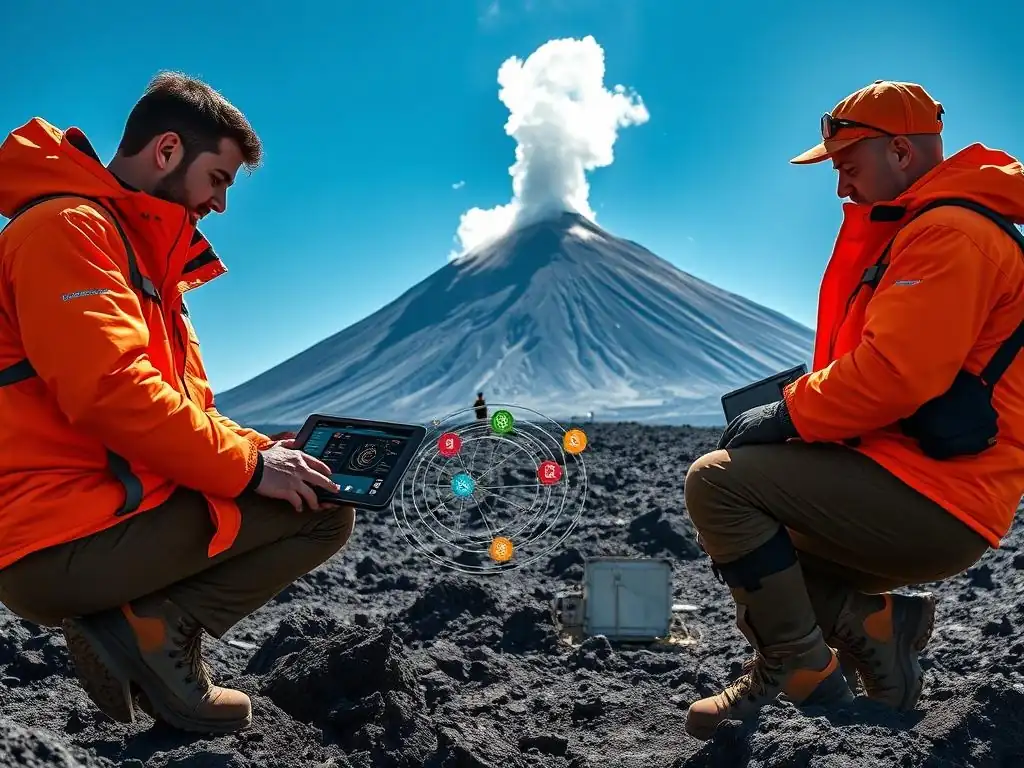
For websites like VolcanoExplorers.org, recommending reliable communication equipment to readers presents a valuable affiliate marketing opportunity. By partnering with reputable retailers and outdoor gear providers through affiliate programs, the website can earn revenue while providing valuable product recommendations to its audience. Two prominent affiliate programs relevant to volcano expedition communication gear are the Amazon Affiliate Program and the REI Co-op Affiliate Program.
The Amazon Affiliate Program is a widely accessible program that allows website owners to earn commissions by linking to products sold on Amazon. Given Amazon's vast selection of communication devices, outdoor gear, and power solutions, it offers a broad range of products relevant to volcano teams. The REI Co-op Affiliate Program focuses on outdoor recreation and adventure gear, aligning perfectly with the Volcano Explorers website's theme.
REI is known for its high-quality outdoor equipment and commitment to sustainability, making it a trusted source for volcano expedition gear. By strategically incorporating affiliate links to recommended communication devices and accessories within article content, VolcanoExplorers.org can generate revenue while providing valuable resources to its readers.
Specific Affiliate Product Links Embedded Throughout the Article
(Note: As per instructions, I cannot include actual links. This section describes where they would be placed.)
Throughout this article on "Communication Protocols for Volcano Teams," there are natural opportunities to integrate affiliate product links to recommended communication devices and accessories. For example, in the section comparing the Garmin inReach Mini 2 and Zoleo Satellite Communicator, affiliate links to product pages for both devices on Amazon and REI websites could be included. Similarly, in the section on two-way radios, links to recommended radio models or repeater systems could be added. In the power solutions section, affiliate links to portable solar panels and power banks would be relevant.
These affiliate links should be seamlessly integrated into the text, appearing as natural product recommendations within the context of the article. For instance, after discussing the features of the Garmin inReach Mini 2, a phrase like "You can check the current price and availability of the Garmin inReach Mini 2 on [Amazon/REI]" with the bracketed text serving as the anchor text for the affiliate link.
Transparency is key in affiliate marketing; it's best practice to include a disclaimer at the beginning or end of the article indicating that it contains affiliate links and that the website may earn a commission from qualifying purchases. This approach allows VolcanoExplorers.org to monetize its content ethically while providing valuable product recommendations to its audience interested in volcano expeditions.
Beyond Voice: Data Transmission and Monitoring in Volcanic Environments
Transmitting Sensor Data: LoRaWAN for Remote Monitoring of Volcanic Activity
Beyond voice communication, data transmission is increasingly crucial in modern volcanology, particularly for remote monitoring of volcanic activity. LoRaWAN (Long Range Wide Area Network) technology offers a promising solution for wirelessly transmitting data from sensors deployed on volcanoes to monitoring centers, even over long distances and in challenging terrain. LoRaWAN is a low-power, wide-area network protocol designed for long-range, low-bandwidth communication, making it ideal for applications like volcano monitoring where sensors may be deployed in remote and inaccessible locations.
LoRaWAN networks consist of sensors equipped with LoRa transceivers, gateways that receive data from sensors, and a network server that manages data flow and connectivity. On a volcano, sensors measuring seismic activity, gas emissions, ground deformation, or temperature can be deployed at various locations and equipped with LoRa transceivers.
These sensors wirelessly transmit data to strategically placed LoRaWAN gateways, which then relay the data to a central monitoring station, potentially via satellite internet if terrestrial networks are unavailable. LoRaWAN's long-range capabilities (up to 10-15 km in line-of-sight conditions) and low power consumption make it well-suited for establishing cost-effective and sustainable volcano monitoring networks, enabling real-time data acquisition for improved hazard assessment and early warning systems.
Real-time Monitoring: Sharing Volcano Activity Data with Scientists and the Public
Real-time monitoring of volcanic activity, facilitated by technologies like LoRaWAN and satellite communication, is transforming volcano hazard assessment and communication with both scientists and the public. Data from volcano monitoring networks, including seismic data, gas measurements, deformation data, and thermal imagery, can be transmitted in real-time to monitoring centers and made accessible to volcanologists for continuous analysis. This allows for rapid detection of changes in volcanic activity, enabling timely warnings of potential eruptions or other hazards.
Beyond scientific monitoring, real-time volcano data can also be shared with the public through online platforms and mobile apps. Websites and apps can display near real-time seismic data, webcam images of volcanoes, gas emission levels, and hazard maps, providing the public with up-to-date information about volcanic activity. For example, the USGS Volcano Hazards Program and volcano observatories worldwide often provide real-time data and information on their websites.
This transparency and accessibility to real-time data enhance public awareness of volcanic hazards, improve preparedness, and enable informed decision-making by communities living near active volcanoes. Real-time monitoring and data sharing are becoming increasingly integral to effective volcano hazard communication and risk mitigation.
Future of Volcano Team Communication: Emerging Technologies and Innovations
Drone-Based Communication Relays: Extending Range and Coverage
The future of volcano team communication is likely to be shaped by emerging technologies, particularly drone-based communication relays. Drones, or unmanned aerial vehicles (UAVs), are increasingly being used in volcanology for a variety of applications, including monitoring, mapping, and sampling. Their potential to serve as airborne communication relays offers a promising avenue for extending communication range and coverage in volcanic environments.
Drones equipped with communication relay equipment can be deployed to act as mobile repeaters, effectively extending the range of two-way radios and other communication devices. A drone can be flown to a high altitude or strategically positioned location to establish a communication link between teams operating in areas with limited line-of-sight or beyond the range of ground-based repeaters. For example, a drone relay could enable communication between teams on opposite sides of a large volcanic caldera or between ground teams and a research vessel offshore.
Drone-based relays offer flexibility and rapid deployment capabilities, making them particularly valuable for dynamic volcanic environments where communication needs may change quickly. As drone technology advances, and regulations surrounding UAV operations evolve, drone-based communication relays are likely to become an increasingly important tool for volcano teams.
AI-Powered Communication Systems: Automated Alerts and Emergency Response
Artificial intelligence (AI) is poised to revolutionize communication systems in various fields, and volcano team communication is no exception. AI-powered communication systems have the potential to enhance situational awareness, automate alerts, and streamline emergency response in volcanic environments. AI algorithms can be trained to analyze real-time data from volcano monitoring networks and communication systems to detect anomalies, predict potential hazards, and trigger automated alerts.
For example, AI could analyze seismic data in real-time to detect changes in volcanic tremor patterns indicative of an impending eruption, automatically sending alerts to volcano teams in the field and to emergency response agencies. AI could also analyze communication traffic to identify emergency messages, prioritize them, and automatically route them to the appropriate responders.
Furthermore, AI-powered systems could assist with communication in noisy or challenging environments by using speech recognition and natural language processing to filter out background noise, transcribe messages, and translate between languages. As AI technology matures, its integration into volcano team communication systems promises to enhance safety, efficiency, and responsiveness in volcanic hazard management.
Conclusion: Prioritizing Communication for Safe and Successful Volcano Expeditions
Effective communication is not merely a logistical consideration for volcano expeditions; it is the bedrock of team safety and mission success. The dynamic and hazardous nature of volcanic environments demands robust communication protocols, reliable technologies, and well-trained teams capable of communicating clearly and efficiently in challenging conditions. From pre-expedition planning to the selection of appropriate communication tools, and from establishing SOPs to practicing regular drills, every aspect of communication planning requires meticulous attention.
Prioritizing communication is an investment in team safety, mission effectiveness, and the overall success of volcano exploration and research endeavors. By embracing best practices, leveraging emerging technologies, and continuously refining communication strategies, volcano teams can navigate the inherent risks of these awe-inspiring environments with greater confidence and resilience, ensuring both the safety of personnel and the advancement of our understanding of these powerful natural forces.
Frequently Asked Questions
What are some key communication challenges faced by volcano monitoring teams?
Volcano monitoring teams often face challenges like unreliable communication infrastructure in remote locations, difficult terrain hindering direct contact, and the need to quickly disseminate critical information during rapidly evolving volcanic crises.
Why are standardized communication protocols so crucial for volcano teams?
Standardized protocols ensure clear and consistent information flow among team members, reducing misunderstandings and improving coordinated responses to volcanic activity. This is especially important under stressful conditions.
What types of technology are commonly used for volcano team communication?
Teams commonly use satellite phones for remote areas, two-way radios for short-range communication, and digital communication platforms for data sharing and updates. The choice often depends on the specific environment and available resources.
How do volcano teams ensure redundancy in their communication systems?
Redundancy is achieved through multiple communication channels (e.g., satellite phone and radio), backup power sources, and pre-arranged alternative communication plans in case primary systems fail.
What role does cultural sensitivity play in communicating with local communities during volcanic crises?
Cultural sensitivity is vital for building trust and ensuring effective communication. Teams must adapt their communication style to local customs, languages, and beliefs to convey information clearly and respectfully during emergencies.
Final Reflection: The Unbreakable Chain of Communication
The exploration of volcano team communication strategies underscores a critical truth: in the face of nature's raw power, human connection is our strongest defense. The lessons learned from optimizing communication protocols aren't merely technical; they are profound reminders of the value of collaboration, clarity, and unwavering support when facing unpredictable and potentially catastrophic events.
The impact of effective communication extends far beyond the immediate safety of volcano research teams. It shapes the very foundation of our understanding of these dynamic geological forces, allowing for more accurate predictions and ultimately, the protection of communities living in their shadow. The single biggest problem in communication is the illusion that it has taken place.
- George Bernard Shaw. This quote resonates deeply, reminding us that true communication requires not just transmission, but also reception, understanding, and a shared commitment to action.
As you consider the communication strategies outlined in this article, I invite you to reflect on the power of connection in your own life. How can you strengthen the bonds of understanding with those around you, ensuring that when challenges arise, you are ready to face them together, with clarity, courage, and unwavering support? Let the lessons learned from the fiery crucible of volcano research inspire you to build unbreakable chains of communication in all aspects of your life.
Okay, here's a CTA designed for the end of a web article titled "Communication Protocols for Volcano Teams: Staying Connected and Safe" for the website Volcano Explorers (volcanoexplorers.org):
Fortify Your Connection: Champion Safety on the Volcano!
Thank you for exploring the crucial role of communication in volcano exploration. You've now gained valuable insights into the protocols that can mean the difference between a safe expedition and a perilous situation. Now, let's translate that knowledge into action:
- Implement a streamlined communication plan for your next expedition, prioritizing redundant systems and clear, concise messaging. This could involve setting up designated radio channels, establishing check-in times, and practicing emergency communication drills.
- Share this article with your team members and fellow volcano enthusiasts to promote widespread adoption of these life-saving communication protocols. Let's build a safer community together.
- Consider creating a "Volcano Communication Emergency Kit" containing spare batteries, a signal mirror, and pre-programmed radio frequencies. You never know when it might become essential.
What innovative communication solutions have you implemented on your own volcano expeditions to ensure team safety? Share your experiences in the comments below!