
Choosing the Right Pack Size: Matching Backpack Volume to Volcano Trip Duration

Welcome to Volcano Explorers, where the earth breathes fire and adventure awaits! Ever wondered if you're packing enough for your next volcanic trek? Our latest exploration dives deep into precisely that – discovering the perfect backpack volume for volcano trips. But beyond the gear, we're unraveling the secrets these fiery giants hold. Prepare to journey beyond the crater's edge and ignite your curiosity!
- Choosing the Right Pack Size: Backpack Volume for Volcano Trips
- Understanding Backpack Volume for Volcano Hiking
- Determining Your Ideal Backpack Size for Volcano Adventures
- Key Features to Consider When Choosing a Volcano Hiking Backpack
- Top Backpack Recommendations for Volcano Explorers
-
Frequently Asked Questions
- What backpack volume is generally recommended for a day trip to a volcano?
- How does the duration of a volcano trip influence the ideal backpack volume?
- What factors besides trip duration should I consider when choosing backpack volume for a volcano trip?
- Is it better to choose a slightly larger or smaller backpack volume if I'm unsure?
- What are some essential items to include in my volcano trip backpack, regardless of its volume?
- Final Reflection: Embracing the Journey, One Liter at a Time
- Ignite Your Adventure: Plan Your Perfect Pack Now!
Choosing the Right Pack Size: Backpack Volume for Volcano Trips
Understanding Backpack Volume for Volcano Hiking
Backpack volume, measured in liters, dictates the carrying capacity of your pack and is a crucial factor in ensuring a comfortable and successful volcano hiking experience. Choosing the right backpack volume is not just about fitting all your gear; it's about balancing weight, comfort, and efficiency on the trail.
For volcano trips, where conditions can range from hot and sunny on lower slopes to cold and windy at higher altitudes, and where terrain can be challenging with loose rocks and steep inclines, having the correct pack volume is paramount. A pack that is too small will force you to leave essential gear behind, potentially compromising your safety and comfort, while a pack that is too large can be cumbersome, adding unnecessary weight and bulk, leading to fatigue and potential injury.
The volume of a backpack directly impacts its weight and size, and consequently, your mobility and energy expenditure during a volcano hike. Imagine ascending the volcanic slopes of Mount Etna in Sicily, Italy. A day hike might only require water, snacks, extra layers, and basic safety gear, fitting comfortably within a smaller pack.
However, an overnight trek to witness the sunrise from the summit rim would necessitate a larger pack to accommodate camping equipment, more food and water, and specialized clothing for colder nighttime temperatures at higher elevations. Understanding how different pack volumes translate to real-world gear capacity is the first step in selecting the ideal backpack for your specific volcano adventure.
Determining Your Ideal Backpack Size for Volcano Adventures
Assessing Trip Duration
- Day Hikes:
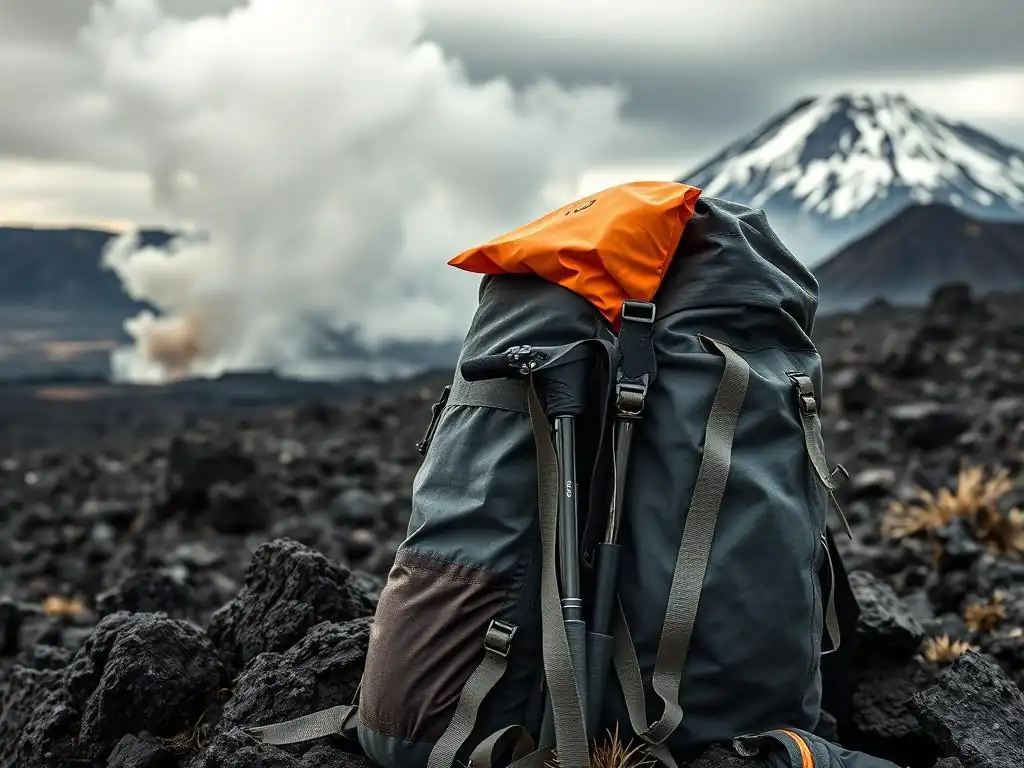
For day hikes exploring volcanic landscapes, such as trails around the caldera of Mount Batur in Bali, or shorter ascents on volcanoes like Pacaya in Guatemala, a backpack in the range of 20-35 liters is generally sufficient. This volume allows enough space for essential items like water bottles or a hydration reservoir (2-3 liters), snacks and lunch, extra layers of clothing (a fleece or light insulated jacket, a waterproof shell), a first-aid kit, navigation tools (map, compass, or GPS device), a headlamp or flashlight, sunscreen, and personal items. Consider a scenario where you are hiking the Kilauea Iki trail in Hawaii Volcanoes National Park.
This loop trail, while not extremely long, requires carrying water, sun protection, and potentially rain gear due to the variable weather conditions within the park. A 25-30 liter pack would be ideal, providing enough space without being overly bulky for this day-long exploration.
- Overnight Volcano Treks:
Overnight volcano treks, such as hiking to a designated camping area near the summit of Mount Fuji in Japan, or spending a night at a refuge on Mount Teide in Tenerife, Spain, require a significantly larger backpack volume. For these adventures, a backpack in the 40-55 liter range is typically recommended. This increased volume accommodates not only the items needed for a day hike but also additional gear for overnight stays.
This includes a lightweight tent, a sleeping bag and sleeping pad, cooking equipment (stove, fuel, cookware), more food for dinner and breakfast, extra changes of base layers and socks, and potentially trekking poles for added stability on volcanic terrain. Imagine a two-day trek on Villarrica Volcano in Chile, aiming to camp near the crater rim.
You would need to carry all your personal hiking gear plus camping equipment, warm layers for potentially freezing nighttime temperatures at altitude, and food for two days. A 50-liter pack would be a reasonable choice, balancing capacity and manageability for this type of overnight volcano adventure.
- Multi-Day Volcano Expeditions:
For multi-day volcano expeditions, such as a week-long trek through the volcanic highlands of Iceland's Laugavegur trail, or a challenging ascent of Mount Kilimanjaro which involves several days of hiking through volcanic landscapes, you will need a backpack with a volume of 60 liters or more. These extended expeditions demand carrying a substantial amount of gear to ensure self-sufficiency and safety.
This includes all the items for day hikes and overnight treks, plus more extensive camping gear suitable for potentially harsher conditions, multiple days' worth of food, extra fuel, more changes of clothing for varying weather conditions, and potentially specialized equipment like ice axes or crampons depending on the volcano and season. Consider a hypothetical 5-day trek across the volcanic landscapes of Kamchatka, Russia.
You would need to be prepared for varied weather, potential river crossings, and self-sufficient camping for multiple nights. A 65-75 liter backpack would be necessary to carry all the required gear, including ample food, warm and waterproof clothing, and robust camping equipment to handle the demands of such a prolonged and remote volcanic expedition.
Evaluating Your Gear List
- Essential Volcano Hiking Gear:
Regardless of trip duration, certain gear is essential for any volcano hiking adventure. This core gear list significantly influences the necessary backpack volume.
Essential items include: adequate water carrying capacity (hydration reservoir or bottles), a first-aid kit tailored for hiking and potential altitude sickness, navigation tools (map and compass or GPS), sun protection (sunscreen, hat, sunglasses), a headlamp or flashlight with extra batteries, a multi-tool or knife, and emergency shelter (a lightweight bivy sack or emergency blanket). Clothing is also paramount: layers are key to adapting to changing temperatures at different elevations and weather conditions.
This includes moisture-wicking base layers, insulating mid-layers (fleece or down jacket), and a waterproof and windproof outer shell jacket and pants. For example, even a short day hike on a volcano like Arenal in Costa Rica, known for its rainforest environment, requires carrying rain gear, insect repellent, and ample water due to the humidity and potential for sudden downpours, influencing the minimum backpack volume needed.
- Camping Gear:
For overnight and multi-day volcano treks, the addition of camping gear dramatically increases the required backpack volume. Essential camping items include a tent (consider lightweight and compact models), a sleeping bag appropriate for the expected nighttime temperatures (down or synthetic fill, with temperature ratings ranging from comfort to extreme), a sleeping pad for insulation and comfort, and cooking equipment if you plan to prepare hot meals (stove, fuel, cookware, utensils, food).
The bulk and weight of camping gear, especially tents and sleeping bags, are significant factors in determining backpack size. For instance, a lightweight one-person tent can take up a considerable portion of a 40-liter pack, while a larger two-person tent and a bulkier sleeping bag might necessitate a 50-liter or larger backpack even for a short overnight trip.
Furthermore, consider the specific environment: camping on a volcanic plateau exposed to wind and colder temperatures might require a more robust and potentially heavier tent and a warmer sleeping bag, further impacting pack volume considerations.
Key Features to Consider When Choosing a Volcano Hiking Backpack
Backpack Fit and Comfort
- Torso Length:
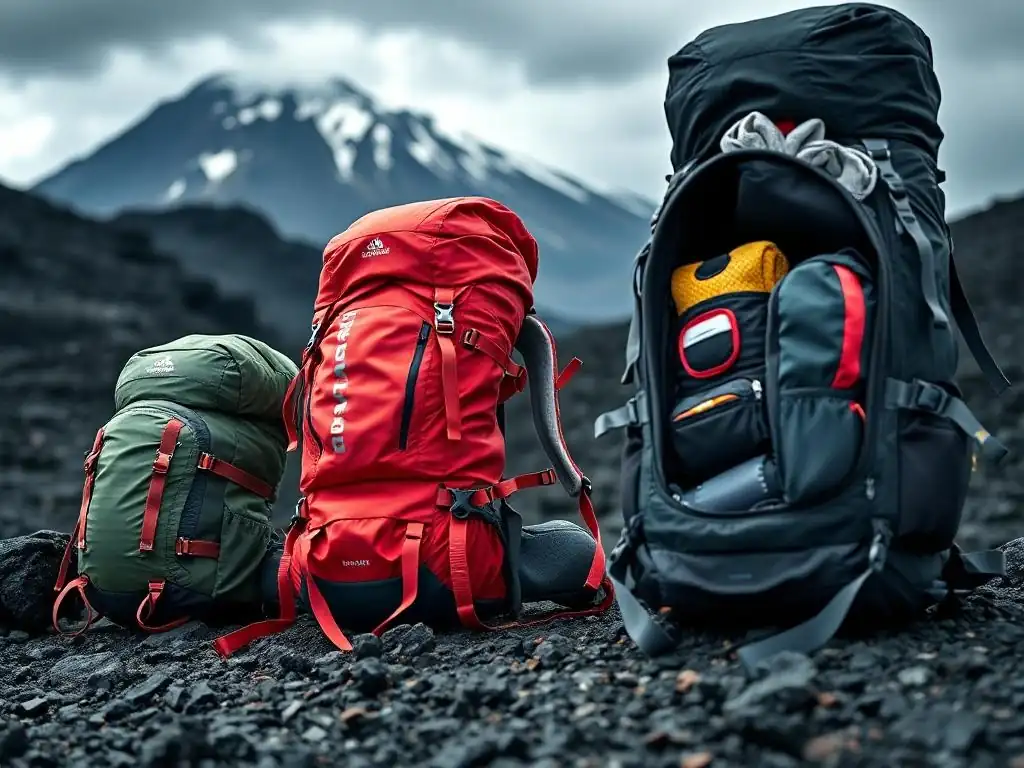
Torso length is the vertical measurement from your iliac crest (the top of your hip bone) to your C7 vertebra (the bony bump at the base of your neck). Accurately measuring your torso length is crucial for selecting a backpack with the correct frame size. Most backpack manufacturers offer packs in different sizes (e.g., S, M, L) designed to fit specific torso length ranges. A backpack with an incorrect torso length will result in improper weight distribution, leading to discomfort, shoulder strain, and back pain, especially during long volcano hikes. Imagine hiking down the steep, ash-covered slopes of Cerro Negro in Nicaragua with a pack that doesn’t fit your torso correctly. The constant shifting and uneven weight distribution would quickly become exhausting and potentially dangerous. Consult manufacturer sizing charts and, ideally, get professionally fitted at an outdoor gear store to determine your correct torso length and the corresponding backpack size.
- Hip Belt:
The hip belt is a critical component for transferring the majority of the backpack's weight from your shoulders to your hips, which are structurally better equipped to carry heavy loads. A well-padded and properly fitted hip belt should sit snugly on your hip bones, not above or below them. It should bear approximately 70-80% of the pack's weight, reducing strain on your shoulders and back. For volcano hiking, where you might encounter uneven terrain and steep ascents and descents, a supportive hip belt is essential for stability and comfort.
Consider the impact of carrying a heavy pack while navigating loose volcanic scree. A secure and effective hip belt will keep the pack stable and close to your body, preventing it from swaying and throwing you off balance. Ensure the hip belt is adjustable and fits comfortably even when you are wearing layers of clothing.
- Shoulder Straps:
Shoulder straps primarily stabilize the backpack and help distribute the remaining weight after the hip belt has taken the majority of the load. They should be padded and contoured to comfortably fit your shoulders and chest without digging in or restricting movement. Adjustable load lifter straps, located at the top of the shoulder straps, help pull the pack closer to your back, improving balance and weight distribution, especially on uphill sections of volcano trails.
Imagine hiking up a steep volcanic incline, like the slopes of Mount Vesuvius in Italy. Properly adjusted shoulder straps and load lifters will prevent the pack from pulling away from your back, maintaining your center of gravity and making the ascent more efficient and comfortable. Ensure the shoulder straps are easily adjustable, even while wearing gloves, allowing you to fine-tune the fit as needed during your volcano hike.
- Back Panel:
The back panel is the part of the backpack that rests against your back. Features like mesh panels, ventilation channels, and frame sheet designs are crucial for breathability and comfort, especially in warmer climates or during strenuous volcano hikes. A well-designed back panel helps to minimize sweat buildup and promote airflow, reducing discomfort and preventing overheating.
Consider hiking in the humid volcanic regions of Indonesia. A backpack with a breathable back panel can significantly improve comfort by allowing air to circulate and reducing moisture buildup between your back and the pack. Look for features like suspended mesh panels or ventilation channels that create space between the pack and your back, promoting airflow and keeping you cooler and drier.
- Adjustability:
A highly adjustable backpack is essential for achieving a customized and comfortable fit. Beyond torso length and hip belt adjustments, look for features like adjustable sternum straps (to connect shoulder straps across your chest for added stability), side compression straps (to cinch down the pack's load and prevent shifting), and load lifter straps. Adjustability is particularly important for volcano hiking, where you might be wearing varying layers of clothing depending on the altitude and weather conditions.
Imagine starting a volcano hike in warm weather and needing to add layers as you ascend to higher, colder elevations. An adjustable backpack allows you to loosen straps to accommodate extra clothing layers or tighten them when you shed layers, maintaining a comfortable and secure fit throughout your hike.
Material and Durability
- Water Resistance:
Volcanic environments can present diverse weather conditions, from sunny skies to sudden rain showers, and even snow at higher elevations. Choosing a backpack made from water-resistant materials is crucial to protect your gear from moisture. Materials like ripstop nylon or polyester with a Durable Water Repellent (DWR) finish offer good water resistance. While fully waterproof backpacks are available, they can be less breathable and heavier.
For most volcano hiking scenarios, a water-resistant backpack combined with a rain cover provides a good balance of protection and breathability. Imagine being caught in a sudden rainstorm while hiking on the volcanic slopes of Mount Rainier in Washington, USA. A water-resistant backpack will help keep your gear dry, preventing electronics from malfunctioning, sleeping bags from losing insulation, and food from getting soggy.
- Abrasion Resistance:
Volcanic landscapes are often characterized by rough terrain, sharp rocks, and abrasive volcanic ash and lava flows. A durable backpack made from abrasion-resistant materials is essential to withstand the wear and tear of volcano hiking. Look for backpacks constructed from high-denier fabrics, such as 420D or 600D nylon, or even stronger fabrics like Cordura nylon.
Reinforced bottom panels are also beneficial for added durability when setting your pack down on rough surfaces. Consider the impact of scrambling over volcanic rocks and brushing against abrasive lava formations. A backpack with good abrasion resistance will be less likely to tear or get damaged, ensuring it can withstand the rigors of volcano exploration and last for many trips.
- Reinforced Stitching:
Reinforced stitching at stress points, such as shoulder strap attachments, hip belt connections, and zipper areas, is a hallmark of a high-quality and durable backpack. Double or triple stitching, along with bar-tacking reinforcement, significantly enhances the pack's structural integrity and prevents seams from failing under heavy loads or during demanding volcano hikes. Imagine carrying a fully loaded backpack on a multi-day volcano trek.
Reinforced stitching ensures that the seams can withstand the stress and strain of carrying weight, preventing rips and tears that could compromise the pack's functionality and potentially lead to gear loss or damage. Inspect the stitching quality when choosing a backpack, paying attention to stress points and ensuring robust construction.
Backpack Features
- Multiple Compartments:
Multiple compartments and pockets are essential for organizing your gear efficiently and accessing items easily without having to unpack the entire backpack. A main compartment for larger items, separate compartments for sleeping bags or hydration reservoirs, and smaller pockets for essentials like snacks, maps, headlamps, and first-aid kits greatly enhance organization and convenience. Imagine needing to quickly access your headlamp as dusk approaches during a volcano hike.
Multiple compartments allow you to keep frequently used items readily accessible in external pockets, rather than buried deep within the main compartment, saving time and effort on the trail. Look for backpacks with a variety of compartment sizes and configurations to suit your organizational style and gear needs.
- External Attachment Points:
External attachment points, such as daisy chains, gear loops, and compression straps, provide versatility for carrying bulky or awkwardly shaped items outside the main backpack compartment. These attachment points are useful for securing trekking poles, ice axes, helmets, sleeping pads, or extra layers of clothing. For volcano hikes that might involve scrambling or traversing icy sections, external attachment points are crucial for carrying essential safety gear.
Imagine needing to carry ice axes on a volcano ascent. External loops and straps allow you to securely attach ice axes to the outside of your pack, keeping them readily accessible when needed and preventing them from taking up valuable space inside the main compartment and potentially damaging other gear.
- Hydration Compatibility:
Staying hydrated is paramount during volcano hikes, especially at higher altitudes where dehydration can exacerbate altitude sickness. Hydration compatibility features, such as internal sleeves for hydration reservoirs and hose ports, make it easy to carry and access water without having to stop and take off your backpack to retrieve water bottles. Hydration reservoirs allow you to carry a significant amount of water (2-3 liters or more) and drink on the go through a drinking tube.
Imagine hiking in the dry, high-altitude environment of the Atacama Desert in Chile, home to several volcanoes. Hydration compatibility allows you to continuously sip water throughout your hike, maintaining optimal hydration levels and preventing dehydration-related fatigue and discomfort.
- Rain Cover:
Even with a water-resistant backpack, a separate rain cover provides an extra layer of protection against heavy rain or snow. Many backpacks come with integrated rain covers that are stored in a dedicated pocket and can be quickly deployed when needed. A rain cover completely encloses your backpack, providing comprehensive waterproofing and protecting all your gear from getting wet.
Imagine being caught in a sudden downpour while hiking through a volcanic rainforest. A rain cover will ensure that your backpack and all its contents remain dry, even in heavy rain, protecting sensitive gear and maintaining your comfort and safety. Always carry a rain cover, even if the forecast is clear, as weather conditions in volcanic regions can change rapidly.
Top Backpack Recommendations for Volcano Explorers
Best Daypacks for Volcano Hikes
For day hikes exploring volcanic landscapes, consider lightweight and versatile daypacks in the 20-35 liter range. Look for packs that prioritize comfort, breathability, and essential features for day trips. Examples include packs designed for hiking or trail running that offer good ventilation, hydration compatibility, and enough space for water, snacks, layers, and safety gear.
A pack around 30 liters, for instance, should comfortably accommodate a hydration reservoir, a light jacket, lunch, a first-aid kit, and personal items for a full day of volcano exploration. When selecting a daypack for volcano hikes, prioritize a comfortable suspension system, breathable back panel, and durable, water-resistant materials to withstand the demands of the trail and varying weather conditions.
Best Backpacks for Overnight Volcano Treks
For overnight volcano treks, backpacks in the 40-55 liter range offer the necessary volume to carry camping gear, extra food, and warmer clothing. Focus on backpacks designed for backpacking or overnight hiking, which provide robust suspension systems for carrying heavier loads, ample organization with multiple compartments, and durable, weather-resistant construction.
A 50-liter pack, for example, should comfortably accommodate a lightweight tent, sleeping bag, sleeping pad, cooking equipment, extra clothing layers, and food for a two-day, one-night volcano adventure. When choosing a backpack for overnight volcano treks, prioritize a comfortable and supportive hip belt, adjustable torso length, durable materials, and features like external attachment points for securing trekking poles or other bulky items.
Frequently Asked Questions
What backpack volume is generally recommended for a day trip to a volcano?
For a typical day trip to a volcano, a backpack with a volume of 20-30 liters is usually sufficient. This size provides enough space for essential gear like water, snacks, a first-aid kit, and extra layers of clothing.
How does the duration of a volcano trip influence the ideal backpack volume?
As the trip duration increases, so does the required backpack volume. Multi-day trips will require larger packs, typically ranging from 50-75 liters or more, to accommodate camping gear, food, and extra clothing.
What factors besides trip duration should I consider when choosing backpack volume for a volcano trip?
Besides duration, consider the specific activities planned (e.g., hiking, climbing, photography), the weather conditions (requiring more layers), and your personal packing style. Some individuals pack lighter than others.
Is it better to choose a slightly larger or smaller backpack volume if I'm unsure?
In most cases, choosing a slightly larger backpack is preferable to one that's too small. You can always compress empty space, but you can't create space that doesn't exist if you are short on room for essential safety items.
What are some essential items to include in my volcano trip backpack, regardless of its volume?
Regardless of pack size, crucial items include plenty of water, a first-aid kit, a headlamp or flashlight, sun protection (hat, sunscreen, sunglasses), and a map and compass/GPS. These items are vital for safety and navigation in a volcanic environment.
Final Reflection: Embracing the Journey, One Liter at a Time
The journey to a volcano's summit, as this article has highlighted, is as much about preparation as it is about the destination. Understanding the crucial relationship between backpack volume and trip duration is paramount for a safe and fulfilling experience. This isn't merely about fitting gear; it's about respecting the mountain, respecting your body, and respecting the power of nature you're about to witness.
The impact of choosing the right pack size extends beyond comfort and convenience. It's about minimizing risk, maximizing enjoyment, and fostering a deeper connection with the environment. A well-chosen pack allows you to move freely, navigate challenging terrain with confidence, and carry essential safety equipment without feeling overburdened. The best journey takes you to a place where you're not quite sure how you got there, but you know you belong.
This quote encapsulates the feeling of being truly present on a volcano, a feeling that's easily disrupted by an ill-fitting or overloaded pack.
As you plan your next volcanic adventure, remember that the ideal backpack volume is more than just a number. It's a reflection of your preparedness, your respect for the environment, and your commitment to a safe and unforgettable experience. Take the time to carefully consider your needs, assess the duration of your trip, and choose a pack that empowers you to embrace the journey, one liter at a time. Let the lessons learned here guide you, not just in selecting the right gear, but in approaching every adventure with intention and mindful preparation.
Ignite Your Adventure: Plan Your Perfect Pack Now!
Thanks for reading our guide on choosing the right backpack size for your volcano expedition! We hope this information helps you select a backpack that ensures a safer and more enjoyable trip. Ready to start planning?
- Begin by creating a detailed packing list for your next volcano trek and calculate the total volume of your gear. This crucial step will help you choose the perfect backpack.
- Share this article with your fellow adventurers! Help them avoid the common mistakes of overpacking or underpacking.
- Explore more of our resources on volcano safety, gear recommendations, and amazing trekking destinations.
What essential gear do you consider when choosing a backpack for your next volcano adventure? Share your tips and tricks in the comments below!