
Volcanic Rebirth: Renewal and Hope After Eruption in Artistic Themes

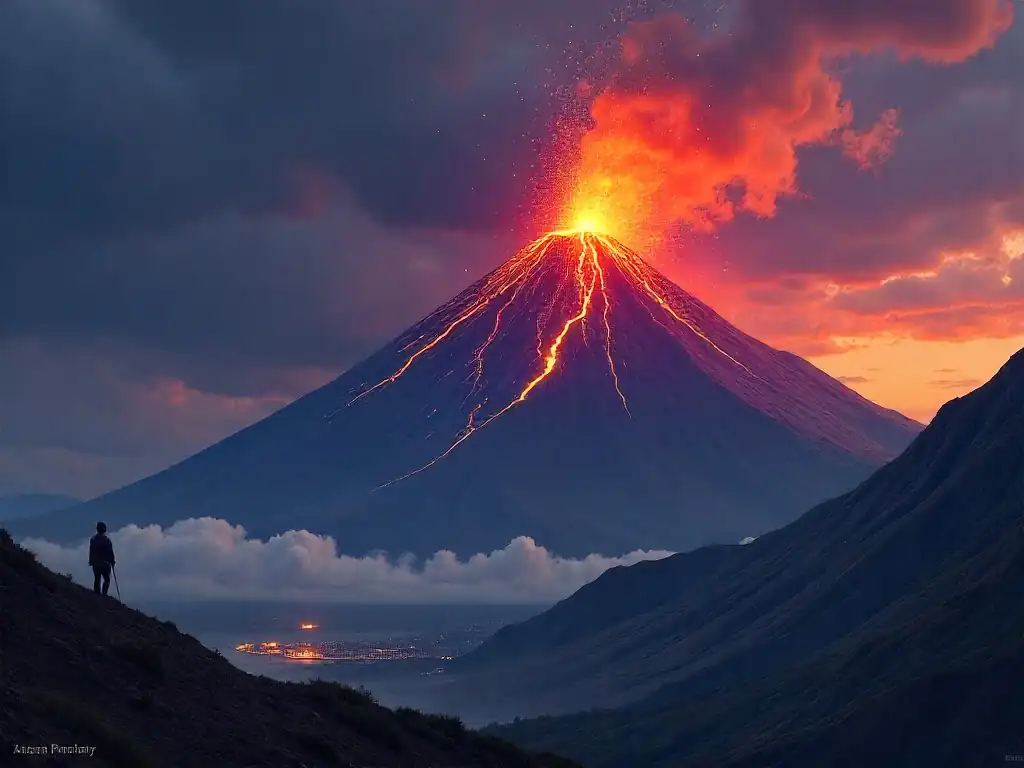
Welcome to Volcano Explorers!
Prepare to be captivated. Delve into the heart of volcanic power and discover how destruction can give way to breathtaking beauty. What if the fiery chaos of an eruption wasn't just an end, but a beginning? Explore the surprising and profound artistic themes of volcanic renewal in our latest article, and uncover how humanity finds hope and inspiration in the face of nature's rawest power. Dare to witness the phoenix rising from the ashes...
- Introduction: Exploring Artistic Interpretations of Volcanic Renewal
- The Dual Nature of Volcanoes: Destruction and Creation in Art
- Artistic Themes of Volcanic Renewal: Key Elements
- Case Studies: Famous Volcanoes and Their Artistic Depictions of Renewal
- Mediums and Styles: How Artists Portray Volcanic Rebirth
- The Cultural Significance of Volcanic Rebirth in Art
- Conclusion: The Timeless Message of Renewal and Hope
-
Frequently Asked Questions
- What artistic themes commonly emerge after a volcanic eruption?
- How do artists portray the devastation caused by volcanic eruptions?
- In what ways does volcanic activity inspire hope in artistic expression?
- How does culture influence the artistic interpretation of volcanic events?
- Can you give examples of artistic mediums used to express themes of volcanic rebirth?
- Final Reflection: Embracing the Ashes of Creation
- Unearth Your Inner Artist: Inspired by the Volcano's Spirit!
Introduction: Exploring Artistic Interpretations of Volcanic Renewal
Volcanic eruptions, often perceived as cataclysmic events of destruction and devastation, paradoxically hold within them the seeds of renewal and creation. This duality has long captivated artists across cultures and eras, inspiring a rich tapestry of artistic expressions that explore not only the destructive power of volcanoes but also the subsequent resurgence of life and landscape.
From ancient myths and legends to contemporary paintings and photographs, the artistic themes of volcanic renewal offer a compelling lens through which to understand humanity's complex relationship with nature's most dramatic forces. This article delves into these themes, examining how artists have interpreted volcanic eruptions as catalysts for rebirth, hope, and the cyclical nature of existence.
Throughout history, artists have grappled with representing the seemingly contradictory forces at play in volcanic events. While the immediate aftermath of an eruption is often characterized by ash-covered landscapes and the stark absence of life, artists have keenly observed and depicted the gradual, yet powerful, return of flora and fauna, the reshaping of terrain into new forms, and the resilience of both nature and human communities in the face of volcanic upheaval.
By exploring these artistic themes of volcanic renewal, we can gain a deeper appreciation for the enduring power of nature to heal and transform, even after periods of intense destruction.
The Dual Nature of Volcanoes: Destruction and Creation in Art
Volcanoes, in their very essence, embody a profound duality: they are agents of both destruction and creation. This inherent contradiction forms a central theme in artistic interpretations of volcanic phenomena. Artists have long been fascinated by the dramatic contrast between the immediate devastation of an eruption and the long-term geological and ecological renewal that inevitably follows. This section explores how this dual nature is represented in art, focusing first on depictions of destruction and then on the emergence of new life.
Volcanic Eruptions as Symbols of Destruction in Historical Art
Historically, volcanic eruptions have often been depicted as symbols of divine wrath, chaos, and the fragility of human existence. Paintings and engravings from periods witnessing significant eruptions, such as the Vesuvius eruption that buried Pompeii and Herculaneum in 79 AD, frequently emphasize the catastrophic aspects.
For example, while no contemporary paintings of the 79 AD eruption exist, later artistic renderings, particularly from the 18th and 19th centuries, often portray scenes of terror and overwhelming destruction, highlighting the human suffering and the loss of civilization. These artworks, though sometimes romanticized, reflect a historical understanding of volcanoes primarily as forces of devastation.
Beyond the immediate aftermath, the lingering effects of volcanic destruction have also been captured in art. Consider the ash-covered landscapes and ruined structures that become recurring motifs in depictions of volcanic events. These visual elements serve as stark reminders of the destructive power unleashed, emphasizing the vulnerability of human creations in the face of natural forces. Early photography, emerging in the 19th century, further documented the stark reality of volcanic devastation, providing a more direct and less romanticized view of the destructive impact, influencing artistic perceptions towards a more realistic portrayal of volcanic events.
The Emergence of New Life: Representing Renewal Post-Eruption
In stark contrast to depictions of destruction, another significant body of volcanic art focuses on the theme of renewal and the resurgence of life following eruptions. Artists have observed and documented the remarkable ability of ecosystems to recover and even thrive in volcanic landscapes. This artistic theme of volcanic renewal often highlights the gradual return of vegetation, the colonization of barren lands by pioneering species, and the overall transformation of the landscape from desolation to vibrant life.
For instance, post-eruption landscapes, initially appearing desolate, are often shown in later artworks teeming with new growth. Artists capture the vibrant colors of new flora emerging from volcanic ash, the return of wildlife to previously barren areas, and the unique ecosystems that develop in volcanic terrains. These depictions emphasize the resilience of nature and its capacity for regeneration. Furthermore, artistic representations of communities rebuilding after eruptions, focusing on themes of human resilience and adaptation, contribute to the overarching narrative of renewal and hope in the face of volcanic adversity.
Artistic Themes of Volcanic Renewal: Key Elements
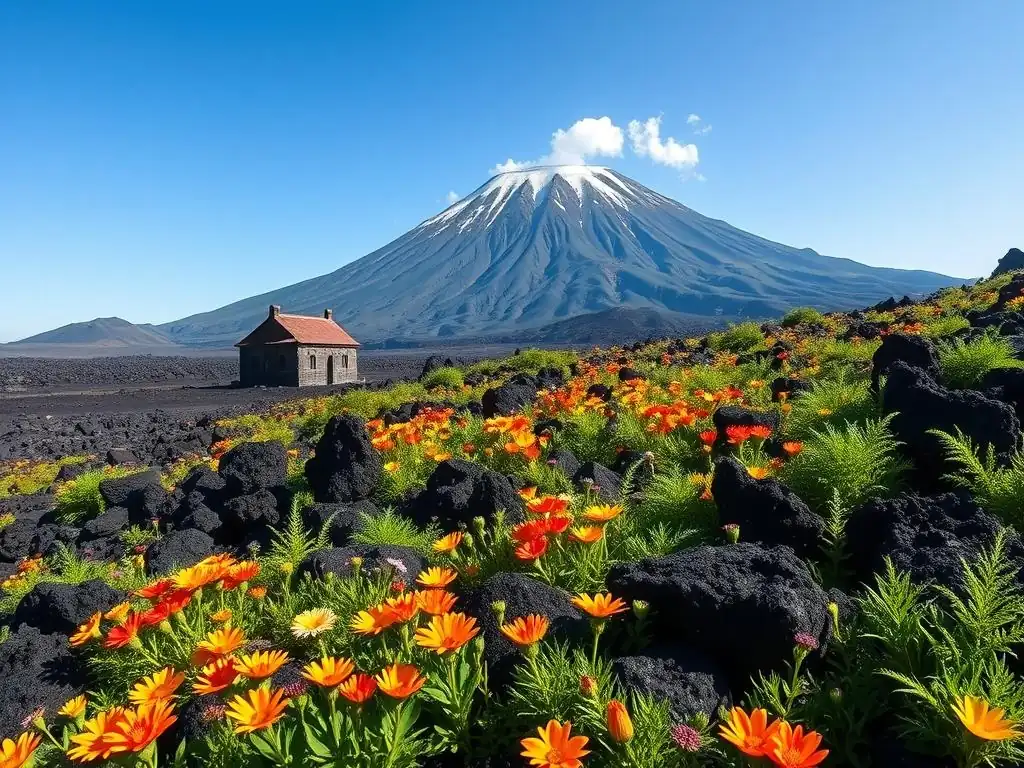
The artistic themes of volcanic renewal are multifaceted, encompassing various interconnected elements that artists explore to convey the message of rebirth and hope. These key elements include the visualization of new landscapes emerging from ash, the depiction of communities rebuilding and demonstrating resilience, and the overarching emphasis on the cyclical nature of creation and destruction inherent in volcanic processes. This section will delve into each of these key artistic themes, providing further insight into their representation and significance in volcanic art.
Rebirth from Ash: Visualizing New Landscapes and Ecosystems
One of the most potent artistic themes of volcanic renewal is the visualization of rebirth from ash. Volcanic ash, while initially appearing as a symbol of destruction, is rich in minerals and over time, becomes fertile ground for new life. Artists capture this transformation by depicting landscapes evolving from barren, ash-covered terrains into vibrant ecosystems. Paintings, photographs, and sculptures often showcase the stark contrast between the initial desolation and the subsequent flourishing of plant life.
For example, artists frequently focus on the pioneering plant species that are the first to colonize volcanic landscapes. These depictions emphasize the tenacity of life and its ability to reclaim even the most seemingly inhospitable environments. The unique geological formations created by volcanic activity, such as lava flows and volcanic cones, also become subjects of artistic interest, highlighting the reshaping of the land and the creation of new and dramatic landscapes. These artistic representations of new landscapes and ecosystems emerging from volcanic ash serve as powerful metaphors for resilience and the transformative power of nature.
Hope and Resilience: Depicting Communities Rebuilding After Volcanic Events
Beyond the ecological renewal, artistic themes of volcanic renewal also encompass the human dimension, particularly the hope and resilience demonstrated by communities affected by eruptions. Artists often depict the rebuilding efforts of communities, showcasing their determination to overcome adversity and reconstruct their lives and homes in the aftermath of volcanic events. These depictions serve as powerful testaments to human adaptability and the enduring spirit of community.
Artworks focusing on this theme may portray scenes of people clearing ash, constructing new dwellings, and re-establishing agriculture in volcanic soils. The human element is central, emphasizing the collective effort and the unwavering hope for a brighter future. Portraits of individuals and families who have survived volcanic eruptions can also be powerful expressions of resilience, capturing their strength and determination in the face of loss and hardship. These artistic representations of human resilience underscore the ability of communities to not only survive but also to thrive in the shadow of volcanic activity.
The Power of Nature: Emphasizing the Cyclical Nature of Creation and Destruction
Underlying the artistic themes of volcanic renewal is the broader concept of the power of nature and its cyclical nature of creation and destruction. Volcanoes, in their dramatic eruptions and subsequent processes of renewal, serve as potent reminders of the immense forces shaping our planet and the interconnectedness of destruction and creation in natural cycles. Artists often use volcanic landscapes to explore these grander themes, prompting reflection on humanity's place within the larger natural world.
Artworks may depict volcanic eruptions not solely as destructive events, but as part of a continuous geological and ecological process. The formation of new land, the enrichment of soils, and the creation of unique habitats are presented as integral aspects of volcanic activity, alongside the more immediately visible destructive effects.
By emphasizing this cyclical perspective, artists invite viewers to consider volcanic events not as isolated catastrophes, but as part of a larger, ongoing cycle of planetary change and renewal. This artistic theme of nature's power emphasizes the dynamic and ever-changing nature of our world, where destruction and creation are inextricably linked.
Case Studies: Famous Volcanoes and Their Artistic Depictions of Renewal
To further illustrate the artistic themes of volcanic renewal, examining case studies of famous volcanoes and their artistic depictions is invaluable. Mount St. Helens, Krakatoa, and Parícutin are three volcanoes that have profoundly impacted both the physical landscape and human imagination, inspiring diverse artistic responses that capture the spectrum of destruction and subsequent renewal. This section will explore these case studies, focusing on how artists have represented the themes of renewal in relation to each volcanic event.
Mount St. Helens: Artistic Responses to Regeneration after the 1980 Eruption
The 1980 eruption of Mount St. Helens in Washington State, USA, was a significant geological event that dramatically reshaped the landscape and provided a compelling case study for ecological succession. The eruption, while devastating, also became a powerful symbol of nature's resilience and capacity for regeneration. Artists have responded to the Mount St. Helens eruption in various ways, capturing both the initial devastation and the remarkable recovery that followed.
The Initial Devastation: Art Reflecting the Immediate Impact
In the immediate aftermath of the 1980 eruption, artistic responses often focused on the sheer scale of the devastation. Photographers documented the barren, ash-covered landscape, the downed forests, and the stark, grey terrain that stretched for miles around the volcano. Paintings and drawings from this period captured the monochrome palette of ash and destruction, conveying a sense of loss and emptiness.
These early artistic depictions served as visual records of the eruption's immediate impact, emphasizing the overwhelming force of the volcanic event and the apparent lifelessness of the affected area. The artistic themes of volcanic renewal were not immediately apparent in these initial responses, which understandably focused on the shock and scale of the destruction.
The Return of Life: Artistic Depictions of Ecological Recovery
As time passed, the remarkable ecological recovery of the Mount St. Helens area became increasingly evident, inspiring a new wave of artistic responses focused on renewal. Photographers documented the gradual return of plant and animal life, capturing images of wildflowers blooming in the ash, forests regenerating, and wildlife repopulating the area. Painters and sculptors began to incorporate these themes of ecological recovery into their work, celebrating the vibrant colors and textures of the rejuvenated landscape.
These artistic depictions of ecological recovery after the Mount St. Helens eruption became powerful examples of the artistic themes of volcanic renewal, showcasing nature's capacity to heal and regenerate even after catastrophic events. The artistic focus shifted from devastation to the inspiring process of rebirth.
Krakatoa: The Artistic Legacy of a Reshaped Landscape
The 1883 eruption of Krakatoa, located in present-day Indonesia, was one of the most powerful volcanic eruptions in recorded history. Its global impact, including atmospheric effects and widespread tsunamis, captured worldwide attention. The eruption also fundamentally reshaped the landscape, with the island of Krakatoa largely destroyed and new volcanic islands emerging in its place. The dramatic transformation inspired a range of artistic responses, documenting both the pre-eruption state and the post-eruption reshaping of the landscape.
Pre-Eruption Depictions: Documenting the Island's Original State
Prior to the 1883 eruption, Krakatoa, or Rakata as it was then known, was depicted in various drawings and sketches, primarily by European visitors and colonial administrators. These pre-eruption depictions offer a glimpse into the island's original state, showcasing its lush vegetation and volcanic peaks. While not explicitly focused on volcanic themes, these artworks serve as important historical records, documenting the landscape before its dramatic transformation.
They provide a baseline against which to compare the post-eruption landscape and appreciate the magnitude of the volcanic reshaping. These pre-eruption artworks indirectly enhance the artistic themes of volcanic renewal by highlighting the scale of change.
Post-Eruption Art: Capturing the New Land Formation and Ecosystem
Following the 1883 eruption, artists and photographers documented the newly formed landscape of the Krakatoa archipelago. Photographs captured the barren volcanic islands, the caldera rim, and the gradual process of revegetation. Paintings and engravings depicted the dramatic new landforms and the stark beauty of the volcanic landscape.
As new islands emerged, such as Anak Krakatau (Child of Krakatoa), artists continued to document the ongoing geological processes and the development of new ecosystems. These post-eruption artworks directly address the artistic themes of volcanic renewal, showcasing the creation of new land and the emergence of life in a dramatically altered environment. The artistic focus shifted to the creation of a new landscape from the remnants of the old.
Parícutin: Exploring Themes of Displacement and Adaptation in Art
The eruption of Parícutin volcano in Mexico in 1943 was unique in that it began in a cornfield and directly impacted nearby villages. The eruption buried the village of San Juan Parangaricutiro, leaving only the church steeple visible above the lava flow. Parícutin's eruption and its impact on local communities have inspired artistic responses that explore themes of displacement, adaptation, and the complex relationship between humans and volcanic forces. The artistic themes of volcanic renewal in this context are intertwined with themes of human resilience and cultural adaptation.
Artistic Representations of the Buried Village of San Juan Parangaricutiro
The buried church of San Juan Parangaricutiro has become an iconic symbol of Parícutin's eruption and a recurring motif in art inspired by the event. Paintings, photographs, and even sculptures depict the church steeple emerging from the black lava field, a poignant reminder of the village lost beneath. These artworks often evoke a sense of both loss and resilience.
The buried village represents the destructive power of the volcano and the displacement of communities, while the standing church steeple symbolizes enduring faith and the persistence of cultural identity. These artistic representations of the buried village contribute to the artistic themes of volcanic renewal by highlighting the human capacity to adapt and find hope even in the face of displacement and loss. The focus shifts to human and cultural renewal in the face of natural disaster.
Mediums and Styles: How Artists Portray Volcanic Rebirth
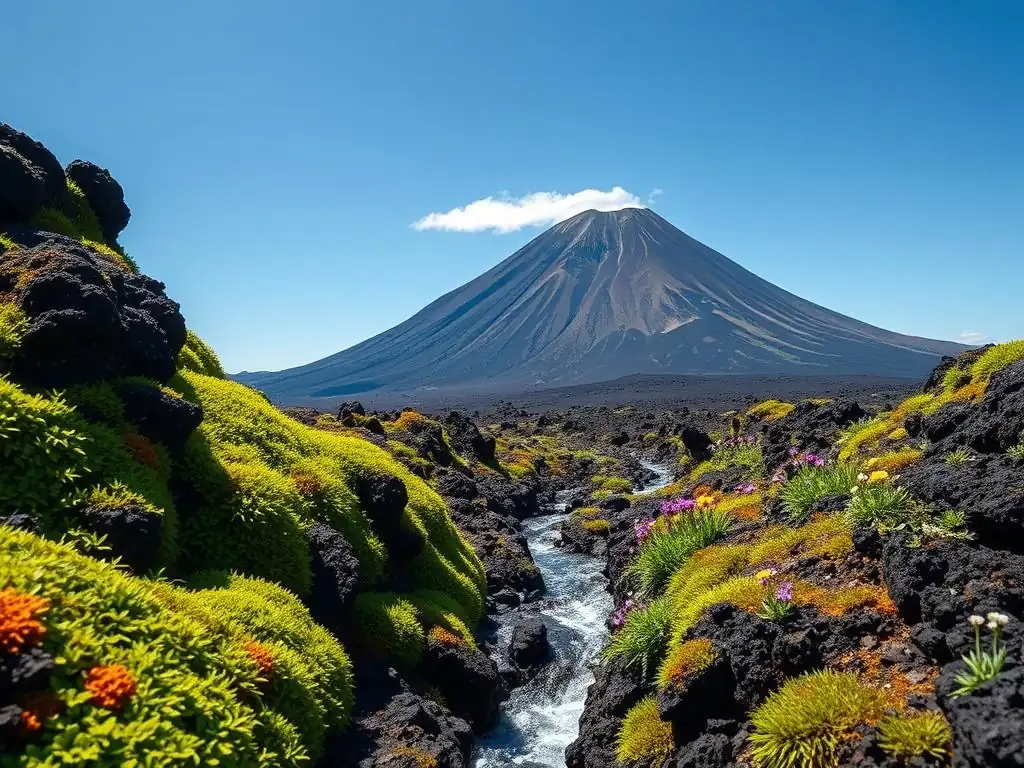
Artists employ a diverse range of mediums and styles to portray the artistic themes of volcanic rebirth. From traditional painting and sculpture to literature, poetry, photography, and film, each medium offers unique possibilities for capturing different aspects of volcanic renewal. The choice of medium and style often reflects the artist's specific focus, whether it be the visual transformation of the landscape, the emotional and spiritual impact of volcanic events, or the documentation of renewal processes over time.
Painting and Sculpture: Capturing the Visual Transformation
Painting and sculpture are particularly well-suited for capturing the visual transformation of volcanic landscapes associated with renewal. Painters can use color, texture, and composition to depict the stark contrasts between barren volcanic terrains and the vibrant colors of emerging vegetation. Sculptors can work with volcanic materials, such as lava rock and ash, to create tactile representations of the new landforms and textures created by volcanic activity.
For example, landscape painters might focus on the dramatic interplay of light and shadow on volcanic peaks, the textures of lava flows, and the gradual encroachment of green vegetation onto previously barren slopes. Sculptors might create works that incorporate volcanic rock to symbolize the raw power of the earth and the process of geological creation. Both painting and sculpture offer artists the means to visually interpret and express the tangible aspects of volcanic rebirth, emphasizing the aesthetic transformation of the landscape.
Literature and Poetry: Expressing the Emotional and Spiritual Impact
Literature and poetry provide avenues for exploring the more intangible aspects of volcanic rebirth, such as the emotional and spiritual impact of volcanic events and the metaphorical significance of renewal. Writers and poets can use language to evoke the awe-inspiring power of volcanoes, the sense of loss and grief associated with destruction, and the hope and resilience that emerge in the aftermath.
Poetry, in particular, can capture the symbolic richness of volcanic imagery, using metaphors of fire, ash, and new growth to explore themes of transformation, purification, and the cyclical nature of life and death. Literary narratives can delve into the human experience of living in volcanic landscapes, exploring the challenges and adaptations of communities facing volcanic risks and the enduring connection between people and their volcanic environment. Literature and poetry excel at conveying the emotional and spiritual dimensions of volcanic rebirth, adding depth and nuance to the artistic themes.
Photography and Film: Documenting the Process of Renewal Over Time
Photography and film are uniquely positioned to document the process of volcanic renewal over time, capturing the gradual changes in the landscape and ecosystems as they recover and regenerate. Time-lapse photography and film can compress long periods of time into visually compelling sequences, revealing the often slow but persistent process of ecological succession and landscape transformation.
Photographers can revisit volcanic sites over years or even decades, documenting the subtle but significant changes in vegetation cover, wildlife populations, and geological formations. Filmmakers can create documentaries that follow the scientific study of volcanic recovery, showcasing the research and observations that reveal the intricate processes of ecological and geological renewal. Photography and film provide a powerful means of visualizing and understanding the temporal dimension of volcanic rebirth, making the often unseen processes of renewal visible and accessible to a wider audience.
The Cultural Significance of Volcanic Rebirth in Art
The artistic themes of volcanic rebirth extend beyond aesthetic appreciation, holding significant cultural meaning for diverse societies around the world. Indigenous perspectives often deeply integrate volcanic activity into their cosmology and spiritual beliefs, viewing eruptions as part of natural cycles of creation and renewal. Modern interpretations by contemporary artists continue to explore volcanic themes, often engaging with contemporary concerns such as climate change and environmental awareness. The enduring appeal of volcanic rebirth as an artistic theme speaks to its relevance across cultures and time periods.
Indigenous Perspectives: Honoring the Land and its Cycle of Renewal
For many indigenous cultures living in volcanic regions, volcanoes are not merely geological features but are often imbued with spiritual significance and deeply integrated into their cultural narratives. Eruptions may be understood as part of a natural cycle of destruction and renewal, honored through rituals, stories, and artistic expressions. Indigenous art forms, such as carvings, textiles, and oral traditions, may incorporate volcanic imagery and symbolism, reflecting a deep understanding of and respect for the land and its dynamic processes.
Volcanic landscapes are often considered sacred spaces, and the process of volcanic renewal is seen as a manifestation of the earth's life force. Artistic expressions from these cultures may emphasize the interconnectedness of humans and nature, highlighting the importance of living in harmony with the volcanic environment. These indigenous perspectives offer valuable insights into the cultural significance of volcanic rebirth, emphasizing a long-standing relationship with volcanic landscapes and a deep appreciation for the cyclical nature of renewal.
Modern Interpretations: Contemporary Artists and Volcanic Themes
Contemporary artists continue to engage with volcanic themes, often drawing inspiration from both the dramatic power of eruptions and the subsequent processes of renewal. Modern interpretations may incorporate new mediums and styles, reflecting contemporary artistic trends and concerns. Some artists may use volcanic imagery to address contemporary environmental issues, such as climate change and the impact of human activity on natural systems.
Others may explore the psychological and emotional dimensions of living in volcanic landscapes, reflecting on themes of risk, resilience, and the human relationship with powerful natural forces. Contemporary art that engages with volcanic themes often demonstrates a continued fascination with the duality of destruction and creation, finding new ways to express the artistic themes of volcanic renewal in a modern context. These modern interpretations ensure the continued relevance of volcanic themes in art and culture.
The Enduring Appeal: Why Volcanic Rebirth Continues to Inspire Art
The enduring appeal of volcanic rebirth as an artistic theme stems from its profound resonance with fundamental human experiences and universal cycles of life and death. Volcanoes, in their dramatic displays of both destruction and creation, offer a powerful metaphor for the transformative forces that shape our world and our lives. The artistic themes of volcanic renewal tap into a deep-seated human fascination with the power of nature, the resilience of life, and the hope that emerges from periods of devastation.
The cyclical nature of volcanic activity, the inevitable return of life after eruptions, and the reshaping of landscapes into new forms all offer compelling narratives of renewal and transformation. These narratives resonate across cultures and time periods, providing a source of inspiration and contemplation for artists and audiences alike. The enduring appeal of volcanic rebirth in art lies in its ability to connect with fundamental human emotions and experiences, offering a timeless message of hope and the cyclical nature of existence.
Conclusion: The Timeless Message of Renewal and Hope
The artistic themes of volcanic renewal, explored across diverse cultures, mediums, and time periods, offer a timeless message of hope and the enduring power of nature to regenerate and transform. From the initial shock and devastation of eruptions to the gradual return of life and the reshaping of landscapes, artists have consistently found inspiration in the cyclical nature of volcanic activity. The legacy of volcanic eruptions in art serves as a powerful reminder of nature's immense forces and humanity's complex relationship with these dynamic processes.
The Legacy of Volcanic Eruptions in Art: A Reminder of Nature's Power
The artistic legacy of volcanic eruptions is a rich and diverse tapestry of expressions that collectively serve as a reminder of nature's awesome power. From ancient myths to contemporary artworks, depictions of volcanic events and their aftermath have consistently emphasized the scale and intensity of these geological forces. This artistic legacy underscores the need for respect and understanding of natural processes, highlighting the dynamic and ever-changing nature of our planet.
By exploring the artistic themes of volcanic renewal, we gain a deeper appreciation for the interconnectedness of destruction and creation in natural cycles. Volcanoes, often perceived solely as destructive forces, are revealed in art as agents of both devastation and renewal, contributing to the ongoing shaping of our world and the continuous cycle of life. The artistic legacy of volcanic eruptions ultimately serves as a powerful testament to the enduring power of nature and its profound influence on human imagination and creativity.
Finding Inspiration in Volcanic Landscapes: A Call to Appreciate the Cycle of Life
Volcanic landscapes, shaped by eruptions and processes of renewal, offer a unique source of inspiration for artists and a call to appreciate the cyclical nature of life. The stark beauty of volcanic terrains, the vibrant colors of new vegetation emerging from ash, and the dramatic geological formations all provide compelling subjects for artistic exploration. By finding inspiration in volcanic landscapes, artists invite viewers to contemplate the larger cycles of creation and destruction that are fundamental to the natural world.
The artistic themes of volcanic renewal ultimately encourage a deeper appreciation for the resilience of life, the transformative power of nature, and the enduring hope that emerges even from periods of intense disruption. Volcanic landscapes, through the lens of art, become not just places of destruction but also powerful symbols of rebirth and the continuous cycle of life that sustains our planet. This appreciation for the cycle of life, inspired by volcanic landscapes and their artistic depictions, offers a valuable perspective in a world facing increasing environmental challenges and a need for resilience and adaptation.
Frequently Asked Questions
What artistic themes commonly emerge after a volcanic eruption?
Post-eruption art often explores themes of renewal and rebirth, depicting the land's recovery and the resilience of life. Artists may also focus on the contrast between destruction and creation.
How do artists portray the devastation caused by volcanic eruptions?
Artists frequently depict the immediate aftermath with images of ash-covered landscapes and ruined structures. They may also use symbolic representations of loss and suffering, highlighting the human impact.
In what ways does volcanic activity inspire hope in artistic expression?
The return of plant life, the formation of new land, and the cycle of nature are often used to symbolize hope and the potential for growth. Artists use vibrant colors to represent the rejuvenation of the landscape.
How does culture influence the artistic interpretation of volcanic events?
Different cultures have unique mythological and spiritual beliefs surrounding volcanoes, which often inform their artistic representations. These beliefs can shape how they perceive renewal after an eruption.
Can you give examples of artistic mediums used to express themes of volcanic rebirth?
Various mediums are used, including painting, sculpture, photography, and digital art. Each medium allows artists to capture the raw power and subtle beauty of volcanic landscapes and their transformation.
Final Reflection: Embracing the Ashes of Creation
The artistic exploration of volcanic renewal, as we've seen, isn't just a historical curiosity; it's a powerful metaphor for resilience and transformation that resonates deeply in our current world. From the literal rebirth of landscapes to the symbolic representation of overcoming adversity, these artistic themes offer a vital perspective on navigating our own periods of upheaval and change.
The enduring influence of volcanic imagery in art underscores its profound connection to the human experience. This exploration has personally reinforced the idea that destruction, while often painful, can indeed pave the way for something new and beautiful. The only constant in life is change,
a sentiment that finds powerful expression in the artistic interpretations of volcanic landscapes, reminding us to embrace the inevitable cycles of destruction and creation.
As we conclude this journey through the artistic themes of volcanic renewal, I invite you to consider the "volcanoes" in your own life. What challenges have you faced that, in retrospect, have led to unexpected growth and opportunity? Embrace the transformative power of destruction, and remember that even from the ashes, beauty and hope can emerge.
Okay, here's a CTA tailored for a web article titled "Volcanic Rebirth: Renewal and Hope After Eruption in Artistic Themes" published on Volcano Explorers (volcanoexplorers.org), following the specified guidelines:
Unearth Your Inner Artist: Inspired by the Volcano's Spirit!
Thank you for joining us on this artistic journey through the volcanic landscape! We hope you’ve found inspiration in the resilience and beauty that can emerge even after devastation. Now, it's time to translate that inspiration into action!
Here are a few ways to keep the creative fire burning:
- Create your own artwork inspired by the themes of volcanic rebirth. Share it with the world using the hashtag #VolcanoExplorersArt! This is the primary action.
- Dive deeper into volcanic symbolism. Research different cultural interpretations of volcanoes in art and mythology.
- Surprise yourself and find a local artist in your area doing nature themes. Look for ways to support them.
What surprising element of volcanic rebirth most sparked your creative inspiration? Share your thoughts in the comments below!