
The Laki Fissure: A Deep Dive into Iceland's Most Notorious Volcanic Feature

Welcome to Volcano Explorers!
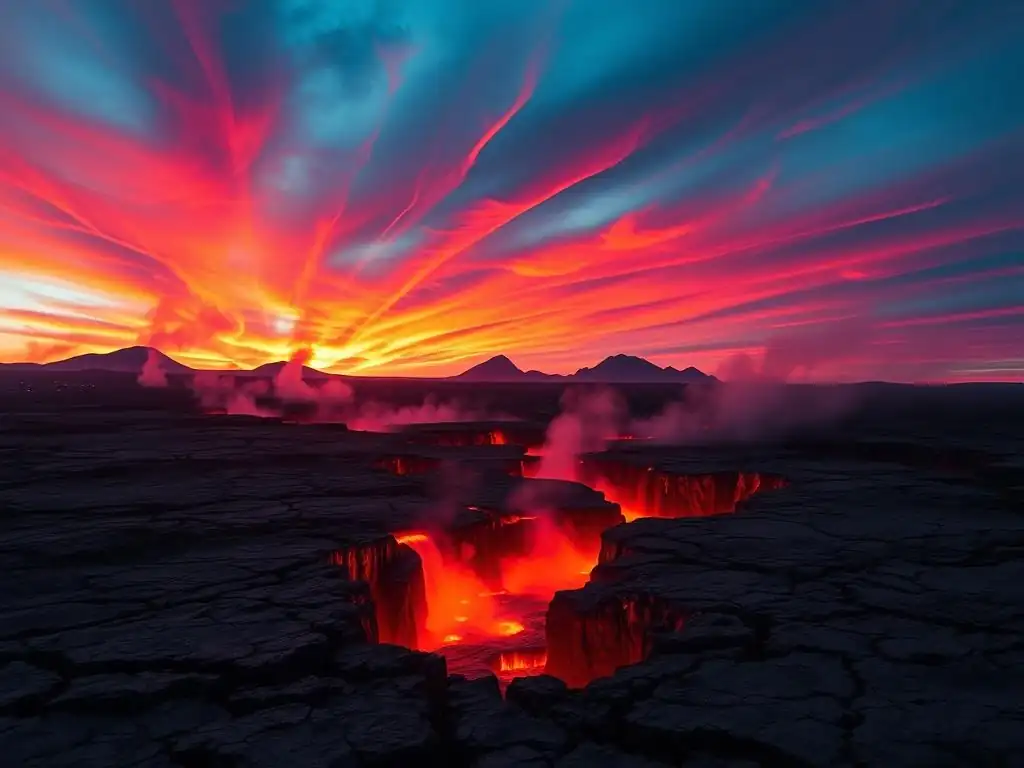
Prepare to be captivated by the raw power and untamed beauty of Earth's fiery giants. Did you know a single volcanic fissure could alter global climate? Our exploration begins with a deep dive into one such event. Journey with us as we unravel the mysteries surrounding Iceland's Laki Fissure, uncovering startling facts about its devastating eruption and lasting impact. What secrets does this notorious volcanic feature hold, and what can it teach us about the planet's volatile nature? Read on to find out...
- Introduction to the Laki Fissure and its Significance
- The 1783-1784 Laki Eruption: Unveiling the Details
- The Devastating Environmental Impact of the Laki Eruption
- The Human Cost: The Laki Fissure's Deadly Legacy
- Laki and Climate Impact: A Deeper Analysis
- Studying the Laki Eruption: Volcanological Insights and Research
- Exploring the Laki Fissure Today: Tourism and Remembrance
- Lessons Learned from Laki: Preparedness and Mitigation
- The Laki Fissure: A Reminder of Volcanic Power
-
Frequently Asked Questions
- What is the Laki Fissure and where is it located?
- What makes the Laki eruption of 1783-1784 so notorious?
- What were some of the specific environmental impacts of the Laki eruption?
- How do volcanologists study events like the Laki eruption today?
- What safety measures are in place today to mitigate the risks from future volcanic eruptions in Iceland, considering the Laki event?
- Final Reflection: Echoes of Laki, Lessons for Tomorrow
- Unleash Your Inner Volcanologist: Experience Laki!
Introduction to the Laki Fissure and its Significance
Laki: Iceland's Volcanic Scar and its Historical Context
The Laki fissure, often referred to as Lakagígar (the craters of Laki) in Icelandic, stands as a stark reminder of Iceland's volcanic dynamism and the profound impact these geological forces can have on both the island and the world. Located in the southern highlands of Iceland, part of the Grímsvötn volcanic system, Laki is not a single volcano but a 25-kilometer-long volcanic fissure. This dramatic scar on the landscape was formed during one of the most catastrophic volcanic events in recorded history, the 1783-1784 eruption.
Understanding Laki requires acknowledging its position within Iceland's volcanic context; the island nation sits atop the Mid-Atlantic Ridge, a divergent plate boundary, making it exceptionally volcanically active. The Laki fissure is a testament to the powerful rifting and magmatic processes that continually reshape Iceland, and its eruption serves as a crucial case study in volcanology and climate history.
Historically, Icelanders have lived in close proximity to volcanoes, developing a unique relationship with these forces of nature. However, the Laki eruption was unlike anything experienced before, dwarfing previous Icelandic eruptions in scale and consequence. It occurred during a period of societal change and hardship in Iceland, already coping with harsh climatic conditions and limited resources.
The eruption became deeply intertwined with Icelandic folklore and historical memory, representing not just a natural disaster but a pivotal moment that tested the resilience of the Icelandic people and left an indelible mark on their cultural identity. The name "Laki" itself has become synonymous with volcanic devastation within Iceland and beyond, carrying a weight of historical significance that transcends geographical boundaries.
Why the Laki Fissure Eruption is Considered One of History's Worst
The 1783-1784 Laki eruption is widely regarded as one of history's worst volcanic events due to its devastating multi-faceted impacts, extending far beyond the immediate vicinity of Iceland. Unlike singular, explosive eruptions, the Laki event was a prolonged fissure eruption characterized by the outpouring of massive volumes of lava and, critically, the release of enormous quantities of volcanic gases into the atmosphere. This combination of factors distinguished it from other significant eruptions, such as Vesuvius or Krakatoa, which, while locally catastrophic, did not have the same prolonged and globally pervasive environmental and societal consequences.
Several factors contribute to Laki's notoriety. Firstly, the sheer scale of the eruption was immense. It emitted an estimated 14.7 cubic kilometers of basalt lava and around 8 million tons of hydrogen fluoride and approximately 120 million tons of sulfur dioxide.
This massive release of sulfur dioxide, in particular, is what propelled Laki into the annals of history as a climate-altering event. Secondly, the eruption's duration, lasting for eight months, ensured a sustained and relentless assault on the environment. This prolonged emission meant that the atmospheric effects were not transient but cumulative, leading to a cascade of environmental and societal disasters across the Northern Hemisphere.
Finally, the eruption's impact was not confined to Iceland. The "Laki haze," a toxic fog laden with sulfuric aerosols, drifted across Europe, causing widespread respiratory illnesses, agricultural damage, and contributing to famine and social unrest in multiple countries. This global reach of its consequences firmly cements the Laki fissure eruption as one of history's most devastating volcanic events.
The 1783-1784 Laki Eruption: Unveiling the Details
Location and Geological Setting of the Laki Fissure System
The Laki fissure is situated in the southern highlands of Iceland, specifically between the Vatnajökull and Mýrdalsjökull ice caps. Geographically, it lies to the southwest of Vatnajökull, Europe's largest glacier, and to the northeast of Mýrdalsjökull, which itself overlies the Katla volcano. The fissure is part of the Grímsvötn volcanic system, one of Iceland's most active and extensive volcanic systems.
This system is characterized by a central volcano, Grímsvötn, located beneath Vatnajökull, and a network of fissures extending outwards, including Laki. The area is remote and sparsely populated, even today, which partially explains why the initial eruption in 1783 took some time to be fully understood in terms of its scale and impact on more populated regions.
Geologically, the Laki fissure is aligned with the southwest-northeast trending volcanic zones that characterize Iceland, reflecting the island's location on the Mid-Atlantic Ridge. This ridge is where the North American and Eurasian tectonic plates are diverging, creating a zone of intense volcanic and seismic activity.
The Grímsvötn system, including Laki, is fueled by magma generated from the Earth's mantle, rising to the surface through fractures in the crust. The specific trigger for the 1783 eruption is still debated, but it is generally understood to be related to magma accumulation and pressure buildup within the Grímsvötn system.
The eruption occurred along a pre-existing fissure system, allowing magma to erupt effusively over a long linear distance, rather than from a central vent, resulting in the characteristic fissure eruption that defined Laki. The geological setting of Laki, within a highly active rift zone and part of a complex volcanic system, is crucial to understanding both the magnitude and the nature of the 1783-1784 eruption.
The Duration and Intensity of the Laki Eruption: A Timeline
The Laki eruption was not a singular explosive event but rather a prolonged episode of volcanic activity spanning approximately eight months, from June 1783 to February 1784. The eruption is typically divided into several phases based on the intensity and style of activity. The onset of the eruption occurred on June 8, 1783, with initial explosive phases along the fissure, creating the craters that now define Lakagígar. These initial phases were characterized by phreatomagmatic eruptions, where magma interacted with groundwater, leading to more explosive activity and the ejection of ash and tephra.
Following the initial explosive phases, the eruption transitioned to a more effusive style, with large volumes of basaltic lava flowing from the fissure. This effusive phase was dominant throughout the summer and autumn of 1783. The eruption rate fluctuated, with periods of increased lava output interspersed with quieter periods.
The most intense phase of gas release, particularly sulfur dioxide, occurred during the early months of the eruption, coinciding with the period of maximum lava effusion. Activity gradually declined through the late autumn and winter, with the last eruptive activity recorded in February 1784. While lava flows ceased, the degassing continued for some time afterward, although at a significantly reduced rate.
The extended duration of the Laki eruption, especially its prolonged period of intense gas release, was a critical factor in its widespread and long-lasting environmental and societal impacts. The timeline highlights not just the eruption's length but also the shifting styles of activity, from initial explosions to sustained lava flows and gas emissions, each contributing to the overall devastating consequences.
Fissure Length and Lava Flow Characteristics: Understanding the Scale
The Laki fissure extends for an impressive length of 25 kilometers (approximately 15.5 miles), making it a significant feature in volcanic landscapes. This extensive fissure is not uniformly active along its entire length during the eruption; rather, eruptive activity occurred at various points along the fissure, creating a chain of over 130 volcanic vents or craters that constitute Lakagígar.
These craters are not towering volcanic cones but rather low-profile features formed by the accumulation of spatter and scoria around the eruptive vents. The spatial distribution of these craters along the fissure provides a visual representation of the eruption's linear nature and the multiple points of magma ascent.
The lava flows from the Laki eruption were characterized by their basaltic composition, typical of Icelandic volcanism. Basaltic lava is relatively fluid and can flow over considerable distances, creating extensive lava fields. The Laki lava flows covered an estimated area of 565 square kilometers (around 218 square miles), a vast expanse that dramatically reshaped the local landscape.
The total volume of lava erupted is estimated to be around 14.7 cubic kilometers (approximately 3.5 cubic miles), making it one of the largest effusive eruptions in historical times. The lava flows filled river valleys, buried farmland, and reached distances of over 80 kilometers (50 miles) from the fissure. The characteristics of the lava, its fluidity and volume, combined with the length of the fissure, contributed to the immense scale of the eruption's impact, both in terms of landform modification and the long-term environmental consequences stemming from the associated gas emissions.
The Devastating Environmental Impact of the Laki Eruption
Atmospheric Effects: Aerosols, Sulfur Dioxide, and Climate Change
The Laki eruption's most far-reaching environmental impact stemmed from the massive release of volcanic gases into the atmosphere, particularly sulfur dioxide (SO2). It is estimated that Laki emitted around 120 million tons of sulfur dioxide, a staggering amount compared to typical volcanic eruptions. Upon release into the atmosphere, sulfur dioxide undergoes chemical reactions, forming sulfate aerosols. These aerosols are tiny particles that reflect incoming solar radiation back into space, leading to a cooling effect on the Earth's climate. The sheer volume of SO2 from Laki resulted in a significant increase in atmospheric aerosol concentration across the Northern Hemisphere.
The sulfate aerosols also contributed to the formation of acid rain and dry deposition of acidic particles. This acidic deposition had widespread detrimental effects on ecosystems, damaging vegetation, acidifying lakes and rivers, and impacting soil chemistry. Beyond sulfur dioxide, Laki also released substantial quantities of hydrogen fluoride (HF), estimated at around 8 million tons.
Hydrogen fluoride is highly reactive and toxic. While sulfur dioxide had a global climate impact, hydrogen fluoride had more localized, but intensely damaging, effects, particularly in Iceland. The atmospheric effects of the Laki eruption were not limited to temperature changes; they triggered a cascade of environmental consequences, ranging from regional acid deposition to hemispheric climate anomalies, demonstrating the potent atmospheric forcing capabilities of large volcanic eruptions.
The "Laki Haze": Poisoning the Northern Hemisphere
One of the most striking and immediate consequences of the Laki eruption was the formation of a dense, persistent haze that spread across Europe and parts of Asia. This "Laki haze," as it became known, was not simply fog or mist but a toxic aerosol cloud composed primarily of sulfuric acid droplets and other volcanic gases and particles.
The haze was characterized by a pungent, acrid smell and reduced visibility, causing widespread alarm and discomfort. Contemporary accounts from across Europe describe the haze as a "dry fog" or "volcanic fog" that blotted out the sun and cast a perpetual twilight over affected regions.
The Laki haze had significant impacts on human health. The inhalation of sulfuric aerosols and other pollutants in the haze caused widespread respiratory problems, including asthma, bronchitis, and other lung ailments. Mortality rates spiked in many parts of Europe during the summer of 1783, and while not all deaths can be directly attributed to the haze, it is considered a significant contributing factor.
The haze also had detrimental effects on agriculture beyond Iceland. The acidic deposition damaged crops, reducing yields and contributing to food shortages. The "Laki haze" served as a stark and tangible reminder of the eruption's far-reaching impact, demonstrating how volcanic emissions could transcend geographical boundaries and directly affect human populations and ecosystems thousands of kilometers away from the source.
Impact on Agriculture and Livestock: Widespread Famine
The environmental fallout from the Laki eruption had devastating consequences for agriculture and livestock, both in Iceland and across Europe. In Iceland, the immediate impact was catastrophic. The deposition of volcanic ash and acidic gases directly poisoned pastures and grazing lands. Crucially, the hydrogen fluoride released in large quantities by Laki accumulated on vegetation. Livestock, primarily sheep and cattle, grazing on these contaminated pastures suffered from fluorosis, a debilitating condition caused by fluoride poisoning. Fluorosis leads to bone and teeth damage, lameness, and ultimately death.
The mortality rates for livestock in Iceland were staggering. It is estimated that approximately 80% of sheep, 50% of cattle, and 50% of horses perished in the years following the eruption, primarily due to fluorosis and starvation. This massive livestock loss crippled Iceland's agrarian economy, which was heavily reliant on animal husbandry for food, clothing, and trade. The agricultural impact extended beyond Iceland. The "Laki haze" and acid rain damaged crops across Europe. Reports from the time describe scorched vegetation, reduced crop yields, and widespread agricultural distress. The combination of direct crop damage and the disruption of weather patterns caused by the volcanic aerosols contributed to food shortages and famine in various parts of Europe, exacerbating existing socioeconomic vulnerabilities and contributing to social unrest. The agricultural devastation caused by Laki underscores the vulnerability of human societies to volcanic environmental hazards, particularly when economies are heavily dependent on agriculture and livestock.
The Human Cost: The Laki Fissure's Deadly Legacy
Mortality Rates in Iceland: Understanding the Loss of Life
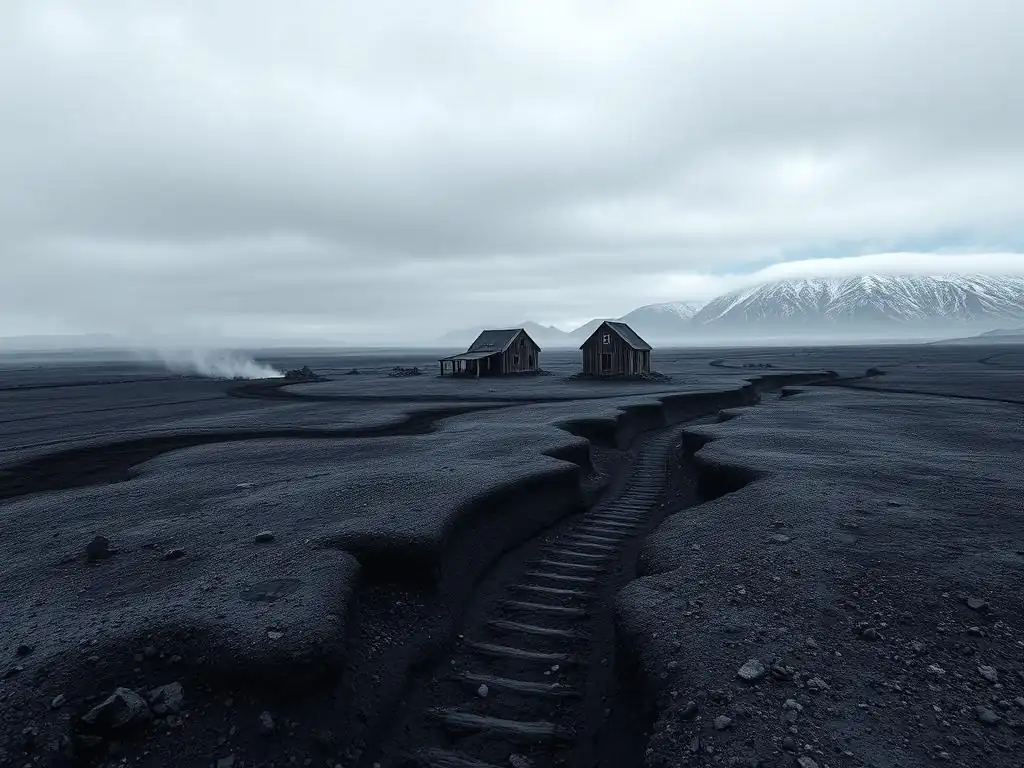
The 1783-1784 Laki eruption inflicted a severe demographic shock on Iceland, resulting in a significant and tragic loss of human life. While the eruption itself was not directly explosive in a way that caused immediate widespread death, the environmental consequences triggered a famine that decimated the Icelandic population. The most direct cause of mortality was starvation due to the catastrophic loss of livestock and crop failures caused by volcanic fallout and the "Laki haze".
Pre-eruption, Iceland's population was approximately 40,000. In the years following the eruption, it is estimated that around 9,350 people died due to the famine and related diseases. This represents roughly 23-25% of the Icelandic population at the time, making it one of the most significant demographic disasters in Icelandic history.
Mortality rates were particularly high in rural agricultural communities that were most directly dependent on livestock and farming. The famine years, known in Icelandic history as "Móðuharðindin" (the Mist Hardships), were marked by widespread suffering, disease outbreaks, and social disruption. The loss of life from the Laki eruption underscores the indirect but devastating human consequences of volcanic environmental impacts, particularly in societies heavily reliant on agriculture and with limited resources to cope with large-scale disasters.
Socioeconomic Consequences: The Famine and its Aftermath
The Laki eruption and the ensuing "Mist Hardships" had profound and long-lasting socioeconomic consequences for Iceland. The immediate economic impact was devastating. The loss of the vast majority of livestock crippled the agricultural sector, which was the backbone of the Icelandic economy. Trade and exports, primarily of wool and animal products, plummeted. The famine years led to widespread poverty, social unrest, and a decline in living standards. The Icelandic economy, already fragile, was pushed to the brink of collapse.
Beyond the immediate crisis, the Laki eruption had long-term effects on Icelandic society. The population decline and economic devastation weakened Iceland's social fabric and its capacity for recovery. It took decades for Iceland to fully recover from the demographic and economic losses. The eruption also had political ramifications.
Iceland was under Danish rule at the time, and the Danish government's response to the crisis was criticized as inadequate, contributing to growing resentment and a sense of neglect. The Laki eruption and its aftermath became a defining moment in Icelandic history, shaping national identity and contributing to a long-term struggle for economic and political autonomy. The socioeconomic consequences highlight how volcanic disasters can trigger cascading effects, impacting not just immediate livelihoods but also long-term societal development and political dynamics.
While the most direct and severe impacts of the Laki eruption were felt in Iceland and Europe, some historical analyses suggest that the eruption may have had broader global repercussions, potentially even contributing to political and social unrest in distant regions. The "Laki haze" and associated climate anomalies affected weather patterns across the Northern Hemisphere, leading to unusual heat and droughts in some regions and severe winters in others. These climate disruptions had agricultural consequences beyond Europe, potentially affecting crop yields and food availability in various parts of the world.
Some historians have linked the Laki eruption to the French Revolution of 1789, arguing that the eruption-induced climate anomalies and food shortages in France exacerbated existing social and economic tensions, contributing to the revolutionary climate. While this link is debated and multifactorial, it illustrates the potential for large-scale volcanic eruptions to indirectly influence global events.
The argument suggests that the Laki eruption, by contributing to widespread hardship and economic instability, may have played a role in the broader pattern of social and political unrest that characterized the late 18th century. While definitive causal links are difficult to establish, the potential global reach of Laki's impacts underscores the interconnectedness of global systems and the capacity of large volcanic events to have far-reaching consequences, even on political and social landscapes.
Laki and Climate Impact: A Deeper Analysis
The Role of Laki in Global Temperature Anomalies
The 1783-1784 Laki eruption is now recognized as a significant climate-forcing event, playing a measurable role in global temperature anomalies during the late 18th century. The massive release of sulfur dioxide into the stratosphere led to the formation of a persistent stratospheric aerosol layer that reflected sunlight back into space. Climate reconstructions based on tree rings, ice cores, and historical records indicate that the years following the Laki eruption were notably cooler in the Northern Hemisphere.
Global average temperatures are estimated to have decreased by approximately 0.5 to 1 degree Celsius in the year following the eruption. While this may seem like a small temperature change, it was significant in the context of pre-industrial climate variability and had noticeable impacts on weather patterns and growing seasons across the Northern Hemisphere. The cooling effect was most pronounced during the summer of 1783 and persisted for several years.
The Laki eruption provides a clear example of how large volcanic eruptions can inject aerosols into the stratosphere, leading to a temporary but discernible global cooling effect. This understanding is crucial for studying past climate variability and for assessing the potential climate impacts of future large volcanic eruptions.
Comparison to Tambora and Other Volcanic Eruptions with Climate Forcing
The Laki eruption, while devastating, was not the largest volcanic eruption in recorded history in terms of explosive magnitude. However, when considering climate forcing, it ranks alongside other significant volcanic events like the 1815 eruption of Tambora in Indonesia.
The Tambora eruption, often cited as the cause of the "Year Without a Summer" in 1816, is estimated to have released even more sulfur dioxide into the stratosphere than Laki, leading to a more pronounced and longer-lasting global cooling effect. Tambora is estimated to have caused a global average temperature drop of around 0.4 to 0.7 degrees Celsius over several years.
Comparing Laki and Tambora, and other climate-forcing eruptions like the 1257 Samalas eruption or the 1600 Huaynaputina eruption, reveals a pattern. Eruptions that are rich in sulfur dioxide and inject these gases high into the stratosphere have the greatest potential to induce global cooling. The magnitude and duration of the cooling are generally correlated with the amount of sulfur dioxide released and the altitude to which it reaches in the atmosphere.
While Laki and Tambora were both significant climate-forcing events, Tambora's larger sulfur dioxide release resulted in a more severe and prolonged global climate impact. Studying these historical eruptions provides valuable insights into the relationship between volcanic eruptions, atmospheric aerosols, and global climate change.
Long-Term Effects on Weather Patterns and Ecosystems
While the most immediate climate impact of the Laki eruption was a global cooling trend, the eruption may have also had longer-term effects on weather patterns and ecosystems, although these are more complex and less well-defined than the immediate cooling. The volcanic aerosols in the stratosphere can alter atmospheric circulation patterns, potentially leading to shifts in jet streams and changes in precipitation patterns. Some studies suggest that the Laki eruption may have contributed to altered monsoon patterns in Asia and changes in European weather systems for several years after the eruption.
In terms of ecosystems, the acidic deposition from the Laki haze and acid rain had a prolonged impact on soil chemistry and vegetation. Acidification of soils can leach nutrients and release toxic metals, affecting plant growth and ecosystem productivity.
While ecosystems are resilient and can recover over time, the Laki eruption likely caused long-term ecological changes, particularly in sensitive environments. The precise long-term effects on weather patterns and ecosystems are still areas of ongoing research, but it is clear that large volcanic eruptions can have lasting consequences that extend beyond the immediate post-eruption period, influencing both climate variability and ecological dynamics over years to decades.
Studying the Laki Eruption: Volcanological Insights and Research
How Volcanologists Study Past Eruptions: Lessons from Laki
The Laki eruption serves as a crucial case study for volcanologists studying past eruptions and understanding volcanic hazards. Volcanologists employ a range of techniques to reconstruct past volcanic events and glean insights from them. For Laki, this involves examining geological evidence in the field, analyzing historical records, and utilizing advanced scientific methods.
Fieldwork at Lakagígar allows volcanologists to study the lava flows, volcanic craters, and tephra deposits, providing information about the eruption style, volume of erupted material, and the spatial distribution of volcanic activity. Analyzing the composition of lava and tephra samples provides insights into the magma source and the processes occurring within the volcano during the eruption.
Historical records, including written accounts, diaries, and parish registers from the time of the Laki eruption, are invaluable sources of information. These records provide details about the eruption's timeline, the spread of the "Laki haze," the impacts on agriculture and human health, and the societal responses to the disaster. By combining geological evidence with historical accounts, volcanologists can build a comprehensive picture of the Laki eruption and its multifaceted impacts. Laki, due to its well-documented historical record and preserved geological features, has become a benchmark eruption for understanding fissure eruptions, volcanic gas emissions, and their environmental and societal consequences.
Analyzing Ice Core Data and Historical Records: Reconstructing the Event
Reconstructing the Laki eruption and its impacts relies heavily on the analysis of ice core data and historical records. Ice cores, drilled from glaciers in Greenland and Antarctica, contain layers of ice that trap atmospheric aerosols from past volcanic eruptions. Analyzing the chemical composition of ice layers corresponding to the 1783-1784 period reveals elevated levels of sulfate and other volcanic aerosols, providing a precise record of the atmospheric loading from the Laki eruption. Ice core data allows volcanologists to quantify the amount of sulfur dioxide released and to date the eruption accurately.
Historical records from Iceland and across Europe provide complementary information. Icelandic parish registers and demographic records document the mortality rates and population decline following the eruption, allowing for a detailed assessment of the human cost. European newspapers, scientific journals, and personal letters from the period describe the "Laki haze," its spread, and its perceived effects on weather, agriculture, and health.
By cross-referencing ice core data with historical accounts, researchers can reconstruct the timeline of the eruption, estimate the magnitude of gas emissions, and track the dispersal of volcanic aerosols across the globe. This interdisciplinary approach, combining paleoclimatic data from ice cores with historical documentation, is crucial for understanding past volcanic eruptions and their global impacts.
Current Research and Monitoring of Icelandic Volcanic Activity
The Laki eruption, despite occurring over two centuries ago, continues to be relevant to current volcanological research and monitoring efforts in Iceland. Icelandic volcanologists closely monitor the Grímsvötn volcanic system, including the area of the Laki fissure, for signs of unrest that could indicate future eruptions. Monitoring techniques include seismic monitoring to detect earthquake activity, GPS measurements to track ground deformation, and gas monitoring to detect changes in volcanic gas emissions. These monitoring efforts are crucial for providing early warnings of potential volcanic eruptions and mitigating volcanic hazards.
Research continues to focus on understanding the magmatic system beneath Grímsvötn and Laki, the processes that trigger fissure eruptions, and the factors controlling the release of volcanic gases. Scientists use advanced geophysical techniques, such as seismic tomography and magnetotellurics, to image the subsurface structure of the volcanic system and to track magma movements.
Climate models are used to simulate the atmospheric dispersal of volcanic aerosols and to improve predictions of the climate impacts of future eruptions. The lessons learned from studying the Laki eruption, combined with ongoing research and monitoring, enhance Iceland's preparedness for future volcanic events and contribute to a broader understanding of volcanic hazards globally.
Exploring the Laki Fissure Today: Tourism and Remembrance
Visiting Lakagígar: What to Expect
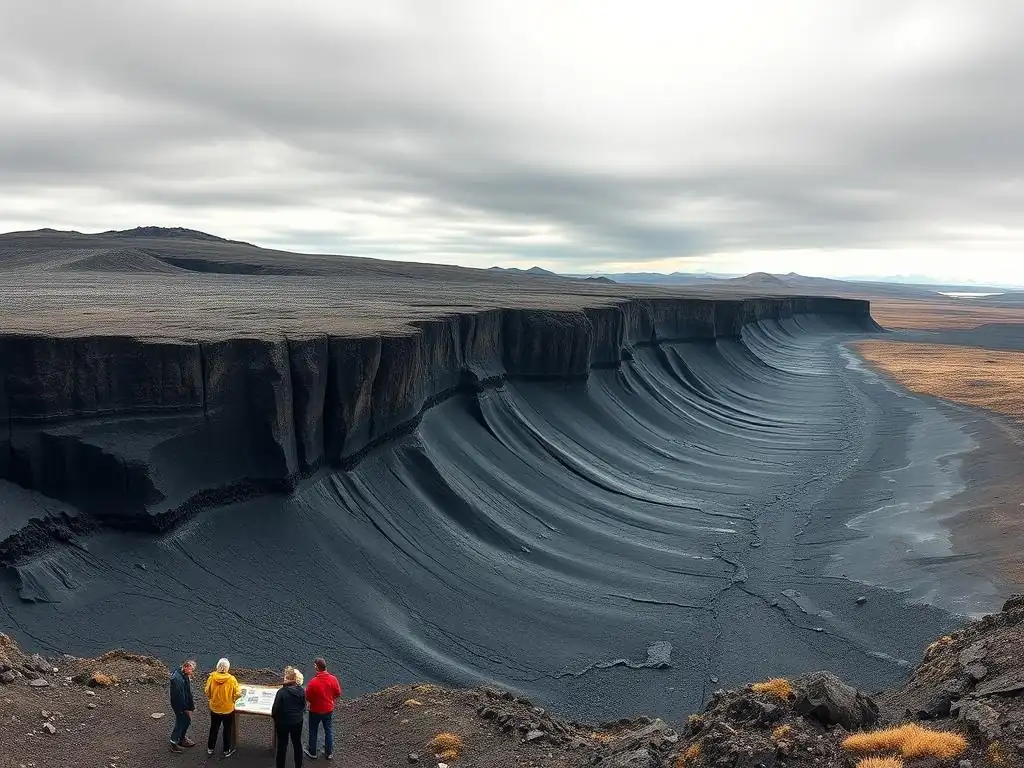
Today, Lakagígar is a popular destination for visitors to Iceland, offering a starkly beautiful and historically significant volcanic landscape. Reaching Lakagígar requires travel through the Icelandic highlands, typically accessible during the summer months (June-September) by 4x4 vehicles due to unpaved roads and river crossings. Guided tours are often recommended, both for navigating the challenging terrain and for gaining a deeper understanding of the area's volcanic history and ecological significance.
Visitors to Lakagígar can expect to see the dramatic chain of volcanic craters stretching across the landscape, remnants of the 1783-1784 eruption. The area is characterized by vast lava fields covered in moss and lichen, showcasing the slow process of ecological recovery in volcanic environments. Hiking trails wind through the craters and lava fields, allowing visitors to explore the volcanic features up close and to appreciate the scale of the eruption.
The landscape is both desolate and awe-inspiring, a testament to the raw power of volcanic forces and the resilience of nature. Facilities at Lakagígar are minimal, reflecting its remote location and protected status, so visitors should be prepared with appropriate clothing, footwear, and supplies.
Memorials and Cultural Significance: Remembering the Tragedy
While Lakagígar is a site of natural beauty, it is also a place of remembrance, carrying significant cultural weight for Icelanders. There are no grand monuments at Lakagígar itself, but the landscape serves as a natural memorial to the devastating eruption and its consequences. The starkness of the volcanic terrain, the vastness of the lava fields, and the knowledge of the historical tragedy are all deeply evocative, prompting reflection on the power of nature and the vulnerability of human societies.
The memory of the "Mist Hardships" is embedded in Icelandic culture and historical consciousness. Oral traditions, folk tales, and historical accounts keep the story of the Laki eruption alive across generations. In Icelandic literature and art, the eruption often serves as a symbol of hardship, resilience, and the enduring relationship between Icelanders and their volcanic environment.
Museums and historical centers in Iceland feature exhibits on the Laki eruption, educating visitors about its scientific, environmental, and societal impacts. Lakagígar, therefore, is not just a tourist destination but a place of profound cultural significance, reminding Icelanders and visitors alike of the powerful forces that have shaped the island and its history.
The Laki Fissure in Literature and Historical Accounts
The Laki fissure eruption and its aftermath have been documented in numerous historical accounts and have also found their way into literature, reflecting the event's profound impact on both contemporary observers and later generations. Contemporary historical accounts, such as the detailed records kept by Reverend Jón Steingrímsson, provide firsthand descriptions of the eruption, the spread of the haze, and the unfolding famine in Iceland. Steingrímsson's writings, often referred to as "Fires of the Earth" (Eldmessa), are a crucial primary source for understanding the Laki eruption from an Icelandic perspective.
Beyond Iceland, accounts of the "Laki haze" and its effects appear in European scientific journals, newspapers, and personal correspondence from the late 18th century. These sources offer insights into the eruption's transboundary impacts and the perceptions of contemporaries in different parts of Europe.
In literature, the Laki eruption has served as inspiration for various works, both fiction and non-fiction, exploring themes of natural disaster, societal resilience, and the relationship between humanity and the environment. While not as widely represented in popular culture as some other volcanic eruptions, the Laki fissure and its story continue to resonate in historical and literary narratives, serving as a powerful example of the complex interplay between volcanic events, human societies, and cultural memory.
Lessons Learned from Laki: Preparedness and Mitigation
Improving Volcanic Hazard Assessments and Early Warning Systems
The Laki eruption, with its devastating and far-reaching consequences, has provided invaluable lessons for improving volcanic hazard assessments and early warning systems globally. One key lesson is the importance of understanding not just explosive volcanic hazards but also the hazards associated with effusive eruptions and volcanic gas emissions. Laki demonstrated that even a relatively non-explosive eruption can have catastrophic impacts due to the release of massive quantities of volcanic gases, particularly sulfur dioxide and hydrogen fluoride. Modern volcanic hazard assessments now incorporate the potential for gas hazards alongside traditional assessments of ashfall, lava flows, and pyroclastic flows.
Early warning systems have also evolved significantly since the time of the Laki eruption. Modern volcano monitoring networks utilize sophisticated instruments to detect pre-eruptive signals, such as seismic activity, ground deformation, and changes in gas emissions. Real-time monitoring data allows volcanologists to detect volcanic unrest and to issue timely warnings to at-risk communities.
The Laki eruption underscores the need for robust monitoring networks, effective communication of warnings, and preparedness planning to mitigate the impacts of volcanic eruptions, particularly in regions vulnerable to volcanic gas hazards. The lessons from Laki have contributed to a more comprehensive and proactive approach to volcanic hazard management worldwide.
Strategies for Mitigating the Impacts of Volcanic Ash and Gases
Mitigating the impacts of volcanic ash and gases, as exemplified by the Laki eruption, requires a multi-faceted approach encompassing pre-eruption preparedness, eruption response, and post-eruption recovery strategies. For volcanic ash, mitigation strategies include public education campaigns to inform communities about ashfall hazards and protective measures, such as staying indoors, wearing masks, and protecting critical infrastructure. Aviation is particularly vulnerable to volcanic ash, and strategies for mitigating ash impacts on air travel include airspace closures, ash cloud detection and tracking, and engine design improvements.
Mitigating the impacts of volcanic gases, such as sulfur dioxide and hydrogen fluoride, is more challenging. For sulfur dioxide, strategies focus on monitoring gas emissions, forecasting haze dispersal, and providing public health advisories. For hydrogen fluoride, which poses a localized but severe threat, mitigation measures include livestock management strategies to reduce fluoride exposure, such as providing clean water and alternative feed sources.
Post-eruption recovery efforts focus on environmental remediation, agricultural support, and public health interventions to address the long-term consequences of volcanic ash and gas deposition. The lessons from Laki emphasize the need for integrated mitigation strategies that address the diverse hazards associated with volcanic eruptions and their far-reaching environmental and societal impacts.
Community Resilience and Disaster Preparedness: Learning from the Past
The Laki eruption and the "Mist Hardships" highlight the critical importance of community resilience and disaster preparedness in mitigating the impacts of volcanic disasters. Icelandic society, despite facing immense hardship during the Laki eruption, demonstrated remarkable resilience in the face of catastrophe. Community-based support networks, traditional coping mechanisms, and the gradual adaptation to the changed environment all contributed to Iceland's eventual recovery. Learning from the past, modern disaster preparedness strategies emphasize the importance of community engagement, local knowledge, and building social capital to enhance resilience.
Disaster preparedness planning includes developing evacuation plans, stockpiling emergency supplies, and establishing communication networks to ensure effective response during a volcanic crisis. Public education and awareness programs are crucial for empowering communities to understand volcanic hazards and to take appropriate actions to protect themselves.
Building community resilience also involves strengthening local economies, diversifying livelihoods, and fostering social cohesion to enhance the capacity to recover from disasters. The Laki eruption serves as a potent reminder that community resilience and proactive disaster preparedness are essential for minimizing the human cost of volcanic events and building safer, more sustainable societies in volcanically active regions.
The Laki Fissure: A Reminder of Volcanic Power
The Laki fissure stands as a powerful and enduring reminder of the immense power of volcanic forces and their capacity to reshape landscapes, alter climates, and profoundly impact human societies. The 1783-1784 eruption, a defining event in Icelandic and global history, serves as a crucial case study for understanding volcanic hazards, climate-volcano interactions, and the importance of disaster preparedness. The scale of the eruption, the duration of its impacts, and the far-reaching consequences underscore the need for continued research, monitoring, and mitigation efforts in volcanically active regions worldwide.
Lakagígar, the craters of Laki, remain a starkly beautiful yet somber landscape, a place of both scientific interest and historical reflection, urging us to learn from the past and to prepare for the volcanic future. The story of the Iceland Laki Fissure volcano facts is a story of devastation, resilience, and the enduring power of nature.
Frequently Asked Questions
What is the Laki Fissure and where is it located?
The Laki Fissure is a volcanic fissure located in southern Iceland. It is part of a larger volcanic system, Grímsvötn.
What makes the Laki eruption of 1783-1784 so notorious?
The Laki eruption is notorious for its devastating environmental and social consequences. It caused a widespread famine and resulted in a significant loss of life across Europe.
What were some of the specific environmental impacts of the Laki eruption?
The eruption released massive amounts of sulfur dioxide, causing acid rain and a global temperature drop. This led to crop failures and livestock deaths.
How do volcanologists study events like the Laki eruption today?
Volcanologists use geochemical analysis of lava flows and ice core data to understand the eruption's scale and impact. They also create computer models to simulate past and future eruptions.
What safety measures are in place today to mitigate the risks from future volcanic eruptions in Iceland, considering the Laki event?
Iceland has a robust volcanic monitoring system and evacuation plans. The country also invests in public education to prepare residents for potential volcanic hazards.
Final Reflection: Echoes of Laki, Lessons for Tomorrow
The eruption of the Laki fissure in 1783 remains a stark reminder of the raw power of nature and its devastating potential, a truth that resonates even more profoundly today as we grapple with the accelerating impacts of climate change. Understanding the Iceland Laki Fissure volcano facts is not just about historical curiosity; it's about recognizing the interconnectedness of our planet and the potential consequences of environmental disruption. The lessons learned from this catastrophic event are crucial for informing our present-day strategies for disaster preparedness and climate mitigation.
The shadow of Laki continues to stretch across the cultural and social landscape, not only in Iceland but globally. The sheer scale of the disaster, the long-term ecological damage, and the profound human suffering it caused serve as a constant, albeit often unspoken, warning. It underscores the fragility of our ecosystems and the importance of respecting the delicate balance of nature. The earth does not belong to us: we belong to the earth.
- Chief Seattle. This sentiment, echoed in the aftermath of Laki, reminds us that our actions have far-reaching consequences, and that stewardship, not exploitation, should guide our relationship with the planet.
As you reflect on the Iceland Laki Fissure volcano facts presented here, consider the implications for your own life and community. What steps can you take to become more informed about environmental risks and contribute to a more sustainable future? Let the memory of Laki inspire you to advocate for responsible environmental policies, support scientific research, and embrace a lifestyle that honors the delicate balance of our planet. The future depends on our collective commitment to learning from the past and acting with foresight and responsibility.
Okay, I'm ready to craft a Call to Action based on your specifications. Here's a CTA for an article titled "The Laki Fissure: A Deep Dive into Iceland's Most Notorious Volcanic Feature" on a website named "Volcano Explorers" with the domain "volcanoexplorers.org":
Unleash Your Inner Volcanologist: Experience Laki!
Thanks for journeying with us into the fascinating world of Laki! We hope this deep dive has ignited your passion for understanding Iceland's volcanic giants and their global impact. Now, it's time to take your exploration further!
Here's how you can continue your Laki adventure:
- Plan your own virtual expedition to Iceland's volcanic landscapes! Use online maps and resources to trace the Laki fissure and imagine the scale of the eruption.
- Research lesser-known volcanic events and share your discoveries in the comments. Contribute to our collective knowledge and inspire others to learn!
- Dive into the science: Explore the atmospheric effects of past eruptions, from volcanic fog to global temperature changes.
What surprised you most about the Laki eruption, and how has it changed your understanding of volcanism?