
Living with Fire: Embracing Resilience in VolcanoProne Communities

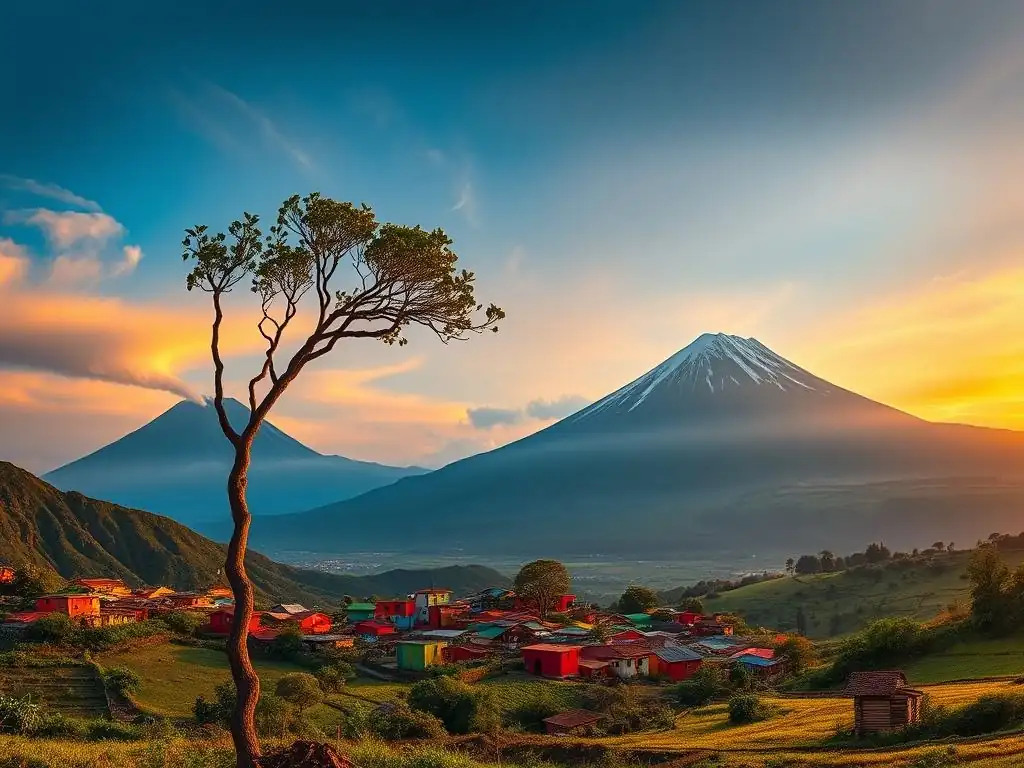
Welcome to Volcano Explorers!
Prepare to be captivated by the raw power and breathtaking beauty of volcanoes. But what does it really mean to coexist with these fiery giants? Dive into " Living with Fire" and discover the remarkable resilience of communities who call volcano-prone areas home. Uncover their secrets, learn from their experiences, and explore how they've learned not just to survive, but to thrive in the shadow of these magnificent, yet unpredictable, forces of nature. The journey begins now...
- Understanding the Challenges of Life Near Volcanoes
-
Frequently Asked Questions
- What does "resilience" mean in the context of living near volcanoes?
- What are some key strategies for building resilience in volcano-prone communities?
- How do volcanologists contribute to resilience efforts?
- What role does local culture play in resilience?
- Where can I find reliable information about volcano safety and real-time updates on volcanic activity?
- Final Reflection: The Enduring Spirit of Fire
- Ignite Your Inner Resilience: Take Action Now!
Understanding the Challenges of Life Near Volcanoes
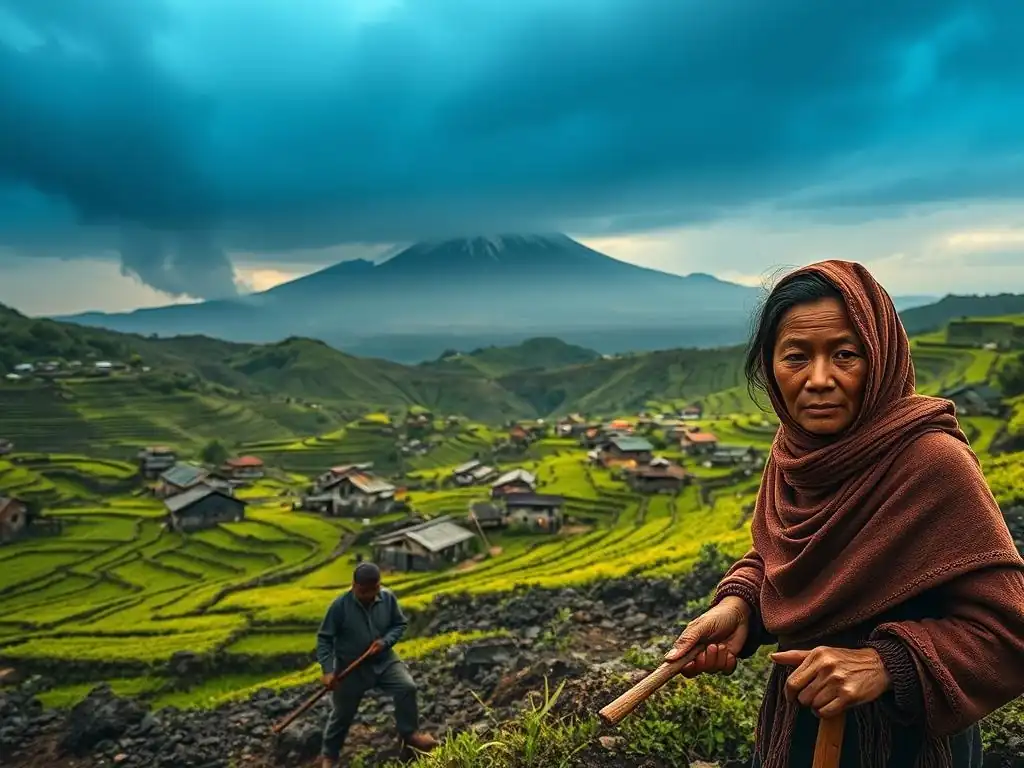
The Allure and Risks of Volcanic Landscapes
Volcanic landscapes, with their dramatic beauty and fertile soils, have historically attracted human settlement. The rich volcanic soil, formed from the weathering of volcanic ash and rock, is incredibly fertile and supports thriving agriculture. For example, the slopes of Mount Etna in Sicily, Italy, are renowned for their vineyards and citrus groves, producing high-quality wines and fruits due to the nutrient-rich volcanic soil.
Furthermore, geothermal energy, a direct benefit of volcanic activity, offers a sustainable energy source, as seen in Iceland where geothermal power plants provide a significant portion of the nation's energy needs. This natural energy source can drive local economies and reduce reliance on fossil fuels.
However, this proximity to volcanic activity comes at a significant risk. Volcanoes are inherently unpredictable and capable of unleashing devastating forces. The same processes that create fertile lands and geothermal energy also pose threats in the form of eruptions, lava flows, ashfall, pyroclastic flows, lahars (volcanic mudflows), and volcanic gas emissions.
The eruption of Mount Vesuvius in 79 AD, which buried Pompeii and Herculaneum, serves as a stark reminder of the destructive potential of volcanoes and the vulnerability of communities living nearby. Even smaller, less explosive eruptions can disrupt livelihoods and infrastructure, highlighting the constant need for preparedness and resilience in these regions.
Specific Hazards Faced by Communities in Volcano-Prone Areas: [Ashfall, Lahars, Pyroclastic Flows, Volcanic Gases]
Volcano-prone communities face a diverse range of hazards, each presenting unique challenges. Ashfall, while seemingly less dramatic than lava flows, can cause widespread disruption. A significant ashfall event, like the 2010 eruption of Eyjafjallajökull in Iceland, grounded air traffic across Europe for days, causing economic losses estimated in the billions of dollars. Beyond aviation, ashfall can contaminate water supplies, damage crops, collapse roofs of buildings due to its weight, and cause respiratory problems in humans and animals. The fine particles can penetrate machinery, causing abrasion and failure, impacting everything from vehicles to power plants.
Lahars, or volcanic mudflows, are another major threat. These fast-moving flows of water, rock, and volcanic debris can travel down river valleys at speeds exceeding 50 kilometers per hour, destroying everything in their path. The 1985 Nevado del Ruiz eruption in Colombia triggered a lahar that devastated the town of Armero, resulting in over 25,000 fatalities. Lahars can occur even during relatively small eruptions or heavy rainfall on volcanic slopes, posing a constant and often underestimated danger to communities downstream.
Pyroclastic flows, superheated mixtures of gas and volcanic debris traveling at hurricane speeds, are perhaps the most lethal volcanic hazard. These flows are extremely hot, reaching temperatures of hundreds of degrees Celsius, and can incinerate and bury everything in their path. The destruction of Pompeii and Herculaneum by pyroclastic flows from Vesuvius vividly illustrates their devastating power.
Finally, volcanic gases, such as sulfur dioxide, carbon dioxide, and hydrogen sulfide, can pose both immediate and long-term health risks. In 1986, a lethal release of carbon dioxide from Lake Nyos in Cameroon, triggered by volcanic activity, suffocated over 1,700 people in nearby villages. Chronic exposure to volcanic gases can also lead to respiratory illnesses and acid rain, impacting agriculture and infrastructure over extended periods.
Socio-Economic Impacts of Volcanic Activity
The socio-economic impacts of volcanic activity are far-reaching and can significantly hinder development in affected regions. Beyond the immediate destruction and loss of life, volcanic eruptions can cause long-term economic disruption. Agriculture, a vital sector in many volcano-prone areas due to fertile soils, is highly vulnerable to ashfall, lahars, and acid rain.
Crop yields can be drastically reduced, and livestock can be killed or injured, leading to food shortages and economic hardship. For instance, after the 1991 eruption of Mount Pinatubo in the Philippines, agricultural losses were estimated at hundreds of millions of dollars, severely impacting the livelihoods of farmers in the region.
Tourism, another important economic sector in many volcanic areas due to the scenic beauty and geothermal features, can also be severely affected. Eruptions can lead to travel restrictions, damage to infrastructure, and a decline in visitor numbers, resulting in significant revenue losses for local businesses and communities. The uncertainty and fear associated with volcanic activity can also deter investment and long-term economic planning.
Rebuilding infrastructure, relocating communities, and providing long-term support for affected populations place a significant strain on national and local economies. The psychological trauma and social disruption caused by volcanic disasters can further hinder recovery and development, emphasizing the need for comprehensive resilience strategies that address not only the physical but also the social and economic dimensions of living with volcanoes.
Frequently Asked Questions
What does "resilience" mean in the context of living near volcanoes?
Resilience in volcano-prone areas refers to the ability of a community to withstand and recover from volcanic eruptions and their impacts. It involves adapting infrastructure, social structures, and individual behaviors to minimize damage and ensure a swift return to normalcy.
What are some key strategies for building resilience in volcano-prone communities?
Key strategies include implementing effective early warning systems, developing comprehensive evacuation plans, and investing in volcano-resistant infrastructure. Education and community preparedness programs are also essential.
How do volcanologists contribute to resilience efforts?
Volcanologists play a crucial role by monitoring volcanic activity, providing scientific data for risk assessment, and communicating potential hazards to communities and authorities.
What role does local culture play in resilience?
Local culture often incorporates traditional knowledge and practices related to living with volcanoes. This can include building techniques, agricultural strategies, and community support systems that enhance resilience.
Where can I find reliable information about volcano safety and real-time updates on volcanic activity?
You can find reliable information on websites like VolcanoExplorers.org, which offers safety guides, evacuation tips, and real-time updates on volcanic activity worldwide. Always consult official government sources as well.
Final Reflection: The Enduring Spirit of Fire
The narratives shared throughout this article highlight the profound and unwavering resilience in volcano-prone areas. These communities, facing constant reminders of nature's raw power, demonstrate an extraordinary ability to adapt, rebuild, and thrive. Their stories are not just tales of survival; they are testaments to the human spirit's capacity to find hope and strength in the face of adversity, a lesson profoundly relevant in our increasingly unpredictable world.
This enduring spirit has not only shaped the cultural identity of these communities but also offers invaluable lessons for navigating challenges in any context. Witnessing their unwavering commitment to place, even amidst constant threat, has profoundly impacted my understanding of community and the power of collective action. The human spirit is like a volcano; it can be suppressed, but it cannot be destroyed.
- Unknown. This quote encapsulates the indomitable will that defines these communities and serves as a powerful reminder of our own potential for resilience.
As you reflect on the stories shared, consider how you can cultivate a similar spirit of resilience in your own life. Embrace the lessons of adaptation, community, and unwavering hope. Let the enduring spirit of those living with fire inspire you to face your own challenges with courage, determination, and an unwavering belief in your ability to not just survive, but to thrive.
Ignite Your Inner Resilience: Take Action Now!
Thank you for exploring the inspiring stories of resilience from communities living near volcanoes. We hope you've gained a deeper understanding of how these individuals thrive despite the challenges they face. Now, it's your turn to translate that inspiration into action.
Here are a few ways you can help:
- Share your knowledge: Learn more about volcano preparedness and mitigation strategies using the resources on our website, and share this vital information with your friends and family. This is a crucial step in honoring the resilience you've just read about.
- Support vital research: Discover fascinating insights into current volcanic activity and ongoing research on our website.
- Donate to support affected communities: Consider donating to local disaster relief organizations assisting communities impacted by volcanic eruptions. Every contribution, no matter the size, makes a difference.
What small step will you take today to foster resilience in your own life and community, inspired by these incredible stories? We'd love to hear your thoughts in the comments below!