
The Bureaucracy of Blast Zones: Working with Authorities on Volcano Plans

Welcome to Volcano Explorers!
Ever wondered how scientists and local authorities work together to protect communities from the fiery breath of a volcano? Prepare to uncover the complex world of volcano safety planning guidelines. This isn't just about emergency kits; it's about navigating the bureaucracy of blast zones. Are you ready to delve into The Bureaucracy of Blast Zones: Working with Authorities on Volcano Plans and learn how safety measures are forged in the face of unpredictable power? Let's explore.
- Volcano Hazard Preparedness: Collaborating with Authorities for Community Resilience
- Understanding Volcano Hazards and Risk Assessment
- Establishing Communication and Coordination with Authorities
- Developing Comprehensive Volcano Emergency Response Plans
- Navigating Regulatory Frameworks and Compliance
- Community Engagement and Education
- Case Studies: Collaborative Volcano Preparedness Initiatives
- Addressing Challenges in Volcano Emergency Preparedness
- Conclusion: Building Resilient Communities Through Collaborative Preparedness
-
Frequently Asked Questions
- How can VolcanoExplorers.org help me understand the basics of volcano safety?
- What resources does VolcanoExplorers.org offer for those living near active volcanoes?
- What is the main focus of the article "The Bureaucracy of Blast Zones: Working with Authorities on Volcano Plans"?
- How can I use VolcanoExplorers.org to develop my own volcano safety planning guidelines?
- Why is it important to involve local authorities when creating volcano safety plans?
- Final Reflection: Embracing Preparedness in the Shadow of Giants
- Ignite Your Inner Explorer: Plan Your Volcanic Adventure Now!
Understanding Volcano Hazards and Risk Assessment
Identifying Potential Hazards: Lava Flows, Ashfall, Lahars, and Pyroclastic Flows
Volcanoes present a complex array of hazards that can impact communities, necessitating robust volcano safety planning guidelines. Lava flows, while often slow-moving, can incinerate everything in their path, destroying infrastructure and altering landscapes permanently. For instance, the 2021 Cumbre Vieja eruption in La Palma, Spain, witnessed lava flows engulfing over 2,900 buildings and covering approximately 1,200 hectares of land, highlighting the devastating potential even of effusive eruptions.
Ashfall, composed of fine fragments of volcanic rock and glass, can blanket vast areas, disrupting air travel, contaminating water supplies, collapsing roofs due to its weight, and causing respiratory problems. The 2010 eruption of Eyjafjallajökull in Iceland, though relatively small in terms of explosivity, grounded air traffic across Europe for days due to ashfall, costing the airline industry an estimated \$1.7 billion.
Lahars, volcanic mudflows or debris flows, are among the most dangerous volcanic hazards. These flows are mixtures of water, rock, sand, and silt that travel down river valleys at high speeds, capable of destroying bridges, burying towns, and causing widespread fatalities. The 1985 Nevado del Ruiz eruption in Colombia tragically demonstrated the power of lahars, killing over 25,000 people in the town of Armero when a lahar generated by melting summit glaciers swept down upon it.
Pyroclastic flows, fast-moving currents of hot gas and volcanic debris, are perhaps the most lethal volcanic phenomena. Reaching temperatures of up to 700°C (1300°F) and speeds exceeding 700 km/h (450 mph), they incinerate and obliterate everything in their path.
The 1902 eruption of Mount Pelée on the island of Martinique produced a pyroclastic flow that destroyed the city of Saint-Pierre in minutes, killing an estimated 30,000 people. Understanding these diverse hazards is the first step in effective volcano safety planning.
Assessing Vulnerability: Population Density, Infrastructure, and Critical Facilities
Effective volcano safety planning guidelines necessitate a thorough assessment of community vulnerability. Population density is a primary factor; areas with higher populations in proximity to active volcanoes face greater risk. For example, the area around Mount Vesuvius in Italy, which includes the densely populated city of Naples, is home to over three million people living in close proximity to a highly active volcano, representing a significant vulnerability.
Infrastructure vulnerability encompasses buildings, transportation networks, and utilities. Critical infrastructure, such as hospitals, power plants, communication networks, and emergency services, requires special attention due to their essential role in disaster response and community resilience. The disruption or destruction of critical facilities can severely hamper emergency efforts and prolong recovery.
Beyond physical infrastructure, social and economic vulnerabilities must also be considered. Socioeconomic factors like poverty, age, and disability can significantly impact a community's ability to prepare for, respond to, and recover from a volcanic eruption. Marginalized communities often have limited resources and access to information, making them disproportionately vulnerable. A comprehensive vulnerability assessment considers not only the physical exposure to volcanic hazards but also the social fabric and economic dependencies of the community. This holistic approach ensures that volcano safety planning guidelines are equitable and effective for all residents, particularly those most at risk.
Risk Mitigation Strategies: Land-Use Planning, Infrastructure Reinforcement, and Early Warning Systems
Mitigating volcanic risk requires a multi-faceted approach, and volcano safety planning guidelines should integrate various strategies. Land-use planning is a crucial long-term mitigation measure. Zoning regulations can restrict development in high-hazard zones, directing new construction to safer areas.
For instance, communities near Mount Rainier in Washington State, USA, have implemented land-use policies that limit development in known lahar pathways, reducing potential future losses. Infrastructure reinforcement involves designing and constructing buildings and critical facilities to withstand volcanic hazards. This can include strengthening roofs to bear the weight of ashfall, elevating structures in lahar-prone areas, or burying utility lines to protect them from pyroclastic flows and lava flows.
Early warning systems (EWS) are vital for minimizing casualties during volcanic eruptions. Effective EWS rely on continuous monitoring of volcanic activity using seismometers, gas sensors, deformation measurements, and visual observations. When monitoring data indicates an impending eruption, timely warnings can be issued to the public, allowing for evacuation and other protective measures.
The success of the Pinatubo eruption warning in the Philippines in 1991, which saved thousands of lives through timely evacuation based on scientific monitoring and alerts, underscores the importance of robust EWS as a cornerstone of volcano safety planning guidelines. These three strategies – land-use planning, infrastructure reinforcement, and early warning systems – work synergistically to reduce volcanic risk and enhance community resilience.
Building Relationships with Geological Surveys and Emergency Management Agencies
Effective volcano safety planning guidelines hinge on strong relationships between communities and relevant authorities. Geological surveys, such as the U.S. Geological Survey (USGS) Volcano Hazards Program or the Japan Meteorological Agency (JMA), play a crucial role in monitoring volcanoes, assessing hazards, and providing scientific expertise. Building open communication channels with these agencies ensures access to the latest scientific data, hazard assessments, and eruption forecasts.
Regular meetings, workshops, and joint field exercises can foster trust and understanding between community leaders and scientists. For example, in areas around active volcanoes in Iceland, close collaboration between the Icelandic Meteorological Office and local municipalities is paramount for effective hazard communication and preparedness.
Emergency management agencies, at local, regional, and national levels, are responsible for coordinating disaster response and implementing emergency plans. Establishing strong partnerships with these agencies is essential for integrating volcano safety planning guidelines into broader emergency management frameworks. This includes collaborating on developing evacuation plans, establishing communication protocols, and conducting joint training exercises.
Sharing local knowledge and community-specific needs with emergency managers ensures that response plans are tailored and effective. For instance, in the Cascade Range of the Pacific Northwest in the USA, close coordination between the USGS and state and county emergency management agencies is vital for preparing for potential eruptions from volcanoes like Mount St. Helens and Mount Rainier.
Coordinating with Local, Regional, and National Government Officials
Volcano safety planning guidelines require seamless coordination across different levels of government. Local government officials are often the first responders and are intimately familiar with community needs and vulnerabilities. Engaging them in the planning process ensures that plans are locally relevant and address specific community concerns. Regional government involvement is crucial for coordinating resources and support across multiple communities that may be affected by a large-scale volcanic event. National government agencies often provide funding, technical expertise, and overall strategic guidance for volcano preparedness efforts.
Effective coordination involves establishing clear roles and responsibilities for each level of government in volcano safety planning guidelines and emergency response. Regular inter-agency meetings, joint planning committees, and shared communication platforms can facilitate seamless collaboration. For example, in Italy, the National Civil Protection Department coordinates volcano monitoring and emergency response efforts across the country, working closely with regional and local authorities to ensure a unified and effective approach. This multi-level coordination is essential for mobilizing resources, disseminating information, and ensuring a cohesive response during a volcanic crisis.
Engaging with Volcanologists and Scientific Experts for Monitoring and Forecasting
Volcano safety planning guidelines must be informed by the best available scientific expertise. Volcanologists and other scientific experts are crucial for monitoring volcanic activity, interpreting data, and providing eruption forecasts. Engaging with these experts ensures that planning is based on the most current scientific understanding of volcanic hazards. Communities should establish ongoing relationships with volcanological observatories and research institutions to access scientific expertise and support. This can involve inviting volcanologists to community meetings, participating in scientific workshops, and supporting local volcano monitoring efforts.
Scientific expertise is particularly vital for developing realistic eruption scenarios and hazard maps, which are fundamental tools for volcano safety planning guidelines. Volcanologists can provide insights into the likely types, magnitudes, and locations of future eruptions, allowing communities to prepare for specific hazards.
Regular communication with scientific experts allows for updates on volcanic activity, refinement of hazard assessments, and adjustments to emergency plans based on the evolving scientific understanding. For instance, communities around Mount Ruapehu in New Zealand benefit from close collaboration with GNS Science, New Zealand's geological survey, which provides continuous monitoring and scientific advice to inform volcano preparedness efforts.
Developing Comprehensive Volcano Emergency Response Plans
Defining Evacuation Procedures and Routes Based on Hazard Zones
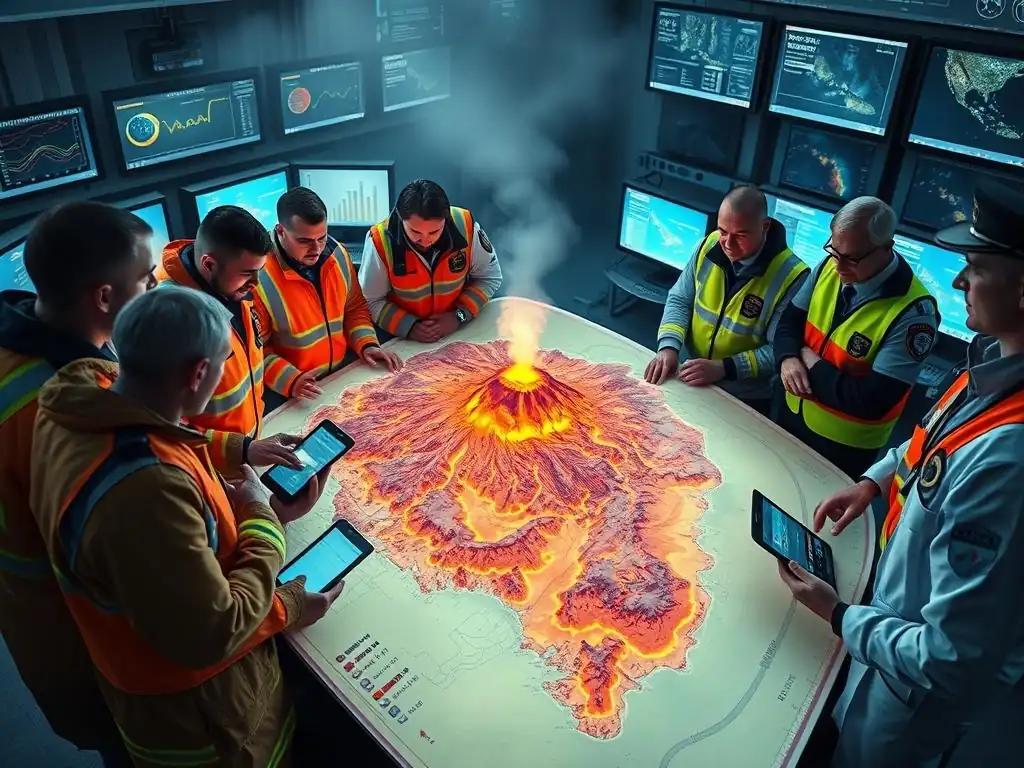
Comprehensive volcano safety planning guidelines necessitate well-defined evacuation procedures. Evacuation plans must be based on detailed hazard maps that delineate different risk zones for various volcanic hazards like lava flows, pyroclastic flows, lahars, and ashfall. These hazard zones should inform the prioritization and staging of evacuations, with areas facing the highest and most immediate threats evacuated first. Evacuation routes should be clearly marked, regularly maintained, and designed to accommodate the anticipated volume of evacuees. Routes should avoid known hazard pathways, such as river valleys prone to lahars, and consider potential road closures due to ashfall or other hazards.
Evacuation procedures should be practiced regularly through drills and exercises to ensure community familiarity and identify potential bottlenecks or logistical challenges. Different evacuation strategies may be needed depending on the type of volcanic activity and the time available for evacuation. For rapid-onset hazards like pyroclastic flows, immediate evacuation from high-risk zones is critical.
For slower-onset hazards like lava flows, phased evacuations may be possible, allowing for more time for preparation and resource mobilization. Clear and concise communication of evacuation orders, routes, and procedures to the public is paramount for effective evacuation and minimizing casualties, a key component of volcano safety planning guidelines.
Establishing Shelter Locations and Resource Distribution Networks
Volcano safety planning guidelines must include provisions for adequate shelter and resource distribution for evacuees. Pre-identified shelter locations should be outside of designated hazard zones and capable of accommodating a significant number of people. Shelters should be equipped with essential supplies such as water, food, first aid, bedding, and sanitation facilities. Existing public buildings like schools, community centers, and sports arenas can often be adapted for use as shelters. Agreements with neighboring communities or regions to provide additional shelter capacity may be necessary for large-scale evacuations.
Resource distribution networks need to be established to ensure timely and equitable delivery of essential supplies to shelters and evacuees. This includes planning for the procurement, storage, and transportation of resources like food, water, medical supplies, and hygiene items. Logistics plans should consider potential disruptions to transportation routes and supply chains due to volcanic hazards. Volunteer coordination and management are also crucial for efficient shelter operations and resource distribution. Clear protocols for managing shelters, distributing resources, and addressing the needs of vulnerable populations within shelters are essential components of effective volcano safety planning guidelines.
Creating Communication Protocols for Public Alerts and Information Dissemination
Effective volcano safety planning guidelines rely on robust communication protocols for public alerts and information dissemination. Multiple communication channels should be utilized to reach the widest possible audience, including radio, television, internet, mobile phone alerts, social media, and community loudspeakers. Alert messages need to be clear, concise, and easily understood by the public, providing specific instructions on what actions to take, such as evacuation routes, shelter locations, and safety precautions. Pre-scripted alert messages in multiple languages may be necessary in diverse communities.
Information dissemination should be ongoing throughout a volcanic crisis, providing regular updates on volcanic activity, hazard assessments, evacuation orders, shelter information, and safety advice. Designated spokespersons from relevant authorities, such as geological surveys and emergency management agencies, should be responsible for communicating official information to the public and media. Combating misinformation and rumors is crucial during a volcanic crisis, and clear, consistent, and credible communication from trusted sources is essential for maintaining public trust and ensuring effective response, all elements considered in volcano safety planning guidelines.
Understanding Land-Use Regulations in Volcanically Active Areas
Volcano safety planning guidelines must operate within the framework of existing land-use regulations in volcanically active areas. These regulations, often established at local, regional, or national levels, aim to control development in hazard-prone zones and minimize risk. Understanding these regulations is crucial for community planning and development decisions. Regulations may include zoning restrictions that prohibit or limit certain types of construction in high-hazard areas, building codes that require structures to be designed to withstand volcanic hazards, and restrictions on infrastructure development in vulnerable locations.
Compliance with land-use regulations is essential for ensuring community safety and reducing long-term volcanic risk. Communities need to actively engage in the development and enforcement of these regulations, ensuring they are effective, equitable, and reflect the best available scientific understanding of volcanic hazards. Public awareness campaigns can educate residents and developers about land-use regulations and the importance of adhering to them. Effective volcano safety planning guidelines should actively promote compliance with and, where necessary, advocate for the strengthening of land-use regulations in volcanically active areas.
Obtaining Permits for Emergency Response Infrastructure and Activities
Volcano safety planning guidelines must consider the need for permits for emergency response infrastructure and activities. During a volcanic crisis, rapid deployment of emergency infrastructure, such as temporary shelters, communication systems, and evacuation routes, may be necessary. Obtaining permits for these activities, particularly in areas with environmental or land-use restrictions, can be a time-consuming bureaucratic process. Pre-planning and streamlining permit processes for emergency response activities are crucial for ensuring timely and effective response.
Establishing pre-agreements with relevant permitting agencies can expedite the process of obtaining necessary approvals during a volcanic emergency. Identifying potential locations for temporary infrastructure and securing pre-approvals for their use can significantly reduce delays during response operations. Volcano safety planning guidelines should include protocols for navigating permit requirements for emergency response infrastructure and activities, ensuring compliance while minimizing bureaucratic hurdles that could impede rapid response.
Ensuring Compliance with Environmental Regulations During Response and Recovery
Volcano safety planning guidelines must also address compliance with environmental regulations during response and recovery phases. Volcanic eruptions can have significant environmental impacts, including ashfall deposition, water contamination, and habitat destruction. Emergency response and recovery activities, if not carefully managed, can further exacerbate these environmental impacts. Compliance with environmental regulations is crucial for minimizing the ecological footprint of response and recovery efforts and ensuring long-term environmental sustainability.
Environmental considerations should be integrated into all phases of volcano safety planning guidelines, from pre-eruption preparedness to post-eruption recovery. This includes developing protocols for managing volcanic waste, minimizing water pollution, protecting sensitive ecosystems, and restoring damaged environments. Coordination with environmental agencies is essential for ensuring compliance with relevant regulations and implementing environmentally sound response and recovery practices. Sustainable recovery efforts that prioritize environmental protection are integral to building long-term community resilience in volcanically active areas.
Community Engagement and Education
Holding Public Forums and Workshops on Volcano Hazards and Safety
Effective volcano safety planning guidelines are fundamentally reliant on community engagement and education. Public forums and workshops are valuable platforms for raising awareness about volcano hazards and promoting preparedness. These events provide opportunities for residents to learn about the specific volcanic risks they face, understand early warning systems, and practice evacuation procedures. Forums and workshops should be interactive, engaging, and tailored to the specific needs and interests of the community.
Inviting volcanologists, emergency managers, and other experts to present at public forums and workshops enhances credibility and provides access to authoritative information. These events can also serve as platforms for gathering community input, addressing concerns, and fostering a sense of shared responsibility for volcano safety. Regularly scheduled forums and workshops, conducted in accessible locations and at convenient times, are essential for maintaining community awareness and preparedness levels, core components of volcano safety planning guidelines.
Developing Educational Materials Tailored to Local Contexts
Generic educational materials on volcano safety may not be as effective as materials tailored to the specific local context. Volcano safety planning guidelines should include the development of educational materials that are relevant to the specific volcanic hazards, community vulnerabilities, and cultural context of the area. This includes hazard maps specific to the local volcano, information on local evacuation routes and shelter locations, and culturally appropriate messaging.
Educational materials should be developed in multiple formats to cater to diverse learning styles and accessibility needs, including brochures, posters, videos, websites, and social media content. Materials should be available in languages spoken within the community. Collaboration with local schools, community organizations, and media outlets can enhance the reach and effectiveness of educational campaigns. Tailored educational materials empower residents to understand their risks and take proactive steps to enhance their safety, a key aspect of effective volcano safety planning guidelines.
Empowering Residents to Participate in Drills and Preparedness Activities
Empowering residents to actively participate in drills and preparedness activities is crucial for building community resilience. Volcano safety planning guidelines should incorporate regular drills and exercises that simulate different eruption scenarios, allowing residents to practice evacuation procedures, test communication systems, and familiarize themselves with shelter locations. Drills should be designed to be realistic and engaging, involving all segments of the community, including schools, businesses, and vulnerable populations.
Community-based preparedness activities, such as neighborhood emergency response teams and volunteer programs, can further empower residents to take ownership of their safety. Providing training and resources to community volunteers enables them to play a vital role in pre-eruption preparedness, emergency response, and post-eruption recovery. Active community participation in drills and preparedness activities fosters a culture of safety, enhances community cohesion, and strengthens overall resilience to volcanic hazards, all outcomes supported by comprehensive volcano safety planning guidelines.
Case Studies: Collaborative Volcano Preparedness Initiatives
Mount Rainier, USA: USGS Coordination with Local Communities
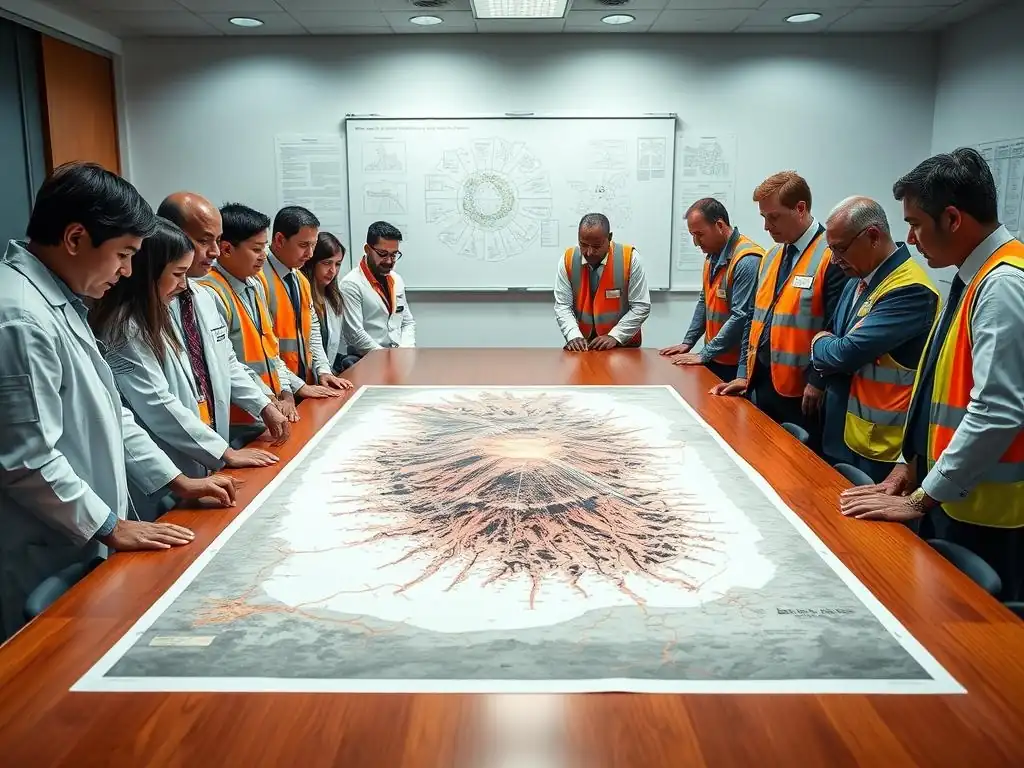
Mount Rainier, a highly active volcano in Washington State, USA, poses significant lahar risk to surrounding communities, including densely populated areas near Tacoma and Puyallup. A notable example of collaborative volcano preparedness is the long-standing partnership between the USGS Volcano Hazards Program and local communities around Mount Rainier. The USGS provides continuous monitoring of Mount Rainier, conducts hazard assessments, and develops lahar inundation maps. This scientific information is then directly utilized by Pierce and King Counties emergency management agencies to develop and implement volcano safety planning guidelines and emergency response plans.
The USGS and local agencies conduct joint public education campaigns, including the distribution of lahar awareness brochures, presentations at community meetings, and the operation of the Mount Rainier Volcano Lahar Detection System. This system provides real-time warnings of lahars traveling down river valleys, giving downstream communities valuable time to evacuate. Regular drills and exercises, involving the USGS, emergency managers, and community members, are conducted to test evacuation plans and communication protocols. This sustained collaboration between scientific experts and local communities around Mount Rainier serves as a model for effective volcano safety planning guidelines through partnership.
Sakurajima, Japan: Community-Based Evacuation Planning
Sakurajima, an active volcano in Kagoshima Bay, Japan, experiences frequent explosive eruptions and poses a continuous threat to the city of Kagoshima. Sakurajima showcases a strong example of community-based evacuation planning integrated into volcano safety planning guidelines. Due to the frequent volcanic activity, residents of Sakurajima are highly aware of volcanic hazards and actively participate in preparedness efforts. Kagoshima City and local communities have developed detailed evacuation plans, including designated evacuation routes, shelter locations, and transportation arrangements.
Community drills and exercises are conducted regularly, involving all residents in practicing evacuation procedures. Local volunteer fire brigades and community associations play a crucial role in emergency response and community education. The Kagoshima Meteorological Observatory provides real-time monitoring of Sakurajima and issues warnings based on volcanic activity. Close communication and collaboration between the observatory, local government, and community organizations ensure that volcano safety planning guidelines are effectively implemented and continuously improved, reflecting a strong community ownership of preparedness.
Lessons Learned: Best Practices for Effective Collaboration and Communication
Analyzing case studies like Mount Rainier and Sakurajima reveals key best practices for effective collaboration and communication in volcano safety planning guidelines. Sustained and long-term partnerships between scientific agencies, emergency management agencies, and local communities are crucial. Open and transparent communication channels are essential for sharing scientific information, hazard assessments, and emergency plans. Regular joint exercises and drills build familiarity, test plans, and identify areas for improvement.
Community engagement and ownership are vital for ensuring that plans are locally relevant and effectively implemented. Tailoring communication and education materials to the specific local context enhances understanding and promotes proactive behavior. Utilizing multiple communication channels ensures that alerts and information reach all segments of the community. Continuous review and adaptation of plans based on new scientific understanding, lessons learned from drills, and evolving community needs are essential for maintaining effective volcano safety planning guidelines and community resilience.
Addressing Challenges in Volcano Emergency Preparedness
Securing Funding for Monitoring, Research, and Preparedness Programs
Securing adequate and sustained funding is a significant challenge for volcano emergency preparedness, a critical aspect of implementing effective volcano safety planning guidelines. Volcano monitoring, research, and preparedness programs often compete with other societal priorities for limited public resources. Funding is needed for volcano observatories to maintain monitoring networks, conduct research on volcanic processes, develop hazard maps, and support community preparedness initiatives. Long-term financial commitment from governments and other stakeholders is essential for ensuring the sustainability of these programs.
Advocacy for increased funding for volcano preparedness requires demonstrating the cost-effectiveness of prevention and preparedness measures compared to the potentially catastrophic costs of volcanic disasters. Highlighting the economic and social benefits of investing in volcano safety planning guidelines, such as reduced casualties, property damage, and economic disruption, can strengthen the case for increased funding. Exploring diverse funding sources, including public-private partnerships and international collaborations, can also enhance financial sustainability.
Managing Risk Perception and Promoting Proactive Behavior
Managing risk perception and promoting proactive behavior within communities living near volcanoes is another significant challenge for volcano safety planning guidelines. Volcanic eruptions are infrequent events, and the perceived risk can diminish over time, leading to complacency and reduced preparedness levels. Effective risk communication strategies are needed to maintain public awareness of volcanic hazards and motivate proactive preparedness actions, even during periods of volcanic quiescence.
Risk communication should be tailored to different audiences, using clear, concise, and emotionally resonant messaging. Highlighting local examples of volcanic impacts and personalizing risk messages can increase public engagement. Community leaders, trusted messengers, and peer-to-peer communication can be effective in promoting risk awareness and preparedness behaviors. Sustained and consistent risk communication efforts, integrated into volcano safety planning guidelines, are essential for combating complacency and fostering a culture of preparedness.
Adapting Plans to Changing Scientific Understanding and Eruption Scenarios
Volcano safety planning guidelines must be adaptable and flexible to accommodate changing scientific understanding and evolving eruption scenarios. Volcanic processes are complex and dynamic, and scientific knowledge about volcanoes is continuously advancing. New monitoring technologies, improved modeling techniques, and insights from past eruptions can refine hazard assessments and eruption forecasts. Emergency plans need to be regularly reviewed and updated to incorporate the latest scientific findings and adapt to potential changes in volcanic activity.
Scenario-based planning, which involves developing plans for a range of plausible eruption scenarios, can enhance flexibility and preparedness for unforeseen volcanic events. Regularly engaging with volcanologists and scientific experts ensures that planning is informed by the most current scientific understanding. Incorporating adaptive management principles into volcano safety planning guidelines allows for continuous improvement and refinement of plans in response to new information and changing circumstances, ensuring ongoing effectiveness.
Conclusion: Building Resilient Communities Through Collaborative Preparedness
Emphasizing the Importance of Long-Term Commitment and Investment
Building resilient communities in volcanically active areas requires a long-term commitment and sustained investment in volcano safety planning guidelines. Volcano preparedness is not a one-time project but an ongoing process that demands continuous effort, resources, and dedication. Long-term commitment is essential for maintaining monitoring networks, conducting ongoing research, supporting community education, and regularly updating emergency plans. Sustained investment in preparedness is a cost-effective strategy for reducing volcanic risk and protecting communities over the long term.
Long-term commitment also fosters a culture of safety and preparedness within communities. Consistent messaging, regular drills, and ongoing engagement build community awareness and reinforce proactive behaviors. This sustained effort creates a resilient social fabric capable of withstanding volcanic crises and recovering effectively. Emphasizing the long-term nature of volcano preparedness is crucial for ensuring sustained support and commitment from governments, communities, and other stakeholders.
Reinforcing the Role of Community Ownership in Preparedness Efforts
Community ownership is a cornerstone of effective volcano safety planning guidelines and building resilient communities. Preparedness efforts are most successful when communities are actively involved in planning, implementation, and maintenance. Community ownership fosters a sense of responsibility, empowers residents to take proactive steps, and ensures that plans are locally relevant and culturally appropriate. Engaging community leaders, organizations, and volunteers in all aspects of preparedness strengthens community capacity and enhances the effectiveness of volcano safety planning guidelines.
Community ownership also promotes sustainability. When communities are invested in preparedness efforts, they are more likely to maintain those efforts over time, ensuring long-term resilience. Empowering communities to lead preparedness initiatives builds local capacity and reduces reliance on external support. Reinforcing the role of community ownership is essential for creating truly resilient communities that are prepared for and can effectively respond to volcanic hazards.
Looking Ahead: Strengthening Global Capacity for Volcano Risk Reduction
Looking ahead, strengthening global capacity for volcano risk reduction is essential for protecting vulnerable communities worldwide. Volcanic hazards are a global issue, and many developing countries with active volcanoes lack the resources and expertise needed for effective preparedness. International collaboration, knowledge sharing, and capacity building are crucial for addressing this global challenge. Sharing best practices in volcano safety planning guidelines, monitoring technologies, risk communication strategies, and community engagement can enhance preparedness globally.
International organizations, scientific institutions, and donor agencies can play a vital role in supporting volcano risk reduction efforts in developing countries. Providing technical assistance, training programs, and financial resources can strengthen local capacity and improve volcano safety planning guidelines worldwide. Strengthening global capacity for volcano risk reduction is a collective responsibility that requires international cooperation and a shared commitment to protecting communities from volcanic hazards and building a safer and more resilient world.
Frequently Asked Questions
How can VolcanoExplorers.org help me understand the basics of volcano safety?
VolcanoExplorers.org provides educational content on volcano types, eruption history, and volcanologist study methods. This allows you to understand the potential dangers posed by volcanoes.
What resources does VolcanoExplorers.org offer for those living near active volcanoes?
We offer safety guides and evacuation tips specifically designed for those living near active volcanoes. We also provide real-time updates on volcanic activity worldwide.
The article focuses on the importance of collaboration with authorities in developing effective volcano safety planning guidelines. It also addresses the bureaucratic processes involved.
How can I use VolcanoExplorers.org to develop my own volcano safety planning guidelines?
Use our resources to understand volcano hazards, learn about best practices, and then work with local authorities to adapt them to your specific needs.
Local authorities have crucial knowledge of the specific risks in your area, as well as the resources and authority needed for effective evacuation and response. They can help tailor volcano safety planning guidelines.
Final Reflection: Embracing Preparedness in the Shadow of Giants
The preceding exploration of volcano safety planning guidelines underscores a crucial reality: proactive engagement with bureaucratic processes is paramount for effective disaster mitigation. While the raw power of a volcanic eruption is undeniable, the true impact on communities hinges on the preparedness and collaborative spirit of those tasked with safeguarding lives and property. Ignoring the intricacies of bureaucratic structures is akin to ignoring the rumbling beneath our feet – a dangerous oversight with potentially devastating consequences.
The journey through the "Bureaucracy of Blast Zones" has highlighted not only the technical aspects of volcano safety planning but also the human element – the dedication of individuals working within complex systems to protect vulnerable populations. This realization reinforces the importance of fostering open communication and mutual understanding between scientists, emergency responders, and community leaders. The best preparation for tomorrow is doing your best today.
- H. Jackson Brown, Jr. This quote encapsulates the spirit of continuous improvement and proactive planning that must underpin all volcano safety initiatives.
As we conclude, let us remember that volcano safety planning is not merely a theoretical exercise; it is a vital investment in the resilience of our communities. Consider how you can contribute to fostering a culture of preparedness in your own sphere of influence. Whether it's advocating for improved communication channels, supporting local emergency response teams, or simply educating yourself and your neighbors about volcano hazards, your actions can make a tangible difference. Embrace the challenge, and together, we can build safer, more resilient communities in the shadow of these magnificent, yet formidable, giants.
Ignite Your Inner Explorer: Plan Your Volcanic Adventure Now!
Thanks for delving into the complexities of volcano planning with us! We hope you’ve gained valuable insights into navigating the regulatory landscape and collaborating with authorities for safe and responsible exploration. Now it's time to put that knowledge into action!
Here's how you can start planning your own adventure:
- Begin with Research: Dive deep into the volcano sites near you, consulting scientific reports and contacting local authorities to understand potential hazards and necessary permits. Make this your priority.
- Share Your Insights: Spread awareness by sharing this article with fellow volcano enthusiasts and start a discussion on best practices for responsible volcano exploration.
- Brainstorm: Think of uncommon volcano planning solutions. Write them down, then run those solutions past the local authorities.
What hidden volcanic gems are you hoping to explore, and what initial steps will you take to ensure a safe and compliant journey?