
Decoding Volcano Risk: Is Your Neighborhood Prepared for the Unthinkable?

Welcome to Volcano Explorers!
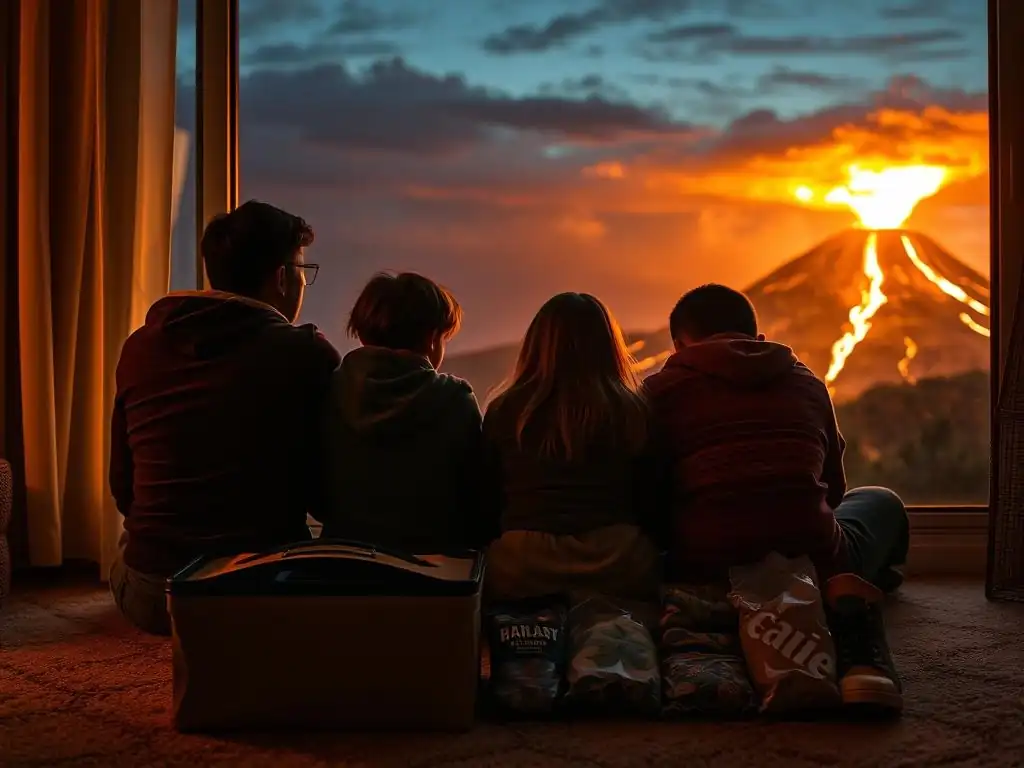
Ever wonder if the ground beneath your feet holds more than just solid earth? Decoding Volcano Risk in your neighborhood is more vital than you think. Are you truly prepared for the unthinkable? Join us as we delve into the critical aspects of volcano safety preparedness, and discover what you need to know to protect yourself and your community. The answers may surprise you... and could save your life.
- Understanding Volcano Risk in Your Community
-
Frequently Asked Questions
- What is the primary focus of VolcanoExplorers.org regarding neighborhood volcano safety?
- What kind of educational content does VolcanoExplorers.org offer about volcanoes?
- Does VolcanoExplorers.org provide real-time updates about volcanic activity?
- What specific safety resources are available on VolcanoExplorers.org for those living near volcanoes?
- Beyond safety, what else does VolcanoExplorers.org explore regarding volcanoes?
- Final Reflection: Embracing Neighborhood Volcano Safety
- Empower Yourself: Strengthen Your Volcano Preparedness!
Understanding Volcano Risk in Your Community
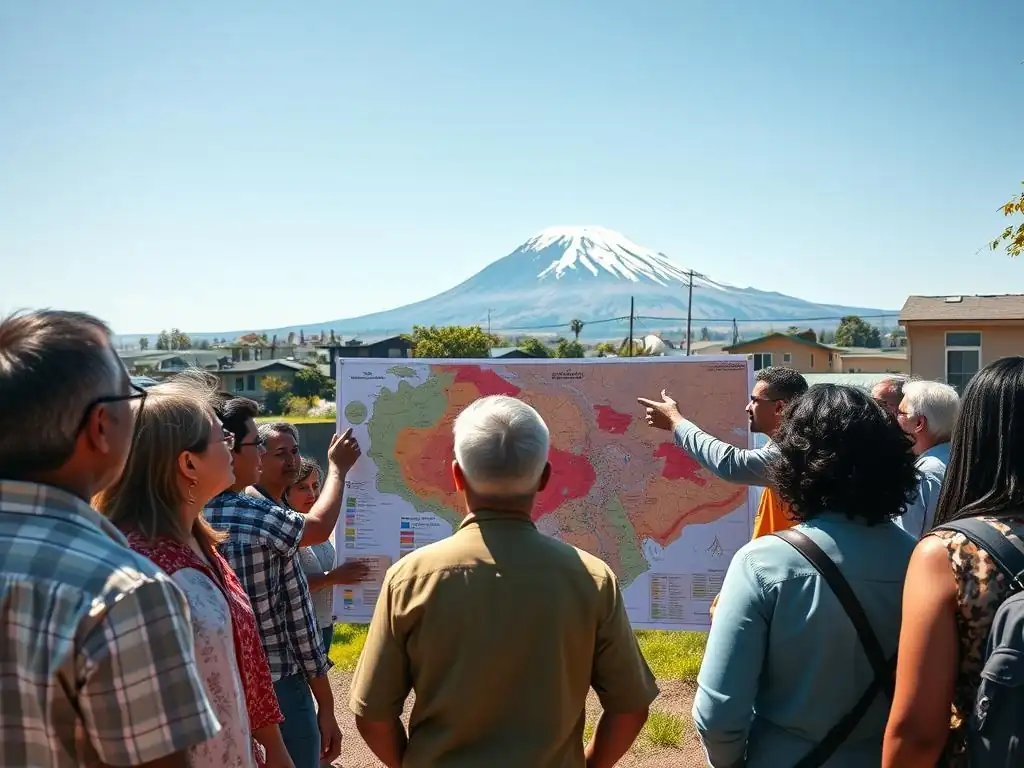
Assessing Your Neighborhood's Vulnerability to Volcanic Hazards
Volcanic hazards can manifest in several forms, each posing a unique threat to communities situated near active volcanoes. Ashfall, perhaps the most widespread hazard, can blanket neighborhoods, disrupting infrastructure, contaminating water supplies, and causing respiratory problems. For instance, the 1980 eruption of Mount St. Helens in Washington State deposited ash as far away as Oklahoma.
Pyroclastic flows, searing mixtures of hot gas and rock, are incredibly destructive and can travel at speeds exceeding 450 miles per hour, incinerating everything in their path. Lahars, volcanic mudflows composed of water, ash, and rock debris, can surge down river valleys with the force of a flash flood, burying towns and infrastructure. Lava flows, while slower moving, can engulf buildings and roads, altering landscapes permanently.
Understanding the specific types of volcanic hazards associated with your local volcano is the first step in assessing your neighborhood's vulnerability. Topography, wind patterns, and proximity to potential flow paths significantly influence the degree of risk.
Further complicating the assessment is the potential for secondary hazards. Earthquakes frequently accompany volcanic activity, potentially causing structural damage independently of the eruption itself. Volcanic gases, such as sulfur dioxide and carbon dioxide, can be released even during periods of relative volcanic quiet, accumulating in low-lying areas and posing health risks, particularly to vulnerable populations.
The collapse of volcanic edifices can trigger landslides and debris avalanches, extending the reach of volcanic impact beyond the immediate vicinity of the volcano. A comprehensive vulnerability assessment must consider not only the primary volcanic hazards but also these cascading and interconnected risks to accurately gauge the threat to your neighborhood. Consulting geological surveys and historical records of past eruptions in your area is crucial in painting a complete picture of potential dangers.
Identifying Potential Volcanic Threats Specific to Your Area
To effectively prepare your neighborhood for a volcanic event, it's crucial to move beyond general volcanic hazards and pinpoint the specific threats relevant to your location. This requires understanding the eruptive history of the nearest volcano and the geological characteristics of the surrounding area. For example, communities situated in valleys leading away from a stratovolcano like Mount Rainier in Washington face a significant lahar risk due to the volcano's ice cap and steep slopes, as demonstrated by the Osceola mudflow approximately 5,600 years ago, which reached present-day Puget Sound.
In contrast, neighborhoods near shield volcanoes like those in Hawaii are more likely to experience lava flows and volcanic smog (vog) from Kilauea's ongoing eruptions. The type of volcano drastically influences the nature and scale of potential threats.
Furthermore, the distance and direction from the volcano are paramount in determining the most likely hazards. Areas closer to the volcanic vent are at higher risk from pyroclastic flows and lava flows, while communities further downwind may be more susceptible to heavy ashfall. Wind patterns, particularly prevailing winds, play a significant role in ash dispersal.
For instance, during the 1986 eruption of Augustine Volcano in Alaska, prevailing winds carried ash primarily to the northeast, impacting communities in that direction more severely. Examining geological hazard maps produced by agencies like the United States Geological Survey (USGS) and consulting local volcanologists are essential steps in identifying the specific volcanic threats that pose the greatest risk to your neighborhood, allowing for targeted preparedness measures.
Local Geology and Volcano Type: Key Factors in Risk Assessment
The geological makeup of the land surrounding a volcano and the volcano's classification are fundamental determinants in understanding and assessing volcanic risk. Local geology dictates how volcanic hazards will propagate and impact the landscape. Steep slopes, common around stratovolcanoes, accelerate the flow of lahars and pyroclastic flows, increasing their destructive potential and reach.
Valleys and river drainages act as pathways for these flows, channeling them towards communities downstream. For instance, the valleys surrounding Nevado del Ruiz volcano in Colombia tragically funneled the 1985 lahar into Armero, resulting in over 20,000 fatalities. Conversely, flatter terrain might lessen the velocity and spread of some hazards but could still be vulnerable to widespread ashfall accumulation.
The type of volcano is equally critical in risk assessment as it directly correlates with eruption style and the predominant hazards. Stratovolcanoes, like Mount Fuji in Japan or Popocatépetl in Mexico, are known for their explosive eruptions, generating significant ashfall, pyroclastic flows, and lahars. Their steep, layered structure is built from viscous lava and pyroclastic debris, leading to high pressure build-up and violent eruptions.
Shield volcanoes, such as Mauna Loa in Hawaii, are characterized by effusive eruptions of fluid basaltic lava, producing lava flows and vog. While less explosive, these eruptions can still be highly disruptive and long-lasting.
Caldera volcanoes, like Yellowstone in the United States or Lake Toba in Indonesia, are capable of incredibly large, infrequent eruptions that can have global consequences, although smaller, more frequent eruptions can also occur. Understanding whether your neighborhood is near a stratovolcano, shield volcano, caldera, or another volcanic type is paramount for accurately gauging the nature and magnitude of potential volcanic risks and tailoring preparedness strategies accordingly.
Frequently Asked Questions
What is the primary focus of VolcanoExplorers.org regarding neighborhood volcano safety?
The website primarily focuses on volcano risk assessment and providing safety preparedness information for communities near active volcanoes. It aims to help residents understand the potential dangers and how to respond effectively.
What kind of educational content does VolcanoExplorers.org offer about volcanoes?
The site offers information on magma formation, different types of volcanoes, and historical eruptions. It also explains how volcanologists study volcanic activity to better understand and predict eruptions.
Does VolcanoExplorers.org provide real-time updates about volcanic activity?
Yes, the website offers real-time updates on volcanic activity worldwide. This helps residents stay informed about potential threats in their region and around the globe.
What specific safety resources are available on VolcanoExplorers.org for those living near volcanoes?
The site provides safety guides, evacuation tips, and other resources designed to help residents prepare for and respond to volcanic eruptions. It emphasizes the importance of having a plan.
Beyond safety, what else does VolcanoExplorers.org explore regarding volcanoes?
The website also celebrates the beauty and cultural significance of volcanoes, featuring photography, travel information, and discussions about the role of volcanoes in different societies.
Final Reflection: Embracing Neighborhood Volcano Safety
The insights shared throughout this article underscore a critical truth: volcanic risk is not a distant threat, but a present reality for many communities. Understanding and addressing neighborhood volcano safety preparedness is no longer a matter of academic interest, but a vital necessity for safeguarding lives and livelihoods in vulnerable regions. The potential for devastation demands proactive measures and a collective commitment to resilience.
The ongoing influence of volcanic activity on our cultural and social landscape is undeniable, shaping everything from land use planning to emergency response protocols. This article serves as a reminder that our relationship with nature is a delicate balance, demanding respect and proactive adaptation. The only way to survive is to be prepared. The best way to be prepared is to understand.
- Sun Tzu (adapted). This quote, though ancient, resonates deeply with the core message of this article: knowledge and preparedness are our greatest defenses against the unpredictable power of volcanoes.
Now, consider your own neighborhood. Are you truly prepared for the unthinkable? Take the lessons learned here and initiate conversations, advocate for improved safety measures, and empower your community to become a beacon of resilience in the face of volcanic risk. The time to act is now, not when the earth begins to tremble.
Empower Yourself: Strengthen Your Volcano Preparedness!
Thank you for exploring the crucial aspects of volcano risk assessment. You've gained valuable knowledge about potential hazards and recognizing warning signs. Now, let's turn that understanding into action and protect your community.
Here's how you can become a proactive force for safety:
- Contact your local emergency management agency immediately. Understanding their procedures and resources is your first line of defense.
- Share this vital information with your loved ones and neighbors. Spreading awareness is key to building a more resilient community.
- Consider forming a neighborhood volcano preparedness group. Organize a meeting to discuss evacuation plans and develop a communication strategy.
What concrete preparedness step will you take this week to improve your neighborhood's volcano safety?