
Obsidian's Sharp History: From Ancient Tools to Modern Science A Volcanic Glass Legacy

Welcome!
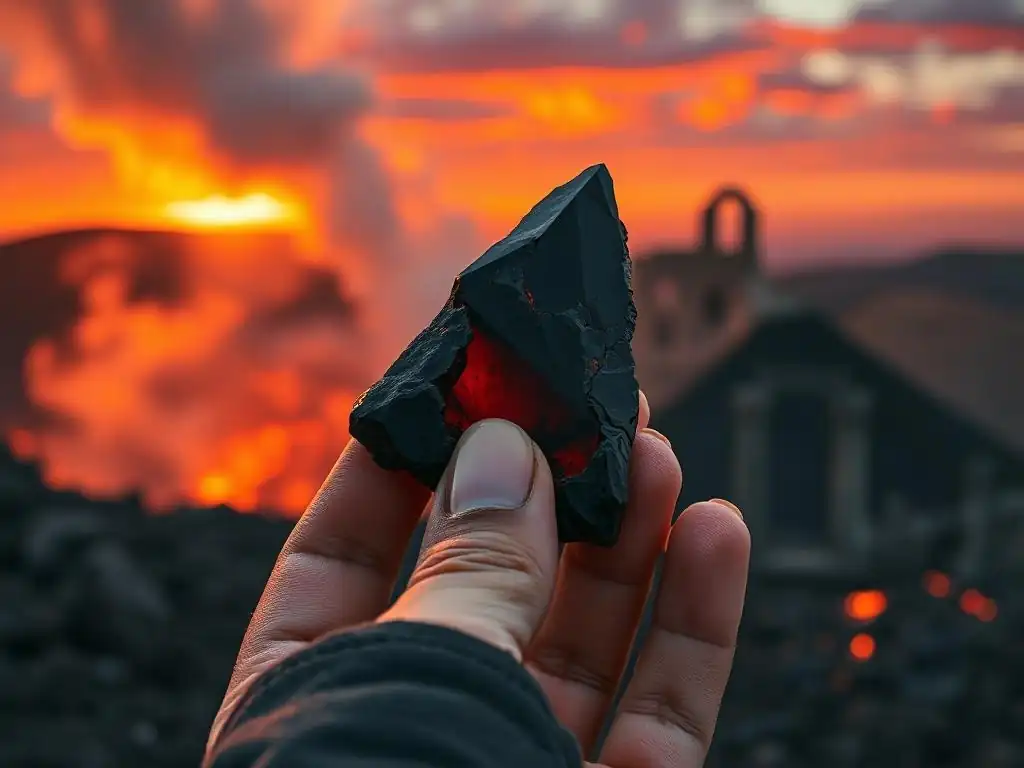
Prepare to be captivated by the fiery heart of our planet. At Volcano Explorers, we're driven by the raw power and stunning beauty of volcanoes. Ever wondered about the secrets hidden within cooled lava? Our latest journey takes us into the fascinating world of Obsidian, the volcanic glass forged in intense heat. Discover its surprisingly sharp history, from ancient tools to cutting-edge modern applications, and uncover the legacy of this remarkable material. What untold stories does this glassy rock hold? Dive in and explore!
- Introduction to Obsidian: Nature's Volcanic Glass
- Obsidian's Ancient History: Uses in Early Civilizations
- Obsidian's Modern Uses: A Contemporary Perspective
- Geological Significance of Obsidian: Understanding Volcanic Processes
- Obsidian vs. Other Volcanic Rocks: A Comparison
- The Allure of Obsidian: Beauty, Science, and Cultural Significance
- Conclusion: Obsidian's Enduring Legacy as a Volcanic Treasure
- Frequently Asked Questions
- Final Reflection: The Enduring Edge of Obsidian
- Unearth Your Own Obsidian Discovery!
Introduction to Obsidian: Nature's Volcanic Glass
What is Obsidian? A Deep Dive into its Formation and Composition
Obsidian is a fascinating type of volcanic glass, born from the rapid cooling of felsic lava. This process is so swift that it prevents the formation of large crystals, resulting in obsidian's characteristic smooth, glassy texture. Chemically, obsidian is primarily composed of silicon dioxide (SiO2), typically around 70% or more, similar to rhyolite and granite. The specific composition can vary depending on the source volcano, with trace amounts of minerals like iron and magnesium influencing its color and properties. This high silica content contributes to obsidian's viscosity when molten and its brittle nature when solid.
The formation of obsidian is intrinsically linked to explosive volcanic eruptions or effusive flows of highly viscous lava. Imagine molten rock, superheated to temperatures between 700 and 1200 °C (1300 to 2200 °F), erupting onto the Earth's surface. If this lava cools rapidly, whether in contact with air or water, the atoms don't have enough time to arrange themselves into an ordered crystalline structure. Instead, they freeze in a disordered state, creating an amorphous solid – glass. This rapid cooling is crucial; slower cooling would allow crystals to grow, resulting in rocks like rhyolite instead of obsidian.
The Unique Properties of Obsidian: Color, Texture, and Hardness
Obsidian is renowned for its striking glassy luster and conchoidal fracture, meaning it breaks with smooth, curved surfaces, much like broken glass. While often thought of as black, obsidian can exhibit a range of colors depending on impurities. Iron and magnesium typically impart dark green to black hues. Hematite can create reddish or brownish obsidian, while the presence of tiny gas bubbles can produce a golden sheen or iridescent effect known as "rainbow obsidian." Snowflake obsidian, with its distinctive white patches, owes its appearance to the crystallization of cristobalite, a form of silica, within the obsidian matrix.
In terms of hardness, obsidian registers around 5 to 5.5 on the Mohs scale, comparable to window glass. This hardness, combined with its conchoidal fracture, makes obsidian incredibly sharp when fractured. A freshly broken edge of obsidian can be molecularly sharp, with a cutting edge that is significantly finer than even the best steel scalpels.
This exceptional sharpness is a direct consequence of its glassy, non-crystalline structure, allowing it to fracture along extremely fine lines. However, this sharpness comes at the cost of brittleness. Obsidian is relatively fragile and can chip or shatter under impact, unlike tougher materials like steel.
Obsidian's Ancient History: Uses in Early Civilizations
Obsidian Tools and Weapons: Arrowheads, Blades, and Scrapers
For prehistoric societies, obsidian was a prized raw material, valued for its ability to be knapped into incredibly sharp tools and weapons. Archaeological sites across the globe reveal a rich history of obsidian use dating back hundreds of thousands of years. Obsidian’s conchoidal fracture made it ideal for creating razor-sharp arrowheads, spear points, knives, and scrapers. These tools were essential for hunting, butchering animals, preparing food, working hides, and woodworking. The sharpness of obsidian blades surpassed that of copper or bronze tools, giving early humans a significant technological advantage.
Examples of ancient obsidian tools are abundant. In regions like Mesoamerica and Anatolia, obsidian quarries and workshops have been unearthed, yielding vast quantities of obsidian artifacts. Arrowheads found at archaeological sites in Oregon, USA, dating back over 10,000 years, showcase the sophisticated knapping techniques used to craft these deadly projectiles.
Similarly, obsidian blades and scrapers are common finds in early settlements in Ethiopia and Kenya, demonstrating the widespread reliance on obsidian for daily life in ancient Africa. The durability of obsidian, resisting decomposition over millennia, allows archaeologists to trace trade routes and understand the technological capabilities of past civilizations through the distribution of obsidian artifacts.
Obsidian in Rituals and Art: Mirrors, Jewelry, and Decorative Objects
Beyond utilitarian tools, obsidian also held cultural and symbolic significance for many ancient societies. Its reflective surface led to its use in creating mirrors, believed to have mystical properties. In Mesoamerica, polished obsidian mirrors were associated with divination and shamanic practices. The Aztecs revered obsidian, calling it itzli, and used it to craft ritual objects, including masks and sacrificial knives. Mirrors made of obsidian were considered portals to other realms, reflecting not just the physical world but also the spiritual one.
Obsidian's aesthetic qualities also made it a desirable material for jewelry and decorative objects. Ancient Egyptians used obsidian to create amulets and inlays for sarcophagi. In the Mediterranean region, obsidian from volcanic islands like Lipari and Pantelleria was traded and fashioned into beads, pendants, and decorative vessels. The lustrous black glass, sometimes with iridescent sheens, was valued for its beauty and rarity. Polished obsidian ornaments have been found in burial sites, suggesting their importance in personal adornment and possibly as status symbols in various ancient cultures.
Obsidian Trade Routes: How Ancient Cultures Distributed Volcanic Glass
The geographic distribution of obsidian sources is limited to volcanically active regions, creating a natural scarcity in other areas. This scarcity fueled extensive trade networks in ancient times. Obsidian became a valuable commodity, exchanged between communities over considerable distances. Archaeological evidence reveals sophisticated trade routes that facilitated the movement of obsidian from volcanic source areas to obsidian-poor regions. Analyzing the chemical composition of obsidian artifacts allows archaeologists to trace their origin back to specific volcanic sources, mapping ancient trade routes and understanding patterns of cultural exchange.
For instance, obsidian from the Anatolian region (modern-day Turkey) was traded as far as Mesopotamia and the Levant as early as the Neolithic period. In the Mediterranean, obsidian from the islands of Lipari and Sardinia was distributed throughout the Italian peninsula and beyond. In North America, obsidian from sources in the western United States, like Obsidian Cliff in Yellowstone National Park, was traded across the continent.
These obsidian trade networks demonstrate the interconnectedness of ancient societies and the economic and social importance of volcanic glass as a traded resource. The study of obsidian distribution provides valuable insights into ancient economies and inter-group relations.
Obsidian's Modern Uses: A Contemporary Perspective
Obsidian in Surgery: The Sharpest Scalpel?
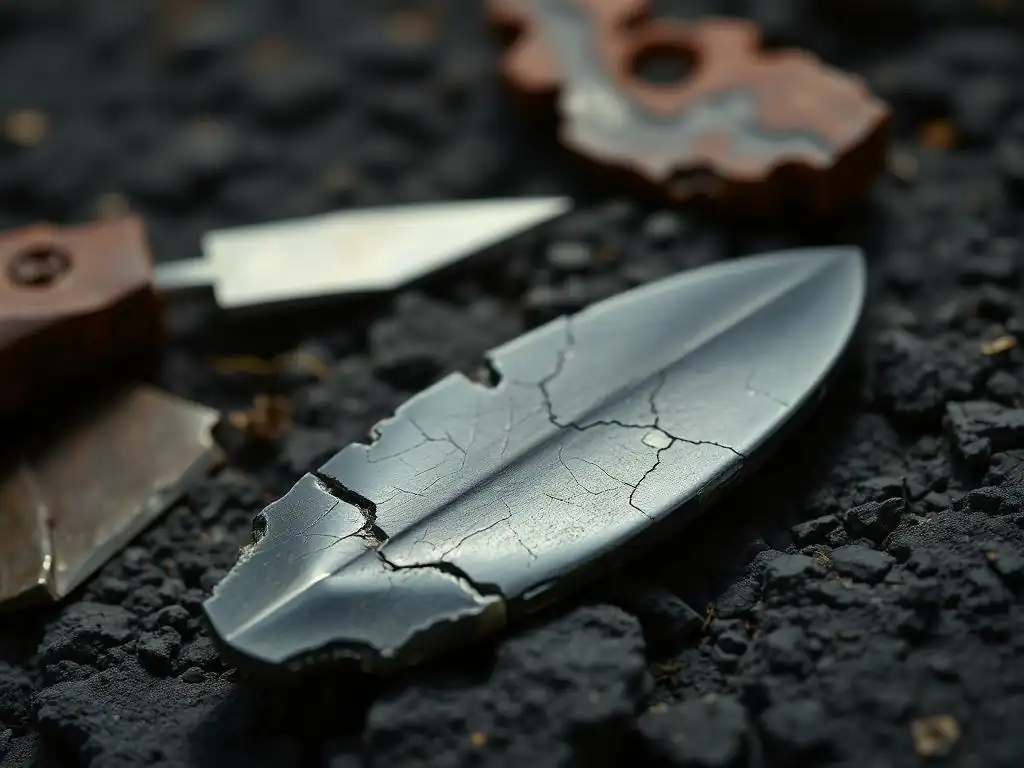
The extraordinary sharpness of obsidian has found a niche application in modern surgery. Obsidian scalpels, crafted from carefully prepared obsidian flakes, can create incisions with unparalleled precision. These blades are significantly sharper than conventional steel scalpels, with edges that can be as fine as three nanometers, compared to steel scalpels which are typically around 300 nanometers. This extreme sharpness results in cleaner cuts with less tissue damage, potentially leading to reduced scarring and faster healing times.
While not yet widely adopted, obsidian scalpels are used in specialized surgical procedures, particularly in research and ophthalmology. Studies have indicated that obsidian scalpels can produce smoother incisions and cause less cellular trauma compared to steel. In certain microsurgical procedures, where precision is paramount, the benefits of obsidian's sharpness are particularly valuable. However, obsidian's brittleness and the higher cost of production limit its widespread use in mainstream surgery. Researchers continue to explore methods to enhance the durability of obsidian scalpels and make them more accessible for broader surgical applications.
Obsidian Hydration Dating: Unlocking the Past with Volcanic Glass
Obsidian hydration dating is a valuable technique in archaeology and geology, used to estimate the age of obsidian artifacts. This method is based on the principle that freshly fractured obsidian surfaces absorb water from the environment, forming a hydration layer. The thickness of this hydration layer increases over time at a measurable rate, depending on factors like temperature and obsidian composition. By measuring the thickness of the hydration layer using microscopy, scientists can estimate the time elapsed since the obsidian surface was created, typically by human knapping or natural breakage.
The rate of hydration varies depending on the specific chemical composition of the obsidian and the environmental conditions, primarily temperature and humidity. Therefore, accurate dating requires establishing local hydration rates for each obsidian source and archaeological site. Obsidian hydration dating is particularly useful for dating sites where other dating methods, like radiocarbon dating, are not applicable or limited. It provides a valuable chronological tool for understanding the age of obsidian artifacts and the archaeological contexts in which they are found, contributing to our understanding of past human activities and geological events.
Industrial Applications of Obsidian: Cutting Tools, Abrasives, and Fillers
Beyond surgery and archaeology, obsidian finds industrial applications due to its unique properties. Its hardness and conchoidal fracture make it suitable for use as an abrasive material. Ground obsidian is used in polishing compounds and as an abrasive in industrial processes. The sharp, fractured edges of obsidian particles are effective for grinding and polishing softer materials.
In some specialized industries, obsidian is also used to create cutting tools and blades for specific applications. While not as durable as modern industrial materials, obsidian’s sharpness can be advantageous in certain cutting processes, particularly for soft materials or in applications where a very fine and clean cut is required. Furthermore, obsidian powder and pumice, a related volcanic glass, are used as fillers in some paints, plastics, and cements, contributing to texture and specific material properties. Although not as widely used as synthetic abrasives or cutting materials, obsidian retains niche industrial applications leveraging its unique natural characteristics.
Geological Significance of Obsidian: Understanding Volcanic Processes
Obsidian as an Indicator of Volcanic Activity: Magma Composition and Eruption Styles
The presence of obsidian in volcanic terrains provides valuable clues about the type of volcanic activity that occurred. Obsidian’s formation is associated with specific types of magma and eruption styles. Its felsic composition, rich in silica, indicates that it originates from viscous, gas-rich magma. The rapid cooling required to form obsidian is often associated with explosive eruptions or the edges of quickly cooling lava flows. The type and abundance of obsidian at a volcanic site can therefore help geologists reconstruct past eruption histories and understand the characteristics of the magma involved.
The color and texture of obsidian can also provide insights into the conditions during its formation. For example, the presence of perlite, hydrated obsidian, alongside fresh obsidian can indicate the interaction of lava with water. The presence of different types of obsidian, such as banded obsidian or obsidian with pumiceous textures, can reflect variations in cooling rates and magma degassing processes during an eruption. By studying obsidian deposits, volcanologists gain a better understanding of the dynamics of volcanic eruptions and the evolution of magma systems.
Where is Obsidian Found? Exploring Obsidian Deposits Worldwide
Obsidian is found in many volcanically active regions around the world, typically associated with areas of recent rhyolitic volcanism. Significant obsidian deposits are located in countries like the United States (particularly in Oregon, California, and Yellowstone National Park), Mexico, Iceland, Italy (Lipari Islands), Turkey, Armenia, Japan, and Kenya. These locations represent areas where felsic lava flows or domes have cooled rapidly, forming obsidian outcrops.
In the United States, Glass Mountain in California and Obsidian Dome in Oregon are well-known obsidian source areas, providing diverse types of obsidian, including black, mahogany, and rainbow obsidian. Mexico boasts extensive obsidian deposits, historically exploited by pre-Columbian civilizations and still utilized today. The Mediterranean volcanic islands, such as Lipari and Sardinia, were important obsidian sources in ancient times, and obsidian can still be found there. Exploring these obsidian-rich locations offers a glimpse into the geological processes that create these fascinating volcanic glasses and the landscapes they shape.
Obsidian's Role in Studying Volcanic History: Analyzing Glass Chemistry
Analyzing the chemical composition of obsidian provides valuable information for understanding volcanic history and magma origins. Geochemical analysis of obsidian can reveal the specific volcanic source and the characteristics of the magma from which it formed. Trace element analysis and isotopic studies can fingerprint obsidian samples, allowing geologists to correlate obsidian artifacts with their volcanic sources and trace magma movements within volcanic systems.
By comparing the chemical composition of obsidian from different volcanic eruptions or geological periods, scientists can track the evolution of magma chambers over time and understand the processes that drive volcanic activity. Obsidian's glassy nature, preserving the original magma composition, makes it an ideal material for geochemical studies. Analyzing obsidian chemistry contributes to a more comprehensive understanding of volcanic processes, magma genesis, and the geological history of volcanic regions.
Obsidian vs. Other Volcanic Rocks: A Comparison
Obsidian vs. Pumice: Differences in Formation and Uses
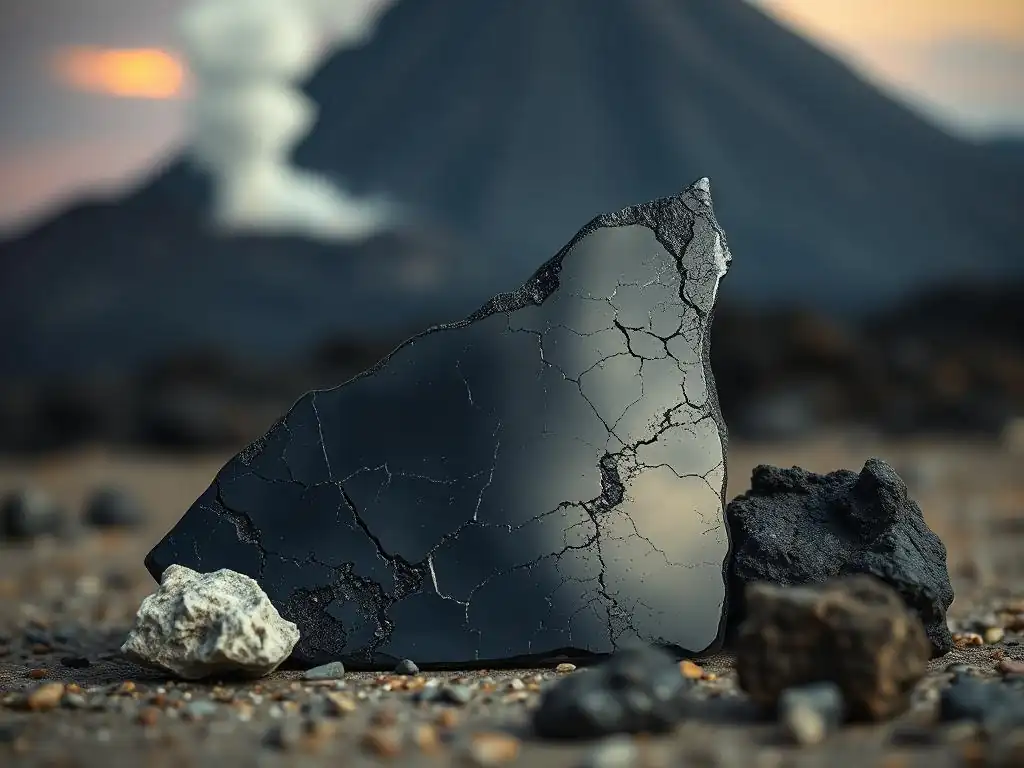
While both obsidian and pumice are volcanic glasses formed from felsic lava, they differ significantly in their formation and properties. Pumice is formed when gas-rich lava erupts explosively, creating a frothy, vesicular texture. The rapid cooling traps gas bubbles within the solidifying glass, resulting in a lightweight rock with low density, often light in color, and porous. Obsidian, in contrast, forms from less gas-rich lava that cools rapidly but without the extensive vesiculation. This results in a dense, glassy rock with few or no gas bubbles, typically dark in color.
Due to their contrasting properties, obsidian and pumice have different uses. Pumice, because of its abrasive nature and low density, is widely used as an abrasive in cleaning products, as a lightweight aggregate in construction, and in horticulture for soil amendment and drainage. Obsidian, prized for its sharpness and glassy texture, is used for cutting tools, surgical scalpels, and decorative objects. While both are volcanic glasses, their distinct formation processes lead to unique characteristics and applications.
Obsidian vs. Basalt: Contrasting Composition and Properties
Obsidian and basalt represent two extremes of the volcanic rock spectrum, contrasting sharply in composition, formation, and properties. Basalt is an extrusive igneous rock formed from mafic lava, which is low in silica and rich in iron and magnesium. Basalt lava is less viscous than felsic lava and typically erupts effusively, forming lava flows. Basalt cools relatively slowly, allowing for the formation of fine-grained crystals, giving it a dark, dense, and crystalline texture, unlike the glassy texture of obsidian.
Basalt is a common rock type, forming oceanic crust and vast lava plains on continents. It is used extensively in construction as aggregate, paving stones, and dimension stone. Obsidian, with its high silica content and glassy texture, is less abundant and has specialized uses due to its sharpness and aesthetic qualities. Basalt is known for its durability and strength, while obsidian is valued for its sharpness and unique glassy appearance. These differences arise from the fundamentally different magma compositions and cooling histories of these two volcanic rocks.
Obsidian vs. Rhyolite: A Chemical and Textural Comparison
Rhyolite and obsidian share a similar chemical composition, both being felsic volcanic rocks rich in silica. However, their textures are distinctly different due to variations in cooling rates. Rhyolite is the crystalline equivalent of obsidian. When felsic lava cools slowly, it allows for the formation of crystals, resulting in a fine-grained to porphyritic texture characteristic of rhyolite. Obsidian, as discussed, forms from rapid cooling, preventing crystal growth and resulting in a glassy texture.
While obsidian is always glassy, rhyolite can exhibit a range of textures depending on its cooling history, from fine-grained aphanitic to porphyritic with visible crystals embedded in a fine-grained matrix. Both rhyolite and obsidian are found in similar volcanic settings, often associated with continental volcanism and caldera formations. Despite their textural differences, their shared felsic composition means they can exhibit similar colors and mineral assemblages, though obsidian’s glassy luster and conchoidal fracture are unique to its rapid cooling origin.
The Allure of Obsidian: Beauty, Science, and Cultural Significance
Collecting Obsidian: Ethical Considerations and Sustainable Practices
The allure of obsidian often leads to its collection by enthusiasts and rockhounds. However, responsible obsidian collecting requires awareness of ethical considerations and sustainable practices. It's crucial to obtain permission before collecting obsidian on private land or in protected areas. Many obsidian source areas are located within national parks, monuments, or archaeological sites where collecting is prohibited or regulated to protect natural and cultural resources.
Sustainable collecting involves taking only what is needed and avoiding excessive removal of obsidian from any single location. Over-collecting can deplete obsidian resources and damage natural landscapes. Respecting the environment and minimizing impact, such as avoiding disturbance to vegetation and wildlife habitats, is essential. For those interested in obsidian collecting, researching local regulations and guidelines, joining rockhounding clubs, and practicing responsible collecting techniques are crucial for ensuring the long-term preservation of obsidian resources and collecting opportunities.
Obsidian in Art and Design: Contemporary Applications and Aesthetic Value
Obsidian continues to inspire artists and designers in contemporary applications. Its natural beauty, unique textures (including rainbow and snowflake varieties), and deep black color make it a sought-after material for jewelry, sculptures, and decorative objects. Modern jewelers use obsidian to create striking pendants, earrings, and rings, often showcasing its natural luster and patterns. Sculptors utilize obsidian for its carving properties and dramatic visual impact, creating both abstract and figurative artworks.
In interior design, obsidian is incorporated into decorative elements like tiles, countertops, and ornamental features, adding a touch of natural elegance and volcanic mystique to spaces. The use of obsidian in art and design reflects its enduring aesthetic appeal and its connection to the raw power and beauty of volcanic landscapes. Contemporary artists and designers continue to explore new ways to utilize obsidian, celebrating its natural properties and cultural significance in modern creations.
The Future of Obsidian Research: Emerging Technologies and Applications
Research into obsidian continues to advance, exploring emerging technologies and potential applications. Scientists are investigating new methods to enhance the strength and durability of obsidian for broader applications in surgery and industrial tooling. Nanotechnology research is exploring the potential of obsidian's nanoscale sharpness for developing advanced cutting tools and biomedical devices. Further studies into obsidian hydration dating are refining its accuracy and expanding its applicability in archaeological and geological research.
Geochemical analysis of obsidian, coupled with advanced analytical techniques, is providing increasingly detailed insights into magma processes and volcanic history. The study of obsidian continues to contribute to our understanding of volcanic systems, material science, and human history. Future research promises to unlock even more of obsidian's potential, from innovative technological applications to deeper insights into the Earth's dynamic processes.
Conclusion: Obsidian's Enduring Legacy as a Volcanic Treasure
Obsidian, a volcanic glass forged in the fiery heart of volcanic eruptions, holds a remarkable legacy spanning millennia. From its critical role in ancient toolmaking and ritual practices to its contemporary applications in surgery and scientific research, obsidian's sharp history is etched into both human civilization and the Earth's geological record.
Its unique properties, born from rapid cooling and a specific chemical composition, have captivated cultures and scientists alike. As we continue to explore and appreciate this volcanic treasure, obsidian stands as a testament to the power and beauty of natural processes, and its story remains sharply relevant in our modern world.
Frequently Asked Questions
Obsidian is a volcanic glass formed from rapidly cooled lava. It's directly related to volcanoes because it's a product of volcanic eruptions.
What were some of the ancient uses of Obsidian?
Ancient civilizations used obsidian primarily for creating sharp tools and weapons, such as arrowheads, knives, and scrapers. Its conchoidal fracture allows for exceptionally sharp edges.
How is Obsidian studied in modern science?
Obsidian is used in geochronology to date volcanic eruptions and geological events. Its chemical composition also provides insights into the magma source and volcanic processes.
What are some modern applications of Obsidian besides scientific study?
While less common, obsidian is still used today for surgical scalpels due to its incredibly sharp edge. It's also used in decorative arts and jewelry.
Does VolcanoExplorers.org provide information about Obsidian?
Yes, VolcanoExplorers.org delves into the science behind volcanic activity, including the formation of obsidian. It explores the beauty and danger of these natural wonders like obsidian.
Final Reflection: The Enduring Edge of Obsidian
The journey through obsidian's history, from its ancient origins as a vital tool to its modern applications in cutting-edge science, reveals a remarkable story of human ingenuity and nature's artistry. Obsidian's enduring legacy lies not just in its physical properties, but in its ability to connect us to our past and inspire innovation in the present. Its sharp edges, once crucial for survival, now contribute to precision surgery and advanced materials research, proving that even the most ancient resources can hold the key to future advancements.
The influence of obsidian extends beyond its practical applications; it has shaped cultures, fueled economies, and even inspired spiritual beliefs. The sheer beauty and mystique of this volcanic glass continue to captivate us, reminding us of the raw power and creative force of nature. Look deep into nature, and then you will understand everything better.
- Albert Einstein. This quote encapsulates the essence of obsidian: by understanding its origins and properties, we gain a deeper appreciation for the interconnectedness of science, history, and human progress.
As we conclude this exploration of obsidian's multifaceted legacy, consider the lessons it offers. What seemingly simple resource in your own life holds untapped potential? What ancient wisdom can inform your modern pursuits? Embrace the enduring edge of curiosity and innovation, and discover the hidden treasures that lie within the world around you. Let obsidian's story inspire you to seek out new perspectives, challenge conventional thinking, and forge your own path with clarity and precision.
Okay, I'm ready to craft a Call to Action (CTA) based on the "Obsidian's Sharp History: From Ancient Tools to Modern Science" article from Volcano Explorers (volcanoexplorers.org). Here it is:
Unearth Your Own Obsidian Discovery!
Thank you for delving into the fascinating world of obsidian with us! We hope you've gained a deeper appreciation for this volcanic glass and its enduring impact on history and science. Now, let's take that knowledge and turn it into action:
- Visit a local museum or geological site to witness the beauty and sharpness of obsidian firsthand. This is your chance to connect with the material in a tangible way.
- Explore resources from academic journals to documentaries, sharing your most fascinating finding with your network. You may start a scientific discussion or even inspire others to do their own research.
- Connect with local geological groups or rockhounding communities to learn more about identifying and ethically sourcing obsidian samples.
What hidden obsidian stories will you uncover today?