
Volcanic Ash and Communication Networks: Keeping Connected During Ashfall Events

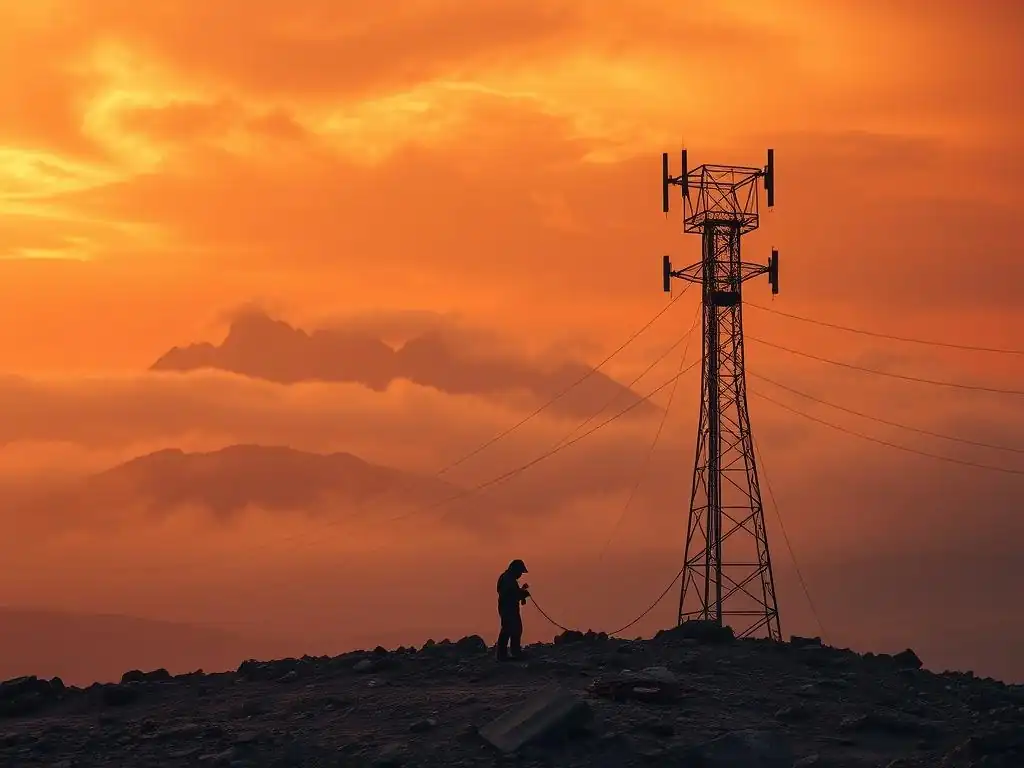
Welcome to Volcano Explorers, where we unlock the Earth's fiery secrets. Ever wondered how to stay connected when a volcano unleashes its ash? Dive into our latest article, " Volcanic Ash and Communication Networks: Keeping Connected During Ashfall Events," and discover crucial strategies for maintaining vital communication links during these challenging times. The science is fascinating, but the stakes are real. Explore now and learn how to navigate the next ashfall event.
- Volcanic Ash and Communication Networks: Maintaining Connectivity During Ashfall Events
- Introduction: The Threat of Volcanic Ash to Communication
- How Volcanic Ash Impacts Communication Infrastructure
- Strategies for Maintaining Communication During Volcanic Ash Events
- The Role of Emergency Services and Public Alerts
- Case Studies: Communication Challenges During Past Volcanic Eruptions
- Long-Term Communication Recovery After Ashfall
- Conclusion: Staying Connected in the Face of Volcanic Ash
-
Frequently Asked Questions
- What are the primary challenges to communication networks during a volcanic ashfall event?
- How does volcanic ash affect satellite communication systems?
- What types of communication technologies are most vulnerable during ashfall?
- What strategies can be implemented to maintain communication during a volcanic ashfall event?
- What role does public education play in ensuring effective communication during volcanic ashfall events?
- Final Reflection: Resilience in the Face of Ash
- Safeguard Your Connection: Prepare for the Next Ashfall Event
Volcanic Ash and Communication Networks: Maintaining Connectivity During Ashfall Events
Introduction: The Threat of Volcanic Ash to Communication
Understanding Volcanic Ashfall: A Disruption to Daily Life
Volcanic ashfall, a significant hazard associated with explosive volcanic eruptions, extends far beyond the immediate vicinity of a volcano. Composed of fine particles of fragmented volcanic rock, minerals, and glass, ash clouds can travel hundreds, even thousands, of kilometers downwind from the eruption source. Upon settling, this seemingly innocuous dust can wreak havoc on various aspects of modern life, disrupting transportation, agriculture, infrastructure, and critically, communication networks. The widespread dispersal and persistent nature of volcanic ash make it a unique and challenging natural hazard, requiring specific preparedness and mitigation strategies, especially regarding maintaining vital communication channels.
The impact of volcanic ash is not merely aesthetic; it is a tangible threat that can paralyze communities. Ash is abrasive, corrosive, and electrically conductive when wet. Its fine particle size allows it to infiltrate buildings, machinery, and electronics, causing damage and malfunction.
Beyond the immediate health concerns related to respiratory irritation, the disruption of essential services, including communication, poses a significant risk to public safety and emergency response efforts during and after an ashfall event. Understanding the multifaceted nature of volcanic ashfall is the first step in building resilience and ensuring communities can remain informed and connected when facing this volcanic hazard.
Why Maintaining Communication During Ashfall is Crucial
In the chaos of a volcanic eruption and subsequent ashfall, reliable communication is not just a convenience; it is a lifeline. Maintaining effective communication channels is paramount for several critical reasons, starting with public safety. During ashfall events, timely warnings, evacuation instructions, and real-time updates on the evolving situation are essential to protect lives and minimize injuries. Without functional communication networks, disseminating crucial information becomes incredibly challenging, potentially leading to confusion, panic, and delayed responses, exacerbating the impact of the disaster.
Beyond immediate emergency response, communication networks are vital for coordinating relief efforts and long-term recovery. Emergency services, including police, fire departments, and medical teams, rely heavily on communication to coordinate their activities, assess damage, and allocate resources effectively. Furthermore, communication networks enable families to stay in touch, check on loved ones, and reassure each other during stressful times.
For businesses and essential services, maintaining communication allows for continued operation where possible, and for the crucial coordination of recovery efforts in the aftermath of the ashfall. The ability to communicate effectively during and after a volcanic ashfall event directly impacts the resilience and recovery capacity of affected communities.
How Volcanic Ash Impacts Communication Infrastructure
Physical Damage to Communication Equipment from Ashfall
Volcanic ash, despite its seemingly soft texture, is surprisingly abrasive and dense, posing a significant physical threat to communication infrastructure. The accumulation of ash on communication equipment, from large cell towers to individual household antennas, can lead to a range of physical damages, impacting signal strength, equipment functionality, and overall network reliability. The weight of accumulated ash, especially when wet, can cause structural stress and even collapse of weaker structures, while its abrasive nature can erode surfaces and damage sensitive components over time.
Impact on Cell Towers and Antennas
Cell towers and antennas, being exposed to the elements, are particularly vulnerable to the physical impacts of volcanic ash. The accumulation of ash on antennas can directly interfere with signal transmission and reception, weakening signal strength and potentially causing signal loss. The weight of ash, especially after rainfall, can add significant stress to tower structures, increasing the risk of structural failure, particularly for older or less robust towers.
Furthermore, the abrasive nature of ash can scratch and erode antenna surfaces and protective coatings, leading to long-term degradation and reduced performance. In areas with heavy ashfall, the cumulative effect on cell towers and antennas can severely compromise cellular network coverage and capacity, hindering mobile communication.
Effects on Landlines and Buried Cables
While landlines and buried cables might seem less exposed, they are not immune to the physical impacts of volcanic ash. Ash can infiltrate junction boxes and access points, potentially causing corrosion and signal degradation. Although buried cables are protected from direct ashfall accumulation, ground deformation and seismic activity often associated with volcanic eruptions can damage buried infrastructure, including communication cables.
Furthermore, the digging and excavation required for ash cleanup operations can inadvertently damage buried cables if their locations are not precisely known and marked. While the immediate physical impact on buried infrastructure might be less visible, the long-term effects of ash infiltration and associated ground disturbances can contribute to landline and internet service disruptions in ashfall-affected areas.
Electronic Interference Caused by Volcanic Ash
Beyond physical damage, volcanic ash can also cause electronic interference, disrupting the functionality of communication equipment. Dry volcanic ash is generally a poor conductor of electricity. However, when ash becomes wet, either due to rainfall or atmospheric moisture, it can become conductive and corrosive. This conductive nature of wet ash can lead to short circuits and electrical malfunctions in exposed electronic components of communication systems. Furthermore, the fine particles of ash can penetrate ventilation systems and settle on circuit boards and sensitive electronics within communication equipment, causing overheating, corrosion, and eventual failure.
The problem is exacerbated by the chemical composition of volcanic ash, which often contains sulfur and other corrosive elements. When these elements react with moisture, they can create acidic conditions that accelerate corrosion and degradation of metallic components in electronic equipment. This corrosive effect can damage connectors, wiring, and circuit boards, leading to signal loss, intermittent connectivity, and complete equipment failure. Even after the ashfall has ceased, the residual ash and its corrosive byproducts can continue to cause electronic interference and damage if not properly cleaned and mitigated.
Power Outages and Communication Systems Failure
Volcanic ash is a notorious culprit in causing power outages, which in turn have a cascading effect on communication systems. Ash clouds can cause flashovers on high-voltage power lines, leading to widespread power disruptions. The accumulation of ash on insulators and transformers can reduce their insulating capacity, making them susceptible to electrical discharges, especially during wet conditions. Power outages directly impact communication infrastructure that relies on electricity to operate, including cell towers, landline exchanges, internet routers, and charging stations for mobile devices.
Many communication systems have backup power systems, such as generators or batteries. However, these backups are often designed for short-term outages. Prolonged power outages caused by widespread ashfall can exhaust backup power supplies, leading to communication blackouts. Furthermore, refueling generators can become challenging during ashfall events due to transportation disruptions and potential damage to fuel supplies. The interconnectedness of power and communication infrastructure means that ash-induced power outages are a significant threat multiplier, amplifying the disruption to communication networks and hindering recovery efforts.
Strategies for Maintaining Communication During Volcanic Ash Events
Pre-Eruption Preparedness: Planning for Communication Resilience
Proactive planning and preparedness are crucial for maintaining communication during volcanic ashfall events. Individuals, families, and communities need to develop strategies and take steps before an eruption occurs to enhance communication resilience. This preparedness phase involves understanding the risks, developing communication plans, and investing in necessary equipment and resources. Pre-eruption preparedness is not just about individual actions; it also includes community-level initiatives and infrastructure investments to strengthen overall communication resilience in volcanic-prone areas.
Developing a Family Communication Plan
A well-defined family communication plan is a cornerstone of pre-eruption preparedness. This plan should outline how family members will communicate with each other if separated during an ashfall event. It should include designated meeting points outside the ashfall zone, contact information for all family members, and a designated out-of-area contact person who can act as a central point of communication.
The plan should also address scenarios where conventional communication methods, such as mobile phones, might be unreliable. Practicing the family communication plan regularly, similar to fire drills, ensures that everyone knows what to do and how to stay connected during an emergency.
Investing in Backup Communication Devices
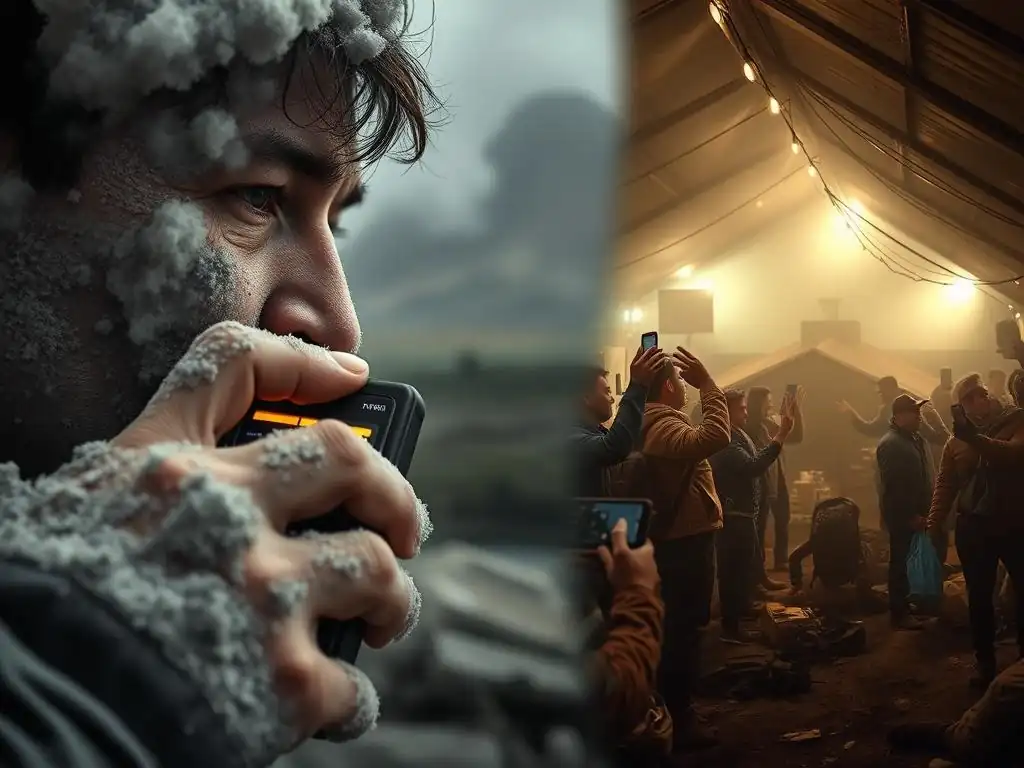
Relying solely on primary communication methods like mobile phones can be risky during ashfall events. Investing in backup communication devices is a prudent preparedness measure. This could include battery-powered radios to receive emergency broadcasts, satellite phones or messengers for areas with unreliable cellular coverage, and two-way radios for short-range communication within a family or neighborhood. Having backup communication devices ensures that there are alternative means to stay informed and connected even if primary networks are disrupted. Regularly checking and maintaining these backup devices, including ensuring batteries are charged and functional, is essential for their effectiveness during an emergency.
Alternative Communication Methods During Ashfall
When conventional communication networks are compromised by volcanic ash, alternative methods become vital for maintaining connectivity. These alternative methods often rely on technologies less susceptible to ashfall impacts or utilize community-based networks for information dissemination. Understanding and preparing to utilize these alternative communication methods can significantly enhance communication resilience during ashfall events.
Utilizing Satellite Phones and Communication Devices
Satellite phones and communication devices offer a robust alternative to terrestrial networks during ashfall events. Satellite communication is less vulnerable to ground-based infrastructure damage and power outages caused by ashfall. Satellite phones can provide voice communication, while satellite messengers can transmit text messages and location data even when cell networks are down. While satellite devices can be more expensive and require a clear view of the sky, they offer a reliable communication lifeline in areas prone to volcanic eruptions and ashfall. Pre-registering satellite devices with emergency response agencies can also facilitate faster assistance if needed.
Ham Radio and Community Emergency Networks
Amateur radio, or ham radio, and community emergency networks play a crucial role in maintaining communication during and after disasters, including volcanic ashfall. Ham radio operators are trained volunteers who can establish independent communication networks, bypassing damaged infrastructure. They can transmit voice, data, and even images over long distances using radio frequencies. Community emergency networks, often involving ham radio operators, can provide vital communication support for emergency services, disseminate public information, and facilitate communication within affected communities. These networks are particularly valuable in areas where conventional communication systems are unreliable or have been disrupted.
Leveraging Mobile Data When Available (and Its Limitations)
While voice calls might be unreliable during ashfall due to network congestion or damage, mobile data services may sometimes remain functional for longer, or be restored more quickly. Leveraging mobile data, when available, can provide alternative communication channels through messaging apps, social media, and email. However, it is important to recognize the limitations of relying solely on mobile data.
Data networks can also become congested or fail during major events, and power outages will eventually impact data services as well. Furthermore, excessive reliance on data can quickly drain device batteries. Therefore, mobile data should be considered as a supplementary, rather than primary, communication method during ashfall events.
Protecting Communication Equipment from Volcanic Ash
Protecting communication equipment from the damaging effects of volcanic ash is crucial for maintaining functionality and extending its lifespan during and after ashfall events. Simple preventative measures can significantly reduce the impact of ash on sensitive electronics and infrastructure.
Covering and Shielding Sensitive Electronics
One of the most effective ways to protect communication equipment is by physically covering and shielding sensitive electronics. During ashfall, equipment like routers, computers, and radios should be moved indoors if possible. For equipment that must remain outdoors, such as antennas and generators, covering them with waterproof and dustproof materials like tarps, plastic sheeting, or even heavy-duty garbage bags can significantly reduce ash accumulation. Ensuring proper ventilation while covering equipment is important to prevent overheating. Regularly checking and replacing coverings as they become damaged or ash-laden is also necessary.
Cleaning Ash from Communication Devices Safely
Cleaning ash from communication devices must be done carefully to avoid further damage. Compressed air can be used to gently blow away loose ash from electronics. For surfaces, a soft, slightly damp cloth can be used to wipe away ash, being careful not to scratch sensitive surfaces.
Avoid using water directly on electronic devices unless specifically instructed by the manufacturer. For antennas and outdoor equipment, hosing them down with water can help remove accumulated ash, but ensure that electrical components are properly sealed and protected from water ingress. Regular cleaning, especially after ashfall events, is essential to prevent long-term damage and maintain the functionality of communication equipment.
The Role of Emergency Services and Public Alerts
Emergency Broadcast Systems and Volcanic Ash Warnings
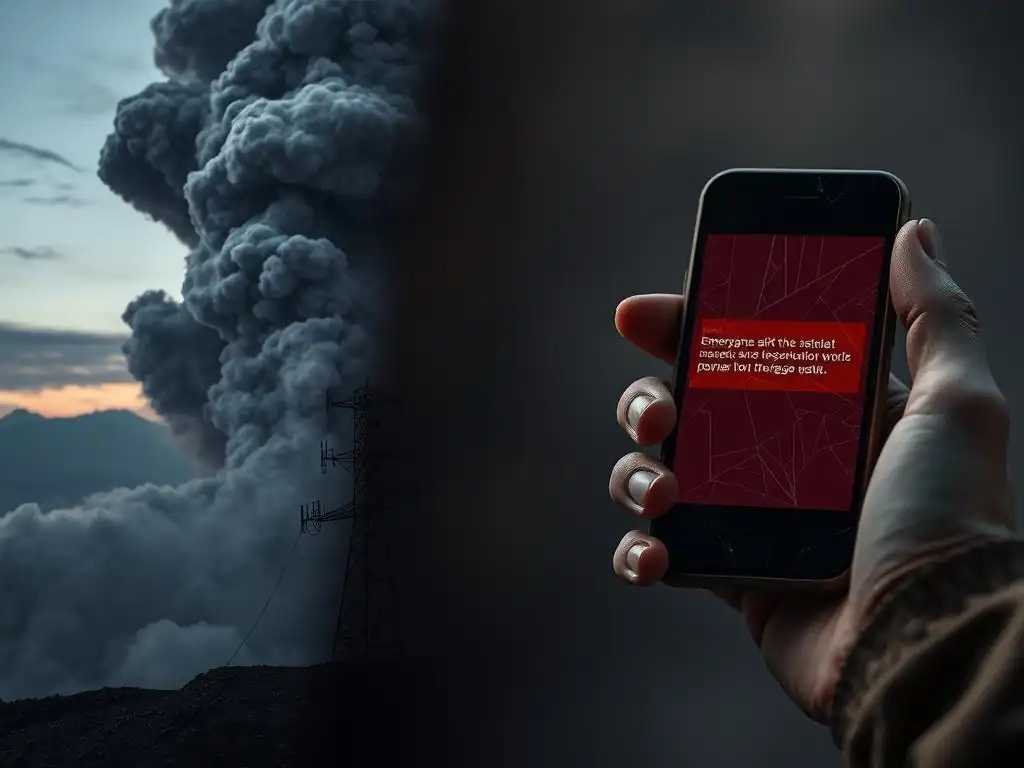
Emergency broadcast systems are critical for disseminating timely warnings and information about volcanic ashfall events to the public. These systems, often utilizing radio, television, and increasingly mobile phone alerts, are designed to reach a wide audience quickly. Volcanic ash warnings should include information about the expected ashfall extent, intensity, duration, and potential hazards. Clear and concise messaging is crucial to ensure the public understands the risks and takes appropriate protective actions. Regular testing and public awareness campaigns about emergency broadcast systems are essential to ensure their effectiveness during real volcanic events.
Social media platforms have become powerful tools for information dissemination during emergencies, including volcanic ashfall events. Official sources, such as government agencies, volcano observatories, and emergency management organizations, can use social media to provide real-time updates, warnings, safety advice, and counter misinformation. Platforms like Twitter, Facebook, and local social media groups can rapidly disseminate information to a broad audience. However, it is crucial to rely on verified official sources and be wary of unverified information circulating on social media during emergencies. Public education on identifying and following official social media channels for emergency information is important.
Community Collaboration and Information Sharing
Community collaboration and information sharing are vital components of effective communication during volcanic ashfall events. Local community groups, neighborhood networks, and volunteer organizations can play a significant role in disseminating information, checking on vulnerable individuals, and coordinating local response efforts. Establishing pre-existing community communication networks, such as neighborhood watch groups or emergency preparedness committees, can enhance information flow and mutual support during ashfall events. Utilizing community centers, schools, or religious institutions as information hubs and communication points can further strengthen community-level communication resilience.
Case Studies: Communication Challenges During Past Volcanic Eruptions
2010 Eyjafjallajökull Eruption: Air Traffic Disruption and Communication Needs
The 2010 eruption of Eyjafjallajökull volcano in Iceland, while relatively small in terms of ash volume compared to other eruptions, had a disproportionately large impact on global air traffic. The fine-grained nature of the Eyjafjallajökull ash cloud and its dispersal across European airspace led to widespread flight cancellations and disruptions.
This event highlighted the crucial need for effective communication not only for public safety on the ground but also for managing complex logistical challenges in the aviation industry. Airlines, airports, and air traffic control agencies faced immense pressure to communicate rapidly changing flight schedules, passenger information, and safety protocols to millions of affected travelers worldwide.
The Eyjafjallajökull eruption underscored the reliance on robust communication systems for managing large-scale disruptions. While traditional communication methods like phone and internet were utilized, the sheer volume of information and the urgency of the situation strained existing systems. The eruption also demonstrated the importance of clear and consistent communication from official sources to the public to manage expectations and minimize confusion during prolonged disruptions. Lessons learned from this event emphasized the need for enhanced communication protocols and technologies to manage future volcanic ash-related air traffic disruptions.
1991 Mount Pinatubo Eruption: Impact on Telecommunications Infrastructure
The 1991 eruption of Mount Pinatubo in the Philippines, one of the largest volcanic eruptions of the 20th century, had a devastating impact on telecommunications infrastructure in the surrounding region. Heavy ashfall, pyroclastic flows, and lahars directly damaged communication lines, towers, and exchanges. The sheer volume of ashfall, which reached depths of several centimeters even hundreds of kilometers away, caused widespread disruption to telephone services, radio broadcasts, and early forms of data communication. Power outages, triggered by ashfall-related damage to power lines, further compounded the communication challenges.
The Mount Pinatubo eruption served as a stark reminder of the vulnerability of telecommunications infrastructure to volcanic hazards. The eruption highlighted the need for more resilient infrastructure design, including burying communication cables where feasible and strengthening above-ground structures. The recovery efforts after the eruption involved significant investment in rebuilding and upgrading telecommunication networks, incorporating lessons learned about ashfall resilience. The experience also emphasized the importance of backup communication systems and community-based communication networks in the immediate aftermath of a major volcanic eruption.
Long-Term Communication Recovery After Ashfall
Repairing Damaged Communication Infrastructure
Long-term recovery after a volcanic ashfall event necessitates a systematic approach to repairing damaged communication infrastructure. This involves assessing the extent of the damage, prioritizing repairs based on criticality, and mobilizing resources for restoration. Repair efforts can range from cleaning ash from equipment and replacing damaged components to rebuilding entire sections of communication networks. Coordination between telecommunication companies, government agencies, and community organizations is crucial for efficient and effective recovery. Investing in skilled personnel and specialized equipment for ash cleanup and infrastructure repair is essential for a timely restoration of communication services.
Investing in Ash-Resistant Communication Technologies
To mitigate future communication disruptions from volcanic ash, investing in ash-resistant communication technologies is a proactive long-term strategy. This could include developing and deploying equipment with enhanced dust and moisture sealing, using more robust materials less susceptible to corrosion, and designing communication networks with greater redundancy and resilience to physical damage. Exploring alternative communication technologies, such as satellite-based systems and mesh networks, can also enhance overall communication resilience in volcanic-prone areas. Research and development into innovative ash-resistant technologies are crucial for building more robust communication infrastructure in the face of volcanic hazards.
Community Education and Preparedness Programs
Long-term communication recovery also relies heavily on community education and preparedness programs. Raising public awareness about the risks of volcanic ash to communication networks and promoting preparedness measures at the individual, family, and community levels are essential. Educational programs can include workshops, public service announcements, and online resources providing information on communication planning, backup communication methods, and equipment protection. Regular drills and exercises simulating ashfall events can further enhance community preparedness and resilience. Empowering communities with knowledge and preparedness skills is a vital component of long-term communication recovery and resilience in volcanic regions.
Conclusion: Staying Connected in the Face of Volcanic Ash
The Importance of Proactive Communication Planning
Maintaining communication during volcanic ashfall events is not a matter of chance; it requires proactive planning and preparedness at all levels. From individual family communication plans to community-wide emergency networks and investments in resilient infrastructure, a multi-faceted approach is essential. Recognizing the diverse ways volcanic ash can disrupt communication networks and understanding the available strategies for mitigation are the first steps towards building communication resilience. Proactive planning not only enhances safety and well-being during ashfall events but also facilitates faster recovery and minimizes long-term disruption.
Resources for Further Information on Volcanic Ash and Communication
For individuals, communities, and organizations seeking further information on volcanic ash and communication, numerous resources are available. Volcano observatories and geological surveys often provide educational materials and guidelines on volcanic hazards, including ashfall. Emergency management agencies offer resources on disaster preparedness and communication planning. Organizations like the International Volcanic Health Hazard Network (IVHHN) provide scientific information and health advice related to volcanic ash. Exploring these resources and staying informed about volcanic ash risks and communication strategies is crucial for living and working safely in volcanic regions.
Frequently Asked Questions
What are the primary challenges to communication networks during a volcanic ashfall event?
Volcanic ash is highly abrasive and conductive, leading to equipment failure and signal interference. Ash can also physically damage infrastructure, disrupting power supplies and communication lines.
How does volcanic ash affect satellite communication systems?
Ash particles can block or scatter satellite signals, leading to signal degradation and service disruption. The accumulation of ash on satellite dishes can also reduce their efficiency.
What types of communication technologies are most vulnerable during ashfall?
Traditional landlines and cellular networks are particularly vulnerable due to their reliance on physical infrastructure that can be damaged or overwhelmed by ash. Even radio signals can be attenuated.
What strategies can be implemented to maintain communication during a volcanic ashfall event?
Backup power systems, like generators and UPS, are crucial. Utilizing satellite phones and radio communication as alternatives is also recommended, alongside pre-established communication protocols.
What role does public education play in ensuring effective communication during volcanic ashfall events?
Public education is essential for raising awareness about the potential communication challenges. It empowers individuals to prepare backup communication plans and understand official alerts and evacuation procedures.
Final Reflection: Resilience in the Face of Ash
The preceding analysis underscores the critical importance of robust communication networks during volcanic ashfall events. While the immediate impact of ashfall is often visualized as physical disruption, the less visible, yet equally devastating, consequence is the potential severing of communication lines, isolating communities and hindering emergency response. This reality demands a proactive and multifaceted approach to preparedness.
The ability to maintain connection during times of crisis is not merely a technological challenge; it's a fundamental human need. The stories of communities rallying together, sharing information, and supporting one another despite the odds, highlight the enduring power of human connection. The best preparation for tomorrow is doing your best today.
- H. Jackson Brown, Jr. This quote reminds us that proactive planning and investment in resilient communication infrastructure are essential steps towards mitigating the impact of future ashfall events and safeguarding vulnerable populations.
As you reflect on the information presented here, consider the role you can play in fostering greater resilience within your own community. Whether it's advocating for improved communication infrastructure, participating in emergency preparedness drills, or simply sharing knowledge with your neighbors, your actions can contribute to a safer and more connected future in the face of volcanic ashfall. Let us all strive to build networks that can withstand the storm, ensuring that no one is left unheard or unsupported when disaster strikes.
Safeguard Your Connection: Prepare for the Next Ashfall Event
Thank you for exploring the vital intersection of volcanic ash and communication networks! You've gained valuable insights into maintaining connectivity during ashfall events. Now, let's put that knowledge into action to protect yourself and your community.
Here's how you can prepare:
- Prioritize your emergency communication plan: Ensure it includes backup methods, such as satellite phones or two-way radios, that won't fail during a disruption of cellular or internet services.
- Share this article with your friends, family, and local community groups to help them understand the impact of volcanic ash on communication and how to prepare.
- Explore Volcano Explorers' resources on building a resilient personal communication kit to ensure you have the tools and knowledge to stay connected when it matters most.
What innovative communication strategies could best mitigate the impact of volcanic ash on our ability to stay connected and safe? Share your ideas in the comments below!