
The Sound of Ashfall: Is it Really Silent? Exploring the Auditory Experience


Welcome to Volcano Explorers!
Prepare to be captivated. We often picture volcanic eruptions as purely visual spectacles, but what about the sound? In this article, we're about to challenge your perceptions. Forget the roar of the eruption itself; we're diving into the surprisingly complex world of the sound of volcanic ashfall. Is it really as silent as you think? Uncover the hidden auditory landscape of volcanic fallout and explore the science behind what you might not be hearing... Dive in and let your senses be awakened!
- Introduction: Unveiling the Auditory Mystery of Volcanic Ashfall
- What is Volcanic Ashfall and Why Does it Matter?
- The Myth of Silent Ashfall: Dissecting the Perception
- The Real Sounds of Volcanic Ashfall: Auditory Evidence
- Types of Sounds Associated with Volcanic Ash Deposition
- Factors Influencing the Audibility of Ashfall
- Instruments and Methods for Measuring Ashfall Sounds
- Case Studies: Documented Sounds from Specific Volcanic Eruptions
- Implications for Volcanic Monitoring and Hazard Assessment
- Conclusion: Appreciating the Subtleties of Volcanic Ashfall Acoustics
- Frequently Asked Questions
- Final Reflection: Echoes in the Silence
- Unveil the Whispers of Volcanoes!
Introduction: Unveiling the Auditory Mystery of Volcanic Ashfall
Volcanic eruptions are often associated with dramatic sights and earth-shattering booms – the fiery glow of lava flows, the towering plumes of ash, and the deafening explosions. However, there's a lesser-known, more subtle aspect of these powerful events: the sound of volcanic ashfall. Often perceived as silent, the descent of volcanic ash is shrouded in auditory mystery.
Many people, especially those who have not experienced an ashfall event firsthand, assume it to be a visually striking but aurally absent phenomenon. This article aims to delve into this misconception, exploring whether volcanic ashfall is truly silent or if there's a hidden soundscape waiting to be discovered. We will investigate the science behind ashfall sounds, examine documented accounts, and explore the implications of understanding these subtle auditory cues during volcanic events.
What is Volcanic Ashfall and Why Does it Matter?
Volcanic ashfall, a significant hazard associated with explosive volcanic eruptions, is composed of fine particles of pulverized rock, minerals, and volcanic glass created during volcanic eruptions. These particles, often less than 2 millimeters in diameter, are ejected high into the atmosphere within eruption plumes and can be transported hundreds or even thousands of kilometers downwind from the volcano.
Unlike the larger, heavier fragments ejected during eruptions, volcanic ash can remain suspended in the atmosphere for extended periods, posing widespread risks. The term "ash" is somewhat misleading as it is not the product of combustion like wood ash, but rather fragmented volcanic material.
Understanding the Composition and Characteristics of Volcanic Ash
The composition of volcanic ash is directly linked to the type of volcanic eruption and the magma involved. It typically consists of silica (SiO2), alumina (Al2O3), iron oxides (Fe2O3, FeO), calcium oxide (CaO), magnesium oxide (MgO), sodium oxide (Na2O), potassium oxide (K2O), and titanium dioxide (TiO2), among other trace elements. The specific mineralogy and chemical makeup vary depending on the volcano and the eruptive style.
For example, ash from eruptions of basaltic volcanoes, which are common in Hawaii, may be richer in iron and magnesium compared to ash from the more silica-rich eruptions of stratovolcanoes like Mount Rainier. The particle size distribution within an ash cloud is also crucial, ranging from fine dust-like particles to coarser sand-sized grains. The shape of ash particles is irregular and angular, contributing to its abrasive nature and its ability to irritate the respiratory system and eyes.
The Impact of Ashfall on the Environment and Infrastructure
Volcanic ashfall poses a wide array of hazards. Environmentally, it can contaminate water supplies, disrupt ecosystems, and impact agriculture. The deposition of ash can blanket vegetation, leading to crop failures and livestock health issues. In aquatic environments, ash can alter water chemistry and impact aquatic life. For infrastructure, ash is a major threat.
Its weight, especially when wet, can cause roofs to collapse. The abrasive nature of ash can damage machinery, including engines and turbines, and scratch surfaces. Furthermore, ash clouds can disrupt air travel by reducing visibility and damaging aircraft engines, as famously demonstrated during the 2010 Eyjafjallajökull eruption in Iceland, which grounded flights across Europe for days. Beyond immediate physical damage, the long-term effects of ashfall can include respiratory problems in humans and animals due to the inhalation of fine particles.
The Myth of Silent Ashfall: Dissecting the Perception
The perception that volcanic ashfall is silent is a common misconception. This idea likely stems from the visual dominance of volcanic eruptions and the focus on the more dramatic, loud phenomena associated with them. Compared to the explosive booms and rumbling pyroclastic flows, the subtle sounds of ashfall can easily be overlooked or misinterpreted as ambient noise. Furthermore, the gradual nature of ash deposition, often occurring over hours or even days, can contribute to the impression of silence, especially if individuals are not actively listening for it.
Why Do People Assume Ashfall is Soundless?
Several factors contribute to the assumption of silent ashfall. Firstly, visual cues are often prioritized during volcanic events. The dramatic plumes, lava flows, and explosions capture attention, overshadowing less prominent sensory inputs like subtle sounds. Secondly, the particle size of volcanic ash, being relatively small, might lead to the intuitive assumption that it would not produce significant sound.
People may unconsciously associate sound with larger, more impactful events. Thirdly, the experience of ashfall is often accompanied by other sounds – wind, rain, or even distant volcanic noises – which can mask the more delicate sounds of ash deposition. In the context of a potentially stressful and visually overwhelming volcanic event, focusing on subtle auditory cues might not be a primary concern for many individuals.
Examining the Psychological Perception of Silence During Volcanic Events
Psychologically, the perception of silence during a volcanic event can be influenced by stress and heightened arousal. In stressful situations, sensory processing can become altered, and individuals might focus on immediate threats or visually dominant aspects of the environment, potentially filtering out or ignoring subtle auditory information. The expectation of loud, dramatic sounds from a volcano might also predispose people to perceive the event as primarily visual and auditory in the loud, explosive sense, overlooking quieter sounds.
Moreover, the term "ashfall" itself can evoke images of soft, settling dust, subconsciously suggesting a quiet, almost gentle process, contrasting with the violent nature of volcanic eruptions. This linguistic association might further reinforce the idea of silent ashfall, even though reality may be more nuanced.
The Real Sounds of Volcanic Ashfall: Auditory Evidence
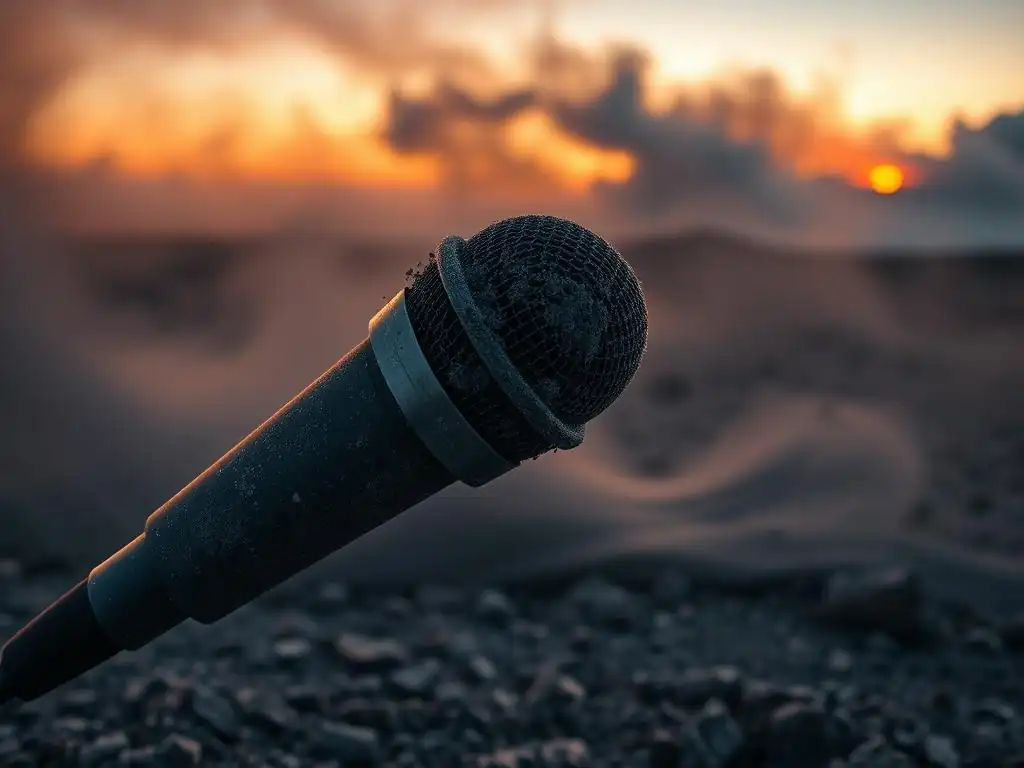
Despite the widespread misconception, volcanic ashfall is not truly silent. While it might not produce loud, booming sounds, it does generate subtle but discernible auditory signals. These sounds, often described as faint and delicate, are real and have been documented through various accounts and scientific investigations. The key to perceiving these sounds lies in attentive listening and understanding the physics behind their generation. The silence often attributed to ashfall is more accurately a matter of perception and the masking effects of other, louder volcanic phenomena.
Documented Accounts of Sounds Associated with Ashfall
Historical accounts and eyewitness testimonies from volcanic eruptions provide evidence of sounds associated with ashfall. Reports from communities affected by ashfall often include descriptions of a "rustling," "hissing," or "ticking" sound accompanying the ash deposition. For instance, during the 1980 Mount St. Helens eruption, some residents described hearing a faint "sizzling" sound as ash accumulated on surfaces.
Similarly, after the 2010 Eyjafjallajökull eruption, reports from Iceland mentioned a "scratching" or "gritty" noise as ash fell. These anecdotal accounts, while subjective, collectively point towards the existence of audible sounds associated with volcanic ashfall, challenging the notion of complete silence. Scientists and volcanologists have also started to pay more attention to these auditory phenomena, realizing their potential for monitoring and hazard assessment.
Investigating the Physics Behind Ashfall Sounds
The sounds of volcanic ashfall are generated by the interaction of individual ash particles with surfaces and with each other. As ash particles fall through the air and land on surfaces like vegetation, roofs, or the ground, they create minute vibrations. These vibrations, when occurring en masse from a continuous rain of ash particles, can sum up to produce audible sound.
The specific type of sound depends on factors like particle size, fall velocity, and the nature of the surface they impact. Finer particles might produce a softer, hissing sound, while coarser particles could generate a more distinct ticking or clicking noise. The cumulative effect of millions of particles impacting surfaces over time creates a subtle but real auditory signature of ashfall, demonstrating that it is not an acoustically inert phenomenon.
Types of Sounds Associated with Volcanic Ash Deposition
The auditory landscape of volcanic ashfall is not monolithic. Different types of sounds can be associated with ash deposition, depending on the characteristics of the ash and the environment. These sounds, though subtle, can provide valuable information about the ongoing ashfall event. Recognizing and differentiating these sounds can enhance situational awareness and potentially improve hazard assessment in ashfall-affected areas.
The "Ticking" or "Clicking" Sound of Individual Ash Particles
One type of sound associated with ashfall is a "ticking" or "clicking" noise. This sound is often attributed to individual larger ash particles impacting hard surfaces like windows, metal roofs, or pavement. Imagine the sound of fine gravel lightly striking a windowpane.
Each particle impact generates a small, sharp sound, and when many particles are falling simultaneously, these individual clicks can blend together into a subtle but continuous ticking or clicking sound. This type of sound is more likely to be noticeable when the ashfall consists of slightly coarser particles and is falling on relatively hard, resonant surfaces. The frequency of the ticking sound can also vary depending on the ashfall rate, with a faster rate potentially leading to a more rapid and continuous ticking.
The "Rustling" or "Hissing" Noise of Accumulated Ash Layers
Another distinct sound is a "rustling" or "hissing" noise. This sound is typically associated with the accumulation of fine ash particles, particularly on softer surfaces like vegetation, fabric, or dry ground. Think of the sound of dry leaves rustling in a gentle breeze or the soft hissing sound of sand sliding down a dune.
As fine ash particles settle and shift, they create friction against each other and the surface they are landing on, generating these subtle rustling or hissing sounds. This type of sound is more likely to be prominent when the ash is composed of very fine particles and is accumulating in layers, especially in relatively sheltered environments where wind noise is minimized. The intensity of the rustling or hissing sound can also increase with the rate of ash deposition and the depth of the accumulated ash layer.
The "Crunching" Sound of Ash Underfoot or on Surfaces
A third type of sound emerges when ash has accumulated on the ground or surfaces – the "crunching" sound. This sound is produced when walking on ash-covered ground or disturbing accumulated ash layers. The angular and abrasive nature of ash particles causes them to grind against each other when compressed or moved, generating a distinct crunching or grinding sound. This is similar to the sound of walking on fresh snow or gravel.
The loudness and character of the crunching sound depend on the thickness of the ash layer, the particle size distribution, and the pressure applied. Heavier footsteps or the movement of vehicles on ash-covered surfaces will produce a more pronounced crunching sound. This sound is not directly related to the falling ash itself but rather to the presence and disturbance of deposited ash.
Factors Influencing the Audibility of Ashfall
The audibility of ashfall sounds is not constant and is influenced by a variety of factors. Understanding these factors is crucial for interpreting the auditory environment during an ashfall event and for potentially utilizing these sounds for monitoring purposes. These factors range from the physical characteristics of the ash itself to the ambient environmental conditions.
Ash Particle Size and Concentration
The size and concentration of ash particles significantly impact the audibility of ashfall sounds. Larger ash particles, with their greater mass and momentum, tend to produce louder and more distinct impact sounds when they strike surfaces. Conversely, very fine ash particles, while numerous, may generate softer, more diffuse sounds that are easily masked by background noise.
The concentration of ash in the air, or the ashfall rate, also plays a crucial role. A higher concentration of ash particles means more frequent impacts on surfaces per unit time, leading to a potentially louder and more continuous sound. In situations with light ashfall, the sounds might be very faint and sporadic, whereas during heavy ashfall, the cumulative effect of numerous particles could result in more easily discernible auditory signals.
Wind Speed and Direction
Wind speed and direction are significant environmental factors affecting ashfall sound audibility. Strong winds can generate substantial background noise, masking the subtle sounds of ashfall. Wind noise, including the rustling of leaves, whistling sounds, and general ambient noise, can drown out the faint ticking, rustling, or hissing sounds of ash deposition.
Furthermore, wind can affect the trajectory and velocity of ash particles, influencing their impact force and the resulting sound. Wind direction is also relevant, as it can carry ash and associated sounds away from or towards a listener. In windy conditions, detecting ashfall sounds requires more attentive listening and may be challenging, especially for quieter ashfall events.
Ambient Noise Levels
Pre-existing ambient noise levels in the environment are a crucial factor in determining the audibility of ashfall sounds. In urban environments with high levels of traffic noise, industrial sounds, or general human activity, the subtle sounds of ashfall are likely to be completely masked. Even in quieter environments, natural sounds like rain, wind, or animal noises can interfere with the perception of ashfall sounds.
The ability to hear ashfall sounds is greatly enhanced in quiet environments with low ambient noise. For example, in a rural setting during a calm night, the faint sounds of ashfall might be more easily discernible compared to a busy city street during the day. Therefore, the context of the surrounding soundscape is critical in assessing whether ashfall sounds will be audible.
Proximity to the Volcanic Eruption
Proximity to the volcanic eruption, while not directly affecting the sound of ashfall itself, influences the overall auditory experience during an ashfall event. Closer to the volcano, other, louder volcanic sounds like explosions, degassing noises, and rumbling might be prominent and completely overwhelm any subtle ashfall sounds. The closer one is to the source, the greater the intensity of all volcanic phenomena, both visual and auditory.
Further away from the volcano, where the intensity of these louder sounds diminishes, and ashfall becomes the primary volcanic phenomenon experienced, the subtle sounds of ashfall might become more perceptible, precisely because the masking effect of louder volcanic noises is reduced. Therefore, paradoxically, the "silence" of ashfall might be more apparent closer to the volcano due to the dominance of other, louder volcanic sounds, while the subtle auditory signature of ashfall might be better appreciated at a greater distance.
Instruments and Methods for Measuring Ashfall Sounds
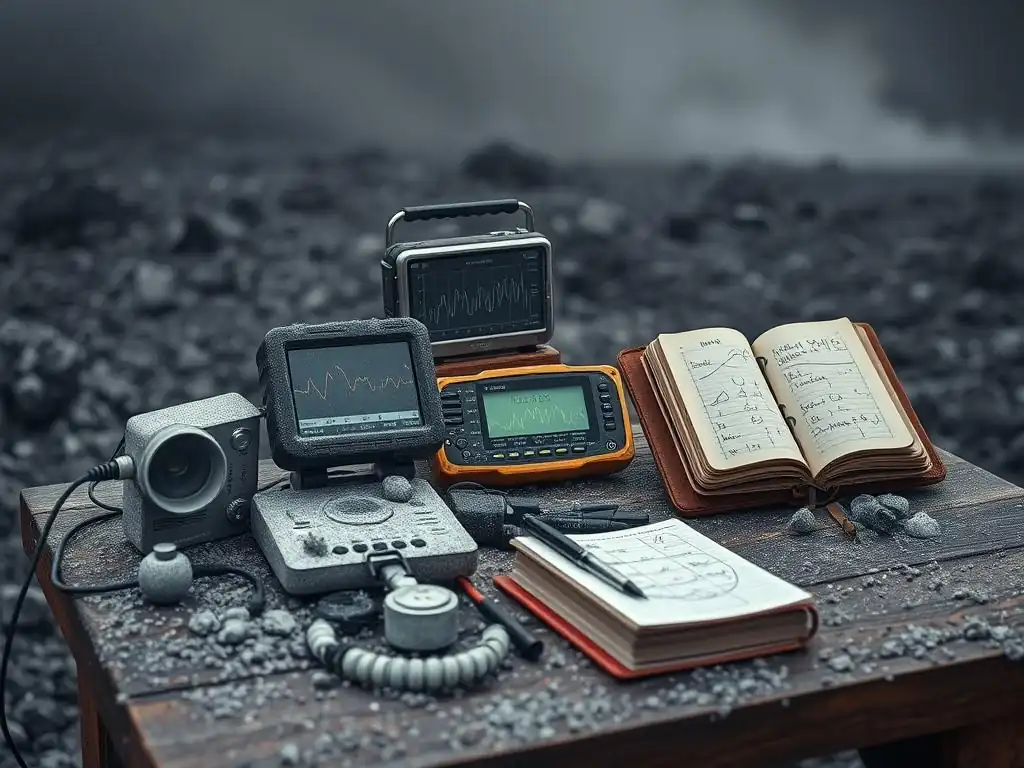
While human perception can detect some ashfall sounds, scientific instruments and methods can provide more objective and detailed measurements. These tools allow researchers to capture and analyze the subtle acoustic signals associated with ashfall, even those below the threshold of human hearing. These measurements are valuable for a deeper understanding of ashfall acoustics and for potential applications in volcanic monitoring.
Using Acoustic Sensors to Detect Low-Frequency Sounds
Acoustic sensors, particularly those designed to detect low-frequency sounds, can be employed to measure the subtle vibrations generated by ashfall. These sensors, similar to microphones but often more sensitive to lower frequencies, can be placed in ashfall-prone areas to record the acoustic environment. By analyzing the recorded data, researchers can identify and isolate the acoustic signatures associated with ashfall, even if they are very faint.
Low-frequency sounds, in the infrasonic and low-audible range, can travel further and are less easily masked by high-frequency ambient noise. Therefore, specialized acoustic sensors can be effective in detecting the subtle acoustic energy released by ash deposition, which might be missed by standard microphones or human ears.
Employing Seismographs to Identify Ground Vibrations from Ash Deposition
Seismographs, traditionally used to detect earthquakes, can also be sensitive to ground vibrations caused by ash deposition, especially during heavy ashfall events. While seismographs are primarily designed to detect seismic waves propagating through the Earth, they can also register surface vibrations. When a significant amount of ash accumulates on the ground, the continuous bombardment of particles can generate measurable ground vibrations.
By analyzing seismograph records, particularly the high-frequency components, researchers can potentially identify signals related to ashfall. This method might be particularly useful in detecting the onset and intensity variations of ashfall, especially in areas where dedicated acoustic sensors are not available. However, distinguishing ashfall-induced vibrations from other sources of ground noise requires careful analysis and potentially the use of seismic arrays to differentiate signals based on their source and propagation characteristics.
Audio Recording Techniques for Capturing Ashfall Sounds
Standard audio recording techniques, using high-quality microphones and recording equipment, can also be valuable for capturing ashfall sounds. To effectively record these subtle sounds, it is crucial to minimize background noise and use microphones with high sensitivity and low self-noise. Techniques like using windshields to reduce wind noise and placing microphones in sheltered locations can improve the signal-to-noise ratio.
Furthermore, advanced audio processing techniques, such as noise reduction algorithms and spectral analysis, can be applied to the recordings to enhance the ashfall sounds and extract meaningful information. Stereo recording techniques can also be used to capture the spatial distribution of ashfall sounds, potentially providing information about the direction and intensity of ashfall. Careful selection of recording locations, equipment, and post-processing methods is essential to successfully capture and analyze the subtle auditory signatures of volcanic ashfall.
Case Studies: Documented Sounds from Specific Volcanic Eruptions
Examining specific volcanic eruptions and documented accounts of associated sounds provides valuable real-world context to the discussion of ashfall acoustics. While detailed acoustic recordings of ashfall are still relatively scarce, anecdotal reports and emerging research offer insights into the auditory experience during past volcanic events. Analyzing these case studies helps to solidify the understanding that ashfall is not a silent phenomenon and that its sounds can be part of the overall volcanic experience.
Mount St. Helens: Auditory Observations During the 1980 Eruption
The 1980 eruption of Mount St. Helens, a major volcanic event in the United States, provides some anecdotal evidence of ashfall sounds. While the eruption is primarily remembered for its explosive blast and widespread ash plume, some eyewitness accounts mention subtle auditory phenomena associated with the ashfall. Residents in areas affected by ashfall reported hearing a faint "sizzling" or "crackling" sound as ash accumulated on surfaces, particularly on vegetation and rooftops.
These accounts, though not systematically recorded, suggest that even during a large and dramatic eruption, the subtle sounds of ashfall were perceptible to some observers. Further research into archival materials and potentially re-interviews with individuals who experienced the 1980 ashfall event could potentially yield more detailed information about the auditory aspects of this eruption.
Eyjafjallajökull: Sounds Recorded During the 2010 Ash Cloud Event
The 2010 eruption of Eyjafjallajökull in Iceland, famous for its widespread disruption of air travel, also offers some anecdotal and emerging evidence of ashfall sounds. Reports from Iceland during the eruption mentioned a "scratching" or "gritty" noise accompanying the ashfall. These sounds were particularly noticeable in relatively quiet environments, away from the louder volcanic noises emanating from the eruption vent.
Furthermore, some recent research initiatives have explored the analysis of audio recordings made during the Eyjafjallajökull eruption, aiming to identify and characterize the acoustic signatures of ashfall. While detailed scientific studies are still ongoing, preliminary findings suggest that subtle but measurable sounds were indeed associated with the ashfall from this eruption, further supporting the notion that it is not acoustically silent.
Mount Pinatubo: Sounds Recorded During the 1991 Eruption
The 1991 eruption of Mount Pinatubo in the Philippines, one of the largest volcanic eruptions of the 20th century, also provides a context for exploring ashfall sounds. Given the massive scale of the eruption and the extensive ashfall, it is highly likely that auditory phenomena were associated with the ash deposition, although detailed documentation specifically focusing on ashfall sounds might be limited. Future research could involve investigating reports from volcanologists and communities affected by the Pinatubo ashfall to uncover any anecdotal or recorded evidence of ashfall-related sounds.
Analyzing seismic and infrasound data collected during the 1991 eruption might also reveal subtle signals potentially attributable to the massive ashfall event. Further investigation into the Pinatubo eruption could contribute to a more comprehensive understanding of the auditory aspects of large-scale volcanic ashfall events.
Implications for Volcanic Monitoring and Hazard Assessment
Understanding the sounds of volcanic ashfall has implications beyond pure scientific curiosity. These subtle auditory signals could potentially be integrated into volcanic monitoring systems and hazard assessment strategies. By recognizing and interpreting ashfall sounds, we may gain valuable insights into ash cloud behavior, deposition patterns, and the overall progression of volcanic eruptions.
Using Acoustic Data to Track Ash Cloud Movement and Deposition
Acoustic monitoring of ashfall sounds could provide a complementary method for tracking ash cloud movement and deposition. By deploying networks of acoustic sensors in areas prone to ashfall, researchers could potentially monitor the onset, intensity variations, and spatial extent of ashfall events in real-time.
Changes in the intensity and characteristics of ashfall sounds could indicate shifts in ash cloud direction, variations in ashfall rate, and the progression of ash deposition. This acoustic data, combined with other monitoring techniques like satellite observations and ground-based measurements, could enhance the accuracy and timeliness of ash cloud tracking and forecasting, improving aviation safety and community preparedness.
Integrating Sound Analysis into Early Warning Systems
The detection of specific ashfall sounds could potentially be incorporated into early warning systems for volcanic hazards. The onset of audible ashfall sounds, particularly if they exhibit specific characteristics or intensity patterns, could serve as an early indicator of approaching ash clouds or increasing ashfall rates. Integrating acoustic sensors into existing volcanic monitoring networks and developing algorithms to automatically analyze ashfall sounds could provide an additional layer of information for early warning systems.
This could be particularly valuable in areas where visual observation of ash clouds is limited due to weather conditions or nighttime darkness. An acoustic-based early warning component could provide communities and aviation authorities with more lead time to prepare for and mitigate the impacts of volcanic ashfall.
Understanding Ashfall Sounds for Community Awareness and Preparedness
Raising community awareness about the sounds of volcanic ashfall is crucial for preparedness and response. Debunking the myth of silent ashfall and educating communities about the subtle but real sounds associated with ash deposition can enhance situational awareness during volcanic events.
If people are aware that ashfall can produce sounds like ticking, rustling, or crunching, they might be more likely to recognize the onset of ashfall and take appropriate protective measures. Public education campaigns, incorporating information about ashfall sounds, can empower communities to better understand and respond to volcanic ash hazards, ultimately contributing to increased resilience and safety in ashfall-prone areas.
Conclusion: Appreciating the Subtleties of Volcanic Ashfall Acoustics
The notion of silent volcanic ashfall is a misconception. While not loud or dramatic, ashfall does produce subtle but discernible auditory signals, including ticking, rustling, and crunching sounds. These sounds, often overlooked in the context of more prominent volcanic phenomena, are generated by the interaction of ash particles with surfaces and with each other. Factors like ash particle size, concentration, wind speed, and ambient noise levels influence the audibility of these sounds. Scientific instruments and methods, including acoustic sensors, seismographs, and audio recording techniques, can be employed to measure and analyze ashfall acoustics. Case studies from past eruptions, like Mount St. Helens and Eyjafjallajökull, provide anecdotal and emerging evidence of ashfall sounds. Understanding the acoustics of volcanic ashfall has implications for volcanic monitoring, hazard assessment, and community preparedness. By appreciating the subtleties of the auditory environment during volcanic events, we can gain a more complete understanding of these powerful natural phenomena and enhance our ability to mitigate their risks.
Frequently Asked Questions
What does volcanic ashfall typically sound like?
Contrary to popular belief, volcanic ashfall is not usually silent. The sound of ashfall can range from a soft hissing to a rustling or even a sandblasting sound, depending on the intensity and particle size of the ash.
Does the intensity of ashfall affect the sound it makes?
Yes, absolutely. Heavier ashfall produces a more noticeable and often louder sound. A light dusting might be nearly silent, while a significant ashfall event can sound like a constant rain or even a low roar.
Is the sound of ashfall different from the sound of rain?
While both can sound similar, there are distinctions. Ashfall often has a drier, more gritty sound, whereas rain has a more liquid quality. Listen for a crunchy or rustling sound associated with ash, compared to the splashing sound of rain.
Why is it important to know what ashfall sounds like?
Being able to identify the sound of ashfall can be crucial for safety, especially if visibility is poor. It can serve as an early warning sign of an approaching volcanic event, allowing individuals to take protective measures.
What other sounds might accompany volcanic ashfall?
Besides the ashfall itself, you might also hear thunderous booms from the volcano, steam explosions, or the sound of lahars (mudflows). These sounds, combined with the sound of ashfall, can indicate a significant volcanic eruption.
Final Reflection: Echoes in the Silence
The exploration of the sound of volcanic ashfall reveals a profound paradox: what appears silent to the untrained ear is, in reality, a complex symphony of subtle auditory experiences. This understanding is crucial today, as volcanic activity continues to reshape landscapes and impact communities worldwide, demanding a more nuanced approach to risk assessment and public safety.
The seemingly muted nature of ashfall belies its significant impact on our perception and well-being. This investigation has underscored the importance of listening beyond the obvious, of tuning into the quiet signals that often hold vital information. The real voyage of discovery consists not in seeking new landscapes, but in having new eyes.
- Marcel Proust. This quote resonates deeply, reminding us that understanding the sound of ashfall requires a shift in perspective, a willingness to perceive the world in a new light.
Now, as you consider the implications of this exploration, I invite you to reflect on the subtle sounds that surround you in your own life. What seemingly insignificant noises might hold deeper meaning or reveal hidden truths? Listen closely, not just with your ears, but with your heart and mind, and you may discover a world of information waiting to be heard.
Unveil the Whispers of Volcanoes!
Thank you for delving into the fascinating (and often misunderstood) sounds of ashfall! Now that you understand the subtle auditory experience, let's take your exploration a step further and connect with the volcanic world in a tangible way.
Here are a few ways you can continue your journey:
- Experience the Simulation: Try to recreate the feeling of a silent ashfall event using recordings of natural ambience mixed with faint static noise, focusing on the absence of expected sounds, and share it with others.
- Dive deeper into the acoustics of volcanic landscapes. Research the work of geophysicists and sound engineers who study volcanic acoustics.
- Share this article with your network and spark a conversation about the unexpected sounds (or lack thereof) in nature.
What are your thoughts on the silence surrounding ashfall – does it change your perspective on these powerful natural events? Share your insights in the comments below!