
Volcanic Ash and Agriculture: Protecting Crops and Livestock from Tephra Fallout

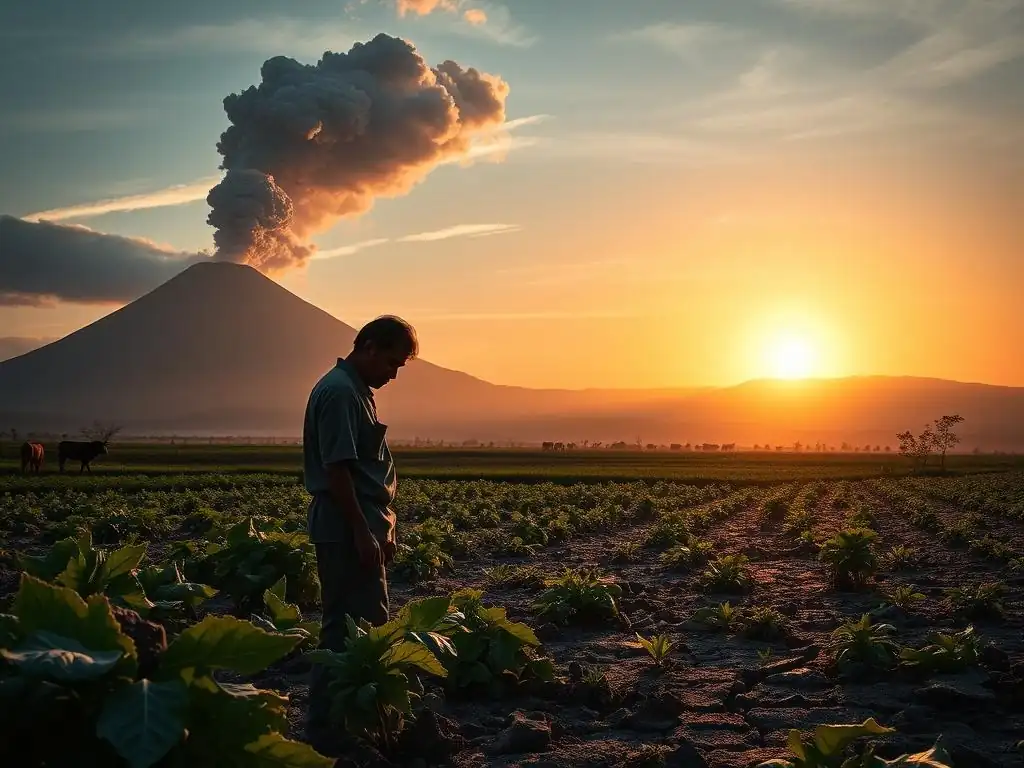
Welcome to Volcano Explorers, where the Earth's fiery heart comes to life! Prepare to be captivated by the raw power and stunning beauty of volcanoes. Ever wondered how a seemingly harmless dusting of ash can wreak havoc on farms and fields? Dive into our latest article and uncover the surprising impact of volcanic ash on agriculture, revealing the secrets to protecting our crops and livestock from the devastating effects of tephra fallout. The fate of harvests may depend on understanding the science behind these eruptions. Intrigued? Read on to discover how volcanologists and farmers are battling this invisible threat...
- Introduction: Understanding the Impact of Volcanic Ash on Agriculture
- How Volcanic Ash Affects Crop Production
- Mitigating the Impact of Volcanic Ash on Agriculture: Strategies and Best Practices
- Protecting Livestock from Volcanic Ash Exposure
- Long-Term Recovery and Adaptation Strategies for Agricultural Communities
- Case Studies: Examples of Agricultural Impacts and Recovery from Volcanic Ash
- Conclusion: Building Resilience in Agriculture Against Volcanic Hazards
-
Frequently Asked Questions
- What is volcanic ash, and why is it harmful to agriculture?
- How does volcanic ash affect crop yields?
- What are the immediate effects of ashfall on livestock?
- What long-term impacts can volcanic ash have on soil fertility?
- What measures can farmers take to protect their crops and livestock from volcanic ash?
- Final Reflection: Resilience in the Face of Volcanic Fury
- Safeguard Your Harvest: Act Now!
Introduction: Understanding the Impact of Volcanic Ash on Agriculture
The Threat of Tephra: A Major Hazard to Farming Communities
Volcanic eruptions are powerful natural events that pose a wide range of hazards, from lava flows and pyroclastic surges to volcanic gases and lahars. Among these threats, tephra fallout, commonly known as volcanic ash, stands out as a widespread and far-reaching danger to agriculture. Tephra consists of fragmented volcanic rock, minerals, and glass particles ejected into the atmosphere during an eruption.
While the immediate image of a volcanic eruption might be dominated by fiery lava, it is often the seemingly less dramatic ashfall that causes significant and widespread disruption, particularly to farming communities located downwind of active volcanoes. These communities, often reliant on agriculture for their livelihoods and food security, face substantial risks from even relatively minor ashfalls.
The impact of tephra extends beyond immediate physical damage. Volcanic ash can blanket vast areas, disrupting essential agricultural processes and ecosystems. The fine particles can contaminate water sources, damage crops directly, and affect livestock health.
Furthermore, the chemical composition of volcanic ash can alter soil properties, leading to long-term challenges for agricultural productivity. For regions near active volcanic zones, understanding the multifaceted threats posed by tephra is crucial for developing effective mitigation strategies and ensuring the resilience of agricultural systems. This understanding is not just about weathering immediate crises, but also about building long-term preparedness and adaptive capacity within farming communities.
Scope of the Article: Protecting Agriculture from Volcanic Ash
This article will delve into the diverse ways volcanic ash impacts agriculture, focusing on both crop production and livestock management. We will explore the direct and indirect effects of ash deposition, ranging from physical damage to crops and soil contamination to disruptions in pollination and animal health. Understanding these impacts is the first step towards effective mitigation. Therefore, a significant portion of this article will be dedicated to outlining practical strategies and best practices for protecting agriculture from tephra fallout.
We will examine pre-eruption planning measures that farmers can implement, including developing emergency response plans and securing essential resources. Furthermore, we will detail immediate actions to take during and after an ashfall event, such as ash removal techniques, irrigation strategies, and soil amendment applications. Protecting livestock is also paramount, and we will discuss the health risks to animals from ash exposure, along with strategies for providing shelter, clean water, and managing contaminated feed.
Finally, we will explore long-term recovery and adaptation strategies for agricultural communities, including soil remediation techniques, crop diversification, and the role of government support in building resilience against future volcanic hazards. By understanding the science behind volcanic ash and its impact on agriculture, and by implementing proactive and informed strategies, we can significantly reduce the vulnerability of farming communities to these powerful natural events.
How Volcanic Ash Affects Crop Production
Direct Effects of Ash Deposition on Crops
Volcanic ash, upon settling on agricultural lands, exerts a multitude of direct effects on crop production. These effects are largely determined by the characteristics of the ash itself, including particle size, thickness of the ash layer, and its chemical composition, as well as the type of crop and its growth stage at the time of ashfall. The immediate physical burden of ash, coupled with its chemical and optical properties, can rapidly impact plant health and productivity.
The direct impacts are often the most immediately visible and can cause significant losses in crop yield and quality. From the moment ash begins to fall, crops are subjected to a range of stresses that can impede their growth and development. Understanding these direct effects is critical for implementing timely and effective mitigation measures to minimize damage and support crop recovery.
Physical Damage: Leaf Burial, Abrasion, and Plant Stress
One of the most obvious direct impacts of volcanic ash is physical damage to plants. The weight of ash accumulating on leaves and stems can cause lodging, where plants bend or break under the load, particularly in crops with weak stems or those laden with fruit or grain. A relatively thin layer of ash, even just a few millimeters, can be surprisingly heavy when spread across a large field.
For instance, a 1 mm layer of ash can weigh approximately 1-2 kg per square meter. Heavier ashfalls can completely bury low-growing crops, preventing them from accessing sunlight and air, leading to suffocation and death.
Beyond the weight, the abrasive nature of volcanic ash particles also contributes to physical damage. Wind and rain can exacerbate this abrasion, causing microscopic scratches and lesions on leaf surfaces. These injuries disrupt the plant's protective cuticle, increasing water loss through transpiration and making plants more vulnerable to disease and pest infestations. The physical stress of dealing with ash deposition also diverts resources away from growth and yield production, further impacting overall crop performance. Delicate crops like leafy greens and soft fruits are particularly susceptible to physical damage from ashfall.
Photosynthesis Inhibition: Reduced Sunlight and Ash Coating
Volcanic ash significantly reduces the amount of sunlight reaching plant leaves, directly impacting photosynthesis, the process by which plants convert light energy into chemical energy for growth. Ash particles in the atmosphere scatter and absorb sunlight, diminishing the intensity and quality of light available for plants.
Even a thin layer of ash coating leaves further exacerbates this issue, acting as a physical barrier that blocks light penetration into the leaf tissue. Studies following the 1980 eruption of Mount St. Helens showed a significant reduction in photosynthetic rates in plants covered with ash, with reductions ranging from 50% to 90% depending on ash thickness and plant species.
The reduction in photosynthesis leads to a decrease in carbohydrate production, which is essential for plant growth, development, and ultimately, yield. Prolonged periods of reduced sunlight due to ash clouds and leaf coating can stunt plant growth, delay maturity, and reduce the size and quality of harvested produce. For crops that are nearing harvest, reduced photosynthesis during critical ripening stages can lead to significant yield losses and lower nutritional value. Furthermore, the spectral quality of light can also be altered by ash, potentially impacting photomorphogenesis, the developmental processes of plants influenced by light.
Chemical Impacts: Soil pH Alteration and Nutrient Availability
The chemical composition of volcanic ash varies depending on the type of eruption and the magma source, but it can have significant impacts on soil chemistry and nutrient availability. Fresh volcanic ash often contains soluble salts and reactive minerals that can alter soil pH. In many cases, ash tends to increase soil pH, making it more alkaline.
For example, ash from some eruptions in Iceland has been shown to contain high levels of calcium and magnesium oxides, which react with water to form hydroxides, raising soil pH. While some plants thrive in alkaline conditions, many common agricultural crops prefer slightly acidic to neutral soils. A sudden shift in pH can disrupt nutrient uptake and availability for these crops.
Furthermore, volcanic ash can contain both beneficial and detrimental elements for plant nutrition. While ash can provide essential micronutrients like iron, zinc, and manganese, it can also contain potentially toxic elements such as fluorine, arsenic, and heavy metals, depending on the volcanic source. High concentrations of fluorine in ash, for instance, can be particularly problematic for livestock grazing on contaminated pastures, leading to fluorosis.
The immediate effect of ash on nutrient availability can be complex, with initial increases in some nutrients followed by longer-term imbalances and potential toxicities. The long-term impact on soil fertility depends on the ash composition, the existing soil type, and subsequent weathering processes.
Indirect Effects of Volcanic Ash on Agricultural Lands
Beyond the direct impacts on crops, volcanic ash also triggers a range of indirect effects that can significantly disrupt agricultural systems. These indirect effects can be just as damaging as the direct impacts and often have longer-lasting consequences, affecting soil fertility, water resources, and essential ecological processes within agricultural landscapes. Understanding these indirect effects is crucial for developing comprehensive mitigation and recovery strategies that address the broader agricultural ecosystem.
These indirect effects can manifest in various ways, from altering soil properties over time to disrupting critical ecological interactions necessary for crop production. Addressing these indirect effects requires a holistic approach to agricultural management in volcanic regions, considering the interconnectedness of soil, water, and biological systems.
Soil Contamination and Long-Term Fertility
While volcanic ash can initially contribute some nutrients to the soil, it can also lead to soil contamination and negatively impact long-term fertility. The deposition of a thick layer of ash can physically bury the existing topsoil, effectively sealing off the fertile layer and disrupting soil structure. This can impede water infiltration, aeration, and root penetration, all of which are crucial for plant growth. The physical change in soil texture and structure caused by ash deposition can persist for years, even decades, affecting the overall suitability of the land for agriculture.
Furthermore, as mentioned earlier, volcanic ash can introduce potentially toxic elements into the soil. Even if present in trace amounts initially, these elements can accumulate in the soil over time, particularly with repeated ashfalls from subsequent eruptions. This accumulation can lead to chronic soil contamination, making it unsuitable for growing certain crops or posing risks to human and animal health through the food chain.
The long-term effects of ash on soil fertility are complex and depend on various factors, including ash composition, rainfall patterns, and soil management practices. In some cases, the addition of ash can eventually improve soil fertility over very long timescales through weathering and mineral release, but the immediate to medium-term impacts are often negative for agricultural productivity.
Water Contamination: Impact on Irrigation Systems
Volcanic ash poses a significant threat to water resources, both for direct consumption and for irrigation purposes. Ash suspended in water sources can make the water turbid and unpalatable for livestock and unsuitable for irrigation without treatment. Fine ash particles can clog irrigation systems, particularly drip irrigation systems, which are widely used in modern agriculture for efficient water delivery. The clogging of pipes, emitters, and filters can lead to reduced irrigation efficiency, increased maintenance costs, and potentially crop water stress if irrigation is disrupted.
Beyond physical clogging, volcanic ash can also chemically contaminate water sources. Soluble components in ash, such as sulfates, chlorides, and fluorides, can leach into surface and groundwater, altering water quality. Elevated fluoride levels, for instance, can make water unsuitable for drinking water standards and can pose health risks to livestock and humans if consumed over prolonged periods.
The contamination of irrigation water can also indirectly affect crops by introducing harmful substances to the soil and potentially impacting plant health. The impact on water resources can be particularly severe in regions that rely heavily on surface water sources or have limited groundwater reserves, making water management a critical aspect of mitigating the agricultural impacts of volcanic ash.
Disruption of Pollination and Seed Dispersal
Volcanic ash can disrupt vital ecological processes such as pollination and seed dispersal, which are essential for the reproduction and survival of many agricultural crops and wild plant species. Ashfall can directly harm pollinators, such as bees and other insects, by coating their bodies, hindering their flight, and contaminating their food sources. Heavy ashfalls can even kill pollinators directly.
Reduced pollinator activity can lead to decreased fruit and seed set in crops that rely on insect pollination, resulting in yield losses and reduced genetic diversity in plant populations. A study following the eruption of Mount Pinatubo in the Philippines in 1991 documented a significant decline in bee populations and subsequent reduced fruit set in mango orchards due to ashfall.
Seed dispersal, another crucial ecological process, can also be affected by volcanic ash. Ash deposition can alter wind patterns, bury seeds, and impede the movement of seed-dispersing animals. For crops and wild plants that rely on wind or animal dispersal for propagation, ashfall can disrupt natural regeneration processes and alter plant community composition over time. The disruption of pollination and seed dispersal highlights the broader ecological impacts of volcanic ash, extending beyond direct damage to crops and emphasizing the interconnectedness of agricultural systems with the natural environment.
Mitigating the Impact of Volcanic Ash on Agriculture: Strategies and Best Practices
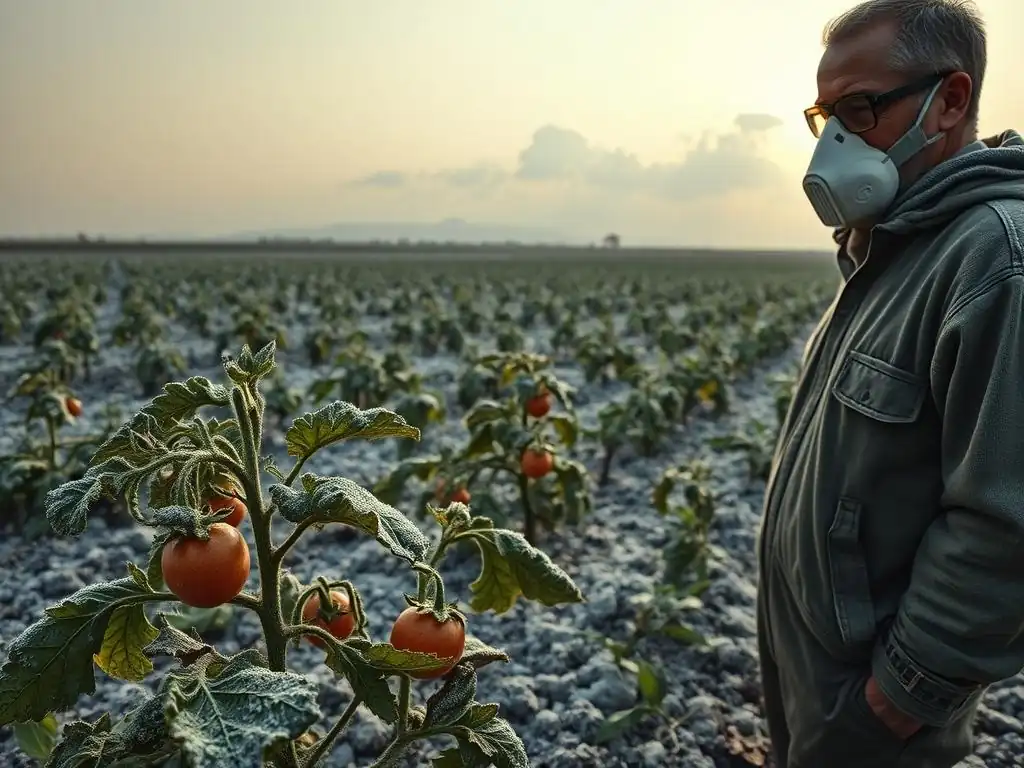
Pre-Eruption Planning and Preparedness for Farmers
Effective mitigation of volcanic ash impacts on agriculture begins long before an eruption occurs. Pre-eruption planning and preparedness are crucial for minimizing damage and ensuring a swift and effective response when ashfall does occur. Farmers in volcanic regions should proactively develop strategies and build resilience into their agricultural operations to lessen the potential impact of tephra fallout. This proactive approach can significantly reduce losses and facilitate faster recovery after an ashfall event.
Preparedness involves a range of actions, from developing emergency plans and securing essential resources to educating farming communities and fostering collaboration. Investing in pre-eruption preparedness is a cost-effective way to protect livelihoods and ensure food security in volcanically active areas.
Developing Emergency Response Plans for Ash Fallout
A critical component of pre-eruption planning is the development of comprehensive emergency response plans specifically tailored for volcanic ash fallout. These plans should outline clear procedures and protocols to be followed before, during, and after an ashfall event. The plan should identify key personnel responsible for coordinating the response, establish communication channels for disseminating information and warnings, and detail specific actions to protect crops, livestock, and farm infrastructure. For instance, the plan should specify procedures for evacuating livestock if necessary, covering sensitive equipment, and securing water supplies.
The emergency response plan should be based on realistic scenarios, considering the potential for varying ashfall thicknesses and durations based on volcanic hazard assessments for the region. Regular drills and exercises to test the plan and familiarize farm personnel with their roles and responsibilities are essential. Collaboration with local emergency management agencies and volcano observatories is crucial for integrating farm-level plans with broader regional emergency response frameworks. A well-developed and regularly updated emergency response plan can significantly enhance a farm's capacity to respond effectively to an ashfall event and minimize potential losses.
Securing Essential Resources: Water, Feed, and Protective Equipment
Pre-eruption preparedness also involves securing essential resources that will be needed during and after an ashfall event. Access to clean water is paramount for both livestock and crop irrigation. Farmers should consider establishing backup water supplies, such as rainwater harvesting systems or protected wells, to ensure water availability if surface water sources become contaminated with ash. Stockpiling animal feed is also crucial, as ashfall can contaminate pastures and disrupt feed supplies. Storing sufficient quantities of hay, silage, or concentrate feed can help maintain livestock nutrition during and immediately after an ashfall event.
Protective equipment for farm personnel is another essential resource. This includes dust masks or respirators to protect against inhaling fine ash particles, goggles to protect eyes from irritation, and protective clothing to minimize skin exposure. Ensuring that farmers have access to and are trained in the proper use of this protective equipment is vital for safeguarding their health during ash cleanup and recovery operations. Regularly checking and replenishing stockpiles of water, feed, and protective equipment ensures that these resources are readily available when needed, enhancing the farm's preparedness for a volcanic ashfall event.
Immediate Actions After a Volcanic Ashfall Event
Once volcanic ashfall occurs, prompt and appropriate actions are critical to minimize damage to crops and agricultural lands. The immediate post-ashfall response should focus on removing ash from crops and pastures, mitigating the chemical impacts of ash, and restoring essential agricultural functions as quickly as possible. The effectiveness of these immediate actions will significantly influence the extent of crop losses and the speed of agricultural recovery. Time is of the essence in the immediate aftermath of an ashfall event to prevent long-term damage and facilitate a return to normal agricultural operations.
These immediate actions require quick decision-making and efficient implementation, often under challenging conditions. Prioritizing actions based on crop type, ash thickness, and available resources is essential for maximizing the effectiveness of the response.
Ash Removal Techniques for Crops and Pastures
Removing ash from crops and pastures is a primary concern after an ashfall event. The specific techniques used will depend on the type of crop, the thickness of the ash layer, and available equipment and labor. For robust crops like cereals, gentle irrigation with sprinklers can help wash off ash from leaves, provided that water resources are not contaminated and the weight of water-saturated ash does not cause lodging.
However, high-pressure washing should be avoided as it can further damage plant tissues already stressed by ash. For more delicate crops, manual removal of ash may be necessary, using brushes or gentle shaking to dislodge ash without causing physical damage.
On pastures, allowing livestock to graze immediately after ashfall should be avoided to prevent them from ingesting large quantities of ash. If possible, pastures should be lightly harrowed or brushed to break up the ash layer and allow rainfall to wash it into the soil. However, heavy machinery should be used cautiously to avoid compacting ash-covered soil, which can further impede drainage and aeration.
In some cases, if ashfall is very thick, removing the top layer of ash-contaminated pasture may be necessary, followed by reseeding with ash-tolerant forage species. The choice of ash removal technique should be carefully considered to balance effectiveness with the potential for further crop or soil damage.
Irrigation Strategies to Minimize Ash Damage
Irrigation strategies after ashfall need to be carefully managed to minimize further damage and maximize the benefits of water application. As mentioned earlier, gentle sprinkler irrigation can be used to wash ash off crops, but the timing and intensity of irrigation are crucial. Irrigation should ideally be done soon after ashfall before the ash becomes compacted or chemically reacts with plant surfaces.
However, excessive irrigation can lead to waterlogging in ash-covered soils with reduced drainage, potentially exacerbating root stress. The water quality for irrigation is also a concern, as ash may have contaminated water sources. If contaminated water is used, it could introduce harmful substances to the soil and crops.
In some cases, irrigation may be used to leach soluble salts and acidic components from the ash layer into the soil profile, reducing their immediate impact on plants. However, this approach should be used cautiously, especially in areas with shallow groundwater tables, to avoid contaminating groundwater resources. The choice of irrigation strategy should be based on the type of crop, the thickness and chemical composition of the ash, the soil type, and the availability of clean water. Careful monitoring of soil moisture and plant stress is essential to optimize irrigation practices after ashfall.
Applying Soil Amendments to Counteract Ash Acidity
Volcanic ash can alter soil pH and nutrient availability, as discussed earlier. Applying soil amendments can help counteract these chemical impacts and promote crop recovery. If the ash is acidic, as is the case with some volcanic eruptions, applying lime (calcium carbonate) or dolomite (calcium magnesium carbonate) can help raise soil pH towards a more neutral level, improving nutrient availability for most crops. The amount of lime needed will depend on the acidity of the ash and the buffering capacity of the soil, and soil testing is recommended to determine the appropriate application rate.
In cases where ash is alkaline, amendments such as gypsum (calcium sulfate) or elemental sulfur can be used to lower soil pH. However, alkaline ash is less common than acidic ash in many volcanic regions. Beyond pH adjustment, volcanic ash can also alter soil nutrient balance.
Applying fertilizers, particularly nitrogen and phosphorus, may be necessary to replenish nutrients that may have been leached or become less available due to ash deposition. However, fertilizer application should be based on soil testing and crop nutrient requirements to avoid over-fertilization, which can have negative environmental consequences. Organic amendments, such as compost or manure, can also be beneficial in improving soil structure, water retention, and nutrient availability in ash-affected soils.
Protecting Livestock from Volcanic Ash Exposure
Health Risks to Animals from Inhaling and Ingesting Ash
Livestock are particularly vulnerable to the hazards of volcanic ash due to their grazing habits and respiratory systems. Inhaling and ingesting volcanic ash can pose significant health risks to animals, ranging from respiratory problems and digestive issues to fluorosis and even death in severe cases. Protecting livestock from ash exposure is crucial for maintaining animal health and productivity in volcanic regions. Understanding the specific health risks is the first step towards implementing effective protective measures.
The severity of health impacts depends on several factors, including the particle size of the ash, the duration and intensity of exposure, the animal species, and their overall health condition. Younger animals and those with pre-existing respiratory or digestive problems are generally more susceptible to ash-related illnesses.
Respiratory Problems and Digestive Issues in Livestock
Inhalation of fine volcanic ash particles can cause respiratory problems in livestock. The abrasive nature of ash can irritate the delicate mucous membranes of the respiratory tract, leading to coughing, nasal discharge, and labored breathing. In severe cases, prolonged exposure to high concentrations of ash can cause bronchitis, pneumonia, and even permanent lung damage, particularly in young or stressed animals.
Horses and donkeys are especially susceptible to respiratory problems due to their relatively large lung capacity and tendency to inhale large volumes of air during exercise. Sheep and cattle can also develop respiratory issues, although they may be somewhat less sensitive than horses.
Ingestion of volcanic ash can lead to digestive problems in livestock. Ash can be ingested directly while grazing on contaminated pastures or indirectly through contaminated feed and water. The abrasive ash particles can irritate the lining of the mouth, esophagus, and stomach, causing oral lesions, reduced appetite, and digestive upset.
Accumulation of ash in the digestive tract can also lead to impaction, particularly in ruminants like cattle and sheep, where large quantities of ash can accumulate in the rumen and block the passage of food. Digestive problems can result in reduced feed intake, weight loss, decreased milk production, and in severe cases, even death.
Impact on Animal Feed and Water Sources
Volcanic ash directly contaminates animal feed and water sources, posing further health risks to livestock. Pastures become covered in ash, making grazing hazardous due to the risk of ingesting large quantities of ash. Hay and silage stored outdoors can also be contaminated with ash, requiring careful assessment before feeding to animals.
Ash contamination reduces the palatability and nutritional value of feed, leading to reduced feed intake and nutrient deficiencies. Water sources, such as ponds, streams, and open water tanks, can become contaminated with ash, making the water turbid and potentially unpalatable or even toxic due to leached chemical components from the ash.
Fluoride contamination of water and forage is a particular concern in some volcanic eruptions, as ash can contain significant amounts of fluoride. Chronic ingestion of fluoride-contaminated feed and water can lead to fluorosis, a debilitating condition that affects teeth and bones, causing lameness, reduced growth rates, and decreased productivity in livestock. The impact on animal feed and water sources necessitates proactive measures to protect these essential resources from ash contamination and ensure the provision of safe and nutritious feed and water to livestock during and after ashfall events.
Protecting Livestock During and After Ashfall
Providing Shelter and Clean Water for Animals
Protecting livestock from volcanic ash requires providing adequate shelter and ensuring access to clean water during and after an ashfall event. Ideally, livestock should be moved indoors to barns or sheds before ashfall begins. If indoor shelter is not available, providing temporary shelters using tarpaulins or other protective materials can help reduce ash exposure. Shelters should be well-ventilated to minimize the accumulation of dust and ensure good air quality. Confined spaces can also increase the risk of respiratory problems if ventilation is inadequate.
Access to clean, uncontaminated water is paramount. Water sources should be protected from ashfall by covering open water tanks and troughs. Providing alternative water sources, such as stored rainwater or well water, is crucial if surface water sources become contaminated. Water should be tested for ash contamination and chemical components, particularly fluoride, if volcanic ash is known to contain high fluoride levels. Regularly cleaning water troughs and tanks to remove accumulated ash is also important to maintain water quality and palatability for livestock.
Managing Ash Contamination in Feed Supplies
Managing ash contamination in feed supplies is critical for maintaining livestock nutrition and preventing digestive problems. Contaminated pastures should be avoided until ash has been washed away by rain or removed. If grazing is unavoidable, limiting grazing time and providing supplemental feed in clean areas can help reduce ash ingestion. Hay and silage stored outdoors should be inspected for ash contamination. Lightly contaminated hay may be used as bedding, but heavily contaminated hay should be discarded or used for non-animal purposes. Feed stored indoors should be protected from ash ingress by sealing storage areas and using dust-proof containers.
When feeding livestock, consider using pelleted or processed feeds, which are less likely to be contaminated with ash than loose hay or grain. Feed troughs and mangers should be cleaned regularly to remove accumulated ash. Providing supplemental mineral and vitamin supplements may be beneficial to counteract potential nutrient deficiencies resulting from reduced feed intake and ash ingestion. Careful management of feed supplies is essential to ensure that livestock receive adequate nutrition and minimize the risks associated with ash contamination.
Veterinary Care and Monitoring for Ash-Related Illnesses
Regular veterinary care and monitoring are essential for detecting and treating ash-related illnesses in livestock. Veterinarians should be consulted for advice on preventative measures and treatment protocols for respiratory and digestive problems associated with ash exposure. Animals should be monitored closely for signs of respiratory distress, coughing, nasal discharge, reduced appetite, and digestive upset. Early detection and treatment of these conditions can improve animal welfare and prevent more severe health complications.
In areas with ongoing volcanic activity and repeated ashfalls, regular veterinary check-ups and preventative treatments may be necessary. Vaccination against respiratory diseases, such as pneumonia, may be considered to enhance livestock resilience to ash-related respiratory challenges. Providing supportive care, such as ensuring adequate hydration and nutrition, and reducing stress, can also help animals recover from ash exposure. Collaboration between farmers and veterinarians is crucial for effective livestock management and health protection in volcanic regions.
Long-Term Recovery and Adaptation Strategies for Agricultural Communities
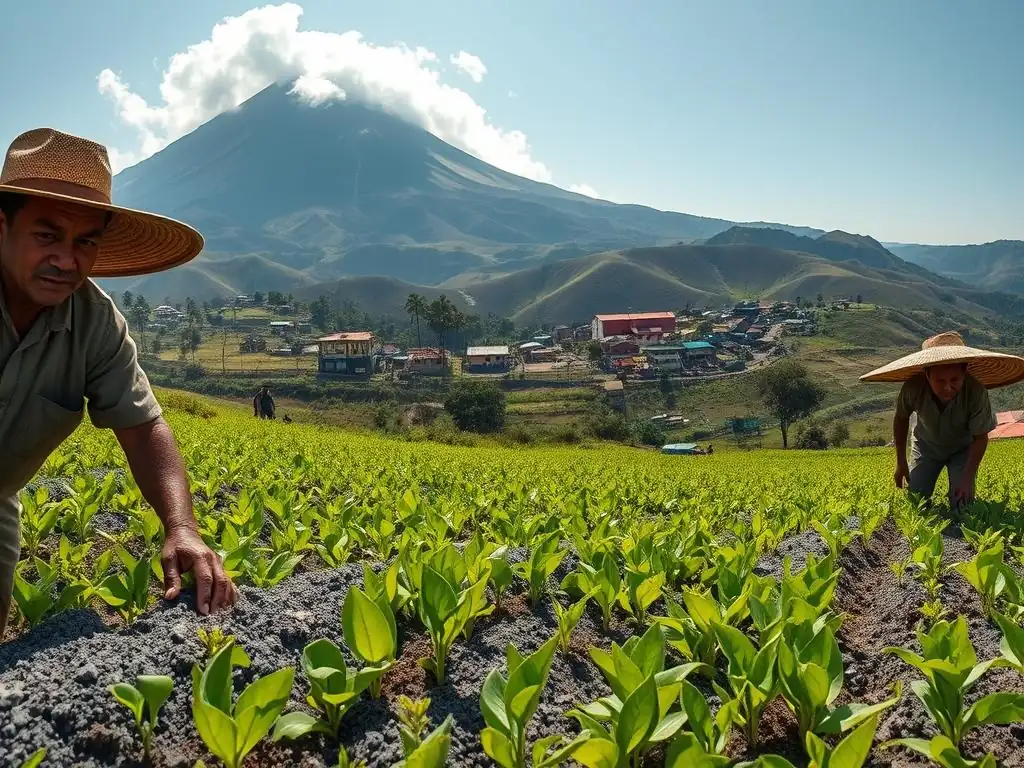
Assessing Long-Term Soil and Water Impacts
Long-term recovery and adaptation strategies are essential for agricultural communities affected by volcanic ash. The initial ashfall event is just the beginning of a longer process of recovery and rebuilding. Assessing the long-term impacts on soil and water resources is a crucial first step in developing sustainable recovery plans. The long-term effects of ash can persist for years, even decades, affecting soil fertility, water quality, and overall agricultural productivity. A thorough assessment provides the foundation for informed decision-making and targeted interventions to restore agricultural livelihoods and build resilience for future volcanic events.
This assessment should be comprehensive, considering both the physical and chemical changes induced by ash deposition, and should involve collaboration between scientists, agricultural experts, and local farming communities. The results of the assessment will guide the selection of appropriate remediation techniques, sustainable farming practices, and support mechanisms for long-term agricultural recovery.
Implementing Sustainable Farming Practices After Volcanic Eruptions
Implementing sustainable farming practices is key to long-term agricultural recovery and resilience in ash-affected areas. Traditional farming practices may need to be adapted to address the altered soil and water conditions resulting from volcanic ashfall. Sustainable practices focus on restoring soil health, conserving water resources, and promoting biodiversity, contributing to the long-term viability of agriculture in volcanic landscapes. These practices are not only beneficial for recovery but also enhance the overall resilience of agricultural systems to future environmental stresses, including volcanic eruptions.
Sustainable farming in ash-affected areas may involve adopting conservation tillage methods to minimize soil erosion and improve soil structure, implementing crop rotation systems to enhance soil fertility and reduce pest and disease pressure, and using water-efficient irrigation techniques to conserve water resources. Integrating agroforestry practices, such as planting trees and shrubs within agricultural landscapes, can also improve soil health, provide windbreaks, and enhance biodiversity. Promoting organic farming practices, which minimize the use of synthetic fertilizers and pesticides, can further contribute to soil health and environmental sustainability.
Soil Remediation Techniques for Ash-Affected Areas
Soil remediation techniques are often necessary to address the long-term impacts of volcanic ash on soil fertility and productivity. The specific remediation techniques required will depend on the characteristics of the ash, the existing soil type, and the intended land use. In cases of severe soil contamination with toxic elements, more intensive remediation methods may be needed, such as excavation and removal of contaminated soil, or in-situ treatment techniques to immobilize or remove contaminants. However, for most agricultural scenarios, less intensive but effective remediation techniques can be implemented.
Amending ash-affected soils with organic matter, such as compost, manure, or biochar, can improve soil structure, water retention, and nutrient availability. Deep tillage or ripping compacted ash layers can improve soil drainage and aeration. Planting cover crops or green manure crops can help improve soil fertility and prevent soil erosion. Phytoremediation, using plants to remove or stabilize contaminants in the soil, may also be a viable option for certain types of soil contamination. The selection of appropriate soil remediation techniques should be based on a thorough soil assessment and tailored to the specific needs of the agricultural system.
Crop Diversification and Selection of Ash-Tolerant Varieties
Crop diversification and the selection of ash-tolerant crop varieties are important adaptation strategies for long-term agricultural resilience in volcanic regions. Relying on a limited number of crop species can increase vulnerability to volcanic ash impacts, as some crops are more susceptible to ash damage than others. Diversifying crop production by growing a wider range of crops, including those that are known to be more tolerant to ashfall, can reduce overall risk and enhance food security. Exploring alternative crops that are well-suited to the altered soil and climatic conditions after ashfall can also create new agricultural opportunities.
Selecting crop varieties that are specifically adapted to ash-affected soils and environments is another key adaptation strategy. Research and breeding programs focused on developing ash-tolerant crop varieties can provide farmers with planting materials that are better equipped to withstand ashfall impacts and maintain productivity. Local landraces and traditional crop varieties may also possess valuable traits for ash tolerance and should be evaluated and utilized in adaptation efforts. Promoting crop diversification and ash-tolerant varieties contributes to building more resilient and sustainable agricultural systems in volcanic regions.
Government Support and Community Resilience
Accessing Financial Aid and Resources for Farmers
Government support and community resilience are crucial for the long-term recovery of agricultural communities after volcanic eruptions. Farmers often face significant financial losses due to crop damage, livestock losses, and infrastructure damage caused by ashfall. Access to financial aid and resources is essential to help farmers recover from these losses, rebuild their livelihoods, and invest in long-term resilience measures. Government agencies, international organizations, and non-governmental organizations can play a vital role in providing financial assistance, technical support, and access to information for affected farming communities.
Financial aid may include direct cash payments, subsidized loans, crop insurance schemes, and disaster relief funds. Technical support can involve providing farmers with expertise on soil remediation techniques, sustainable farming practices, and ash-tolerant crop varieties. Access to resources may include providing seeds, fertilizers, equipment, and training programs. Streamlining application processes and ensuring that aid reaches farmers in a timely and efficient manner are crucial for effective government support. Long-term government commitment to agricultural recovery and resilience building is essential for the sustainable development of volcanic regions.
Building Community Support Networks for Agricultural Recovery
Building strong community support networks is vital for fostering agricultural recovery and resilience in volcanic regions. Volcanic eruptions can disrupt social networks and community cohesion, which are essential for collective action and mutual support. Strengthening community-based organizations, farmer cooperatives, and local associations can enhance communication, coordination, and resource sharing among farmers. Community support networks can facilitate the exchange of knowledge and experiences related to ashfall mitigation and recovery, promote collective purchasing of inputs, and support joint marketing of agricultural products.
These networks can also play a crucial role in providing social and emotional support to farmers and their families during and after volcanic crises. Facilitating peer-to-peer learning, establishing farmer support groups, and promoting community-based disaster preparedness initiatives can enhance social capital and community resilience. Empowering local communities to take ownership of the recovery process and participate actively in decision-making is essential for building sustainable and resilient agricultural systems in volcanic landscapes.
Case Studies: Examples of Agricultural Impacts and Recovery from Volcanic Ash
Mount St. Helens: Agricultural Recovery in Washington State
The 1980 eruption of Mount St. Helens in Washington State, USA, provides a significant case study of agricultural impacts and recovery from volcanic ash. The eruption deposited ash over a wide area of eastern Washington, affecting agricultural lands, particularly wheat and apple orchards. Initial impacts were substantial, with ashfall causing physical damage to crops, reducing sunlight for photosynthesis, and temporarily disrupting agricultural operations. Wheat yields in some areas were reduced by up to 50% in the year of the eruption. Apple orchards experienced fruit damage and reduced yields due to ash coating and physical abrasion.
However, the agricultural recovery in Washington State was relatively rapid and successful. The ash, while initially disruptive, was found to be relatively nutrient-rich and weathered quickly in the humid climate of the region. Rainfall played a crucial role in washing ash off crops and pastures and leaching soluble components into the soil. Farmers implemented ash removal techniques, such as gentle irrigation and brushing, and adopted soil management practices to mitigate the impacts of ash.
Government agencies provided technical and financial assistance to farmers, supporting their recovery efforts. Within a few years, agricultural productivity in the affected areas largely recovered, demonstrating the resilience of agricultural systems and the effectiveness of mitigation and recovery measures. The Mount St. Helens case study highlights the importance of understanding ash characteristics, implementing timely mitigation measures, and providing government support for agricultural recovery.
Eyjafjallajökull: Impact on Icelandic Agriculture and Adaptation Strategies
The 2010 eruption of Eyjafjallajökull volcano in Iceland provides a more recent example of volcanic ash impacts on agriculture, particularly on pasture-based livestock farming. The eruption produced fine-grained ash that was widely dispersed across Iceland and Europe, causing significant disruption to air travel. In Iceland, ashfall directly impacted pastures, which are the foundation of Icelandic sheep farming. Ash contamination of pastures reduced grazing availability and posed health risks to sheep due to ash ingestion and fluoride contamination. Fluoride levels in some pastures exceeded safe limits for livestock, raising concerns about fluorosis.
Icelandic farmers implemented various adaptation strategies to mitigate the impacts of ash. They provided indoor feed to sheep, protected water sources from ash contamination, and monitored livestock for signs of ash-related illnesses. Some farmers relocated livestock to unaffected areas temporarily.
Government agencies provided guidance on pasture management and livestock health, and supported research into ash impacts and mitigation strategies. The Eyjafjallajökull eruption highlighted the vulnerability of pasture-based livestock systems to volcanic ash and the importance of preparedness measures, such as having indoor feeding facilities and contingency plans for livestock relocation. It also emphasized the need for ongoing monitoring of fluoride levels in ash and pastures to manage the risk of fluorosis in livestock.
Conclusion: Building Resilience in Agriculture Against Volcanic Hazards
The Importance of Proactive Measures for Protecting Food Security
Volcanic ash poses a significant and multifaceted threat to agriculture, impacting crop production, livestock health, and long-term agricultural sustainability. The case studies of Mount St. Helens and Eyjafjallajökull, among others globally, underscore the wide-ranging and sometimes long-lasting consequences of ashfall on farming communities. Proactive measures are not merely beneficial; they are essential for safeguarding food security in regions vulnerable to volcanic eruptions.
These measures encompass pre-eruption planning, immediate response actions, long-term recovery strategies, and community-level resilience building. Investing in these proactive approaches is a cost-effective way to minimize the devastating impact of volcanic hazards on agricultural livelihoods and food systems.
The importance of preparedness extends beyond individual farms to encompass regional and national food security. Disruptions to agricultural production in volcanic regions can have cascading effects on food supply chains, market prices, and overall food availability. Therefore, building resilience in agriculture against volcanic hazards is not just a local concern but a matter of broader societal importance. Governments, scientists, agricultural organizations, and farming communities must work collaboratively to develop and implement comprehensive strategies to mitigate volcanic ash impacts and ensure the long-term sustainability of agriculture in volcanically active areas.
Future Research and Innovation in Volcanic Ash Mitigation for Agriculture
Continued research and innovation are crucial for enhancing volcanic ash mitigation strategies in agriculture. Further research is needed to improve our understanding of the complex interactions between volcanic ash, soils, plants, and livestock. This includes investigating the long-term effects of ash on soil fertility, developing more accurate models for predicting ash dispersal and impacts, and identifying ash-tolerant crop and livestock varieties. Innovation in ash removal techniques, soil remediation technologies, and early warning systems can further enhance mitigation effectiveness.
Technological advancements, such as remote sensing, drone technology, and precision agriculture techniques, can be leveraged to improve ash monitoring, damage assessment, and targeted mitigation interventions. Developing user-friendly decision support tools and information resources for farmers can empower them to make informed decisions and implement best practices for ashfall preparedness and response.
International collaboration and knowledge sharing are essential to accelerate research and innovation in volcanic ash mitigation for agriculture, drawing upon the experiences and expertise of volcanic regions around the world. By investing in future research and innovation, we can continuously improve our ability to protect agriculture from the challenges posed by volcanic ash and build more resilient and sustainable food systems in volcanic landscapes.
Frequently Asked Questions
What is volcanic ash, and why is it harmful to agriculture?
Volcanic ash, or tephra, is composed of fine particles of fragmented volcanic rock and glass. It's harmful because its abrasive nature can damage plant tissues, block sunlight, and contaminate water sources, leading to crop failure and livestock illness.
How does volcanic ash affect crop yields?
Ashfall can significantly reduce crop yields through several mechanisms. Physical damage to leaves and stems impairs photosynthesis, while the weight of the ash can cause plants to collapse. Furthermore, soil contamination can alter nutrient availability.
What are the immediate effects of ashfall on livestock?
Immediate effects on livestock include respiratory problems from inhaling ash, eye irritation, and poisoning from consuming contaminated forage. Animals may also suffer from dehydration due to contaminated water sources.
What long-term impacts can volcanic ash have on soil fertility?
While initially detrimental, volcanic ash can, over time, improve soil fertility. Weathering processes release essential minerals like potassium, phosphorus, and calcium. However, the initial imbalance in pH levels needs to be addressed for optimal plant growth.
What measures can farmers take to protect their crops and livestock from volcanic ash?
Farmers can protect crops by covering them with protective materials, like tarps, or washing off ash deposits. For livestock, providing clean water and uncontaminated feed is crucial, along with sheltering them from ashfall where possible.
Final Reflection: Resilience in the Face of Volcanic Fury
The preceding discussion has highlighted the multifaceted challenges posed by volcanic ash to agriculture, a reality that remains acutely relevant today. The impact of volcanic ash on agriculture is not merely a historical or geological curiosity; it is a present and pressing concern for communities worldwide, particularly those situated near active volcanic regions. Understanding the mechanisms of damage and implementing effective mitigation strategies are crucial for ensuring food security and economic stability in vulnerable areas.
This exploration into the effects of tephra fallout underscores the profound interconnectedness between natural forces and human livelihoods. The vulnerability of agriculture to volcanic activity serves as a potent reminder of our dependence on the environment and the importance of proactive disaster preparedness. It's a lesson etched in the landscapes of countless communities who have witnessed the devastating consequences firsthand. The earth is what we all have in common.
- Wendell Berry. This quote encapsulates the shared responsibility we have to protect the land that sustains us, especially in the face of unpredictable natural events.
Now, consider the knowledge shared within these pages. How can you, in your own sphere of influence, contribute to building resilience against the impact of volcanic ash on agriculture? Whether you are a farmer, a policymaker, a researcher, or simply a concerned citizen, your awareness and action can make a difference. Let us strive to learn from past eruptions, innovate in our protective measures, and work together to safeguard the future of agriculture in the face of volcanic fury.
Safeguard Your Harvest: Act Now!
Thank you for exploring essential strategies to protect your crops and livestock from volcanic ashfall. You've gained valuable insights into mitigating risks and ensuring resilient agricultural practices. Now, let's put that knowledge to work!
Here's how you can make a difference:
- Immediately implement at least one protective measure discussed—such as creating temporary livestock shelters or applying ash-removal techniques to your crops—to safeguard your livelihood. This is your most impactful first step.
- Share this article with fellow farmers and ranchers who could benefit from this information. Help build a more resilient community.
- Research and document the effectiveness of different ash mitigation techniques in your region. Share your findings with Volcano Explorers to contribute to our collective understanding.
What steps will you take today to prepare your farm or ranch for the next volcanic event? Share your plans and insights in the comments below!