
The Allure of the Underground: Why We Are Drawn to Explore Lava Tubes

Welcome to Volcano Explorers, where the Earth breathes fire and mystery! Ever wondered about the hidden pathways beneath the surface, forged by molten rock? Our journey begins with a tantalizing question: what draws us to the depths of lava tubes? This fascination, however, demands respect. Before you even think about venturing into these subterranean wonders, you must understand the critical importance of exploring lava tubes safety tips. The allure is undeniable, but knowledge is your greatest shield. Ready to delve into the shadows?
- Unveiling the Mysteries of Lava Tubes: A Journey into Volcanic Subterranean Worlds
- The Fascination with Lava Tube Exploration: Understanding the Appeal
- Exploring Lava Tubes Safely: Essential Safety Tips and Preparation
- Lava Tube Locations Around the World: Prime Destinations for Exploration
- The Future of Lava Tube Research and Exploration: What's Next?
- Conclusion: Embracing the Adventure Responsibly - The Importance of Lava Tube Safety and Conservation
- Frequently Asked Questions
- Final Reflection: Embracing the Depths Responsibly
- Unearth Your Inner Explorer: Dive Deeper into the Subterranean World!
Unveiling the Mysteries of Lava Tubes: A Journey into Volcanic Subterranean Worlds
What are Lava Tubes and How are They Formed? Understanding Volcanic Underground Pathways
Lava tubes are natural conduits formed by flowing lava during volcanic eruptions. Imagine a river of molten rock, its surface cooling and solidifying while the hot lava continues to flow beneath. This creates a crust, like a roof, over the still-moving lava stream.
As the eruption subsides and the lava drains away, it leaves behind a hollow tunnel – a lava tube. These subterranean pathways can extend for impressive distances, sometimes kilometers, acting as efficient channels for lava transport during volcanic events. The formation process is remarkably similar across different volcanic landscapes worldwide, from the basaltic plains of Hawaii to the volcanic terrains of Iceland and the Canary Islands.
The key to lava tube formation lies in the properties of basaltic lava, which is relatively fluid and can flow over long distances. When an eruption produces a large volume of basaltic lava, the outer surface exposed to air cools rapidly, creating an insulating shell. This insulation is crucial because it keeps the underlying lava hot and fluid, allowing it to travel further and carve out the tube.
The size and shape of a lava tube are influenced by factors such as the volume and viscosity of the lava flow, the slope of the ground, and the duration of the eruption. Larger, more sustained eruptions tend to create longer and more complex lava tube systems.
The Geological Significance of Lava Tubes: More Than Just Caves
Lava tubes are not just fascinating caves; they hold significant geological importance in understanding volcanic processes and the evolution of volcanic landscapes. They provide valuable insights into the dynamics of lava flow, the cooling and solidification of volcanic rock, and the architecture of volcanic edifices.
By studying the morphology and internal features of lava tubes, volcanologists can reconstruct past eruption events, estimate lava flow rates, and understand the pathways of magma transport beneath the surface. For example, the presence of lava benches, flow marks, and different lava textures within a tube can tell a story of changing lava levels and flow conditions during its formation.
Furthermore, lava tubes play a critical role in shaping the surface topography in volcanic areas. They act as efficient conduits for lava, allowing it to travel far from the vent and contribute to the construction of extensive lava fields and shield volcanoes. In places like Hawaii, the vast lava tube systems have been instrumental in the island's growth.
The tubes allow lava to reach the coast and extend the landmass into the ocean. The collapse of lava tube roofs can also create surface features like lava trenches and skylights, which are valuable entry points for exploring the underground world, but also indicators of the dynamic geological processes at play.
The Fascination with Lava Tube Exploration: Understanding the Appeal
The Thrill of Discovery: Exploring Uncharted Volcanic Landscapes
There's an undeniable allure to venturing into the unknown, and lava tubes offer just that – a chance to explore subterranean landscapes that feel almost alien. Unlike typical caves formed in limestone, lava tubes are volcanic creations, sculpted by the fiery forces of nature. The textures, colors, and formations within lava tubes are unique, often featuring ropy pahoehoe lava, smooth tube walls, and mineral deposits that paint the rock in surprising hues. For many explorers, the thrill comes from being among the first to witness these hidden volcanic worlds, pushing the boundaries of exploration in a truly unique environment.
Imagine descending into a dark opening in the ground and finding yourself in a vast tunnel carved by ancient lava flows. The silence is profound, broken only by the occasional drip of water or the rustle of air currents. Each turn might reveal a new chamber, a different rock formation, or a glimpse of the surface world through a skylight. This sense of discovery is a powerful motivator for lava tube enthusiasts. It’s akin to being an early explorer charting new territories, but in this case, beneath our feet, in the heart of volcanic terrain.
A Glimpse into the Past: Lava Tubes as Time Capsules of Volcanic Activity
Lava tubes serve as geological time capsules, preserving evidence of past volcanic eruptions and environmental conditions. The layers of lava within a tube, the mineral deposits on its walls, and even the organic material trapped within can provide valuable information about the history of a volcano and the surrounding area. Scientists study lava tubes to understand past eruption frequencies, lava compositions, and even climate changes, as some tubes can trap pollen or other environmental proxies over long periods.
For instance, analyzing the solidified lava flows within a tube can reveal the chemical makeup of the magma that erupted centuries or even millennia ago. Dating techniques applied to lava samples can help establish timelines of volcanic activity, contributing to hazard assessments and our understanding of long-term volcanic behavior. Furthermore, the unique microclimates within lava tubes can preserve delicate geological features and even archaeological artifacts that would not survive on the surface, making them invaluable archives of both natural and human history.
The Unique Ecosystems Found Within Lava Tubes: Life in the Volcanic Dark
Despite the seemingly harsh environment, lava tubes can host surprisingly diverse ecosystems. These subterranean worlds, shielded from sunlight and surface temperature fluctuations, create unique habitats for specialized life forms. Cave-adapted species, known as troglobites, have evolved to thrive in the darkness, often exhibiting traits like reduced pigmentation and blindness. These creatures, including insects, spiders, and crustaceans, are uniquely adapted to the nutrient-poor and stable conditions within lava tubes.
Studies in lava tubes around the world have revealed fascinating examples of these specialized ecosystems. In Hawaii, for example, researchers have documented unique cave-adapted arthropods and microbial communities that play crucial roles in nutrient cycling within the tubes.
The study of these ecosystems not only expands our understanding of biodiversity but also has implications for astrobiology, as lava tubes on other planets, like Mars, are considered potential refuges for life beyond Earth. The stable, shielded environment of lava tubes could offer protection from radiation and extreme temperature variations, making them prime locations for life to potentially exist or have existed.
Exploring Lava Tubes Safely: Essential Safety Tips and Preparation
Planning Your Lava Tube Expedition: Research and Preparation are Key
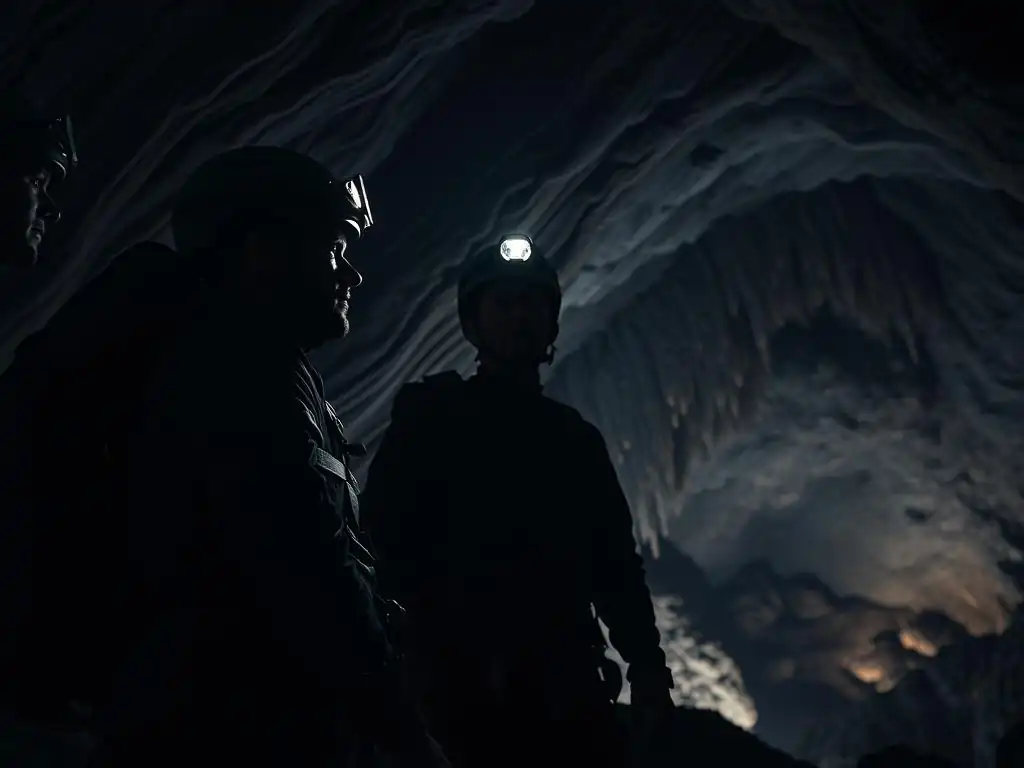
Exploring lava tubes can be an exhilarating adventure, but it requires careful planning and preparation. Before venturing underground, thorough research about the specific lava tube you intend to visit is crucial. Understand its length, complexity, known hazards, and any access restrictions or permits required. Local geological surveys or caving clubs are excellent resources for obtaining detailed information. Check weather forecasts as heavy rainfall can cause flash flooding in some lava tubes, especially those with surface entrances that can channel water.
Inform someone of your plans, including your intended route, expected return time, and who to contact in case of emergency. Never explore lava tubes alone; a minimum group of three is recommended, so that if one person is injured, another can stay with them while the third seeks help. Ensure everyone in your group is aware of the safety procedures and potential hazards. Proper planning significantly reduces risks and ensures a safer and more enjoyable lava tube exploration experience.
Essential Gear for Lava Tube Exploration: What You Need to Stay Safe
Proper gear is paramount for safe lava tube exploration. A reliable light source is non-negotiable; bring at least two headlamps per person, each with fresh batteries. Darkness underground is absolute, and losing your light source can quickly become a dangerous situation.
Wear sturdy hiking boots with good ankle support, as lava tube floors can be uneven, slippery, and strewn with loose rocks. Long pants and a long-sleeved shirt are essential to protect your skin from abrasions against rough lava rock and to provide some insulation against the cool, consistent temperatures often found in lava tubes, which can be significantly cooler than surface temperatures, often around 15-20°C (59-68°F) year-round.
A helmet is crucial to protect your head from low ceilings and potential rockfalls. Gloves are also highly recommended to protect your hands when scrambling over rocks and navigating tight passages. Carry a first-aid kit for minor injuries and plenty of water to stay hydrated.
A map and compass, or a GPS device if permitted and functional underground, can be helpful for navigation, though familiarity with basic navigation skills is crucial. Consider bringing a whistle for signaling in case of emergency. Having the right gear can make the difference between a safe and enjoyable exploration and a potentially dangerous situation.
Navigation within lava tubes can be challenging due to the darkness, complex passages, and lack of familiar landmarks. Many lava tubes lack well-defined trails, and it's easy to become disoriented in the labyrinthine tunnels. Before entering, study maps or descriptions of the lava tube system if available, and try to memorize key features or landmarks at the entrance. Pay attention to the general direction of travel and any distinctive rock formations or features along your route.
Mark your path using non-damaging methods like flagging tape (ensure you remove it upon exit) or cairns of rocks (if permissible and already a common practice, avoid building new ones where not established). Regularly check your direction and try to maintain a sense of your overall position within the tube system. If you become unsure of your location, backtrack carefully to the last point where you were confident of your route. Staying aware of your surroundings and employing basic navigation techniques is essential to avoid getting lost while exploring lava tubes.
Potential Hazards in Lava Tubes: Cave-ins, Gases, and Wildlife Encounters
Lava tubes, while fascinating, present several potential hazards that explorers must be aware of and prepared for. These hazards can range from geological instability to natural gas accumulations and encounters with cave-dwelling wildlife. Understanding these risks and taking appropriate precautions is vital for safe exploration.
Recognizing and Avoiding Dangerous Gases in Lava Tubes
Volcanic areas are known for the presence of various gases, some of which can accumulate in lava tubes and pose serious health risks. Carbon dioxide (CO2) is a common concern as it is odorless, colorless, and heavier than air, meaning it can collect in low-lying areas within lava tubes. High concentrations of CO2 can displace oxygen, leading to asphyxiation. Hydrogen sulfide (H2S) is another hazardous gas, recognizable by its rotten egg smell, even at low concentrations, and can be toxic at higher levels. Other gases like radon and methane may also be present in certain lava tubes.
Before entering a lava tube, be aware of any warnings regarding gas hazards in the area. If possible, use a multi-gas detector to monitor air quality, especially in deeper sections or areas with poor ventilation. Be vigilant for signs of gas accumulation, such as a lack of air movement, the smell of sulfur (H2S), or feeling lightheaded or dizzy. If you suspect gas buildup, immediately evacuate the lava tube and seek fresh air. Proper ventilation and awareness of gas risks are crucial for safe exploration in volcanic environments.
Staying Safe from Cave-ins and Rockfalls: Understanding Structural Instability
Lava tubes are geological formations subject to natural processes of erosion and collapse. Over time, sections of a lava tube roof or walls can become unstable, leading to cave-ins or rockfalls. Factors like earthquakes, heavy rainfall, and even temperature fluctuations can contribute to structural instability. Visually assess the tube structure as you explore, paying attention to cracks, loose rocks, or areas that appear recently collapsed. Avoid lingering under sections that look unstable or have signs of recent rockfall.
Be mindful of vibrations, as even minor tremors can trigger rockfalls. Move carefully and avoid touching or leaning against potentially unstable walls or ceilings. If you hear cracking or popping sounds from the rock, it could be a warning sign of imminent collapse; evacuate the area immediately. Wearing a helmet is essential protection against falling rocks, but maintaining awareness of the surrounding structure and avoiding obviously unstable areas is the best defense against cave-in hazards.
Wildlife Encounters: Minimizing Impact and Staying Safe
While lava tubes are often perceived as barren, they can harbor unique wildlife, including cave-adapted species and transient animals seeking shelter. While large or aggressive wildlife encounters are rare in most lava tubes frequented by humans, it’s important to be respectful of any wildlife present and take precautions to minimize disturbance and ensure your safety. Bats, insects, spiders, and various small invertebrates are the most common inhabitants. Avoid disturbing bat colonies, especially during sensitive times like breeding or hibernation.
Do not touch or handle any wildlife you encounter. Observe from a distance and appreciate their presence in this unique environment. Be mindful of where you step and avoid crushing any invertebrates on the cave floor or walls. Carry out all trash and food scraps, as these can attract unwanted pests and disrupt the natural ecosystem. Minimizing your impact and respecting the natural inhabitants of lava tubes ensures the preservation of these fragile ecosystems and promotes responsible exploration.
Lava Tube Locations Around the World: Prime Destinations for Exploration
Kazumura Cave, Hawaii: A Record-Breaking Lava Tube System
Kazumura Cave, located on the Big Island of Hawaii, is one of the longest and deepest lava tube systems in the world. Its surveyed length exceeds 65 kilometers (40 miles) and its depth reaches over 1,100 meters (3,600 feet), making it a truly remarkable geological wonder. Formed by lava flows from the Mauna Loa volcano, Kazumura Cave offers a diverse range of features, including large chambers, narrow passages, and intricate lava formations. Exploring Kazumura is a challenging but rewarding experience, attracting experienced cavers and researchers from around the globe.
The cave is not open to casual tourism without guidance due to its complexity and potential hazards. However, guided tours and research permits are available for those with appropriate experience and qualifications. Kazumura Cave is not only significant for its size but also for its rich geological and biological diversity. It hosts unique cave ecosystems and provides valuable insights into the volcanic history of Hawaii. Its immense scale and intricate network of passages make Kazumura Cave a benchmark for lava tube exploration and research worldwide.
Cueva de los Verdes, Lanzarote: A Lava Tube Artfully Integrated into Tourism
Cueva de los Verdes, situated on the volcanic island of Lanzarote in the Canary Islands, offers a unique example of how a lava tube can be artfully integrated into tourism. Formed during the eruption of the La Corona volcano, this lava tube extends for over 7 kilometers (4.3 miles), part of which is submerged underwater, forming the Túnel de la Atlántida. A section of Cueva de los Verdes has been carefully developed for public access, showcasing the natural beauty of the lava tube while ensuring visitor safety and minimal environmental impact.
The tourist section of Cueva de los Verdes features illuminated pathways that highlight the tube's geological formations and colors. The experience culminates in a hidden auditorium within the lava tube, where the acoustics are exceptional, and concerts are sometimes held. Cueva de los Verdes demonstrates a successful model for sustainable lava tube tourism, allowing visitors to appreciate the wonder of volcanic subterranean landscapes while promoting conservation and responsible access. It serves as a prime example of how natural heritage can be both protected and enjoyed by the public.
Ape Cave, Washington State: Exploring a Well-Preserved Lava Tube in the Pacific Northwest
Ape Cave, located in the Gifford Pinchot National Forest in Washington State, is the longest lava tube in the continental United States, stretching for over 3.7 kilometers (2.3 miles). Formed approximately 2,000 years ago by lava flows from Mount St. Helens, Ape Cave is relatively accessible and well-maintained, making it a popular destination for recreational lava tube exploration. The cave is managed by the US Forest Service, which provides information, maps, and safety guidelines for visitors.
Ape Cave is divided into upper and lower sections, each offering different exploration experiences. The upper cave is generally easier to navigate and features impressive lava formations, while the lower cave is longer and more challenging, requiring more scrambling and navigating tighter passages. Lantern tours are sometimes offered during summer months, adding a historical and educational dimension to the exploration. Ape Cave provides a readily accessible opportunity for the public to experience the thrill of exploring lava tubes in a well-managed and safe environment within the Pacific Northwest's volcanic landscape.
The Future of Lava Tube Research and Exploration: What's Next?
Studying Lava Tubes for Insights into Planetary Geology: Mars and Beyond
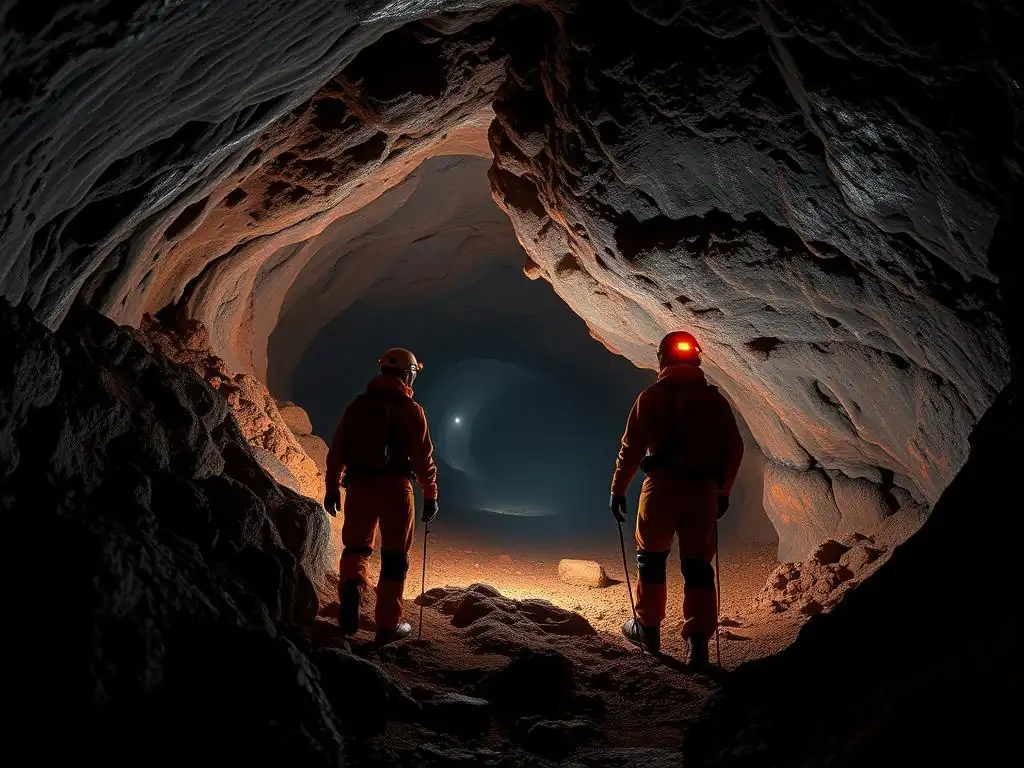
Lava tubes are increasingly recognized as important analogs for understanding geological processes on other planets, particularly Mars and the Moon. The stable, shielded environment of lava tubes on Earth provides a model for potential subsurface habitats on these celestial bodies, which may have once been or could still be habitable. On Mars, evidence suggests the presence of extensive lava tube systems, and these are considered prime locations in the search for past or present life beyond Earth, offering protection from harsh surface conditions like radiation and extreme temperature variations.
Researchers are studying terrestrial lava tubes to develop exploration technologies and strategies for future planetary missions. Robotic probes and even potential human missions to Mars could utilize lava tubes as sheltered bases for exploration and scientific research. Understanding the geology, biology, and potential resources within terrestrial lava tubes is crucial for planning and executing successful planetary exploration missions and advancing our understanding of planetary evolution and the potential for life elsewhere in the solar system and beyond.
Conservation Efforts: Protecting Fragile Lava Tube Environments
Lava tubes are fragile and unique ecosystems that are increasingly threatened by human activities. Vandalism, pollution, habitat disturbance, and unsustainable tourism practices can all negatively impact lava tube environments and the specialized life they support. Conservation efforts are crucial to protect these subterranean wonders for future generations. These efforts include restricting access to sensitive areas, implementing responsible tourism guidelines, and educating the public about the importance of lava tube conservation.
Organizations and government agencies are working to map, monitor, and manage lava tubes around the world. This involves scientific research to understand lava tube ecosystems, geological surveys to assess stability and hazards, and community engagement to promote responsible stewardship. Protecting lava tubes not only preserves biodiversity and geological heritage but also ensures the continued opportunity for scientific research and responsible exploration of these fascinating underground worlds.
Responsible Lava Tube Tourism: Minimizing Our Impact
Tourism can be both a benefit and a threat to lava tubes. While responsible tourism can raise awareness and support conservation efforts, unsustainable tourism can lead to degradation and damage. Responsible lava tube tourism focuses on minimizing environmental impact, respecting local communities, and providing educational experiences for visitors. This includes adhering to Leave No Trace principles, staying on designated paths, avoiding touching or removing anything from the cave, and supporting local guides and businesses that prioritize conservation.
Tour operators and visitors alike have a responsibility to ensure that lava tube tourism is sustainable. This means limiting group sizes, providing pre-trip briefings on responsible behavior, and contributing to conservation initiatives. By practicing responsible tourism, we can enjoy the wonders of lava tubes while ensuring their long-term preservation and minimizing our footprint on these delicate subterranean environments.
Conclusion: Embracing the Adventure Responsibly - The Importance of Lava Tube Safety and Conservation
Exploring lava tubes offers a unique and thrilling adventure, a chance to delve into the Earth's volcanic history and witness extraordinary subterranean landscapes. However, this exploration comes with responsibilities. Prioritizing safety through careful planning, proper gear, and awareness of potential hazards is paramount for every lava tube expedition. Equally important is the commitment to conservation. Lava tubes are fragile environments that require our respect and protection.
By embracing responsible exploration practices, we can ensure that these incredible natural wonders remain accessible and preserved for future generations to discover and appreciate. The allure of the underground is powerful, and by combining our sense of adventure with a commitment to safety and conservation, we can continue to explore and learn from these fascinating volcanic pathways beneath our feet.
Frequently Asked Questions
How are lava tubes formed?
Lava tubes are formed when the surface of a lava flow cools and hardens, creating a crust, while the molten lava continues to flow beneath. Over time, this creates a tunnel-like structure that can extend for miles. Once the eruption ceases, the molten lava drains out, leaving the tube behind.
What are the main dangers associated with exploring lava tubes?
Exploring lava tubes presents several dangers, including unstable ceilings which could collapse, difficult navigation in dark and confined spaces, and the potential for hazardous gases like carbon dioxide or sulfur dioxide to accumulate.
What essential safety equipment should I bring when exploring lava tubes?
Essential safety equipment includes a reliable light source (headlamp and backup), a helmet to protect against falling rocks, sturdy hiking boots for uneven terrain, and a buddy to explore with. Consider a gas detector, especially in areas with known volcanic activity.
Are there specific guidelines for responsible lava tube exploration?
Yes, it's crucial to respect the environment by not disturbing the natural formations or leaving any trash behind. Also, you should avoid touching or removing anything from the lava tube, as this can damage the delicate ecosystem.
What are some signs that indicate a lava tube is unsafe to enter?
Signs of an unsafe lava tube include noticeable cracks in the ceiling or walls, the presence of strong or unusual smells, and a lack of proper ventilation. Always be aware of your surroundings and turn back if you feel uneasy.
Okay, here's a final reflection designed to close your article "The Allure of the Underground: Why We Are Drawn to Explore Lava Tubes," optimized for the keyword "exploring lava tubes safety tips" and following the structure you provided:
Final Reflection: Embracing the Depths Responsibly
The journey into lava tubes, as we've explored, is a compelling blend of scientific curiosity and primal adventure. Understanding and prioritizing safety, however, is paramount to ensuring that this allure doesn't lead to unnecessary risk. The tips and insights shared throughout this article are not merely suggestions, but essential guidelines for preserving both the explorer and the fragile ecosystems found within these subterranean wonders.
The enduring fascination with lava tubes speaks to a deeper human desire to uncover the unknown, to push boundaries, and to connect with the Earth's raw power. This connection, however, demands respect and responsibility. We must remember that these environments are delicate and often contain unique geological formations and even life forms. The earth does not belong to us; we belong to the earth.
- Chief Seattle. This quote serves as a constant reminder of our role as stewards, not conquerors, of these hidden landscapes.
As you consider your own exploration of lava tubes, remember that preparation and awareness are your greatest allies. Take the time to thoroughly research your chosen site, equip yourself with the necessary gear, and always prioritize safety above all else. Let the allure of the underground inspire you, but let wisdom and caution guide your steps. The secrets of the Earth are waiting to be discovered, but they are best revealed to those who approach them with reverence and respect.
Unearth Your Inner Explorer: Dive Deeper into the Subterranean World!
Thank you for joining us on a journey into the captivating world of lava tubes! We hope you've gained a new appreciation for these fascinating geological formations and the adventurous spirit they inspire. Now, it's time to take the next step and experience these wonders firsthand.
Here's how you can continue your exploration:
- Plan your own safe lava tube adventure. Research accessible and permitted lava tubes near you or your next travel destination. Safety is paramount!
- Share your newfound knowledge! Post your favorite lava tube photo or fact on social media using #LavaTubeLove and tag @VolcanoExplorers to connect with our community.
- Consider supporting organizations dedicated to preserving these unique ecosystems through conservation and educational initiatives. Every contribution makes a difference!
Ready to turn your curiosity into an adventure? Tell us: which lava tube is at the top of your list? Share your dream destination in the comments below!