
Volcano Tourism: A Risky Business or a Sustainable Future?

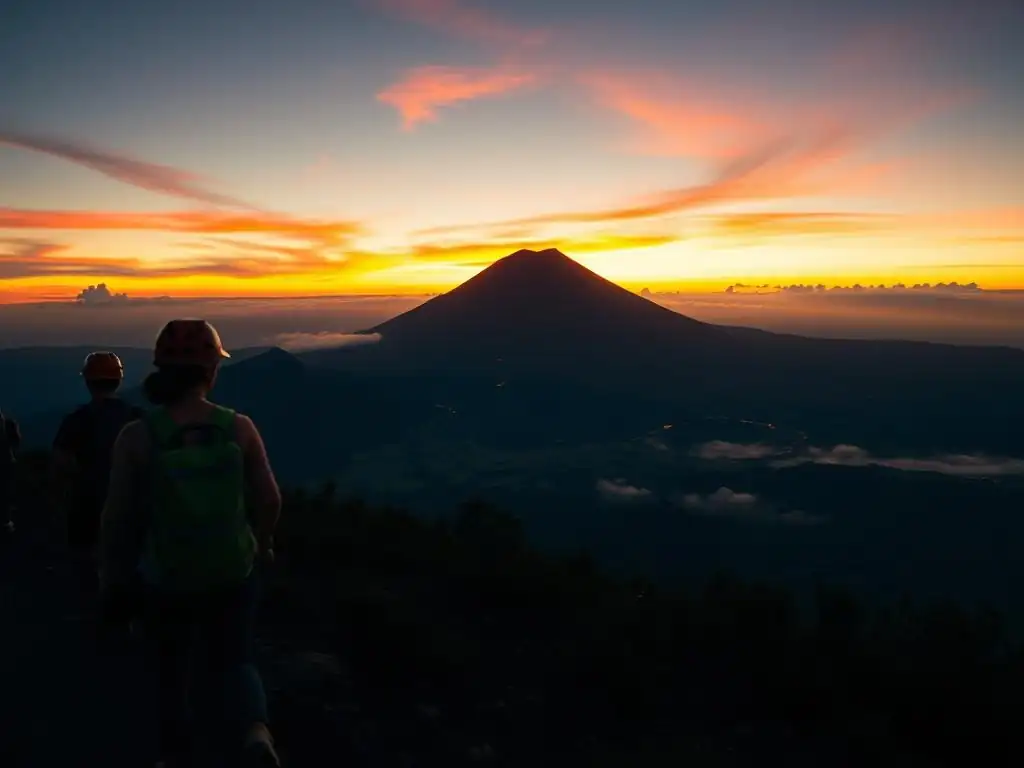
Welcome to Volcano Explorers!
Intrigued by the raw power and breathtaking beauty of volcanoes? You've come to the right place. Are you planning a trip to witness these natural wonders firsthand? Before you pack your bags, delve into our latest article, "Volcano Tourism: A Risky Business or a Sustainable Future? ", where we explore the essential volcano tourism safety tips you need to know to stay safe while experiencing the thrill of a lifetime. Discover how to navigate these dynamic landscapes responsibly and contribute to a sustainable future for these awe-inspiring destinations. Ready to explore?
- Volcano Tourism Safety Tips: A Comprehensive Guide for Visitors
-
Frequently Asked Questions
- What are some of the biggest safety risks involved in volcano tourism?
- How can I find reliable information about the current activity level of a volcano I plan to visit?
- What are some essential items to pack for a volcano tourism trip?
- What is the role of local guides in ensuring safety during volcano tours?
- What are some sustainable practices that can help minimize the environmental impact of volcano tourism?
- Final Reflection: Embracing the Fire Responsibly
- Ignite Your Inner Explorer!
Volcano Tourism Safety Tips: A Comprehensive Guide for Visitors
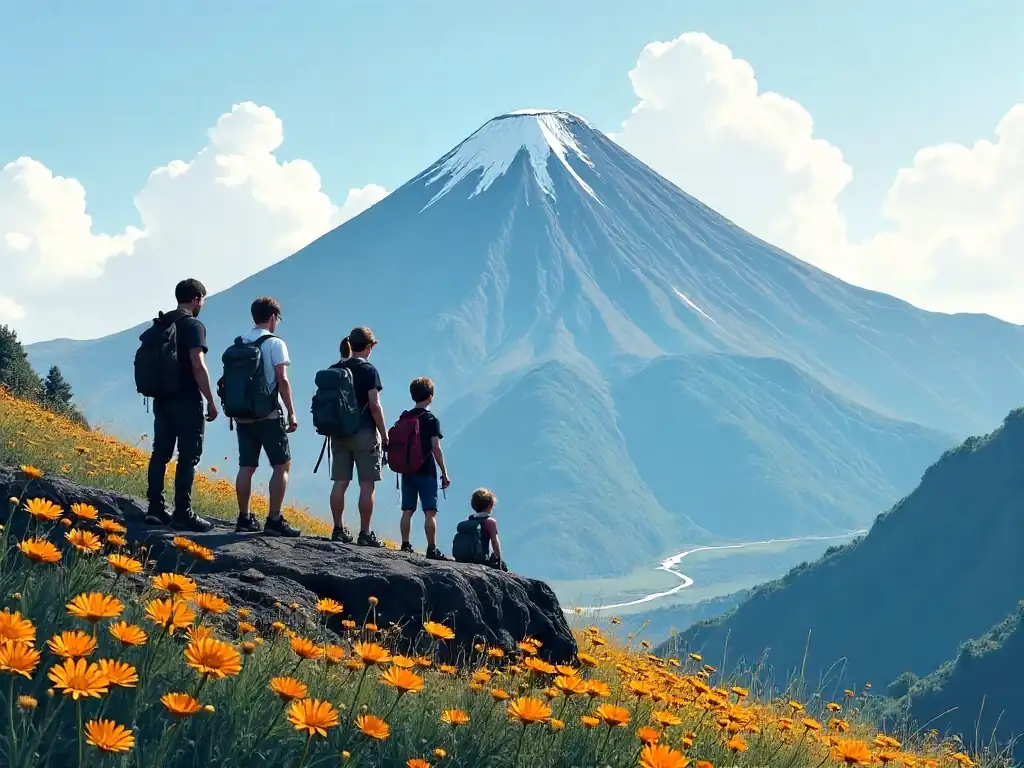
Pre-Trip Planning: Researching Active Volcanoes and Potential Hazards
Before embarking on a volcano tourism adventure, thorough pre-trip planning is paramount. This begins with in-depth research about the specific volcano you plan to visit. Understanding its activity level is crucial.
Websites like the Smithsonian Institution's Global Volcanism Program and local geological surveys provide up-to-date information on volcanic unrest, recent eruptions, and alert levels. For example, if you are considering visiting Pacaya Volcano in Guatemala, checking INSIVUMEH (Instituto Nacional de Sismología, Vulcanología, Meteorología e Hidrología) would provide critical insights into its current status, which can range from periods of relative quiet to active lava flows and ash emissions. Knowing the volcano's history, including past eruption types and magnitudes, can also inform your understanding of potential hazards.
Furthermore, researching the specific hazards associated with your chosen volcano is essential. Different volcanoes pose different risks. Some are known for explosive eruptions producing pyroclastic flows, while others primarily effuse lava flows.
For instance, Mount Etna in Italy is renowned for its frequent, but generally predictable, lava flows, while volcanoes like Mount Rainier in the United States are considered highly dangerous due to the potential for large explosive eruptions and lahars (volcanic mudflows). Understanding these specific hazards will allow you to prepare appropriately and make informed decisions regarding your safety. Consider local resources and tourism boards for specific safety guidelines and recommendations related to the volcano you intend to visit.
Essential Gear and Equipment for Volcano Explorers
Proper gear and equipment are not just recommended, they are vital for volcano tourism safety. Footwear is arguably the most important element. Sturdy, closed-toe hiking boots with good ankle support are essential for navigating uneven volcanic terrain, which can be rocky, steep, and dusty. Sandals or open shoes are completely inappropriate and pose a significant risk of injury.
Clothing should be layered to adapt to changing weather conditions, as volcanic areas can experience rapid shifts in temperature and weather. Long pants and long-sleeved shirts offer protection from sun exposure, scratches from volcanic rocks, and potential insect bites. Lightweight, breathable, moisture-wicking fabrics are preferable for comfort during physical activity.
Beyond clothing and footwear, other essential items include a high-SPF sunscreen, sunglasses, and a wide-brimmed hat to protect against intense sun radiation, which is amplified at higher altitudes and by reflective volcanic surfaces. A dust mask or respirator is crucial for protection against volcanic ash and gases, especially if the volcano is actively degassing or erupting. Even seemingly minor ash inhalation can irritate the respiratory system.
A first-aid kit containing essentials like bandages, antiseptic wipes, pain relievers, and any personal medications is indispensable for dealing with minor injuries or ailments. Finally, carrying ample water and high-energy snacks is critical to stay hydrated and maintain energy levels during volcano hikes and explorations, as these activities can be physically demanding.
On-Site Safety Precautions: Staying Safe During Volcano Tours
Maintaining a Safe Distance from Active Vents
Maintaining a safe distance from active volcanic vents is the cornerstone of on-site volcano tourism safety. Active vents, whether they are fumaroles emitting steam and gases or craters erupting lava or ash, are inherently unpredictable and dangerous. The safe distance varies depending on the volcano's activity level and the specific hazards present.
Local authorities and experienced guides will provide guidelines on safe distances, and it is imperative to strictly adhere to these recommendations. For instance, during Strombolian eruptions, which are characterized by bursts of incandescent lava fragments, projectiles can be ejected hundreds of meters from the vent. Approaching too closely could result in serious injuries from these volcanic bombs.
Even seemingly inactive vents can pose risks. Areas around fumaroles can have dangerously high concentrations of volcanic gases like sulfur dioxide (SO2) and carbon dioxide (CO2), which are toxic and can displace oxygen. Staying upwind of vents can minimize exposure to these gases, but maintaining a substantial distance is the most effective precaution. Photography enthusiasts should resist the temptation to get closer for a better shot, as prioritizing safety over a photograph is paramount. Remember that volcanic activity can escalate rapidly, and what appears to be a safe distance can quickly become hazardous.
Understanding Evacuation Routes and Emergency Procedures
Prior to commencing any volcano tour, understanding evacuation routes and emergency procedures is crucial. Reputable tour operators will brief tourists on these procedures before setting out. This briefing should include clearly marked evacuation routes, assembly points in case of an emergency, and communication protocols.
Knowing where to go and what to do in the event of increased volcanic activity or an eruption can significantly enhance safety. For example, on popular volcano hiking trails, evacuation routes are often marked with signs and designated assembly areas are pre-determined in safer locations away from potential hazards like lava flows or pyroclastic flow paths.
Emergency procedures should also cover communication methods. In remote volcanic areas, cell phone service may be unreliable or nonexistent. Tour guides typically carry radios or satellite communication devices to maintain contact with park authorities or emergency services. Tourists should be aware of the communication protocols in place and understand how they will be alerted and guided in case of an emergency. Paying close attention to pre-tour safety briefings and asking clarifying questions ensures that everyone is prepared and informed, contributing to a safer volcano tourism experience.
Recognizing Warning Signs of Increased Volcanic Activity
Being able to recognize warning signs of increased volcanic activity is a critical skill for volcano tourists. While monitoring instruments provide valuable data, visual and auditory cues can also indicate escalating volcanic unrest. Increased steam or gas emissions from vents or fumaroles can be an early warning sign. Changes in the color or odor of volcanic gases, such as a stronger sulfur smell or a shift in plume color, can also be indicative of changes in volcanic activity. For example, a transition from white steam plumes to darker plumes with ash content is a significant warning sign.
Ground deformation, such as swelling or tilting of the volcano's surface, can be another indicator of magma movement beneath the surface. While subtle ground deformation may not be visible to the naked eye, noticeable changes like new cracks appearing in the ground or changes in the shape of the volcanic cone should be taken seriously. Increased frequency or intensity of volcanic earthquakes, even if they are weak tremors, can also signal unrest.
Perhaps the most obvious warning sign is any visible eruption, such as ash plumes, lava fountains, or lava flows. If any of these warning signs are observed, it is imperative to immediately alert your guide or local authorities and evacuate to a safe location as per established emergency procedures.
Hiring Reputable and Experienced Volcano Tour Guides
Hiring reputable and experienced volcano tour guides is not merely a convenience, it is a critical safety measure. Experienced guides possess invaluable local knowledge, including understanding of the specific volcano's behavior, potential hazards, and safe routes. They are trained to assess volcanic risks, interpret warning signs, and make informed decisions regarding safety. Reputable tour operators prioritize safety and adhere to established safety protocols and regulations. They typically have contingency plans in place for emergencies and are equipped to handle unexpected situations.
Furthermore, experienced guides often have established relationships with local volcanological observatories and park authorities, allowing them to receive up-to-date information on volcanic activity and any changes in alert levels. They can communicate effectively with these authorities in case of emergencies and coordinate evacuation efforts if necessary. When choosing a volcano tour operator, prioritize those with certifications, positive reviews, and a demonstrable commitment to safety. Inquire about their guides' qualifications, emergency procedures, and safety equipment. Investing in a reputable and experienced guide significantly enhances your volcano tourism safety and allows you to enjoy the experience with greater peace of mind.
Frequently Asked Questions
What are some of the biggest safety risks involved in volcano tourism?
Volcano tourism can present several hazards including exposure to toxic gases, unstable terrain, and the potential for sudden eruptions or lahars. Staying informed and following safety guidelines is crucial.
How can I find reliable information about the current activity level of a volcano I plan to visit?
Consult official sources like the Volcano Explorers website, local geological surveys, and government emergency management agencies for the most up-to-date information on volcanic activity.
What are some essential items to pack for a volcano tourism trip?
Essential items include sturdy hiking boots, protective clothing (long sleeves and pants), a respirator or dust mask, and plenty of water. Don't forget sunscreen and a first-aid kit!
What is the role of local guides in ensuring safety during volcano tours?
Local guides possess invaluable knowledge of the area, including potential hazards, safe routes, and emergency procedures. Their expertise significantly reduces the risk of accidents.
What are some sustainable practices that can help minimize the environmental impact of volcano tourism?
Sustainable practices include staying on marked trails, avoiding disturbing the natural environment, supporting local communities, and reducing waste. Responsible tourism helps preserve these unique landscapes.
Okay, here's a final reflection designed to close your article "Volcano Tourism: A Risky Business or a Sustainable Future?" and connect with readers while subtly reinforcing the theme of safety, aiming to rank for "Volcano tourism safety tips":
Final Reflection: Embracing the Fire Responsibly
The allure of active volcanoes, a raw and untamed force of nature, is undeniable. But this fascination must always be tempered with respect and a commitment to safety. As we've explored, volcano tourism presents both incredible opportunities and inherent risks, demanding a careful balance between adventure and responsibility. Ignoring the potential dangers undermines not only individual well-being but also the long-term sustainability of this unique form of travel.
The ongoing debate surrounding volcano tourism highlights a critical tension: the desire for immersive experiences versus the imperative to protect both visitors and the delicate ecosystems surrounding these geological wonders. My own fascination with volcanoes stems from a deep respect for their power, a respect that necessitates prioritizing safety above all else. In the end, we will conserve only what we love; we will love only what we understand; and we will understand only what we are taught.
- Baba Dioum. This quote underscores the importance of education and awareness in fostering responsible volcano tourism.
Now, armed with the knowledge of volcano tourism safety tips, I urge you to approach these majestic landscapes with both awe and caution. Let your curiosity be guided by informed decisions, and let your adventures be underpinned by a commitment to minimizing risk. Consider the impact of your visit, support local communities that prioritize safety, and remember that the privilege of witnessing such raw power comes with the responsibility to protect yourself and the environment. The future of volcano tourism depends on our collective wisdom and our dedication to embracing the fire responsibly.
Ignite Your Inner Explorer!
Thanks for joining us on this journey into the fiery heart of volcano tourism! We hope you've gained a new perspective on the delicate balance between adventure and sustainability. Now it's your turn to make an impact!
Here's how you can continue exploring the fascinating world of volcanoes:
- Become a Responsible Volcano Tourist: Prioritize sustainable tour operators and practices that minimize environmental impact and support local communities. This is the most crucial step you can take!
- Share your newfound knowledge! Spread awareness on social media about the importance of responsible volcano tourism using #VolcanoExplorers and inspire others to choose sustainable options.
- Research lesser-known volcanic regions: Instead of flocking to the same crowded spots, uncover the hidden gems and support smaller, local economies that depend on responsible tourism.
Ready to plan your next adventure with a commitment to responsible exploration?