
The Psychological Aspect of Navigation: Staying Calm and Focused Under Pressure

Welcome to Volcano Explorers!
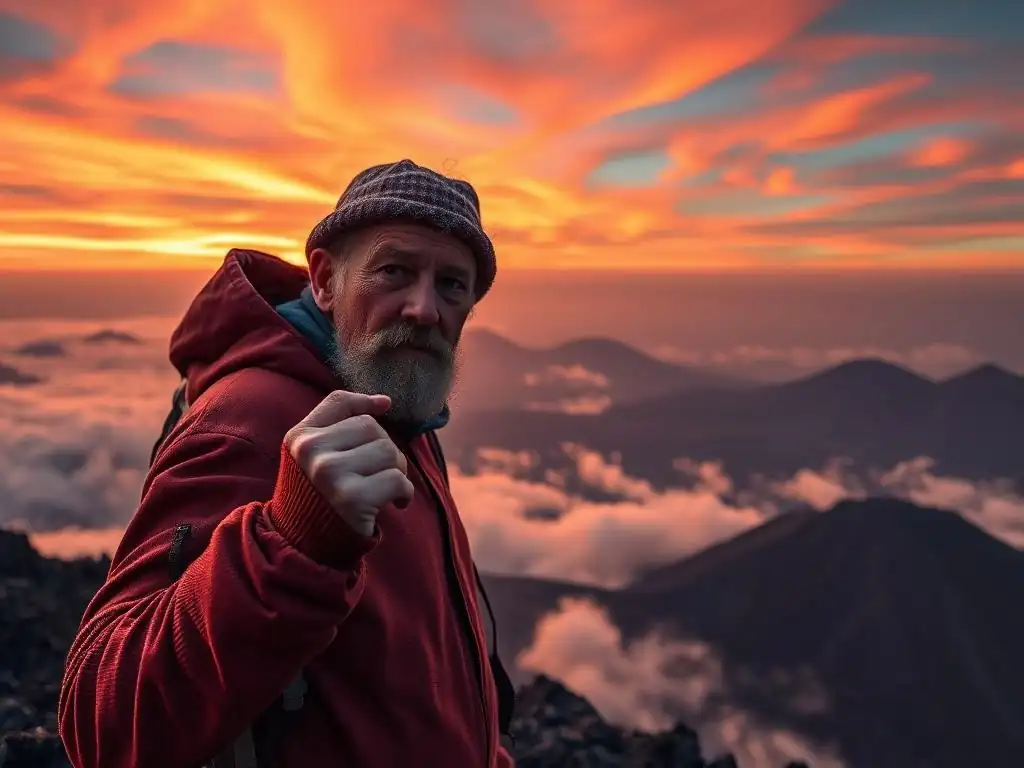
Ever wondered what it really takes to navigate the unpredictable terrain surrounding an active volcano? Beyond the maps and compass, lies something far more crucial: the human mind. Dive into our latest exploration of the psychology of volcanic navigation, and discover how to stay calm, focused, and make life-saving decisions when the pressure is on. What secrets do experienced volcano explorers hold? Let's find out.
- The Psychology of Volcanic Navigation: Maintaining Calm Under Pressure
- Understanding the Stressors: Psychological Challenges in Volcanic Terrain
- Cognitive Biases and Navigation Errors: Avoiding Mental Traps
- Strategies for Maintaining Calm and Focus During Volcanic Navigation
- Navigation Tools and Technology: Supporting Psychological Well-being
- Case Studies: Learning from Past Navigation Errors in Volcanic Environments
- Conclusion: Prioritizing Mental Well-being for Safe and Successful Volcano Exploration
-
Frequently Asked Questions
- How does stress affect a volcanologist's decision-making during fieldwork near an active volcano?
- What psychological skills are most important for navigating volcanic terrain effectively?
- How can volcanologists train to better handle the psychological challenges of working in hazardous volcanic environments?
- What role does teamwork and communication play in maintaining psychological well-being and safety during volcanic expeditions?
- How can volcanologists balance the excitement of exploring volcanoes with the need for caution and risk mitigation, from a psychological perspective?
- Final Reflection: Navigating the Inner Volcano
- Ignite Your Inner Explorer: Master the Mind, Conquer the Summit!
Volcano exploration, while exhilarating, presents a unique set of psychological challenges that demand as much attention as physical prowess and technical skill. Beyond the obvious dangers of extreme temperatures, toxic gases, and unstable terrain, the mental landscape of a volcanic environment can be equally treacherous. The psychology of volcanic navigation is not just about avoiding physical hazards; it's about managing the internal pressures that can compromise judgment, decision-making, and ultimately, safety. Successfully navigating a volcano requires a robust understanding of how stress, fear, and cognitive biases can influence our perception and actions in these demanding settings.
The ability to maintain composure and focus amidst the inherent uncertainty and potential danger is paramount. Explorers must contend with prolonged periods of isolation, the unpredictability of volcanic activity, and the constant awareness of potential risks. This sustained pressure can erode mental resilience, leading to errors in navigation and judgment. Therefore, understanding the psychology of volcanic navigation involves recognizing the interplay between environmental stressors, emotional responses, and cognitive processes, and developing strategies to mitigate their negative impacts.
Understanding the Stressors: Psychological Challenges in Volcanic Terrain
The Impact of Environmental Stressors on Cognitive Function
Volcanic environments are characterized by a multitude of environmental stressors that can significantly impair cognitive function. High altitude, common in many volcanic regions, reduces oxygen availability, leading to hypoxia. Studies have shown that even moderate altitude can affect cognitive performance, specifically impacting attention, memory, and decision-making speed. For instance, research published in the journal Aviation, Space, and Environmental Medicine demonstrates a clear decline in cognitive function at altitudes as low as 2,400 meters (approximately 8,000 feet), altitudes frequently encountered during volcano expeditions.
Furthermore, extreme temperatures, both heat and cold, prevalent on volcanic slopes and in caldera regions, exacerbate cognitive strain. Heat stress can lead to dehydration and hyperthermia, causing confusion and impaired judgment. Conversely, extreme cold can induce hypothermia, resulting in slowed reaction times and decreased cognitive clarity. Adding to these physical stressors are sensory overload from the stark, often barren landscapes and the constant, low-level anxiety induced by the potential for volcanic activity. These factors, acting in concert, create a challenging environment for optimal cognitive performance, highlighting the importance of understanding the psychology of volcanic navigation.
Fear and Anxiety: Managing the Emotional Response to Volcanic Hazards
The inherent risks associated with volcanic environments naturally evoke fear and anxiety, emotional responses that, if unmanaged, can severely compromise navigation and decision-making. The potential for sudden eruptions, lava flows, gas emissions, and seismic activity creates a persistent undercurrent of danger. This constant awareness of risk can trigger the body's stress response, releasing hormones like cortisol and adrenaline. While these hormones can initially heighten alertness, prolonged exposure to stress can lead to chronic anxiety, fatigue, and impaired cognitive function.
Consider the psychological impact of navigating near an active lava flow. The intense heat, the roaring sound of molten rock, and the visual spectacle of destruction can be overwhelming, triggering primal fear responses. In such situations, anxiety can cloud judgment, leading to impulsive decisions or, conversely, debilitating paralysis. Effective volcanic navigation necessitates strategies for managing these emotional responses, maintaining a calm and rational mindset even in the face of perceived danger. The psychology of volcanic navigation, therefore, must address the crucial aspect of emotional regulation in extreme environments.
Anchoring Bias: The Danger of Fixating on Initial Information
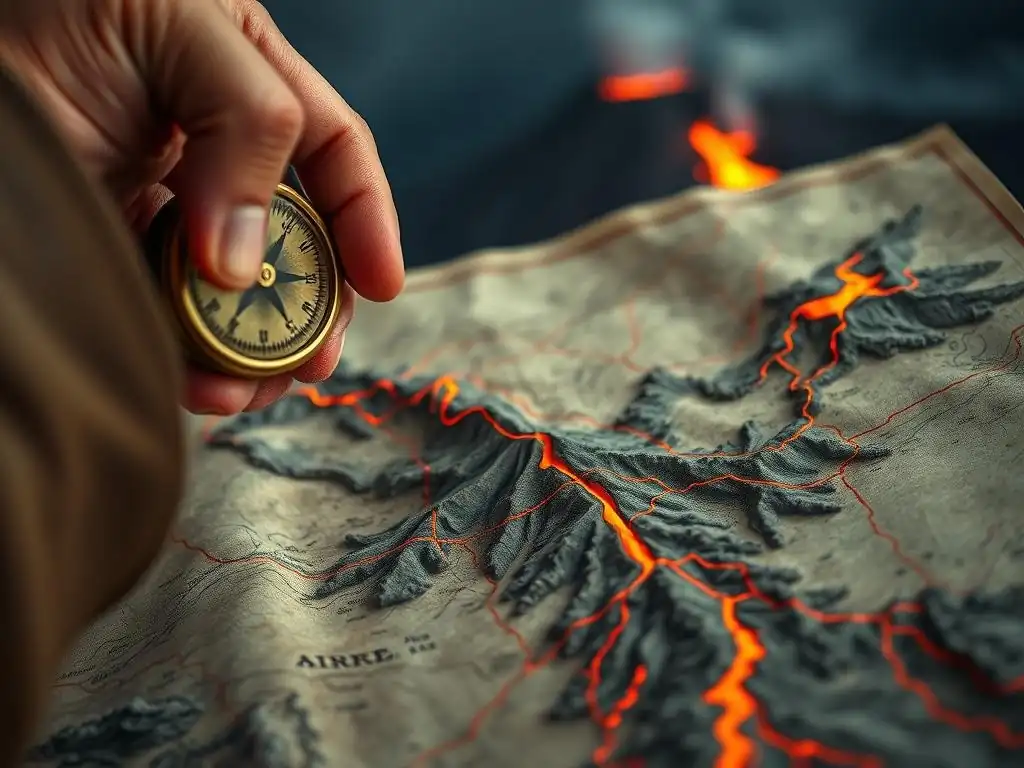
Anchoring bias, a common cognitive shortcut, refers to the tendency to over-rely on the first piece of information received (the "anchor") when making decisions. In volcanic navigation, this bias can be particularly dangerous. Imagine a team planning a route based on initial weather reports suggesting stable conditions. If subsequent, more accurate data indicates a rapid change in weather patterns, the team might still be anchored to the initial optimistic forecast, leading them to underestimate the risks and potentially proceed into hazardous conditions.
For example, a historical account from a volcanic expedition might describe a group that anchored their decision-making on a preliminary geological survey suggesting a low probability of gas vents in a specific area. Despite later observations of subtle sulfurous smells – potential indicators of gas leaks – the team, anchored to the initial "safe" assessment, might have dismissed these warning signs, increasing their risk of exposure to toxic gases. The psychology of volcanic navigation emphasizes the need to actively challenge initial assumptions and remain open to new information, avoiding the trap of anchoring bias.
Confirmation Bias: Seeking Information that Confirms Existing Beliefs
Confirmation bias is the tendency to favor information that confirms pre-existing beliefs or hypotheses, while disregarding contradictory evidence. In the context of volcanic navigation, this can lead to dangerous misinterpretations of environmental cues. Suppose a navigation team believes they are on the correct path, based on a partial map or a perceived landmark. They might then selectively interpret ambiguous signs – a vaguely similar rock formation, a slightly familiar contour – as confirmation of their position, even if these signs are actually misleading.
Consider a scenario where a team, convinced they are nearing their destination, encounters a volcanic fog. Due to confirmation bias, they might interpret the fog as a localized phenomenon, quickly dissipating, and continue onward, reinforcing their belief in their current trajectory. However, the fog could be indicative of a larger weather system moving in, or even volcanic smog, signaling increased danger and the need for a route adjustment. Overcoming confirmation bias requires a conscious effort to seek out and critically evaluate all available information, especially data that challenges existing assumptions, a key element in the psychology of volcanic navigation.
Availability Heuristic: Overestimating the Likelihood of Recent Events
The availability heuristic is a mental shortcut where people overestimate the probability of events that are easily recalled, often due to their recent occurrence or vividness. In volcanic regions, recent news of eruptions or volcanic incidents can disproportionately influence risk perception.
If a team is planning an expedition shortly after a minor eruption at a nearby volcano, the availability heuristic might lead them to overestimate the likelihood of a similar event occurring during their expedition, even if geological data suggests otherwise. This heightened perception of risk, while potentially promoting caution, can also lead to unnecessary anxiety and potentially hinder effective decision-making if not balanced with objective risk assessment.
Conversely, if a volcanic region has been relatively quiet for a prolonged period, the availability heuristic could lead to underestimating the inherent risks. Explorers might become complacent, overlooking subtle warning signs or neglecting safety protocols, as the lack of recent incidents makes volcanic hazards seem less imminent or likely. A balanced approach to risk assessment, informed by geological data and historical patterns rather than solely by recent, easily recalled events, is crucial for effective volcanic navigation and a key aspect of understanding the psychology of volcanic navigation.
Pre-Expedition Mental Preparation: Building Psychological Resilience
Building psychological resilience before embarking on a volcano expedition is as crucial as physical training and equipment checks. Mental preparation techniques can significantly enhance an explorer's ability to cope with stress and maintain focus under pressure. Visualization exercises, for example, can mentally rehearse challenging scenarios, such as navigating through dense volcanic fog or responding to minor seismic activity. By mentally simulating these situations, explorers can develop pre-emptive coping strategies and reduce the shock and anxiety when facing them in reality.
Mindfulness and meditation practices are also valuable tools for pre-expedition mental conditioning. These techniques cultivate present moment awareness and emotional regulation, enabling individuals to better manage stress responses and maintain composure in demanding environments. Studies have shown that regular mindfulness practice can reduce activity in the amygdala, the brain region associated with fear and anxiety, leading to a calmer and more focused mental state. Incorporating these psychological preparation strategies is a fundamental component of the psychology of volcanic navigation, fostering resilience and enhancing overall expedition safety and success.
Effective communication and strong teamwork are not just logistical necessities in volcano exploration; they are critical components of psychological support and stress management. Open and honest communication within a team fosters a sense of shared responsibility, reducing the psychological burden on individual members. When team members feel comfortable expressing concerns, anxieties, or observations, it creates a collective intelligence system, where potential risks are identified and addressed more effectively.
Moreover, teamwork provides crucial social and emotional support. In the isolating and demanding environment of a volcano, the presence of trusted teammates offers reassurance and reduces feelings of loneliness and vulnerability. Shared decision-making processes, where navigation choices are discussed and agreed upon collectively, distribute the psychological pressure and enhance confidence in the chosen course of action. The psychology of volcanic navigation recognizes teamwork and communication as essential tools for bolstering mental well-being and improving navigation performance under stress.
Real-Time Stress Management Techniques: Staying Present in the Moment
Even with thorough pre-expedition preparation, the unpredictable nature of volcanic environments necessitates real-time stress management techniques during navigation. Deep breathing exercises, a simple yet powerful tool, can be used to quickly regulate the body's stress response. Slow, deliberate breaths can calm the nervous system, reduce heart rate, and promote a sense of presence and control in moments of heightened anxiety.
Situational awareness techniques are also crucial for maintaining focus and managing stress in real-time. This involves actively scanning the environment, monitoring vital signs (both personal and team members'), and continuously assessing the evolving situation. By staying present in the moment and focusing on immediate, actionable tasks, explorers can avoid becoming overwhelmed by the cumulative stressors of the environment. The psychology of volcanic navigation emphasizes the importance of equipping explorers with practical, readily applicable stress management techniques to maintain calm and focus throughout the expedition.
GPS Devices: Enhancing Confidence and Reducing Uncertainty
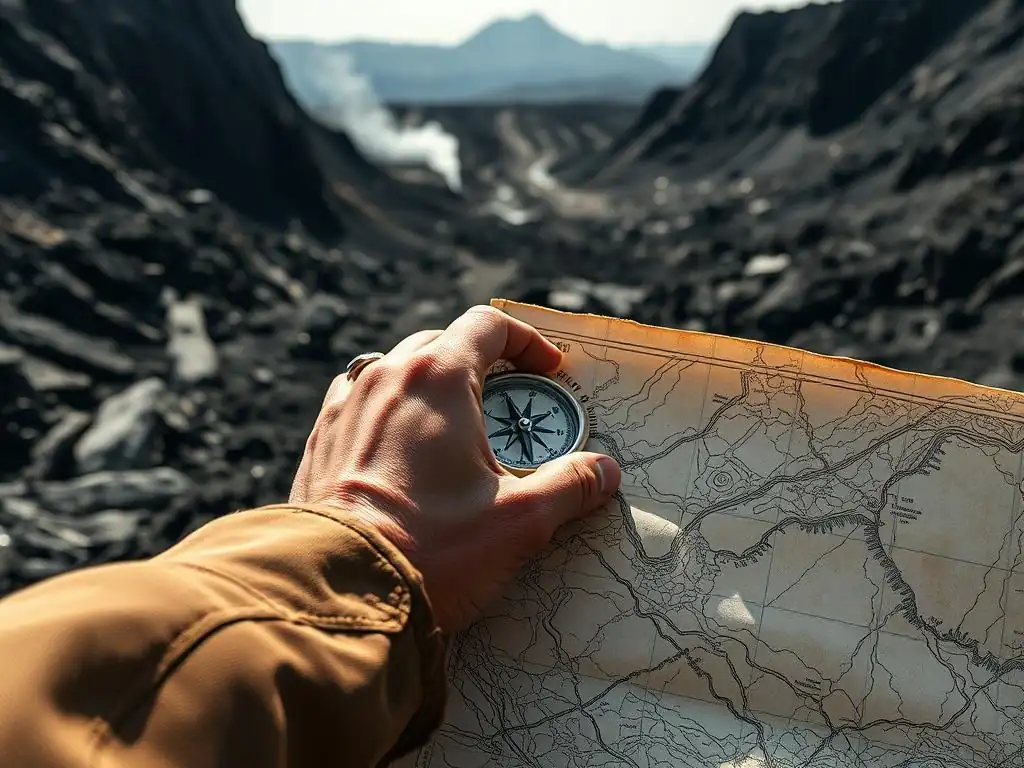
Modern navigation technology, particularly GPS devices, plays a significant role in supporting the psychological well-being of volcano explorers. GPS provides a sense of certainty and control in environments where visual landmarks can be scarce or misleading, especially in conditions like volcanic fog or whiteouts. Knowing one's precise location and having a reliable direction of travel reduces anxiety associated with getting lost or disoriented.
The psychological impact of GPS extends beyond mere location tracking. The confidence instilled by a reliable navigation tool frees up cognitive resources that would otherwise be spent on constant self-doubt and second-guessing. This allows explorers to focus more effectively on other critical tasks, such as hazard assessment and team coordination. In the context of the psychology of volcanic navigation, GPS devices are not just technological aids; they are psychological anchors, providing reassurance and enhancing mental resilience in challenging terrain.
Altimeters and Barometers: Providing Environmental Awareness and Reducing Anxiety
Altimeters and barometers, while seemingly simple tools, contribute significantly to environmental awareness and can reduce anxiety during volcano expeditions. Altimeters provide continuous feedback on vertical progress, which is particularly valuable in mountainous volcanic terrain where elevation changes are frequent and significant. Knowing the altitude gain or loss provides a sense of accomplishment and control, combating feelings of being lost or aimless.
Barometers, by measuring atmospheric pressure, can help predict changes in weather patterns, especially important in the volatile climates often associated with volcanic regions. Early warnings of approaching storms or changing conditions allow for proactive adjustments in navigation plans, reducing the stress of unexpected weather events. The psychological benefit of these tools lies in their ability to provide tangible environmental information, reducing uncertainty and fostering a sense of preparedness, which is a key aspect of the psychology of volcanic navigation.
Mapping Software and Digital Resources: Pre-Expedition Planning and Visualization
Pre-expedition planning using mapping software and digital resources is crucial for reducing anxiety and enhancing psychological preparedness. Detailed topographical maps, satellite imagery, and 3D visualizations allow explorers to familiarize themselves with the terrain, identify potential hazards, and plan optimal routes before even setting foot on the volcano. This pre-expedition visualization process reduces the feeling of venturing into the unknown, mitigating anxiety associated with uncertainty.
Digital resources also provide access to crucial information about volcanic activity, weather patterns, and geological data. Having this information readily available enhances confidence in decision-making and reduces the psychological burden of navigating in a potentially unpredictable environment. Mapping software and digital resources, therefore, are not just planning tools; they are psychological instruments, fostering a sense of control, preparedness, and mental resilience, which are essential components of the psychology of volcanic navigation.
Analyzing past navigation errors in volcanic environments reveals recurring patterns where psychological factors played a significant role in contributing to failures. While precise documented case studies focusing solely on psychological factors in volcanic navigation are scarce in readily available public records, we can extrapolate from broader expedition and mountaineering incidents in similar high-stress, remote environments.
For example, consider incidents where expeditions have deviated from planned routes due to fatigue and cognitive overload in mountainous terrain. While not explicitly volcanic, these environments share similar stressors – altitude, harsh weather, challenging terrain. In such cases, decision-making under pressure might be compromised, leading to reliance on flawed heuristics or biases, as discussed earlier.
Teams might, for instance, become fixated on reaching a perceived landmark (anchoring bias), even if it requires deviating from a safer, albeit longer, route. Or, driven by the desire to complete the expedition quickly, they might dismiss warning signs of deteriorating weather (confirmation bias), leading to navigation errors and increased risk. Analyzing these kinds of analogous cases, while not specific to volcanoes, underscores the critical role of the psychology of volcanic navigation in preventing similar errors in volcanic exploration.
Conclusion: Prioritizing Mental Well-being for Safe and Successful Volcano Exploration
The psychology of volcanic navigation is as critical as technical expertise and physical fitness for safe and successful volcano exploration. Understanding the psychological stressors inherent in volcanic environments, recognizing the influence of cognitive biases, and implementing strategies for mental preparation and real-time stress management are paramount. Prioritizing mental well-being, fostering effective communication and teamwork, and leveraging navigation technology to enhance confidence and reduce uncertainty are all essential components of a holistic approach to volcano exploration. By consciously addressing the psychological aspects of navigation, explorers can significantly mitigate risks, enhance their decision-making capabilities, and ultimately, ensure a safer and more rewarding experience in the awe-inspiring yet demanding world of volcanoes.
Frequently Asked Questions
How does stress affect a volcanologist's decision-making during fieldwork near an active volcano?
Stress can significantly impair decision-making abilities, leading to errors in judgment. It's crucial to employ stress management techniques to maintain clear thinking in high-pressure situations.
Situational awareness and risk assessment are paramount. Also important are communication skills and the ability to maintain composure during emergencies.
How can volcanologists train to better handle the psychological challenges of working in hazardous volcanic environments?
Simulations and mental rehearsal can help prepare for stressful scenarios. Stress inoculation training is also beneficial for building resilience.
What role does teamwork and communication play in maintaining psychological well-being and safety during volcanic expeditions?
Effective teamwork and clear communication build trust and shared situational awareness, reducing anxiety. They also create a support system for coping with stressful events.
How can volcanologists balance the excitement of exploring volcanoes with the need for caution and risk mitigation, from a psychological perspective?
It's important to cultivate a healthy respect for the dangers involved. This means focusing on objective risk assessment and avoiding emotional impulsiveness, while still appreciating the wonders of volcanology.
The insights explored in this article regarding the psychology of navigation, particularly under the intense pressure of volcanic environments, are not merely academic exercises; they are vital tools for resilience in all aspects of life. Understanding how our minds react to stress, uncertainty, and the constant demand for critical decision-making is paramount, not just for volcanologists, but for anyone facing challenging circumstances.
The principles discussed – maintaining focus, managing fear, and fostering a collaborative spirit – resonate far beyond the caldera's edge. They speak to the universal human experience of navigating uncertainty and overcoming obstacles. The ability to remain calm and focused under pressure is a skill that empowers us to thrive in a world that often feels like its own kind of volcanic landscape. As the philosopher Seneca wisely stated: Every new beginning comes from some other beginning's end.
This quote reminds us that even amidst apparent destruction and chaos, opportunities for growth and renewal exist, provided we maintain a clear mind and a resilient spirit.
Now, consider the lessons learned. How can you apply the principles of psychological navigation – the ability to stay calm, focused, and adaptable – to the challenges you face in your own life? Embrace the power of mindful awareness, cultivate a strong sense of self-efficacy, and remember that even in the face of overwhelming pressure, you possess the inner resources to navigate your own personal "volcanoes" and emerge stronger on the other side.
Okay, here's a Call to Action (CTA) for the end of a web article titled "The Psychological Aspect of Navigation: Staying Calm and Focused Under Pressure," on a website called Volcano Explorers (volcanoexplorers.org):
Ignite Your Inner Explorer: Master the Mind, Conquer the Summit!
Thanks for joining us on this journey into the mental fortitude required for successful navigation! We hope you've gained valuable insights into staying calm and focused, even when the pressure is on. Now, it's time to put that knowledge into practice and truly unleash your potential as a confident navigator.
Here's how you can take the next step:
- Commit to one hour of mindful navigation practice this week. Choose a familiar route, but focus intensely on your mental state and breathing while navigating.
- Share your biggest navigational challenge with a fellow explorer on our forum and brainstorm solutions together. Learning from others can significantly improve your confidence and skills.
- Explore a new hiking trail within 5 miles of your home. This helps reinforce your core skills and adapt to new environments.
What's one small step you'll take this week to cultivate a calmer, more focused mind during your next adventure? Share your plan in the comments below!