
Navigating the Mediterranean Volcanic Belt: A Traveler's Guide to Safety and Wonder

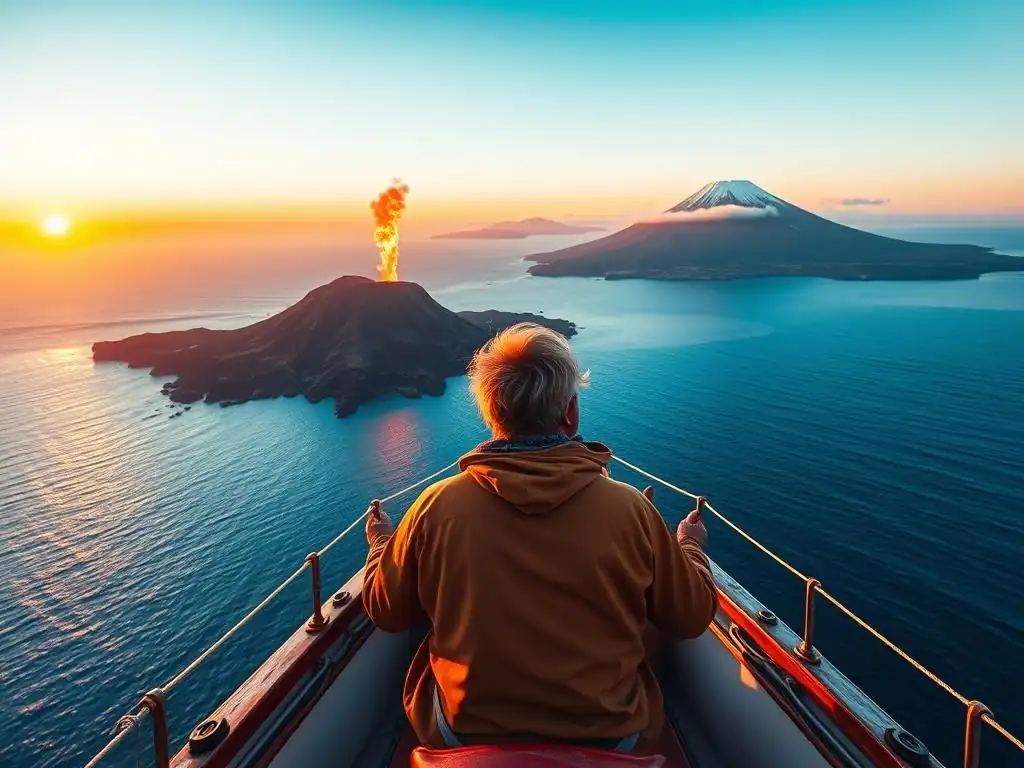
Welcome to Volcano Explorers!
Prepare to journey into the heart of fiery landscapes and geological marvels. The Mediterranean volcanic belt, a region of breathtaking beauty and latent power, beckons. But beneath the stunning scenery lies inherent risk. Are you ready to uncover the vital Mediterranean volcanic safety tips that could safeguard your next adventure? Explore further, and learn how to navigate this captivating region with knowledge and respect, ensuring an unforgettable – and safe – experience.
- Introduction: Exploring the Mediterranean's Volcanic Wonders
-
Frequently Asked Questions
- What is the Mediterranean Volcanic Belt, and why should travelers be aware of it?
- What are some Mediterranean volcanic safety tips that I should follow before and during my trip?
- How can I stay updated on the current volcanic activity in the Mediterranean region?
- What are the main hazards associated with volcanoes in the Mediterranean, besides the eruption itself?
- What should I do in the event of a volcanic eruption while visiting a Mediterranean volcanic area?
- Final Reflection: Embracing the Volcanic Heart of the Mediterranean
- Ignite Your Mediterranean Adventure!
Introduction: Exploring the Mediterranean's Volcanic Wonders
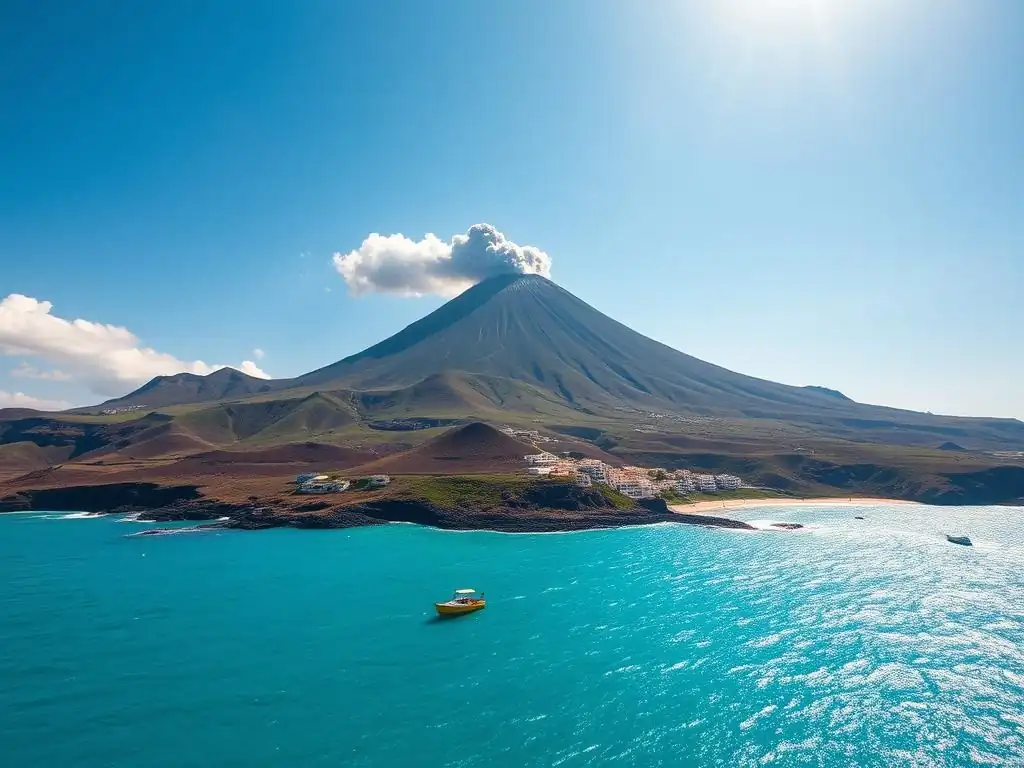
Welcome to the Mediterranean Volcanic Belt: A Unique Travel Destination
The Mediterranean region, famed for its azure waters, ancient history, and vibrant cultures, also harbors a dramatic secret beneath its surface: the Mediterranean Volcanic Belt. This geological marvel, stretching from Italy through Greece and even into Turkey, is a dynamic zone where the Earth's fiery forces are spectacularly on display. Unlike typical beach destinations, the Mediterranean Volcanic Belt offers a unique and thrilling travel experience, inviting adventurers to witness the raw power of nature firsthand.
Imagine standing on the slopes of a still-smoldering volcano, feeling the warmth emanating from the earth, or sailing past islands sculpted by ancient eruptions. This is not just a vacation; it's an immersion into a world where the planet's geological processes are palpable and awe-inspiring.
Why Visit the Mediterranean Volcanic Belt?
Choosing the Mediterranean Volcanic Belt as your next travel destination offers an unparalleled blend of adventure, education, and breathtaking scenery. Beyond the typical tourist trails, this region presents a chance to witness geological wonders rarely found elsewhere in Europe. Consider the active volcanoes like Mount Etna in Sicily, Europe's largest active volcano, which regularly puts on a show with lava flows and ash plumes.
Or picture the stunning caldera of Santorini, a testament to a colossal prehistoric eruption that reshaped the island into its iconic crescent shape. Furthermore, the volcanic activity has gifted the region with unique landscapes, fertile soils that produce exceptional wines and produce, and therapeutic hot springs revered since ancient times.
Visiting this area is not just about sightseeing; it's about understanding the powerful forces that have shaped our planet and continue to influence the Mediterranean landscape and its cultures. It's an opportunity to learn about volcanology, witness nature's artistry, and create memories that are as enriching as they are unforgettable.
Frequently Asked Questions
What is the Mediterranean Volcanic Belt, and why should travelers be aware of it?
The Mediterranean Volcanic Belt is a region of active volcanoes and seismic activity. Travelers should be aware because it poses a potential risk of eruptions and related hazards like earthquakes and tsunamis.
What are some Mediterranean volcanic safety tips that I should follow before and during my trip?
Before traveling, research the volcanic activity in your destination. During your trip, heed all official warnings and evacuation orders. Have an emergency kit prepared.
How can I stay updated on the current volcanic activity in the Mediterranean region?
VolcanoExplorers.org and similar websites provide real-time updates on volcanic activity. Also, monitor local news and follow official government channels for the most accurate information.
What are the main hazards associated with volcanoes in the Mediterranean, besides the eruption itself?
Besides eruptions, hazards include ashfall, which can disrupt air travel and cause respiratory problems. There's also the risk of pyroclastic flows and lahars.
What should I do in the event of a volcanic eruption while visiting a Mediterranean volcanic area?
Follow evacuation orders immediately and seek shelter indoors if possible. Protect yourself from ashfall by wearing a mask and covering your skin. Stay informed via official channels.
Final Reflection: Embracing the Volcanic Heart of the Mediterranean
The journey through the Mediterranean Volcanic Belt, as we've explored, is a dance between awe and awareness. Understanding and respecting the power of these geological wonders is not just about safety; it's about enriching our experience and appreciating the delicate balance of nature. The tips and insights shared throughout this guide are more than just precautions; they are keys to unlocking a deeper connection with this dynamic landscape.
The enduring allure of the Mediterranean, shaped by millennia of volcanic activity, continues to captivate and inspire. My own fascination with this region stems from a deep respect for its raw power and breathtaking beauty, a combination that demands both reverence and informed exploration. We are all travelers in the wilderness of this world, and the best that we can find in our travels is an honest friend and a clear path.
- Robert Louis Stevenson. This quote resonates deeply, reminding us that preparedness and respect are our companions on any journey, especially one through such a potent and historically significant landscape.
As you plan your own adventure through the Mediterranean Volcanic Belt, remember that knowledge is your greatest asset. Embrace the wonder, but never underestimate the power of the earth beneath your feet. Let this guide be a starting point, a catalyst for further exploration and a reminder that responsible travel not only protects you but also preserves the beauty and integrity of this extraordinary region for generations to come. Go forth, explore, and return with stories that celebrate both the wonder and the wisdom of the Mediterranean's volcanic heart.
Okay, here's a CTA for the article "Navigating the Mediterranean Volcanic Belt: A Traveler's Guide to Safety and Wonder" for Volcano Explorers (volcanoexplorers.org):
Ignite Your Mediterranean Adventure!
Thank you for exploring the fascinating, and sometimes fiery, landscapes of the Mediterranean Volcanic Belt! We hope this guide has empowered you with the knowledge to experience its wonders safely and responsibly. Now, let’s turn that knowledge into action!
Here are a few ways to fuel your passion and take the next step:
- Start planning your own Mediterranean volcanic adventure using our interactive risk assessment tool, tailored to each unique location. This is your key to a safe and unforgettable journey!
- Share this guide with fellow adventure enthusiasts, helping them navigate these volcanic wonders with confidence. Knowledge is power, especially near active volcanoes!
- Connect with other Volcano Explorers on our forum and swap stories, tips, and breathtaking photos from your Mediterranean escapades. Perhaps you'll discover hidden gems or useful safety techniques from fellow travelers.
What's the first volcano on the Mediterranean Volcanic Belt you're adding to your bucket list, and what safety precaution will you prioritize? Share your plans in the comments below!