
Children and Ashfall: Protecting the Most Vulnerable During Volcanic Eruptions

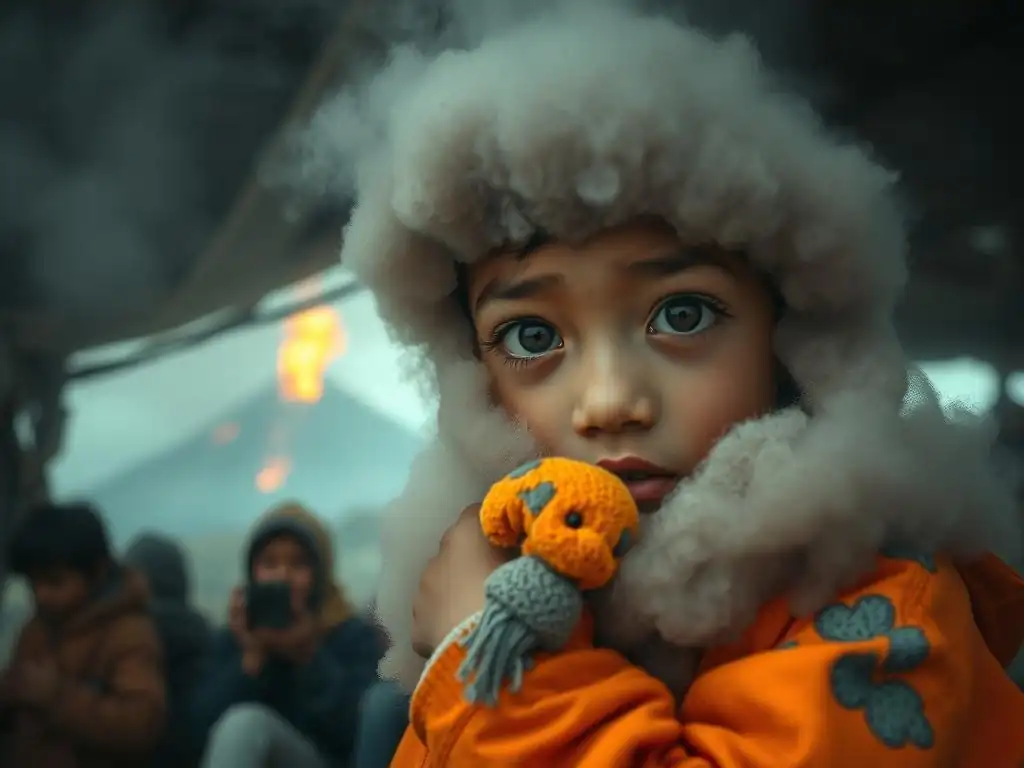
Welcome to Volcano Explorers, where the Earth breathes fire! Ever wonder how you can protect the most vulnerable during a volcanic eruption? Delve deeper into our exploration of Protecting children during ashfall, a critical guide born from volcanic science, and uncover the vital steps needed to safeguard our future. What secrets lie beneath the ash cloud? Let's find out together.
- Understanding the Risks: Why Ashfall is Especially Dangerous for Children
- Preparing for Ashfall: Protecting Children Before a Volcanic Eruption
- Protecting Children During Ashfall: Immediate Actions
- After the Ashfall: Recovery and Long-Term Care for Children
- Long-Term Strategies: Building Resilience in Volcanic Communities and Protecting Children
-
Frequently Asked Questions
- What are the main health risks posed to children during volcanic ashfall?
- How can parents best protect their children from ashfall inside their homes?
- What type of mask is most effective for children during ashfall, and where can I get one?
- What are some strategies for keeping children calm and reassured during a volcanic eruption and ashfall?
- Besides physical protection, what other support is crucial for children affected by volcanic ashfall?
- Final Reflection: Shielding Innocence in Volcanic Shadow
- Ignite Your Child's Inner Resilience: Be Ready for Anything!
Understanding the Risks: Why Ashfall is Especially Dangerous for Children
Respiratory Problems and Ash Inhalation in Children
Children are significantly more vulnerable to respiratory problems from volcanic ash inhalation compared to adults. Their respiratory systems are still developing, with narrower airways and a higher breathing rate relative to their body size. This means they inhale a greater volume of air, and consequently, more ash particles per unit of body weight.
Fine ash particles, especially those smaller than 10 micrometers (PM10), can penetrate deep into the lungs, causing irritation and inflammation. For children with pre-existing conditions like asthma or bronchitis, exposure to volcanic ash can trigger severe exacerbations, leading to coughing, wheezing, shortness of breath, and potentially requiring hospitalization. Studies following eruptions, such as the 2010 eruption of Eyjafjallajökull in Iceland, noted a significant increase in respiratory complaints among children in ash-affected areas, highlighting their heightened susceptibility.
The composition of volcanic ash also plays a crucial role in its respiratory hazard. Ash often contains crystalline silica, a known respiratory irritant and carcinogen with long-term exposure. While the short-term effects of ash inhalation are more immediate, prolonged or repeated exposure, particularly in areas with frequent volcanic activity, could potentially lead to chronic respiratory issues in children over time.
Furthermore, ash particles can act as carriers for volcanic gases like sulfur dioxide and hydrogen sulfide, which can further irritate the respiratory tract and exacerbate breathing difficulties, especially in young children whose detoxification mechanisms are not fully developed. Therefore, protecting children from inhaling volcanic ash is paramount during and after ashfall events.
Eye Irritation and Corneal Abrasion Risks for Kids During Ashfall
Children's eyes are particularly susceptible to irritation and injury from volcanic ash. They tend to rub their eyes more frequently than adults, which can exacerbate irritation caused by ash particles and increase the risk of corneal abrasion. The small, sharp particles of volcanic ash can easily scratch the delicate surface of the cornea, leading to pain, redness, blurred vision, and a sensation of grittiness.
In severe cases, corneal abrasions can become infected if not properly managed, potentially causing more serious eye problems. Younger children may not be able to effectively communicate their discomfort, making it crucial for caregivers to be vigilant for signs of eye irritation, such as excessive blinking, rubbing of eyes, or increased tear production.
Beyond physical abrasion, the chemical composition of volcanic ash can also contribute to eye irritation. Volcanic ash can be acidic, especially if it contains significant amounts of volcanic gases that have condensed onto the ash particles. This acidity can further irritate the conjunctiva and cornea, leading to conjunctivitis, characterized by redness, swelling, and discharge.
Moreover, the fine dust particles can get trapped under contact lenses, causing significant discomfort and potentially scratching the cornea. Children wearing contact lenses should be especially cautious during ashfall events and ideally switch to glasses to minimize the risk of eye injury. Prompt and appropriate eye protection for children is therefore essential during and immediately following volcanic ashfall.
Skin Irritation and Dermatitis: Impacts on Children's Skin from Volcanic Ash
Volcanic ash can cause skin irritation and dermatitis in children due to its abrasive nature and chemical composition. Children's skin is generally more sensitive than adult skin, making them more prone to irritation from physical and chemical irritants. The sharp, angular particles of volcanic ash can act as a physical irritant, causing itching, redness, and a rash upon contact. This is particularly true in areas where ash accumulates in clothing folds or diapers, leading to prolonged skin exposure and friction. Children with pre-existing skin conditions like eczema may experience a worsening of their symptoms upon exposure to volcanic ash.
The chemical components of volcanic ash, such as sulfur compounds and trace metals, can also contribute to skin irritation. While volcanic ash is not typically highly toxic, certain components can be irritating or allergenic to sensitive skin. In humid conditions, volcanic ash can become moist and form a cement-like crust on the skin, further exacerbating irritation and making removal more challenging.
Parents should be mindful of washing children's exposed skin gently with soap and water after ashfall exposure and consider using moisturizers to soothe and protect the skin barrier. Prompt cleaning and preventative measures are key to minimizing skin-related issues in children exposed to volcanic ash.
Indirect Health Effects: Water Contamination and Food Security for Children
Beyond direct exposure to ash, children are also vulnerable to indirect health effects stemming from water contamination and food insecurity following volcanic ashfall. Ashfall can contaminate water sources, both surface water and rainwater harvesting systems, which are common in many volcanic regions. Contamination can occur through direct deposition of ash into water bodies or through runoff from ash-covered surfaces.
This contamination can make water unsafe for drinking, bathing, and food preparation, posing a significant health risk, especially to young children who are more susceptible to waterborne illnesses like diarrhea and vomiting. Boiling water can help reduce bacterial contamination, but it will not remove chemical contaminants from ash.
Volcanic ash can also impact food security, indirectly affecting children's health and nutrition. Ashfall can damage crops and pastures, reduce agricultural yields, and disrupt food supply chains. This can lead to food shortages and price increases, making it harder for families, particularly those with limited resources, to access adequate and nutritious food for their children.
Furthermore, ash contamination of fruits and vegetables can make them unpalatable or require extensive washing, potentially reducing their nutritional value. The disruption to livelihoods and economies in ash-affected areas can also exacerbate food insecurity, impacting children's long-term health and development. Therefore, addressing water and food security is a critical aspect of protecting children's health in the aftermath of volcanic ashfall.
Preparing for Ashfall: Protecting Children Before a Volcanic Eruption
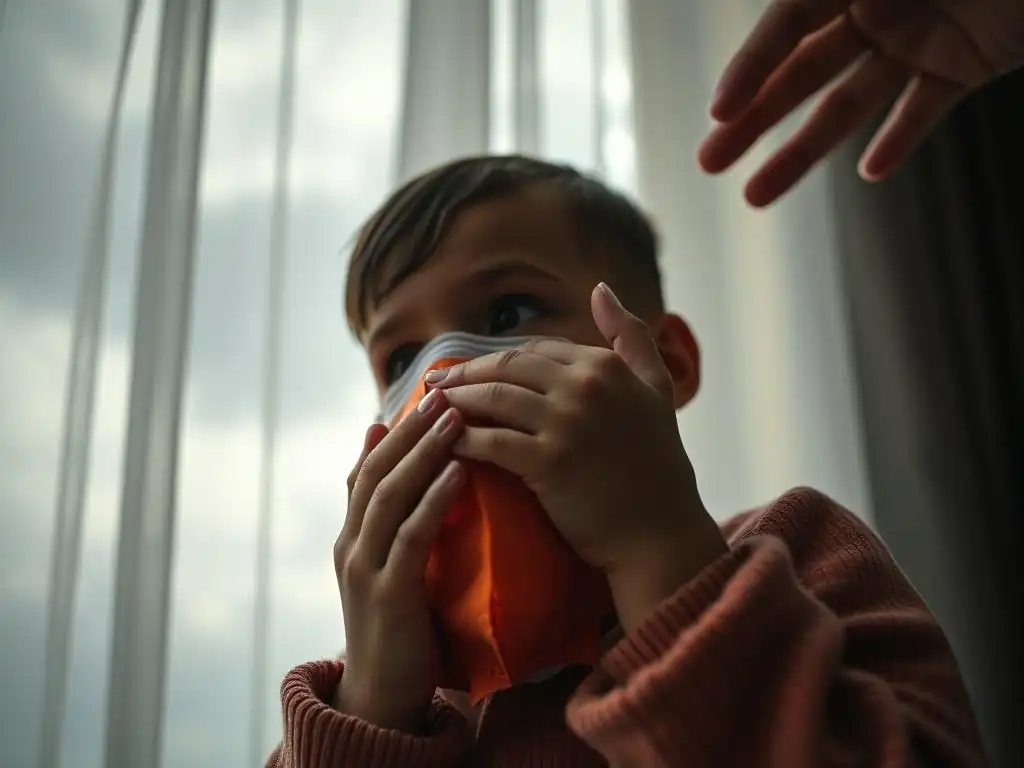
Creating a Family Emergency Plan for Volcanic Ash Events
Developing a family emergency plan is crucial for protecting children during volcanic ash events. This plan should be tailored to the specific needs of the family and the local volcanic hazards. The plan should clearly outline evacuation routes, designated meeting points if family members are separated, and communication strategies in case of power outages or communication disruptions.
For families with young children, the plan should consider their specific needs, such as pre-arranging childcare if parents are essential workers, identifying child-friendly evacuation centers, and packing essential items for children like diapers, formula, medications, and comfort items. Practicing the emergency plan regularly with children, including drills and age-appropriate explanations, can help reduce fear and improve preparedness in a real event.
The family emergency plan should also include specific actions related to volcanic ash. This includes identifying safe rooms within the home that can be sealed off from ash intrusion, stocking up on essential supplies like masks, goggles, and plastic sheeting, and establishing procedures for sheltering in place if evacuation is not possible. Assigning roles and responsibilities to each family member, even age-appropriate tasks for children, can enhance the effectiveness of the plan.
Furthermore, the plan should incorporate information about local emergency alerts and communication channels, ensuring the family can receive timely warnings and instructions from authorities. A well-thought-out and practiced family emergency plan is a vital first step in protecting children from the dangers of volcanic ashfall.
Assembling an Emergency Kit: Focus on Children's Needs
Assembling an emergency kit specifically tailored to children's needs is essential for preparedness. Beyond the standard emergency kit items like water, non-perishable food, and a first-aid kit, the children's kit should include items that address their unique vulnerabilities during ashfall. This should include properly fitted N95 or P2 masks for each child, ensuring they are the correct size and comfortable for extended wear.
Children's sized goggles or protective eyewear are also crucial to prevent eye irritation and injury. Including child-friendly medications like pain relievers and any prescription medications they require is vital, along with comfort items like blankets, toys, and books to help reduce anxiety during stressful situations.
The emergency kit should also contain practical items specific to children's hygiene and care during ashfall. This includes baby wipes, hand sanitizer, diapers if needed, and any special dietary requirements or formula. Having a supply of bottled water readily accessible is particularly important for children, as they are more susceptible to dehydration.
The kit should be stored in an easily accessible location and checked regularly to ensure supplies are fresh and in good condition. Involving children in assembling and checking the kit can also be a valuable educational opportunity and help them feel more prepared and less fearful. A well-equipped emergency kit designed with children in mind significantly enhances their safety and well-being during and after volcanic ashfall.
Educating Children About Volcanoes and Ashfall Safety
Educating children about volcanoes and ashfall safety in an age-appropriate manner is a crucial aspect of preparedness. Instead of instilling fear, education should focus on empowering children with knowledge and understanding. Using age-appropriate language and visual aids, explain what volcanoes are, why they erupt, and what volcanic ash is. Focus on the positive aspects of preparedness, emphasizing that knowing what to do helps keep them and their families safe. Engage children in learning through interactive activities, games, and stories about volcanoes and emergency preparedness.
Teach children simple but effective safety measures, such as the importance of staying indoors during ashfall, wearing masks and goggles, and washing their hands and faces. Practice drills and role-playing scenarios to help them understand what to do in different situations, like what to do if they are at school when ashfall begins or how to put on a mask correctly.
Encourage children to ask questions and address their concerns openly and honestly. By providing children with age-appropriate education and involving them in preparedness efforts, we can reduce anxiety, increase their resilience, and empower them to be active participants in their own safety and the safety of their families during volcanic events.
Securing Your Home to Minimize Ash Intrusion and Protect Children
Securing your home to minimize ash intrusion is a proactive step to protect children from the harmful effects of volcanic ash. Before an anticipated ashfall event, take steps to seal gaps and openings in your home to reduce ash entry. This includes sealing windows and doors with tape and plastic sheeting.
Pay particular attention to ventilation openings, chimneys, and any cracks or crevices in walls and roofs. Cover air conditioning units and other external vents to prevent ash from entering the ventilation system. If possible, close off rooms that are less easily sealed or less essential to minimize the area requiring cleaning after ashfall.
Consider creating a designated "clean room" within your home, ideally a room with few windows and doors, where children can spend time during ashfall events. This room should be sealed as effectively as possible and stocked with essential supplies, including masks, water, and comfort items. If you have an air purifier with a HEPA filter, place it in the clean room to help remove airborne ash particles.
Remember that complete ash exclusion is often impossible, but taking these preventative measures can significantly reduce ash intrusion and create a safer indoor environment for children during volcanic ashfall events. These preparations are crucial for creating a refuge from the ash and protecting children's respiratory health.
Protecting Children During Ashfall: Immediate Actions
Keeping Children Indoors: Creating a Safe Ash-Free Zone
Keeping children indoors is the most crucial immediate action to protect them during volcanic ashfall. Homes provide a degree of shelter from ash exposure, significantly reducing the risk of respiratory and eye irritation. Once ashfall begins, ensure all children are brought inside immediately and remain indoors until authorities declare it safe to go outside. Close all windows and doors tightly and keep them closed to minimize ash entry. If possible, seal any remaining gaps around windows and doors with tape or damp towels to further reduce ash infiltration.
Designate a specific room or area within the house as the "safe ash-free zone" for children. This room should ideally be located away from prevailing winds and have minimal windows and doors. Encourage children to stay in this room and engage in quiet activities to minimize physical exertion and breathing rate.
If you have an air purifier, operate it in this room to help filter out airborne ash particles. Explain to children in a calm and reassuring manner why staying indoors is important for their health and safety. Creating a safe indoor environment is the primary defense against volcanic ash exposure for children during an eruption.
Proper Mask Usage for Children During Volcanic Ashfall
Proper mask usage is essential for protecting children from inhaling volcanic ash during ashfall events. N95 or P2 respirators are recommended for effective filtration of fine ash particles. However, it is crucial to ensure that masks are appropriately sized for children and fit snugly to create a proper seal around the nose and mouth.
Loose-fitting masks offer minimal protection. Practice mask fitting with children beforehand to ensure they are comfortable wearing them and understand how to put them on and take them off correctly. For very young children or infants for whom respirators are not suitable, keeping them indoors is even more critical.
Encourage children to wear masks whenever they are in areas where ash is present, both indoors and outdoors if evacuation is necessary or outdoor exposure is unavoidable. Teach them to avoid touching the front of the mask and to dispose of used masks properly. Masks may become uncomfortable with prolonged use, and children may need breaks.
If possible, move to a less dusty environment for mask breaks. It is important to note that cloth masks or surgical masks offer limited protection against fine volcanic ash particles and are not recommended as primary protection. Prioritizing properly fitted N95 or P2 masks and ensuring consistent and correct usage is vital for safeguarding children's respiratory health during ashfall.
Protecting Children's Eyes and Skin: Essential Precautions
Protecting children's eyes and skin from volcanic ash requires specific precautions to minimize irritation and injury. For eye protection, children should wear goggles or close-fitting glasses to prevent ash particles from entering their eyes. Contact lenses should be avoided during ashfall, as ash can get trapped underneath them and cause corneal abrasions. If goggles are unavailable, encourage children to keep their eyes closed as much as possible when outdoors in ashy conditions and avoid rubbing their eyes.
To protect skin, encourage children to wear long-sleeved shirts, long pants, and hats to minimize exposed skin areas. Apply a barrier cream or moisturizer to exposed skin areas to create a protective layer. If skin becomes contaminated with ash, gently wash it with soap and water. Avoid vigorous rubbing, which can further irritate the skin. Pay particular attention to cleaning areas where ash may accumulate, such as skin folds and diaper areas in infants. Prompt and gentle cleaning and protective clothing are essential to prevent skin irritation and dermatitis in children exposed to volcanic ash.
Monitoring Children's Health and Well-being During Ashfall
Continuous monitoring of children's health and well-being during ashfall is crucial for early detection and management of any adverse effects. Observe children closely for any signs of respiratory distress, such as coughing, wheezing, shortness of breath, or rapid breathing. Ask older children if they are experiencing chest tightness or difficulty breathing. Monitor for symptoms of eye irritation, including redness, excessive tearing, and eye pain. Check for skin irritation, rashes, or itching. Pay attention to any changes in behavior, such as increased irritability, lethargy, or loss of appetite, which could indicate health problems.
If children exhibit any of these symptoms, take appropriate action. For respiratory issues, ensure they are wearing a properly fitted mask and move them to a less dusty environment if possible. If symptoms are severe or worsen, seek medical attention promptly. For eye irritation, flush their eyes gently with clean water or saline solution.
For skin irritation, wash the affected area gently and apply a soothing moisturizer. Providing reassurance and comfort to children during this stressful time is also important for their emotional well-being. Vigilant monitoring and prompt response to health concerns are essential to safeguard children's health during volcanic ashfall events.
After the Ashfall: Recovery and Long-Term Care for Children
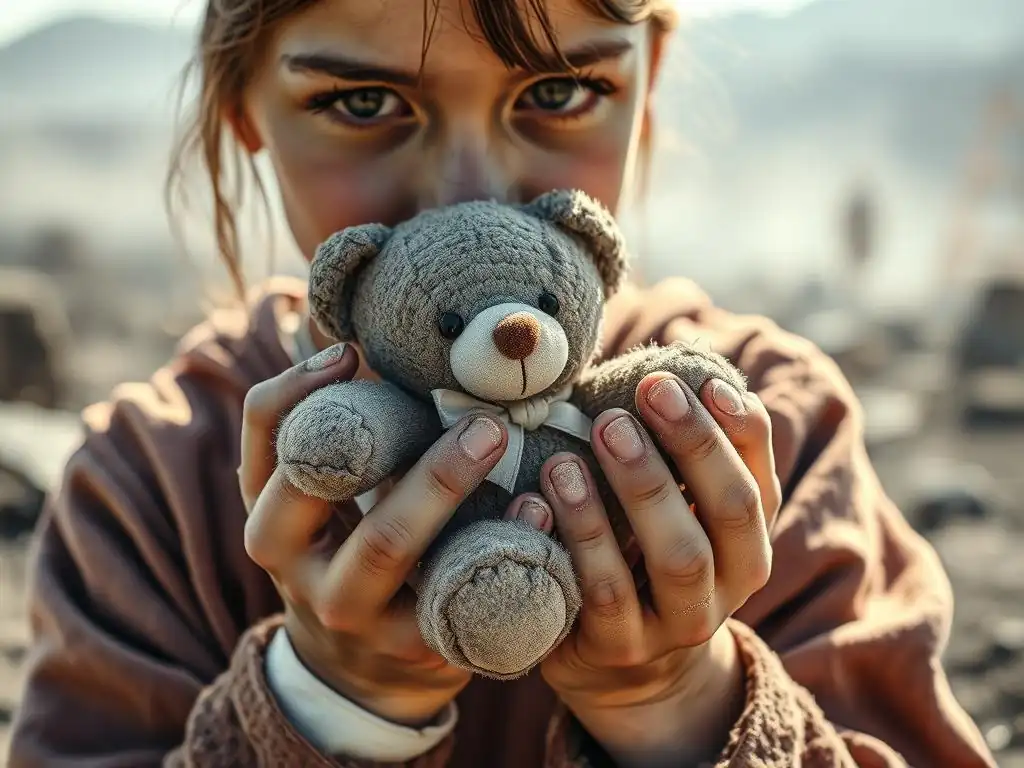
Safe Ash Removal and Cleaning Practices Around Children
Safe ash removal and cleaning practices are vital to protect children in the aftermath of volcanic ashfall. Volcanic ash can remain a health hazard even after the eruption has subsided, especially if it is resuspended into the air during cleaning activities. When cleaning ash around children, prioritize damp cleaning methods to minimize dust generation. Use wet cloths or mops instead of brooms or dry sweeping, which can stir up fine ash particles. When vacuuming, use a vacuum cleaner equipped with a HEPA filter to trap fine particles.
Ensure children are not present in the immediate vicinity during ash removal and cleaning activities, especially indoors. If children are involved in outdoor cleanup activities, ensure they wear properly fitted masks and goggles. Wash toys and outdoor play equipment thoroughly to remove ash before children use them again.
Be mindful of ash accumulation on roofs and gutters, as heavy ash deposits can pose a structural hazard. When cleaning outdoor areas, dampen the ash with water to prevent it from becoming airborne. Safe and careful ash removal practices are essential to minimize ongoing ash exposure for children during the recovery phase.
Addressing Respiratory Issues and Other Health Concerns Post-Ashfall
Addressing respiratory issues and other health concerns in children post-ashfall is critical for their long-term well-being. Even after the ashfall has ceased, children may continue to experience respiratory symptoms, especially those with pre-existing conditions like asthma. Monitor children for persistent cough, wheezing, or shortness of breath. If symptoms persist or worsen, seek medical advice. Continue to create a clean indoor environment by regularly damp-cleaning and using air purifiers if available. Avoid strenuous activities for children in dusty environments to minimize respiratory irritation.
Beyond respiratory issues, be aware of potential eye and skin problems that may persist after ashfall. Eye irritation or conjunctivitis may require continued management with eye drops or ointments as recommended by a healthcare professional. Skin rashes or dermatitis may need topical creams or lotions to soothe and heal. Ensure children have access to clean water and nutritious food to support their overall health and recovery. Long-term monitoring of children's health and access to appropriate medical care are essential to address any lingering health issues related to volcanic ash exposure.
Providing Psychological Support for Children Affected by Volcanic Eruptions
Providing psychological support for children affected by volcanic eruptions is a crucial but often overlooked aspect of recovery. Volcanic eruptions and ashfall events can be frightening and stressful for children, potentially leading to anxiety, fear, and emotional distress. Children may have witnessed dramatic events, experienced disruptions to their routines, and felt a loss of safety and security. Create a safe and supportive environment for children to express their feelings and concerns. Listen to them patiently and validate their emotions. Answer their questions honestly and age-appropriately, avoiding overly graphic or alarming details.
Encourage children to talk about their experiences and feelings through play, drawing, or other creative outlets. Re-establish routines and structure as quickly as possible to provide a sense of normalcy and stability. Limit children's exposure to media coverage of the volcanic eruption, which can be overwhelming and anxiety-provoking. Seek professional help from counselors or mental health professionals if children exhibit signs of significant distress, such as persistent fear, nightmares, withdrawal, or changes in behavior. Psychological support is an integral part of the recovery process, helping children cope with the emotional impact of volcanic events and build resilience.
Ensuring Access to Clean Water and Safe Food for Children After Ashfall
Ensuring access to clean water and safe food for children after ashfall is paramount for their immediate and long-term health. Volcanic ash can contaminate water sources and disrupt food supplies, posing significant risks, especially to children. Assess water sources for contamination and take steps to provide safe drinking water. This may involve providing bottled water, establishing community water distribution points, or implementing water purification methods. Boiling water can help eliminate bacteria, but it may not remove chemical contaminants from ash.
Evaluate food supplies and ensure children have access to adequate and nutritious food. Food distribution programs may be necessary in affected areas. Provide guidance to families on safe food handling and preparation practices in ash-affected environments. This includes thoroughly washing fruits and vegetables and avoiding consumption of potentially contaminated food sources. Monitor children for signs of waterborne illnesses or malnutrition and provide appropriate medical care and nutritional support as needed. Restoring access to clean water and safe food is a fundamental aspect of post-ashfall recovery and crucial for safeguarding children's health and well-being.
Long-Term Strategies: Building Resilience in Volcanic Communities and Protecting Children
Improving Infrastructure to Mitigate Ashfall Impacts on Children's Health
Improving infrastructure is a critical long-term strategy to mitigate the impacts of ashfall on children's health in volcanic communities. This includes strengthening building codes to ensure structures are more resistant to ash loading and intrusion. Designing public buildings, such as schools and healthcare facilities, to be ash-resistant and equipped with effective ventilation systems and air filtration can create safer environments for children during ashfall events. Investing in infrastructure for reliable water supply and sanitation systems can reduce the risk of water contamination from ashfall.
Developing and maintaining robust transportation infrastructure, including roads and evacuation routes, is essential for ensuring timely evacuation and access to essential services during volcanic crises. Improving communication infrastructure, such as early warning systems and communication networks, is vital for disseminating timely information and alerts to communities, allowing for better preparedness and response. Long-term investments in resilient infrastructure are crucial for reducing the vulnerability of children and communities to the impacts of volcanic ashfall and building greater resilience to future volcanic events.
Developing Public Health Programs Focused on Children's Vulnerability to Ash
Developing targeted public health programs focused on children's vulnerability to volcanic ash is essential for long-term protection. These programs should include comprehensive health education initiatives for children, parents, and caregivers on the risks of volcanic ash and protective measures. Regular health screenings for children in volcanic communities can help identify and manage respiratory and other health issues related to ash exposure. Establishing readily accessible healthcare services, including mobile clinics and telehealth options, can ensure timely medical care for children during and after volcanic events.
Public health programs should also focus on promoting healthy indoor air quality in homes and schools in volcanic areas. This can include providing resources and education on home weatherization, ventilation improvements, and the use of air purifiers. Nutritional support programs for vulnerable children can address food insecurity issues exacerbated by volcanic eruptions. Furthermore, mental health support services should be integrated into public health programs to address the psychological impacts of volcanic events on children. Tailored public health programs are crucial for proactively addressing children's specific vulnerabilities and promoting their long-term health and well-being in volcanic regions.
Promoting Community Education and Preparedness for Future Volcanic Events
Promoting ongoing community education and preparedness for future volcanic events is vital for building resilience and protecting children. Regular community workshops and training sessions on volcanic hazards, ashfall safety, and emergency preparedness can empower communities to take proactive measures. Developing culturally appropriate educational materials and resources, tailored to different age groups and literacy levels, can enhance community understanding and engagement. Involving schools and community organizations in preparedness efforts can ensure widespread reach and participation.
Establishing community-based early warning systems and communication networks can improve timely dissemination of alerts and warnings. Conducting regular drills and simulations of volcanic emergency scenarios can enhance community response capabilities and identify areas for improvement. Building strong partnerships between scientists, emergency responders, community leaders, and residents is crucial for effective preparedness and response. Sustained community education and preparedness efforts are fundamental for fostering a culture of safety and resilience in volcanic communities, ensuring the long-term protection of children and families.
Local Resources and Support Groups for Families Affected by Ashfall
Establishing local resources and support groups for families affected by ashfall is crucial for ongoing recovery and resilience building. Local community centers or organizations can serve as hubs for information, resources, and support services. These centers can provide access to educational materials, emergency supplies, and healthcare referrals. Support groups for parents and caregivers can offer a platform for sharing experiences, coping strategies, and mutual support. Connecting families with mental health professionals and counselors can address the psychological impacts of volcanic events.
Local authorities and community organizations can play a vital role in coordinating and providing resources, including financial assistance, housing support, and access to social services. Establishing partnerships with local businesses and volunteer organizations can enhance community support networks. Creating online platforms or community forums can facilitate communication and information sharing among affected families. Accessible local resources and strong community support networks are essential for empowering families to recover from ashfall events, build long-term resilience, and ensure the well-being of their children in volcanic environments.
Frequently Asked Questions
What are the main health risks posed to children during volcanic ashfall?
The primary health risks include respiratory problems due to inhaling fine ash particles, eye irritation, and skin irritation. Pre-existing conditions like asthma can be significantly aggravated.
How can parents best protect their children from ashfall inside their homes?
Keep children indoors, seal windows and doors with tape and damp cloths, and use air purifiers if available. Avoid activities that stir up dust, like sweeping, unless wearing a mask.
What type of mask is most effective for children during ashfall, and where can I get one?
A well-fitting N95 respirator mask is the most effective, but ensure it fits properly and is age-appropriate. Pharmacies and hardware stores are the most common places to buy them, but check availability during increased volcanic activity.
What are some strategies for keeping children calm and reassured during a volcanic eruption and ashfall?
Provide accurate and age-appropriate information about the situation. Engage them in quiet activities, like reading or playing games, and maintain a calm demeanor to avoid increasing their anxiety.
Besides physical protection, what other support is crucial for children affected by volcanic ashfall?
Psychological support is vital to address potential trauma and anxiety. Access to clean water and food are also essential for their well-being during and after the eruption.
Final Reflection: Shielding Innocence in Volcanic Shadow
The preceding discussion underscores a critical truth: protecting children during ashfall is not just a humanitarian imperative, but a societal responsibility that demands immediate and sustained attention. The vulnerability of children in the face of volcanic eruptions necessitates proactive measures, informed by scientific understanding and compassionate action, to mitigate the devastating impacts of ashfall on their health and well-being.
This topic has profoundly shaped our understanding of disaster preparedness, highlighting the often-overlooked needs of the youngest members of our communities. The images of children struggling to breathe amidst ash-filled skies serve as a constant reminder of the urgency and importance of this issue. It is easier to build strong children than to repair broken men.
- Frederick Douglass. This quote encapsulates the long-term benefits of investing in the safety and resilience of children during and after volcanic events.
As we conclude, let us not simply acknowledge the challenges, but commit to becoming active participants in building safer, more resilient communities for our children. Consider how you can contribute to preparedness efforts in your own community, whether through education, advocacy, or direct support. The future health and well-being of our children depend on our collective action today.
Ignite Your Child's Inner Resilience: Be Ready for Anything!
Thank you for taking the time to learn how to keep our little Volcano Explorers safe during ashfall events! Now that you're equipped with crucial knowledge, let's translate awareness into action and empower our community.
Here's how you can make a real difference today:
- Prioritize Your Family's Ashfall Readiness: Take the first step by creating a personalized family emergency plan, focusing on respiratory protection and safe evacuation routes.
- Share this article! Help spread awareness amongst your friends, family, and local community to ensure that everyone is well-informed and prepared.
- Connect with your local emergency services. Learn about community resources and potential ashfall response plans in your area, then volunteer to help!
What practical step will you take this week to ensure your family and community are better prepared for the next ashfall event? Share your plan in the comments below!