
Are Volcanic Plugs Habitats? Exploring the Ecology of These Rocky Outcrops

Welcome to Volcano Explorers!
Prepare to be amazed. What if I told you that even the most seemingly desolate volcanic features can teem with life? Forget fiery rivers and explosive eruptions for a moment, and join us as we venture into the surprisingly vibrant world of Ecology of volcanic plugs habitats. Discover how life finds a way, even on these seemingly barren rocky outcrops, and unlock the secrets they hold. Intrigued? You should be. Let's explore...
- Introduction: Volcanic Plugs as Unique Ecosystems
- The Geology and Formation of Volcanic Plugs: Shaping the Habitat
- Plant Life on Volcanic Plugs: Pioneering Species and Adaptations
- Animal Life on Volcanic Plugs: A Haven for Wildlife
- The Ecology of Volcanic Plug Habitats: Interdependence and Interactions
- Threats to Volcanic Plug Ecosystems: Conservation Challenges
- Conservation Efforts and Future Research: Protecting These Unique Habitats
- Case Studies: Examples of Thriving Volcanic Plug Habitats
- Conclusion: Appreciating the Ecological Significance of Volcanic Plugs
- Frequently Asked Questions
- Final Reflection: Life's Tenacity on Volcanic Peaks
- Unearth Your Inner Volcanologist!
Introduction: Volcanic Plugs as Unique Ecosystems
Defining Volcanic Plugs and Necks: A Brief Overview
Volcanic plugs, also known as volcanic necks, are fascinating geological formations that represent the solidified remains of magma within the conduit of an extinct volcano. Imagine a volcano's plumbing system, the pathways through which molten rock ascends from the Earth's depths. When volcanic activity ceases, the magma within these channels cools and solidifies, often forming a dense, resistant rock structure.
Over vast periods of time, the softer volcanic cone that once surrounded this conduit is eroded away by wind, rain, and ice. This erosional process leaves the more durable volcanic plug standing prominently above the surrounding landscape, a stark monument to past volcanic power. These formations are often composed of rock types like basalt, trachyte, or phonolite, which are inherently more resistant to weathering than the ash and cinder that typically compose the outer cone of a volcano.
The term "volcanic plug" and "volcanic neck" are often used interchangeably, though "neck" can sometimes imply a more elongated, pillar-like structure. Regardless of the terminology, these geological features are characterized by their steep sides and often imposing height. They are found across the globe in regions with past volcanic activity, from the dramatic landscapes of the American West to the volcanic fields of Scotland and even in submarine environments.
Their formation process ensures they are composed of dense, solidified volcanic rock, a stark contrast to the often softer and more easily eroded materials of the surrounding terrain. This contrast is key to understanding why these geological features become ecological islands, havens for unique communities of life.
The Unexpected Habitats of Volcanic Plugs: An Intriguing Ecological Niche
At first glance, a volcanic plug might appear to be a barren, inhospitable rock formation. Its steep, often sheer cliffs and exposed rocky surfaces seem to offer little in the way of sustenance or shelter. However, this initial impression belies a more complex reality. Volcanic plugs, despite their seemingly harsh environment, often function as surprisingly vibrant and unique habitats. They represent ecological niches that are distinct from the surrounding landscapes, offering refuge and resources for a variety of plant and animal species.
The very characteristics that make volcanic plugs appear desolate are the same attributes that contribute to their ecological significance. Their isolation, often towering above relatively flat terrain, creates distinct microclimates. The exposed rock surfaces heat up and cool down at different rates than the surrounding soil, influencing temperature and moisture regimes.
Crevices and ledges in the rock face provide shelter from wind and predators. Furthermore, the specific mineral composition of the volcanic rock can influence soil chemistry in the immediate vicinity, affecting plant colonization. These factors combine to make volcanic plugs ecological islands, where specialized communities of organisms can thrive, adapted to the unique conditions offered by these rocky outcrops, making the ecology of volcanic plugs habitats a fascinating area of study.
The Geology and Formation of Volcanic Plugs: Shaping the Habitat
The Volcanic Process: From Magma to Solidified Plug
The journey of a volcanic plug begins deep within the Earth's crust or upper mantle, where molten rock, or magma, is generated. Driven by pressure differentials and buoyancy, this magma ascends towards the surface through fissures and conduits in the Earth's crust. In the case of volcanoes that eventually form plugs, this magma rises through a central vent.
During periods of volcanic activity, this vent serves as the primary pathway for eruptions, expelling lava, ash, and volcanic gases onto the surrounding landscape to build the characteristic cone shape of a volcano. However, the formation of a volcanic plug occurs during the waning stages of volcanic activity, or after a volcano becomes extinct. As the eruptive phase concludes, magma still present within the vent begins to cool and solidify.
The rate of cooling and the composition of the magma significantly influence the type of rock that forms the volcanic plug. Slow cooling allows for the formation of larger crystals within the rock matrix, resulting in intrusive igneous rocks. Common rock types found in volcanic plugs include basalt, a dark, fine-grained extrusive rock that may have cooled relatively quickly in the vent, or more silica-rich varieties like trachyte and phonolite, which can also form plugs.
These rocks are typically dense and possess a crystalline structure that renders them highly resistant to erosion. This resistance is crucial because it is this very durability that allows the volcanic plug to outlast the surrounding, less resistant volcanic cone over geological timescales.
Rock Composition and Weathering: Creating Diverse Microhabitats
The specific rock type composing a volcanic plug plays a crucial role in shaping the habitats it provides. For instance, basalt, being rich in iron and magnesium, weathers to release nutrients that can influence soil development, albeit often limited on steep plug slopes. Trachyte and phonolite, with higher silica and alkali content, may weather differently, potentially affecting the availability of certain minerals in the immediate environment.
However, on volcanic plugs, soil formation is generally a slow and limited process due to the steep slopes and the resistant nature of the rock itself. Weathering, both physical and chemical, is the primary force shaping the microhabitats available.
Physical weathering, driven by temperature fluctuations and freeze-thaw cycles, causes the rock to fracture and break down into smaller pieces. This process creates cracks, crevices, and ledges on the plug's surface. These features are not just geological details; they are essential microhabitats.
Crevices can trap moisture, providing refugia from desiccation, while ledges can accumulate small amounts of organic matter and fine soil particles, offering rooting opportunities for plants. Chemical weathering, although slower, also contributes by gradually dissolving minerals and releasing nutrients. The interplay of rock composition and weathering processes generates a mosaic of microhabitats on volcanic plugs, each with slightly different conditions of moisture, sunlight, and shelter, thus supporting a diversity of ecological niches.
Influence of Altitude and Climate on Volcanic Plug Environments
The ecological character of volcanic plugs is profoundly influenced by their altitude and the broader climatic region in which they are situated. Altitude, in particular, exerts a strong control over temperature, precipitation, and wind exposure. As elevation increases, temperature generally decreases, and precipitation patterns can change dramatically.
For example, a volcanic plug located at high altitude in a mountainous region will experience colder temperatures, potentially more snow and ice, and stronger winds compared to one situated at a lower elevation in a drier climate. These altitudinal differences directly impact the types of plant and animal communities that can establish and thrive.
Climate, on a larger scale, dictates the overall environmental context for volcanic plug ecology. In arid climates, volcanic plugs may stand out as relatively moister microenvironments compared to the surrounding desert, acting as refugia for drought-sensitive species. In temperate regions, they might provide unique rocky habitats within forests or grasslands, supporting species that prefer well-drained conditions.
In alpine or arctic environments, volcanic plugs may represent some of the only exposed rock surfaces, offering crucial nesting or basking sites for wildlife in otherwise snow-covered or vegetated landscapes. Therefore, understanding the ecology of volcanic plugs habitats necessitates considering their geographical context, as altitude and climate are fundamental drivers shaping their unique ecological characteristics.
Plant Life on Volcanic Plugs: Pioneering Species and Adaptations
Colonization by Lichens and Mosses: The First Inhabitants
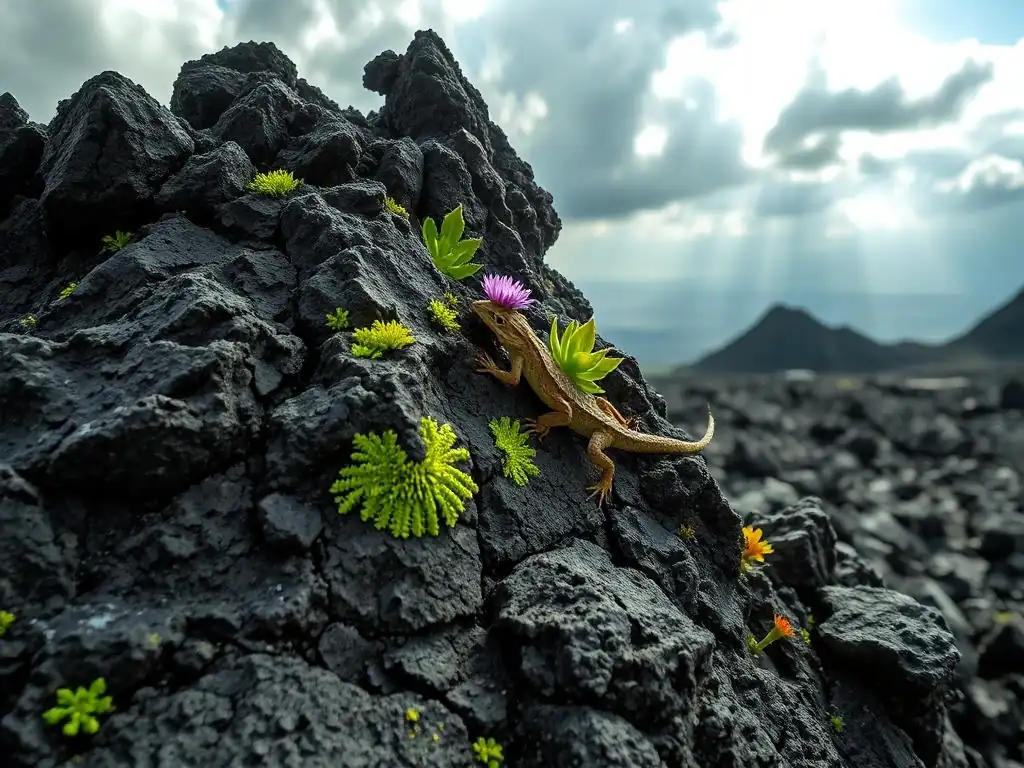
The initial colonization of volcanic plugs is typically spearheaded by lichens and mosses, the hardy pioneers of barren rock surfaces. These cryptogamic organisms are remarkably well-adapted to the harsh conditions found on newly exposed volcanic rock. Lichens, symbiotic associations between fungi and algae or cyanobacteria, are particularly adept at extracting nutrients directly from the rock itself through chemical weathering.
They secrete acids that slowly dissolve minerals, releasing essential elements and initiating the very first stages of soil formation. Mosses, while requiring slightly more moisture than lichens, can also colonize directly on rock surfaces, anchoring themselves with root-like structures called rhizoids and contributing to the accumulation of organic matter.
Lichens and mosses play a crucial role in modifying the harsh environment of volcanic plugs, paving the way for subsequent plant colonization. Their presence helps to stabilize the rock surface, reducing erosion and creating micro-crevices where dust and organic debris can accumulate. As they grow and die, their decaying biomass adds to the nascent soil layer, enriching it with organic matter and improving its water-retention capacity.
This gradual process of soil development, initiated by these first inhabitants, is essential for creating conditions suitable for more complex plant life to establish. The ecology of volcanic plugs habitats fundamentally relies on this initial biological weathering and soil creation driven by lichens and mosses.
Vascular Plants and Their Specialized Adaptations to Volcanic Plugs
Following the pioneering work of lichens and mosses, vascular plants, with their more complex root systems and water transport mechanisms, begin to colonize volcanic plugs. These plants must contend with a challenging environment characterized by shallow or non-existent soil, limited water availability, and often intense sun and wind exposure. Consequently, plants that successfully inhabit volcanic plugs exhibit a range of specialized adaptations.
Many are drought-tolerant, employing strategies such as deep root systems that penetrate cracks in the rock to access moisture reserves, or succulent leaves that store water. Others may have reduced leaf surface area to minimize water loss through transpiration or develop hairy or waxy leaf coatings to reflect sunlight and reduce evaporation.
Furthermore, vascular plants on volcanic plugs often exhibit adaptations to nutrient-poor conditions. They may form symbiotic relationships with mycorrhizal fungi, which enhance nutrient uptake from the limited soil. Some species may be adapted to efficiently extract nutrients from rainwater and atmospheric deposition.
The physical structure of volcanic plugs also influences plant adaptations. Plants growing in exposed locations may be low-growing or mat-forming to withstand strong winds, while those in sheltered crevices may exhibit more upright growth forms. The flora of volcanic plugs is therefore a testament to the power of adaptation, showcasing plant species uniquely equipped to thrive in these specialized rocky environments.
Endemic Plant Species: Unique Flora of Volcanic Plug Habitats
The isolated nature of volcanic plugs, particularly those that are geographically separated from other similar habitats, can contribute to the evolution of endemic plant species. Endemism refers to the restriction of a species to a particular geographic area. Volcanic plugs, acting as ecological islands, can promote endemism by limiting gene flow between plant populations. If a plant species colonizes a volcanic plug and becomes reproductively isolated from populations elsewhere, it may evolve unique genetic and morphological characteristics over time, specifically adapted to the conditions of that particular plug.
While comprehensive surveys of plant endemism specifically focused on volcanic plugs are still developing, the potential for such endemism is certainly present. Regions known for high levels of plant endemism, such as certain volcanic islands and isolated mountain ranges, often feature volcanic plugs as part of their landscape.
Further research is needed to fully document and understand the extent of endemic plant species associated with volcanic plug habitats globally. However, the inherent isolation and unique environmental conditions of these formations suggest that they likely play a significant role in harboring and potentially generating unique plant biodiversity, making the ecology of volcanic plugs habitats a valuable area for botanical research and conservation.
Animal Life on Volcanic Plugs: A Haven for Wildlife
Invertebrates and Insects: Key Components of the Volcanic Plug Ecosystem
While often overlooked, invertebrates and insects form the foundational base of the animal community on volcanic plugs. These small creatures, despite their size, play critical roles in nutrient cycling, pollination, and as a food source for larger animals. The crevices, ledges, and varied microclimates of volcanic plugs provide a diverse range of habitats for invertebrates. Spiders, beetles, ants, and various types of insects find shelter and foraging opportunities amongst the rocks and vegetation. Many are specifically adapted to the dry, exposed conditions, exhibiting drought tolerance and the ability to withstand temperature extremes.
Insects are particularly important as pollinators for the plant life on volcanic plugs. Bees, flies, and butterflies are often observed visiting the flowers of plug-dwelling plants, facilitating reproduction and maintaining plant diversity. Decomposers, such as certain types of beetles and springtails, play a vital role in breaking down organic matter, recycling nutrients back into the ecosystem, and contributing to the limited soil development.
Furthermore, invertebrates and insects serve as a crucial food source for many of the larger animals that inhabit or visit volcanic plugs, linking the lower trophic levels to the higher ones in the food web. The ecology of volcanic plugs habitats is heavily reliant on the often unseen but essential contributions of these invertebrate communities.
Birds of Prey and Nesting Sites on Volcanic Plugs
Volcanic plugs, with their towering height and sheer cliffs, offer ideal nesting sites for various birds of prey. The elevated and isolated nature of these formations provides excellent vantage points for hunting and crucial protection from terrestrial predators. Birds of prey such as eagles, hawks, falcons, and owls are frequently observed nesting on volcanic plugs around the world. The steep cliffs deter ground-based predators from accessing nests, enhancing nesting success. The open terrain surrounding many volcanic plugs also provides unobstructed flight paths and ample hunting grounds for these birds.
Specific examples include the Prairie Falcon in the western United States, which commonly nests on cliffs and rocky outcrops, including volcanic plugs like Devil's Tower. Golden Eagles are also known to utilize volcanic plugs as nesting territories. The presence of these apex predators is indicative of a relatively healthy ecosystem, and their nesting success on volcanic plugs highlights the ecological importance of these formations as critical habitats for avian wildlife. The geology of volcanic plugs, therefore, directly shapes their role in supporting the regional ecology, particularly for species requiring secure nesting locations.
Mammalian Visitors and Residents: Adapting to the Rocky Terrain
While volcanic plugs may not support large, resident mammalian populations due to limited resources and habitat area, various mammals utilize these formations as temporary residents, foraging grounds, or shelter. Smaller mammals, such as rodents like chipmunks and mice, may find refuge in rock crevices and forage for seeds and insects.
Reptiles, including lizards and snakes, are also frequently observed basking on sun-warmed rocks, using the thermal properties of the volcanic rock to regulate their body temperature. Larger mammals, such as coyotes or foxes, might occasionally visit volcanic plugs to hunt smaller prey or utilize them as vantage points to survey their territories.
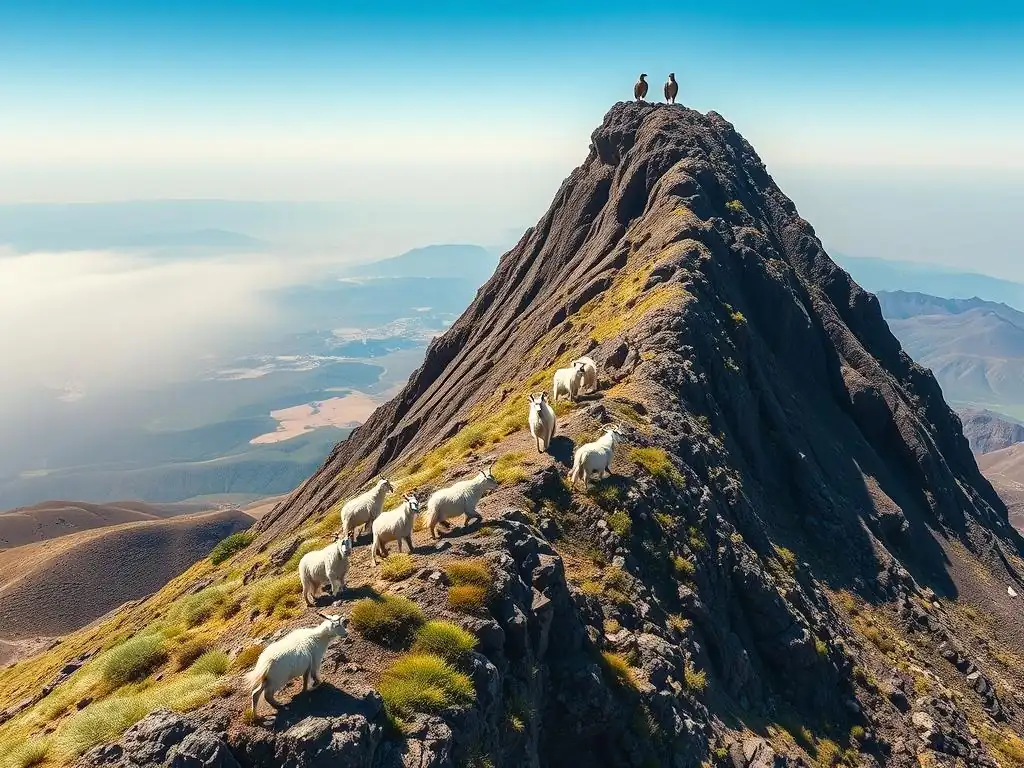
Mountain goats, where their range overlaps with volcanic plug formations, are particularly well-adapted to the steep, rocky terrain. Their agility and sure-footedness allow them to navigate the cliffs and ledges with ease, potentially using volcanic plugs for shelter and foraging.
The specific mammalian fauna associated with a volcanic plug will depend on the surrounding regional ecosystem and the availability of resources. However, volcanic plugs, even if not primary habitats for large mammals, contribute to the overall biodiversity of the region by providing specialized niches and resources for a variety of mammalian species, further enriching the ecology of volcanic plugs habitats.
The Ecology of Volcanic Plug Habitats: Interdependence and Interactions
Food Webs and Energy Flow within Volcanic Plug Ecosystems
The ecology of volcanic plugs habitats, though seemingly simple, is underpinned by complex food webs and energy flows. The foundation of these ecosystems lies with the primary producers – the plants, lichens, and mosses that colonize the rock surfaces. These organisms convert solar energy into chemical energy through photosynthesis, forming the base of the food web. Herbivores, primarily insects and invertebrates, feed on these primary producers, consuming plant tissues and deriving energy. These herbivores, in turn, become prey for carnivores, such as spiders, birds of prey, and occasionally mammalian predators.
Decomposers, including fungi and bacteria, play a crucial role in nutrient cycling. They break down dead organic matter from plants and animals, returning essential nutrients to the limited soil and making them available for primary producers again. Energy flows through the ecosystem from the sun to producers to consumers, with each trophic level transferring only a fraction of the energy to the next.
The limited resources and harsh conditions on volcanic plugs often result in relatively simple food webs with fewer trophic levels compared to more complex ecosystems. However, the interdependence of species within these food webs is critical for the overall functioning and stability of the volcanic plug ecosystem.
Symbiotic Relationships: Mutualism, Commensalism, and Parasitism
Symbiotic relationships, where different species live in close association, are integral to the ecology of volcanic plugs habitats. Mutualism, where both species benefit, is exemplified by the lichen symbiosis itself, where fungi and algae (or cyanobacteria) cooperate for nutrient acquisition and shelter. Mycorrhizal fungi, associating with plant roots, represent another form of mutualism, enhancing nutrient uptake for plants in nutrient-poor soils, while the fungi receive carbohydrates from the plants.
Commensalism, where one species benefits and the other is neither harmed nor helped, can be seen in birds nesting on volcanic plugs. The birds gain secure nesting sites, while the plug is largely unaffected.
Parasitism, where one species benefits at the expense of another, is also likely present. Parasitic insects may prey on herbivorous insects, and plant parasites might exist, although less documented in these harsh environments. These interactions, whether mutualistic, commensal, or parasitic, shape the community structure and dynamics of volcanic plug ecosystems. Understanding these relationships is crucial for comprehending the complex web of life that thrives on these seemingly barren rock formations and the intricate ecology of volcanic plugs habitats.
The Role of Volcanic Plugs in Regional Biodiversity
Volcanic plugs, despite their relatively small size, play a significant role in contributing to regional biodiversity. They act as habitat islands, providing unique environmental conditions that differ significantly from the surrounding landscapes. This habitat heterogeneity is crucial for supporting a wider range of species within a region. For species adapted to rocky outcrops, cliffs, or dry, exposed conditions, volcanic plugs offer essential refuge and breeding grounds. They can serve as stepping stones for species dispersal across landscapes, particularly for plants and animals with limited dispersal capabilities.
Furthermore, volcanic plugs can act as refugia during periods of environmental change. In times of drought or habitat loss in surrounding areas, the unique microclimates and resources of volcanic plugs may provide critical survival habitat for certain species. By harboring specialized communities of plants and animals, including potentially endemic species, volcanic plugs enhance the overall biodiversity of a region. Conservation efforts that focus on preserving these geological features are therefore essential for maintaining regional ecological integrity and the broader ecology of volcanic plugs habitats.
Threats to Volcanic Plug Ecosystems: Conservation Challenges
Human Impact: Quarrying, Tourism, and Habitat Destruction
Despite their seemingly remote and inaccessible nature, volcanic plugs are increasingly facing threats from human activities. Quarrying for rock is a significant concern in some areas. The durable volcanic rock that constitutes plugs is valuable for construction and road building, leading to the destruction of entire formations and their associated ecosystems. Tourism, while potentially bringing economic benefits, can also have negative impacts. Unmanaged tourism can lead to soil erosion, vegetation trampling, disturbance of wildlife, and introduction of invasive species.
Direct habitat destruction also occurs through development activities, such as road construction, infrastructure projects, and agricultural expansion that may encroach upon or fragment volcanic plug habitats. Recreational activities like rock climbing, if not carefully managed, can also disturb nesting birds and damage fragile plant communities. The cumulative effect of these human impacts is a degradation of the unique ecology of volcanic plugs habitats and a loss of the biodiversity they support.
Invasive Species: Disrupting Native Flora and Fauna
Invasive species pose a significant threat to the delicate balance of volcanic plug ecosystems. Invasive plants, introduced intentionally or unintentionally by human activities, can outcompete native vegetation for resources like sunlight, water, and nutrients. This competition can lead to a decline in native plant diversity and alter habitat structure, impacting the animals that depend on native plant communities. For example, invasive grasses can alter fire regimes, which can be detrimental to native plant species adapted to less frequent fire intervals.
Invasive animals can also disrupt volcanic plug ecosystems. Introduced predators can prey on native invertebrates, birds, and small mammals, causing population declines or even local extinctions. Invasive herbivores can overgraze native vegetation, altering plant communities and soil stability. The limited size and isolation of volcanic plugs make them particularly vulnerable to the impacts of invasive species, highlighting the importance of biosecurity measures and invasive species management in the conservation of the ecology of volcanic plugs habitats.
Climate Change and its Effects on Volcanic Plug Ecology
Climate change presents a growing and complex threat to volcanic plug ecosystems. Changes in temperature and precipitation patterns can directly impact plant and animal communities. Rising temperatures can lead to heat stress for organisms adapted to cooler conditions, and altered precipitation regimes can exacerbate drought conditions or lead to increased flooding, both of which can stress plant and animal life. Shifts in climate can also alter the timing of biological events, such as plant flowering and animal migration, potentially disrupting ecological interactions.
Furthermore, climate change can indirectly impact volcanic plug ecosystems through increased frequency and intensity of extreme weather events, such as wildfires and storms. These events can damage habitats, alter vegetation structure, and increase erosion rates. The long-term effects of climate change on volcanic plug ecology are still being studied, but it is clear that these ecosystems, like many others, face significant challenges in a rapidly changing world, further emphasizing the need to understand and protect the ecology of volcanic plugs habitats.
Conservation Efforts and Future Research: Protecting These Unique Habitats
Strategies for Preserving Volcanic Plug Ecosystems
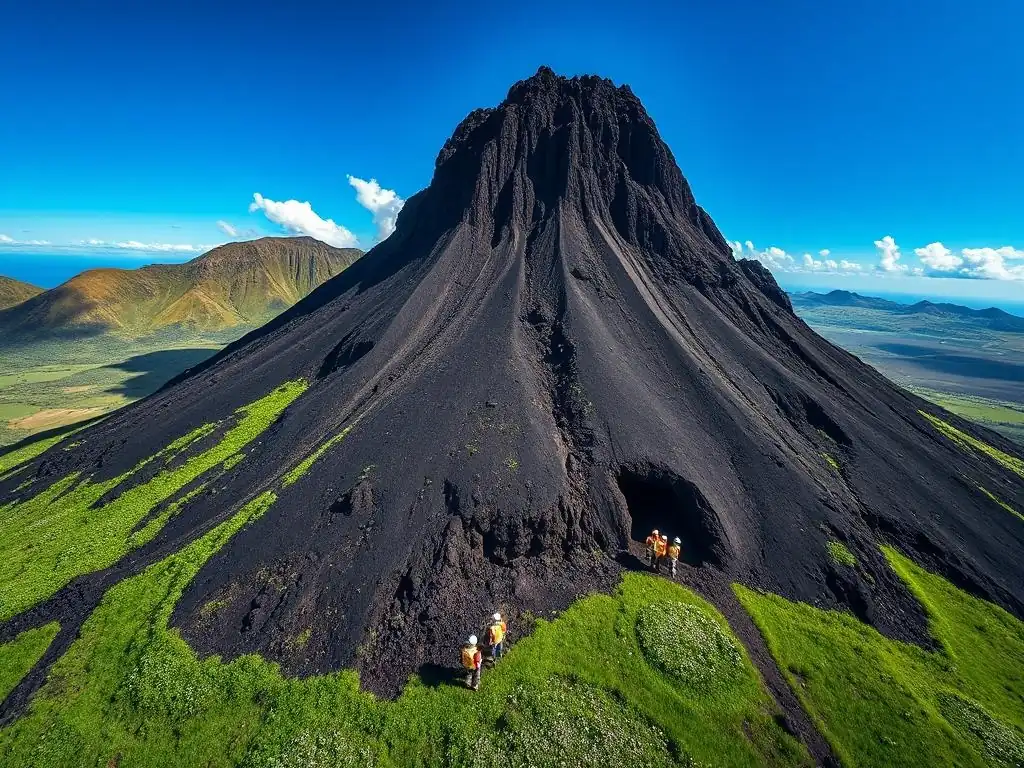
Preserving the unique ecology of volcanic plug habitats requires a multi-faceted approach encompassing various conservation strategies. Establishing protected areas, such as national parks or nature reserves, that include volcanic plugs is a crucial step. This provides legal protection from habitat destruction and allows for the implementation of management plans to address threats. Regulations on quarrying and mining activities in and around volcanic plugs are essential to prevent habitat loss. Sustainable tourism practices need to be implemented to minimize visitor impacts, including controlled access, trail management, and visitor education.
Invasive species management is also critical. This may involve monitoring for new invasions, implementing control measures for existing invasive species, and restoring native vegetation communities. Habitat restoration efforts, such as revegetation with native plants, can help to repair degraded areas and enhance ecosystem resilience. Collaboration between government agencies, conservation organizations, local communities, and researchers is vital for effective conservation. A holistic approach that addresses multiple threats and involves diverse stakeholders is necessary to ensure the long-term preservation of volcanic plug ecosystems.
The Importance of Monitoring and Research on Volcanic Plug Ecology
Ongoing monitoring and research are essential for effective conservation of volcanic plug ecology. Baseline ecological data is needed to understand the current status of these ecosystems, including plant and animal communities, habitat conditions, and existing threats. Long-term monitoring programs are crucial to track changes over time, assess the effectiveness of conservation efforts, and detect emerging threats, such as climate change impacts or new invasive species. Research is needed to further understand the ecological processes operating in volcanic plug habitats, including food web dynamics, species interactions, and responses to environmental changes.
Specific research areas include investigating the extent of plant and animal endemism associated with volcanic plugs, studying the impacts of climate change and invasive species, and developing effective restoration techniques. Scientific research provides the knowledge base necessary to inform evidence-based conservation strategies and adapt management approaches as needed. Continued investment in monitoring and research is crucial for ensuring the long-term health and resilience of volcanic plug ecosystems and for deepening our understanding of the ecology of volcanic plugs habitats.
Citizen Science and Volunteer Opportunities
Engaging the public through citizen science and volunteer opportunities can significantly enhance conservation efforts for volcanic plug ecosystems. Citizen scientists can contribute valuable data collection for monitoring programs, such as plant and animal surveys, invasive species mapping, and habitat assessments. Volunteer programs can involve hands-on conservation activities, such as invasive species removal, habitat restoration, and trail maintenance. Citizen science and volunteer involvement not only expands the capacity for data collection and conservation action but also raises public awareness and fosters a sense of stewardship for these unique habitats.
Local communities, hiking groups, birdwatching clubs, and educational institutions can all be valuable partners in citizen science and volunteer initiatives. Providing training and resources to volunteers ensures data quality and maximizes the effectiveness of their contributions. By involving the public in conservation efforts, we can create a broader base of support for protecting volcanic plugs and promote a greater understanding and appreciation of the ecology of volcanic plugs habitats.
Case Studies: Examples of Thriving Volcanic Plug Habitats
Shiprock, New Mexico: A Detailed Ecological Profile
Shiprock, or Tsé Bitʼaʼí in Navajo, located in northwestern New Mexico, is a dramatic volcanic plug that rises nearly 1,700 feet above the surrounding high desert plain. This iconic landmark is not only geologically significant but also harbors a unique ecology adapted to the arid environment. The plant life around Shiprock is characterized by drought-tolerant species typical of the Colorado Plateau region.
Plants like sagebrush ( Artemisia tridentata), various grasses, and cacti manage to colonize the limited soil around the base of the plug and in crevices. Lichens and mosses are likely pioneers on the exposed rock faces, though detailed botanical surveys specifically focused on Shiprock's plug ecology are limited.
Animal life includes typical desert fauna. Raptors, such as Golden Eagles and Prairie Falcons, likely nest on the steep cliffs of Shiprock, utilizing its height for nesting security and hunting vantage points. Desert-adapted mammals like coyotes, jackrabbits, and rodents are present in the surrounding area and likely visit or utilize the base of Shiprock for foraging and shelter.
Invertebrate communities, though less studied, are undoubtedly crucial for the ecosystem's functioning, with desert insects and spiders adapted to the arid conditions. Shiprock stands as a striking example of how even in a harsh desert environment, a volcanic plug can support a distinct ecological community, exemplifying the resilience of the ecology of volcanic plugs habitats.
Devil's Tower, Wyoming: A Study of Biodiversity and Conservation
Devil's Tower National Monument in Wyoming is another prominent volcanic plug, rising dramatically from the surrounding grasslands of the Black Hills. This geological wonder supports a more diverse ecology compared to Shiprock, owing to the slightly less arid climate and surrounding grassland and forest habitats. The base of Devil's Tower and the talus slopes support a mix of plant communities, including ponderosa pine forests, grasslands, and shrublands. These diverse plant communities provide habitat for a wider range of animal species. Botanical surveys have documented a variety of vascular plants, mosses, and lichens adapted to the rocky and forested environments.
Devil's Tower is renowned for its importance as a nesting site for birds of prey, including Prairie Falcons and Peregrine Falcons. The National Park Service actively monitors these raptor populations. Mammalian fauna includes species typical of the Black Hills region, such as deer, coyotes, and various rodents and small mammals.
Devil's Tower serves as a compelling case study in volcanic plug ecology and conservation. The National Park Service manages the area to protect its geological and ecological resources, balancing visitor access with habitat preservation, showcasing successful strategies for managing the ecology of volcanic plugs habitats in a popular tourist destination.
Conclusion: Appreciating the Ecological Significance of Volcanic Plugs
Volcanic Plugs: More Than Just Rocks, They're Thriving Ecosystems
Volcanic plugs, often perceived as mere geological curiosities, are revealed to be far more than just inert rock formations. They are, in fact, dynamic and surprisingly vibrant ecosystems. These rocky outcrops, born from volcanic fire and sculpted by erosion, provide unique habitats that support a diverse array of life.
From the pioneering lichens and mosses that initiate soil formation to the specialized vascular plants and the animals that depend on them, volcanic plugs are ecological islands in the landscape. They contribute significantly to regional biodiversity, offering refuge, nesting sites, and resources for a variety of species, and are critical for understanding the broader ecology of volcanic plugs habitats.
The resilience of life on volcanic plugs is remarkable, with organisms adapting to harsh conditions, limited resources, and isolation. These ecosystems, however, are not immune to threats. Human impacts, invasive species, and climate change pose increasing challenges to their integrity. Recognizing the ecological significance of volcanic plugs is the first step towards effective conservation. By appreciating them as thriving ecosystems, rather than just geological features, we can foster a greater commitment to their protection and ensure their continued ecological value for future generations.
The Future of Volcanic Plug Ecology: Exploration and Conservation
The future of volcanic plug ecology hinges on continued exploration, research, and dedicated conservation efforts. Much remains to be discovered about the biodiversity, ecological processes, and resilience of these unique habitats. Further research is needed to fully document the plant and animal communities associated with volcanic plugs globally, to understand the extent of endemism, and to assess the long-term impacts of environmental changes. Monitoring programs are essential for tracking ecosystem health and detecting emerging threats.
Conservation strategies must be proactive and adaptive, addressing threats from habitat destruction, invasive species, and climate change. Protected area status, sustainable tourism practices, and invasive species management are crucial tools. Engaging the public through citizen science and volunteer opportunities can broaden conservation support and enhance monitoring capacity. By embracing a future of continued exploration and dedicated conservation action, we can ensure that volcanic plugs continue to function as vital ecological components of our planet, preserving the fascinating ecology of volcanic plugs habitats for generations to come.
Frequently Asked Questions
What exactly is a volcanic plug?
A volcanic plug, also known as a volcanic neck, is a rocky formation created when magma hardens within the vent of an active volcano. Over time, the surrounding cone erodes away, leaving the resistant plug standing.
How can a volcanic plug become a habitat?
Despite their harsh appearance, volcanic plugs offer unique ecological niches. The exposed rock surfaces provide sites for lichens and mosses to colonize, initiating soil formation and supporting plant life.
What types of plants and animals might be found in a volcanic plug habitat?
Common species include drought-tolerant plants like grasses and succulents. Animals found there may include insects, birds, and small mammals that utilize the plugs for shelter or foraging.
What makes the ecology of volcanic plugs unique compared to other rocky outcrops?
Volcanic plugs often have unique mineral compositions due to their volcanic origin. This affects the soil chemistry and influences which species can thrive there, differing from other rock formations.
Are volcanic plugs important for conservation?
Yes, volcanic plugs can harbor rare or endemic species adapted to their specific conditions. Conserving these unique habitats is crucial for maintaining biodiversity in volcanic regions.
Final Reflection: Life's Tenacity on Volcanic Peaks
The exploration of volcanic plugs as habitats, as we've seen, reveals a profound truth: life finds a way, even in the most seemingly inhospitable environments. From the hardy lichens clinging to sun-baked rock faces to the specialized insects carving out a niche in the crags, these geological formations are far from barren wastelands. They are, in fact, vibrant ecosystems teeming with resilience and adaptation, offering a compelling case study in the power of ecological succession and the sheer tenacity of life.
Witnessing the biodiversity on these volcanic plugs has profoundly shifted my perspective on what constitutes a viable habitat. It underscores the importance of considering even the most overlooked and seemingly desolate landscapes as potential havens for unique and valuable species. The earth has music for those who listen.
This quote, often attributed to Shakespeare, resonates deeply when considering the subtle symphony of life unfolding on these rocky outcrops, a music often drowned out by the noise of our own anthropocentric world.
As we conclude this exploration of the ecology of volcanic plugs, I invite you to consider the lessons learned. Look around you, not just at the lush forests and fertile fields, but also at the overlooked corners of our world – the rocky outcrops, the abandoned lots, the urban crevices.
Ask yourself: what life might be thriving there, unseen and unappreciated? By fostering a deeper appreciation for the resilience of life in unexpected places, we can cultivate a more holistic and compassionate approach to conservation, ensuring that even the most marginalized ecosystems are recognized and protected for generations to come.
Okay, here's a CTA designed for the end of that article, keeping "Volcano Explorers" and "volcanoexplorers.org" in mind thematically, but not using them directly:
Unearth Your Inner Volcanologist!
Thanks for journeying with us into the unique world of volcanic plug habitats! We hope this article has sparked your curiosity and appreciation for the resilience of life in these seemingly barren landscapes. Now, let's take that inspiration and translate it into action:
- Become a citizen scientist! Submit your own observations of plant and animal life on local volcanic plugs (safely, of course!) to a relevant nature database. Your findings could contribute valuable data to ongoing research.
- Share this article with friends and family to spread awareness about the amazing biodiversity found even in the most unexpected places.
- Dive deeper! Research specific plant and animal species mentioned in this article and uncover fascinating adaptations that enable them to thrive in such harsh environments.
What unexpected forms of life do you think might be discovered thriving on a volcanic plug, and where do you hope the next great ecological discovery will come from? Share your thoughts in the comments below!