
Fragile Beauty Below: Conservation Efforts in Vulnerable Volcanic Cave Systems

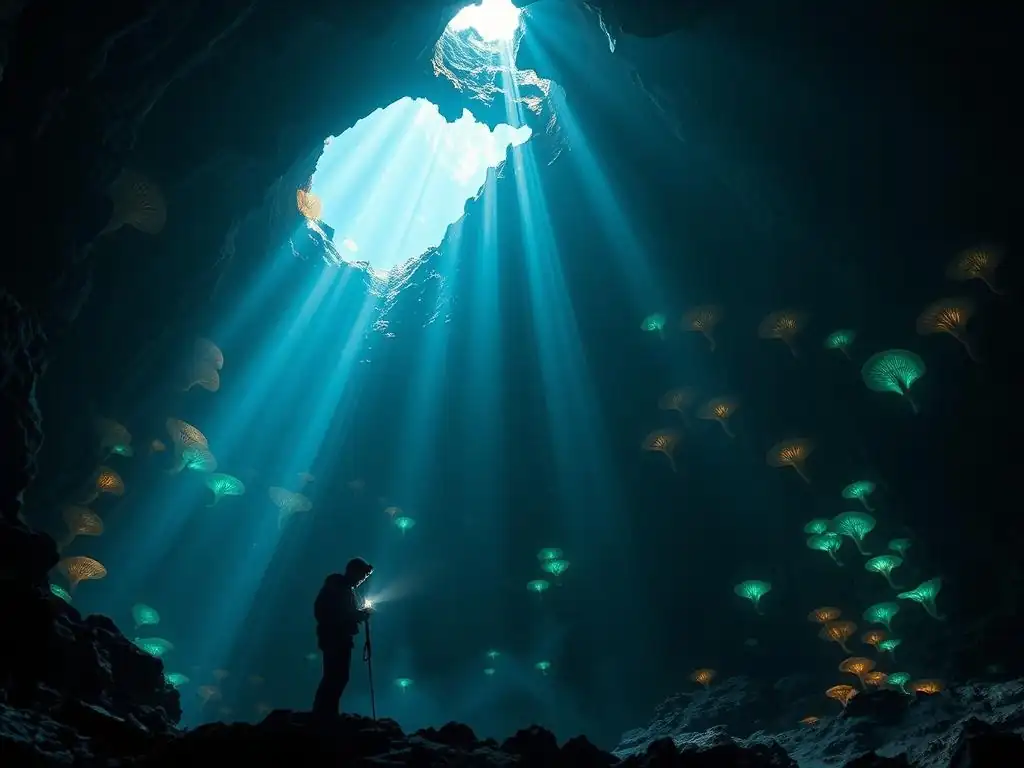
Welcome to Volcano Explorers, where the earth breathes fire! But did you know that hidden beneath the fiery surface lies a fragile world teeming with life? Our latest exploration dives deep into the Conservation of Volcanic Cave Ecosystems, uncovering the delicate balance within these subterranean realms and the crucial efforts to protect them. Prepare to be amazed by the unexpected beauty and the urgent need for conservation in these often-overlooked volcanic landscapes. What secrets will you unearth?
- Introduction: Unveiling the Delicate Ecosystems of Volcanic Caves
- Volcanic Caves: A World of Unique Biodiversity
- Threats to Volcanic Cave Ecosystems: Why Conservation is Crucial
- Conservation Strategies for Volcanic Cave Environments
- Case Studies in Volcanic Cave Conservation
- The Future of Volcanic Cave Conservation: A Call to Action
- Conclusion: Preserving the Hidden Wonders of Volcanic Caves
-
Frequently Asked Questions
- What makes volcanic cave ecosystems particularly vulnerable?
- Why is the conservation of volcanic cave ecosystems important?
- What are some of the main threats to volcanic cave ecosystems?
- What conservation efforts are being implemented to protect these caves?
- How can the average person contribute to the conservation of volcanic cave ecosystems?
- Final Reflection: Preserving Echoes of the Earth
- Ignite Your Inner Explorer: Protect Our Volcanic Caves!
Introduction: Unveiling the Delicate Ecosystems of Volcanic Caves
Volcanic caves, often overlooked in the grandeur of erupting volcanoes and vast lava fields, represent a hidden realm of extraordinary ecological significance. These subterranean labyrinths, sculpted by molten rock and time, are far more than geological curiosities; they are fragile ecosystems harboring unique life forms adapted to perpetual darkness, high humidity, and limited nutrient availability.
The conservation of volcanic cave ecosystems is increasingly recognized as a critical endeavor, essential not only for preserving biodiversity but also for understanding the intricate web of life that thrives in these extreme environments. This article delves into the fascinating world of volcanic caves, exploring their unique biodiversity, the threats they face, and the conservation strategies crucial for safeguarding these subterranean treasures for future generations.
Volcanic Caves: A World of Unique Biodiversity
Formation and Characteristics of Volcanic Caves and Lava Tubes
Volcanic caves, primarily formed as lava tubes, are geological formations created during volcanic eruptions. As basaltic lava flows across the landscape, the surface cools and solidifies, forming a crust. Beneath this hardened exterior, molten lava continues to flow. When the eruption ceases and the lava drains away, it leaves behind a hollow tunnel – a lava tube.
These tubes can range in size from a few meters to several kilometers in length, and their interiors often display remarkable geological features, including lava stalactites, benches, and flow marks, providing a visual record of the volcanic processes that shaped them. The temperature within lava tubes remains relatively stable and often reflects the average annual surface temperature of the region. Humidity levels are typically high, approaching saturation, creating a distinct microclimate compared to the surface environment.
Specialized Life in Volcanic Caves: Troglobites and Beyond
The unique environment of volcanic caves fosters the evolution of highly specialized life forms. Organisms that live exclusively in caves are known as troglobites, and volcanic caves are home to a fascinating array of these creatures. Due to the complete absence of sunlight, troglobites lack pigmentation and often have reduced or absent eyes. Their other senses, such as touch and chemoreception, are often enhanced to navigate and find food in the darkness.
Examples include cave adapted insects, spiders, crustaceans, and even fish in some submerged cave systems. A notable example is the Kauaʻi cave wolf spider ( Adelocosa anops ) found only in a few lava tubes in Kauaʻi, Hawai'i. Beyond troglobites, volcanic caves also support troglophiles (cave-loving organisms that can also live outside caves) and trogloxenes (cave guests that use caves for shelter or part of their life cycle), creating a complex and interconnected subterranean ecosystem.
Threats to Volcanic Cave Ecosystems: Why Conservation is Crucial
Human Impact: A Major Threat to Cave Integrity
Human activities pose a significant threat to the delicate balance of volcanic cave ecosystems. Uncontrolled tourism, while offering opportunities for appreciation and education, can lead to habitat degradation through trampling, pollution from litter and human waste, and disruption of cave-dwelling fauna. Vandalism, including graffiti and the removal of geological formations or cave organisms, directly damages the cave environment and its inhabitants.
For instance, in many easily accessible lava tubes globally, evidence of graffiti and broken formations are unfortunately common. Furthermore, surface activities such as deforestation, agriculture, and urbanization in areas above cave systems can alter water flow patterns, introduce pollutants into the groundwater that feeds cave ecosystems, and fragment habitats, impacting the long-term health of these subterranean environments.
Climate Change and its Effects on Subterranean Habitats
Climate change presents an emerging and complex threat to volcanic cave ecosystems. Changes in surface temperature and precipitation patterns can alter the cave microclimate, impacting the temperature and humidity regimes that cave-adapted species rely on. For example, rising surface temperatures could lead to increased evaporation and potentially drier cave environments, stressing species adapted to high humidity.
Changes in rainfall patterns may alter groundwater recharge rates, affecting water availability within caves and potentially impacting aquatic cave life. Furthermore, extreme weather events, predicted to increase in frequency and intensity with climate change, could cause flash floods within cave systems, disrupting cave habitats and potentially washing away cave fauna. The long-term consequences of these climate-induced changes on cave ecosystems are still being researched, but they underscore the vulnerability of these environments to global environmental shifts.
Invasive Species: Disruption of the Natural Balance
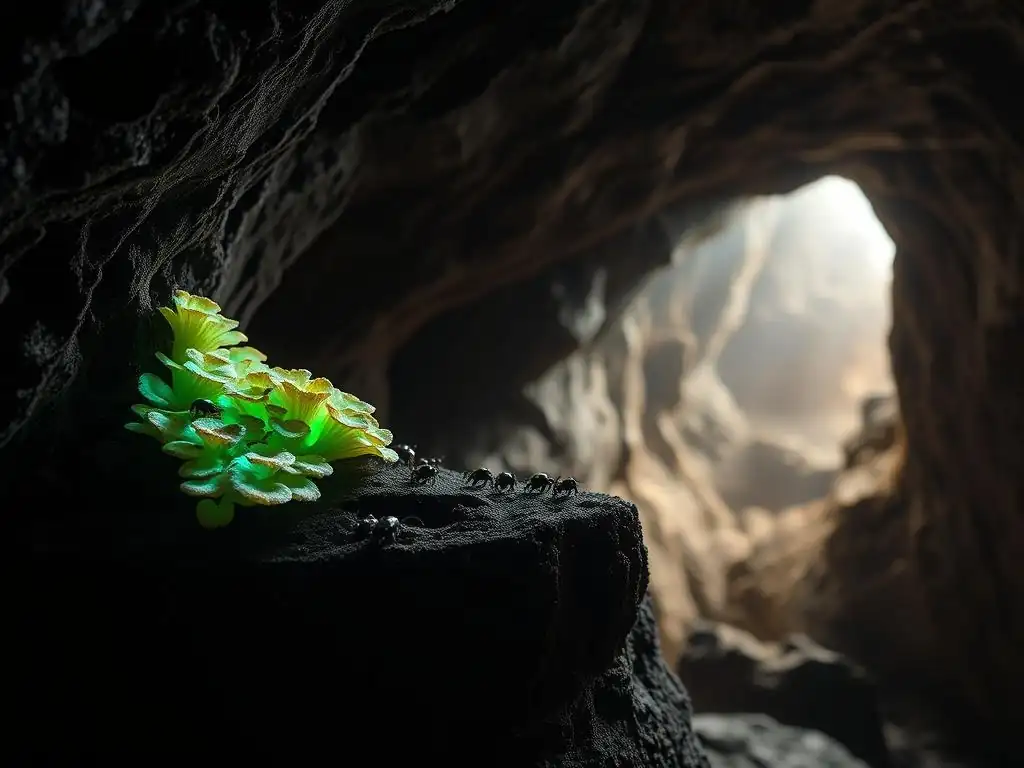
Invasive species represent a serious threat to the native biodiversity of volcanic cave ecosystems. Introduced species, often inadvertently transported by human activities, can outcompete native cave organisms for limited resources, prey on native fauna, or alter the cave environment in ways detrimental to native species. For example, introduced ants can prey on native cave invertebrates, disrupting the food web.
Invasive plants on the surface above caves can alter water infiltration and nutrient input into cave systems, potentially favoring non-native cave organisms. The introduction of non-native cave adapted species can also lead to competition or hybridization with native troglobites, further threatening the unique genetic diversity of these isolated populations. Controlling and preventing the introduction of invasive species is a crucial aspect of volcanic cave conservation.
Conservation Strategies for Volcanic Cave Environments
Cave Management and Protection: A Multifaceted Approach
Effective conservation of volcanic cave ecosystems requires a multifaceted approach encompassing cave management and legal protection. This includes establishing protected areas, such as nature reserves or national parks, that encompass significant cave systems. Within these protected areas, access to caves should be carefully managed, often requiring permits or guided tours to minimize human impact.
Cave trails and infrastructure, like boardwalks and lighting (where appropriate), should be designed to minimize disturbance to cave habitats and fauna. Regular monitoring of visitor numbers and cave conditions is essential to ensure management strategies are effective. Legal frameworks that specifically protect cave resources, including cave fauna and geological formations, are also vital for enforcing conservation measures and deterring destructive activities.
Scientific Research: Understanding and Monitoring Cave Ecosystems
Scientific research is fundamental to effective volcanic cave conservation. Detailed inventories of cave fauna and flora are necessary to understand the biodiversity present in these systems and identify species of conservation concern. Ecological studies are crucial to understand the complex interactions within cave ecosystems, including food webs, nutrient cycles, and the specific habitat requirements of cave-adapted species.
Long-term monitoring programs are needed to track changes in cave environments, assess the impacts of threats such as climate change and human activities, and evaluate the effectiveness of conservation interventions. Research can also inform management decisions, such as determining sustainable tourism levels and identifying critical habitat areas within cave systems that require strict protection.
Community Involvement: Empowering Local Stakeholders
Engaging local communities is paramount for the long-term success of volcanic cave conservation. Local communities often have a deep cultural connection to caves and can play a vital role in their stewardship. Conservation initiatives should involve local communities in planning and management, fostering a sense of ownership and responsibility.
Ecotourism, when properly managed, can provide economic benefits to local communities while promoting cave conservation awareness. Educational programs targeting local communities can raise awareness about the ecological importance of caves and the threats they face, encouraging responsible behavior and participation in conservation efforts. Empowering local communities to become active participants in cave conservation ensures that conservation efforts are sustainable and culturally sensitive.
Case Studies in Volcanic Cave Conservation
Kazumura Cave, Hawai'i: A Success Story in Ecosystem Preservation
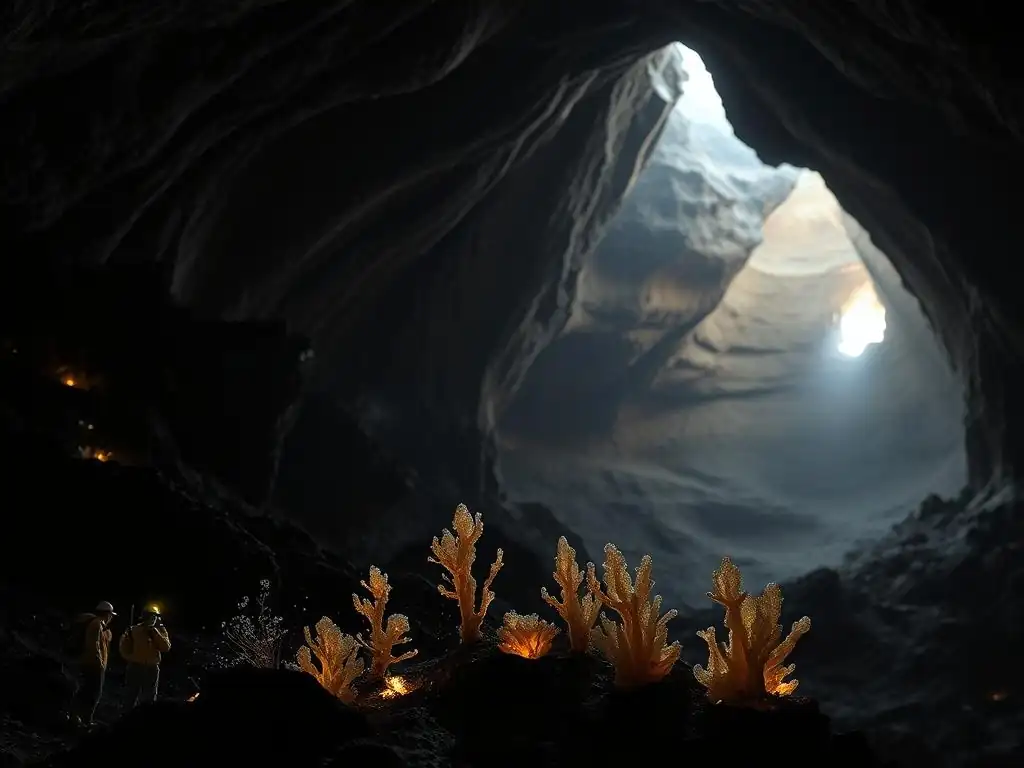
Kazumura Cave, located on the Big Island of Hawai'i, is one of the longest and deepest lava tubes in the world, extending for over 65 kilometers. Recognizing its exceptional geological and biological significance, a significant portion of Kazumura Cave has been designated as a protected area. The Kazumura Cave System Preserve was established through a collaborative effort involving landowners, conservation organizations, and researchers.
Access to the most sensitive areas of the cave is restricted, and guided tours are offered in designated sections to educate visitors about the cave's unique ecosystem. Ongoing research and monitoring programs are in place to track the health of the cave ecosystem and manage potential threats. Kazumura Cave serves as a model for successful volcanic cave conservation, demonstrating the effectiveness of collaborative management and science-based conservation strategies in preserving a complex and vulnerable subterranean environment.
Gruta de Natal, Terceira Island, Azores: Lessons Learned from a Conservation Challenge
Gruta de Natal, a lava tube on Terceira Island in the Azores archipelago, faced significant conservation challenges due to its proximity to urban development and relatively easy accessibility. Uncontrolled tourism and vandalism led to habitat degradation and disturbance to cave fauna. Recognizing the need for conservation action, the regional government implemented a management plan for Gruta de Natal.
This included restricting access, developing guided tours, installing protective infrastructure, and initiating ecological monitoring. While significant progress has been made in mitigating the negative impacts of tourism, the case of Gruta de Natal highlights the importance of proactive conservation measures and the ongoing challenges of balancing tourism and ecosystem protection in easily accessible volcanic caves. The lessons learned from Gruta de Natal emphasize the need for continuous management and community engagement to ensure the long-term conservation of vulnerable cave systems.
The Future of Volcanic Cave Conservation: A Call to Action
Promoting Responsible Exploration and Stewardship
The future of volcanic cave conservation hinges on promoting responsible exploration and fostering a global ethic of cave stewardship. Cave exploration, while essential for scientific discovery and appreciation, must be conducted responsibly, minimizing disturbance to cave environments and fauna. Caving organizations and individuals should adhere to ethical caving practices, including minimizing impact, avoiding sensitive habitats, and reporting significant finds.
Promoting cave stewardship involves raising awareness about the fragility of cave ecosystems and encouraging responsible behavior among cavers, tourists, and the general public. This includes advocating for cave protection, supporting conservation initiatives, and educating others about the importance of preserving these hidden wonders.
The Role of VolcanoExplorers.org in Cave Conservation Awareness
VolcanoExplorers.org has a crucial role to play in raising awareness about volcanic cave conservation. As a platform dedicated to exploring the world of volcanoes, the website can effectively communicate the importance of volcanic caves as unique ecosystems and the threats they face. By featuring articles, photographs, and educational resources on volcanic caves, VolcanoExplorers.org can reach a broad audience and inspire action.
The website can highlight successful conservation initiatives, showcase the fascinating biodiversity of cave ecosystems, and provide information on responsible cave exploration. Furthermore, VolcanoExplorers.org can collaborate with cave conservation organizations and researchers, amplifying their message and contributing to global efforts to protect these fragile subterranean environments for future generations.
Volcanic caves are more than just geological formations; they are intricate ecosystems harboring unique life forms adapted to extreme conditions. The conservation of volcanic cave ecosystems is essential for preserving biodiversity, understanding subterranean ecology, and safeguarding these hidden wonders for future generations. By implementing comprehensive conservation strategies that encompass cave management, scientific research, community involvement, and responsible exploration, we can ensure the continued survival of these fragile and fascinating subterranean realms. Let us embrace the challenge of preserving the beauty below, recognizing the vital role volcanic caves play in the tapestry of life on Earth.
Frequently Asked Questions
What makes volcanic cave ecosystems particularly vulnerable?
Volcanic cave ecosystems are vulnerable due to their limited resources, unique species adapted to dark environments, and sensitivity to external disturbances like pollution and human activity.
Why is the conservation of volcanic cave ecosystems important?
These ecosystems harbor unique biodiversity, including species found nowhere else. Conserving them protects scientific research opportunities and the ecological integrity of volcanic regions.
What are some of the main threats to volcanic cave ecosystems?
Major threats include habitat destruction from tourism or development, pollution from surface runoff, and the introduction of invasive species that disrupt the delicate balance.
What conservation efforts are being implemented to protect these caves?
Conservation includes cave mapping and monitoring, restricted access and tourism management, and public education to raise awareness about the fragility of these ecosystems.
How can the average person contribute to the conservation of volcanic cave ecosystems?
Individuals can contribute by respecting cave closures, avoiding disturbing the environment, and supporting organizations dedicated to volcanic cave conservation and research.
Final Reflection: Preserving Echoes of the Earth
The intricate and delicate ecosystems thriving within volcanic caves, as explored in this article, are not merely geological curiosities; they are living testaments to resilience and adaptation. Understanding the fragility of these environments and the urgent need for Conservation of volcanic cave ecosystems is paramount, especially as human impact continues to encroach upon even the most remote corners of our planet. These subterranean worlds hold secrets to life's tenacity and offer invaluable insights into the interconnectedness of all things.
The ongoing influence of these hidden ecosystems on our understanding of biodiversity and geological processes cannot be overstated. My own fascination with these caves stems from a deep respect for the unseen wonders that shape our world. They serve as a potent reminder that even in the face of seemingly insurmountable odds, life finds a way. In every walk with nature, one receives far more than he seeks.
- John Muir. This quote encapsulates the profound connection we have with the natural world, a connection that demands our protection and stewardship.
As we conclude this exploration of fragile beauty below, I invite you to consider your own role in preserving these extraordinary environments. Let us all strive to be mindful stewards of our planet, recognizing that the conservation of volcanic cave ecosystems – and indeed, all ecosystems – is not just an environmental imperative, but a moral one. Let us act now, so that future generations may also marvel at the echoes of the Earth, resonating from the depths of these vulnerable volcanic caves.
Ignite Your Inner Explorer: Protect Our Volcanic Caves!
Thanks for diving deep into the fascinating world of volcanic cave conservation. We hope you’ve gained a new appreciation for these delicate ecosystems and the incredible creatures that call them home. Now, it's time to take action and help preserve these fragile wonders for future generations!
Here's how you can make a difference:
- Become a Cave Guardian: Join Volcano Explorers and dedicate time to cave cleanups and monitoring projects. Your involvement will directly contribute to protecting these vulnerable environments.
- Share this article with your network to spread awareness and educate others on the importance of cave conservation. The more people who understand, the more support we can gather!
- Discover local caving groups and participate in responsible exploration activities. Support local conservation initiatives to ensure you are making a difference in your community.
What small step will you take today to protect these hidden treasures beneath our feet?