
Renewable Riches: Investing in Sustainable Geothermal Energy Projects


Welcome to Volcano Explorers!
Prepare to be captivated. Beneath the surface of fiery landscapes lies a hidden treasure – the untapped potential of geothermal energy. But what are the real Geothermal energy investment opportunities sizzling beneath the earth's crust, especially in volcanically active regions? Discover how you can harness the power of the planet and contribute to a sustainable future while navigating the unique challenges and rewards of investing in the heart of volcanic innovation. The secrets are waiting to be unearthed...
- Introduction: Harnessing Earth's Heat for a Sustainable Future
- Understanding Geothermal Energy: A Primer for Investors
- Geothermal Energy Investment Opportunities: Exploring Promising Avenues
- Geothermal Project Development: Key Considerations
- Financial Incentives and Investment Strategies for Geothermal Energy
- Overcoming Challenges in Geothermal Energy Investment
- The Future of Geothermal Energy: Innovation and Growth
- Geothermal Energy Investment Opportunities: A Call to Action for Sustainable Development
-
Frequently Asked Questions
- What is geothermal energy and why is it considered a renewable resource?
- What are some potential investment opportunities in geothermal energy projects?
- How does investing in geothermal energy contribute to sustainability goals?
- What are some of the risks associated with geothermal energy investments?
- What are the key factors to consider when evaluating geothermal energy investment opportunities?
- Final Reflection: Harnessing Earth's Enduring Power
- Unleash Your Inner Earth Energy Pioneer!
Introduction: Harnessing Earth's Heat for a Sustainable Future
Geothermal Energy: A Reliable Renewable Resource
Geothermal energy, derived from the Earth's internal heat, stands out as a uniquely reliable renewable energy source. Unlike solar and wind power, which are intermittent and dependent on weather conditions, geothermal energy offers a consistent and continuous supply of power, operating 24 hours a day, 7 days a week. This constant availability is a significant advantage in meeting baseload energy demands and ensuring grid stability.
The heat continuously emanating from the Earth's core, estimated to be around 5,200 degrees Celsius, provides a virtually inexhaustible reservoir of energy. This constant heat flow ensures that geothermal resources, when managed sustainably, can provide power for generations to come, making geothermal energy investment opportunities particularly attractive for long-term energy security.
The reliability of geothermal energy stems from the fundamental geological processes within our planet. Radioactive decay in the Earth’s mantle and core constantly generates heat, which is conducted towards the surface. In volcanically active regions, this heat manifests in the form of hot springs, geysers, and steam vents – visible signs of the vast thermal energy beneath our feet.
This consistent heat source is not subject to seasonal variations or daily cycles, making geothermal power plants highly predictable and dependable. For investors seeking stable and predictable returns in the renewable energy sector, the inherent reliability of geothermal energy presents a compelling case for geothermal energy investment opportunities.
The Growing Importance of Geothermal Energy Investment
As the global focus intensifies on transitioning to cleaner energy sources to combat climate change, geothermal energy is gaining significant traction as a crucial component of a sustainable energy future. Governments and international organizations are increasingly recognizing the potential of geothermal energy to reduce carbon emissions and enhance energy independence. This growing recognition is translating into supportive policies, financial incentives, and research funding aimed at accelerating the development and deployment of geothermal technologies, thereby significantly boosting geothermal energy investment opportunities.
The urgency of climate change mitigation is driving a rapid expansion of the renewable energy market, and within this landscape, geothermal energy is poised for substantial growth. The International Energy Agency (IEA) projects a significant increase in geothermal power capacity in the coming decades, highlighting its role in meeting the growing global energy demand while reducing reliance on fossil fuels.
Furthermore, advancements in drilling technologies and Enhanced Geothermal Systems (EGS) are expanding the geographical reach of geothermal energy, making it accessible in regions previously considered unsuitable. This technological progress, coupled with supportive policy environments, is creating a fertile ground for geothermal energy investment opportunities and positioning geothermal as a key player in the global energy transition.
Understanding Geothermal Energy: A Primer for Investors
What is Geothermal Energy and How Does it Work?
Geothermal energy is the heat from the Earth's interior. This thermal energy is contained in the rocks and fluids beneath the Earth's crust. Harnessing this energy involves tapping into underground reservoirs of hot water and steam, which are then brought to the surface and used to generate electricity or for direct heating applications. The fundamental principle behind geothermal power generation is relatively straightforward: hot geothermal fluids drive turbines, which in turn power generators to produce electricity. The cooled geothermal fluids are then typically injected back into the reservoir to ensure the sustainability of the resource.
The process of geothermal energy production begins with drilling wells into geothermal reservoirs. These reservoirs can be naturally occurring hydrothermal systems where hot water and steam are trapped in permeable rocks, or they can be created through Enhanced Geothermal Systems (EGS) in areas with hot, dry rocks. Once the hot geothermal fluids reach the surface, they are directed to a power plant.
There are three main types of geothermal power plants: dry steam, flash steam, and binary cycle. Dry steam plants directly use steam from the reservoir to turn turbines. Flash steam plants convert hot water into steam by reducing pressure.
Binary cycle plants, which are increasingly common, pass hot geothermal water through a heat exchanger to vaporize a working fluid with a lower boiling point, which then drives the turbines. This versatility in technology makes geothermal energy adaptable to various geological conditions and temperature ranges, expanding geothermal energy investment opportunities across diverse regions.
Types of Geothermal Energy Resources: From Hydrothermal to Enhanced Geothermal Systems (EGS)
Geothermal energy resources are diverse, ranging from naturally occurring hydrothermal systems to engineered Enhanced Geothermal Systems (EGS). Hydrothermal resources, the most commonly exploited to date, are characterized by the presence of hot water or steam trapped in permeable and porous rocks beneath the Earth's surface. These resources are typically found in volcanically active regions or areas with high heat flow, and are classified into vapor-dominated and liquid-dominated systems.
Vapor-dominated systems primarily produce steam, ideal for direct use in dry steam power plants, while liquid-dominated systems produce hot water, which can be used in flash steam or binary cycle plants. Locations like Iceland, Italy, and parts of the United States benefit significantly from these hydrothermal resources, offering established geothermal energy investment opportunities.
Enhanced Geothermal Systems (EGS) represent a significant expansion of geothermal potential. EGS technologies are designed to access geothermal resources in hot, dry rocks that lack natural permeability and fluid saturation. This involves injecting water into the hot rocks to create artificial reservoirs and fractures, allowing the heated water to be extracted and used for power generation.
EGS dramatically expands the geographical availability of geothermal energy, as hot dry rocks are far more widespread than hydrothermal resources. While EGS technology is still under development and requires further optimization, it holds immense promise for unlocking vast untapped geothermal resources and significantly broadening geothermal energy investment opportunities globally, especially in regions without readily accessible hydrothermal systems.
Geothermal Energy's Environmental Benefits: A Clean Energy Alternative
Geothermal energy stands out as a remarkably clean energy alternative with minimal environmental impact compared to fossil fuels. Geothermal power plants produce significantly lower greenhouse gas emissions than coal, oil, or natural gas power plants.
In fact, the lifecycle greenhouse gas emissions from geothermal energy are comparable to or even lower than those from wind and solar power, making it a crucial tool in mitigating climate change. The primary emissions associated with geothermal energy are non-condensable gases naturally present in geothermal fluids, such as carbon dioxide and hydrogen sulfide, but these are typically captured and re-injected or treated to minimize atmospheric release.
Beyond reduced greenhouse gas emissions, geothermal energy offers other substantial environmental advantages. Geothermal power plants have a relatively small land footprint compared to other energy sources, especially when considering the energy output. They also consume less water than conventional power plants, particularly binary cycle plants which re-inject almost all extracted geothermal fluids back into the reservoir.
Furthermore, geothermal energy can contribute to reducing air pollution by displacing fossil fuel-based power generation, leading to improved air quality and public health. These environmental benefits, coupled with its reliability and sustainability, make geothermal energy investment opportunities increasingly attractive for environmentally conscious investors and governments committed to clean energy transitions.
Geothermal Energy Investment Opportunities: Exploring Promising Avenues
Direct Use Applications: Beyond Electricity Generation
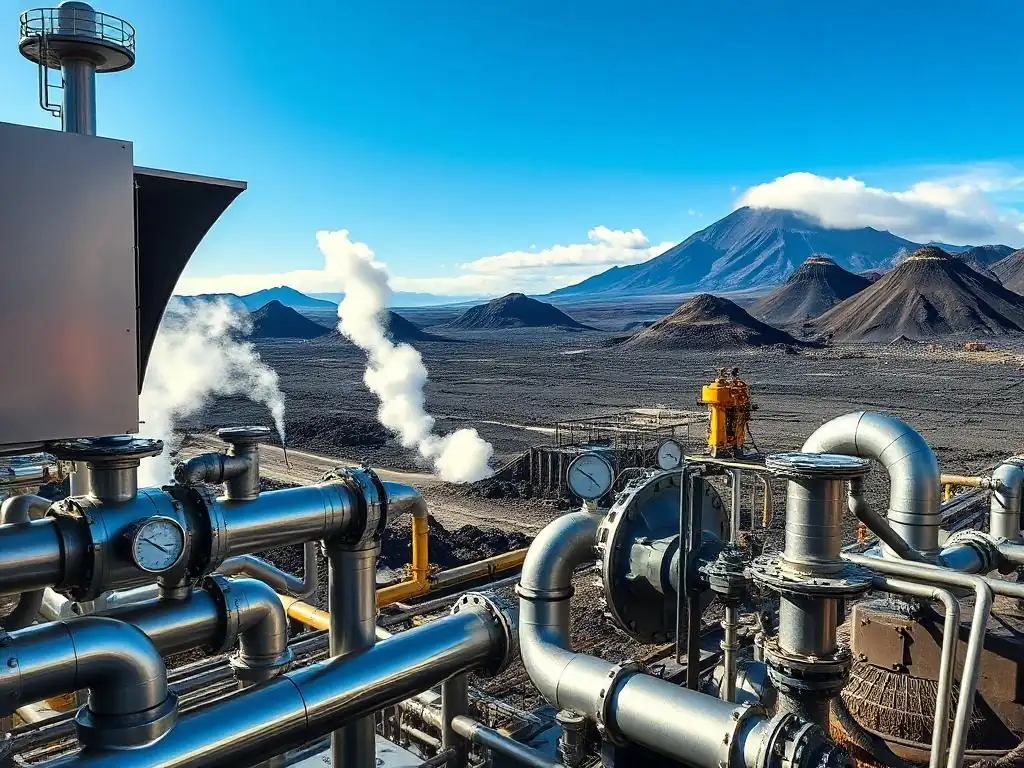
While electricity generation is a significant application of geothermal energy, direct use applications represent a diverse and often overlooked area of geothermal energy investment opportunities. Direct use involves utilizing geothermal heat directly without converting it to electricity, making it highly efficient and cost-effective for various applications.
These applications range from heating and cooling buildings, industrial processes, and agricultural uses like greenhouses and aquaculture, to district heating systems that provide warmth to entire communities. The efficiency of direct use stems from avoiding the energy conversion losses inherent in electricity generation, making it particularly attractive for regions with readily accessible geothermal resources and heating or cooling demands.
Examples of successful direct use applications are widespread and demonstrate the versatility of geothermal energy. Iceland, for instance, is a global leader in direct use, utilizing geothermal heat for space heating, greenhouses, and industrial processes, showcasing significant geothermal energy investment opportunities in integrated energy systems. District heating systems powered by geothermal energy are also prevalent in cities across Europe, providing a reliable and sustainable heating solution.
In agriculture, geothermal heating can extend growing seasons and improve crop yields in greenhouses, while in aquaculture, it can maintain optimal water temperatures for fish farming. These diverse direct use applications highlight the breadth of geothermal energy investment opportunities beyond power generation, offering attractive returns in sectors such as heating, agriculture, and industry.
Geothermal Power Plants: A Stable and Reliable Energy Source
Investing in geothermal power plants presents a compelling opportunity within the renewable energy sector, offering a stable and reliable energy source with long-term profitability potential. Geothermal power plants, unlike solar or wind farms, provide baseload power, operating continuously regardless of weather conditions. This consistent power output is highly valuable for grid stability and energy security, making geothermal energy investment opportunities particularly attractive for utilities and long-term infrastructure investors. The long lifespan of geothermal power plants, often exceeding 30 years with proper maintenance, further enhances their investment appeal, providing predictable revenue streams over extended periods.
The global geothermal power market is expanding, with new projects being developed worldwide, driven by increasing demand for clean and reliable energy. Regions with significant geothermal potential, such as East Africa, Indonesia, and Latin America, are witnessing growing investment in geothermal power plants.
Advanced technologies, such as binary cycle plants and Enhanced Geothermal Systems (EGS), are further expanding the geographical reach and efficiency of geothermal power generation, opening up new geothermal energy investment opportunities in previously untapped areas. Furthermore, government incentives and supportive policies, including feed-in tariffs and tax credits, are making geothermal power plants increasingly competitive and financially attractive, solidifying their position as a stable and reliable investment in the renewable energy landscape.
Geothermal Heating and Cooling Systems: Sustainable Solutions for Homes and Businesses
Geothermal heating and cooling systems, also known as ground source heat pumps, offer a highly efficient and sustainable solution for residential and commercial buildings, presenting a growing area of geothermal energy investment opportunities. These systems utilize the stable temperature of the Earth a few feet below the surface to provide heating in the winter and cooling in the summer.
By transferring heat between the building and the ground, geothermal heat pumps can significantly reduce energy consumption for heating and cooling compared to conventional systems, leading to substantial cost savings and reduced carbon footprint. The efficiency of these systems stems from the relatively constant underground temperature, which provides a consistent heat source and sink throughout the year.
The market for geothermal heating and cooling systems is experiencing steady growth, driven by increasing awareness of energy efficiency and sustainability, alongside government incentives and rebates in many regions. For homeowners and businesses seeking to reduce their energy bills and environmental impact, geothermal heat pumps offer a compelling long-term solution. Installation companies and manufacturers of geothermal heat pump systems represent attractive geothermal energy investment opportunities within the building sector.
Furthermore, district heating and cooling systems utilizing geothermal heat pumps are emerging as sustainable solutions for urban areas, offering economies of scale and enhanced energy efficiency. The expanding adoption of geothermal heating and cooling systems in both residential and commercial sectors underscores their potential as a viable and growing geothermal energy investment opportunity.
Geothermal Project Development: Key Considerations
Assessing Geothermal Resource Potential
A critical first step in geothermal project development, and therefore in geothermal energy investment opportunities, is a thorough assessment of the geothermal resource potential. This involves detailed geological, geophysical, and geochemical surveys to characterize the subsurface conditions and estimate the size, temperature, and sustainability of the geothermal reservoir. Geological surveys analyze the rock formations and structural features to understand the geological setting and identify potential geothermal reservoirs.
Geophysical surveys, such as seismic surveys and gravity surveys, provide information about the subsurface structure and properties, helping to delineate the extent of the geothermal resource. Geochemical analyses of water and gas samples from hot springs or existing wells provide insights into the reservoir temperature, fluid composition, and recharge characteristics.
Accurate assessment of geothermal resource potential is crucial for de-risking geothermal energy investment opportunities and ensuring project viability. Underestimating the resource size or overestimating its temperature can lead to project failures and financial losses. Advanced exploration techniques, including 3D seismic imaging and magnetotelluric surveys, are increasingly being used to improve resource characterization and reduce exploration risks.
Furthermore, numerical modeling of geothermal reservoirs is essential for predicting long-term reservoir performance and optimizing well placement and production strategies. Investing in robust resource assessment and utilizing advanced exploration technologies are key to unlocking successful geothermal projects and maximizing returns on geothermal energy investment opportunities.
Case Studies: Successful Geothermal Projects Globally
Examining successful geothermal projects worldwide provides valuable insights for prospective investors in geothermal energy investment opportunities. Iceland, a global leader in geothermal energy, exemplifies successful large-scale utilization of geothermal resources for both electricity generation and direct use applications. The Hellisheidi geothermal power plant in Iceland, one of the largest in the world, demonstrates the viability of large-scale geothermal power generation in volcanically active regions.
Italy, another pioneer in geothermal energy, has been generating electricity from geothermal resources since the early 20th century, showcasing the long-term sustainability of geothermal energy production. The Larderello geothermal field in Tuscany, Italy, is a prime example of a mature and continuously operating geothermal resource.
Beyond these well-established geothermal nations, emerging markets are also demonstrating successful geothermal project development. Kenya's Olkaria geothermal project in the East African Rift Valley is a rapidly expanding geothermal complex, contributing significantly to the country's electricity supply and demonstrating the potential for geothermal energy in developing economies. The Philippines is also a major geothermal producer in Asia, with numerous geothermal power plants contributing a substantial portion of its electricity generation.
These case studies highlight the diverse geographical applicability and long-term success of geothermal projects, reinforcing the attractiveness of geothermal energy investment opportunities across various regions and scales. Analyzing the success factors and lessons learned from these projects is invaluable for informing future geothermal developments and investment strategies.
While geothermal energy offers significant environmental benefits, it is crucial to address potential environmental and social risks associated with geothermal project development to ensure sustainable geothermal energy investment opportunities. Environmental considerations include managing non-condensable gas emissions, particularly hydrogen sulfide and carbon dioxide, although modern geothermal plants employ technologies to minimize or capture these emissions. Water usage is another environmental aspect, although binary cycle plants significantly reduce water consumption through fluid reinjection. Land use impacts, seismic activity induced by fluid injection, and potential impacts on local ecosystems also require careful assessment and mitigation measures.
Social considerations are equally important in ensuring responsible geothermal development. Engaging with local communities, respecting indigenous rights, and addressing potential social impacts are essential for project acceptance and long-term sustainability. Benefit-sharing mechanisms, such as community development funds and local employment opportunities, can enhance the social benefits of geothermal projects. Transparent communication, stakeholder consultation, and robust environmental and social impact assessments are crucial for mitigating risks and fostering positive social outcomes. Addressing both environmental and social considerations proactively is vital for ensuring the long-term viability and ethical soundness of geothermal energy investment opportunities.
Financial Incentives and Investment Strategies for Geothermal Energy
Government Support and Tax Credits for Geothermal Projects
Government support and financial incentives play a crucial role in making geothermal energy investment opportunities more attractive and competitive. Many countries and regions offer a range of policy instruments to encourage geothermal development, including feed-in tariffs, tax credits, grants, and loan guarantees. Feed-in tariffs provide guaranteed prices for electricity generated from geothermal sources, reducing revenue risk and attracting private investment.
Tax credits, such as investment tax credits and production tax credits, directly reduce the upfront costs or operating expenses of geothermal projects, improving their financial viability. Grants and subsidies can help cover exploration and development costs, particularly for early-stage projects, while loan guarantees reduce financing costs and improve access to capital.
These government support mechanisms are often designed to address the higher upfront costs and perceived risks associated with geothermal projects, particularly in comparison to more established renewable energy technologies like solar and wind. The level and type of government support vary significantly across jurisdictions, but generally reflect a growing recognition of the strategic importance of geothermal energy in achieving clean energy targets and enhancing energy security.
Investors seeking geothermal energy investment opportunities should carefully evaluate the available government incentives in their target markets, as these can significantly impact project profitability and investment returns. Staying informed about evolving policy landscapes and actively engaging with government agencies are key strategies for maximizing the benefits of government support for geothermal projects.
Private Equity and Venture Capital in the Geothermal Sector
Private equity and venture capital are increasingly recognizing the potential of geothermal energy and are playing a growing role in financing geothermal energy investment opportunities. Private equity firms are attracted to the stable and long-term nature of geothermal projects, particularly geothermal power plants, which offer predictable revenue streams and relatively low operational risk once operational.
Venture capital, on the other hand, is focusing on innovative geothermal technologies, such as Enhanced Geothermal Systems (EGS) and advanced drilling techniques, which have the potential to unlock vast untapped geothermal resources and disrupt the energy market. The influx of private capital into the geothermal sector reflects a growing confidence in the technology and market prospects for geothermal energy.
The involvement of private equity and venture capital brings not only financial resources but also valuable expertise and business acumen to the geothermal sector. These investors often bring experience in project development, financing, and risk management, which can help accelerate the deployment of geothermal projects and improve their overall efficiency and profitability.
Furthermore, private equity and venture capital can play a catalytic role in scaling up geothermal technologies and bringing them to commercial maturity. For investors seeking high-growth potential within the renewable energy sector, geothermal energy investment opportunities within private equity and venture capital funds focused on geothermal technologies and projects offer a compelling avenue for participation.
Innovative Financing Models: Crowdfunding and Green Bonds
Beyond traditional financing mechanisms, innovative financing models are emerging to further facilitate geothermal energy investment opportunities. Crowdfunding platforms are enabling smaller investors to participate in geothermal projects, democratizing investment and raising capital from a wider pool of individuals. Green bonds, debt instruments specifically earmarked for environmentally beneficial projects, are gaining traction as a means of financing geothermal projects and attracting environmentally conscious investors. These innovative models are broadening the investor base for geothermal energy and providing alternative pathways for project developers to access capital.
Crowdfunding offers a particularly appealing avenue for community-based geothermal projects or smaller-scale direct use applications, allowing local communities to directly invest in and benefit from geothermal energy development. Green bonds, on the other hand, are attracting institutional investors and large corporations seeking to align their investment portfolios with sustainability goals.
The growth of these innovative financing models reflects a broader trend towards more inclusive and sustainable investment practices within the renewable energy sector. Exploring and utilizing these alternative financing mechanisms can further enhance the accessibility and attractiveness of geothermal energy investment opportunities and accelerate the transition to a cleaner energy future.
Overcoming Challenges in Geothermal Energy Investment
High Upfront Costs and Long Lead Times
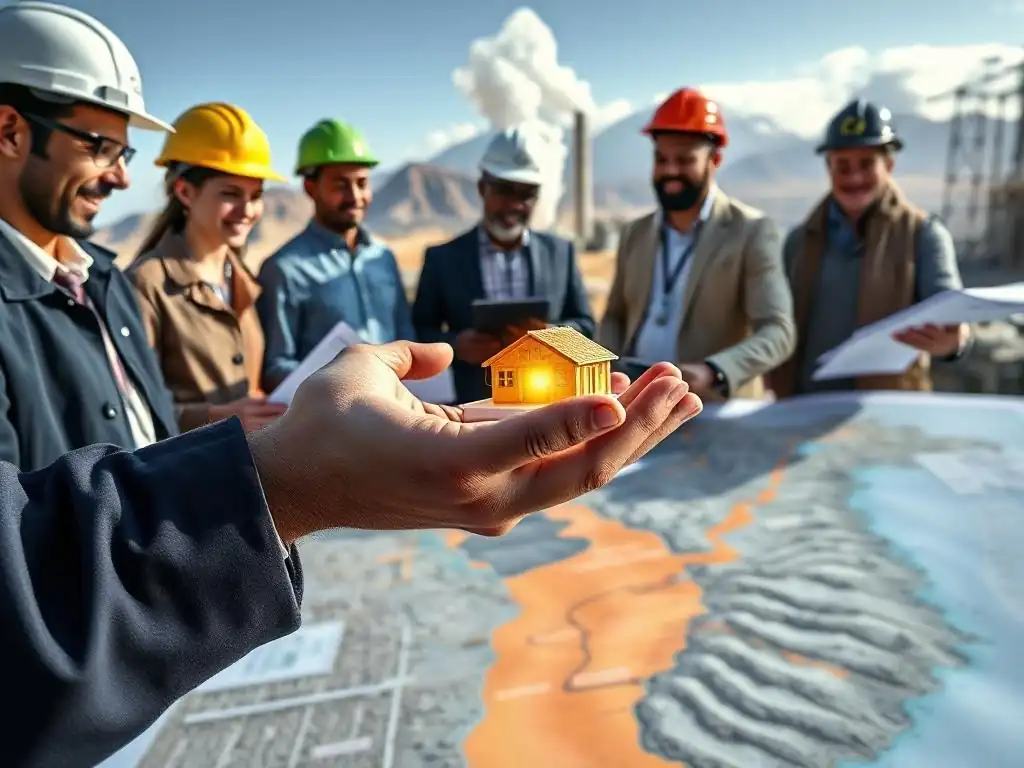
One of the primary challenges in geothermal energy investment opportunities is the high upfront capital costs associated with exploration, drilling, and power plant construction. Geothermal projects typically require significant initial investment before revenue generation begins, which can deter some investors, particularly those seeking quicker returns.
Exploration and drilling are inherently risky and expensive, and the success of a geothermal project hinges on accurately identifying and characterizing a viable geothermal resource. Furthermore, the lead times for geothermal project development can be longer than for other renewable energy technologies, often ranging from 5 to 10 years from initial exploration to commercial operation.
These high upfront costs and long lead times necessitate robust financial planning and risk mitigation strategies for geothermal energy investment opportunities. Phased development approaches, where projects are developed in stages to reduce initial capital outlay and allow for resource validation, can help mitigate financial risks. Risk-sharing mechanisms, such as government-backed loan guarantees and insurance products, can also improve the risk-return profile of geothermal projects and attract more private investment. Technological advancements in drilling and exploration, aimed at reducing costs and improving success rates, are also crucial for overcoming these challenges and enhancing the competitiveness of geothermal energy.
Technological Hurdles and Research & Development Needs
While geothermal technology is well-established, ongoing technological hurdles and research and development needs remain important considerations for geothermal energy investment opportunities. Enhanced Geothermal Systems (EGS), which hold immense potential for expanding geothermal resources, are still under development and require further technological advancements to improve their efficiency and cost-effectiveness. Drilling in high-temperature and high-pressure geothermal environments presents significant engineering challenges, requiring development of advanced drilling technologies and materials. Improving reservoir characterization techniques and enhancing reservoir management strategies are also crucial for optimizing geothermal resource utilization and ensuring long-term sustainability.
Continued investment in research and development is essential for overcoming these technological hurdles and unlocking the full potential of geothermal energy. Focus areas include advanced drilling technologies, EGS optimization, improved reservoir modeling and management, and development of more efficient and cost-effective power plant technologies. Public-private partnerships in research and development can accelerate innovation and facilitate the commercialization of new geothermal technologies. For investors seeking to capitalize on long-term growth potential in the geothermal sector, geothermal energy investment opportunities in companies and research institutions focused on technological innovation offer a compelling avenue for participation.
Regulatory and Permitting Processes
Complex and lengthy regulatory and permitting processes can pose significant challenges to geothermal project development and impact geothermal energy investment opportunities. Obtaining the necessary permits and approvals for geothermal projects can be time-consuming and costly, involving multiple regulatory agencies and stakeholders. Environmental regulations, land use restrictions, and water rights issues can add complexity to the permitting process. Furthermore, the lack of streamlined and standardized permitting procedures in some jurisdictions can create uncertainty and delay project timelines, deterring potential investors.
Streamlining and simplifying regulatory and permitting processes is crucial for accelerating geothermal development and enhancing geothermal energy investment opportunities. Establishing clear and predictable regulatory frameworks, promoting inter-agency coordination, and implementing online permitting platforms can reduce bureaucratic hurdles and improve project timelines. Engaging with regulatory agencies and stakeholders early in the project development process is also essential for addressing potential concerns and ensuring smooth permitting. Advocacy efforts to promote policy reforms that streamline permitting and reduce regulatory burdens are important for creating a more favorable investment climate for geothermal energy.
The Future of Geothermal Energy: Innovation and Growth
Enhanced Geothermal Systems (EGS): Unlocking Untapped Resources
Enhanced Geothermal Systems (EGS) are poised to revolutionize the geothermal industry and unlock vast untapped geothermal resources, significantly expanding geothermal energy investment opportunities. EGS technologies enable geothermal energy production in regions with hot, dry rocks, which are far more geographically widespread than conventional hydrothermal resources.
By creating artificial reservoirs in these hot rocks, EGS overcomes the limitations of naturally occurring hydrothermal systems and makes geothermal energy accessible in virtually any location with sufficiently high subsurface temperatures. The potential resource base for EGS is estimated to be several orders of magnitude larger than hydrothermal resources, representing a game-changer for the global energy landscape.
While EGS technology is still in its early stages of commercial deployment, significant progress is being made in research and development, and pilot projects are demonstrating increasing success. Advancements in drilling techniques, hydraulic fracturing, and reservoir engineering are improving the efficiency and cost-effectiveness of EGS.
The long-term potential of EGS to provide a clean, reliable, and geographically diverse energy source is driving growing interest and investment in EGS technologies and projects. For investors seeking high-growth potential and transformative impact in the renewable energy sector, geothermal energy investment opportunities focused on EGS offer a particularly compelling and future-oriented avenue for participation.
Geothermal Energy Storage: Improving Grid Stability
Geothermal energy, already a reliable baseload power source, can further enhance grid stability through integration with energy storage technologies. Geothermal power plants can be coupled with various energy storage systems, such as pumped hydro storage, battery storage, or thermal energy storage, to provide flexible and dispatchable power to the grid.
Energy storage can help smooth out fluctuations in electricity demand, integrate variable renewable energy sources like solar and wind, and provide ancillary services to maintain grid frequency and voltage stability. The combination of geothermal energy and energy storage creates a powerful and versatile energy solution that can contribute significantly to a decarbonized and resilient energy system.
Thermal energy storage, in particular, is well-suited for integration with geothermal power plants, as geothermal energy is inherently thermal in nature. Excess geothermal heat can be stored in thermal storage systems and dispatched during peak demand periods, improving the overall efficiency and flexibility of geothermal power generation.
Furthermore, geothermal energy can be used to charge other types of energy storage systems, such as batteries, providing a clean and reliable energy source for storage applications. The integration of geothermal energy and energy storage presents exciting geothermal energy investment opportunities in hybrid energy projects and grid-scale energy storage solutions, contributing to a more stable and sustainable energy future.
The Role of Geothermal Energy in a Decarbonized Energy System
Geothermal energy is poised to play a crucial and expanding role in a decarbonized global energy system. As the world transitions away from fossil fuels to mitigate climate change, geothermal energy offers a unique combination of reliability, sustainability, and scalability. Its baseload power capability, low greenhouse gas emissions, and diverse applications make it an indispensable component of a clean energy mix. Geothermal energy can complement variable renewable energy sources like solar and wind, providing a stable and dispatchable energy source to ensure grid reliability and energy security in a high-renewables future.
The increasing urgency of climate change and the growing global demand for clean energy are creating a favorable policy and investment environment for geothermal energy. Governments and international organizations are recognizing the strategic importance of geothermal energy in achieving decarbonization targets and are implementing supportive policies and financial incentives to accelerate its deployment.
Technological advancements, particularly in EGS and energy storage, are further enhancing the potential of geothermal energy to contribute to a sustainable energy future. For investors seeking long-term growth and positive environmental impact, geothermal energy investment opportunities represent a strategic and impactful allocation of capital in the transition to a decarbonized energy system.
Geothermal Energy Investment Opportunities: A Call to Action for Sustainable Development
Geothermal energy investment opportunities are not just about financial returns; they are a call to action for sustainable development. Investing in geothermal energy means investing in a cleaner, more reliable, and more secure energy future. It means supporting the development of a renewable resource that can power communities, industries, and economies sustainably for generations to come. Geothermal energy offers a pathway to reduce carbon emissions, enhance energy independence, and create economic opportunities in a rapidly growing sector.
The time to invest in geothermal energy is now. The technology is proven, the market is expanding, and the need for clean energy is more urgent than ever. Whether you are a private equity firm, a venture capitalist, an institutional investor, or an individual seeking to make a difference, geothermal energy investment opportunities offer a compelling combination of financial and social returns. By embracing geothermal energy, we can harness the Earth's immense heat to power a sustainable future and contribute to a world where clean energy is accessible, reliable, and abundant for all.
Frequently Asked Questions
What is geothermal energy and why is it considered a renewable resource?
Geothermal energy is heat derived from the Earth's interior. It's considered renewable because the Earth's heat is continuously replenished, unlike fossil fuels. This makes it a sustainable energy source.
What are some potential investment opportunities in geothermal energy projects?
Investment opportunities include exploring and developing new geothermal fields, upgrading existing geothermal power plants, and investing in innovative geothermal technologies, like Enhanced Geothermal Systems (EGS).
How does investing in geothermal energy contribute to sustainability goals?
Geothermal energy offers a low-carbon alternative to fossil fuels. It helps reduce greenhouse gas emissions and contributes to a more sustainable energy future by providing a clean, reliable power source.
What are some of the risks associated with geothermal energy investments?
Risks include exploration and drilling uncertainties, high upfront capital costs, and potential environmental impacts if not managed properly. Careful due diligence is crucial before investing.
What are the key factors to consider when evaluating geothermal energy investment opportunities?
Consider the geological potential of the site, the experience of the development team, the availability of financing and incentives, and the regulatory environment surrounding geothermal energy projects.
Final Reflection: Harnessing Earth's Enduring Power
The exploration of geothermal energy investment opportunities reveals more than just financial prospects; it underscores the urgent need for sustainable energy solutions in a world grappling with climate change. Geothermal, with its consistent and reliable energy output, presents a compelling alternative to fossil fuels, offering both environmental benefits and long-term economic stability. This is not merely about profit; it's about investing in a future where energy production aligns with planetary health.
The potential of geothermal energy extends far beyond power generation, influencing the cultural and social landscape by fostering innovation and creating green jobs. Witnessing the growing interest in geothermal projects globally fills me with hope, knowing that we are actively seeking ways to minimize our environmental footprint. We are like tenant farmers chopping down the fence around our house for fuel when we should be using nature's inexhaustible sources of energy—sun, wind and tide. ... I'd put my money on the sun and solar energy. What a source of power! I hope we don't have to wait until oil and coal run out before we tackle that.
- Thomas Edison. This quote reminds us that the vision for renewable energy has been present for generations; it's time we fully embrace it.
As we conclude this exploration of geothermal energy investment opportunities, I invite you to consider your own role in shaping a sustainable future. What steps can you take, whether big or small, to support the transition to clean energy? Let us not only invest in geothermal projects, but also invest in a mindset that prioritizes environmental stewardship and long-term well-being. The earth provides us with abundant resources; it is our responsibility to harness them responsibly and ensure a brighter future for generations to come.
Unleash Your Inner Earth Energy Pioneer!
Thank you for exploring the potential of sustainable geothermal energy. We hope this article has highlighted the exciting opportunities available. Now, let's put that knowledge to work!
Here's how to get started:
- Begin your geothermal investment journey today! Research promising geothermal energy projects that align with your investment goals. Consider partnering with experienced developers in the field.
- Experience the power of geothermal energy firsthand. Plan a trip to a geothermal hotspot like Iceland or Yellowstone National Park, and share your experiences with the Volcano Explorers community!
- Advocate for sustainable geothermal energy. Contact your local representatives and support policies that encourage its development and adoption. Your voice matters!
Ready to help build a sustainable energy future? What's your first step toward exploring the possibilities? Share your thoughts in the comments below!