
The Chemistry of Lava: Unveiling the Building Blocks of Volcanoes

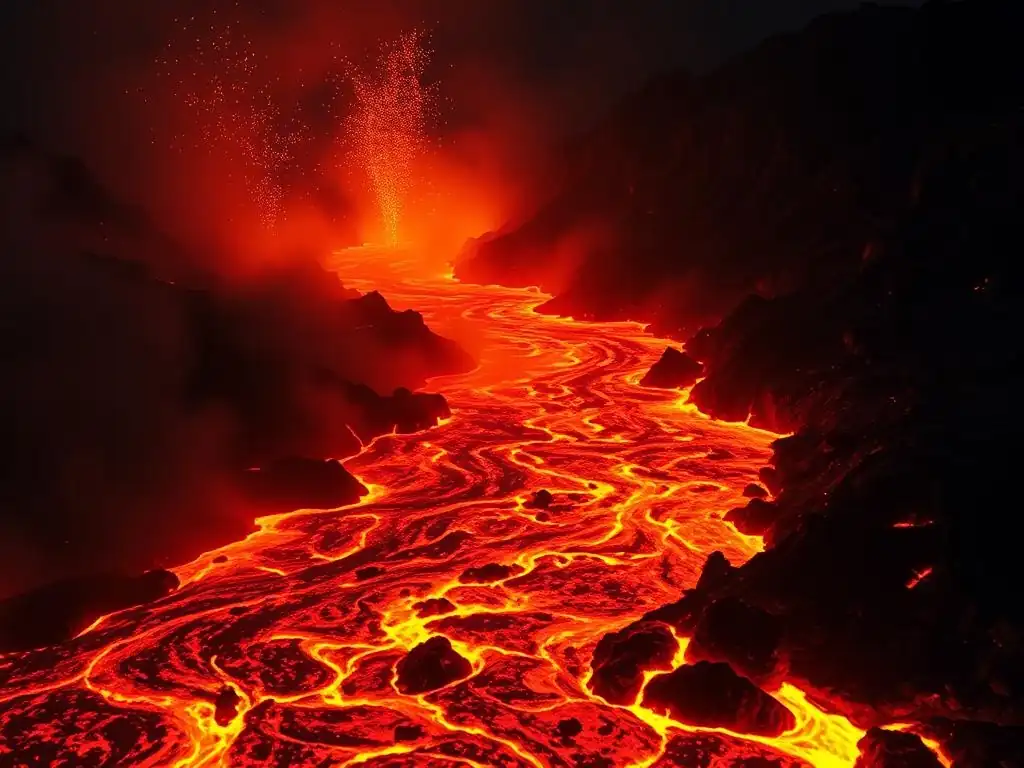
Welcome to Volcano Explorers, where the earth breathes fire!
Ever wondered what fiery secrets are hidden within the molten heart of a volcano? Prepare to journey into the core of volcanic science and uncover the fascinating world of the chemistry of volcanic lava. It's more than just hot rock; it's a window into the Earth's deepest processes. Dive in, and let's explore the elemental dance that shapes our planet's most dramatic landscapes. What exactly makes lava, lava? The answer might surprise you...
- Introduction to Volcanic Lava Chemistry: A Guide to Understanding Volcanic Processes
- Understanding the Composition of Lava: Key Chemical Elements and Compounds
- Lava Types and Their Chemical Signatures: Exploring Viscosity and Flow
- The Influence of Cooling on Lava Chemistry: Crystallization and Mineral Formation
- Analyzing Lava Chemistry: Tools and Techniques Used by Volcanologists
- Lava Chemistry and Volcanic Hazards: Predicting Eruptive Behavior
- The Global Distribution of Lava Chemistry: Regional Variations in Volcanic Composition
- The Importance of Lava Chemistry in Understanding Earth's Interior
- Conclusion: The Fascinating World of Lava Chemistry and its Relevance to Volcanology
-
Frequently Asked Questions
- What is the primary chemical composition of volcanic lava?
- How does the silica content affect the viscosity of lava?
- What role do dissolved gases play in the chemistry of lava and volcanic eruptions?
- How do geologists analyze the chemical composition of lava?
- Can the chemistry of lava provide clues about a volcano's history and potential future eruptions?
- Final Reflection: The Fiery Alchemy of Our Planet
- Unleash Your Inner Volcanologist!
Introduction to Volcanic Lava Chemistry: A Guide to Understanding Volcanic Processes
Volcanic eruptions, some of nature's most spectacular and powerful events, are driven by the molten rock known as lava once it reaches the Earth's surface. But lava is far more than just hot, liquid rock; it's a complex chemical soup whose composition dictates its behavior, the type of volcano it builds, and the hazards it poses. Understanding the chemistry of volcanic lava is crucial for volcanologists to interpret volcanic processes, predict eruptions, and mitigate risks in volcanic regions.
This article serves as a comprehensive guide to the fascinating world of lava chemistry, exploring its fundamental components, different types, and the techniques used to unravel its secrets. By delving into the chemistry of volcanic lava, we gain invaluable insights into the Earth’s dynamic interior and the forces that shape our planet.
The study of lava chemistry allows scientists to decipher the origins of magma deep within the Earth, the processes it undergoes as it ascends to the surface, and the potential hazards associated with volcanic eruptions. From the fiery flows cascading down volcano flanks to the slow, creeping advances of pahoehoe lava, the physical characteristics and eruptive style are intimately linked to the chemical makeup of the molten rock.
By analyzing the elements and compounds present in volcanic lava, we can unlock a wealth of information about the Earth's mantle, the tectonic settings where volcanoes form, and the intricate mechanisms that drive volcanic activity. This knowledge is not only crucial for scientific understanding but also vital for the safety and well-being of communities living near volcanoes.
Understanding the Composition of Lava: Key Chemical Elements and Compounds
Lava is primarily composed of molten silicate rock, a complex mixture of various chemical elements and compounds. Oxygen, silicon, aluminum, iron, calcium, sodium, potassium, and magnesium are the most abundant elements, together constituting over 98% of most lavas. These elements combine to form silicate minerals, which are the building blocks of rocks. The specific proportions of these elements and the way they are bonded together determine the chemical composition of the lava and, consequently, its physical properties. Variations in the concentration of these major elements are key to differentiating between different types of lava and understanding their origins.
Beyond the major elements, lava chemistry also involves volatile components, primarily dissolved gases within the magma. Water vapor (H₂O), carbon dioxide (CO₂), and sulfur dioxide (SO₂) are the most significant magmatic gases. These gases play a critical role in volcanic eruptions, influencing eruption explosivity and contributing to atmospheric phenomena.
Furthermore, trace elements, present in minute quantities, are also crucial in lava chemistry. Elements like strontium, neodymium, and lead, although present in parts per million or even parts per billion, serve as geochemical fingerprints, providing valuable information about the magma source region and the processes it has undergone during its journey to the surface.
The Role of Silica (SiO2) in Lava's Chemistry
Silica (SiO₂), or silicon dioxide, is arguably the most important compound in lava chemistry. It is the fundamental building block of silicate minerals and plays a dominant role in determining lava's viscosity, or resistance to flow. Lavas are classified based on their silica content, ranging from basaltic lavas with relatively low silica (around 45-52 wt%) to rhyolitic lavas with high silica content (over 69 wt%).
The structure of silica in molten rock is complex, forming a network of interconnected tetrahedra. Higher silica content leads to a more polymerized network, increasing the internal friction and thus the viscosity of the lava.
The percentage of silica in volcanic lava directly impacts eruptive style. Low-silica basaltic lavas, with their lower viscosity, tend to flow effusively, creating lava flows that can travel long distances. Conversely, high-silica rhyolitic lavas are highly viscous, trapping gases and leading to explosive eruptions.
The behavior of andesitic lavas, with intermediate silica content, falls between these two extremes. The variation in silica content is primarily controlled by the source of the magma in the Earth's mantle and crust, as well as processes like fractional crystallization and crustal assimilation that modify magma composition during its ascent. Therefore, understanding the silica content is fundamental to interpreting the chemistry of volcanic lava and predicting volcanic behavior.
Magmatic Gases: Water Vapor, Carbon Dioxide, and Sulfur Dioxide in Lava
Magmatic gases are volatile components dissolved within magma under pressure. As magma rises towards the surface and pressure decreases, these gases exsolve, forming bubbles. Water vapor (H₂O) is typically the most abundant magmatic gas, derived from water trapped in the Earth's mantle and crust. Carbon dioxide (CO₂) is another significant gas, originating from the mantle and crustal rocks. Sulfur dioxide (SO₂), while often present in smaller quantities than water vapor or carbon dioxide, is crucial due to its environmental impact and role in volcanic plumes. These gases are not merely passive bystanders; they are active drivers of volcanic eruptions.
The presence and behavior of magmatic gases significantly influence the explosivity of volcanic eruptions. Gas bubbles within magma reduce its density, causing it to rise more rapidly. As magma ascends, the expanding gas bubbles can fragment the surrounding molten rock, leading to explosive eruptions. The viscosity of the lava also plays a crucial role.
In low-viscosity basaltic magmas, gases can escape relatively easily, resulting in effusive eruptions. However, in high-viscosity rhyolitic magmas, gases are trapped, pressure builds up, and ultimately, this pressure is released in violent, explosive eruptions. The composition and quantity of magmatic gases, therefore, are critical aspects of lava chemistry that dictate eruption style and intensity. Monitoring gas emissions is also a vital tool for volcanologists in predicting and assessing volcanic activity.
Trace Elements in Lava: Clues to Magma Source and Volcanic Processes
While major elements define the broad classification of lavas, trace elements provide more nuanced insights into the origin and evolution of magmas. Trace elements are elements present in volcanic lava at concentrations of parts per million (ppm) or even parts per billion (ppb). Despite their low concentrations, these elements behave systematically during magma generation and differentiation, acting as geochemical tracers.
Examples of important trace elements include rare earth elements (REEs), strontium (Sr), neodymium (Nd), lead (Pb), and uranium (U). The ratios and abundances of these elements are highly sensitive to the source rocks in the mantle and crust that melted to form the magma.
Analyzing trace element concentrations in lava chemistry allows volcanologists to "fingerprint" magmas, tracing them back to their source regions. For instance, the ratios of certain isotopes, like strontium-87 to strontium-86 (⁸⁷Sr/⁸⁶Sr) and neodymium-143 to neodymium-144 (¹⁴³Nd/¹⁴⁴Nd), are characteristic of different mantle reservoirs. Variations in trace element patterns can also reveal processes such as partial melting, fractional crystallization, and crustal contamination that magmas undergo as they ascend.
For example, the depletion of certain trace elements in some lavas can indicate the removal of specific minerals during fractional crystallization. By meticulously analyzing trace element compositions, volcanologists can reconstruct the complex history of magmas from their generation deep within the Earth to their eruption at the surface, providing a deeper understanding of volcanic processes.
Lava Types and Their Chemical Signatures: Exploring Viscosity and Flow
The chemistry of volcanic lava fundamentally dictates its physical properties, particularly viscosity, which in turn controls how lava flows and erupts. Based primarily on silica content and, to a lesser extent, temperature and volatile content, lavas are broadly classified into three main types: basaltic, andesitic, and rhyolitic. Each type exhibits a distinct chemical signature, influencing its viscosity, flow behavior, and the type of volcanic landforms it creates. Understanding these different lava types is essential for comprehending the diversity of volcanic phenomena observed around the world.
The viscosity of lava, a measure of its resistance to flow, varies dramatically between these lava types. Basaltic lavas are characterized by low viscosity, similar to that of motor oil, allowing them to flow readily and cover large areas. Andesitic lavas have intermediate viscosity, behaving more like thick syrup, resulting in slower, shorter flows. Rhyolitic lavas, with their high viscosity akin to peanut butter, flow very slowly and tend to pile up around the vent.
These differences in viscosity are primarily attributed to the varying silica content and the degree of polymerization in the molten silicate network. The temperature of the lava also plays a role, with higher temperatures generally leading to lower viscosities. The combination of lava chemistry and temperature dictates the characteristic flow patterns and eruptive styles associated with each lava type.
Basaltic Lava Chemistry: Low Silica, High Temperature, and Fluid Flows
Basaltic lava is the most common type of lava erupted on Earth, comprising the vast majority of volcanic rocks on the ocean floor and forming large volcanic provinces on continents. Its chemistry of volcanic lava is characterized by low silica content (45-52 wt%), high iron and magnesium content, and relatively low volatile content. These chemical characteristics result in basaltic lava having the lowest viscosity among the common lava types, typically ranging from 10² to 10⁴ Pascal-seconds (Pa·s). Basaltic lavas are also typically erupted at high temperatures, ranging from 1000°C to 1200°C, further contributing to their fluidity.
The low viscosity and high temperature of basaltic lava enable it to flow over long distances, creating extensive lava flows that can travel for tens or even hundreds of kilometers. These flows often exhibit distinctive surface textures, such as pahoehoe (smooth, ropy) and ʻaʻā (rough, blocky), which are related to cooling rate and flow dynamics. Shield volcanoes, like those in Hawaii and Iceland, are primarily built from the accumulation of basaltic lava flows over time.
Basaltic eruptions are generally effusive, characterized by the gentle outpouring of lava rather than violent explosions, although fire fountains and lava fountains can occur due to gas release. The chemistry of volcanic lava in basaltic systems directly leads to the formation of expansive, gently sloping volcanic landforms and relatively less hazardous eruptive activity compared to other lava types.
Andesitic Lava Chemistry: Intermediate Silica Content and Explosive Potential
Andesitic lava represents an intermediate composition between basaltic and rhyolitic lavas, both in terms of lava chemistry and viscosity. Its silica content ranges from approximately 52-63 wt%, and it has intermediate amounts of iron and magnesium compared to basalt and rhyolite. The volatile content in andesitic magma is generally higher than in basaltic magma, contributing to its increased explosive potential. The viscosity of andesitic lava is also intermediate, typically ranging from 10⁴ to 10⁶ Pa·s, making it more viscous than basalt but less viscous than rhyolite. Eruption temperatures for andesitic lavas are typically between 900°C and 1100°C.
The intermediate chemistry of volcanic lava in andesitic systems results in a mix of effusive and explosive eruptive styles. Andesitic lavas can form lava flows, but they are generally shorter and thicker than basaltic flows due to their higher viscosity. More significantly, andesitic volcanoes are often associated with explosive eruptions.
The higher volatile content and intermediate viscosity allow for the build-up of pressure, leading to violent explosions that can eject ash, volcanic bombs, and pyroclastic flows. Stratovolcanoes, also known as composite volcanoes, such as Mount Fuji in Japan and Mount Rainier in the Cascade Mountains, are typically formed from alternating layers of andesitic lava flows and pyroclastic deposits. The combination of effusive and explosive activity, dictated by the chemistry of volcanic lava, makes andesitic volcanoes potentially hazardous and dynamic landforms.
Rhyolitic Lava Chemistry: High Silica, High Viscosity, and Violent Eruptions
Rhyolitic lava represents the most silica-rich end of the lava spectrum, with silica content exceeding 69 wt%. Its chemistry of volcanic lava also includes high concentrations of potassium and sodium, and relatively low iron and magnesium. Rhyolitic magmas are typically water-rich, contributing to their high volatile content. The high silica content leads to extensive polymerization in the melt, resulting in extremely high viscosity, ranging from 10⁶ Pa·s and higher. Rhyolitic lavas are erupted at relatively lower temperatures compared to basalt and andesite, typically between 700°C and 850°C, which further increases their viscosity.
The extreme viscosity and high volatile content associated with the chemistry of volcanic lava in rhyolitic systems result in highly explosive eruptions. Rhyolitic lava flows are rare due to their high viscosity; when they do occur, they are slow-moving, thick, and often form steep-sided lava domes. The trapped gases within the viscous rhyolitic magma build up immense pressure, leading to catastrophic explosive eruptions that can produce large volumes of volcanic ash, pumice, and pyroclastic flows.
Caldera-forming eruptions, some of the largest and most devastating volcanic events on Earth, are often associated with rhyolitic magmas. Examples include the Yellowstone Caldera in the United States and the Taupo Volcanic Zone in New Zealand. The chemistry of volcanic lava in rhyolitic systems poses significant volcanic hazards due to its propensity for violent and explosive eruptions.
The Influence of Cooling on Lava Chemistry: Crystallization and Mineral Formation
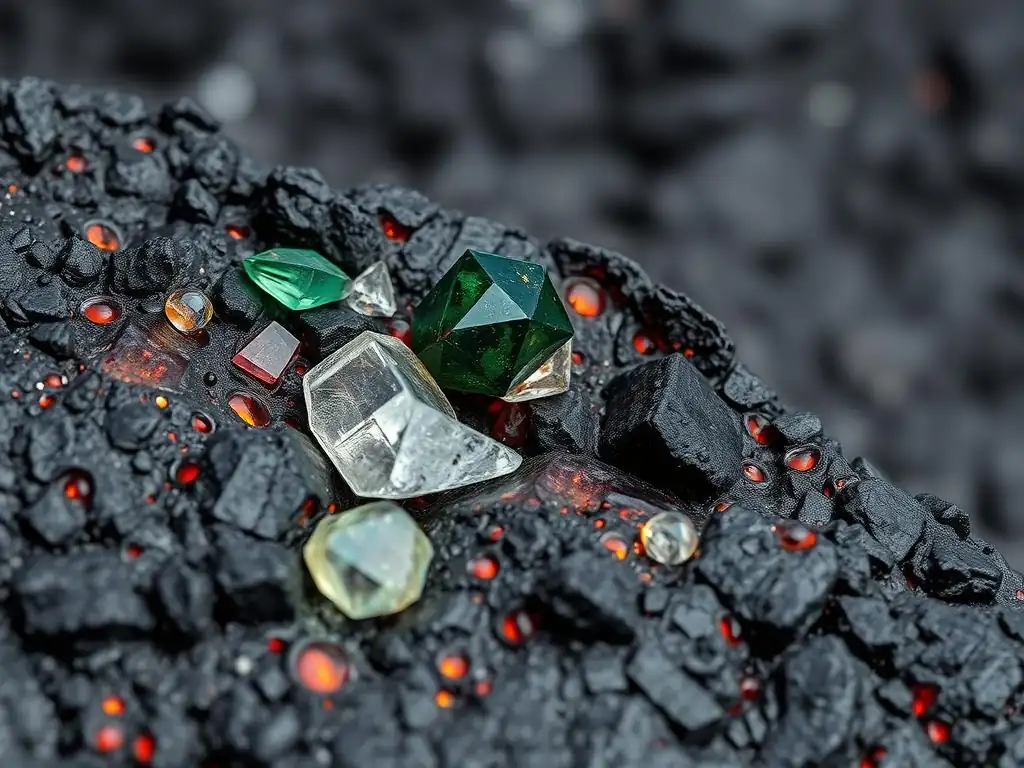
While the initial chemistry of volcanic lava is determined by its source and magmatic processes, its composition continues to evolve as it cools and solidifies. Cooling lava undergoes crystallization, the process by which minerals form and grow from the molten rock. This process, governed by the laws of thermodynamics and the initial chemical composition, significantly alters the remaining melt composition and ultimately determines the mineral assemblage and texture of the resulting volcanic rock. Understanding the influence of cooling on lava chemistry is crucial for interpreting the formation and characteristics of volcanic rocks.
The rate of cooling plays a critical role in the crystallization process. Slow cooling, typically occurring deep within the Earth, allows for larger crystals to grow, leading to coarse-grained intrusive rocks. Rapid cooling, characteristic of lava flows at the surface, results in smaller crystals or even glassy textures if cooling is extremely rapid.
As minerals crystallize from the melt, they selectively remove certain elements, changing the chemistry of volcanic lava that remains. This process, known as fractional crystallization, is a key mechanism for generating diverse volcanic rock compositions from a single parental magma. The sequence in which minerals crystallize from a cooling magma is described by Bowen's Reaction Series, a fundamental concept in igneous petrology.
Fractional Crystallization: How Cooling Changes Lava Composition
Fractional crystallization is a crucial process in lava chemistry where the composition of the remaining melt changes as minerals crystallize and are removed. As magma cools, minerals with higher melting points crystallize first. These early-formed crystals are typically denser than the remaining melt and can settle out under gravity, effectively removing their constituent elements from the liquid phase. For example, during the crystallization of basaltic magma, minerals like olivine and pyroxene, rich in magnesium and iron, crystallize early. Their removal depletes the remaining melt in magnesium and iron, while relatively enriching it in silica, aluminum, and alkali elements.
The process of fractional crystallization continues as the magma cools further, with different minerals crystallizing at successively lower temperatures. This sequential removal of minerals progressively changes the chemistry of volcanic lava. Starting with a basaltic magma, fractional crystallization can lead to the formation of andesitic and eventually rhyolitic compositions.
The efficiency of fractional crystallization depends on factors like the cooling rate, magma viscosity, and the density contrast between crystals and melt. This process is a primary mechanism for generating the diversity of volcanic rock compositions observed in volcanic arcs and other geological settings. By studying the mineral assemblages and chemical compositions of volcanic rocks, volcanologists can reconstruct the fractional crystallization history of magmas and gain insights into their evolution.
The Formation of Volcanic Rocks: From Lava to Basalt, Andesite, and Rhyolite
The solidification of volcanic lava leads to the formation of extrusive or volcanic rocks. The type of volcanic rock formed is directly determined by the initial chemistry of volcanic lava and the cooling history. Basaltic lava solidifies to form basalt, a dark-colored, fine-grained rock composed primarily of plagioclase feldspar and pyroxene, often with olivine. Andesitic lava crystallizes into andesite, an intermediate-colored, fine-grained rock with plagioclase feldspar, pyroxene, and amphibole. Rhyolitic lava solidifies to form rhyolite, a light-colored, fine-grained rock rich in quartz, feldspar, and mica.
The texture of volcanic rocks, such as whether they are fine-grained or glassy, is primarily controlled by the cooling rate. Rapid cooling of volcanic lava at the surface prevents the formation of large crystals, resulting in fine-grained textures like those observed in basalt, andesite, and rhyolite. In some cases, extremely rapid cooling can quench the lava to form volcanic glass, such as obsidian.
The mineral composition and texture of volcanic rocks provide valuable information about the chemistry of volcanic lava from which they formed and the conditions under which they cooled and solidified. Petrological studies of volcanic rocks are essential for understanding volcanic processes and the geological history of volcanic regions.
Glassy Textures in Lava: The Result of Rapid Cooling
Glassy textures in volcanic rocks are a direct result of extremely rapid cooling of volcanic lava. When lava cools very quickly, there is insufficient time for atoms to arrange themselves into an ordered crystalline structure. Instead, the molten rock solidifies into a disordered, amorphous solid, known as volcanic glass. Obsidian is a common example of a volcanic glass, typically formed from rhyolitic lava. It is characterized by its black, shiny appearance and conchoidal fracture. Pumice, another type of volcanic glass, is formed from frothy lava with abundant gas bubbles, resulting in a lightweight, porous rock.
The chemistry of volcanic lava plays a role in the formation of glassy textures. Highly viscous lavas, such as rhyolitic lavas, are more prone to forming glass because their high viscosity inhibits crystal growth. Rapid cooling rates are typically achieved when lava is erupted into water or air, or during explosive eruptions where lava is fragmented into small particles that cool quickly.
Glassy textures in volcanic rocks provide evidence of rapid cooling and can preserve information about the volatile content and eruption conditions of the original volcanic lava. The presence of volcanic glass is a significant textural feature used in the classification and interpretation of volcanic rocks.
Analyzing Lava Chemistry: Tools and Techniques Used by Volcanologists
Understanding the chemistry of volcanic lava relies on a variety of sophisticated analytical tools and techniques employed by volcanologists. These methods range from laboratory-based geochemical analysis of lava samples to remote sensing techniques that can monitor lava composition from a distance. Field observations and careful sample collection are also crucial steps in obtaining representative and reliable data for lava chemistry studies. The combination of these approaches allows volcanologists to gain a comprehensive understanding of lava composition and its implications for volcanic processes.
Geochemical analysis of lava samples in the laboratory provides precise and detailed information about the elemental and isotopic composition of volcanic lava. These analyses can determine the concentrations of major elements, trace elements, and isotopic ratios, which are essential for understanding magma source, differentiation processes, and eruption history. Remote sensing techniques, using satellites and aircraft, offer a way to monitor lava chemistry in real-time, particularly during active eruptions.
These methods can detect changes in gas emissions and thermal properties of lava flows, providing valuable insights into ongoing volcanic activity. Field observations and sampling are fundamental, as they ensure that analyzed samples are representative of the volcanic system being studied and provide crucial contextual information.
Geochemical Analysis of Lava Samples: X-Ray Fluorescence (XRF) and Inductively Coupled Plasma Mass Spectrometry (ICP-MS)
Two of the most widely used laboratory techniques for geochemical analysis of lava chemistry are X-Ray Fluorescence (XRF) and Inductively Coupled Plasma Mass Spectrometry (ICP-MS). XRF is a non-destructive technique used primarily for determining the major element composition of solid samples. It works by bombarding a sample with X-rays, which causes the elements in the sample to emit characteristic fluorescent X-rays. By measuring the energy and intensity of these fluorescent X-rays, the concentration of each major element can be determined. XRF is a relatively rapid and cost-effective method, making it suitable for analyzing a large number of samples.
ICP-MS is a highly sensitive technique used for determining both trace element and isotopic compositions of volcanic lava. Samples are first dissolved, and then introduced into an inductively coupled plasma, a high-temperature ionized gas. The plasma ionizes the elements in the sample, and these ions are then separated and detected by a mass spectrometer based on their mass-to-charge ratio.
ICP-MS can measure trace element concentrations down to parts per billion levels and can also precisely measure isotopic ratios, providing valuable information for tracing magma sources and processes. While ICP-MS is more complex and expensive than XRF, its superior sensitivity and versatility make it indispensable for detailed lava chemistry studies. Both XRF and ICP-MS are essential tools for volcanologists in unraveling the chemical secrets of volcanic eruptions.
Remote Sensing Techniques: Monitoring Lava Chemistry from a Distance
Remote sensing techniques offer powerful tools for monitoring lava chemistry and volcanic activity from a distance, especially in remote or hazardous volcanic regions. Satellites and aircraft equipped with various sensors can detect and measure different aspects of volcanic eruptions, including thermal emissions, gas plumes, and lava flow characteristics.
Thermal infrared (TIR) sensors can measure the temperature of lava flows and volcanic features, providing information about eruption rates and cooling processes. Spectrometers can analyze the composition of volcanic gas plumes, measuring the concentrations of sulfur dioxide, carbon dioxide, and other gases, which can be indicators of magma degassing and eruption potential.
Hyperspectral imaging, a more advanced remote sensing technique, can potentially provide information about the mineralogical composition of lava flows and ash plumes directly from space. By analyzing the spectral reflectance of volcanic surfaces, hyperspectral sensors can identify specific minerals and potentially estimate the silica content and other chemical parameters of volcanic lava. Remote sensing data is particularly valuable for monitoring active volcanoes in real-time, tracking the progress of lava flows, and detecting changes in gas emissions that may precede eruptions. These techniques complement laboratory-based analyses by providing a broader spatial and temporal perspective on lava chemistry and volcanic processes.
Field Observations and Sampling Techniques for Lava Chemistry Analysis
Field observations and careful sampling are fundamental prerequisites for any lava chemistry study. Volcanologists meticulously document the geological context of lava flows and volcanic deposits in the field, recording features such as flow morphology, thickness, and relationships to other volcanic units. Detailed field observations are essential for interpreting the eruption history and volcanic evolution of a region. Representative sampling of volcanic lava is crucial to ensure that laboratory analyses accurately reflect the composition of the erupted magma. Samples are typically collected from fresh, unaltered lava flows and pyroclastic deposits, avoiding weathered or contaminated materials.
Sampling techniques vary depending on the type of volcanic material. For lava flows, rock hammers and chisels are used to collect representative pieces. For unconsolidated ash and pumice deposits, scoops and shovels are used to collect bulk samples. Care is taken to collect samples from different parts of lava flows and deposits to account for potential compositional variations. Samples are carefully labeled and documented with detailed field notes, including location, elevation, geological context, and date of collection. Proper field techniques and meticulous sample documentation are essential for ensuring the quality and reliability of lava chemistry data and subsequent interpretations.
Lava Chemistry and Volcanic Hazards: Predicting Eruptive Behavior
The chemistry of volcanic lava is intrinsically linked to the type and intensity of volcanic hazards. Lava composition directly influences lava viscosity, gas content, and eruption style, which in turn determine the potential hazards associated with a particular volcano. Understanding this relationship is crucial for assessing volcanic risk and developing effective mitigation strategies. By analyzing the chemistry of volcanic lava erupted in past eruptions, volcanologists can gain insights into the potential eruptive behavior of a volcano and improve eruption forecasting capabilities.
The viscosity of volcanic lava, primarily controlled by silica content, is a key factor in determining eruption style. Low-viscosity basaltic lavas tend to produce effusive eruptions with lava flows, posing hazards to infrastructure and property but generally less hazardous to human life directly. High-viscosity rhyolitic lavas, on the other hand, are associated with explosive eruptions, generating hazards such as pyroclastic flows, ashfall, and volcanic gas emissions, which can be much more dangerous and widespread.
The volatile content of magma, also influenced by lava chemistry, further enhances explosive potential. By studying the chemistry of volcanic lava, volcanologists can better understand the eruptive history of a volcano and assess the likelihood of different types of volcanic hazards in the future.
The Relationship Between Lava Composition and Eruption Style
The relationship between lava chemistry and eruption style is fundamental in volcanology. As previously discussed, silica content is the primary control on lava viscosity, which in turn dictates whether eruptions are effusive or explosive. Basaltic lavas, with their low silica content and low viscosity, typically erupt effusively, forming lava flows, lava fountains, and spatter cones. These eruptions are generally less hazardous in terms of immediate threat to life but can still cause significant damage to infrastructure and alter landscapes. Kilauea volcano in Hawaii is a classic example of effusive basaltic volcanism.
Andesitic lavas, with intermediate silica content and viscosity, exhibit a wider range of eruptive styles, including both effusive lava flows and explosive eruptions. Stratovolcanoes erupting andesitic lava can produce lava flows, but they are also prone to explosive eruptions that generate pyroclastic flows, lahars (volcanic mudflows), and ash plumes. Mount St. Helens in the Cascade Mountains is a well-known example of an andesitic stratovolcano with a history of both effusive and explosive eruptions. Rhyolitic lavas, with their high silica content and extremely high viscosity, are almost exclusively associated with explosive eruptions.
These eruptions can be incredibly violent, producing large volumes of ash, pumice, and pyroclastic flows, and can lead to caldera formation. The Yellowstone Caldera is a prime example of a rhyolitic volcanic system characterized by explosive eruptions. Therefore, the chemistry of volcanic lava is a crucial determinant of the style and intensity of volcanic eruptions.
Using Lava Chemistry to Assess Volcanic Risk
Analyzing the chemistry of volcanic lava from past eruptions is a valuable tool for assessing volcanic risk at a particular volcano. By determining the chemical compositions of erupted lavas, volcanologists can infer the types of magmas stored beneath the volcano and the potential range of future eruptive styles.
For example, if a volcano has primarily erupted basaltic lava in the past, it is more likely to produce effusive eruptions in the future, although explosive basaltic eruptions are also possible. Conversely, if a volcano has a history of erupting andesitic or rhyolitic lavas, it is more likely to experience explosive eruptions, posing a greater risk of pyroclastic flows, ashfall, and other hazardous phenomena.
Lava chemistry data, combined with geological mapping of volcanic deposits and dating of past eruptions, allows volcanologists to construct a volcanic hazard assessment. This assessment typically includes identifying the types of volcanic hazards associated with the volcano, mapping areas at risk from these hazards, and estimating the probability of future eruptions of different magnitudes. Volcanic hazard assessments are crucial for land-use planning, infrastructure development, and emergency preparedness in volcanic regions. By understanding the relationship between lava chemistry and eruptive behavior, volcanologists can provide valuable information to mitigate volcanic risk and protect communities living near volcanoes.
Case Studies: How Lava Chemistry Helped Predict Past Eruptions
Several case studies demonstrate how lava chemistry has played a role in understanding and even predicting volcanic eruptions. Mount Pinatubo in the Philippines, before its cataclysmic eruption in 1991, had a history of andesitic eruptions. Analysis of pre-eruption lavas and monitoring of gas emissions indicated a build-up of pressure in a magma chamber containing volatile-rich andesitic magma. This information, coupled with other monitoring data, allowed volcanologists to forecast the eruption and issue timely warnings, saving thousands of lives. The lava chemistry provided crucial insights into the explosive potential of the volcano.
Another example is the Soufrière Hills volcano on Montserrat in the Caribbean. The eruption that began in 1995 has been characterized by the extrusion of andesitic lava domes and associated pyroclastic flows. Monitoring the chemistry of volcanic lava erupted during the dome-building phases has helped volcanologists understand the magma supply rate and the potential for dome collapses and explosive eruptions.
Changes in lava composition and gas emissions have been used to track magma ascent and forecast phases of increased volcanic activity. These case studies highlight the importance of lava chemistry as a key parameter in volcano monitoring and eruption forecasting, contributing to improved volcanic hazard assessment and risk mitigation.
The Global Distribution of Lava Chemistry: Regional Variations in Volcanic Composition
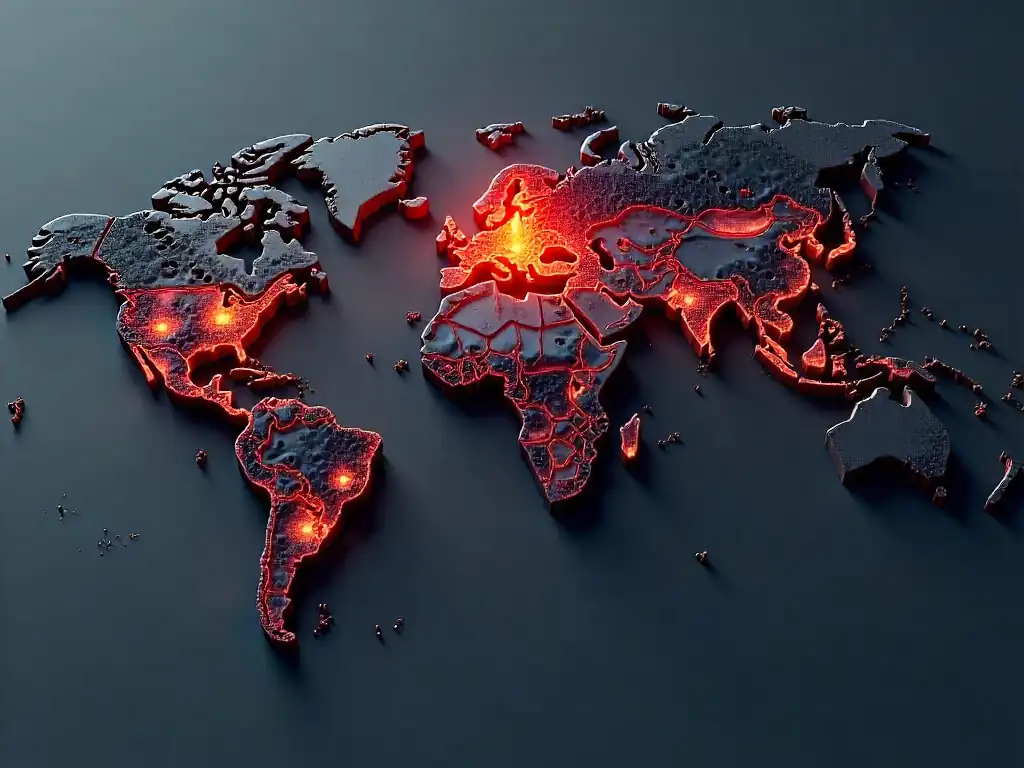
The chemistry of volcanic lava varies significantly across different tectonic settings and geographical regions. These variations reflect differences in the source rocks in the Earth's mantle and crust, as well as the geological processes that modify magma composition during its ascent. Understanding the global distribution of lava chemistry provides insights into the Earth's mantle heterogeneity, plate tectonic processes, and the diverse range of volcanic environments found around the world. Distinct patterns in lava chemistry are observed in different types of volcanoes, such as shield volcanoes, stratovolcanoes, and volcanoes in unique tectonic settings.
Shield volcanoes, typically found at hotspots and mid-ocean ridges, are predominantly characterized by basaltic lava. Stratovolcanoes, common in subduction zones, primarily erupt andesitic lava, although basaltic and rhyolitic lavas can also be present. Volcanic settings associated with continental rifting and intraplate volcanism can exhibit a wider range of lava chemistry, including basaltic, alkaline, and even carbonatitic lavas. These regional variations in lava chemistry underscore the complex interplay between tectonic setting, mantle source composition, and magma generation processes in shaping the global distribution of volcanic rocks.
Lava Chemistry in Shield Volcanoes: Hawaii and Iceland
Shield volcanoes, such as those in Hawaii and Iceland, are primarily built from the accumulation of basaltic lava flows. The chemistry of volcanic lava in these settings is dominated by tholeiitic basalt, a type of basalt characterized by relatively low alkali content and high iron content. Hawaiian shield volcanoes, formed over a mantle plume hotspot, erupt basaltic lava derived from a deep mantle source.
The lava chemistry in Hawaii is relatively consistent, reflecting the homogeneous nature of the mantle plume source. Icelandic shield volcanoes, located on the Mid-Atlantic Ridge and also influenced by a mantle plume, erupt a slightly more diverse range of basaltic lavas, including both tholeiitic and alkaline basalts.
The basaltic lava chemistry in Hawaii and Iceland results in effusive eruptions, forming gently sloping shield volcanoes with extensive lava flows. The low viscosity of basaltic lava allows it to flow over long distances, creating the broad, shield-like shape characteristic of these volcanoes. The variations in lava chemistry between Hawaiian and Icelandic basalts, although subtle, reflect differences in the mantle source composition and the influence of plate tectonic setting. The study of lava chemistry in shield volcanoes provides valuable insights into mantle plume dynamics and the processes of oceanic crust formation.
Lava Chemistry in Stratovolcanoes: The Andes and Cascade Mountains
Stratovolcanoes, prevalent in subduction zones like the Andes Mountains and the Cascade Mountains, are typically characterized by andesitic lava. The chemistry of volcanic lava in these settings is more diverse than in shield volcanoes, ranging from basalt to rhyolite, but andesite is the dominant type. Andesitic magmas in subduction zones are thought to be generated by the partial melting of the mantle wedge above the subducting oceanic plate, with contributions from fluids and melts derived from the subducting slab. The lava chemistry in stratovolcanoes reflects the complex mixing and differentiation processes that occur in subduction zone magmatic systems.
The andesitic lava chemistry in stratovolcanoes contributes to their characteristic explosive eruptive style. The intermediate viscosity and higher volatile content of andesitic magma lead to a combination of lava flows and explosive eruptions, forming the steep-sided, cone-shaped morphology of stratovolcanoes. The variations in lava chemistry within and between stratovolcanoes reflect differences in subduction zone processes, crustal contamination, and magma chamber dynamics. Studying the lava chemistry of stratovolcanoes is crucial for understanding subduction zone volcanism and assessing volcanic hazards in these densely populated regions.
Exploring Unique Lava Compositions in Different Volcanic Settings
Beyond the common basaltic and andesitic lavas, there are unique lava chemistry compositions found in specific volcanic settings. Alkaline lavas, enriched in alkali elements (sodium and potassium), are associated with intraplate volcanism and continental rifting, such as in the East African Rift Valley. Carbonatite lavas, extremely rare and composed primarily of carbonate minerals, are erupted at a few volcanoes worldwide, like Oldoinyo Lengai in Tanzania. These unusual lava compositions reflect unique mantle sources and magma generation processes.
Komatiites, ultramafic volcanic rocks with extremely high magnesium content and very high eruption temperatures, were prevalent in the early Earth's history but are now rare. Their unique lava chemistry provides insights into the hotter mantle conditions of the Archean Eon. Lamproites and kimberlites are other types of alkaline volcanic rocks with distinctive trace element compositions, often associated with diamond deposits. Exploring the diversity of lava chemistry in these different volcanic settings expands our understanding of the Earth's mantle composition, magma generation mechanisms, and the evolution of volcanic processes throughout Earth's history.
The Importance of Lava Chemistry in Understanding Earth's Interior
The study of lava chemistry is not only crucial for understanding volcanic processes but also provides a window into the Earth's interior. Lava originates from the melting of the Earth's mantle and crust, carrying with it chemical information about its source regions. By analyzing the chemistry of volcanic lava, volcanologists can infer the composition and conditions of the mantle, the processes of magma generation, and the role of plate tectonics in shaping the Earth's dynamic system. Lava chemistry serves as a vital link between the Earth's surface and its deep interior.
Lava chemistry provides direct samples of the Earth's mantle, which is largely inaccessible for direct observation. The isotopic and trace element compositions of lavas can be used to characterize different mantle reservoirs and track mantle convection processes. The variations in lava chemistry across different tectonic settings reflect the influence of plate tectonics in driving mantle melting and magma generation.
Subduction zones, mid-ocean ridges, and hotspots are all characterized by distinct lava chemistry signatures, reflecting the unique processes operating in these different tectonic environments. The study of lava chemistry is therefore essential for understanding the composition, structure, and dynamics of the Earth's interior.
Lava Chemistry as a Window into the Mantle
Lava chemistry acts as a primary window into the composition and processes of the Earth's mantle. Different types of lavas originate from different mantle sources and melting conditions. For example, mid-ocean ridge basalts (MORB), the most abundant type of lava on Earth, are derived from the asthenospheric mantle, the upper convecting part of the mantle.
The relatively uniform lava chemistry of MORB suggests a broadly homogeneous upper mantle source. Ocean island basalts (OIB), erupted at hotspots like Hawaii, are thought to originate from deeper mantle plumes, potentially sampling a chemically distinct lower mantle reservoir. The differences in lava chemistry between MORB and OIB provide evidence for mantle heterogeneity and the existence of distinct mantle reservoirs.
Trace element and isotopic analyses of volcanic lava are particularly powerful tools for probing the mantle. Ratios of radiogenic isotopes, such as strontium, neodymium, and lead isotopes, can be used to trace the history of mantle rocks and identify different mantle components. The abundances of incompatible trace elements, which are preferentially enriched in melts, provide information about the degree of partial melting and the composition of the source rocks. By studying the chemistry of volcanic lava, geochemists can build models of mantle composition and dynamics, gaining insights into the Earth's deep interior that are otherwise inaccessible.
The Role of Plate Tectonics in Shaping Lava Composition
Plate tectonics plays a fundamental role in shaping the chemistry of volcanic lava globally. Different tectonic settings are associated with distinct magma generation processes and lava chemistry signatures. At mid-ocean ridges, divergent plate boundaries where plates are spreading apart, decompression melting of the asthenospheric mantle produces basaltic magma with a relatively uniform MORB composition. In subduction zones, convergent plate boundaries where one plate is subducting beneath another, the addition of fluids and melts from the subducting slab to the mantle wedge triggers partial melting, generating andesitic and basaltic magmas with characteristic subduction zone signatures.
Hotspots, locations of mantle plumes rising from deep within the Earth, are often associated with shield volcanoes erupting basaltic lava with OIB compositions. Continental rifting, where continents are being pulled apart, can lead to a variety of lava chemistry types, including basaltic, alkaline, and even carbonatitic lavas, reflecting the complex interplay of mantle melting and crustal extension. The global distribution of different lava chemistry types is therefore directly linked to plate tectonic processes, highlighting the profound influence of plate tectonics in controlling magma generation and volcanic activity on Earth.
Future Research Directions in Lava Chemistry and Volcanology
Future research in lava chemistry and volcanology will continue to refine our understanding of volcanic processes and the Earth's interior. Advances in analytical techniques, such as high-precision isotope ratio measurements and microbeam analysis, will provide even more detailed information about the composition of volcanic lava and the processes occurring at the micro-scale. Improved remote sensing technologies will enhance our ability to monitor volcanic activity and lava chemistry in real-time, particularly in remote and hazardous regions.
Integrating lava chemistry data with geophysical observations, such as seismic and geodetic data, will provide a more comprehensive picture of magma systems and eruption dynamics. Developing more sophisticated numerical models of magma generation, ascent, and eruption, incorporating lava chemistry constraints, will improve our ability to forecast volcanic eruptions and assess volcanic hazards. Exploring the chemistry of volcanic lava from volcanoes in diverse tectonic settings and from different geological periods will continue to expand our knowledge of the Earth's dynamic system and the fascinating world of volcanoes.
Conclusion: The Fascinating World of Lava Chemistry and its Relevance to Volcanology
The chemistry of volcanic lava is a fascinating and complex field that is central to understanding volcanic processes and the Earth's interior. From the fundamental role of silica in controlling lava viscosity to the subtle clues provided by trace elements about magma sources, lava chemistry offers a wealth of information about the origin, evolution, and eruptive behavior of volcanoes. By employing a range of analytical techniques and integrating lava chemistry data with geological and geophysical observations, volcanologists continue to unravel the secrets of volcanic eruptions and gain deeper insights into the dynamic Earth system.
The study of lava chemistry is not just an academic pursuit; it has practical applications in volcanic hazard assessment and risk mitigation. Understanding the relationship between lava chemistry and eruption style is crucial for forecasting volcanic eruptions and protecting communities living near volcanoes.
As we continue to improve our understanding of lava chemistry and volcanic processes, we can better prepare for and respond to volcanic hazards, ensuring the safety and well-being of people living in volcanic regions. The ongoing exploration of the chemistry of volcanic lava promises to further illuminate the powerful and awe-inspiring world of volcanoes and their profound connection to the Earth's interior.
Frequently Asked Questions
What is the primary chemical composition of volcanic lava?
Lava is primarily composed of molten rock, which is a mixture of silicate minerals. The specific composition varies, but common elements include silicon, oxygen, aluminum, iron, magnesium, calcium, sodium, and potassium.
How does the silica content affect the viscosity of lava?
The silica content is a crucial factor; higher silica levels lead to more viscous, or thicker, lava. This is because silica molecules form complex chains, hindering the lava's flow.
What role do dissolved gases play in the chemistry of lava and volcanic eruptions?
Dissolved gases, such as water vapor, carbon dioxide, and sulfur dioxide, significantly influence lava's behavior. These gases expand rapidly during eruptions, driving the explosive force and affecting lava's texture.
How do geologists analyze the chemical composition of lava?
Geologists use various techniques, including X-ray fluorescence (XRF) and inductively coupled plasma mass spectrometry (ICP-MS). These methods determine the elemental composition and trace element concentrations in solidified lava samples.
Can the chemistry of lava provide clues about a volcano's history and potential future eruptions?
Yes, the lava's chemical fingerprint acts as a record of the volcano's magmatic system. By analyzing the lava's composition, scientists can infer the depth of magma sources and potential eruption styles.
Final Reflection: The Fiery Alchemy of Our Planet
The journey into the chemistry of volcanic lava reveals more than just molten rock; it unveils the very building blocks of our planet and the dynamic forces that shape its surface. Understanding these complex chemical processes is not merely an academic exercise; it's crucial for predicting volcanic eruptions, mitigating their devastating impact, and appreciating the raw power and beauty of geological phenomena that continue to mold our world.
The enduring fascination with volcanoes and their fiery output stems from their ability to both create and destroy. This exploration of lava's chemical composition has deepened my own appreciation for the intricate dance between elements and energy that defines our planet. The earth is a living organism and lava is its blood.
This quote, though perhaps romanticized, captures the essence of how volcanoes are integral to Earth's life cycle, constantly recycling materials and shaping landscapes.
Now, consider the implications of this knowledge. How can you, armed with a newfound understanding of the chemistry of volcanic lava, contribute to a safer and more sustainable future? Perhaps it's through supporting research, advocating for better monitoring systems, or simply sharing this knowledge with others. Let the fiery alchemy of volcanoes inspire you to explore the world around you with curiosity and a commitment to understanding the forces that shape our planet.
Unleash Your Inner Volcanologist!
Thank you for diving into the fascinating chemistry of lava! We hope you now have a deeper appreciation for the incredible forces shaping our planet. Ready to put your newfound knowledge to work?
- Dare to predict: Using what you've learned about lava composition, try to predict the eruption style of a volcano you've always been curious about.
- Share this article with another science enthusiast - expand the knowledge base!
- Browse our archive of volcano profiles to further explore different eruption styles and lava compositions around the world on VolcanoExplorers.org.
What surprising fact about lava chemistry will you share first?