
The Economic Impact of Lava Flows: Beyond Immediate Destruction

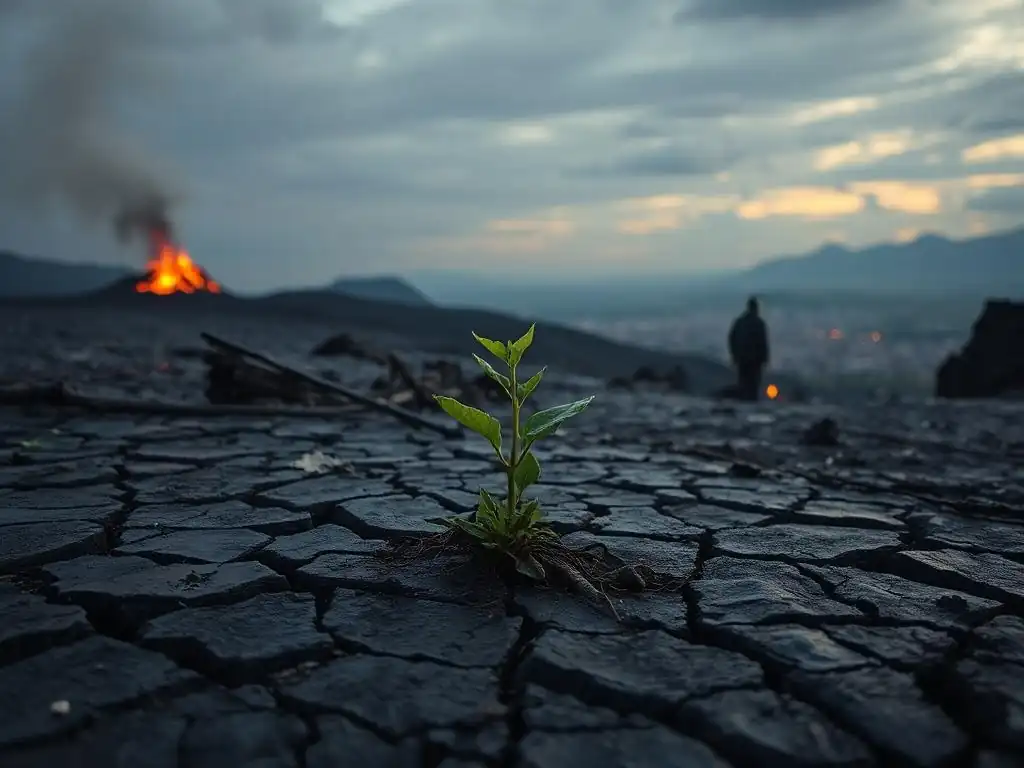
Welcome to Volcano Explorers, where the Earth's fiery heart beats strong! Ever wondered about the true cost of a volcanic eruption? Forget the immediate devastation; we're diving deep into the often-overlooked economic impact of lava flows. Prepare to uncover the surprising ripple effects that extend far beyond the molten rock itself... and why understanding them is more crucial than you think.
- The Economic Impact of Volcanic Eruptions: Beyond Immediate Destruction
- Impact on Key Economic Sectors
- Indirect Economic Effects of Volcanic Eruptions
- Case Studies: Economic Recovery After Major Volcanic Eruptions
- Mitigation Strategies and Economic Preparedness
- The Economic Benefits of Volcanic Areas
- Balancing Economic Development and Volcanic Risk
- Conclusion: The Complex Economic Landscape of Volcanic Eruptions
-
Frequently Asked Questions
- What are the immediate economic impacts of lava flows?
- How can lava flows affect agriculture and tourism?
- What long-term economic consequences follow a major lava flow event?
- How can communities mitigate the economic impact of lava flows?
- Does the economic impact of lava flows extend beyond the immediate region?
- Final Reflection: Embracing Resilience in the Face of Volcanic Fury
- Uncover Your Role in Volcano Preparedness!
The Economic Impact of Volcanic Eruptions: Beyond Immediate Destruction
Immediate Economic Costs of Volcanic Eruption Inundation
The immediate economic impact of a volcanic eruption, particularly from lava flows, is often stark and devastating. When lava flows directly inundate areas, they destroy everything in their path. This includes residential homes, commercial buildings, infrastructure like roads and bridges, and agricultural lands. The physical destruction translates directly into significant financial losses for individuals, businesses, and governments.
Consider the 2021 Cumbre Vieja eruption on La Palma in the Canary Islands. Lava flows engulfed over 3,000 buildings, including homes and businesses, causing estimated direct property damage exceeding €900 million. This figure encompasses not only the replacement value of structures but also the loss of personal belongings, business inventory, and agricultural produce destroyed by the relentless advance of lava.
Beyond property damage, immediate costs include emergency response and evacuation efforts. Mobilizing emergency services, setting up temporary shelters, providing medical aid, and managing evacuations are expensive undertakings. During the 2018 Kilauea eruption in Hawaii, the costs associated with emergency response, including the National Guard deployment and the establishment of evacuation zones, reached tens of millions of dollars.
These immediate expenditures are crucial for saving lives and minimizing suffering, but they represent a significant upfront economic burden on affected regions. The destruction of infrastructure, such as power lines and water pipes, also necessitates immediate and costly repairs to restore essential services, further adding to the initial economic shock.
Long-Term Economic Repercussions of Volcanic Activity
The economic repercussions of volcanic activity extend far beyond the immediate aftermath of an eruption. While the initial destruction grabs headlines, the long-term effects can reshape local and regional economies for years, even decades. One significant long-term impact is the disruption of economic activities.
Businesses may be forced to close permanently due to irreparable damage or prolonged disruption to supply chains and customer access. The agricultural sector can suffer long-lasting damage to soil fertility, even in areas not directly impacted by lava, due to ashfall and altered weather patterns. For example, the eruption of Mount Pinatubo in 1991 in the Philippines, though not primarily lava flow driven, deposited massive amounts of ash that significantly reduced crop yields for several subsequent years, impacting the livelihoods of countless farmers and the national economy.
Furthermore, volcanic eruptions can trigger long-term demographic shifts. Populations may migrate away from repeatedly affected areas, leading to a decline in the local workforce and consumer base. This out-migration can further depress local economies, making recovery even more challenging. The uncertainty surrounding future volcanic activity can also deter new investments and business ventures in volcanic regions, hindering long-term economic growth. Rebuilding infrastructure and communities takes years and requires sustained financial investment. The long-term psychological impact on residents, including stress and trauma, can also affect productivity and economic participation, adding another layer of complexity to the long-term economic recovery process.
Impact on Key Economic Sectors
Agricultural Losses Due to Ashfall and Pyroclastic Flows
Volcanic eruptions pose a significant threat to the agricultural sector, with ashfall and pyroclastic flows causing widespread damage and economic losses. Ashfall, even in relatively thin layers, can contaminate crops, damage plant leaves, and reduce sunlight, hindering photosynthesis and ultimately lowering yields. Heavy ashfall can collapse greenhouses and damage farm machinery.
Livestock can also be affected by ingesting ash, leading to respiratory problems and poisoning from fluoride and other volcanic gases adsorbed onto ash particles. The 2010 eruption of Eyjafjallajökull in Iceland, while primarily known for air travel disruption, also caused significant agricultural problems in Iceland and parts of Europe due to ash deposition.
Pyroclastic flows, while more localized than ashfall, are far more destructive to agriculture in their path. These fast-moving currents of hot gas and volcanic debris incinerate everything in their way, including crops, livestock, and agricultural infrastructure. Even areas not directly hit by pyroclastic flows can suffer long-term soil degradation from the deposition of volcanic materials.
The recovery of agricultural lands after a major eruption can take years, requiring significant investment in soil remediation and the re-establishment of farming operations. In regions heavily reliant on agriculture, such as parts of Indonesia and the Philippines, volcanic eruptions can trigger food shortages and economic hardship that reverberate throughout the national economy.
Tourism Industry: Disruption and Opportunities After Eruptions
Short-Term Tourism Decline Following Volcanic Eruptions
The tourism industry, often a vital economic sector in volcanic regions, faces immediate and significant disruption following an eruption. Volcanic activity creates safety concerns, travel restrictions, and negative media coverage, all of which deter tourists. Airspace closures, road blockages, and evacuation orders directly impact tourist arrivals and departures.
Hotels and tourism-related businesses in affected areas are forced to close, resulting in lost revenue and unemployment. The 2010 Eyjafjallajökull eruption in Iceland, despite not causing significant direct damage on the ground, led to a sharp decline in tourism to Iceland in the immediate aftermath due to widespread flight cancellations across Europe and negative perceptions of safety.
Beyond immediate disruptions, the perception of risk associated with volcanic areas can linger, impacting tourism for months or even years. Potential tourists may postpone or cancel trips, fearing further eruptions or safety hazards. Negative media portrayals of volcanic disasters can create a lasting image of danger, even after the immediate crisis has subsided. For smaller, tourism-dependent economies, a prolonged downturn in visitor numbers can have severe economic consequences, impacting livelihoods and hindering recovery efforts. The need to rebuild damaged tourist infrastructure, such as hotels and attractions, further adds to the short-term economic challenges faced by the tourism sector.
Long-Term Tourism Growth and Volcanic Attractions
Paradoxically, volcanic eruptions can also create long-term tourism opportunities. Volcanoes, even during periods of activity, are often powerful tourist attractions. "Volcano tourism," or geotourism focused on volcanic landscapes, can become a significant economic driver in the long run. Volcanic eruptions reshape landscapes, creating new geological features like lava fields, craters, and hot springs, which can attract visitors interested in witnessing the raw power of nature. The Mount St. Helens National Volcanic Monument in the USA, established after the 1980 eruption, attracts millions of visitors annually who come to learn about the eruption and explore the dramatically altered landscape.
Furthermore, volcanic activity can enhance existing attractions. Geothermal areas, often associated with volcanoes, can become even more appealing to tourists after an eruption, with increased geothermal activity potentially leading to more spectacular hot springs and geysers. Volcanic landscapes are often visually stunning and offer unique hiking, sightseeing, and educational opportunities.
By investing in appropriate infrastructure and promoting responsible volcano tourism, regions can capitalize on the long-term appeal of volcanic areas, turning a potential hazard into a sustainable economic asset. This requires careful management to ensure visitor safety and minimize environmental impact, but the potential for long-term tourism growth is undeniable.
Real Estate and Property Value Impacts
The Immediate Decline in Property Values in Affected Areas
Volcanic eruptions, particularly those involving lava flows and pyroclastic flows, inevitably lead to a sharp decline in property values in affected areas. The immediate physical destruction of homes and buildings renders properties worthless or significantly devalued. Even properties not directly destroyed but located in high-risk zones experience a rapid decrease in value due to increased perceived risk and insurability challenges.
Mortgage defaults and foreclosures may rise as property owners face financial ruin and are unable to meet their loan obligations. The uncertainty surrounding future volcanic activity further depresses property values, as potential buyers are hesitant to invest in areas perceived as dangerous.
The decline in property values has cascading economic effects. Local governments experience a reduction in property tax revenue, impacting their ability to provide essential public services. The real estate market stagnates, hindering economic activity and investment. Businesses reliant on the local population, such as retail stores and service providers, suffer as property values decline and residents relocate. The psychological impact of property loss and devaluation can also be profound, leading to stress, anxiety, and long-term financial hardship for affected homeowners and communities.
Long-Term Recovery and Redevelopment Strategies
Despite the initial devastation, long-term recovery and redevelopment are possible in volcanic areas, although they require careful planning and significant investment. In some cases, lava flows can create new land, expanding coastal areas and potentially increasing property values in the long run, albeit in newly formed zones away from the immediate hazard. Strategic land-use planning and zoning regulations can guide redevelopment, directing new construction away from high-risk zones and towards safer areas. Government-led buyback programs for severely damaged properties can facilitate resettlement and reduce long-term risk exposure.
Rebuilding efforts can incorporate enhanced building codes and infrastructure improvements to increase resilience to future volcanic events. Investing in community infrastructure, such as schools, parks, and public spaces, can help revitalize affected areas and attract new residents and businesses. Highlighting the long-term opportunities associated with volcanic areas, such as tourism and geothermal energy, can also contribute to economic recovery and property value stabilization. While property values in high-risk zones may never fully recover to pre-eruption levels, proactive redevelopment strategies can mitigate long-term losses and create more sustainable and resilient communities in volcanic regions.
Infrastructure Damage and Repair Costs
Power Grids, Roads, and Water Supply Disruption
Volcanic eruptions cause widespread disruption to essential infrastructure, including power grids, roads, and water supply systems, leading to significant economic costs. Lava flows can directly sever power lines, bury roads, and destroy water pipelines. Ashfall can blanket infrastructure, overloading power lines, clogging drainage systems, and reducing visibility on roads, leading to traffic disruptions and accidents.
Pyroclastic flows can obliterate infrastructure in their path, requiring complete reconstruction. The 1991 eruption of Mount Pinatubo, despite not being lava flow dominated, caused widespread infrastructure damage in the Philippines, including damage to roads, bridges, and power grids, significantly hampering relief efforts and economic activity.
Disruption to infrastructure has immediate and cascading economic consequences. Power outages disrupt businesses, industries, and essential services like hospitals and communication networks. Road closures impede transportation of goods and people, impacting supply chains and emergency response. Water supply disruptions can lead to public health crises and further economic hardship. The repair and reconstruction of damaged infrastructure are expensive and time-consuming, requiring specialized equipment and labor. Extended infrastructure outages can severely hamper economic recovery and prolong the disruption caused by the volcanic eruption.
The Cost of Rebuilding Infrastructure After a Volcanic Eruption
The cost of rebuilding infrastructure after a volcanic eruption can be substantial, often reaching billions of dollars in major events. Reconstructing roads, bridges, power grids, and water supply systems requires significant financial investment and logistical coordination. The cost of materials, labor, and specialized equipment, particularly in remote volcanic regions, can be very high. Furthermore, rebuilding infrastructure in areas still prone to volcanic activity may require incorporating hazard-resistant designs and construction techniques, further increasing costs.
Financing infrastructure reconstruction often requires a combination of government funds, international aid, and insurance payouts, where applicable. The process can be lengthy, taking years to fully restore infrastructure to pre-eruption levels. Delays in infrastructure reconstruction can prolong economic hardship and hinder overall recovery efforts. Investing in pre-eruption infrastructure hardening and disaster-resistant design can reduce the extent of damage and the subsequent costs of rebuilding after a volcanic event, highlighting the importance of proactive mitigation measures.
Indirect Economic Effects of Volcanic Eruptions
Business Interruption and Supply Chain Disruptions
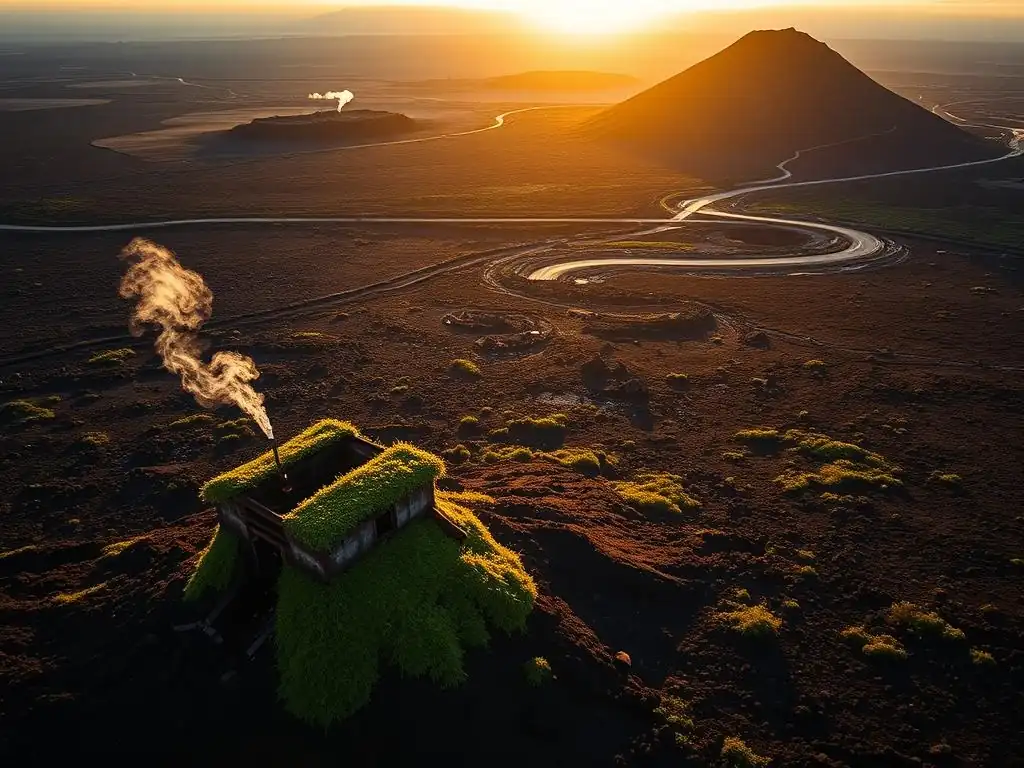
Beyond direct damage, volcanic eruptions trigger significant indirect economic effects, notably through business interruption and supply chain disruptions. Ashfall, even at considerable distances, can force businesses to temporarily close due to health concerns, reduced visibility, and operational challenges. Airspace closures, like those experienced during the Eyjafjallajökull eruption, can cripple industries reliant on air travel, such as tourism and air freight.
Road closures and infrastructure damage disrupt supply chains, affecting manufacturing, retail, and other sectors that depend on the timely movement of goods. The 2018 Kilauea eruption in Hawaii, while primarily affecting the Big Island, caused disruptions to tourism across the entire state due to negative media perceptions and travel advisories.
Business interruption insurance can help mitigate some of the financial losses associated with temporary closures, but not all businesses are adequately insured, and coverage may not extend to all types of volcanic hazards. Supply chain disruptions can have ripple effects across regional and global economies, particularly in interconnected industries. The cumulative impact of business interruptions and supply chain disruptions can be substantial, leading to lost revenue, reduced productivity, and economic slowdown, even in areas not directly impacted by volcanic activity.
Increased Insurance Costs and Availability
Volcanic eruptions lead to increased insurance costs and potentially reduced insurance availability in volcanic regions. After a major eruption, insurance companies reassess risk and often raise premiums for property, business interruption, and other types of coverage in areas deemed vulnerable to future volcanic events. In some high-risk zones, insurance companies may become reluctant to offer coverage altogether, making it difficult for residents and businesses to obtain adequate protection against volcanic hazards. The increased cost of insurance adds to the financial burden on individuals and businesses in volcanic regions, while reduced availability leaves them more vulnerable to future losses.
The challenge of insurability in volcanic areas underscores the need for government-supported risk management strategies, such as national disaster insurance schemes or public-private partnerships to ensure affordable and accessible insurance coverage. Clear communication of volcanic hazards and risk assessments is crucial for informing insurance pricing and availability decisions. Promoting risk-reduction measures, such as land-use planning and building codes, can also help mitigate insurance costs and improve insurability in volcanic regions over the long term.
Volcanic eruptions generate significant public health costs related to volcanic emissions, including ash, gases, and aerosols. Volcanic ash can cause respiratory problems, eye irritation, and skin irritation. Volcanic gases, such as sulfur dioxide, can contribute to acid rain and exacerbate respiratory conditions. Fine volcanic aerosols can travel long distances and impact air quality far from the eruption source. The 1986 Lake Nyos gas release in Cameroon, although not a volcanic eruption in the traditional sense, demonstrated the deadly potential of volcanic gas emissions, highlighting the public health risks associated with volcanic activity.
Public health costs include increased healthcare utilization, such as emergency room visits and hospitalizations for respiratory illnesses. Lost productivity due to illness and absenteeism from work and school also contribute to economic losses. Long-term exposure to volcanic emissions can lead to chronic respiratory problems and other health issues, placing a further burden on healthcare systems and individual well-being. Public health preparedness and response measures, such as air quality monitoring, public health advisories, and distribution of respiratory masks, are essential for mitigating the public health costs associated with volcanic eruptions.
Case Studies: Economic Recovery After Major Volcanic Eruptions
Mount St. Helens: Economic Impact and Recovery
Initial Economic Devastation
The 1980 eruption of Mount St. Helens in Washington State, USA, caused significant initial economic devastation in the surrounding region. The eruption directly destroyed timber resources, causing billions of dollars in losses to the forestry industry. Ashfall impacted agriculture, transportation, and tourism in areas downwind of the volcano. The immediate economic impact was felt acutely in local communities reliant on timber and tourism. Rivers and lakes were clogged with debris, disrupting fisheries and water resources. The eruption created a landscape of devastation, initially perceived as an economic wasteland.
The eruption also caused significant infrastructure damage, including roads and bridges, further hindering economic activity. The psychological impact on local residents was considerable, with communities facing uncertainty and economic hardship in the immediate aftermath of the disaster. The initial economic outlook for the Mount St. Helens region was bleak, with widespread job losses and business closures.
Recovery Efforts and Long-Term Economic Outcomes
Despite the initial devastation, the Mount St. Helens region experienced a remarkable economic recovery and even long-term economic growth. The establishment of the Mount St. Helens National Volcanic Monument in 1982 transformed the area into a major tourist destination. Volcano tourism became a significant economic driver, attracting millions of visitors annually and generating revenue for local businesses and communities. The forestry industry, while initially devastated, adapted to sustainable forestry practices and experienced a long-term recovery.
Scientific research and monitoring activities related to Mount St. Helens also created new economic opportunities in the region. The eruption spurred innovation in disaster preparedness and volcanic hazard mitigation. The long-term economic outcome of the Mount St. Helens eruption demonstrates that even catastrophic volcanic events can lead to economic recovery and new economic opportunities through tourism, research, and adaptation.
Eyjafjallajökull Eruption: Impact on European Air Travel
Lessons Learned from Past Economic Recoveries
The 2010 eruption of Eyjafjallajökull in Iceland, while relatively small in terms of direct ground damage, had a massive economic impact on European air travel and related industries. The eruption caused widespread airspace closures across Europe due to concerns about volcanic ash damaging jet engines. Airlines suffered billions of dollars in losses due to flight cancellations, passenger compensation, and stranded aircraft. The disruption rippled through the global economy, impacting tourism, business travel, and supply chains reliant on air freight.
The Eyjafjallajökull eruption highlighted the vulnerability of modern interconnected economies to volcanic hazards, even those occurring in remote locations. It also underscored the importance of international cooperation and coordination in managing volcanic ash crises. The economic fallout from the Eyjafjallajökull eruption led to improvements in volcanic ash monitoring and forecasting capabilities, and changes in air traffic management protocols to mitigate future disruptions.
Lessons learned from this event emphasize the need for proactive risk management and preparedness for volcanic hazards, even in sectors seemingly distant from direct volcanic impacts. Past economic recoveries, such as that of Mount St. Helens, and disruptive events, like Eyjafjallajökull, offer valuable insights for building resilience and mitigating the economic impact of future volcanic eruptions.
Mitigation Strategies and Economic Preparedness
Land-Use Planning and Zoning Regulations
Effective land-use planning and zoning regulations are crucial mitigation strategies for reducing the economic impact of volcanic eruptions. Restricting development in high-hazard zones, such as areas prone to lava flows, pyroclastic flows, and lahars, can minimize property damage and loss of life. Zoning regulations can guide development towards safer areas and promote land uses that are less vulnerable to volcanic hazards, such as agriculture or open space. Implementing building codes that require hazard-resistant construction in volcanic areas can also reduce damage from ashfall, earthquakes, and other volcanic effects.
Land-use planning should be based on thorough volcanic hazard assessments and risk mapping, incorporating scientific data and community input. Public education and awareness campaigns are essential to ensure community understanding and support for land-use regulations. Enforcement of zoning regulations and building codes is critical for their effectiveness. Proactive land-use planning can significantly reduce the long-term economic vulnerability of communities living near volcanoes.
Volcanic Hazard Insurance and Risk Management
Volcanic hazard insurance and comprehensive risk management strategies are essential for mitigating the economic impact of volcanic eruptions. Affordable and accessible insurance coverage can help individuals and businesses recover financially after volcanic events. Government-supported disaster insurance schemes or public-private partnerships can improve insurance availability in high-risk volcanic regions. Risk management strategies should extend beyond insurance to include pre-disaster preparedness measures, such as evacuation planning, community education, and infrastructure hardening.
Developing comprehensive risk management plans requires collaboration among government agencies, insurance providers, businesses, and communities. Risk assessments should be regularly updated based on the latest scientific understanding of volcanic hazards. Investing in risk reduction measures, such as early warning systems and hazard mitigation infrastructure, can lower insurance premiums and improve insurability over time. Effective volcanic hazard insurance and risk management are vital for building economic resilience in volcanic areas.
Investing in Early Warning Systems and Evacuation Plans
Investing in robust early warning systems and well-defined evacuation plans is a cost-effective mitigation strategy that can significantly reduce the economic and human costs of volcanic eruptions. Early warning systems that monitor volcanic activity and provide timely alerts allow for timely evacuations, minimizing casualties and property damage. Evacuation plans should be clear, well-communicated, and regularly practiced to ensure community preparedness. Investing in monitoring equipment, communication infrastructure, and public education for evacuation procedures is crucial.
The economic benefits of early warning systems and evacuation plans far outweigh the costs of implementation. Timely evacuations save lives, reduce injuries, and minimize the need for costly search and rescue operations. Reduced property damage translates to lower reconstruction costs and faster economic recovery. Early warning systems also enhance public trust and confidence in government disaster management capabilities. Investing in these preparedness measures is a proactive and economically sound approach to mitigating volcanic risks.
The Economic Benefits of Volcanic Areas
Geothermal Energy Production
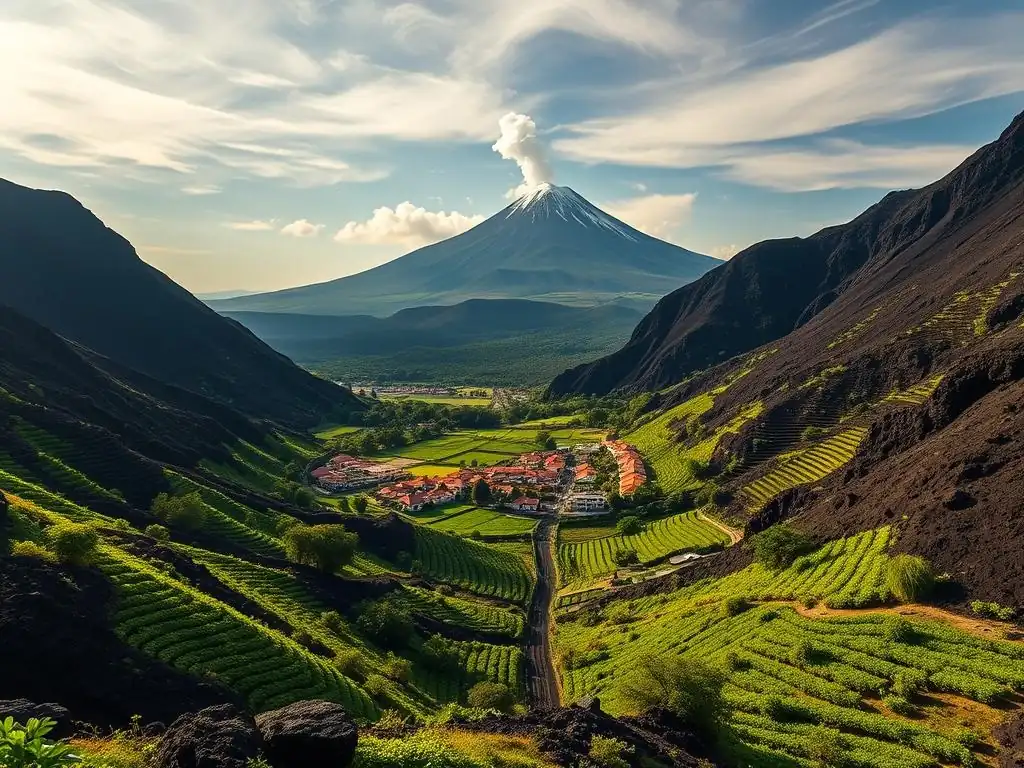
Volcanic areas, while posing hazards, also offer significant economic benefits, particularly in geothermal energy production. Volcanic regions are often rich in geothermal resources, which can be harnessed to generate clean and sustainable electricity and heat. Geothermal energy production creates jobs, reduces reliance on fossil fuels, and contributes to energy security. Iceland, for example, is a global leader in geothermal energy, deriving a significant portion of its electricity and heating from geothermal resources, demonstrating the economic potential of volcanic areas in this sector.
Geothermal energy projects can bring significant economic investment to volcanic regions, stimulating local economies and creating new industries. Geothermal energy is a relatively stable and reliable energy source, contributing to long-term economic sustainability. The environmental benefits of geothermal energy, including reduced greenhouse gas emissions, further enhance its economic attractiveness in a world increasingly focused on climate change mitigation.
Mineral Resources and Mining Opportunities
Volcanic regions are often rich in mineral resources, creating mining opportunities that can contribute to local and national economies. Volcanic rocks are sources of various valuable minerals, including sulfur, pumice, and precious metals like gold and silver. Mining activities in volcanic areas can generate employment, revenue, and export earnings. However, mining must be conducted sustainably and with careful environmental management to minimize negative impacts on volcanic landscapes and ecosystems.
Pumice mining, for example, is a significant industry in some volcanic regions, providing materials for construction, horticulture, and other applications. Sulfur mining has historically been important in volcanic areas, although its economic significance has declined in recent decades. Exploration for and extraction of precious metals in volcanic regions can be economically lucrative but also carries environmental risks that must be carefully managed. Responsible and sustainable mining practices can harness the mineral wealth of volcanic areas while minimizing environmental damage.
Fertile Soils for Agriculture in Volcanic Regions
Paradoxically, volcanic eruptions can, over time, contribute to fertile soils that support agriculture in volcanic regions. Volcanic ash, when weathered, breaks down into nutrient-rich minerals that enrich soils, enhancing their fertility. Volcanic soils are often particularly fertile for certain types of crops, contributing to agricultural productivity in volcanic areas. Regions like Java in Indonesia and parts of Italy are known for their fertile volcanic soils that support intensive agriculture and high population densities.
The long-term benefits of volcanic ash deposition for soil fertility can outweigh the short-term agricultural losses caused by eruptions. However, the process of soil formation from volcanic ash is slow, taking decades or centuries. Sustainable agricultural practices in volcanic regions should take advantage of the inherent soil fertility while also managing the risks associated with volcanic hazards, such as ashfall and lahars. The long-term agricultural potential of volcanic soils is an important economic benefit of volcanic areas.
Balancing Economic Development and Volcanic Risk
Sustainable Development Strategies for Volcanic Regions
Balancing economic development and volcanic risk requires implementing sustainable development strategies specifically tailored to volcanic regions. Sustainable development in these areas must prioritize risk reduction, community resilience, and long-term economic diversification. This involves integrating volcanic hazard considerations into all aspects of development planning, from infrastructure projects to tourism initiatives. Promoting economic activities that are less vulnerable to volcanic hazards, such as geothermal energy, sustainable agriculture, and volcano tourism, can enhance long-term economic stability.
Sustainable development strategies should also focus on environmental protection and conservation of volcanic landscapes and ecosystems. Volcanic areas are often biodiversity hotspots and possess unique geological features that are valuable for conservation and tourism. Balancing economic development with environmental sustainability is crucial for the long-term well-being of volcanic regions and their communities.
Community Resilience and Economic Diversification
Building community resilience and promoting economic diversification are key to mitigating the economic impact of volcanic eruptions and fostering sustainable development in volcanic regions. Community resilience refers to the ability of communities to withstand, adapt to, and recover from volcanic hazards. This involves strengthening social networks, enhancing community preparedness, and promoting local capacity building. Economic diversification reduces reliance on single industries that may be particularly vulnerable to volcanic disruptions, creating a more robust and resilient local economy.
Economic diversification strategies can include developing new industries, supporting small and medium-sized enterprises, and promoting education and skills training in diverse sectors. Investing in community infrastructure, such as schools, healthcare facilities, and communication networks, enhances both resilience and economic opportunity. Empowering local communities to participate in decision-making processes related to volcanic risk management and development planning is essential for building long-term resilience and sustainability.
Conclusion: The Complex Economic Landscape of Volcanic Eruptions
The economic landscape of volcanic eruptions is complex and multifaceted, encompassing immediate destruction, long-term repercussions, and even unexpected opportunities. While the immediate economic impact of lava flows and other volcanic hazards can be devastating, leading to property loss, infrastructure damage, and business disruption, the long-term economic consequences are shaped by a combination of factors, including recovery efforts, mitigation strategies, and the inherent economic potential of volcanic regions.
Understanding this complex landscape is crucial for developing effective policies and strategies to minimize the negative economic impacts of volcanic eruptions and foster sustainable development in volcanic areas. By embracing proactive risk management, investing in community resilience, and capitalizing on the unique economic opportunities offered by volcanic landscapes, it is possible to navigate the challenges and harness the potential of these dynamic and powerful natural forces.
Frequently Asked Questions
What are the immediate economic impacts of lava flows?
The immediate impacts are primarily destruction of infrastructure such as homes, roads, and businesses. This leads to significant financial losses for property owners and local economies, as well as displacement of populations.
How can lava flows affect agriculture and tourism?
Lava flows can bury agricultural land, rendering it unusable for years or even permanently. Tourism can be both negatively and positively impacted; initially, there's a decline due to the destruction, but later, volcano tourism can emerge.
What long-term economic consequences follow a major lava flow event?
Long-term effects include reduced property values, population migration away from affected areas, and strain on government resources for rebuilding and providing aid. The overall economic recovery can take years, if not decades.
How can communities mitigate the economic impact of lava flows?
Mitigation strategies involve land-use planning to restrict development in high-risk zones, building protective structures like lava barriers, and investing in early warning systems for timely evacuations.
Does the economic impact of lava flows extend beyond the immediate region?
Yes, disruption to supply chains, especially if critical infrastructure or resources are affected, can have broader regional or even national economic implications. Additionally, insurance companies bear significant financial burdens.
Final Reflection: Embracing Resilience in the Face of Volcanic Fury
The preceding analysis has painted a stark picture of the economic impact of lava flows, moving beyond the immediate devastation to reveal the complex and often long-lasting ripple effects on communities and economies. While the destructive power of molten rock is undeniable, understanding these impacts is crucial not just for disaster relief, but for proactive planning and fostering resilience in vulnerable regions.
The enduring influence of volcanic events on the cultural and social fabric of affected areas is profound. Witnessing communities rebuild and adapt after such catastrophic events underscores the indomitable spirit of humanity and the importance of sustainable development strategies that account for geological risks. The only way to do great work is to love what you do.
This sentiment, though not directly about lava flows, speaks to the dedication and passion required to overcome adversity and rebuild a thriving future in the shadow of a volcano.
As we conclude this exploration of the economic impact of lava flows, consider how the lessons learned can be applied to other areas of risk management and community resilience. Let us strive to build a world where communities are not just reactive to disasters, but proactive in mitigating their impact, fostering sustainable growth, and embracing the power of human ingenuity to overcome even the most formidable challenges.
Uncover Your Role in Volcano Preparedness!
Thank you for delving into the economic impact of lava flows with us. Now that you understand the complexities beyond the immediate destruction, it's time to consider how you can contribute to resilience and preparedness. Let's turn knowledge into action!
- Report Unmapped Areas: Have you noticed areas where lava flows aren't accurately mapped? Submit your observations to local authorities to help improve risk assessments.
- Learn about local volcano preparedness initiatives. Many communities have established groups focusing on safety and mitigation.
- Share this article with your friends and family to raise awareness about the long-term economic consequences of volcanic activity.
What simple preparedness step will you take today to ensure you and your community are ready?