
Beyond the Lava Flow: Hidden Dangers Your Community Volcano Plan Must Address

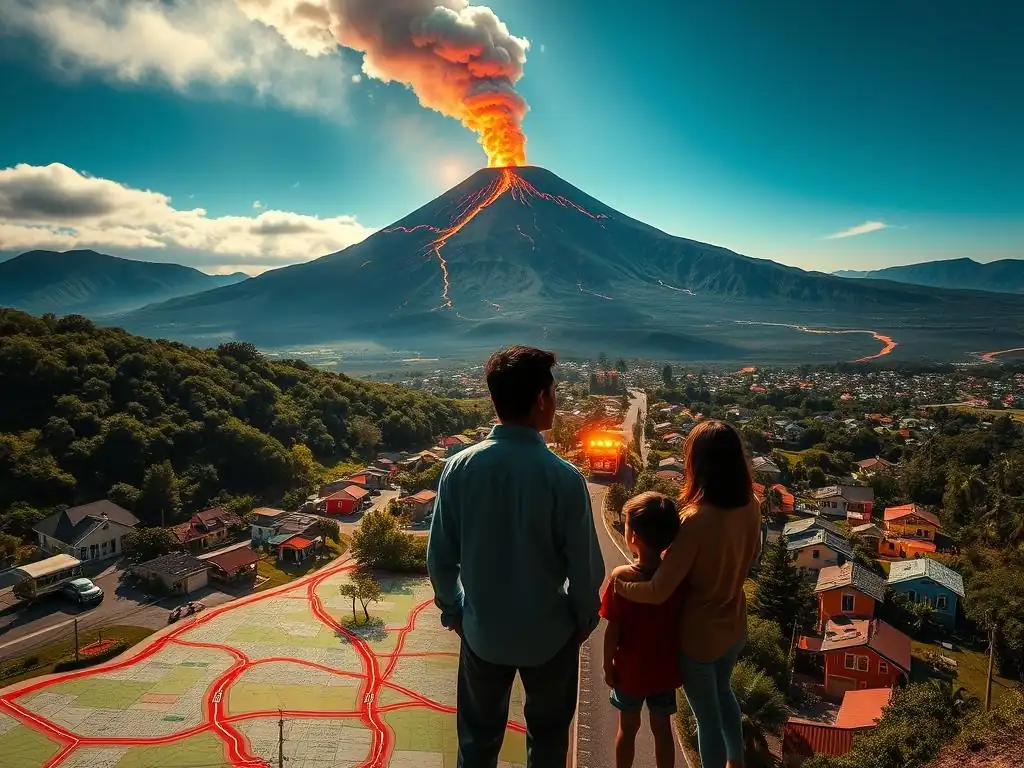
Welcome to Volcano Explorers, where we uncover the Earth's fiery secrets. Ever wondered what really goes into Community Volcano Safety Planning? It's more than just dodging lava. We're about to reveal the hidden dangers your community plan must address. Are you prepared for the unseen threats lurking beneath the surface?
- Understanding Community Volcano Safety Planning: More Than Just Lava
- Hidden Volcano Hazards: What Your Community Plan Might Be Missing
- Strengthening Your Community Volcano Safety Planning
- Case Study: Mount Rainier Communities Mitigating Lahar Risks
- Conclusion: Prioritizing Comprehensive Community Volcano Safety
-
Frequently Asked Questions
- What are the most overlooked dangers in community volcano safety planning, beyond the obvious lava flows?
- How can a community effectively integrate real-time volcanic activity updates into their existing safety plan?
- Why is it important to consider long-term impacts, like economic disruption, in volcano safety planning?
- What role should education play in building a robust community volcano safety plan?
- How can communities ensure their volcano safety plan is inclusive and addresses the needs of all residents?
- Final Reflection: Embracing Preparedness in the Shadow of the Volcano
- Strengthen Your Defenses: Protect Your Community Today!
Understanding Community Volcano Safety Planning: More Than Just Lava
Why Comprehensive Volcano Preparedness is Crucial for Your Community
Volcanoes, often perceived primarily as sources of lava flows, present a far broader spectrum of hazards that necessitate comprehensive community volcano safety planning. While the dramatic imagery of rivers of molten rock is certainly a real threat in some volcanic eruptions, it is crucial for communities residing near volcanoes to understand that lava flows are often slower-moving and less of an immediate life-threatening danger compared to other volcanic phenomena.
Comprehensive preparedness acknowledges that volcanic eruptions are complex events that can unleash a cascade of hazardous processes capable of impacting communities in diverse and devastating ways. Effective community volcano safety planning must move beyond a singular focus on lava, encompassing all potential hazards to ensure the safety and resilience of the population.
A holistic approach to volcano preparedness is not merely about reacting to an eruption but proactively mitigating risks before, during, and after volcanic activity. This involves understanding the specific threats posed by the local volcano, such as ashfall, lahars, pyroclastic flows, and volcanic gases, and developing tailored strategies to minimize their impact.
For instance, communities near stratovolcanoes, known for explosive eruptions, must prioritize preparedness for ashfall and pyroclastic flows, while those near volcanoes prone to landslides need to focus on lahar mitigation. Moreover, effective planning requires the active participation of all community members, from residents and local businesses to emergency services and government agencies, ensuring a coordinated and well-informed response to any volcanic crisis.
The Limitations of Traditional Volcano Evacuation Plans
Traditional volcano evacuation plans often center around the most visually dramatic and perhaps intuitively understood hazard: lava flows. These plans typically outline evacuation routes based on anticipated lava flow paths, often focusing on areas downslope from the volcano's vents.
While crucial, this singular focus can create a dangerous gap in preparedness, overlooking the more pervasive and faster-acting threats that can accompany volcanic eruptions. Over-reliance on lava-centric evacuation plans can lead to inadequate preparation for hazards like widespread ashfall, which can blanket entire regions irrespective of topographic flow paths, or fast-moving lahars that can inundate valleys far from the volcano's cone, potentially leaving communities vulnerable and unprepared for the actual unfolding volcanic crisis.
Furthermore, traditional evacuation plans may sometimes underestimate the cascading effects of volcanic eruptions. For example, an eruption can trigger secondary hazards such as earthquakes or landslides, which in turn can damage infrastructure and disrupt evacuation routes, rendering pre-planned pathways unusable.
The eruption of Mount St. Helens in 1980 demonstrated the devastating power of lateral blasts and debris avalanches, hazards not typically considered in traditional lava-focused plans, which drastically reshaped the landscape and highlighted the need for more comprehensive risk assessments. Therefore, modern community volcano safety planning must evolve beyond simplistic lava evacuation scenarios to address the full spectrum of potential volcanic threats and their interconnected impacts, ensuring a more robust and adaptable community response strategy.
Ashfall: The Silent Threat to Infrastructure and Health
Volcanic ash, seemingly innocuous fine particles of pulverized rock and glass, poses a significant yet often underestimated threat during volcanic eruptions. Unlike the fiery spectacle of lava flows, ashfall is a widespread, silent hazard that can blanket vast areas downwind from a volcano, impacting communities far beyond the immediate volcanic zone. The sheer volume of ash ejected during even moderate eruptions can be staggering.
For example, the 2010 eruption of Eyjafjallajökull in Iceland, while relatively small in volcanic explosivity index, grounded air traffic across Europe due to the extensive ash cloud it produced, demonstrating the far-reaching disruptive potential of ashfall. Community volcano safety plans must therefore prioritize ashfall preparedness, recognizing its capacity to disrupt daily life, damage infrastructure, and pose serious health risks.
The impacts of ashfall are multifaceted. The weight of accumulated ash can cause roofs to collapse, particularly flat roofs common in commercial and industrial buildings. Just a few inches of wet ash can add significant weight, exceeding the structural load capacity of many buildings. Furthermore, ash is abrasive and can damage machinery, including vehicles and aircraft engines. Power outages are common as ash contaminates insulators and causes short circuits.
Water supplies can be contaminated by ash, and sewage systems can become clogged. Beyond infrastructure, ashfall poses serious respiratory health risks, especially to vulnerable populations like children, the elderly, and those with pre-existing respiratory conditions. The fine particles can irritate the airways and lungs, exacerbating asthma and bronchitis. Community volcano safety plans must address these diverse impacts, incorporating measures for infrastructure protection, public health guidance, and post-ashfall cleanup and recovery strategies.
Long-Term Effects of Volcanic Ash on Agriculture and Water Supplies
The immediate disruptions caused by volcanic ashfall are often apparent, but the long-term consequences for agriculture and water supplies can be equally, if not more, devastating for communities. Agricultural lands can suffer for years after a significant ashfall event. While a thin layer of ash can sometimes act as a fertilizer in the very long term due to its mineral content, the immediate impact is overwhelmingly negative.
Heavy ashfall can smother crops, block sunlight essential for photosynthesis, and contaminate grazing lands, rendering them unusable for livestock. The abrasive nature of ash can also damage crops directly, and fluoride in volcanic ash can poison livestock if ingested in sufficient quantities over time. Recovery of agricultural productivity can take years, impacting food security and local economies.
Water supplies, both surface and groundwater, are also vulnerable to long-term contamination from volcanic ash. Ash can acidify water sources, increasing the leaching of heavy metals from the surrounding rocks and soil into the water. This contamination can make water unsafe for drinking and agricultural use, requiring extensive treatment or the development of alternative water sources.
Furthermore, ashfall can damage water infrastructure, such as pipelines and reservoirs, necessitating costly repairs and replacements. The long-term effects on water quality and quantity can have profound implications for public health, agriculture, and the overall sustainability of communities affected by volcanic ash. Community volcano safety planning must therefore include strategies for long-term monitoring of water quality, agricultural recovery support, and diversification of food and water resources to build resilience against the protracted impacts of ashfall.
Protecting Respiratory Health During Ashfall Events
Protecting respiratory health during ashfall events is paramount for community safety. Volcanic ash is composed of fine particles that are easily inhaled and can cause significant respiratory irritation and exacerbate pre-existing conditions. Community volcano safety plans must prioritize clear and effective public health messaging to guide residents on how to minimize ash inhalation. This messaging should emphasize staying indoors, closing windows and doors, and sealing any gaps to prevent ash from entering homes.
Public service announcements, utilizing radio, television, and online platforms, are crucial for disseminating this information widely and rapidly. Distribution of respiratory protection, such as N95 or P100 respirators, is also a vital component of preparedness, particularly for vulnerable populations and essential workers who must be outdoors. However, proper training on the correct use of respirators is essential to ensure their effectiveness.
Beyond immediate protection during ashfall, community health services need to be prepared for a surge in respiratory illnesses. Hospitals and clinics should stock up on medications for respiratory conditions and have plans in place to manage increased patient volumes. Public health campaigns should also educate residents on recognizing symptoms of ash inhalation and when to seek medical attention.
Furthermore, long-term health monitoring may be necessary, especially for individuals with prolonged exposure to volcanic ash, to assess and manage potential chronic respiratory issues. Community volcano safety planning should integrate public health agencies into emergency response frameworks, ensuring a coordinated approach to protect respiratory health before, during, and after ashfall events.
Lahars: Deadly Mudflows and Debris Flows
Lahars, Indonesian terms for volcanic mudflows or debris flows, are among the most destructive and deadly volcanic hazards. These are rapidly flowing mixtures of water, rock, sand, and silt that originate from the slopes of volcanoes. Lahars can be triggered by various mechanisms, including heavy rainfall eroding loose volcanic deposits on steep slopes, melting snow and ice during eruptions, or the breakout of crater lakes.
They are not necessarily associated with active eruptions; rainfall on volcanic debris long after an eruption can still generate lahars. The Nevado del Ruiz eruption in Colombia in 1985 tragically demonstrated the devastating power of lahars, where a relatively small eruption melted summit ice, generating lahars that buried the town of Armero, killing over 25,000 people. Community volcano safety plans in lahar-prone areas must prioritize hazard assessment, warning systems, and evacuation strategies specific to these fast-moving flows.
Lahars are characterized by their high speed and density, making them capable of immense destruction. They can travel at speeds exceeding 50 kilometers per hour and behave like a rapidly flowing wall of concrete, capable of bulldozing buildings, destroying infrastructure, and burying valleys under meters of mud and debris. Their path is often dictated by existing river valleys and drainage systems, making these areas particularly vulnerable.
The volume of material transported by lahars can be enormous, reshaping landscapes and altering river courses. Effective community volcano safety planning requires detailed mapping of potential lahar pathways, identifying areas at high risk, and establishing clear evacuation zones. Furthermore, community infrastructure, such as bridges and buildings, should be designed or retrofitted to withstand lahar impacts where possible, or located outside of high-risk zones.
Identifying Lahar Zones and Establishing Warning Systems
Identifying lahar zones and establishing effective warning systems are critical components of community volcano safety planning in lahar-prone areas. Lahar hazard mapping involves detailed geological and hydrological assessments to delineate areas susceptible to inundation by lahars. This mapping considers factors such as volcano topography, drainage patterns, the volume of loose volcanic deposits, and historical lahar pathways.
Geological surveys, analysis of past lahar events, and computer modeling are used to create hazard maps that identify high-risk zones and potential lahar flow routes. These maps are essential for land-use planning, infrastructure development, and evacuation planning, guiding communities in making informed decisions about where to build and how to prepare.
Once lahar hazard zones are identified, establishing a reliable warning system is paramount to providing communities with sufficient time to evacuate. Lahar warning systems typically involve a network of monitoring instruments, such as seismic sensors, rain gauges, and flow detectors, strategically placed on the volcano and in downstream areas. These instruments detect the onset of lahar-triggering events, such as increased rainfall or seismic activity, and the passage of lahars themselves.
Data from these instruments are transmitted to volcano observatories or emergency management centers for real-time analysis. Upon detection of a lahar or conditions that could generate one, a warning is issued to downstream communities through various communication channels, including sirens, radio broadcasts, text alerts, and social media. The effectiveness of a lahar warning system relies on its speed, reliability, and the community's understanding of warning signals and evacuation procedures.
Community-Based Lahar Monitoring Programs
While sophisticated scientific monitoring is crucial, community-based lahar monitoring programs can significantly enhance early warning capabilities and foster local ownership of volcano safety. These programs involve training local residents to observe and report signs of lahar activity, such as changes in river flow, unusual noises, or the presence of mudflows. Community monitors, often living in or near lahar-prone areas, can act as "eyes and ears" on the ground, providing valuable real-time information that complements instrumental monitoring.
They can be trained to use simple tools, like river gauges or visual observation techniques, to detect and report lahar events quickly. This local knowledge and immediate reporting can be particularly valuable in remote areas where instrumental monitoring may be limited or communication infrastructure is less reliable.
Community-based monitoring programs also play a vital role in raising awareness and promoting preparedness within the community. By actively participating in monitoring efforts, residents gain a deeper understanding of lahar hazards, warning systems, and evacuation procedures. This increased awareness fosters a culture of preparedness and empowers communities to take proactive steps to protect themselves.
Furthermore, community involvement in monitoring can build trust and strengthen communication between scientists, emergency managers, and local populations, leading to more effective and coordinated volcano safety planning and response. Successful examples of community-based monitoring programs in countries like Indonesia and the Philippines demonstrate the valuable contribution of local participation to enhancing lahar early warning and community resilience.
Pyroclastic Flows and Surges: Understanding the Unpredictable
Pyroclastic flows and surges are among the most dangerous and unpredictable volcanic hazards, representing superheated mixtures of gas, ash, and rock fragments that travel at extremely high speeds down volcanic slopes. Unlike lahars, which are water-rich, pyroclastic flows and surges are primarily gas-driven and can be generated during explosive eruptions, dome collapses, or column collapses. They are characterized by their searing temperatures, often exceeding several hundred degrees Celsius, and their high velocity, sometimes reaching speeds of hundreds of kilometers per hour.
The 1902 eruption of Mount Pelée in Martinique tragically demonstrated the devastating power of pyroclastic flows, where a surge destroyed the city of Saint-Pierre, killing an estimated 30,000 people in minutes. Community volcano safety plans in areas prone to explosive volcanism must prioritize understanding these hazards, establishing early warning systems, and developing effective evacuation strategies for pyroclastic flow zones.
Pyroclastic flows are denser and more confined to valleys and topographic depressions, while pyroclastic surges are more dilute and can overtop ridges and spread more widely. Both pose extreme hazards due to their heat, speed, and destructive force. The intense heat can incinerate everything in their path, and the force of impact can demolish buildings and strip landscapes bare.
The inhalation of hot, ash-laden gas is instantly lethal. Pyroclastic flows and surges can travel considerable distances from the volcano, reaching communities located several kilometers away within minutes of eruption onset.
Their unpredictable nature stems from the complex dynamics of volcanic eruptions and the influence of topography on their flow paths. Effective community volcano safety planning requires a thorough understanding of pyroclastic flow and surge behavior, hazard mapping of potential flow paths, and robust early warning systems to provide communities with the shortest possible time to evacuate from these extremely hazardous zones.
The Importance of Early Warning Systems for Pyroclastic Events
Given the speed and lethal nature of pyroclastic flows and surges, early warning systems are absolutely critical for saving lives in communities at risk. These systems rely on a combination of real-time monitoring of volcanic activity and rapid communication to at-risk populations. Seismic monitoring is a primary tool, detecting the onset of volcanic eruptions and changes in volcanic unrest that may precede explosive events.
Gas monitoring, particularly of sulfur dioxide and other volcanic gases, can also provide early indications of escalating volcanic activity. Deformation monitoring, using GPS and satellite techniques, tracks ground swelling or tilting that can signal magma movement and potential eruption. Data from these monitoring networks are continuously analyzed at volcano observatories to detect changes in volcanic behavior and assess the likelihood of pyroclastic flow-generating eruptions.
Upon detection of precursory signals or the onset of an eruption likely to produce pyroclastic flows, rapid communication of warnings to at-risk communities is essential. Warning systems utilize various channels, including sirens, radio and television broadcasts, text message alerts, and social media platforms, to disseminate urgent evacuation orders. The speed and clarity of warning messages are crucial, as communities may have only minutes to react and evacuate.
Regular drills and community education programs are vital to ensure that residents understand warning signals, evacuation routes, and safety procedures. The success of early warning systems for pyroclastic events hinges on a combination of robust scientific monitoring, rapid and reliable communication, and well-prepared and responsive communities.
Evacuation Strategies for Pyroclastic Flow Zones
Evacuation strategies for pyroclastic flow zones must be carefully planned and practiced, considering the extremely short timeframe available for response. Vertical evacuation, seeking refuge in reinforced buildings designed to withstand pyroclastic flow impacts, is generally not recommended for pyroclastic flows due to their immense destructive power and heat. Horizontal evacuation, moving away from the volcano and out of designated hazard zones, is the primary strategy.
Evacuation plans must identify safe evacuation routes, assembly points outside of pyroclastic flow hazard zones, and transportation arrangements for residents who may not have their own vehicles. Evacuation routes should be clearly marked and maintained, and alternative routes should be identified in case primary routes are blocked or become hazardous.
Community evacuation drills are essential for testing evacuation plans, identifying weaknesses, and ensuring that residents are familiar with procedures. Drills should simulate realistic scenarios, including different eruption onset times and potential road closures. Post-drill evaluations are crucial for identifying areas for improvement and refining evacuation plans.
Furthermore, evacuation strategies must consider the needs of vulnerable populations, such as the elderly, disabled, and those with limited mobility, ensuring that they have access to assistance and transportation during evacuations. Effective evacuation planning for pyroclastic flow zones requires a collaborative effort between scientists, emergency managers, local authorities, and community members, ensuring a well-coordinated and practiced response to these extremely dangerous volcanic hazards.
Volcanic Gases: The Invisible Danger
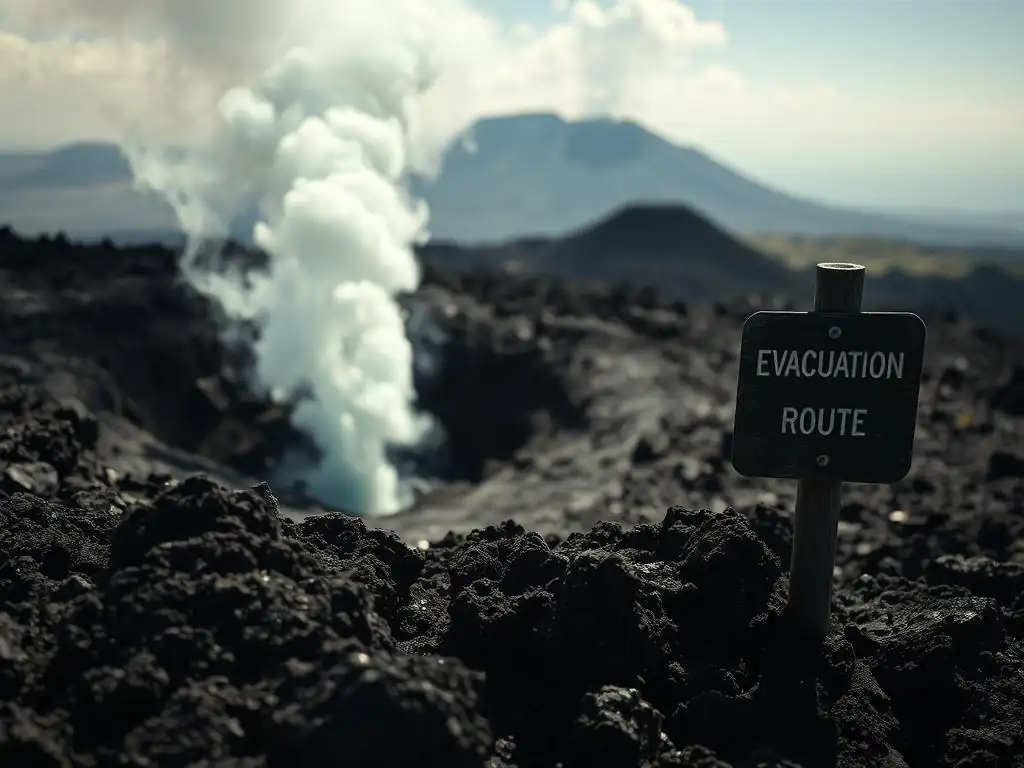
Volcanic gases, often invisible and odorless in low concentrations, pose a significant and often overlooked danger to communities near volcanoes. While dramatic eruptions are visually striking, the continuous or intermittent release of volcanic gases, even during periods of volcanic quiescence, can have chronic health impacts and create hazardous conditions. The primary volcanic gases of concern are sulfur dioxide (SO2), carbon dioxide (CO2), hydrogen sulfide (H2S), and hydrogen fluoride (HF).
The 1986 Lake Nyos disaster in Cameroon, where a massive release of CO2 from the lake suffocated over 1,700 people, tragically illustrates the lethal potential of volcanic gases. Community volcano safety planning must address the risks associated with volcanic gas emissions, including monitoring, mitigation, and public education.
Sulfur dioxide (SO2) is a pungent gas that irritates the respiratory system and eyes, exacerbating asthma and other respiratory conditions. Prolonged exposure to SO2 can lead to chronic respiratory problems. Carbon dioxide (CO2) is odorless and colorless, and in high concentrations, it can displace oxygen, leading to asphyxiation. Lower concentrations can cause headaches, dizziness, and increased respiration.
Hydrogen sulfide (H2S) has a characteristic "rotten egg" smell and is toxic at higher concentrations, causing respiratory irritation, nausea, and even death. Hydrogen fluoride (HF) is highly corrosive and can cause severe burns and respiratory damage. Volcanic gases can also contribute to acid rain, damaging vegetation, infrastructure, and water quality. Community volcano safety planning must incorporate strategies for monitoring gas emissions, mitigating potential impacts, and educating residents about the risks and protective measures.
Monitoring and Mitigation of Volcanic Gas Emissions (e.g., Sulfur Dioxide)
Monitoring volcanic gas emissions is essential for assessing volcanic activity, forecasting potential eruptions, and protecting public health. Volcano observatories employ various techniques to monitor gas emissions, including ground-based instruments, such as spectrometers and gas sensors, and satellite-based remote sensing. These methods measure the concentration and flux of volcanic gases, providing valuable data on the volcano's degassing behavior.
Sulfur dioxide (SO2) is often a key gas to monitor, as its emission rates can increase significantly before eruptions. Real-time monitoring data are used to track changes in gas emissions, assess potential hazards, and issue warnings to communities if gas concentrations reach dangerous levels.
Mitigation of volcanic gas impacts can involve various strategies. For SO2, public health advisories can be issued when concentrations are elevated, recommending that vulnerable populations stay indoors and avoid strenuous activity. In areas with chronic gas exposure, air quality monitoring networks can provide real-time information to residents.
For CO2 accumulation in low-lying areas or depressions, ventilation measures, such as fans or natural airflow enhancement, can be implemented to disperse the gas. In industrial or geothermal areas where volcanic gases are utilized or released, engineering controls and safety protocols are necessary to minimize worker exposure and prevent accidental releases. Community volcano safety planning should integrate gas monitoring data into public health and emergency response frameworks, ensuring timely warnings and mitigation measures to protect residents from the invisible danger of volcanic gases.
Educating the Community on the Risks of Volcanic Gases
Educating the community on the risks of volcanic gases is crucial for promoting awareness and protective behaviors. Many residents may be unaware of the potential hazards associated with these invisible gases, especially during periods of volcanic quiescence. Public education campaigns should utilize various communication channels, including brochures, websites, community meetings, and school programs, to disseminate information about volcanic gas risks, symptoms of exposure, and protective measures. These campaigns should emphasize that volcanic gases can be hazardous even when no eruption is imminent and that chronic exposure can have long-term health consequences.
Educational materials should clearly explain the different types of volcanic gases, their potential health effects, and how to recognize warning signs, such as unusual smells or respiratory irritation. Protective measures, such as staying indoors during periods of elevated gas emissions, closing windows and doors, and using respirators in heavily affected areas, should be clearly communicated.
Community workshops and training sessions can provide hands-on instruction on gas detection, respirator use, and emergency response procedures. Furthermore, integrating volcanic gas safety information into school curricula and community health programs can ensure that residents are well-informed and prepared to mitigate the risks associated with these invisible volcanic hazards.
Secondary Hazards: Earthquakes, Landslides, and Tsunamis
Volcanic eruptions often trigger a cascade of secondary hazards, including earthquakes, landslides, and tsunamis, which can amplify the overall impact on communities. These secondary hazards, while not directly caused by magma eruption, are a consequence of volcanic activity and can be equally destructive and life-threatening. Earthquakes are commonly associated with volcanic activity, caused by magma movement, faulting, and volcanic explosions.
Landslides, including debris avalanches and rockfalls, can be triggered by volcanic eruptions, ground deformation, or heavy rainfall on unstable volcanic slopes. Tsunamis can be generated by submarine volcanic eruptions, caldera collapses, or large landslides entering the ocean. Community volcano safety planning must adopt a multi-hazard approach, integrating preparedness for these secondary hazards alongside direct volcanic threats.
Earthquakes associated with volcanoes can range from small tremors to strong earthquakes capable of damaging buildings and infrastructure. While volcanic earthquakes are often less powerful than tectonic earthquakes, they can still pose a significant risk, particularly to structures already weakened by ashfall or ground deformation. Landslides triggered by volcanic activity can be massive and travel long distances, burying communities and disrupting transportation routes. The 1980 Mount St. Helens eruption triggered a massive debris avalanche that dramatically reshaped the landscape.
Volcanic tsunamis, while less frequent than earthquake-generated tsunamis, can be extremely destructive, particularly to coastal communities near island volcanoes or volcanoes located near coastlines. The 1883 Krakatoa eruption generated a devastating tsunami that killed tens of thousands of people in Indonesia. Community volcano safety plans must assess the risks of these secondary hazards, develop specific preparedness measures, and integrate them into overall emergency response strategies.
Integrating Earthquake and Landslide Preparedness into Volcano Safety Plans
Integrating earthquake and landslide preparedness into volcano safety plans requires a multi-hazard risk assessment approach. This involves identifying areas susceptible to volcanic earthquakes and landslides, assessing the potential magnitude and frequency of these events, and developing mitigation and response strategies. Seismic monitoring networks used for volcano monitoring can also detect volcanic earthquakes, providing early warning of potential ground shaking.
Geological surveys and hazard mapping can delineate landslide-prone areas on volcanic slopes, considering factors such as slope steepness, rock type, and past landslide history. Land-use planning can restrict development in high-risk areas, and building codes can be strengthened to enhance earthquake and landslide resistance in volcanic regions.
Earthquake and landslide preparedness measures should be integrated into community volcano safety drills and exercises. Evacuation plans should consider potential earthquake damage to infrastructure and landslide-blocked routes, with alternative routes and assembly points identified. Emergency response plans should include search and rescue capabilities for earthquake and landslide victims, as well as medical and shelter provisions.
Public education campaigns should raise awareness about earthquake and landslide risks associated with volcanoes and promote preparedness measures, such as securing homes, developing family emergency plans, and practicing "drop, cover, and hold on" during earthquakes. A holistic multi-hazard approach ensures that community volcano safety planning addresses the full spectrum of potential risks, enhancing overall resilience to volcanic crises.
Assessing Tsunami Risks in Coastal Communities Near Volcanoes
Assessing tsunami risks in coastal communities near volcanoes is crucial for developing targeted preparedness measures. Tsunami hazard assessments involve evaluating the potential for tsunami generation from volcanic eruptions, caldera collapses, and landslides, and modeling tsunami propagation and inundation in coastal areas. Volcanoes located near coastlines or island volcanoes pose a particular tsunami risk.
Historical records of volcanic tsunamis and geological evidence of past tsunami inundation can inform hazard assessments. Computer modeling of tsunami generation and propagation can simulate different tsunami scenarios and identify areas at high risk of inundation. Tsunami hazard maps delineate coastal zones susceptible to tsunami flooding, guiding land-use planning, infrastructure development, and evacuation planning.
Tsunami warning systems are essential for coastal communities at risk from volcanic tsunamis. These systems rely on seismic and sea-level monitoring to detect potential tsunami-generating events and issue timely warnings. Tsunami sirens, broadcast alerts, and community notification systems are used to disseminate warnings to coastal populations.
Evacuation plans for tsunami-prone areas should identify safe evacuation routes to higher ground and designated assembly areas. Tsunami evacuation drills and community education programs are crucial for ensuring that residents understand tsunami warning signals, evacuation procedures, and safety measures. Coastal communities near volcanoes must integrate tsunami preparedness into their overall volcano safety planning, recognizing the potential for these devastating secondary hazards to amplify the impacts of volcanic eruptions.
Strengthening Your Community Volcano Safety Planning
Developing a Multi-Hazard Approach to Volcano Preparedness
Strengthening community volcano safety planning requires a fundamental shift towards a multi-hazard approach. This means moving beyond a singular focus on lava flows and recognizing the complex interplay of volcanic and secondary hazards that can impact communities. A multi-hazard approach acknowledges that volcanic eruptions are not isolated events but rather triggers for a cascade of potentially devastating processes.
Effective planning must consider the combined risks of ashfall, lahars, pyroclastic flows, volcanic gases, earthquakes, landslides, and tsunamis, tailoring preparedness measures to address the specific hazard profile of each volcanic region. This integrated approach ensures a more comprehensive and robust community safety strategy, capable of responding effectively to the full spectrum of volcanic threats.
Developing a multi-hazard approach begins with a comprehensive risk assessment that identifies and prioritizes all potential volcanic and secondary hazards. This assessment should consider the frequency and magnitude of past events, the geological and topographical characteristics of the region, and the vulnerability of the community and its infrastructure. Hazard maps should be developed for each identified hazard, delineating high-risk zones and potential impact areas.
Preparedness plans should then be tailored to address each hazard, with specific strategies for early warning, evacuation, mitigation, and response. Multi-hazard drills and exercises are crucial for testing the effectiveness of integrated plans and ensuring that communities are prepared for a range of volcanic scenarios. Resource allocation should also reflect the multi-hazard approach, ensuring that investments are made in monitoring systems, emergency equipment, and community education programs that address all identified risks.
Community Education and Engagement: Key to Effective Planning
Community education and engagement are not merely add-ons to volcano safety planning but rather foundational pillars for effective preparedness. Volcano safety is not solely the responsibility of scientists and emergency managers; it requires the active participation and ownership of the entire community. Educated and engaged communities are more resilient, better able to understand and respond to warnings, and more likely to adopt protective behaviors.
Effective community education programs should be tailored to the specific needs and characteristics of the local population, utilizing diverse communication channels and culturally appropriate messaging. Engagement strategies should foster a sense of shared responsibility and empower communities to become active partners in volcano safety planning and implementation.
Community education should cover a wide range of topics, including the types of volcanic hazards present in the region, early warning systems and procedures, evacuation routes and assembly points, safety measures during different types of volcanic events, and long-term recovery strategies. Educational materials should be accessible and understandable to all community members, including children, the elderly, and non-native speakers. Community meetings, workshops, school programs, and public service announcements are effective channels for disseminating information.
Engagement strategies should involve community members in the planning process, soliciting local knowledge and expertise, and incorporating community feedback into preparedness plans. Participatory planning processes build trust, foster ownership, and ensure that safety plans are relevant and effective for the specific needs of the community.
Implementing Regular Volcano Safety Drills and Exercises
Implementing regular volcano safety drills and exercises is essential for testing preparedness plans, identifying weaknesses, and building community muscle memory for emergency response. Drills are not just about practicing evacuation routes; they should simulate realistic volcanic scenarios, including different types of hazards, warning signals, and response procedures. Regular drills ensure that community members are familiar with evacuation routes, assembly points, and safety protocols, and that emergency responders are well-coordinated and prepared to act effectively. Drills also provide valuable opportunities to identify gaps in preparedness plans, communication systems, and resource allocation, allowing for continuous improvement and refinement.
Volcano safety drills should be conducted at least annually, and ideally more frequently in high-risk areas. Drills should be scenario-based, simulating specific volcanic events, such as ashfall events, lahar warnings, or pyroclastic flow threats. Drills should involve all segments of the community, including residents, schools, businesses, and emergency services.
Post-drill evaluations are crucial for identifying lessons learned, documenting successes and challenges, and developing action plans for improvement. Drill results should be used to update and refine volcano safety plans, ensuring that they remain current, relevant, and effective. Regular drills, coupled with ongoing community education, create a culture of preparedness and enhance community resilience to volcanic hazards.
Utilizing Local Knowledge and Expertise in Planning
Utilizing local knowledge and expertise in volcano safety planning is invaluable for creating effective and culturally appropriate preparedness strategies. Long-term residents of volcanic regions often possess a wealth of traditional knowledge about volcano behavior, past eruption impacts, and local environmental conditions. This local knowledge can complement scientific data and provide insights that may not be captured by conventional monitoring and hazard assessments. Incorporating local expertise into planning processes ensures that safety plans are grounded in community realities, culturally sensitive, and more likely to be accepted and implemented effectively.
Community volcano safety planning should actively seek out and incorporate local knowledge and expertise through participatory approaches. Community consultations, focus group discussions, and interviews with long-term residents can gather valuable insights into local hazard perceptions, traditional coping mechanisms, and community resources. Local residents can contribute to hazard mapping by identifying areas of past volcanic impacts or vulnerable locations.
They can also provide valuable feedback on the practicality and cultural appropriateness of proposed preparedness measures and evacuation plans. Engaging local leaders, community elders, and traditional knowledge holders in the planning process fosters trust, builds ownership, and ensures that volcano safety plans are truly community-driven and effective in protecting local populations.
Collaborating with Volcanologists and Emergency Management Agencies
Effective community volcano safety planning requires strong collaboration between volcanologists and emergency management agencies. Volcanologists provide the scientific expertise necessary to assess volcanic hazards, monitor volcanic activity, and forecast potential eruptions. Emergency management agencies are responsible for developing and implementing emergency plans, coordinating response efforts, and ensuring community preparedness.
Close collaboration between these two groups is essential for translating scientific knowledge into actionable preparedness measures and for ensuring a coordinated and effective response during volcanic crises. This partnership should be ongoing, not just during periods of volcanic unrest, to build trust, develop shared understanding, and strengthen community resilience over the long term.
Collaboration between volcanologists and emergency managers should begin with joint hazard assessments and risk communication efforts. Volcanologists should provide clear and understandable information about volcanic hazards to emergency managers and the public, translating complex scientific data into practical guidance for preparedness. Emergency managers should communicate community needs and vulnerabilities to volcanologists, ensuring that scientific research and monitoring efforts are relevant to community safety priorities.
Joint training exercises and workshops can foster mutual understanding and build working relationships between scientists and emergency responders. During volcanic crises, close coordination is essential for sharing information, making timely decisions, and implementing effective emergency response measures. This collaborative partnership strengthens both scientific monitoring and emergency management capabilities, leading to more effective community volcano safety planning and response.
Resource Allocation for Comprehensive Volcano Safety
Resource allocation is a critical factor in ensuring the effectiveness of comprehensive community volcano safety planning. Adequate resources are needed for a wide range of preparedness activities, including volcano monitoring, hazard mapping, early warning systems, community education, emergency equipment, evacuation infrastructure, and long-term recovery efforts. Resource allocation decisions should be based on a comprehensive risk assessment, prioritizing investments in areas that provide the greatest benefit for community safety and resilience. Funding for volcano safety should be viewed as a long-term investment in community well-being and sustainable development, not just as a reactive measure during volcanic crises.
Resource allocation for volcano safety should be strategically planned and diversified. Investments should be made in strengthening volcano monitoring networks, including seismic, gas, and deformation monitoring instruments, and in maintaining volcano observatories and scientific expertise. Funding is needed for hazard mapping and risk assessments, to delineate hazard zones and guide land-use planning and infrastructure development. Early warning systems require investment in communication infrastructure, siren networks, and community notification systems.
Community education programs need resources for developing educational materials, conducting workshops, and implementing drills and exercises. Emergency equipment, such as respirators, evacuation vehicles, and shelter supplies, must be procured and maintained. Long-term recovery efforts require resources for infrastructure repair, economic recovery, and community rebuilding. Adequate and sustained resource allocation across all these areas is essential for building truly comprehensive and effective community volcano safety.
Case Study: Mount Rainier Communities Mitigating Lahar Risks
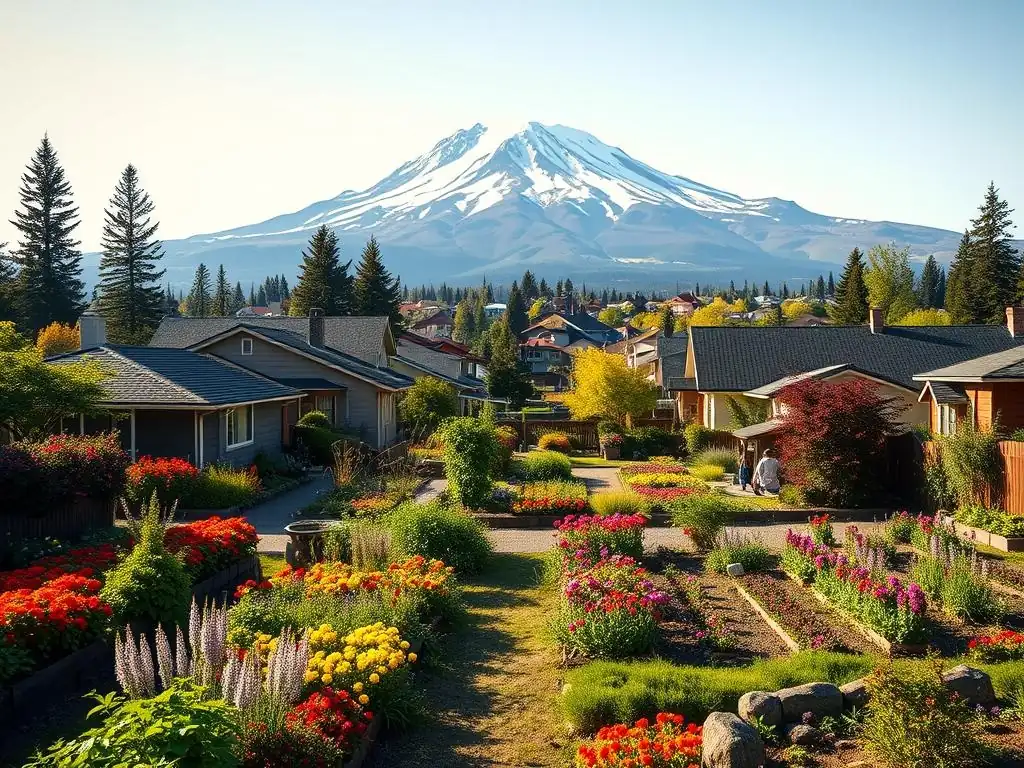
Mount Rainier, a towering stratovolcano in Washington State, USA, poses a significant lahar risk to numerous communities located in valleys radiating from its slopes, including Orting, Puyallup, and Sumner. Recognizing this long-term threat, these communities, in collaboration with the US Geological Survey (USGS) and Pierce County Emergency Management, have developed a comprehensive lahar mitigation and preparedness strategy, serving as a notable case study in proactive community volcano safety planning.
The Puyallup River valley, in particular, has a history of large lahars, and future eruptions from Mount Rainier could generate lahars that reach these communities within a short timeframe. The Mount Rainier case study highlights the importance of long-term planning, scientific collaboration, community engagement, and sustained resource allocation in effectively mitigating lahar risks.
The Mount Rainier lahar mitigation strategy is multi-faceted. It includes a sophisticated lahar detection system, consisting of seismic sensors, acoustic flow monitors, and rain gauges, which provides early warning of lahar events. This system is designed to give downstream communities valuable time to evacuate. Pierce County Emergency Management operates an extensive public education program, raising awareness about lahar hazards, evacuation routes, and warning signals through brochures, websites, community meetings, and school programs.
Regular lahar evacuation drills are conducted in schools and communities to practice emergency procedures and ensure community familiarity with evacuation routes and assembly areas. Land-use planning regulations restrict development in high-hazard lahar zones, and infrastructure projects, such as bridges and buildings, are designed to withstand potential lahar impacts. The Mount Rainier case study demonstrates a long-term commitment to lahar risk reduction through a combination of scientific monitoring, public education, emergency preparedness, and land-use management.
Lessons Learned and Best Practices for Community Volcano Safety Planning
The Mount Rainier case study, along with other examples of successful community volcano safety planning around the world, provides valuable lessons learned and best practices applicable to other volcano-prone regions. Proactive, long-term planning is essential. Volcano safety planning should not be viewed as a short-term project but rather as an ongoing process of risk assessment, preparedness building, and community engagement. Scientific collaboration is paramount.
Close partnerships between volcanologists, emergency managers, and other relevant agencies are crucial for effective hazard assessment, monitoring, and risk communication. Community engagement is key. Active participation of community members in planning processes builds ownership, fosters trust, and ensures that safety plans are relevant and effective for local needs.
Multi-hazard approaches are necessary. Volcano safety planning must address the full spectrum of volcanic and secondary hazards, not just lava flows. Early warning systems are vital. Reliable and rapid warning systems are critical for providing communities with sufficient time to react and evacuate from fast-moving hazards like lahars and pyroclastic flows. Regular drills and exercises are essential.
Drills test preparedness plans, identify weaknesses, and build community capacity for emergency response. Sustained resource allocation is crucial. Adequate and long-term funding is necessary to support monitoring systems, community education programs, and emergency preparedness infrastructure. By adopting these lessons learned and best practices, communities around the world can strengthen their volcano safety planning and build greater resilience to these powerful natural hazards.
Conclusion: Prioritizing Comprehensive Community Volcano Safety
Comprehensive community volcano safety planning is not merely a matter of reacting to eruptions; it is a proactive and ongoing commitment to protecting lives, livelihoods, and community well-being in volcanic regions. Moving beyond a narrow focus on lava flows to embrace a multi-hazard approach is essential for addressing the full spectrum of potential volcanic threats. Effective planning requires strong collaboration between scientists, emergency managers, and community members, ensuring that safety strategies are grounded in scientific knowledge, local expertise, and community needs.
Prioritizing community education, robust early warning systems, regular drills, and sustained resource allocation are critical investments in building resilience and fostering a culture of preparedness. By embracing comprehensive volcano safety planning, communities living near volcanoes can significantly reduce their vulnerability and enhance their capacity to thrive in these dynamic and potentially hazardous environments.
Frequently Asked Questions
What are the most overlooked dangers in community volcano safety planning, beyond the obvious lava flows?
Many plans focus solely on lava, but ashfall poses a significant threat to infrastructure and health. Other overlooked dangers include lahars (mudflows) and volcanic gas emissions.
How can a community effectively integrate real-time volcanic activity updates into their existing safety plan?
Leverage official sources like the USGS Volcano Hazards Program and local emergency management agencies. Establish clear communication channels, such as siren systems and community alert networks.
Why is it important to consider long-term impacts, like economic disruption, in volcano safety planning?
Volcanic eruptions can cause widespread economic damage affecting agriculture, tourism, and infrastructure. Planning for financial recovery and alternative income streams is crucial for long-term resilience.
What role should education play in building a robust community volcano safety plan?
Community members need to understand volcanic hazards, evacuation routes, and emergency procedures. Educational programs can reduce panic and promote informed decision-making.
How can communities ensure their volcano safety plan is inclusive and addresses the needs of all residents?
Plans should consider the needs of vulnerable populations, including the elderly, disabled, and those with limited access to resources. Translation of materials and culturally sensitive communication are also essential.
Final Reflection: Embracing Preparedness in the Shadow of the Volcano
The lessons explored within this article, concerning comprehensive Community Volcano Safety Planning, are not merely academic exercises. They are vital imperatives, particularly in a world increasingly aware of the unpredictable power of nature and the vulnerability of communities nestled near active volcanoes. Ignoring the hidden dangers, the subtle yet critical aspects of emergency preparedness, is to gamble with lives and livelihoods.
The ongoing influence of volcanic activity on communities around the globe is undeniable, shaping not only landscapes but also the very fabric of social resilience. My hope is that this article serves as a catalyst for deeper community engagement and proactive planning. By failing to prepare, you are preparing to fail.
- Benjamin Franklin. This quote underscores the fundamental truth that preparedness is not an option, but a necessity for those living in the shadow of a volcano.
Now, as you reflect on the information presented, consider the role you can play in strengthening your own community's volcano safety plan. Take the initiative to engage with local authorities, participate in emergency drills, and advocate for comprehensive preparedness measures. The time to act is not after the eruption, but now, ensuring a safer and more resilient future for all.
Okay, I understand. Here's a draft Call to Action (CTA) based on the article title "Beyond the Lava Flow: Hidden Dangers Your Community Volcano Plan Must Address" for the website "Volcano Explorers" with the domain volcanoexplorers.org:
Strengthen Your Defenses: Protect Your Community Today!
Thank you for exploring the hidden dangers of volcanic activity and understanding the importance of comprehensive community volcano plans. Now that you're equipped with this crucial knowledge, it's time to transform awareness into action!
Here are a few steps you can take right now to contribute to a safer future for your community:
- Contact your local emergency management agency TODAY. Ask them about their current volcano preparedness plan and offer to help strengthen it with the insights you've gained from this article.
- Share this article with neighbors, family, and friends. Let's ensure everyone in your community is informed and ready to respond effectively.
- Brainstorm creative ways to improve community communication during a volcanic event. Could a local amateur radio club or a simple neighborhood alert system make a difference?
What specific hidden danger inspired you to take action today, and what concrete step are you planning to take first?