
Seismic Shadows: Unveiling Hidden Magma Reservoirs Beneath Volcanoes

Welcome to Volcano Explorers!
Dare to peer beneath the surface? Join us as we venture into the heart of volcanic mysteries, starting with a groundbreaking exploration of the hidden magma reservoirs that fuel these fiery giants. What secrets lie concealed within the Earth's fiery depths, and how do these unseen chambers dictate the fate of eruptions? Prepare to uncover the seismic shadows and delve into the science that's rewriting our understanding of volcanoes. Ready to discover the invisible forces that shape our world?
- Introduction: Exploring Magma Reservoirs Beneath Volcanoes with Seismic Waves
-
Frequently Asked Questions
- What are hidden magma reservoirs and why are they important to study?
- How do scientists use seismic shadows to locate hidden magma reservoirs?
- What role does magma composition play in the formation of hidden magma reservoirs volcanoes?
- Why are some magma reservoirs "hidden" and difficult to detect?
- What are the potential dangers associated with hidden magma reservoirs?
- Final Reflection: Echoes of the Earth's Secrets
- Unearth Your Inner Volcanologist!
Introduction: Exploring Magma Reservoirs Beneath Volcanoes with Seismic Waves
The Importance of Understanding Magma Reservoirs for Volcano Monitoring
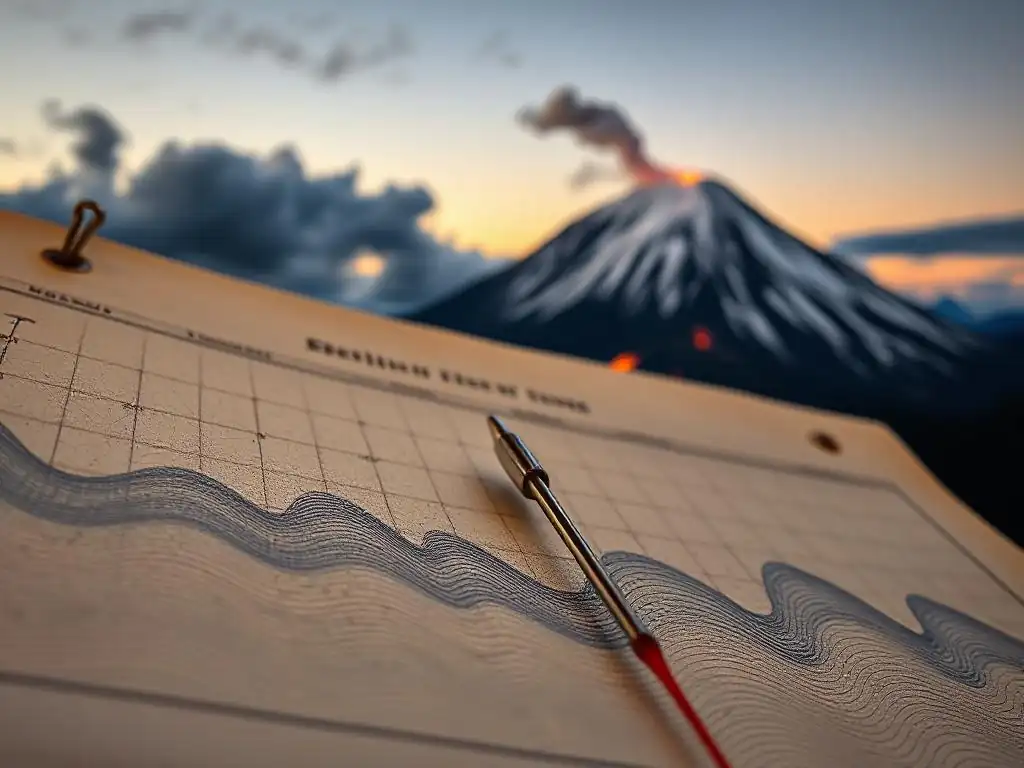
Magma reservoirs are the heart of a volcano, acting as vast underground chambers where molten rock accumulates before eruptions. Understanding these hidden magma reservoirs is paramount for effective volcano monitoring and hazard assessment. The size, depth, shape, and internal pressure of a magma reservoir directly influence the style and intensity of volcanic eruptions.
For instance, a large, shallow magma reservoir might indicate the potential for a large explosive eruption, while changes in the reservoir's pressure can signal an impending eruption. By studying these reservoirs, volcanologists can improve eruption forecasting, allowing for timely evacuations and mitigation strategies for communities living near active volcanoes.
Furthermore, the characteristics of magma reservoirs provide insights into the broader volcanic system and its evolution. The composition of magma stored in these reservoirs reflects the processes occurring deep within the Earth's mantle and crust. Monitoring changes in the magma reservoir over time can reveal how a volcano is evolving, whether it is becoming more or less active, and the potential for future volcanic events.
This long-term perspective is crucial for understanding volcanic hazards and managing risks associated with living in volcanically active regions. Accurate knowledge of hidden magma reservoirs volcanoes is therefore indispensable for both short-term eruption forecasting and long-term volcanic hazard assessment.
Seismic Shadows: A Powerful Tool for Volcano Explorers
Seismic waves, naturally occurring vibrations that travel through the Earth, are invaluable tools for probing the Earth's interior, including the regions beneath volcanoes. Among the various seismic phenomena, seismic shadows offer a particularly powerful method for "seeing" hidden magma reservoirs. Just as a shadow is cast when light is blocked by an object, seismic shadows occur when seismic waves are impeded or altered by subsurface structures. In the context of volcanoes, magma reservoirs, with their unique physical properties, can create distinct seismic shadows.
The principle behind using seismic shadows to detect hidden magma reservoirs volcanoes lies in the contrasting properties of magma compared to the surrounding solid rock. Molten rock is typically less dense and hotter than the surrounding crust, and crucially, it significantly slows down seismic waves. When seismic waves encounter a magma reservoir, they are attenuated (weakened) and their velocity decreases.
By carefully analyzing the patterns of seismic wave propagation, particularly the areas where seismic energy is reduced or delayed – the seismic shadows – volcanologists can infer the location, size, and even some properties of these subsurface magma chambers. This technique provides a non-invasive way to explore the hidden architecture of volcanoes, offering crucial information that is otherwise inaccessible.
Frequently Asked Questions
Hidden magma reservoirs are underground pools of molten rock that feed volcanoes. Studying them is crucial for understanding eruption dynamics and improving hazard assessments.
Seismic shadows occur when seismic waves slow down or are blocked passing through magma reservoirs. This helps scientists map the location and size of these reservoirs.
The composition of magma influences its viscosity and density, which affects how it moves and accumulates underground. This influences the size and shape of hidden magma reservoirs volcanoes.
Some reservoirs are hidden because they are deep underground or contain only partially molten rock. This makes it harder for traditional detection methods to identify them.
Hidden magma reservoirs can lead to unpredictable eruptions. Understanding their behavior is essential for mitigating volcanic hazards and protecting communities.
Final Reflection: Echoes of the Earth's Secrets
The exploration of hidden magma reservoirs volcanoes is not merely an academic exercise; it's a crucial endeavor with direct implications for hazard assessment and community safety. Understanding the architecture of these subterranean systems allows us to better anticipate volcanic eruptions, mitigating potential disasters and safeguarding lives in vulnerable regions. The ability to "see" these hidden structures through seismic shadows represents a significant leap forward in our ability to understand and coexist with these powerful forces of nature.
This journey into the Earth's depths has profoundly shaped our understanding of volcanic processes. The realization that volcanoes are not isolated entities, but rather connected to vast and complex magma systems, underscores the interconnectedness of our planet. The Earth does not argue.
- Seneca. This quote reminds us that the Earth operates according to its own laws, and it is our responsibility to understand and respect them. The ongoing research into hidden magma reservoirs is a testament to our commitment to unraveling these mysteries and applying that knowledge for the betterment of humanity.
Now, consider the implications of this knowledge in your own life. How can a deeper understanding of complex systems, whether geological or otherwise, inform your decisions and actions? Let the insights gained from exploring the hidden magma reservoirs beneath volcanoes inspire you to seek out the unseen connections in your own world, to anticipate potential challenges, and to contribute to a safer and more sustainable future for all.
Unearth Your Inner Volcanologist!
Thanks for diving deep into the fascinating world of magma reservoirs and seismic shadows! We hope you now have a greater understanding of how scientists are using cutting-edge techniques to peer beneath volcanoes and predict future eruptions. Now, let's turn that knowledge into action:
- Map Your Own Hidden Reservoir: Identify a volcano near you and research its geological history. Look for reports on seismic activity and potential magma reservoirs beneath the surface. Share your findings with other Volcano Explorers in the comments!
- Delve deeper:Explore the online database of volcano monitoring data provided by Volcano Explorers.
- Discuss: What are your personal ideas for new technologies to better understand magma chambers? Leave a comment!
Ready to become a citizen scientist and contribute to our understanding of these powerful forces of nature?