
The Professor Perspective: Insights from Volcanology Educators at Top Universities

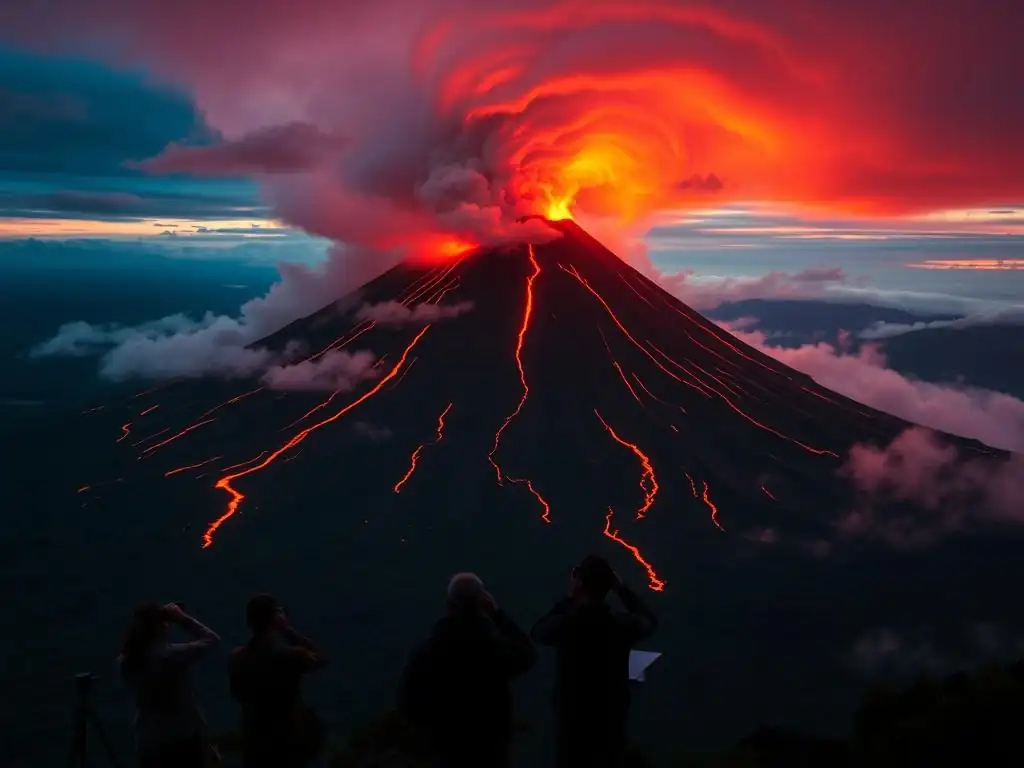
Welcome to Volcano Explorers!
Ever wondered what it really takes to understand Earth's fiery heart? Prepare to uncover secrets rarely shared as we delve into volcanology education insights straight from the source. What are the key challenges and exciting discoveries shaping the next generation of volcanologists? Read on to find out, and ignite your own passion for these incredible geological wonders...
- Unveiling Volcanology Education Insights: A Look at University Programs
- Top Volcanology Programs: A Comparative Overview & Expert Opinions
- Curriculum Design: What Makes a Strong Volcanology Education Program?
- Research Opportunities: Advancing the Frontiers of Volcanology Knowledge
- The Future of Volcanology: Challenges and Opportunities
- Conclusion: Navigating Your Path in Volcanology Education
-
Frequently Asked Questions
- What are some key areas of study covered in volcanology education?
- How do volcanology educators incorporate real-world data into their teaching?
- What career paths are available for students with a volcanology education?
- What are some critical skills emphasized in volcanology education?
- How does volcanology education address the risks associated with living near active volcanoes?
- Final Reflection: Igniting Curiosity in Earth's Fiery Heart
- Ignite Your Inner Volcanologist!
Unveiling Volcanology Education Insights: A Look at University Programs
Embarking on a career in volcanology requires a robust foundation in geological sciences, coupled with specialized knowledge of volcanic processes. University programs around the globe offer diverse pathways into this fascinating field, each with unique strengths and areas of focus. Understanding the landscape of volcanology education is crucial for aspiring volcanologists seeking to make impactful contributions to our understanding of these powerful natural forces.
This article delves into volcanology education insights, offering a professor's perspective on navigating the academic journey towards becoming a volcanologist. We will explore top university programs, key curriculum components, research opportunities, and future career prospects in this dynamic and vital scientific discipline.
Top Volcanology Programs: A Comparative Overview & Expert Opinions
Choosing the right university program is a pivotal step in pursuing volcanology. Several institutions worldwide are renowned for their comprehensive and cutting-edge volcanology departments. These programs not only provide rigorous academic training but also offer invaluable research opportunities and access to world-class faculty. Let's examine a few leading examples and glean volcanology education insights from their distinct approaches.
Oregon State University: Comprehensive Volcanology Education with Geochemical Analysis Focus
Oregon State University (OSU) stands out as a prominent center for volcanology education in the United States, particularly known for its strong emphasis on geochemical analysis of volcanic rocks and processes. The College of Earth, Ocean, and Atmospheric Sciences at OSU offers comprehensive undergraduate and graduate programs in geology with a specialization in volcanology.
Students benefit from access to state-of-the-art laboratories equipped for geochemical and petrological analysis, allowing for detailed investigations into the composition and origin of magmas. Faculty at OSU are actively involved in research on volcanic systems across the globe, from the Cascade volcanoes of the Pacific Northwest to volcanic arcs in South America and island arcs in the Pacific.
Professor Shan de Silva, a leading volcanologist at OSU, emphasizes the importance of a multidisciplinary approach in volcanology education. "At Oregon State, we believe in training volcanologists who are not only experts in field observation and geological mapping but also proficient in advanced analytical techniques," Professor de Silva states. "Our students gain hands-on experience in geochemical labs, learning to interpret the chemical signatures of volcanic rocks to understand magma evolution and eruption dynamics.
This integrated approach provides a significant advantage in today's volcanology research landscape." OSU's location in the Pacific Northwest also offers unparalleled access to active volcanic regions for fieldwork and research, making it an ideal environment for aspiring volcanologists seeking practical experience.
University of Hawaii at Manoa: Focusing on Hawaiian Volcanism & Seismic Monitoring
The University of Hawaii at Manoa (UHM) boasts a unique and geographically advantageous position for volcanology education, centered in the heart of one of the world's most volcanically active regions. The Department of Earth Sciences at UHM offers specialized programs focusing on Hawaiian volcanism, with unparalleled access to the Kilauea and Mauna Loa volcanoes. A key strength of UHM's program is its emphasis on real-time volcano monitoring, particularly seismic monitoring. Students have the opportunity to work directly with the Hawaiian Volcano Observatory (HVO), gaining practical experience in monitoring volcanic activity, analyzing seismic data, and contributing to hazard assessment.
Dr. Michael Poland, former Scientist-in-Charge at HVO and affiliated with UHM, highlights the practical, hands-on nature of volcanology education at Manoa. "Studying volcanology in Hawaii is unlike anywhere else," Dr. Poland explains. "Our students are not just learning about volcanoes from textbooks; they are living and breathing them.
They are involved in real-time monitoring efforts, learning to interpret seismic signals, gas emissions, and deformation patterns to understand volcanic unrest. This direct involvement in volcano monitoring and research provides invaluable volcanology education insights, preparing them for careers in volcano observatories and hazard mitigation agencies worldwide." The program's location and close ties with HVO provide an exceptional learning environment for those interested in the practical aspects of volcanology and volcano monitoring.
University of Cambridge (UK): Global Volcanology Research & Volcanic Modeling
The University of Cambridge, in the United Kingdom, offers a globally focused volcanology program within its Department of Earth Sciences, renowned for its theoretical rigor and emphasis on volcanic modeling. While not situated in a volcanically active region like Hawaii or Oregon, Cambridge provides a different yet equally valuable perspective on volcanology education.
The program at Cambridge excels in quantitative volcanology, with a strong focus on mathematical modeling of volcanic processes, including magma ascent, eruption dynamics, and lava flow emplacement. Students benefit from access to advanced computational facilities and expertise in developing and applying numerical models to understand complex volcanic phenomena.
Professor Marie Edmonds, a leading volcanologist at Cambridge, emphasizes the importance of quantitative skills in modern volcanology research. "At Cambridge, we train our students to be quantitative volcanologists, capable of using mathematical and computational tools to understand the physics and chemistry of volcanic systems," Professor Edmonds notes. "While fieldwork remains essential, the ability to develop and interpret numerical models is increasingly critical for addressing complex questions in volcanology, such as predicting eruption styles and assessing volcanic hazards.
Our program provides a strong foundation in these quantitative methods, equipping our graduates for research careers in academia and government agencies worldwide." Cambridge’s program, therefore, offers unique volcanology education insights emphasizing the theoretical and modeling aspects of the field, complementing the more field-oriented approaches of other universities.
Curriculum Design: What Makes a Strong Volcanology Education Program?
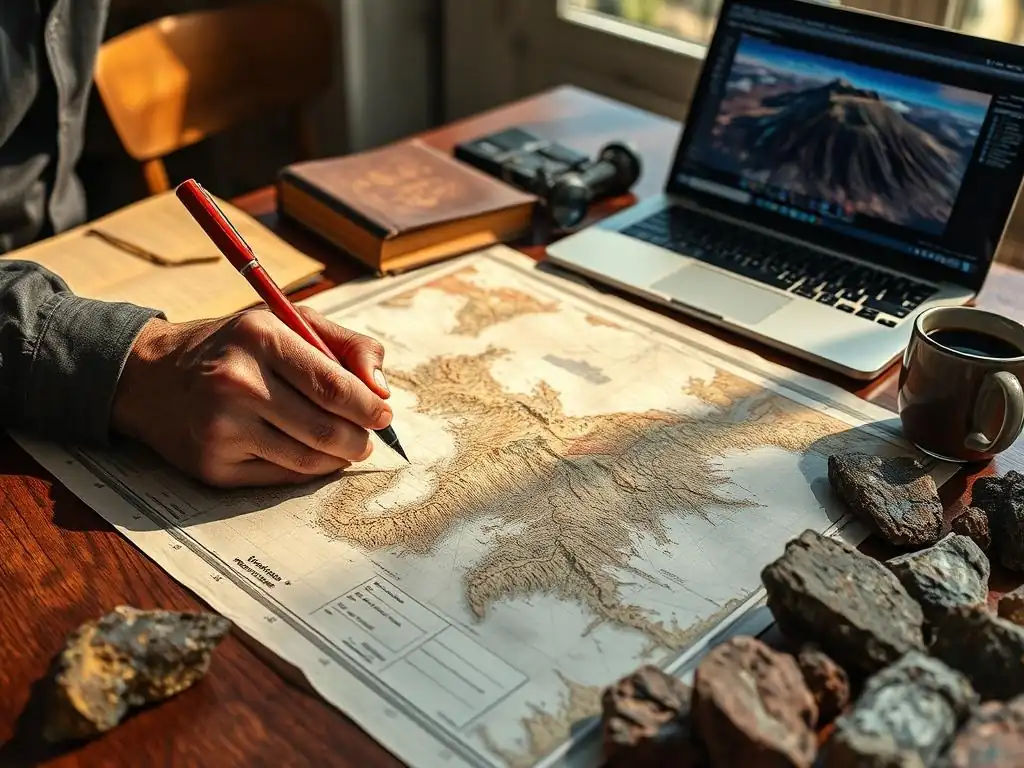
A robust volcanology education program extends beyond specializing in a particular geographic region or analytical technique. A well-designed curriculum must incorporate a blend of fundamental geological principles, specialized volcanology courses, and essential practical skills. Let's explore key components that contribute to a strong and effective volcanology education.
The Importance of Fieldwork: Hands-on Experience in Volcanic Environments
Fieldwork is an indispensable component of volcanology education, providing students with direct, hands-on experience in observing and studying volcanic landscapes. Experiential learning in the field allows students to translate theoretical knowledge into practical understanding, developing critical skills in geological mapping, sample collection, and field observation techniques. Field courses often involve visits to active or dormant volcanic regions, where students learn to identify different volcanic landforms, analyze volcanic deposits, and interpret the geological history of volcanic areas.
For example, many volcanology programs incorporate field trips to locations like Iceland, Italy, or the western United States. In Iceland, students might study basaltic lava flows, geothermal areas, and glacial volcanism. In Italy, they might examine the volcanic hazards of Vesuvius and Etna. In the western US, field studies could focus on the diverse volcanism of the Cascade Range or the Long Valley Caldera.
These immersive experiences solidify theoretical concepts and foster crucial observational and problem-solving skills necessary for a successful career in volcanology. Professor Chris Newhall, a renowned volcanologist with extensive fieldwork experience, often stated, "You can't truly understand volcanoes from behind a desk. Getting your boots muddy in the field is where real volcanology education begins."
Integrating Technology: Software and Tools for Volcanology Research
Modern volcanology heavily relies on advanced technology and software for data analysis, modeling, and visualization. A strong volcanology education program must integrate these technological tools into its curriculum to prepare students for contemporary research and professional practice. Geographic Information Systems (GIS) software is fundamental for spatial analysis of volcanic data, hazard mapping, and volcanic monitoring. Computational modeling software allows students to simulate volcanic processes, such as magma flow, eruption plumes, and lava flow dynamics. Remote sensing techniques, including satellite imagery and LiDAR, are also increasingly important for monitoring volcanic activity and studying volcanic terrains.
Universities are incorporating these technologies through specialized courses and research projects. For instance, students may learn to use GIS to create volcanic hazard maps, or employ computational fluid dynamics software to model magma ascent in volcanic conduits. Learning to process and interpret satellite data to detect volcanic deformation or thermal anomalies is also becoming a standard skill in volcanology education.
The integration of these technologies not only enhances students' analytical capabilities but also prepares them for the data-intensive nature of modern volcanology research and monitoring efforts. Dr. Susanna Jenkins, a specialist in volcanic hazard modeling, emphasizes, "Volcanology is becoming increasingly data-driven. Graduates need to be proficient in using advanced software and analytical tools to effectively contribute to the field."
Research Opportunities: Advancing the Frontiers of Volcanology Knowledge
Research is at the heart of volcanology, driving advancements in our understanding of volcanic processes and hazard mitigation. University volcanology programs play a crucial role in fostering research opportunities for students, allowing them to contribute to cutting-edge projects and develop their research skills. These opportunities range from undergraduate research projects to graduate-level thesis research and postdoctoral positions.
Current Research Trends: Understanding Volcanic Hazards and Climate Change
Current volcanology research is driven by pressing global challenges, particularly understanding and mitigating volcanic hazards and investigating the role of volcanoes in climate change. Volcanic hazard research focuses on improving eruption forecasting, assessing volcanic risk, and developing effective strategies for community preparedness and resilience. This includes studying eruption precursors, developing advanced monitoring techniques, and modeling eruption scenarios to better predict volcanic impacts. The eruption of Hunga Tonga-Hunga Ha'apai in 2022, for example, highlighted the need for improved understanding of submarine volcanism and the potential for unexpected eruption styles and far-reaching impacts.
Another significant research area is the role of volcanoes in Earth's climate system. Volcanic eruptions release gases, including sulfur dioxide and carbon dioxide, into the atmosphere, which can have both short-term cooling and long-term warming effects on the climate. Current research investigates the magnitude and frequency of volcanic gas emissions throughout Earth's history and their influence on past and present climate change.
Understanding the complex interplay between volcanic activity and climate is crucial for developing accurate climate models and predicting future climate scenarios. Professor Clive Oppenheimer, a leading researcher in volcanic gas emissions and climate impacts, notes, "Volcanoes are a fundamental part of the Earth system, and understanding their role in climate is essential for addressing the challenges of global climate change."
Funding Your Research: Scholarships and Grants for Aspiring Volcanologists
Pursuing volcanology research often requires financial support, and various scholarships and grants are available to assist aspiring volcanologists at different stages of their education and career. Many universities offer internal scholarships and fellowships for graduate students in earth sciences and volcanology. External funding opportunities are also available from government agencies, research foundations, and professional organizations.
In the United States, the National Science Foundation (NSF) provides grants for graduate research fellowships and research projects in volcanology. In the UK, the Natural Environment Research Council (NERC) offers similar funding opportunities. Organizations like the Geological Society of America (GSA) and the Volcanological Society (IAVCEI) also offer grants and awards to support student research and travel to conferences.
Prospective volcanologists are encouraged to explore these funding opportunities and develop strong research proposals to secure financial support for their studies and research endeavors. Dr. Jenni Barclay, an expert in community resilience to volcanic hazards, advises, "Seeking funding is a crucial skill for any aspiring researcher. Start early, explore all available options, and craft compelling proposals that highlight the significance and impact of your research."
The Future of Volcanology: Challenges and Opportunities
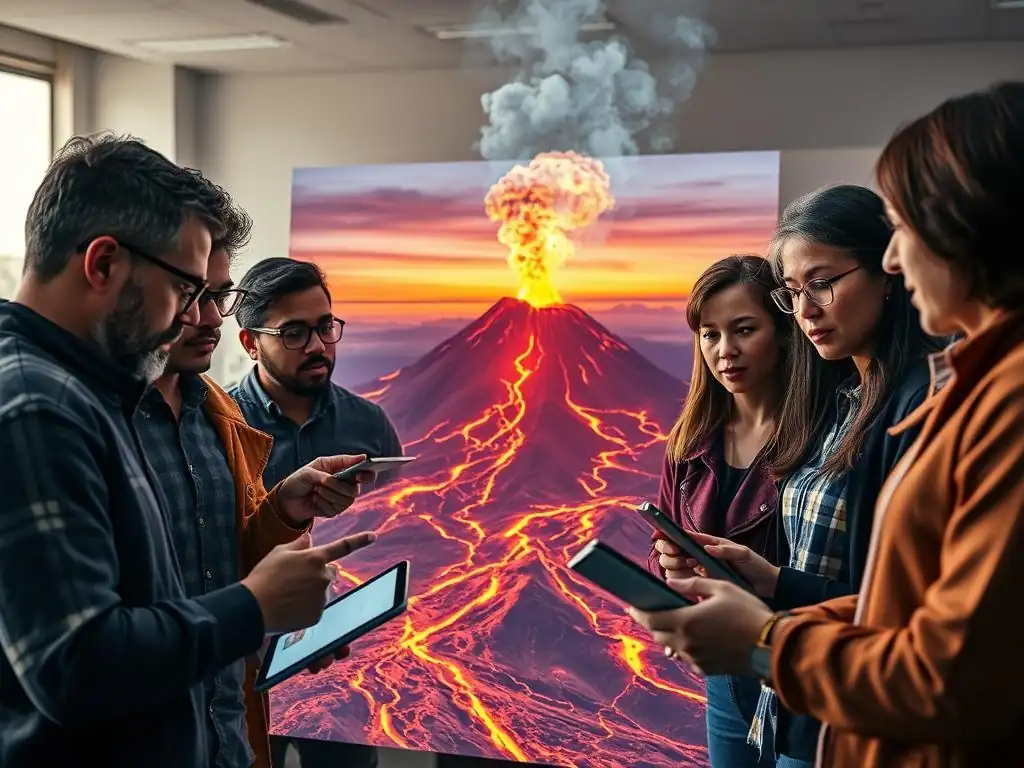
The field of volcanology is constantly evolving, facing new challenges and presenting exciting opportunities for future generations of volcanologists. As global populations grow and infrastructure expands in volcanically active regions, the need for accurate volcanic hazard assessments and effective mitigation strategies becomes increasingly critical. Furthermore, understanding the role of volcanoes in Earth's changing climate remains a pressing scientific priority.
Preparing for a Career in Volcanology: Skills and Qualifications
A successful career in volcanology requires a diverse skill set and a strong academic foundation. Beyond a solid background in geology and specialized volcanology knowledge, essential skills include:
- Strong analytical and problem-solving skills: Volcanology involves interpreting complex datasets and developing solutions to challenging problems.
- Fieldwork and observational skills: Direct observation and data collection in volcanic environments are fundamental.
- Quantitative and computational skills: Mathematical modeling and data analysis using software are increasingly important.
- Communication and collaboration skills: Volcanologists often work in interdisciplinary teams and need to communicate their findings effectively to diverse audiences, including policymakers and the public.
- Resilience and adaptability: Volcanology research can be demanding, requiring work in remote and challenging environments.
Educational qualifications typically include a bachelor's degree in geology or earth sciences, followed by a master's or doctoral degree in volcanology or a related field. Gaining research experience through internships, research assistantships, and participation in research projects is highly beneficial for career advancement.
Addressing Global Volcanic Hazards: The Role of Volcanologists
Volcanologists play a vital role in addressing global volcanic hazards and enhancing community resilience. Their expertise is crucial for:
- Volcano monitoring and early warning systems: Developing and operating monitoring networks to detect volcanic unrest and provide timely warnings of impending eruptions.
- Volcanic hazard assessment and risk mapping: Identifying areas at risk from different volcanic hazards and creating hazard maps for land-use planning and emergency preparedness.
- Community education and outreach: Communicating volcanic risks to the public and engaging communities in preparedness and mitigation efforts.
- Developing mitigation strategies: Advising on infrastructure planning, evacuation strategies, and other measures to reduce volcanic risk.
- Responding to volcanic crises: Providing scientific expertise during volcanic eruptions to support emergency response and inform decision-making.
The demand for volcanologists is expected to grow as populations in volcanically active regions increase and the need for improved volcanic hazard mitigation becomes more urgent. Careers in volcanology can be found in volcano observatories, government agencies, research institutions, universities, and consulting firms.
Navigating the path to a career in volcanology requires careful planning and dedication. Understanding the landscape of volcanology education insights, from choosing the right university program to developing essential skills and seeking research opportunities, is crucial for aspiring volcanologists.
By pursuing a rigorous education, gaining practical experience, and contributing to cutting-edge research, future volcanologists can play a vital role in advancing our understanding of these powerful natural forces and mitigating the risks they pose to communities worldwide. The journey is challenging but incredibly rewarding for those passionate about unraveling the mysteries of volcanoes and contributing to a safer and more resilient world.
Frequently Asked Questions
What are some key areas of study covered in volcanology education?
Volcanology education typically covers magma formation, volcanic eruption processes, and the impact of volcanoes on the environment and society. Students also delve into the study of different volcano types and geophysical monitoring techniques.
How do volcanology educators incorporate real-world data into their teaching?
Educators often use case studies of past eruptions, real-time monitoring data from active volcanoes, and field trips to volcanic regions to provide students with practical experience and a deeper understanding of volcanology. Data analysis is a crucial skill taught.
What career paths are available for students with a volcanology education?
Graduates can pursue careers as research volcanologists, working for government agencies, academic institutions, or private companies. Other options include hazard assessment, resource exploration, and science communication.
What are some critical skills emphasized in volcanology education?
Critical skills include geological mapping, geochemical analysis, remote sensing techniques, and hazard assessment modeling. Effective communication and data interpretation are also essential.
How does volcanology education address the risks associated with living near active volcanoes?
Volcanology education includes instruction on volcanic hazards, risk assessment, and emergency preparedness. Students learn about evacuation planning, monitoring techniques, and public communication strategies to mitigate the impact of eruptions.
Final Reflection: Igniting Curiosity in Earth's Fiery Heart
The insights shared by volcanology educators at top universities, as explored in this article, resonate deeply in a world increasingly aware of the power and unpredictability of our planet. Understanding volcanic processes is no longer just an academic pursuit, but a crucial necessity for mitigating risk and fostering resilience in communities around the globe. The dedication of these educators to shaping the next generation of volcanologists is a testament to the enduring importance of scientific inquiry in the face of natural hazards.
This journey through the minds of leading volcanology professors has underscored the profound impact of passionate teaching on shaping future scientists and, ultimately, on protecting lives and livelihoods. The commitment to hands-on learning, innovative research, and clear communication highlighted throughout this article is a powerful reminder of the transformative potential of education. The best way to learn about volcanoes is to experience them, to feel the heat, to see the ash, and to understand the science behind the spectacle,
as one professor eloquently stated, encapsulating the essence of effective volcanology education.
Now, consider how you can apply these insights to your own pursuit of knowledge, whether you're a student, an educator, or simply a curious observer of the natural world. Let the passion and dedication of these volcanology educators inspire you to embrace challenges, ask questions, and seek a deeper understanding of the forces that shape our planet. The Earth is constantly evolving, and it is through education and exploration that we can truly appreciate its beauty and mitigate its risks.
Ignite Your Inner Volcanologist!
Thanks for exploring the fascinating world of volcanology through the perspectives of leading university educators. You've gained valuable insights into their teaching philosophies and the future of this dynamic field. Now, it's time to put that knowledge into action and embark on your own volcanic journey!
Here are a few ways to get started:
- Create a Volcano Map: Begin by researching a volcano that captivates you and create a detailed map using online resources or even a hand-drawn approach. Include geological features, eruption history, and potential hazards. This hands-on activity will deepen your understanding.
- Share Your Discoveries: Discuss key takeaways from this article with friends, family, or online communities interested in Earth science. Help spread the excitement and knowledge of volcanology!
- Investigate an Understudied Volcano: Research a lesser-known volcano and formulate research questions. What unanswered questions about this volcano could you help solve?
What's one surprising fact you learned from these professors that you'd like to explore further? Share your thoughts in the comments below!