
Dive into Volcano Science: Free & Fascinating Resources for Educators

Welcome to Volcano Explorers!
Prepare to ignite your curiosity! Ever wondered how to bring the raw power and wonder of volcano science to your classroom? Unleash a torrent of engaging lessons and activities with our free and fascinating volcano science teaching resources, designed to spark a lifelong love of Earth science. The secrets to captivating young minds with the mysteries of magma and tectonic forces are waiting to be uncovered... Ready to explore?
- Engaging Volcano Science Teaching Resources: Ignite Curiosity in Your Classroom
- Free Volcano Science Lesson Plans: Ready-to-Use Curriculum for All Grade Levels
- Interactive Volcano Simulations and Virtual Field Trips: Immersive Learning Experiences
- Visual Aids for Volcano Science: Engaging Images, Videos, and Animations
- Volcano Science Teaching Resources for Specific Topics: Deep Dive into Key Concepts
- Encourage Further Exploration of Volcanoes
-
Frequently Asked Questions
- How can VolcanoExplorers.org help me teach about volcanoes in my classroom?
- What types of volcano science teaching resources are available on the website?
- Are the volcano science teaching resources suitable for all grade levels?
- Does VolcanoExplorers.org provide information on volcanic safety and preparedness?
- How often is the information on VolcanoExplorers.org updated?
- Final Reflection: Igniting Curiosity with Volcano Science
- Ignite Curiosity: Unleash the Power of Volcanoes in Your Classroom!
Engaging Volcano Science Teaching Resources: Ignite Curiosity in Your Classroom
Volcanoes, with their raw power and dramatic displays of Earth's inner workings, offer a captivating subject for students of all ages. Finding high-quality, engaging, and free volcano science teaching resources can be a game-changer for educators aiming to bring this dynamic field to life in the classroom.
Fortunately, a wealth of materials exists online, specifically designed to support teachers in delivering exciting and informative lessons about volcano science. From interactive simulations to comprehensive lesson plans and stunning visuals, these resources can transform a potentially complex topic into an accessible and thrilling learning experience, sparking curiosity and fostering a deeper understanding of geological processes.
The key to effective volcano science education lies in making the subject matter relatable and hands-on. Instead of relying solely on textbooks, teachers can leverage digital resources that cater to diverse learning styles. Imagine students virtually exploring the caldera of a dormant volcano or building their own erupting model to understand the mechanics of volcanic activity. These immersive approaches not only enhance comprehension but also encourage critical thinking and problem-solving skills. By utilizing the freely available volcano education resources, educators can craft dynamic lesson plans that resonate with students and leave a lasting impact.
Free Volcano Science Lesson Plans: Ready-to-Use Curriculum for All Grade Levels
Access to well-structured and age-appropriate lesson plans is crucial for educators. The internet offers a treasure trove of free volcano science lesson plans designed for various grade levels, from elementary introductions to advanced high school explorations. These resources often come complete with learning objectives, step-by-step activity guides, assessment tools, and supplementary materials, significantly reducing lesson planning time and ensuring curriculum alignment. By utilizing these pre-designed plans, teachers can focus more on student engagement and individualized learning experiences within the classroom.
Many of these volcano lesson plans are developed by reputable educational organizations and institutions dedicated to Earth science education. For instance, educational websites associated with geological surveys or science museums frequently provide downloadable PDF lesson plans covering a wide range of volcano-related topics. These resources are often vetted by experienced educators and scientists, ensuring accuracy and pedagogical soundness. The availability of such high-quality, freely accessible lesson plans empowers teachers to confidently incorporate volcano science into their curriculum, regardless of their prior expertise in geology.
Elementary Volcano Lessons: Introducing Basic Concepts with Fun Activities
Elementary school is the perfect time to introduce the wonders of volcanoes and spark a lifelong fascination with Earth science. Elementary volcano lessons should focus on foundational concepts in an engaging and age-appropriate manner. Hands-on activities and simple demonstrations are particularly effective for this age group, allowing them to learn through exploration and play. The goal is to build a basic understanding of what a volcano is, where they are found, and the idea that they erupt.
- Erupting Volcano Model: Creating a model volcano that actually erupts is a classic and highly effective activity for elementary students. Using readily available materials like baking soda, vinegar, and playdough or even a plastic bottle and paper mache, students can build their own volcanoes and witness a simulated eruption firsthand. This activity visually demonstrates the concept of pressure build-up and release, central to understanding volcanic eruptions. Teachers can guide students to explore variables like the amount of baking soda or vinegar to observe how it affects the eruption.
- Volcano Anatomy Worksheet: Introducing the basic parts of a volcano, such as the crater, vent, magma chamber, and cone, can be effectively done through a simple volcano anatomy worksheet. These worksheets are often available for free download online and can include labeling exercises, coloring activities, and short descriptions of each part's function. This helps build vocabulary and visual recognition of volcanic features. Teachers can enhance this activity by showing diagrams or pictures of real volcanoes and pointing out these anatomical parts.
- Story Time: Engaging storytelling is a powerful tool for teaching young children. There are numerous age-appropriate books and stories about volcanoes, often incorporating fictional narratives that explain volcanic processes in an accessible and entertaining way. Reading aloud stories about volcanoes can capture students' imaginations and introduce key concepts in a less formal setting. Following story time, teachers can facilitate discussions or simple drawing activities to reinforce the learned concepts and encourage creative expression related to volcanoes.
Middle School Volcano Lessons: Exploring Plate Tectonics and Eruption Types
Middle school students are ready to delve into more complex aspects of volcano science, including the connection between volcanoes and plate tectonics, and the different types of volcanic eruptions. Middle school volcano lessons should build upon the foundational knowledge from elementary school, introducing scientific terminology and exploring the underlying geological processes that drive volcanic activity. Inquiry-based learning and group activities become increasingly effective at this stage, encouraging critical thinking and collaboration.
- Plate Tectonics Simulation: Understanding plate tectonics is fundamental to comprehending why volcanoes occur in specific locations. Simulations, whether physical or digital, can effectively demonstrate the movement of tectonic plates and their interactions at plate boundaries. For example, using graham crackers and frosting to represent plates and the asthenosphere, students can simulate convergent, divergent, and transform plate boundaries and observe how these movements can lead to volcanic activity. Digital simulations often offer interactive maps and animations that further visualize plate movement and volcano distribution.
- Types of Volcanoes Presentation: Introducing the three main types of volcanoes – stratovolcanoes, shield volcanoes, and cinder cones – and their distinct characteristics is a key learning objective for middle school. A presentation incorporating visual aids like photographs, diagrams, and even short video clips can effectively showcase the differences in their shape, formation, and eruption styles. Teachers can guide students to research real-world examples of each type of volcano, such as Mount Fuji (stratovolcano), Mauna Loa (shield volcano), and Parícutin (cinder cone), to make the concepts more concrete and engaging.
- Case Study: Analyzing a specific volcanic eruption as a case study provides a real-world context to the concepts learned. Choosing a well-documented eruption, like the 1980 eruption of Mount St. Helens or the 79 AD eruption of Mount Vesuvius, allows students to explore the sequence of events, the types of volcanic products erupted, and the impact on the surrounding environment and human populations. Case studies can involve research activities, data analysis (if available in simplified forms), and discussions, fostering a deeper understanding of the dynamic and sometimes hazardous nature of volcanoes. Students can explore primary sources like eyewitness accounts or scientific reports adapted for middle school level to enhance their understanding.
High School Volcano Lessons: Delving into Geochemistry and Volcanic Hazards
High school volcano science curriculum can delve into more advanced topics, such as the geochemistry of magma, the prediction and mitigation of volcanic hazards, and the role of volcanoes in shaping Earth's landscape and climate. High school volcano lessons should encourage critical analysis, research skills, and the application of scientific principles to real-world problems. Debates, research projects, and data analysis activities are well-suited for this level, preparing students for college-level science courses.
- Magma Composition Analysis: Exploring the chemical composition of magma and its influence on eruption style is a more advanced concept suitable for high school. Teachers can introduce the concepts of silica content, viscosity, and gas content and how these factors determine whether an eruption will be effusive or explosive. Simplified geochemical data from real volcanic rocks can be presented for students to analyze and interpret. Activities could involve comparing the composition of magma from different volcanoes and relating it to their eruption history and type.
- Volcanic Hazard Mapping Exercise: Understanding and mitigating volcanic hazards is a crucial aspect of volcanology. A hazard mapping exercise can engage students in applying geographical and geological principles to assess risk. Using topographic maps and information about past eruptions of a specific volcano, students can delineate potential hazard zones for different volcanic phenomena like lava flows, pyroclastic flows, and ashfall. This activity promotes spatial reasoning, data interpretation, and problem-solving skills relevant to real-world risk assessment and urban planning in volcanic regions. GIS software or even paper-based mapping exercises can be used depending on available resources.
- Debate: Organizing a debate on a volcano-related topic can foster critical thinking, research, and communication skills. Debate topics could include the ethical considerations of volcanic geoengineering, the economic benefits versus risks of living near active volcanoes, or the effectiveness of different volcanic hazard monitoring techniques. Students would need to research their assigned positions, present arguments based on scientific evidence, and engage in respectful discourse with opposing viewpoints. This activity promotes a deeper understanding of the complex societal and scientific issues surrounding volcanoes.
Interactive Volcano Simulations and Virtual Field Trips: Immersive Learning Experiences
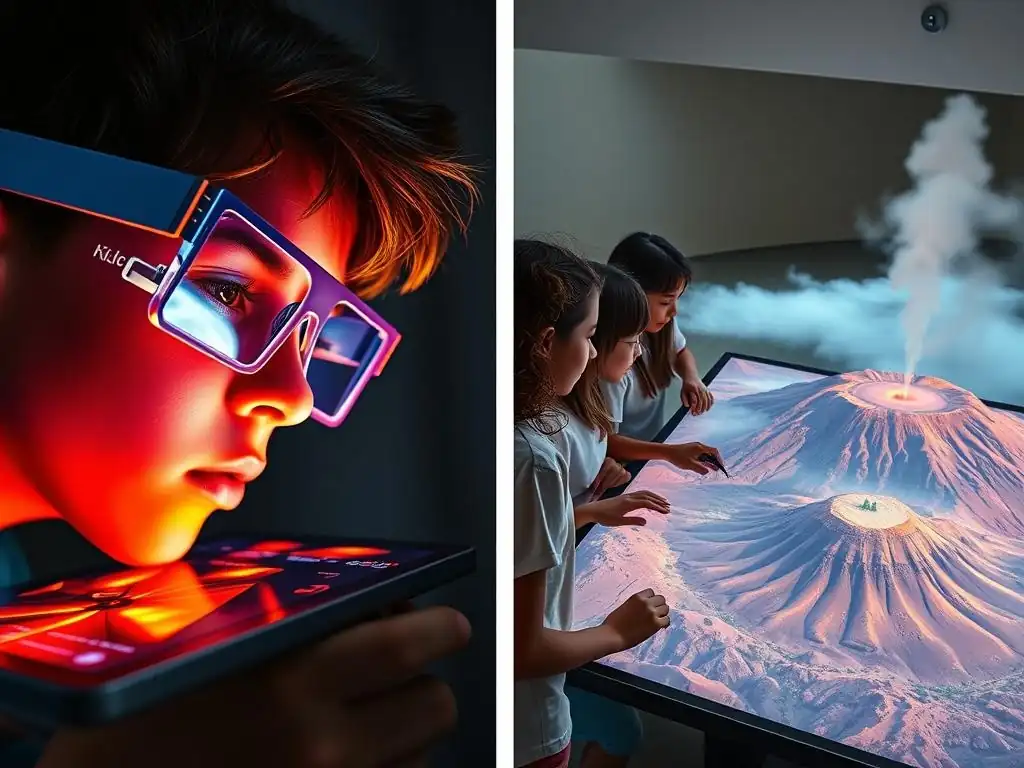
For a truly engaging volcano science experience, interactive simulations and virtual field trips offer unparalleled opportunities. These digital tools allow students to explore volcanic environments and processes that would otherwise be inaccessible, bringing the dynamic world of volcanoes directly into the classroom. These resources are particularly valuable for visualizing complex geological phenomena and fostering a sense of exploration and discovery.
Virtual Volcano Tours: Explore Active Volcanoes from Your Classroom
Virtual volcano tours provide a safe and accessible way for students to explore active volcanoes around the world without leaving the classroom. These tours often utilize technologies like Google Earth, 360° videos, and pre-recorded field footage to offer immersive experiences that showcase the diverse landscapes and geological features associated with volcanoes. They can spark curiosity and provide a visual understanding of the scale and grandeur of volcanic environments.
- Google Earth Volcano Tours: Google Earth offers a powerful platform for exploring volcanoes globally. Teachers can create custom tours that guide students to specific volcanoes, highlighting key features like craters, lava flows, and volcanic cones. Using Google Earth's 3D imagery and Street View (where available), students can virtually "walk around" volcanic landscapes and observe geological details from various perspectives. Pre-made volcano tours are also often available online, created by educational organizations and volcanologists.
- 360° Volcano Eruption Videos: Immersive 360° videos of volcanic eruptions provide a breathtaking and visceral experience. These videos, often captured by scientists and documentary filmmakers, place viewers right in the heart of volcanic activity, showcasing the power and dynamism of eruptions. Watching these videos with VR headsets (if available) enhances the sense of immersion, but they are equally impactful on standard screens. Teachers should select videos carefully, ensuring they are age-appropriate and focus on educational content rather than sensationalism.
- Virtual Field Trip: Some organizations and institutions offer structured virtual field trips to volcanic areas. These are often live or pre-recorded sessions led by volcanologists or educators, providing expert commentary and interactive elements. Virtual field trips can include Q&A sessions with scientists, virtual specimen examination, and guided explorations of volcanic sites. These resources offer a more structured and pedagogically designed virtual experience compared to simply using Google Earth or watching videos, and can be particularly valuable for supplementing classroom learning.
Volcano Eruption Simulators: Understanding Eruption Dynamics
Volcano eruption simulators are interactive digital tools that allow students to experiment with different parameters and observe the resulting eruption styles. These simulators can range from simple online animations to more complex software that models physical processes. They provide a hands-on approach to understanding the factors that control eruption dynamics, such as magma viscosity, gas content, and conduit geometry.
- Volcano Simulator: Many online interactive volcano simulators are available for free. These often allow users to adjust variables like magma viscosity, gas content, and eruption rate and then visualize the resulting eruption, including lava flows, ash plumes, and pyroclastic flows. These simulators provide a visual and intuitive way to understand the relationship between these parameters and eruption style. Teachers can use these tools for classroom demonstrations or allow students to explore them individually or in small groups.
- Interactive Volcano: Some educational websites offer more sophisticated interactive volcano models that incorporate real-world data and more complex physical simulations. These might allow users to simulate different types of volcanoes (stratovolcano, shield volcano, etc.) and observe how their internal structure and magma properties influence eruption behavior. These more advanced interactive tools can be particularly valuable for high school and even introductory college-level volcano science education.
- Volcano Learning Lab: Virtual learning labs dedicated to volcanology often include a range of interactive simulations, virtual experiments, and data analysis tools. These comprehensive platforms can provide a structured and in-depth learning experience, covering various aspects of volcano science from magma generation to volcanic hazards. These labs often incorporate assessments and progress tracking, making them suitable for both classroom use and independent student learning.
Visual Aids for Volcano Science: Engaging Images, Videos, and Animations
Visual aids are essential for effective volcano science teaching. Stunning photographs, informative videos, and clear animations can greatly enhance student understanding and engagement. Volcanoes are inherently visual phenomena, and leveraging high-quality visual resources can bring the subject to life and make complex concepts more accessible and memorable.
Stunning Volcano Photography: Captivating Images to Inspire Students
High-quality volcano photography can be incredibly inspiring and motivating for students. Images of erupting volcanoes, lava flows, volcanic landscapes, and even microscopic views of volcanic rocks can capture students' imaginations and spark their curiosity about volcano science. These visuals can be used in presentations, worksheets, classroom displays, and even as writing prompts.
- Volcano Photo Gallery: Many online resources, including scientific organizations, geological surveys, and stock photo websites, host extensive volcano photo galleries. These galleries often categorize images by volcano type, eruption style, geographic location, or specific volcanic features. Teachers can curate collections of images relevant to their lesson topics and use them to illustrate key concepts and provide visual examples.
- Volcano Images: A simple online search for "volcano images" will yield a vast array of results. However, it's important to select images from reputable sources to ensure accuracy and quality. Websites of geological surveys (like the USGS), scientific journals, and reputable science photography websites are good starting points. Teachers can also encourage students to search for and curate their own collections of volcano images for research projects or presentations.
- Free Stock Photos of Volcanoes: For educators on a budget, many websites offer free stock photos of volcanoes. While the selection might be more limited than paid stock photo sites, there are still many high-quality images available for educational use under Creative Commons or similar licenses. Websites like Unsplash, Pexels, and Pixabay are good places to find free volcano photos for classroom materials and presentations.
Educational Volcano Videos: Documentaries and Animations Explaining Volcanic Processes
Educational videos and animations are powerful tools for explaining complex volcanic processes in a clear and engaging manner. Documentaries can provide in-depth explorations of specific volcanoes or volcanic phenomena, while animations can effectively visualize processes like plate tectonics, magma movement, and eruption mechanisms. Videos cater to visual learners and can make abstract concepts more concrete and understandable.
- Volcano Documentaries: Numerous documentaries about volcanoes are available from reputable sources like National Geographic, BBC, and PBS. These documentaries often feature stunning footage of volcanic eruptions, interviews with volcanologists, and in-depth explanations of volcanic processes and hazards. Documentaries can be used to introduce a new topic, provide real-world examples, or spark classroom discussions. Shorter video clips from documentaries can also be used to illustrate specific points within a lesson.
- Volcano Videos: Beyond documentaries, many shorter educational videos about volcanoes are available online, often from educational websites, science museums, and universities. These videos can focus on specific topics like the types of volcanic eruptions, the formation of different volcanic landforms, or the methods used by volcanologists to study volcanoes. Short, focused videos are particularly useful for breaking down complex topics into manageable segments and maintaining student attention.
- Animations of Plate Tectonics and Volcanic Activity: Animations are especially effective for visualizing dynamic processes like plate tectonics and magma movement, which are difficult to observe directly. Animations can clearly illustrate how plate motion leads to volcanism at different plate boundaries, how magma rises through the crust, and the mechanics of different eruption types. Many educational websites and science animation studios offer free or affordable animations specifically designed for teaching Earth science concepts, including volcano science.
Volcano Science Teaching Resources for Specific Topics: Deep Dive into Key Concepts
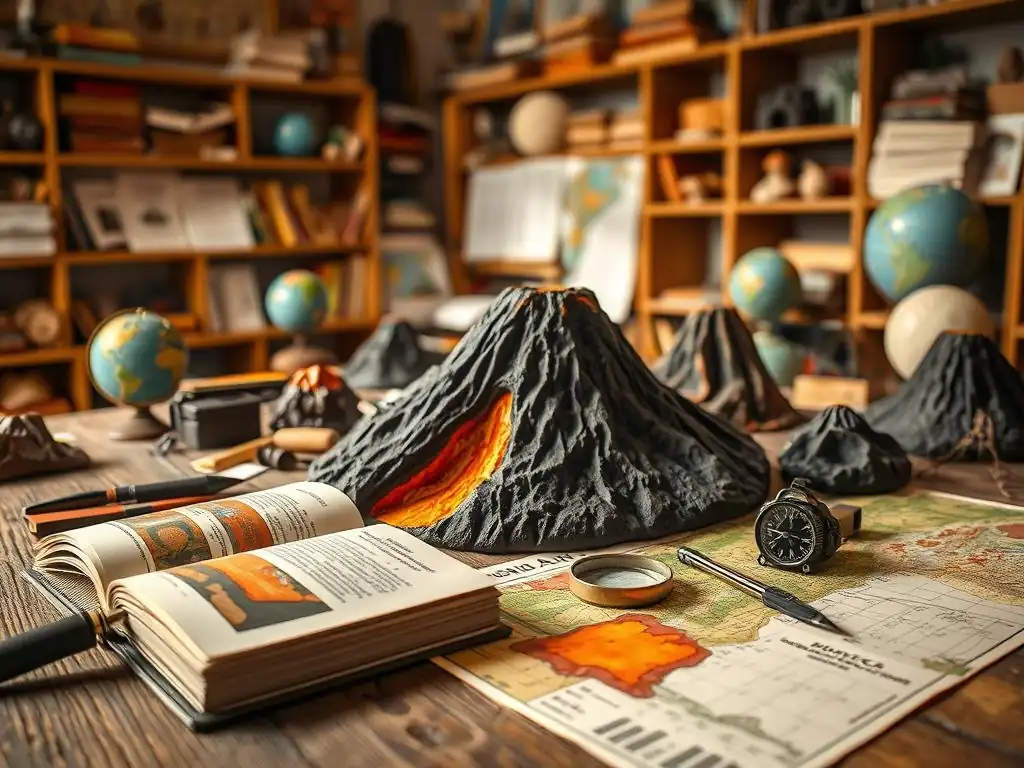
For educators seeking resources focused on specific aspects of volcano science, a wealth of materials is available to facilitate a deeper dive into key concepts. Whether focusing on magma formation, eruption types, or volcanic hazards, targeted resources can provide specialized information and activities to enhance student learning in particular areas of volcanology.
Understanding Magma Formation and Composition
Magma formation and composition are fundamental concepts in volcanology. Resources focusing on these topics can help students understand the origin of magma deep within the Earth, the processes that influence its chemical makeup, and how magma composition affects eruption style.
- Magma Primer: A "magma primer" resource would provide a comprehensive overview of magma, covering its definition, formation processes (partial melting, decompression melting, flux melting), different types of magma (basaltic, andesitic, rhyolitic), and the factors that control magma composition (source rock, melting conditions, fractional crystallization). This resource could be in the form of a detailed article, a series of informational slides, or an interactive online module.
- Igneous Rocks: Studying igneous rocks is crucial for understanding magma composition and volcanic history. Resources on igneous rocks would include information on their classification (intrusive vs. extrusive, felsic vs. mafic), identification techniques, and the relationship between igneous rock type and magma composition. Rock samples (if available) and online rock identification tools can be used to enhance learning. Activities could involve classifying igneous rock samples based on their texture and mineral composition and relating them to different volcanic environments.
Exploring Different Types of Volcanoes and Eruptions
Understanding the diversity of volcanoes and eruption styles is essential for a comprehensive volcano science education. Resources focusing on this topic would explore the characteristics of different volcano types (shield volcanoes, stratovolcanoes, cinder cones, lava domes) and the factors that control eruption style (effusive vs. explosive eruptions, volcanic explosivity index - VEI).
- Volcano Types Fact Sheet: A "volcano types fact sheet" would provide concise information on each of the major volcano types, including their shape, formation process, typical eruption style, examples of real volcanoes, and associated hazards. This could be a downloadable PDF document, a webpage with interactive elements, or a set of printable cards for classroom activities. The fact sheet should use clear language and visual aids to make the information easily accessible to students.
- How Volcanoes Work: Resources explaining "how volcanoes work" would delve into the underlying geological processes that drive volcanic activity, including plate tectonics, magma generation, magma ascent, and eruption mechanisms. These resources could utilize animations, diagrams, and clear explanations to demystify the complex processes occurring beneath the Earth's surface. Interactive online modules or videos could be particularly effective in illustrating these dynamic processes.
Assessing Volcanic Hazards and Mitigation Strategies
Understanding volcanic hazards and mitigation strategies is crucial for communities living near active volcanoes. Resources focusing on this topic would cover the different types of volcanic hazards (lava flows, pyroclastic flows, ashfall, lahars, volcanic gases), methods for assessing volcanic risk, and strategies for mitigating volcanic hazards and preparing for eruptions.
- Volcanic Hazards Program: Information on volcanic hazards programs, such as the USGS Volcano Hazards Program in the United States or similar programs in other volcanic countries, provides valuable insights into real-world efforts to monitor volcanoes, assess risk, and communicate hazards to the public. Resources could include websites of these programs, reports, fact sheets, and educational materials they produce. Students can learn about the roles of volcanologists, monitoring techniques, and hazard communication strategies.
- Volcanic Ashfall Preparedness: Volcanic ashfall is a widespread and significant volcanic hazard. Resources on volcanic ashfall preparedness would provide practical information on how to prepare for and respond to ashfall events, including safety guidelines for individuals, communities, and infrastructure. These resources could include brochures, websites, videos, and community outreach materials produced by emergency management agencies and volcanic observatories. Students can learn about the health risks of ashfall, protective measures, and community preparedness plans.
Encourage Further Exploration of Volcanoes
Volcano science is a vast and continually evolving field. Encourage students to continue exploring the wonders of volcanoes beyond the classroom by directing them to reputable online resources, suggesting further reading materials, and highlighting opportunities to engage with volcanology through citizen science projects or local science museums. By fostering a sense of ongoing curiosity and exploration, educators can inspire the next generation of Earth scientists and volcano enthusiasts.
Frequently Asked Questions
How can VolcanoExplorers.org help me teach about volcanoes in my classroom?
VolcanoExplorers.org offers a wealth of free and fascinating volcano science teaching resources, including lesson plans, interactive simulations, and engaging videos perfect for educators. These materials cover various topics like magma formation and famous eruptions.
What types of volcano science teaching resources are available on the website?
You'll find diverse resources, such as downloadable worksheets, interactive maps showing global volcanic activity, and detailed explanations of different volcano types, all designed to enhance your volcano science teaching.
Are the volcano science teaching resources suitable for all grade levels?
The resources cater to a wide range of grade levels, from elementary to high school. Many materials are adaptable, allowing you to adjust the complexity to match your students' needs.
Does VolcanoExplorers.org provide information on volcanic safety and preparedness?
Yes, the website includes safety guides and evacuation tips specifically for those living near active volcanoes. This is a crucial element to include in your volcano science teaching.
How often is the information on VolcanoExplorers.org updated?
The site provides real-time updates on volcanic activity worldwide, ensuring that the information is current and accurate. The data is constantly monitored and revised as needed to keep educators informed.
Final Reflection: Igniting Curiosity with Volcano Science
The exploration of volcanoes, once confined to textbooks, is now readily accessible through a wealth of free and fascinating resources. This democratization of knowledge empowers educators to bring the raw power and scientific wonder of volcanoes directly into the classroom, fostering a deeper understanding of our planet's dynamic processes and inspiring the next generation of geoscientists.
The impact of readily available volcano science teaching resources extends far beyond academic learning. It cultivates a sense of awe and respect for the natural world, encouraging critical thinking about environmental challenges and the role of science in addressing them. The important thing is not to stop questioning. Curiosity has its own reason for existing.
- Albert Einstein. This quote resonates deeply, reminding us that fostering curiosity about volcanoes, and science in general, is crucial for innovation and progress.
As educators and lifelong learners, let us embrace these freely available resources and ignite a passion for volcano science in our students and ourselves. Let us use this knowledge to better understand our planet, appreciate its power, and work towards a more sustainable future. The earth is speaking; are we listening?
Ignite Curiosity: Unleash the Power of Volcanoes in Your Classroom!
Thank you for exploring the amazing world of volcanoes with us! We hope you've discovered incredible resources to enhance your science lessons. Now, let's put that knowledge into action:
- Download our exclusive "Volcanoes Around the World" activity pack from VolcanoExplorers.org for engaging, hands-on learning.
- Share this article with fellow educators to build a community of volcano enthusiasts.
- Challenge your students to build their own erupting volcano model using recycled materials – share their creations with us on social media using #VolcanoExplorers!
How will you incorporate these volcanic resources into your next lesson plan to captivate your students? Share your ideas in the comments below!