
Dare to Explore Volcanoes? Free Educational Tools for Your Classroom

Welcome to Volcano Explorers!
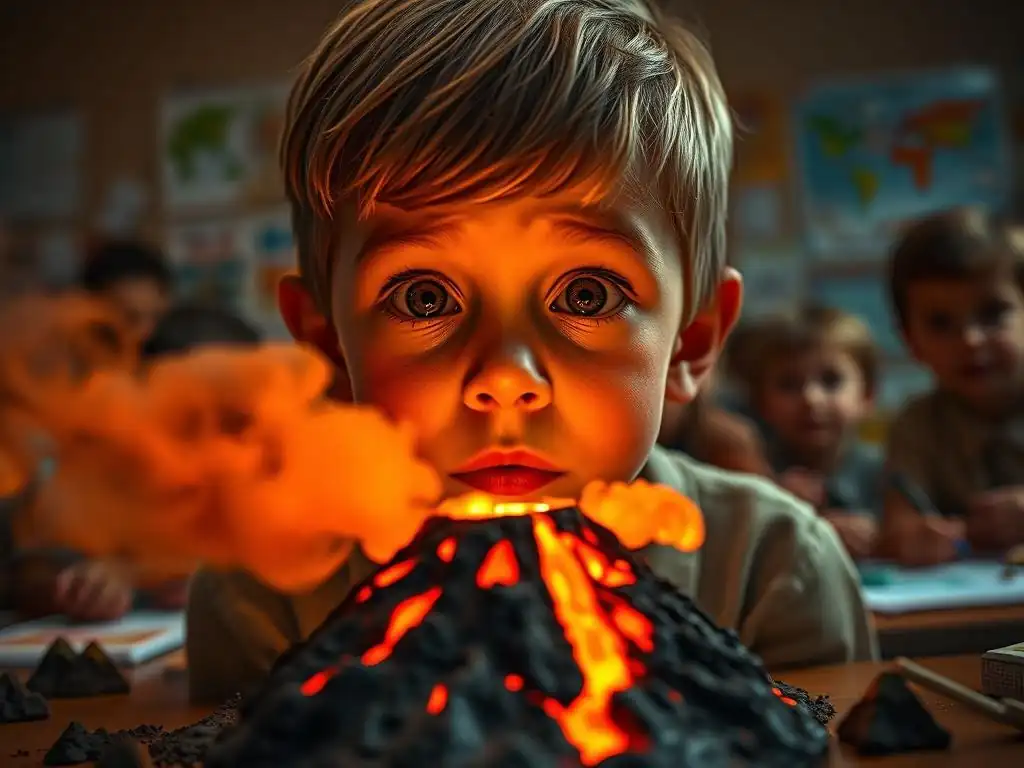
Ever wondered what fiery secrets lie beneath our feet? Prepare to ignite your curiosity! Dive into the explosive world of volcanoes and discover how you can access free volcano education resources right here. From captivating lesson plans to stunning visuals, we're fueling minds with the power of knowledge. Ready to unleash the volcano within? Let the exploration begin…
- Unleashing Volcanic Power: Free Resources for Educators
- Top Free Volcano Education Resources: A Teacher's Guide
- Hands-On Learning: Volcano Activities and Experiments
- Volcano Safety Resources: Preparing for Hazards
- Volcano Exploration Opportunities
- Conclusion: Empowering Educators with Free Resources
-
Frequently Asked Questions
- What kind of free volcano education resources does VolcanoExplorers.org offer?
- Is the information on VolcanoExplorers.org suitable for all age groups?
- Does VolcanoExplorers.org provide any materials specifically for teachers?
- How often is the information on VolcanoExplorers.org updated?
- Can I use the photographs from VolcanoExplorers.org in my classroom presentations?
- Final Reflection: Igniting Curiosity, Erupting Knowledge
- Ignite Your Students' Curiosity: Volcano Adventures Await!
Unleashing Volcanic Power: Free Resources for Educators
Engaging Students with Volcano Education
Volcanoes, with their dramatic eruptions and awe-inspiring power, offer a captivating entry point into various scientific disciplines. For educators, leveraging this inherent fascination can transform complex geological concepts into engaging learning experiences. By introducing volcano education, teachers can spark curiosity in students about Earth science, geology, and environmental studies.
Imagine the classroom discussions ignited by videos of lava flows or the creation of miniature volcanic eruptions through simple experiments. This approach not only makes learning more interactive but also helps students grasp abstract concepts through tangible examples, fostering a deeper and more lasting understanding of the natural world around them.
Furthermore, volcano education transcends textbook learning by connecting to real-world phenomena that students can observe and analyze. News reports of volcanic eruptions around the globe, for instance, become more meaningful when students understand the underlying geological processes. This relevance enhances student engagement and encourages critical thinking as they begin to interpret natural events through a scientific lens. By utilizing free volcano education resources, educators can equip themselves with the tools to make these dynamic geological processes accessible and exciting for students of all ages.
Importance of Volcano Education
Understanding volcanoes extends far beyond the classroom, holding significant societal and environmental implications. Volcano education equips students with crucial knowledge about natural hazards, fostering a sense of preparedness and responsible citizenship. Millions of people live in proximity to active volcanoes, and comprehending volcanic risks, such as ashfall, pyroclastic flows, and lahars, is vital for community safety and resilience. By learning about these hazards, students can become informed advocates for preparedness measures and contribute to building safer communities in volcanically active regions.
Moreover, studying volcanoes provides a unique perspective on the Earth's dynamic systems and the interconnectedness of natural processes. From understanding plate tectonics and magma generation to analyzing the impact of volcanic eruptions on climate and ecosystems, volcano education offers a holistic view of our planet. Volcanoes play a significant role in shaping landscapes, influencing soil fertility, and even contributing to the long-term carbon cycle.
By exploring these aspects, students develop a deeper appreciation for the Earth's complexity and the delicate balance of natural systems, fostering environmental awareness and a sense of stewardship for our planet. Free volcano education resources are instrumental in making this comprehensive understanding accessible to all students, regardless of geographical location or socioeconomic background.
Top Free Volcano Education Resources: A Teacher's Guide
Resource 1: USGS Volcano Hazards Program - Data & Lesson Plans
Real-Time Volcano Monitoring for Projects
The United States Geological Survey (USGS) Volcano Hazards Program stands as a premier source of information and data on volcanic activity worldwide. Their website offers a wealth of real-time monitoring data, including seismic activity, ground deformation, and gas emissions from volcanoes across the United States and globally. This live data provides an unparalleled opportunity for students to engage in authentic scientific inquiry. Imagine students tracking the seismic activity at Yellowstone Caldera or monitoring the gas emissions from Kilauea in Hawaii, directly accessing the same data used by volcanologists.
For classroom projects, this real-time data is invaluable. Students can choose a volcano, monitor its activity over a period, and analyze trends. For instance, they can track the increase in seismic events before an eruption or study the correlation between gas emissions and volcanic unrest. This hands-on experience with real scientific data not only enhances their understanding of volcanic processes but also develops crucial data analysis and interpretation skills. The USGS website also provides interactive maps and visualizations that make this complex data accessible and engaging for students of various learning levels.
Downloadable Lesson Plans and Activities
Beyond real-time data, the USGS Volcano Hazards Program also offers a treasure trove of free, downloadable lesson plans and educational activities specifically designed for educators. These resources cover a wide range of topics, from the basics of volcano types and eruption styles to more advanced concepts like volcanic hazards and monitoring techniques. The lesson plans are meticulously crafted by experienced educators and volcanologists, ensuring scientific accuracy and pedagogical effectiveness.
Teachers can find activities suitable for various grade levels, from elementary school introductions to volcano science to more in-depth explorations for high school and even undergraduate students. Many of these resources are aligned with national science education standards, making them easy to integrate into existing curricula.
Activities range from creating volcano models and simulating eruptions to analyzing real eruption case studies and developing hazard mitigation strategies. By utilizing these free volcano education resources, educators can confidently bring the excitement and relevance of volcano science into their classrooms, fostering a deeper understanding and appreciation for this dynamic aspect of our planet.
Resource 2: Smithsonian National Museum of Natural History - Exhibits & Tours
Virtual Volcano Exhibits: A Digital Field Trip
The Smithsonian National Museum of Natural History, a renowned institution for scientific exploration and education, offers a fantastic avenue for exploring volcanoes through its extensive online resources. While visiting the museum in Washington, D.C., provides an immersive experience, their virtual exhibits bring the wonders of geology directly into the classroom. These digital exhibits often feature high-resolution images, 3D models of volcanic rocks and minerals, and interactive components that allow students to explore volcanic processes and formations from anywhere in the world.
For classrooms unable to take a physical field trip, these virtual volcano exhibits serve as an exceptional alternative. Students can embark on a digital field trip, navigating through exhibits on volcanic rocks, minerals, and the science behind eruptions. For example, the Smithsonian's online collections often include specimens from famous volcanic eruptions, such as Mount St. Helens or Vesuvius, providing tangible links to historical events. These virtual resources offer a visually rich and engaging way to explore the world of volcanoes, making complex scientific concepts accessible and captivating for students.
Interactive Learning with Smithsonian Resources
The Smithsonian's website extends beyond virtual exhibits to offer a variety of interactive learning resources perfect for volcano education. This includes online games, interactive simulations, and educational videos that cater to different learning styles. For instance, students can participate in virtual volcano building simulations, experimenting with different magma compositions and eruption styles to understand the factors that influence volcanic activity. They can also access videos featuring Smithsonian scientists discussing their research on volcanoes, providing insights into the work of volcanologists and the ongoing efforts to understand these powerful natural phenomena.
Furthermore, the Smithsonian Education website often provides lesson plans and activities that complement their online resources, making it easy for educators to integrate these materials into their curriculum. These free volcano education resources are meticulously curated by experts and designed to be both informative and engaging, ensuring that students receive accurate and compelling information about volcanoes and related Earth science concepts. By leveraging the Smithsonian's vast resources, educators can enrich their volcano education programs and inspire a lifelong interest in science among their students.
Resource 3: National Geographic Education - Articles & Videos
Volcano Documentaries for Students
National Geographic Education, renowned for its captivating storytelling and high-quality visuals, offers a compelling collection of free resources perfect for bringing volcanoes to life in the classroom. Their extensive library of documentaries and videos provides a visually stunning and engaging way for students to learn about volcanoes, eruptions, and the impact of these geological forces on our planet. These videos often feature firsthand accounts from volcanologists, stunning footage of volcanic landscapes, and clear explanations of complex scientific concepts.
For students, watching a National Geographic documentary on volcanoes can be far more impactful than reading about them in a textbook. Videos vividly depict the power and scale of volcanic eruptions, showcasing the beauty and destruction associated with these natural events. Documentaries often explore specific volcanoes around the world, such as Mount Etna in Italy or the volcanoes of Iceland, providing geographical context and highlighting the diverse volcanic landscapes on Earth. These free volcano education resources are readily accessible online and can be easily integrated into lesson plans to enhance student engagement and understanding.
Exploring Volcano Formation with Articles
Beyond videos, National Geographic Education provides a wealth of informative articles that delve into the science behind volcano formation and related topics. These articles are written in an accessible style, making complex geological concepts understandable for students of various ages. They cover a wide range of topics, from the plate tectonic theory and the formation of different types of volcanoes to the processes of magma generation and eruption dynamics. Many articles are accompanied by stunning photographs and illustrations that further enhance understanding and visual appeal.
Educators can utilize these articles as supplementary reading materials to deepen students' understanding of volcano science. For example, an article on the formation of shield volcanoes can complement a lesson on Hawaiian volcanism, providing detailed explanations and visual examples. National Geographic articles often incorporate real-world examples and case studies, making the science relevant and engaging for students. By leveraging these free volcano education resources, teachers can provide students with a comprehensive and captivating learning experience that extends beyond the textbook and sparks a deeper curiosity about the Earth's dynamic processes.
Resource 4: Volcano World (Oregon State University) - Information & Activities
Interactive Volcano Map
Volcano World, hosted by Oregon State University, is a long-standing and highly respected online resource dedicated to volcano education and outreach. One of its most valuable features for educators is its interactive volcano map. This map provides a global overview of volcanoes, allowing students to explore volcanic activity around the world. Users can click on individual volcanoes to access detailed information, including volcano type, recent activity, and links to related resources. This interactive map serves as an excellent tool for visualizing the global distribution of volcanoes and understanding the relationship between volcanism and plate tectonics.
For classroom activities, the interactive volcano map can be used to explore different volcanic regions, compare and contrast volcano types, and investigate the relationship between volcanoes and population centers. Students can use the map to research volcanoes in specific countries or regions, identify areas with high volcanic risk, and analyze patterns of volcanic activity over time. This hands-on exploration with an interactive map enhances geographical understanding and spatial reasoning skills, while simultaneously deepening their knowledge of volcanoes.
Free Games and Activities
Volcano World goes beyond information provision by offering a range of free, engaging games and activities designed to make learning about volcanoes fun and interactive. These resources cater to various age groups and learning styles, providing educators with diverse tools to enhance their volcano education programs. Games range from volcano quizzes and puzzles to simulations of volcanic processes and virtual volcano building activities.
These games and activities are not only entertaining but also educational, reinforcing key concepts related to volcano science in an engaging format. For instance, a volcano eruption simulation game can help students understand the factors that influence eruption style and intensity. A volcano crossword puzzle can reinforce vocabulary related to volcano science. By incorporating these free volcano education resources into their teaching, educators can create a more dynamic and enjoyable learning environment, fostering a deeper interest in volcanoes and Earth science among their students.
Hands-On Learning: Volcano Activities and Experiments
Build a Volcano: A Classroom Experiment
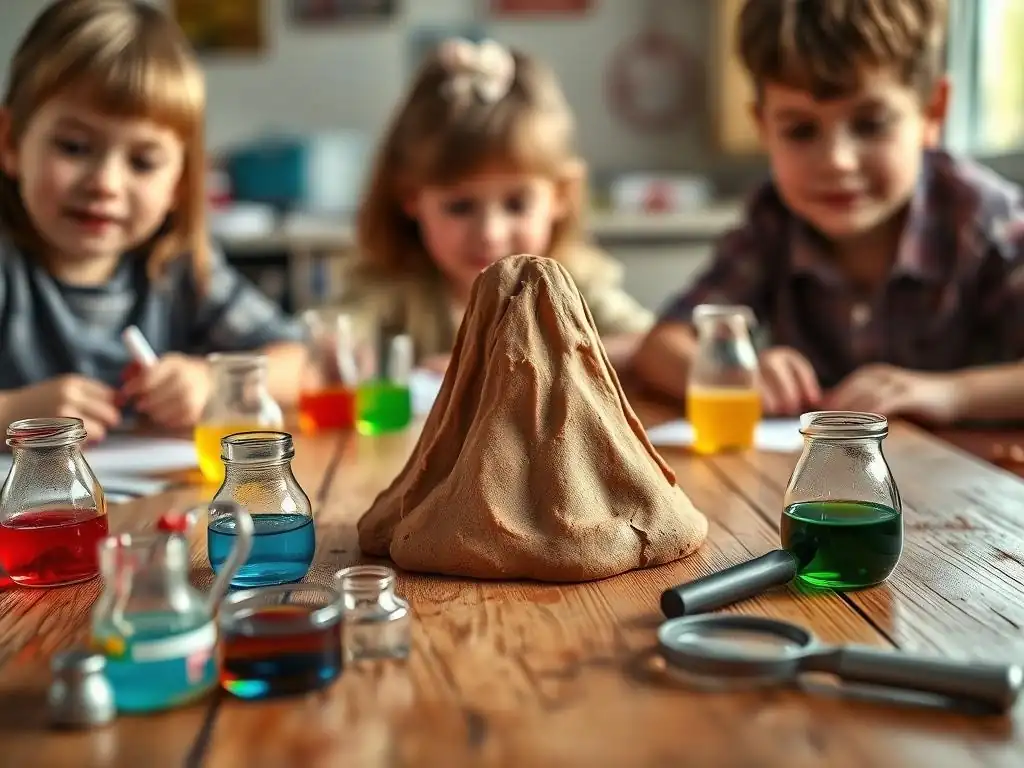
Materials: Baking Soda, Vinegar, Plastic Bottle, Food Coloring, Clay
Creating a model volcano that erupts is a classic and highly effective hands-on experiment for bringing volcano science to life in the classroom. The materials required are readily accessible and inexpensive, making it a practical activity for most educational settings. You will need baking soda (sodium bicarbonate), vinegar (acetic acid), a plastic bottle (a soda bottle works well), food coloring (red or orange for lava), and modeling clay or playdough to construct the volcano cone. Optional materials include dish soap to enhance the eruption foam and a tray or pan to contain the mess.
This simple experiment demonstrates the basic principles of a volcanic eruption through a safe and controlled chemical reaction. The baking soda and vinegar react to produce carbon dioxide gas, which builds up pressure inside the bottle, mimicking the pressure buildup beneath a real volcano. The food coloring visually represents lava, and the modeling clay allows students to shape and customize their volcano models, enhancing engagement and creativity. This hands-on activity provides a tangible and memorable learning experience, solidifying students' understanding of the driving forces behind volcanic eruptions.
Instructions for a Safe Volcano Eruption
To conduct the baking soda and vinegar volcano experiment safely, follow these simple instructions. First, construct the volcano cone around the plastic bottle using modeling clay, leaving the bottle opening exposed at the top. Place the volcano model on a tray or pan to contain any overflow. Inside the bottle, add a few tablespoons of baking soda and a few drops of dish soap (optional, for extra foam). When ready to erupt, pour vinegar into the bottle and observe the eruption.
It is crucial to supervise students closely during this experiment and emphasize safety precautions. Ensure students wear safety goggles to protect their eyes from any splashes. Conduct the experiment in a well-ventilated area, as the reaction produces carbon dioxide gas. Explain to students that this is a model and that real volcanic eruptions are far more powerful and dangerous. After the eruption, discuss the chemical reaction and relate it back to the processes that occur during a real volcanic eruption, reinforcing the educational value of this engaging hands-on activity.
Creating a Volcano Diorama: Visualizing Landscapes
Materials: Cardboard Box, Paint, Modeling Clay, Small Toys
Building a volcano diorama offers a different, yet equally valuable, hands-on learning experience. Unlike the erupting volcano experiment, a diorama focuses on visualizing the broader volcanic landscape and its surrounding environment. Materials needed include a cardboard box (a shoebox or larger), paint (various colors for landscape features), modeling clay or playdough, and small toys or figurines to represent buildings, trees, animals, or people. Additional materials like sand, gravel, and small rocks can enhance the realism of the diorama.
Creating a volcano diorama allows students to express their creativity while learning about volcanic landforms and their geographical context. They can model different types of volcanoes, such as stratovolcanoes, shield volcanoes, or cinder cones, and represent various volcanic features like craters, calderas, lava flows, and ash deposits. The use of paint and additional materials enables them to create realistic landscapes, showcasing the interaction between volcanoes and their surrounding environment. This activity encourages spatial reasoning, artistic expression, and a deeper understanding of volcanic landscapes.
Integrating Geography and Art
The volcano diorama project seamlessly integrates geography and art, providing a multidisciplinary learning opportunity. Students can research different volcanic regions around the world and choose a specific location to model in their diorama. This geographical research enhances their understanding of diverse volcanic landscapes and the factors that influence their formation. For example, they might choose to model the volcanic landscape of Iceland, Hawaii, or Japan, each with unique characteristics.
The artistic aspect of the diorama allows students to express their creativity and develop visual communication skills. They can use paint, modeling clay, and other materials to create visually appealing and informative representations of volcanic landscapes. The incorporation of small toys and figurines adds a human or environmental element, prompting students to consider the impact of volcanoes on ecosystems and human settlements. By combining geographical research with artistic expression, the volcano diorama project fosters a holistic and engaging learning experience that caters to diverse learning styles and promotes interdisciplinary understanding.
Volcano Safety Resources: Preparing for Hazards
Understanding Volcanic Hazards: Ashfall, Lahars, and Flows
Volcano education is incomplete without addressing the potential hazards associated with volcanic eruptions. Understanding these hazards is crucial for students, particularly those living in volcanically active regions, to develop a sense of preparedness and safety awareness. Key volcanic hazards include ashfall, lahars (volcanic mudflows), and pyroclastic flows. Ashfall consists of fine volcanic particles that can blanket areas downwind of an eruption, disrupting transportation, damaging infrastructure, and posing respiratory health risks.
Lahars are rapidly flowing mixtures of volcanic debris and water, often triggered by heavy rainfall or melting snow and ice during or after an eruption. They can travel at high speeds, destroying everything in their path and posing a significant threat to communities located in valleys and drainage systems around volcanoes. Pyroclastic flows are hot, fast-moving currents of gas and volcanic debris that can sweep down the flanks of a volcano during an explosive eruption.
These are among the most dangerous volcanic hazards, capable of causing widespread devastation and posing immediate life threats. Educating students about these specific hazards is essential for promoting volcano safety and preparedness.
Downloadable Safety Guides
Numerous organizations, including the USGS and FEMA (Federal Emergency Management Agency), provide free downloadable safety guides and resources specifically designed for communities living near volcanoes. These guides offer practical information on how to prepare for volcanic eruptions and what to do during and after an event. They typically cover topics such as developing emergency plans, assembling disaster preparedness kits, understanding evacuation procedures, and mitigating the impacts of specific volcanic hazards like ashfall and lahars.
Educators can utilize these downloadable safety guides as valuable resources for classroom instruction and community outreach. They can share these guides with students and their families, promoting volcano safety awareness beyond the classroom. Many guides are available in multiple languages and are tailored to different age groups and communities. By providing access to these free volcano education resources, schools can play a vital role in enhancing community resilience and preparedness for volcanic hazards.
Developing a School Emergency Plan
For schools located in volcanically active areas, developing a comprehensive school emergency plan is paramount. This plan should specifically address procedures for responding to volcanic eruptions and related hazards. It should include protocols for evacuation, shelter-in-place, communication with parents and emergency responders, and post-eruption recovery. The plan should be developed in collaboration with local emergency management agencies and should be regularly reviewed and practiced through drills.
A well-developed school emergency plan for volcanic hazards ensures the safety and well-being of students and staff in the event of an eruption. It provides clear guidelines and procedures, reducing confusion and panic during an emergency. Educators can involve students in age-appropriate aspects of emergency planning, such as practicing evacuation routes or learning about emergency communication systems. By proactively preparing for volcanic hazards, schools can create a safer and more resilient learning environment for students living in volcanically active regions.
Volcano Exploration Opportunities
Virtual Field Trips to Active Volcanoes
Exploring Mount Etna, Italy
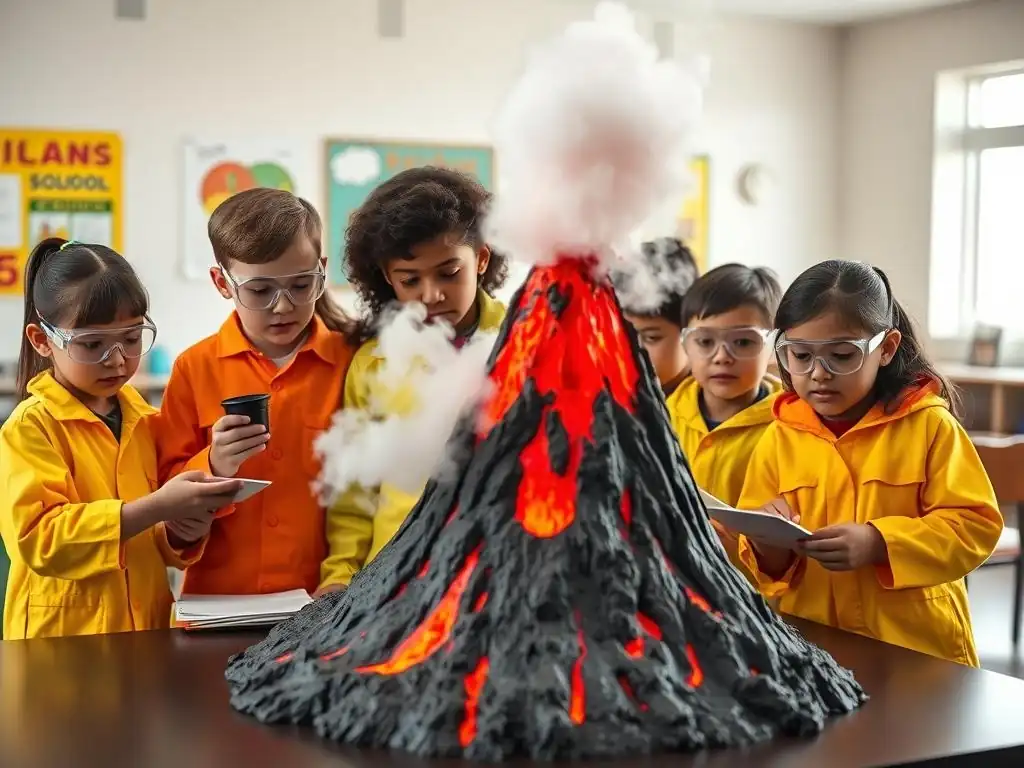
Virtual field trips offer an incredible opportunity to explore active volcanoes around the world without leaving the classroom. Several organizations and institutions provide online virtual tours and live webcams of volcanoes, allowing students to witness volcanic activity in real-time or through recorded footage. Mount Etna in Sicily, Italy, one of Europe's most active volcanoes, is a prime example. Webcams positioned on Etna's flanks often provide live views of summit craters, lava flows, and volcanic plumes. Virtual tours may include 360-degree panoramic views of the volcanic landscape, allowing students to explore the volcano's features and surrounding environment.
Exploring Mount Etna virtually allows students to observe the dynamic nature of an active stratovolcano, witness Strombolian eruptions, and study lava flows. They can learn about the geological setting of Etna, its history of eruptions, and the communities living in its shadow. Virtual field trips to Etna can be integrated into lessons on volcano types, eruption styles, and the impact of volcanism on human populations. These free volcano education resources bring the excitement of volcano exploration directly into the classroom.
Discovering Kilauea Volcano, Hawaii
Kilauea volcano in Hawaii, renowned for its long-lasting eruptions and iconic lava flows, is another exceptional destination for virtual volcano exploration. The USGS Hawaiian Volcano Observatory website offers a wealth of resources, including webcams, thermal imagery, and time-lapse videos documenting Kilauea's volcanic activity. Virtual tours may showcase the dramatic landscapes of Hawaii Volcanoes National Park, including lava tubes, volcanic craters, and active lava lakes (when present).
Discovering Kilauea virtually allows students to witness shield volcanism in action, observe lava flows reaching the ocean, and learn about the unique geological and ecological features of the Hawaiian Islands. They can study the processes of lava flow emplacement, volcanic gas emissions, and the formation of volcanic landforms. Virtual field trips to Kilauea can be integrated into lessons on shield volcanoes, hot spot volcanism, and the environmental impact of volcanic eruptions. These free volcano education resources provide an immersive and engaging way to explore one of the world's most fascinating volcanic systems.
Online Maps for Tracking Volcanic Activity
Exploring with Google Earth
Google Earth provides a powerful and readily accessible platform for exploring volcanoes and tracking volcanic activity globally. Users can search for specific volcanoes, zoom in to examine volcanic landscapes in detail, and utilize 3D terrain views to visualize volcanic cones and craters. Google Earth also integrates real-time data layers, such as volcano alerts and earthquake information, allowing students to overlay volcanic activity data onto the map and visualize patterns of volcanism.
Exploring volcanoes with Google Earth enhances geographical understanding and spatial reasoning skills. Students can identify the locations of major volcanoes, analyze their distribution in relation to plate boundaries, and investigate the geological context of volcanic activity in different regions. Google Earth's historical imagery feature also allows students to observe changes in volcanic landscapes over time, such as the growth of volcanic cones or the extent of lava flows. This free tool provides a versatile and engaging way to explore volcanoes and track volcanic activity from a global perspective.
Referencing Volcano Discovery
Volcano Discovery is a specialized website dedicated to providing up-to-date information and news on volcanic activity worldwide. Their website features an interactive global volcano map that displays current volcanic alerts, eruption reports, and seismic data. Users can click on individual volcanoes to access detailed information, including eruption status, hazard levels, and recent activity updates. Volcano Discovery also provides news articles and reports on significant volcanic events, keeping users informed about global volcanism in real-time.
Referencing Volcano Discovery allows students to stay informed about current volcanic activity and develop an understanding of the dynamic nature of volcanism on a global scale. They can track ongoing eruptions, monitor volcanic unrest, and learn about the impacts of volcanic events on communities around the world. Volcano Discovery serves as a valuable resource for supplementing classroom learning with real-world examples of volcanism and fostering an awareness of global volcanic hazards. This free online resource provides a valuable window into the constantly changing world of volcanoes.
Conclusion: Empowering Educators with Free Resources
Inspiring Future Volcanologists
By leveraging the wealth of free volcano education resources available, educators have the power to ignite a passion for Earth science in their students and potentially inspire the next generation of volcanologists. Volcanoes, with their inherent drama and scientific intrigue, offer a compelling gateway into STEM fields. Engaging students with hands-on activities, virtual explorations, and real-world data can spark curiosity and foster a deeper understanding of geological processes.
Providing access to free volcano education resources ensures that all students, regardless of their background or location, have the opportunity to explore the wonders of volcanism. By empowering educators with these tools, we can cultivate a scientifically literate citizenry and inspire future generations to pursue careers in Earth science, contributing to a better understanding and management of our planet's dynamic systems. The resources highlighted in this guide serve as a starting point for educators to embark on an exciting journey of volcano exploration with their students.
Volcano Explorers: Your Hub for Learning
Volcano Explorers is dedicated to providing a comprehensive hub for volcano education and exploration. Our website aims to connect educators, students, and volcano enthusiasts with a wide range of free resources, information, and opportunities to delve into the fascinating world of volcanoes. From educational materials and lesson plans to virtual field trips and real-time volcano data, Volcano Explorers strives to be your go-to destination for all things volcano-related.
We encourage educators to utilize the resources highlighted in this article and to explore the Volcano Explorers website for even more free volcano education resources. Join us in our mission to unlock the power of volcano education and inspire a lifelong appreciation for the Earth's dynamic forces. Together, we can empower the next generation of volcano explorers and foster a deeper understanding of these awe-inspiring natural wonders.
Frequently Asked Questions
What kind of free volcano education resources does VolcanoExplorers.org offer?
VolcanoExplorers.org provides educational content on various aspects of volcanoes, including their formation, types, and famous eruptions. They also have resources for volcano safety and real-time updates.
Is the information on VolcanoExplorers.org suitable for all age groups?
The site offers a range of materials, but some content might be more appropriate for older students due to the scientific complexity. However, there are also engaging photographs and videos that can appeal to younger audiences.
Does VolcanoExplorers.org provide any materials specifically for teachers?
Yes, VolcanoExplorers.org offers educational content and safety guides, which can be very helpful in a classroom environment. The site offers a great way to create lesson plans!
How often is the information on VolcanoExplorers.org updated?
The website provides real-time updates on volcanic activity, suggesting frequent monitoring of volcanic events globally. The educational content is regularly reviewed to ensure accuracy.
Can I use the photographs from VolcanoExplorers.org in my classroom presentations?
The site has sections dedicated to volcano photography, but always check for copyright information before using any images for public presentations. Make sure to give credit where it is due!
Final Reflection: Igniting Curiosity, Erupting Knowledge
The journey through the world of volcanoes, as illuminated by these free volcano education resources, underscores the enduring power of accessible learning. What was once a distant, perhaps intimidating, subject can now be brought to life within the classroom, fostering a deeper understanding of our planet's dynamic forces and inspiring the next generation of geoscientists.
This exploration of volcanic landscapes and geological processes has the potential to profoundly influence how we perceive our relationship with the Earth. By making these resources freely available, we empower educators to cultivate a sense of wonder and responsibility towards our planet. The important thing is not to stop questioning. Curiosity has its own reason for existing.
- Albert Einstein. This quote perfectly encapsulates the spirit of exploration that these resources aim to ignite in students.
Now, dear reader, consider how you can further integrate this knowledge into your own life and community. Embrace the opportunity to share these resources, to spark conversations about our planet's incredible power, and to encourage a lifelong pursuit of learning. Let the fiery spirit of volcanic exploration ignite a passion for knowledge and a commitment to understanding the world around us.
Ignite Your Students' Curiosity: Volcano Adventures Await!
Thanks for delving into the fascinating world of volcanoes with us! We hope you've discovered exciting new ways to bring Earth science to life in your classroom. Now, let's turn that inspiration into action!
Here are a few ways you can keep the volcanic momentum going:
- Download our comprehensive volcano lesson plan – it's packed with hands-on activities, stunning visuals, and ready-to-use worksheets designed to engage students of all ages.
- Share this article with your fellow educators and spark a volcano-sized conversation about innovative teaching methods. Let's build a community of passionate Earth science teachers!
- Challenge your students to design their own volcano monitoring system using everyday materials. The most creative design wins bragging rights!
What are you waiting for? Earth is calling!
What's one small change you can make to your Earth Science curriculum to incorporate more engaging volcano-related content this week?